


Welcome to PSI, the largest research institute for natural and engineering sciences in Switzerland.
Recent highlights from our research
Show filters

Identifying the sources of Sarajevo’s smog
Fumes from wood and coal burning as well as from cooking are the main sources of the heavy smog in the capital of Bosnia and Herzegovina. That’s the finding of a comprehensive mobile measurement campaign by PSI researchers.

A comprehensive energy system model for Switzerland
Energy systems face complicated, long-term challenges with a high degree of uncertainty. To explore these challenges and support decision-making, the STEM energy systems model from the Energy Economics Group at PSI has become a key tool.

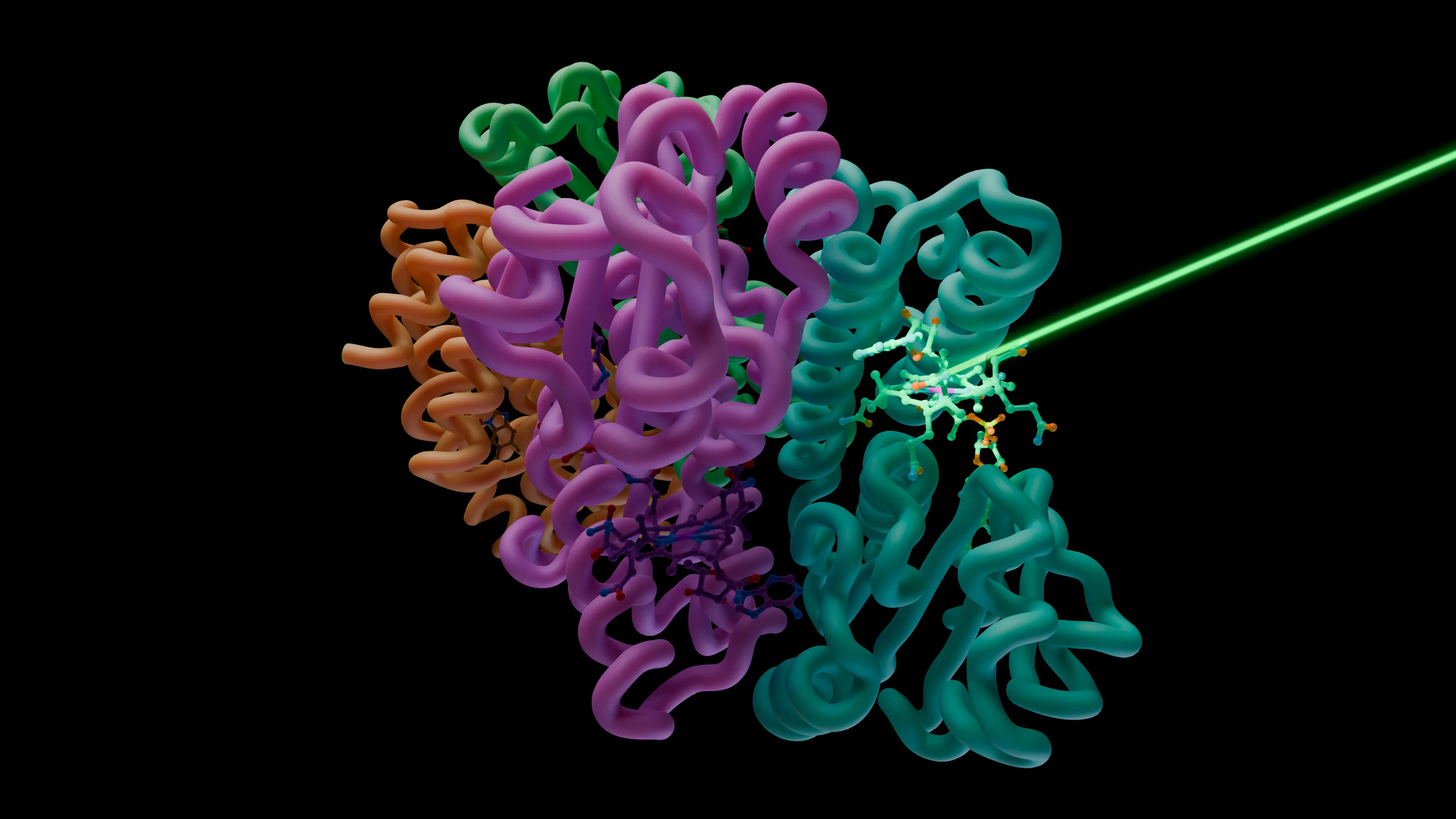
Swiss X-ray laser reveals the hidden dance of electrons
New X-ray technique at SwissFEL shows how electrons act together – with the potential to show why quantum information slips so easily away.

Topic cloud
Current upgrade projects and research initiatives
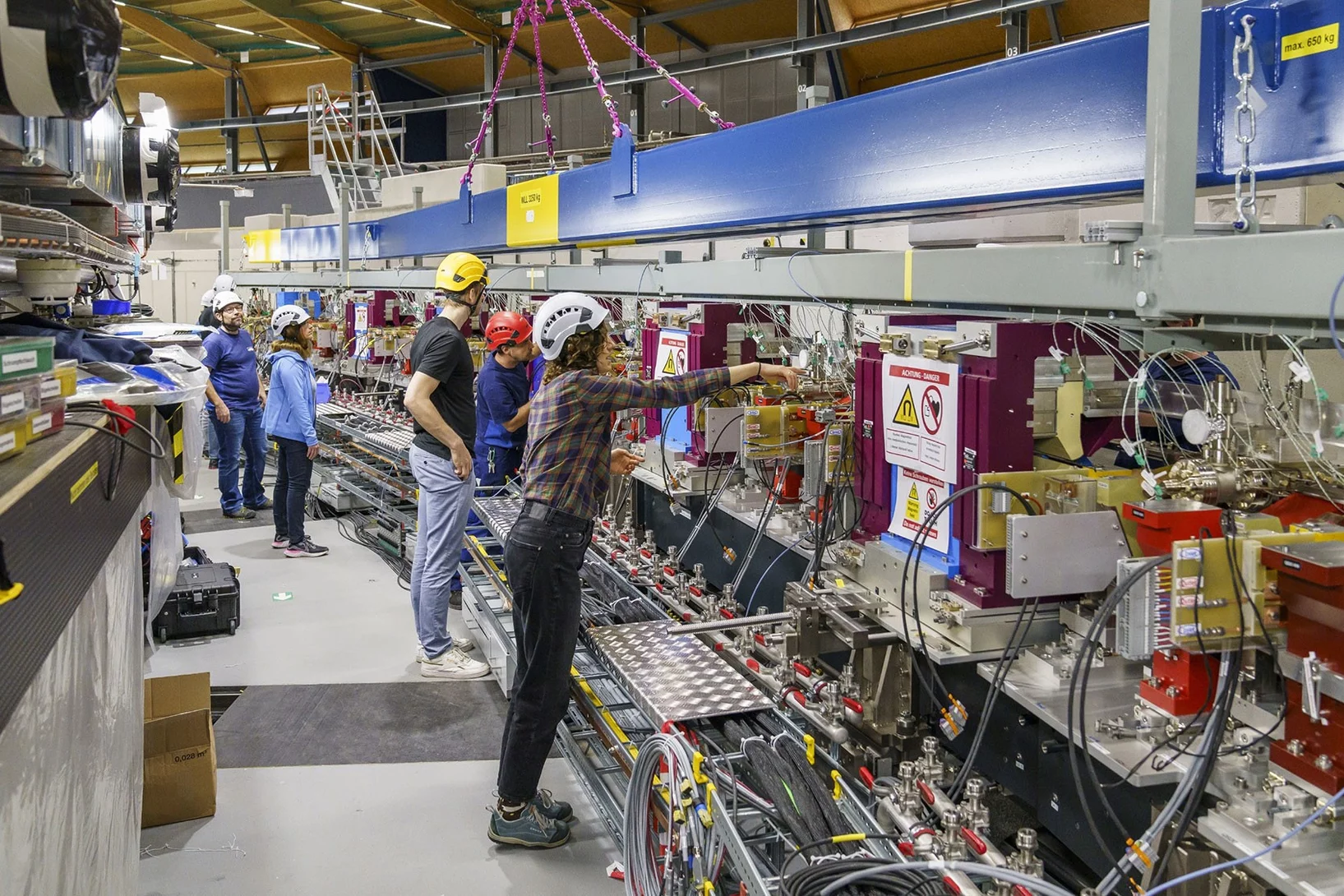

Together with industry to innovation

Swiss PIC technology transfer centre is inaugurated
Jointly founded by scientific and industrial partners with PSI researchers: the Swiss Photonics Integration Center celebrated its inauguration on 24 November 2025.
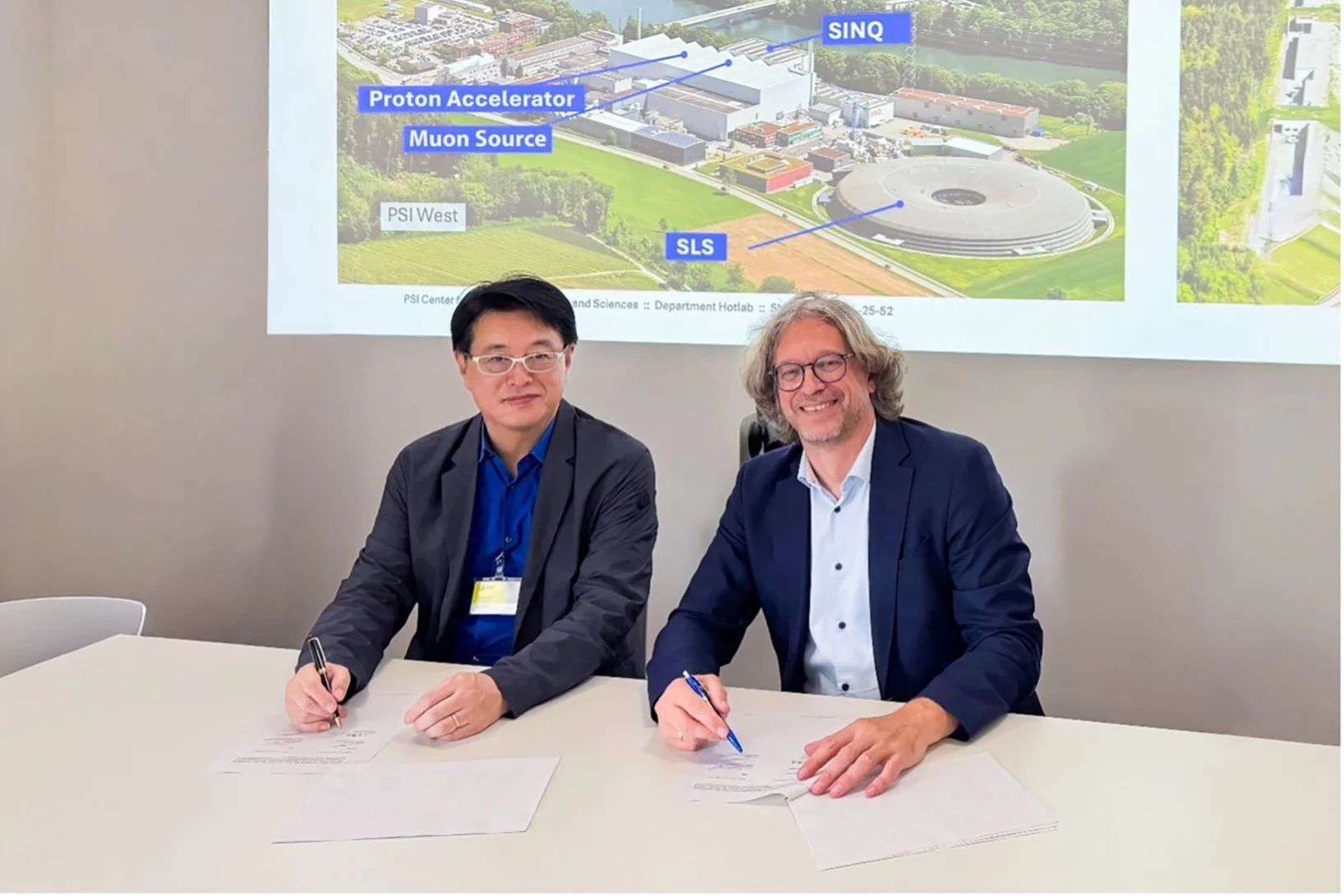
Advancing nuclear technologies
NUKEM and Paul Scherrer Institute Sign Memorandum of Understanding to Advance Nuclear Research and Collaboration.

Zinc detected in clogged syringes
With the help of researchers at PSI, ANAXAM has been investigating, on behalf of the pharmaceutical company MSD, whether zinc may contribute to clogging of pre-filled syringes.
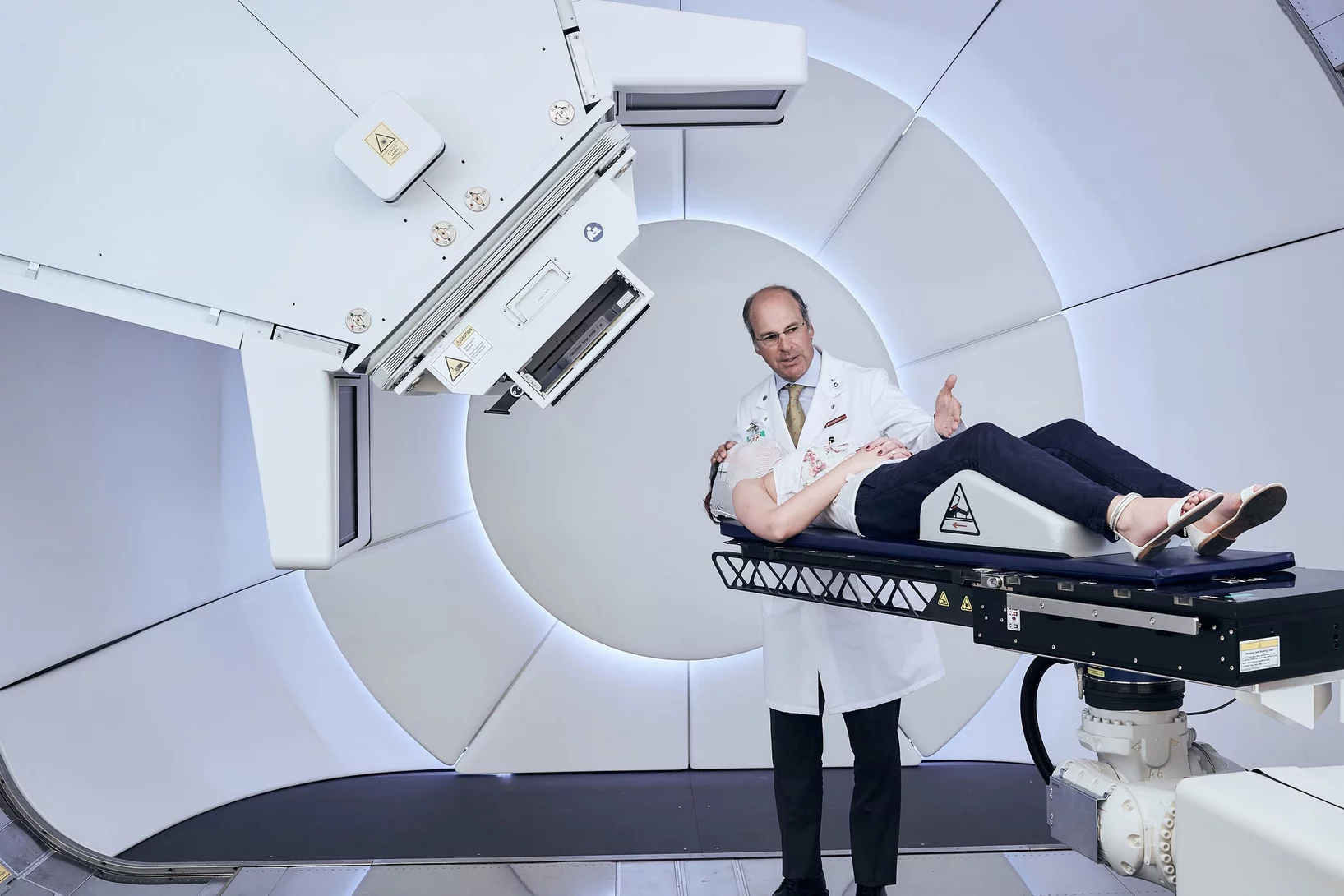
The people at PSI
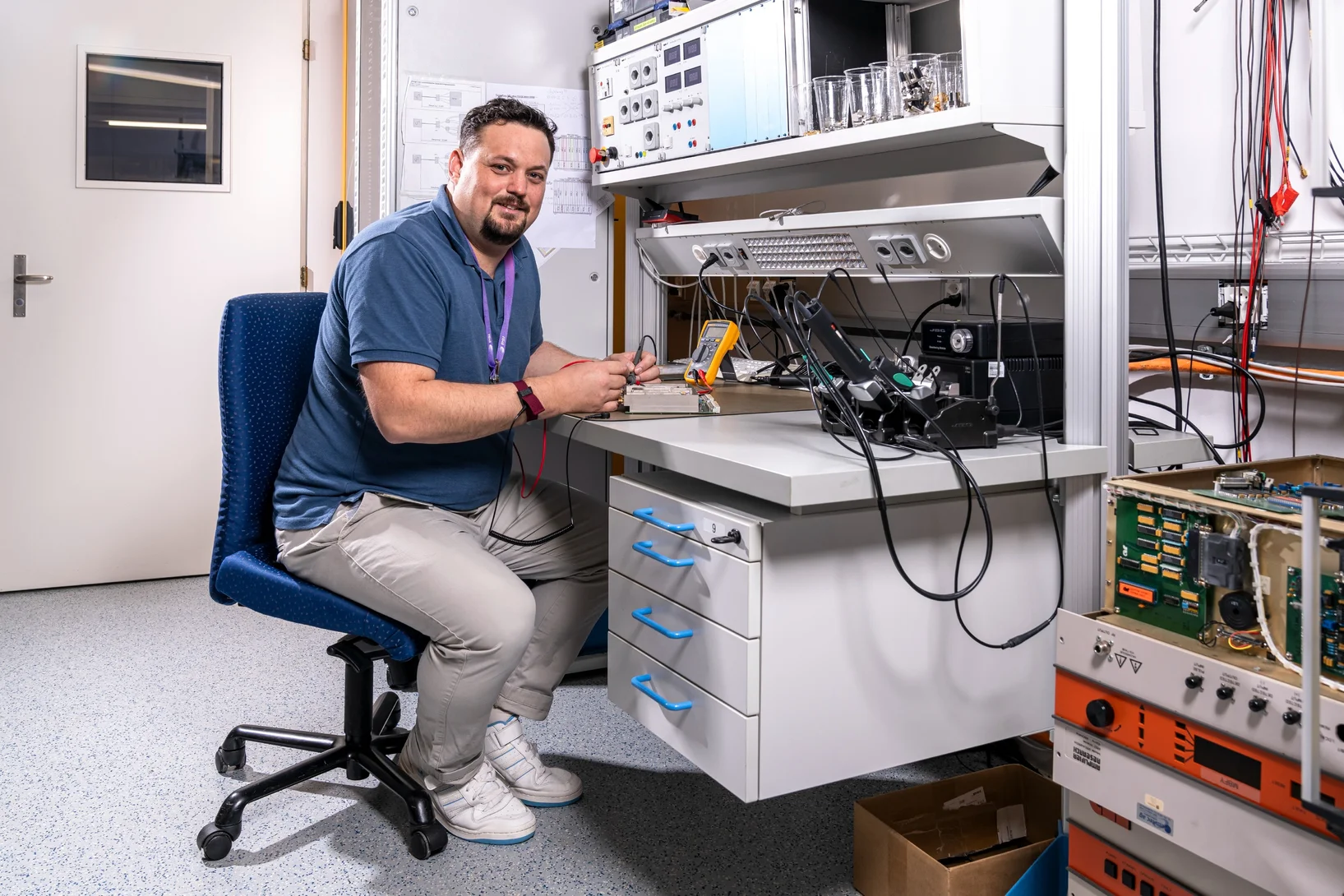
Engineering skill and perseverance
Credit for the on-time completion of the major SLS 2.0 upgrade project is due in part to a team of dedicated electrical engineers.

PSI’s cement whisperer
John Provis has dedicated his research career to a building material that is far more exciting than you might think.
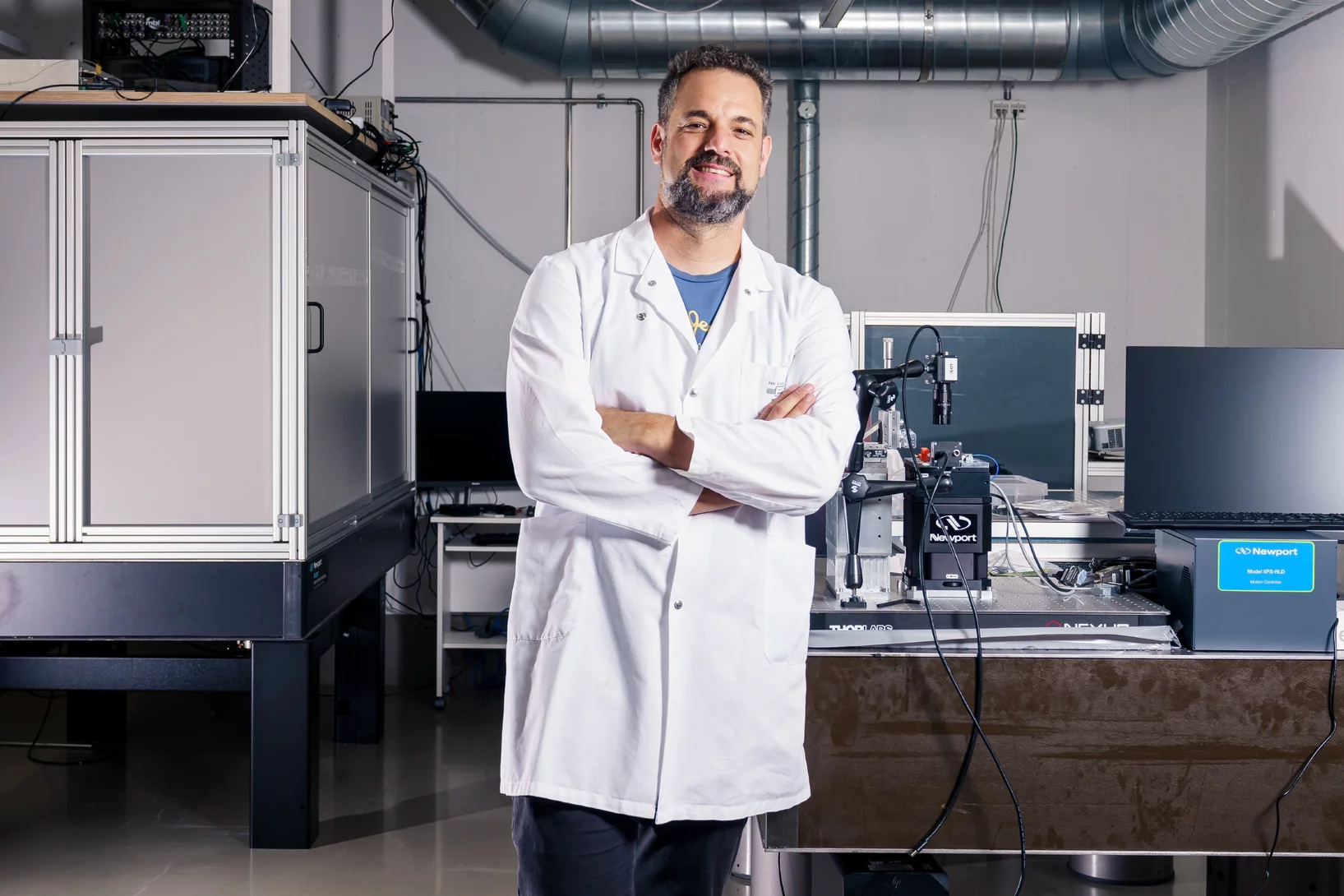
Creating circuit diagrams of the brain
Adrian Wanner aims to map the brain’s architecture. Doing this will allow us to better understand neurodegenerative diseases like Alzheimer’s.
PSI on social media