
Show filters

Slowing time and trapping ions
Cornelius Hempel uses quanta to perform calculations on quantum phenomena. While this sounds logical, it’s actually highly complex. His latest coup: a quantum simulator that slows down time.

Disorder begins at the surface of quantum materials
Ultrafast X-rays from SwissFEL reveal unexpected light responses in quantum materials.
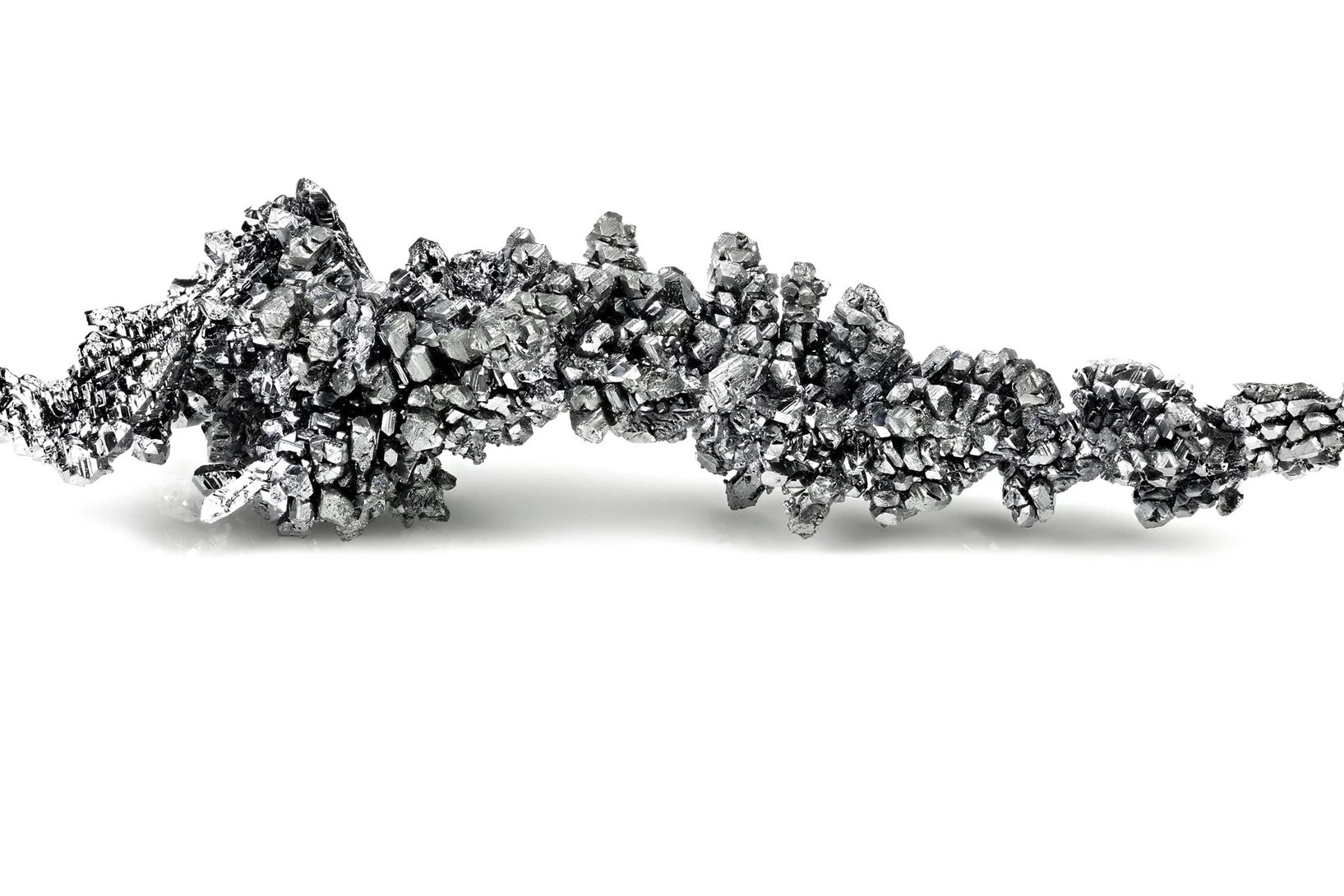
Data for a better vanadium flow
Scientists at PSI have developed a dynamic database on the global vanadium economy. This is meant to advance the use of special energy storage systems – and thus the energy transition.

Big heart, acute senses key to explosive radiation of early fishes
X-rays of a 400-million-year-old fossil illuminate a key moment in our deep evolutionary past.

POLIZERO: PSI project shows paths to climate neutrality
The net-zero target is achievable – if Switzerland sets the right political course now.
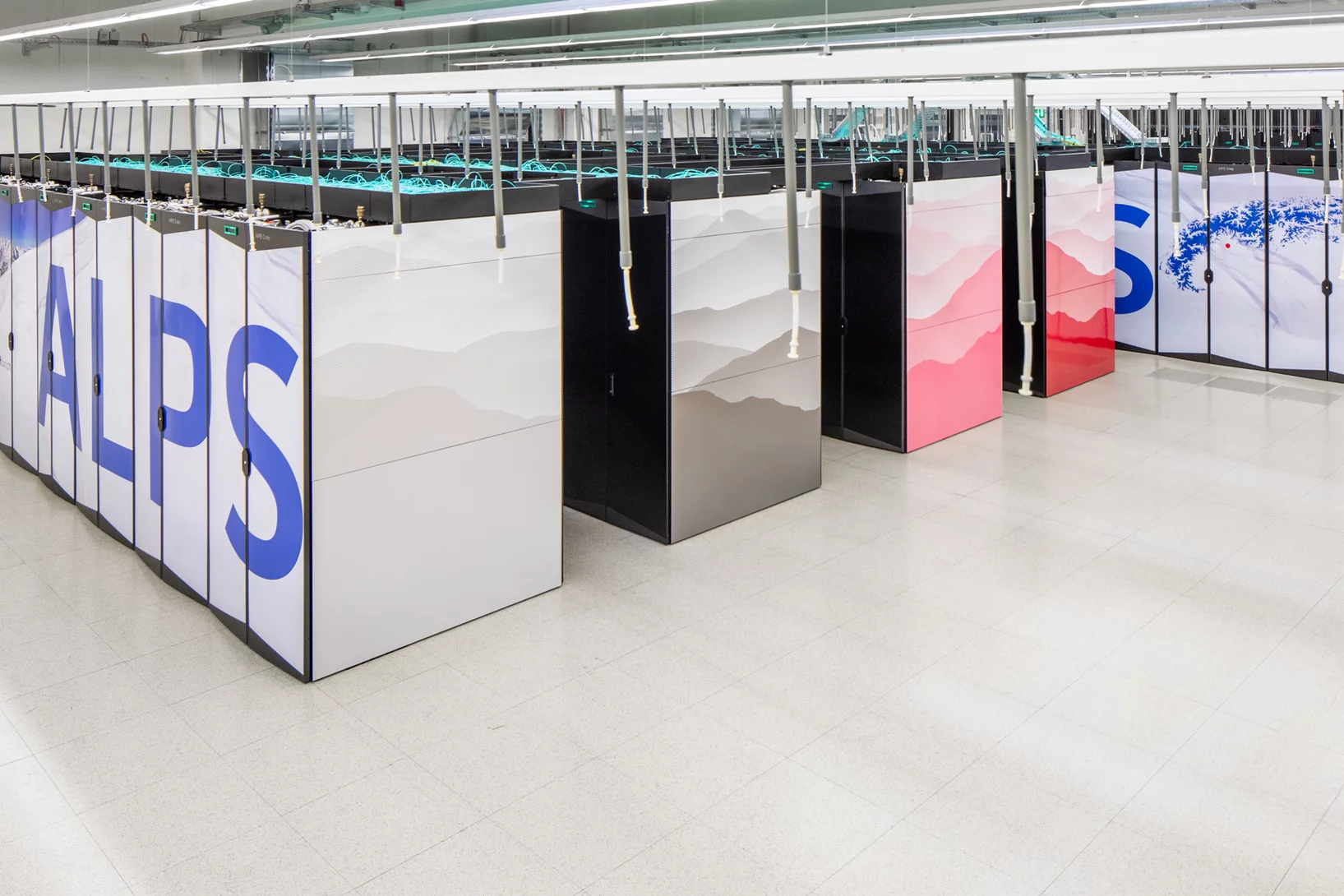
Merlin-7: New model for high-performance computing
An innovative computing cluster is ushering in a new era of computer-aided research at PSI.
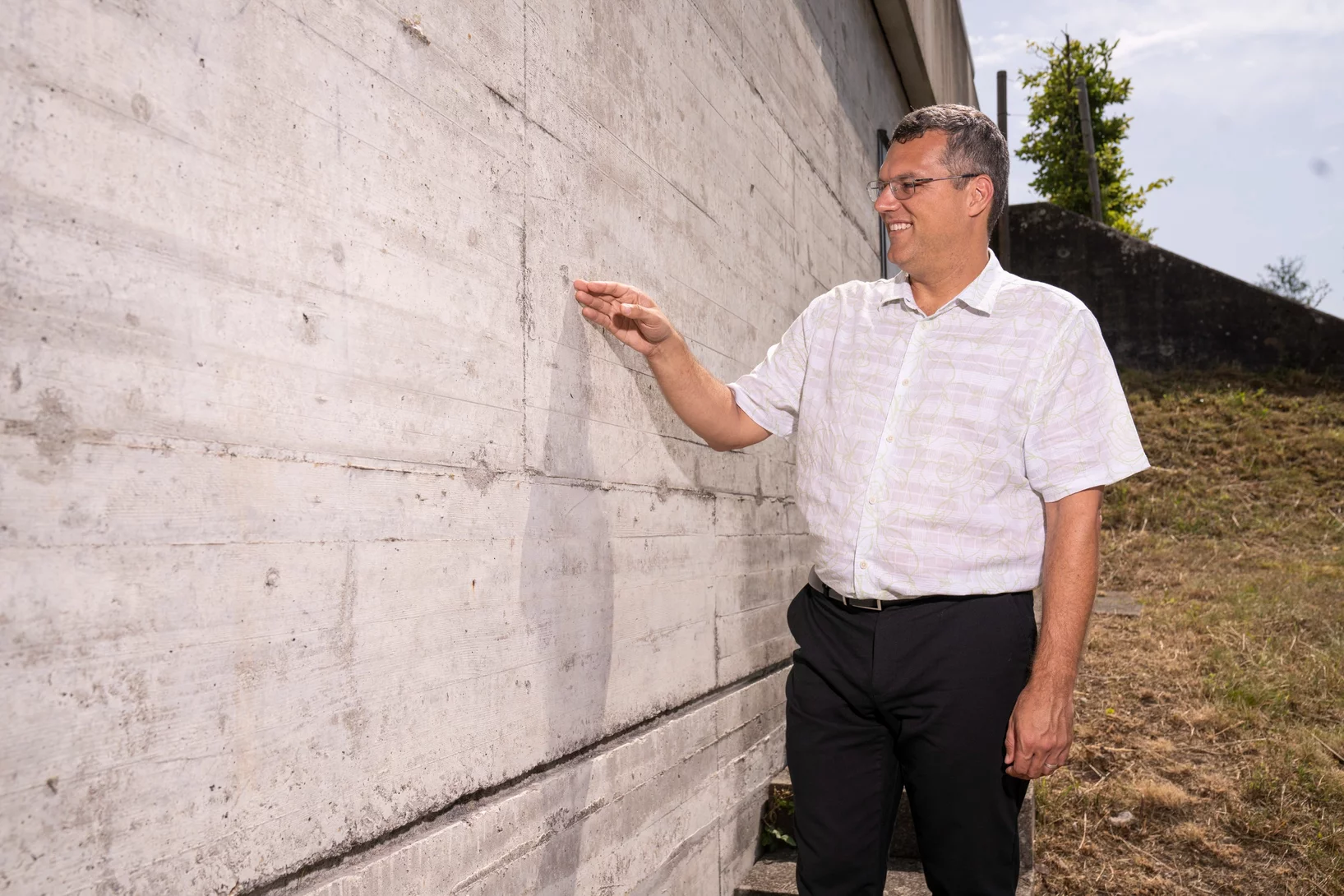
PSI’s cement whisperer
John Provis has dedicated his research career to a building material that is far more exciting than you might think.
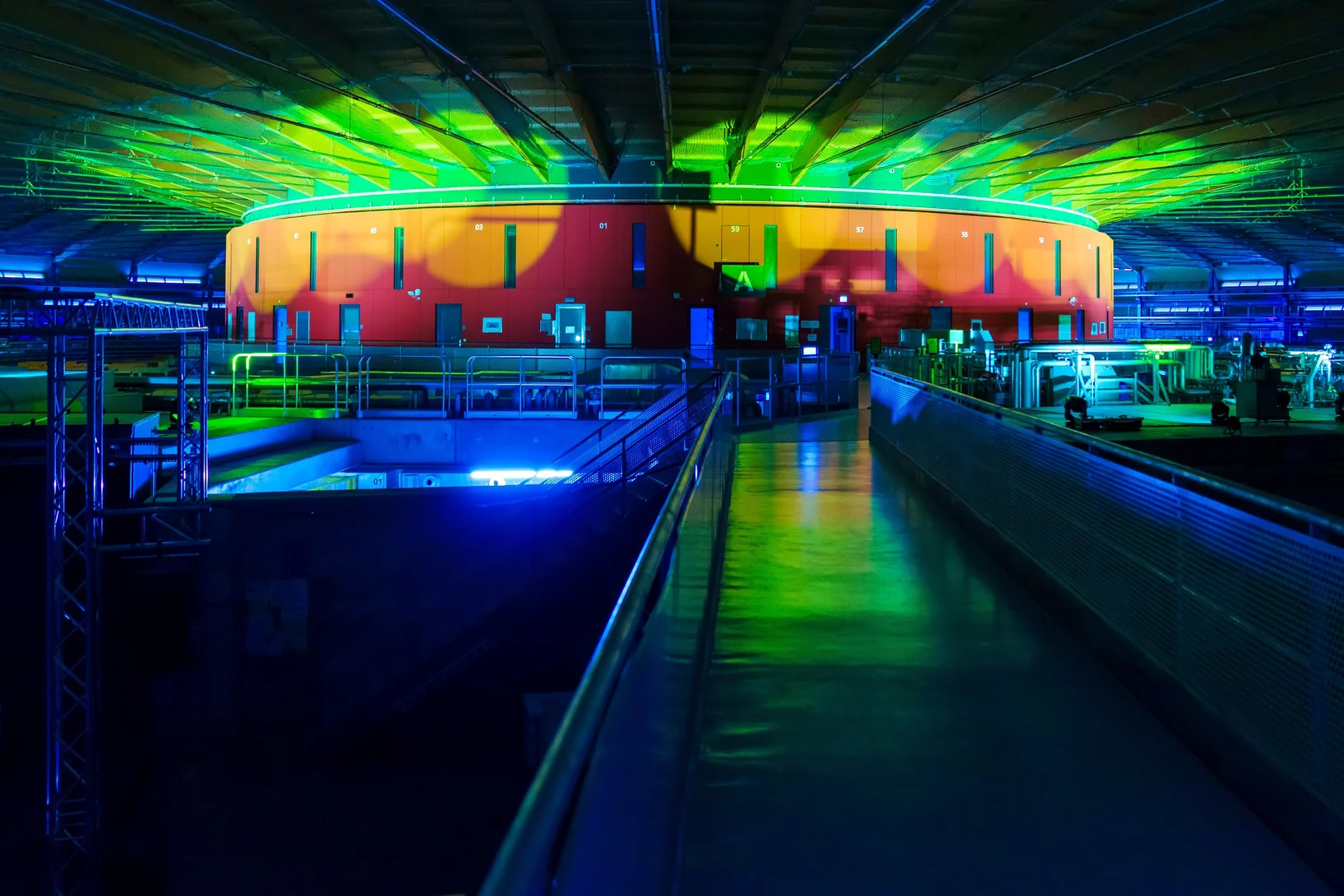
A bright light for Switzerland
The new Swiss Light Source is inaugurated

The Quantum Revolution: What's Next?
A century on from the birth of quantum mechanics, 2025 marks the UNESCO International Year of Quantum Science and Technology. What does the future hold? Our experts share their opinions.

X-rays reveal fossil stealth technology
PSI imaging helps to uncover the hunting strategy of a prehistoric predator.
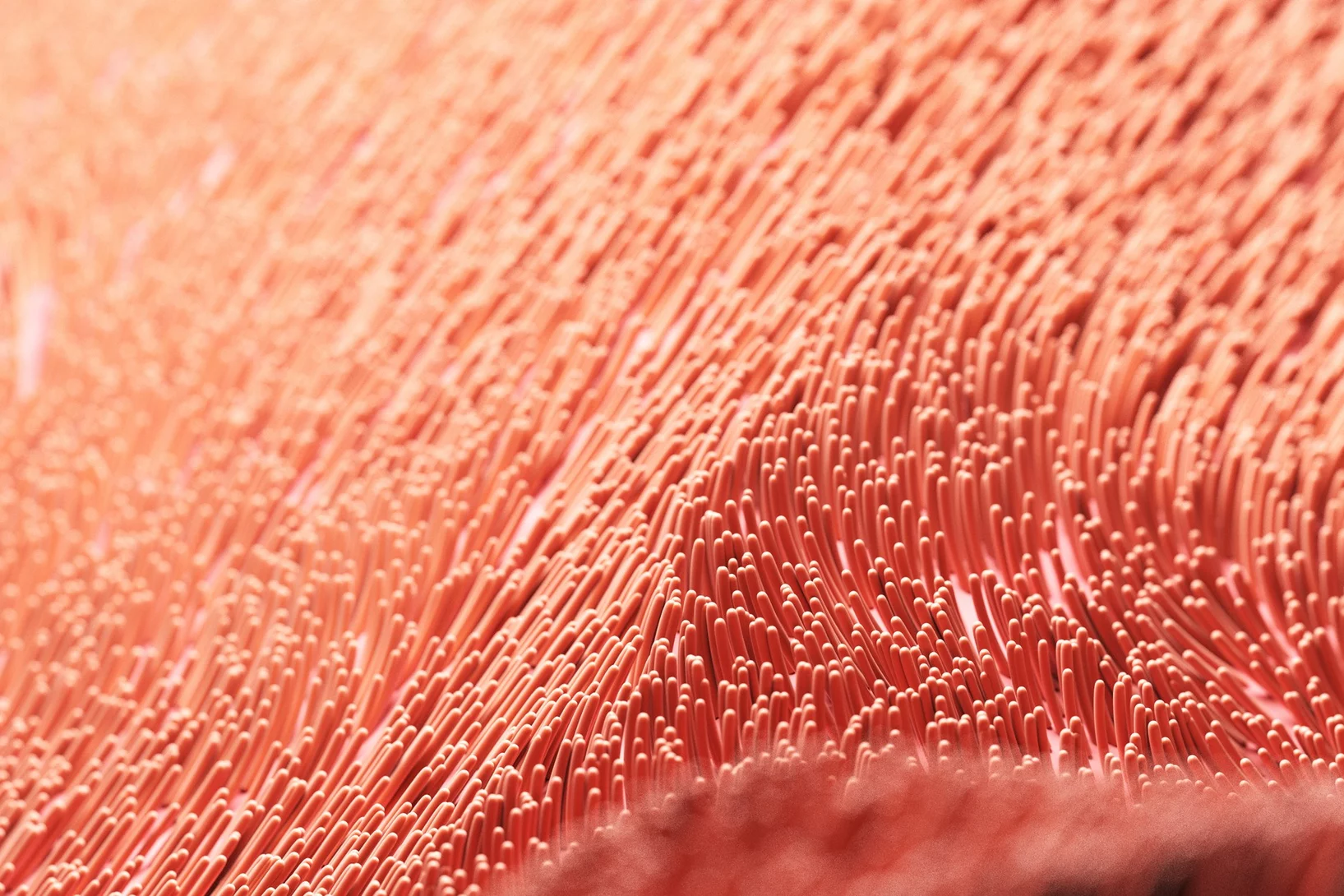
New insights into a rare disease
Researchers at PSI have uncovered how genetic defects damage human cilia in different ways – a step towards improving the diagnosis of primary ciliary dyskinesia, a disease that has until now been poorly understood.
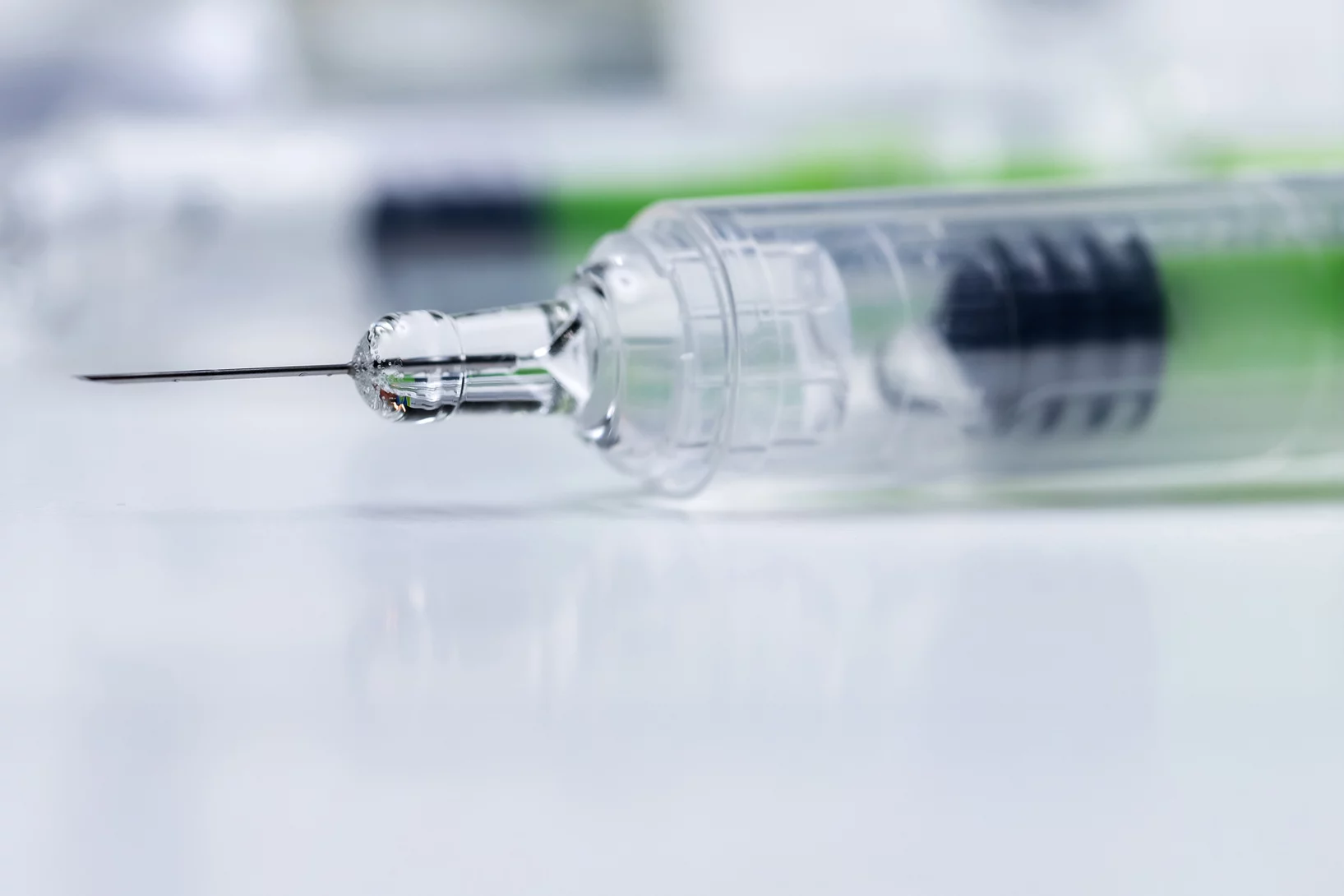
Zinc detected in clogged syringes
With the help of researchers at PSI, ANAXAM has been investigating, on behalf of the pharmaceutical company MSD, whether zinc may contribute to clogging of pre-filled syringes.
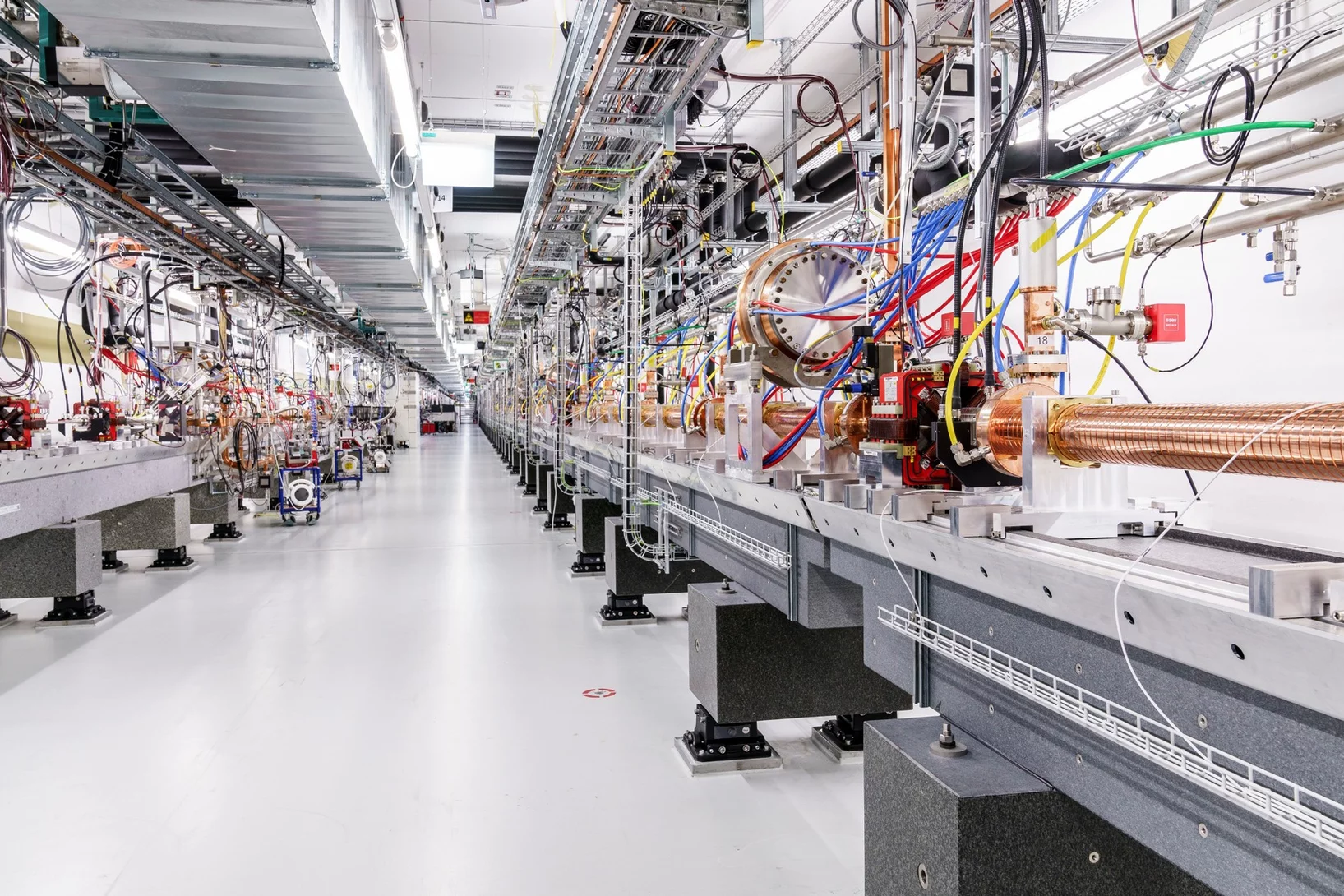
Peering into matter with ultrashort X-ray ripples
An all-X-ray transient grating experiment allows scientists to study the dynamics of quantum particles at the nanoscale.
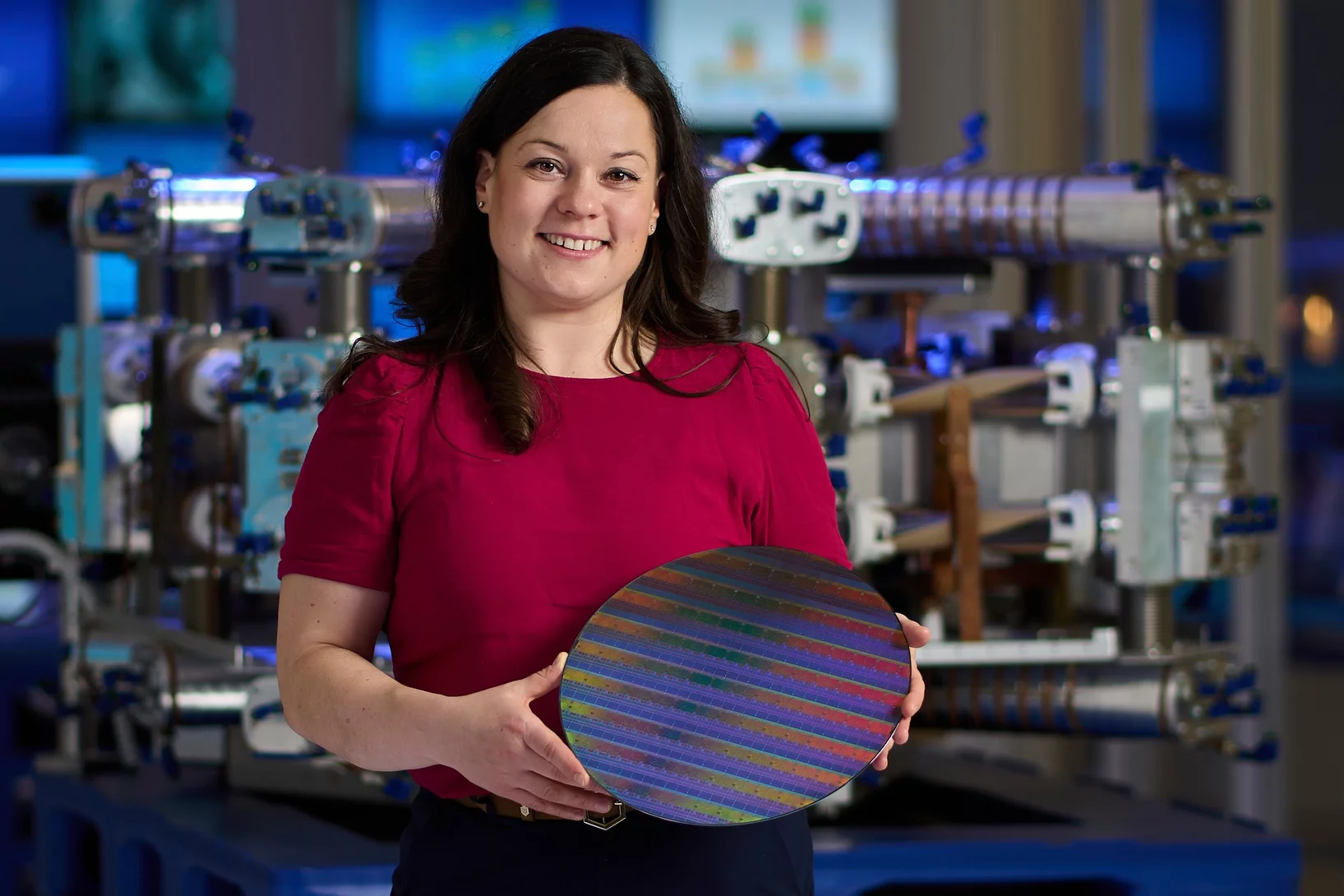
Attorney for cutting-edge technology
Former PSI doctoral candidate Stephanie Smit now works as a patent attorney for a company that is among the most important in the world. That’s because this company builds machines that are worth a fortune and are highly sought after.
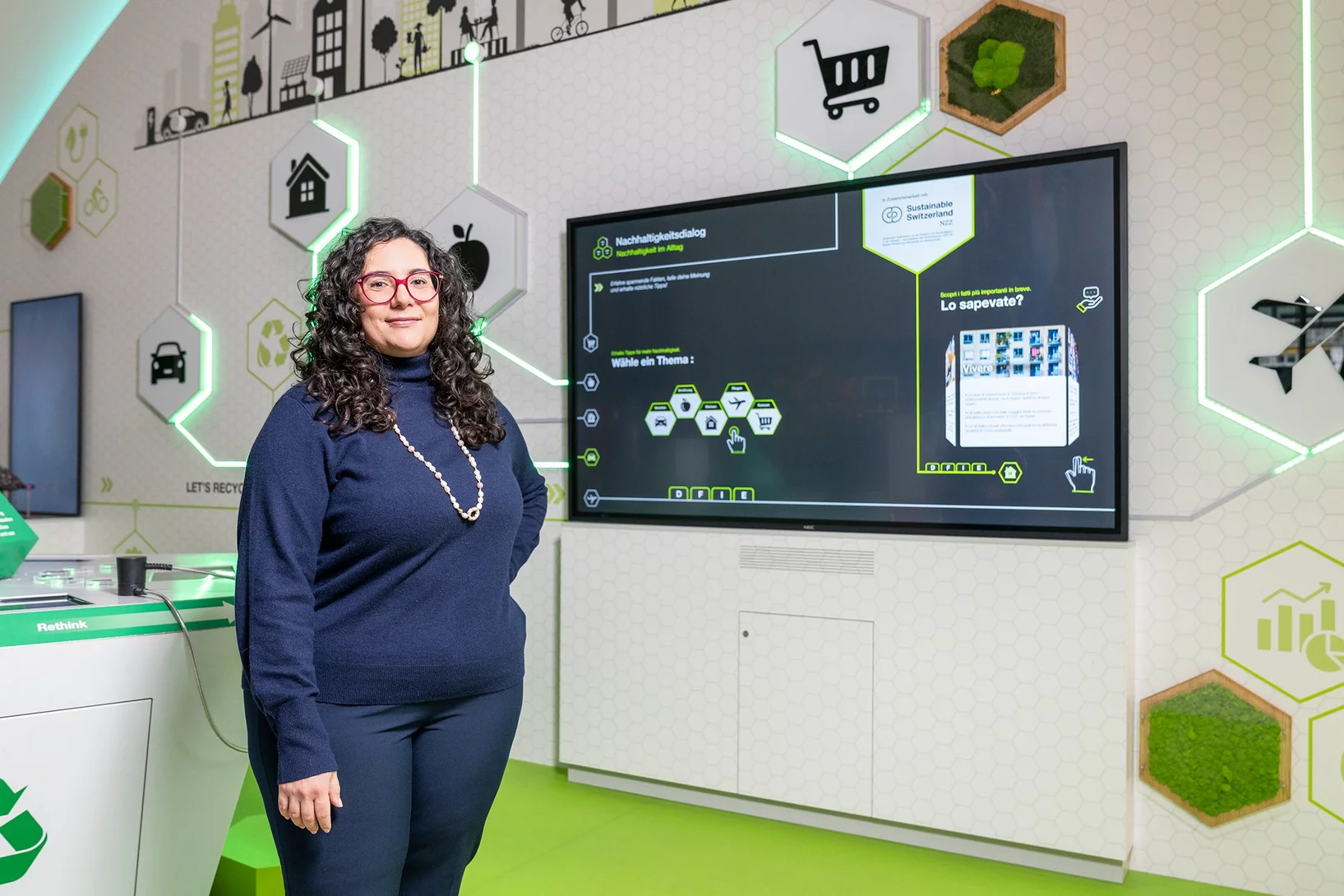
PSI research at Switzerland’s most-visited museum
Making energy research something visitors can experience: The Swiss Museum of Transport is creating a platform for political and social dialogue on energy issues.
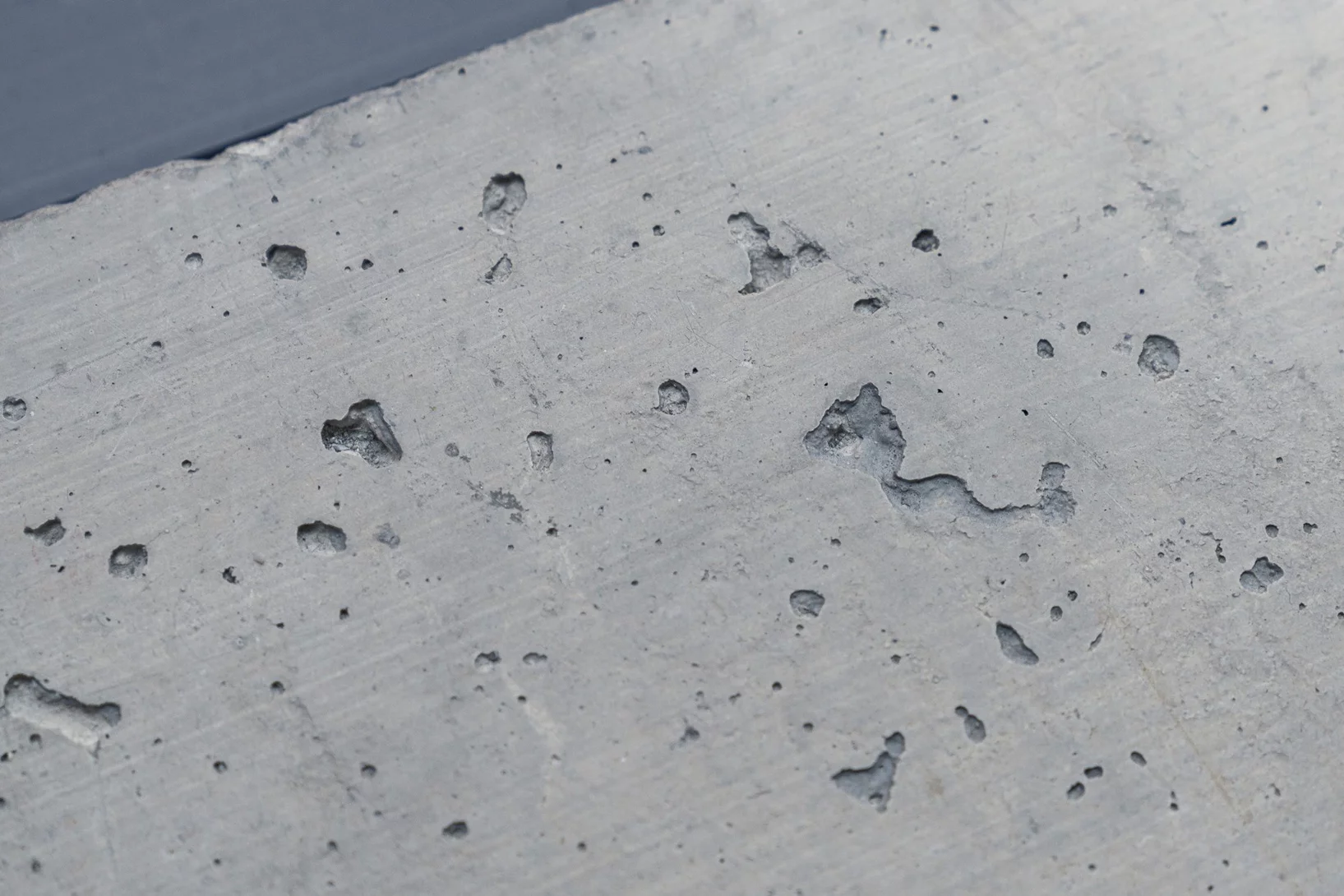
AI paves the way towards green cement
Researchers at PSI are using artificial intelligence to develop environmentally friendly formulations for cement.
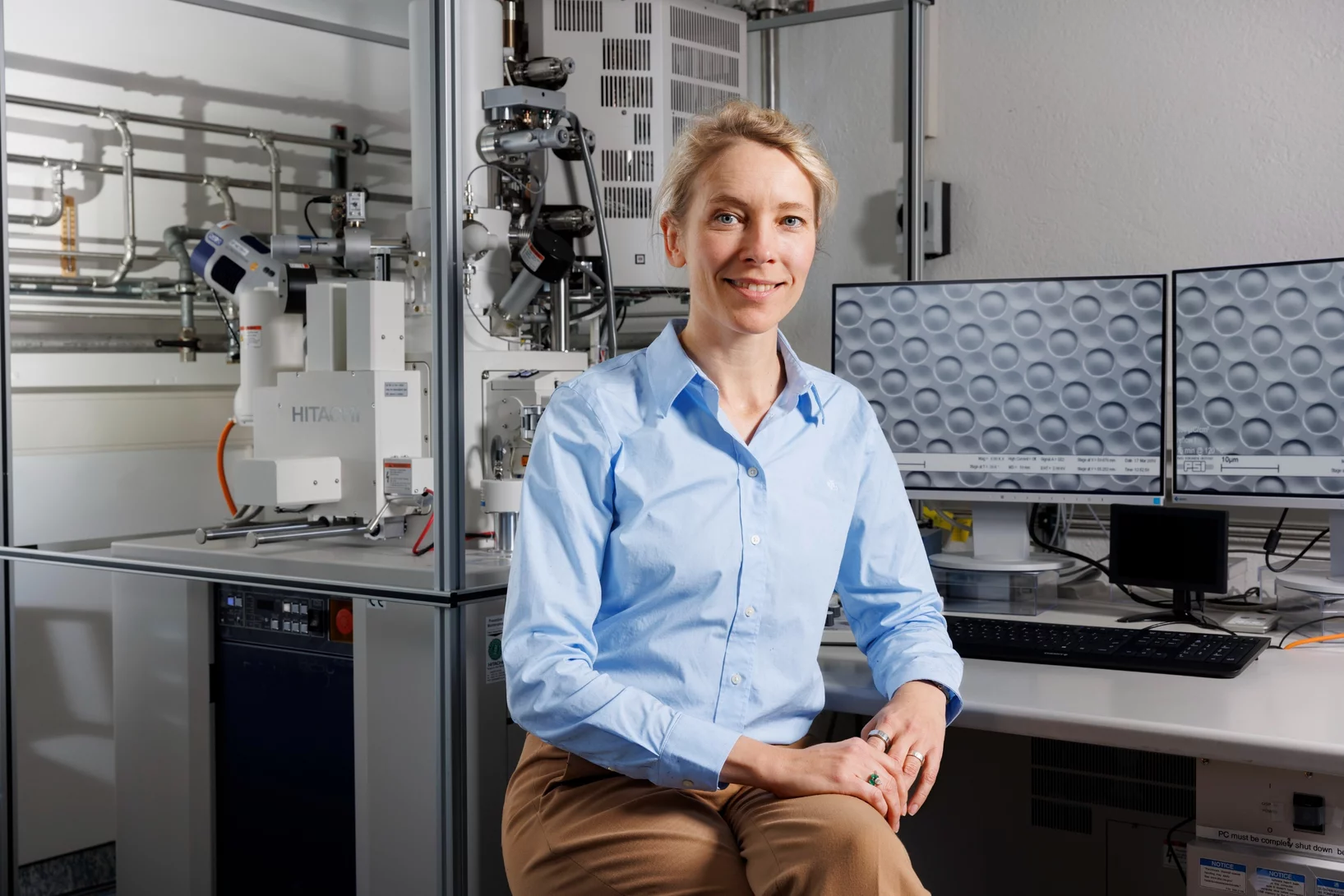
Prestigious research grant for photonic networks
PSI researcher Kirsten Moselund has been awarded a major research grant from the European Research Council ERC.
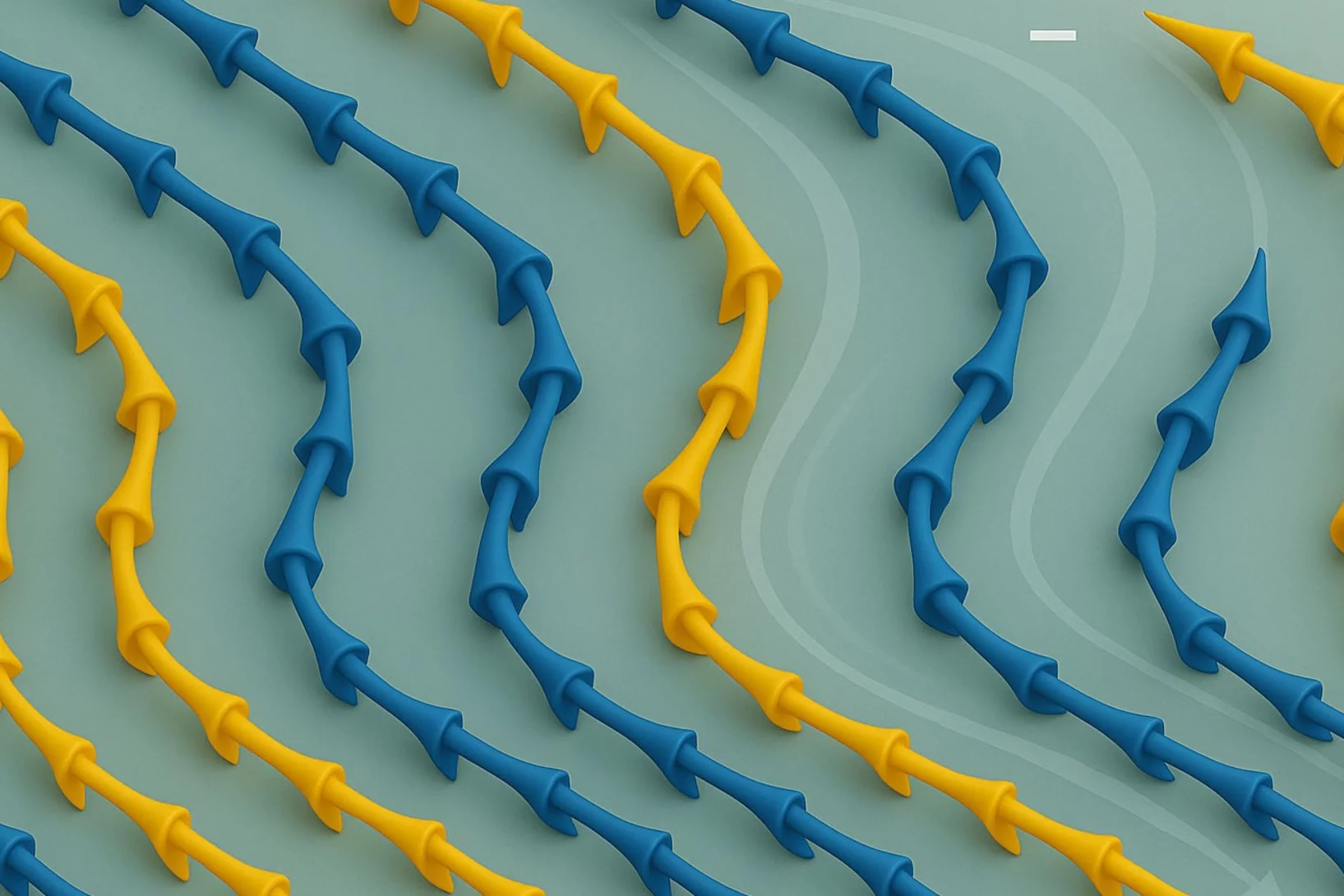
Steering magnetic textures with electric fields
Neutrons reveal a new way to control magnetism at the nanoscale
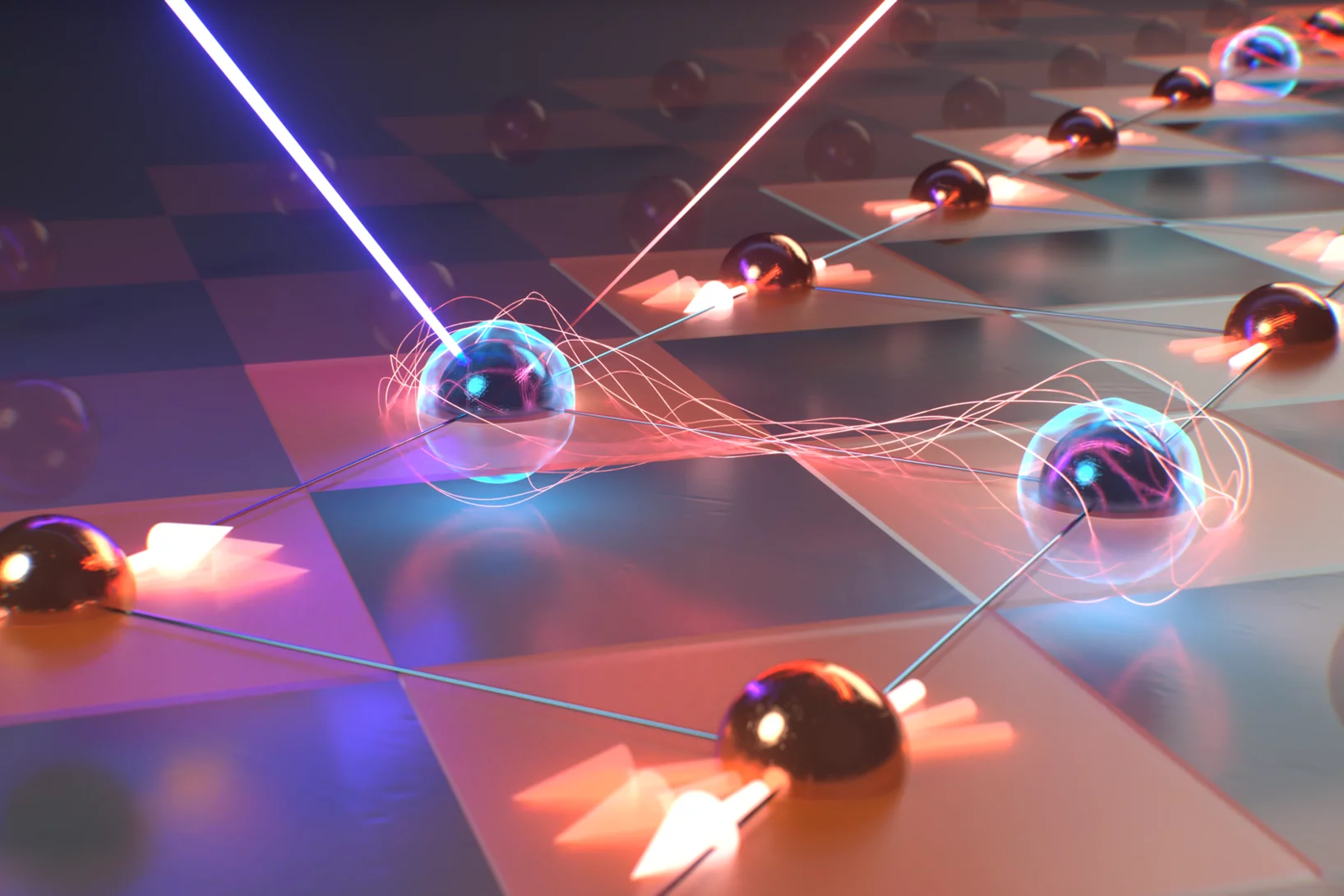
Stabilising fleeting quantum states with light
X-rays from SwissFEL probe emergent properties of quantum materials
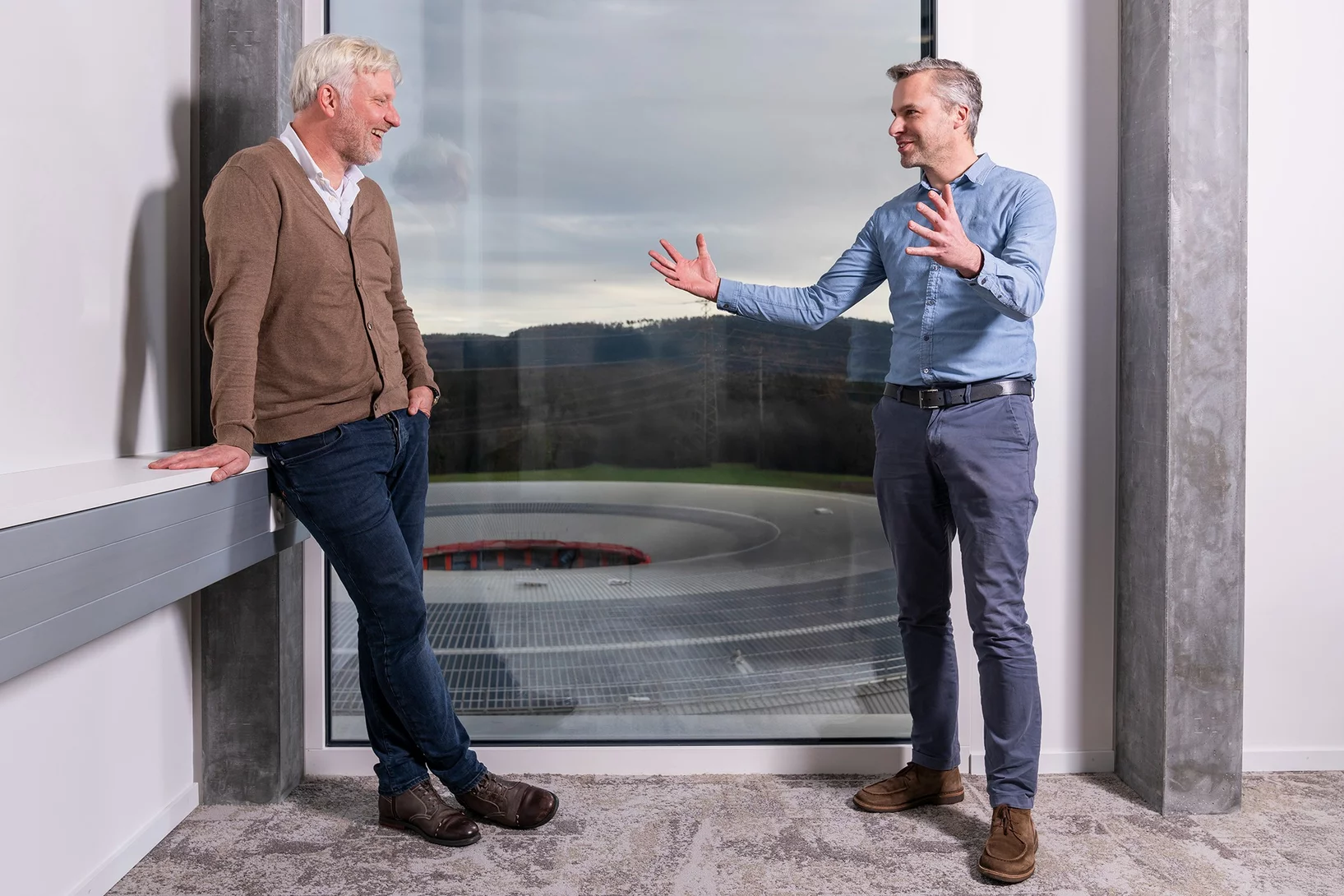
Science meets industry – innovation with an impact
Hans Priem and Cees Maris of VDL ETG explain what advanced manufacturing means in industry and talk about their collaboration with PSI.
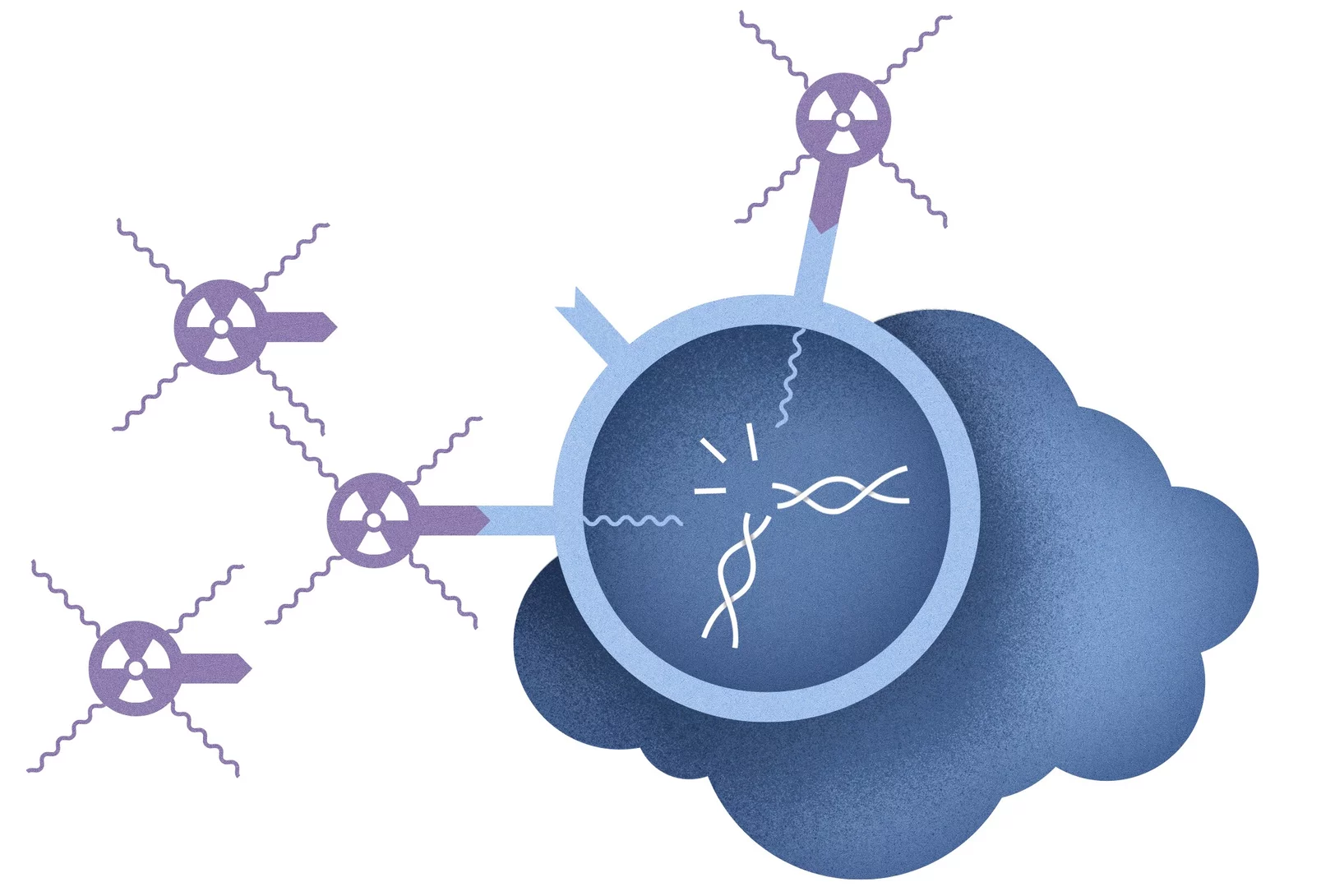
Using terbium against lymphoma
Promising laboratory experiments at PSI show that radionuclide therapy with the radioactive element terbium could combat lymphoma effectively.
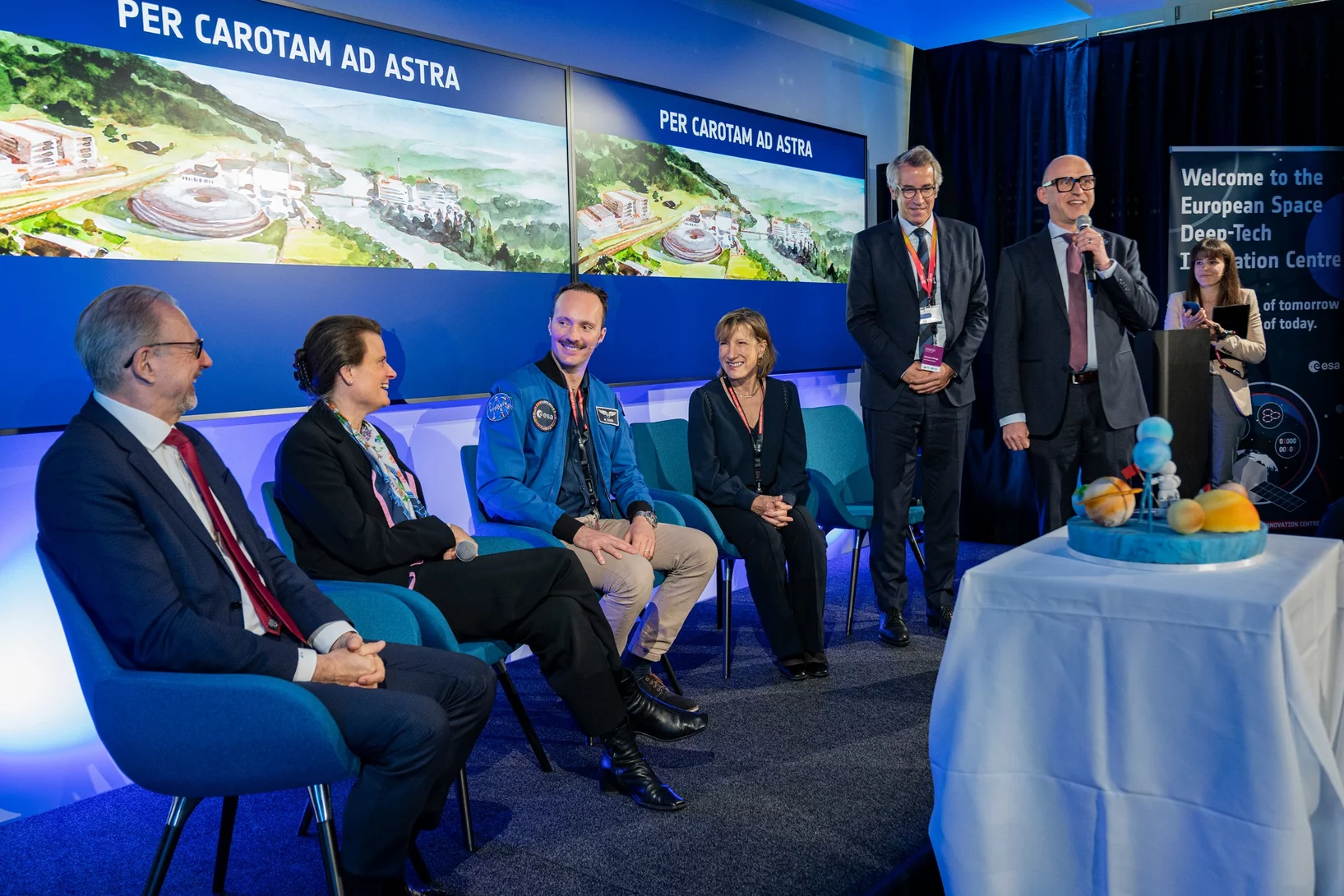
ESA Centre of Excellence opens in Switzerland
The opening ceremony of the “European Space Deep-Tech Innovation Centre” ESDI brought together distinguished guests.

Decoding radiation
Searching for radiation from the sky. How a sensitive detector and a clever algorithm are making ionising radiation visible.

New standards in nuclear physics
With unprecedented precision: PSI researchers measure the nuclear radius of muonic helium-3 and put the theories of atomic physics to the test.
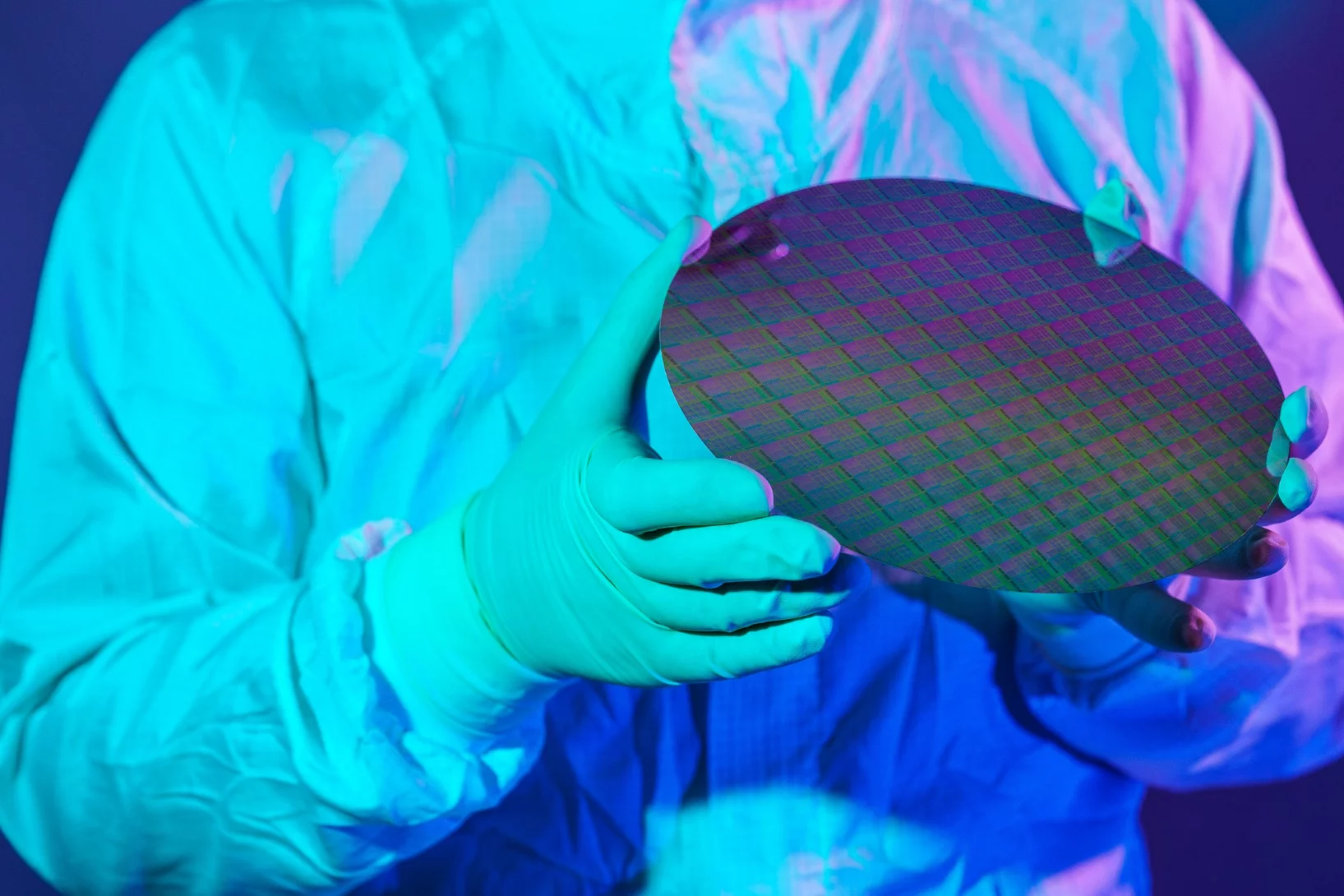
Faster, more precise, more reliable – the future of manufacturing
Advanced manufacturing means using state-of-the-art production methods. Researchers at PSI are helping to make techniques such as 3D printing more reliable and to advance the miniaturisation of high-performance chips.

Correcting quantum errors with neutral-atom architectures
Wenchao Xu talks about the benefits and challenges of building quantum computers from neutral atoms.

Aluminium made visible
PSI researchers have for the first time determined the exact position of the aluminium atoms in zeolites, which make these materials such good catalysts.
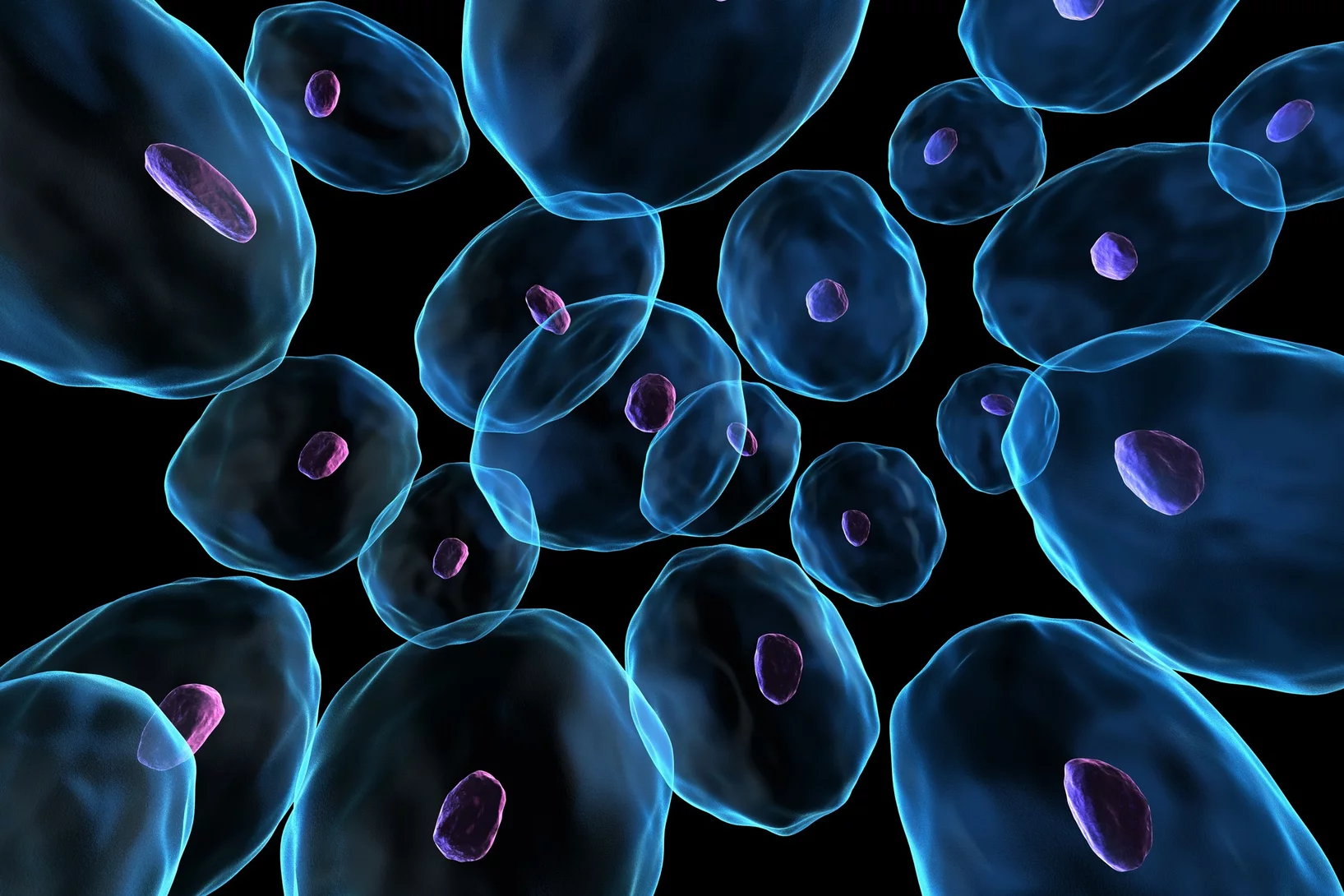
Using AI to identify genetic perturbations from cell images
New AI identifies genetic perturbations in chromatin – a potential approach in diagnostics and drug development.
World record attosecond measurement at SwissFEL
Scientists at SwissFEL can measure X-ray pulses with attosecond time resolution.
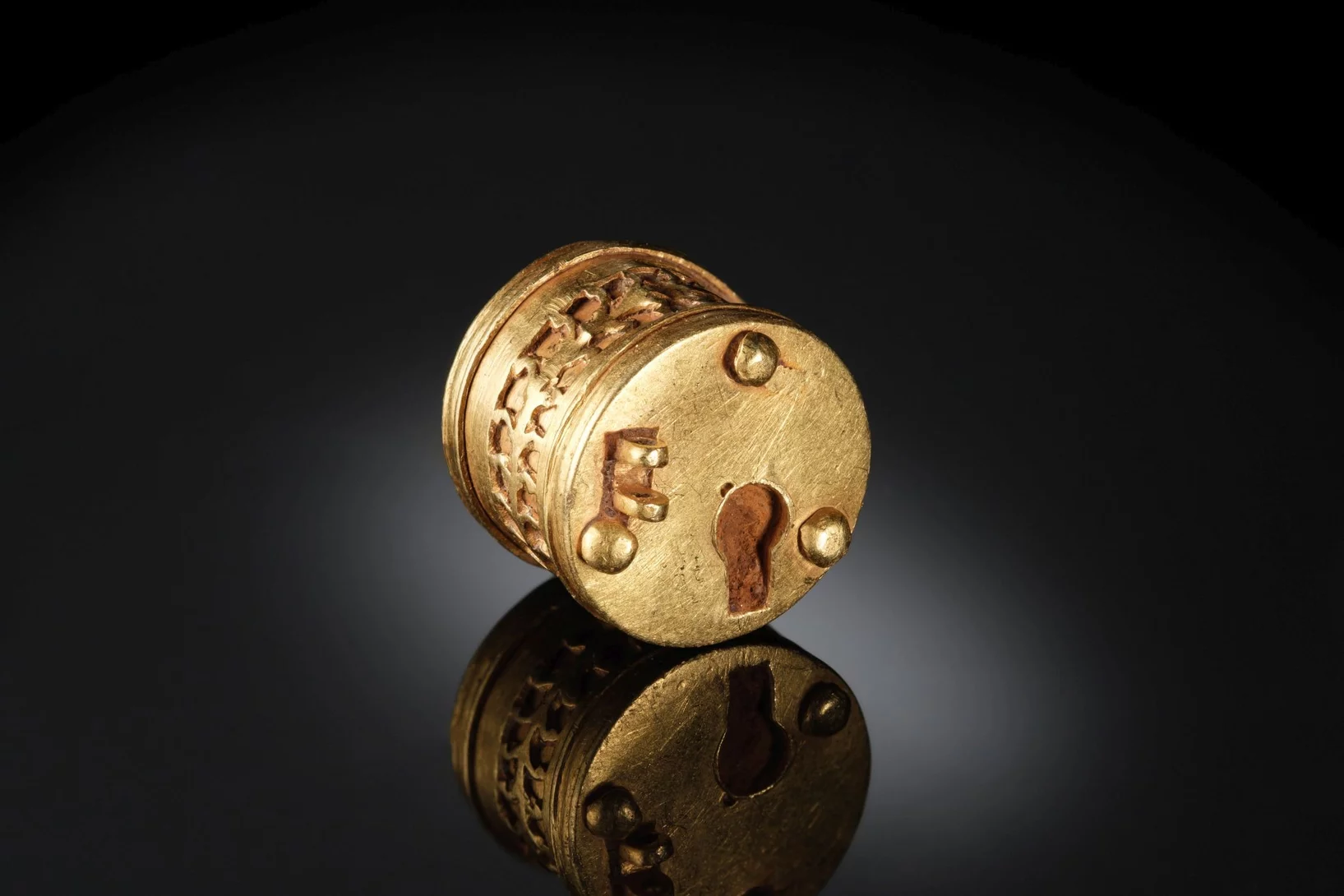
A tiny golden object from Roman times
PSI’s David Mannes has used neutrons to unravel the mystery of a fascinating archaeological artefact.

Targeted funding of innovation for the energy transition
How do innovations arise and how can they be specifically encouraged for the energy transition? PSI researcher Michael Weinold has been looking into this question using LED lamps as an example.
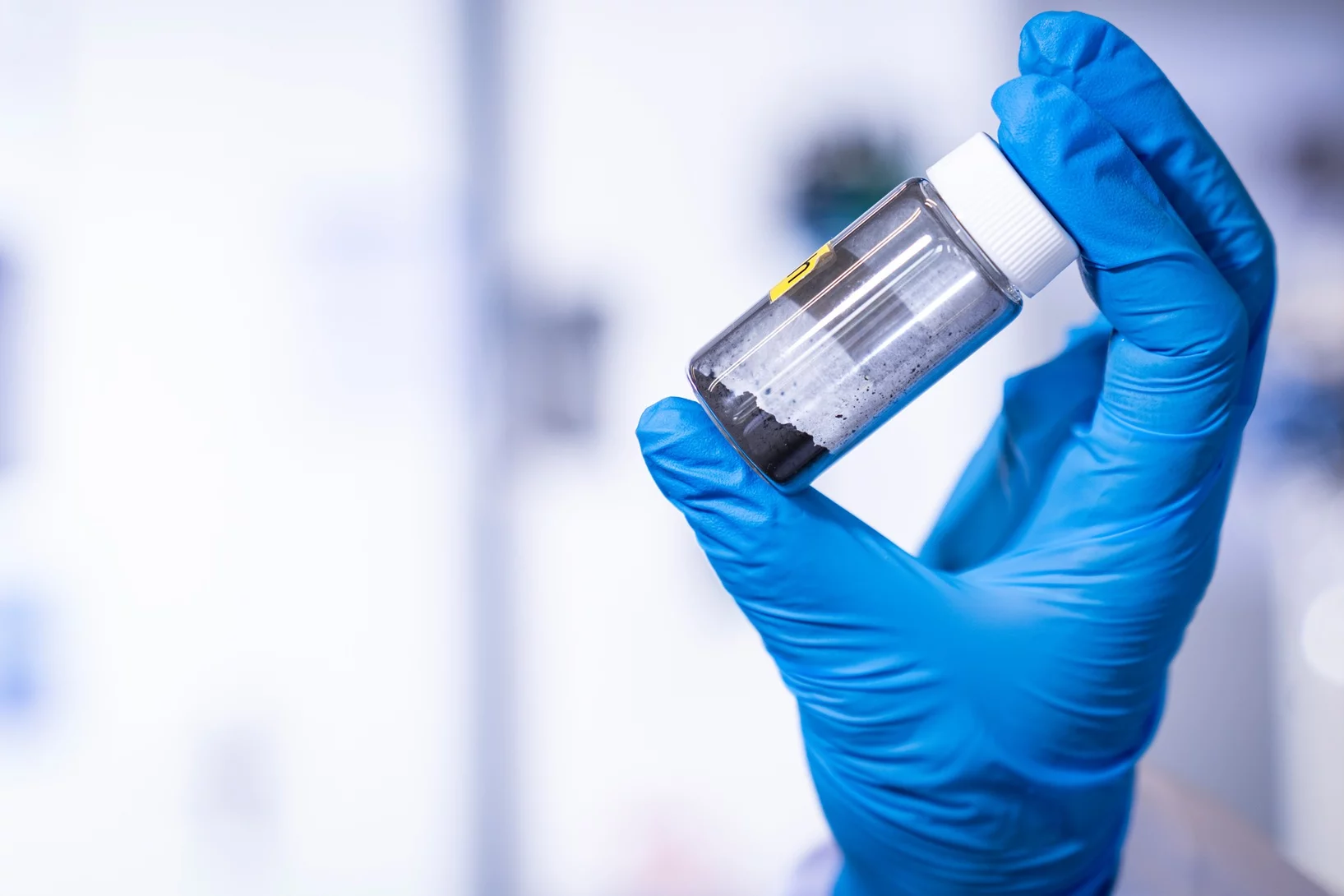
A faster route to green hydrogen
The pH value determines how easily hydrogen can be produced from water when cobalt is used as a catalyst. PSI researchers have now found out why.

Net zero: Taking raw materials into account
A new calculation model from PSI illustrates the complex interdependencies between technology, demand for critical raw materials, and environmental impacts on the road to climate neutrality.
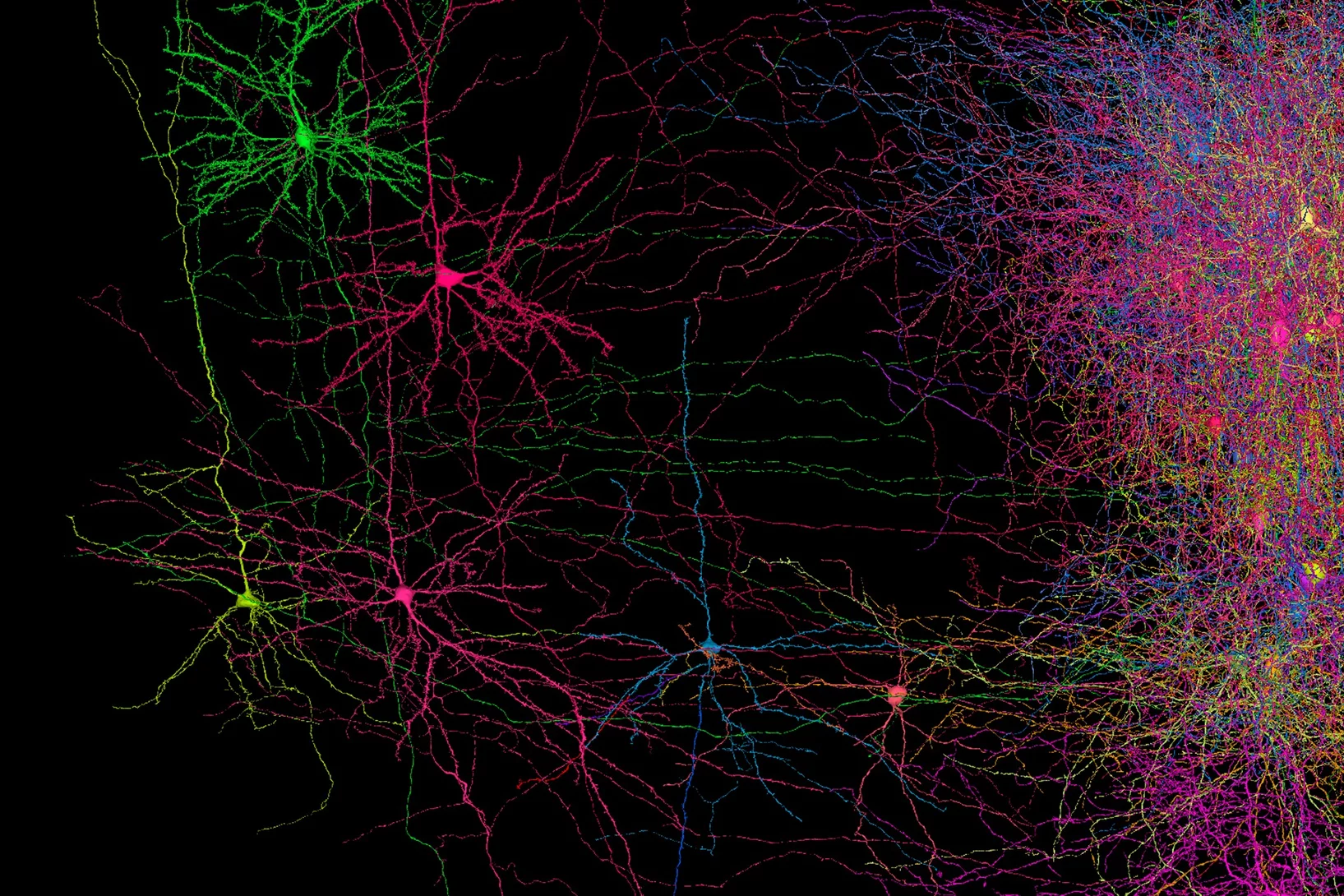
Creating circuit diagrams of the brain
Adrian Wanner aims to map the brain’s architecture. Doing this will allow us to better understand neurodegenerative diseases like Alzheimer’s.