
New technologies are the driving force behind an innovative society. At PSI, researchers are laying the necessary foundations for this. They are looking for previously unknown ways of processing and storing data, making technologies more sustainable and efficient or developing new processes to delve ever deeper into the micro and nano worlds. Their findings form the basis for new applications - be it in medicine, information technology, energy generation and storage - or for new production processes in industry.
The quantum computer as a technology of the future
Quantum computers are regarded as one of the key technologies of the 21st century. Their potential performance makes them interesting not only for industry and business. They also open up previously unimagined possibilities for research with its ever-increasing volumes of data. Because quantum computers make it possible to carry out certain calculations in materials science, chemistry and physics that are impossible today and will probably also be impossible in the future with conventional computers. At the "Quantum Computing Hub", PSI is working with ETH Zurich to advance the two leading technologies in this field.

X-rays show how quasiparticles interact in solids
Thanks to a new experimental technique at SwissFEL, researchers uncover the interplay between electronic, magnetic, and lattice excitations in a solid.

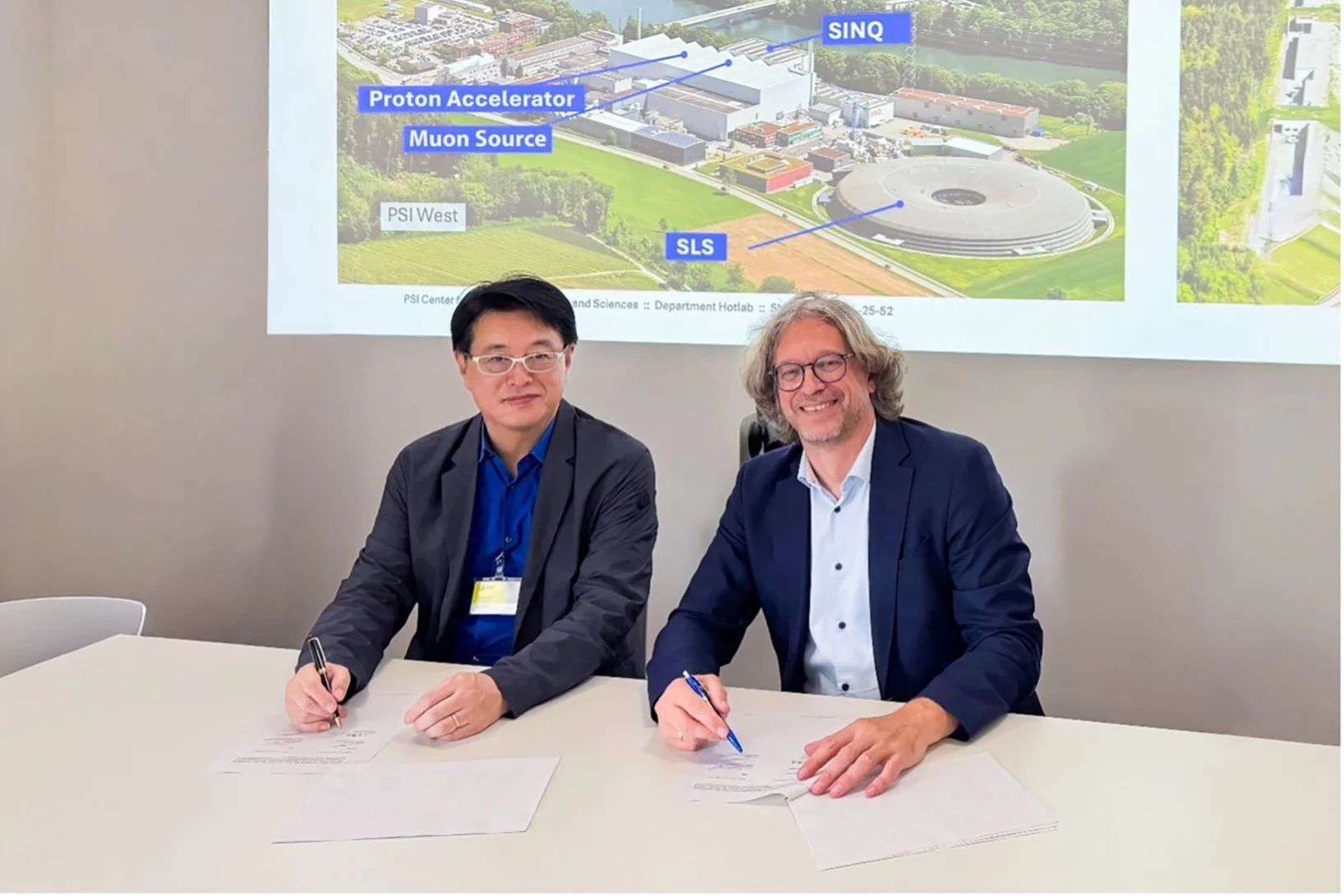
Launch of the Max Planck-Korea-PSI Center for Quantum Emergent Spintronics
An international research partnership uniting leading institutions from Germany, Korea and Switzerland to advance the frontiers of quantum spintronics

Switching chiral phonons with electricity
Scientists at PSI show that an electric field can reverse the handedness of atomic vibrations known as chiral phonons.
Data Science and Artificial Intelligence
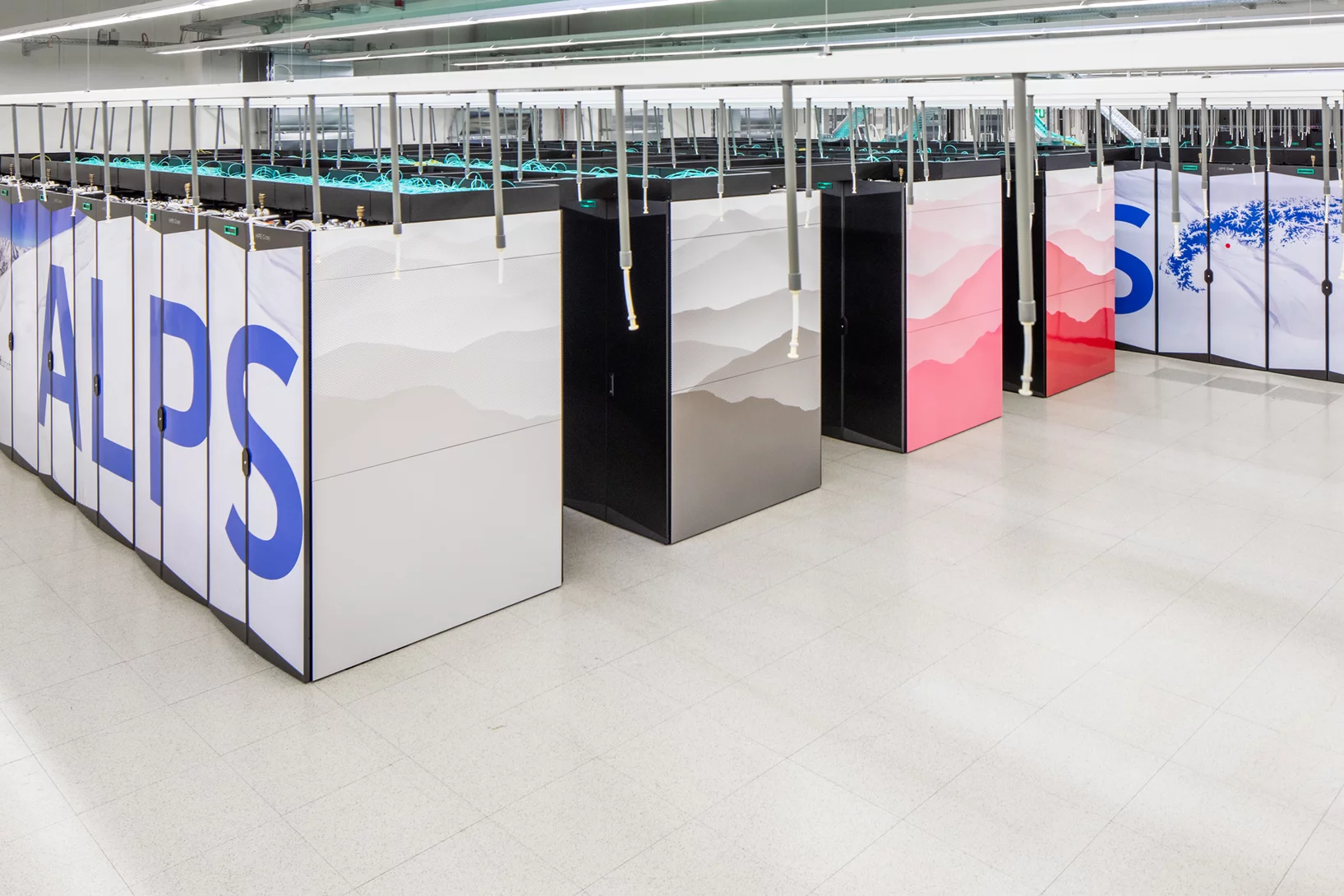
Modelling and simulating complex systems in a matter of seconds, analysing extensive experimental datasets to identify specific patterns or discover new properties: data science and AI form the backbone of forward-looking research and development.

Innovative processes and new materials
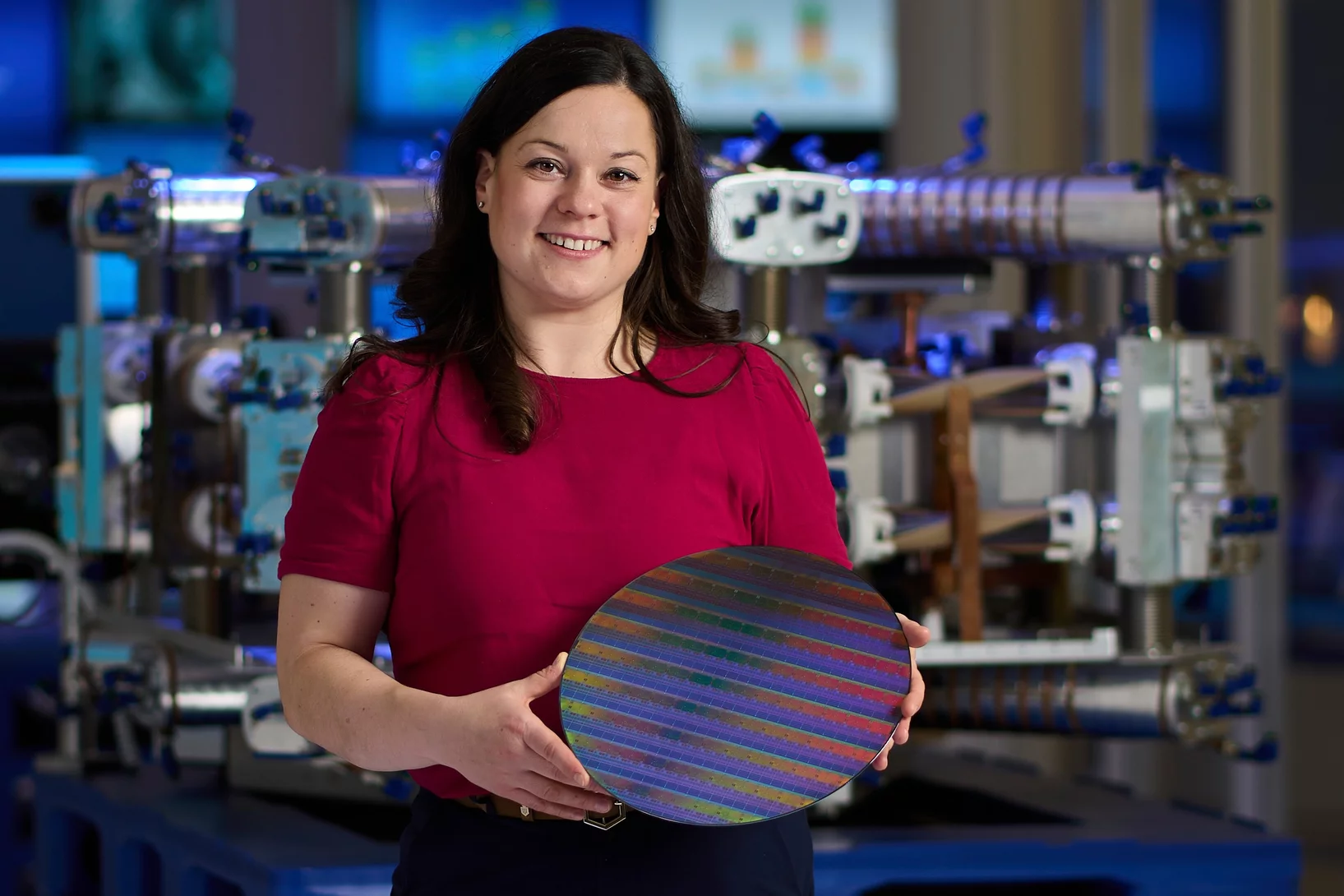
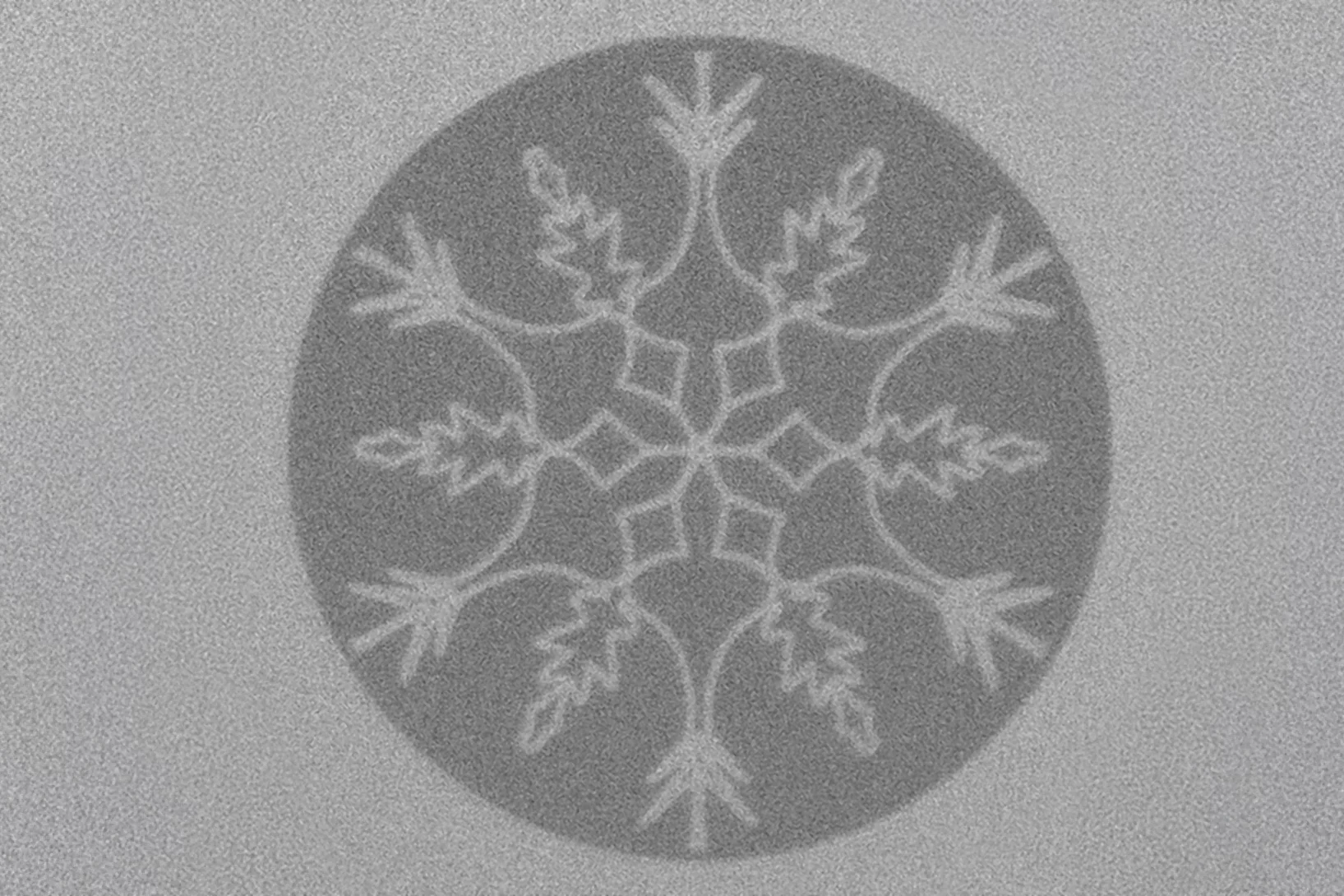
From quantum computers and more powerful electricity storage devices or conductors to high-precision medical applications, we need ever more advanced processes and technologies. New materials are of crucial importance for their development. In order to develop and investigate innovative processes and new materials, researchers utilise PSI's worldwide unique large research facilities.


Cooperation between research and industry
PSI promotes Switzerland as a centre of innovation. Its cutting-edge research forms the basis for pioneering industrial development. PSI actively bridges the gap between basic research and practice and paves the way for future technologies to find their way into industrial application.


Additional Information
- Research with neutrons, synchrotron light and muons
More about the most important tools in PSI's research on the structure of matter. - Research with PSI's large research facilities
The institute's main experimental facilities