
SINQ
Quantum melting
Changes to the aggregate state triggered by quantum effects à in physically correct terms, quantum phase transitions à play a role in many astonishing phenomena in solids, such as high-temperature superconductivity. Researchers from Switzerland, Great Britain, France and China have now specifically altered the magnetic structure of the material TlCuCl3 by exposing it to external pressure and varying this pressure. With the aid of neutrons, they were able to observe what happens during a quantum phase transition, where the magnetic structure melts quantum-physically.

The proton accelerator at the Paul Scherrer Institute: forty years of top-flight research
Materials research, particle physics, molecular biology, archaeology à for the last forty years, the Paul Scherrer Institute’s large-scale proton accelerator has made top-flight research possible in a number of different fields.
Superconductivity switched on by magnetic field
Superconductivity and magnetic fields are normally seen as rivals à very strong magnetic fields normally destroy the superconducting state. Physicists at the Paul Scherrer Institute have now demonstrated that a novel superconducting state is only created in the material CeCoIn5 when there are strong external magnetic fields. This state can then be manipulated by modifying the field direction. The material is already superconducting in weaker fields, too. In strong fields, however, an additional second superconducting state is created which means that there are two different superconducting states at the same time in the same material.
PSI-researcher Helena Van Swygenhoven awarded prestigious ERC Grant
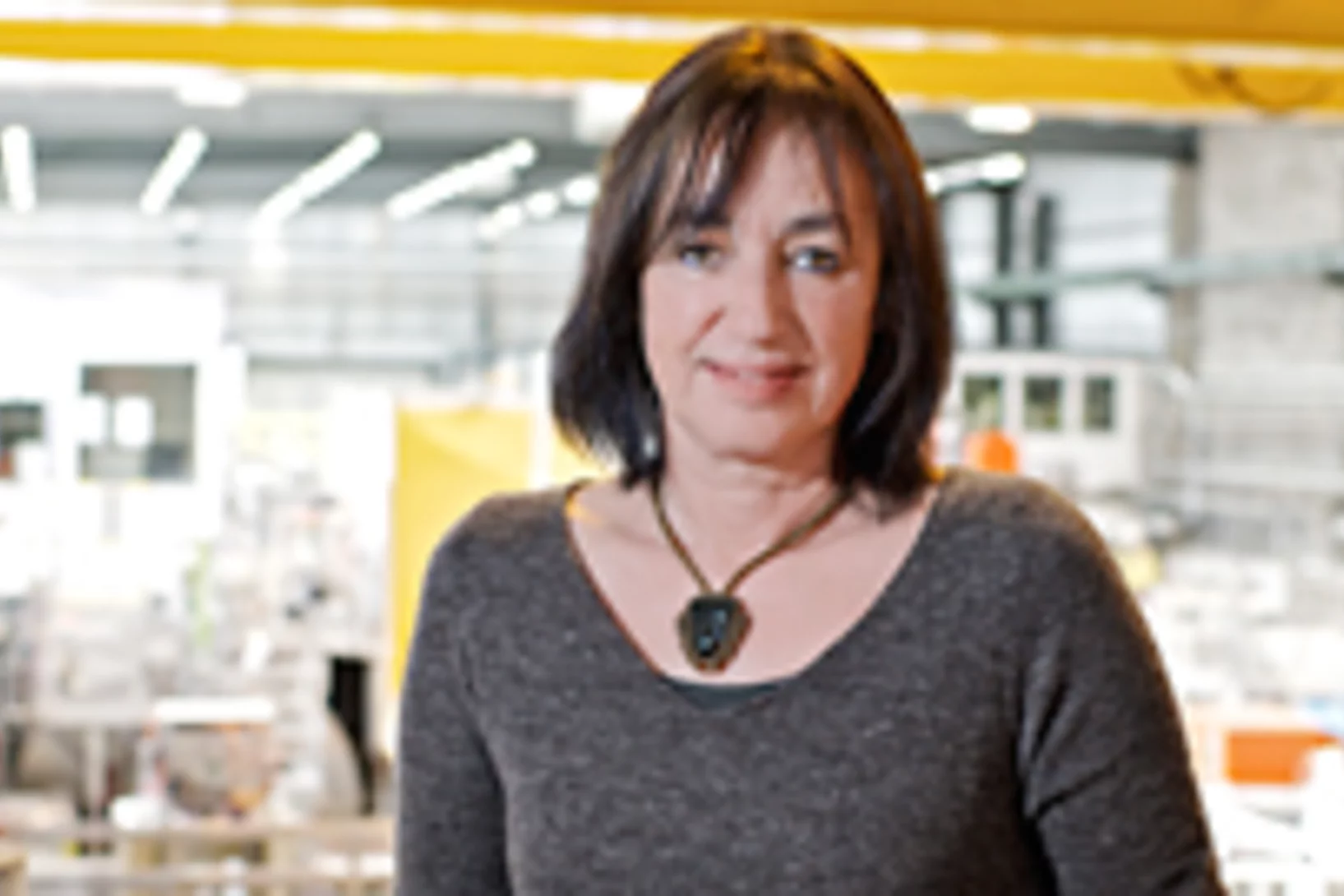
Helena Van Swygenhoven, materials researcher at the Paul Scherrer Institute and professor at the Swiss Federal Institute of Technology in Lausanne (EPFL), has been awarded an ERC Advanced Grant. This prestigious EUR 2.5 million grant from the European Research Council will enable Van Swygenhoven to launch the new research project MULTIAX. Under this project, she will investigate what happens in metallic materials during deformation - a question important for the production processes for car parts. Furthermore, the project will also develop new methods that can be used to study materials at large research facilities. These methods will be accessible to experts from research and industry.
Towards sodium ion batteries – understanding sodium dynamics on a microscopic level
Understanding sodium dynamics on a microscopic levelLithium ion batteries are highly efficient, But there are drawbacks to the use of lithium: it is expensive and its extraction rather harmful to the environment. One possible alternative might be to substitute lithium with sodium. To be able to develop sodium-based batteries, it is crucial to understand how sodium ions move in the relevant materials. Now, for the first time, scientists at the Paul Scherrer Institute PSI have determined the paths along which sodium ions move in a prospective battery material. With these results, one can now start to think of new and specific ways to manipulate the materials through slight changes to their structure or composition, for example à and thereby achieve the optimized material properties necessary for use in future batteries.
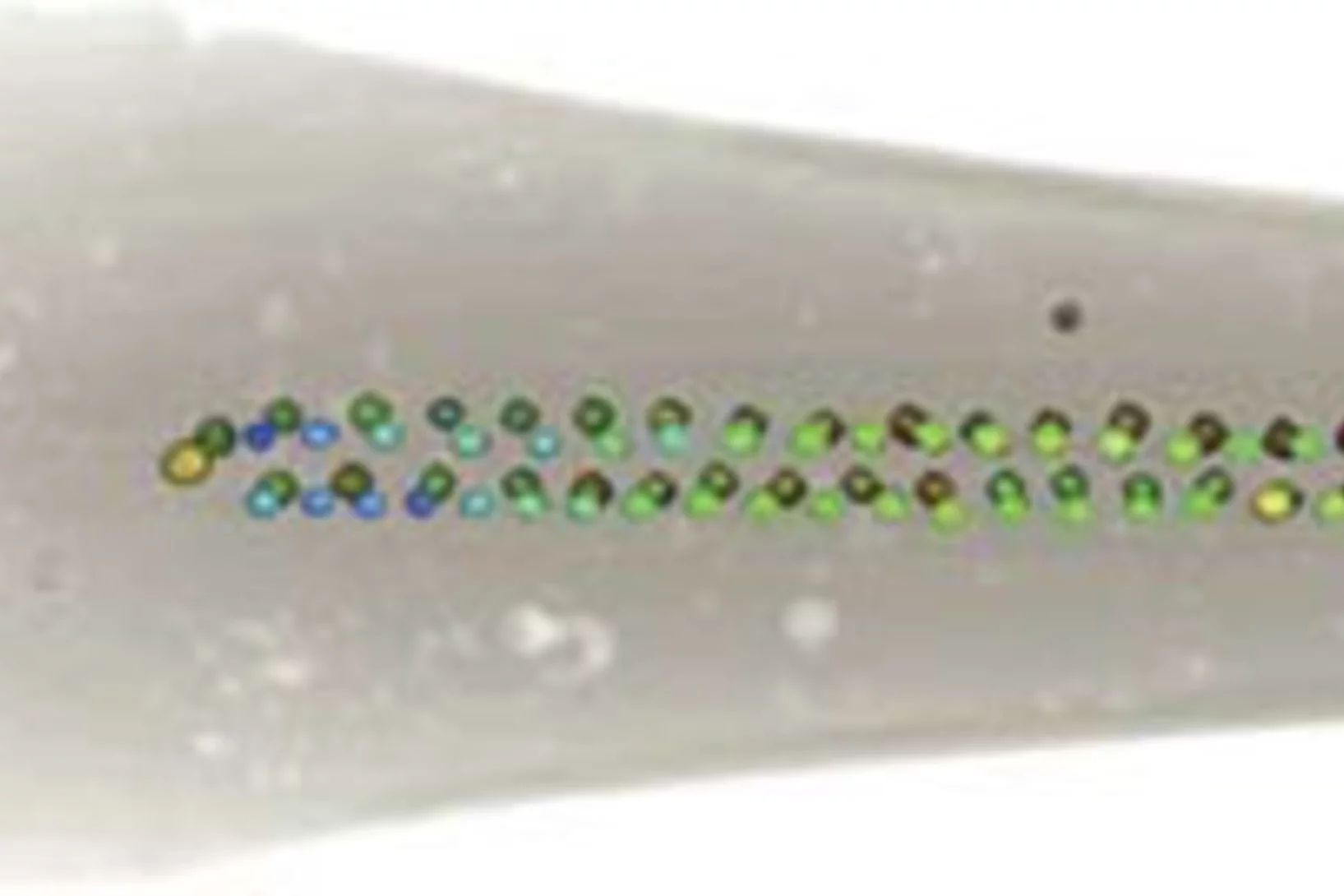
Neutrons and synchrotron light help unlock Bronze Age techniques
Experiments conducted at the PSI have made it possible to determine how a unique Bronze Age axe was made. This was thanks to the process of neutron imaging, which can be used to generate an accurate three-dimensional image of an object’s interior. For the last decade, the PSI has been collaborating with various museums and archaeological institutions both in Switzerland and abroad. The fact that the 18th International Congress on Ancient Bronzes, which is to be held at the University of Zurich from 3 à 7 September, will also be meeting at the PSI for one day is a testament to the success of the cooperation.
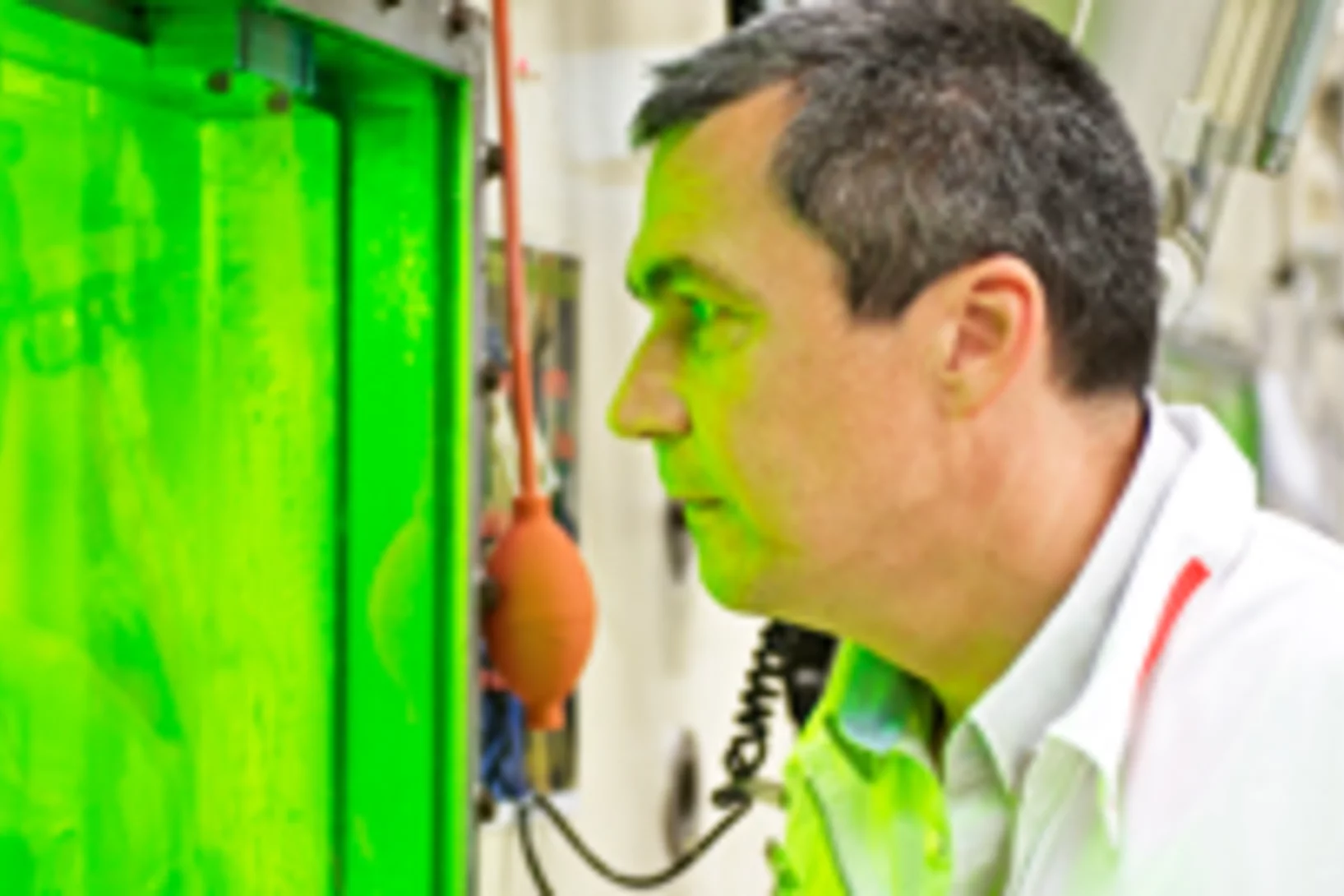
Knowledge for tomorrow from "hot cells"
The manipulation and examination of irradiated and therefore radioactive objects, be they from nuclear power stations or research facilities, requires strict safety measures. Tests may only be conducted in so-called hot cells, where the radioactivity is hermetically enclosed and shielded behind concrete and lead walls up to 1 metre thick. In the hot cells of the PSI hot lab, the burnt-off fuel rods from the Swiss nuclear power stations are studied from a materials science perspective. The insights gained help nuclear power station operators to optimise the efficiency and safety of their plants. Besides this service, the hot lab is involved in several international research projects.
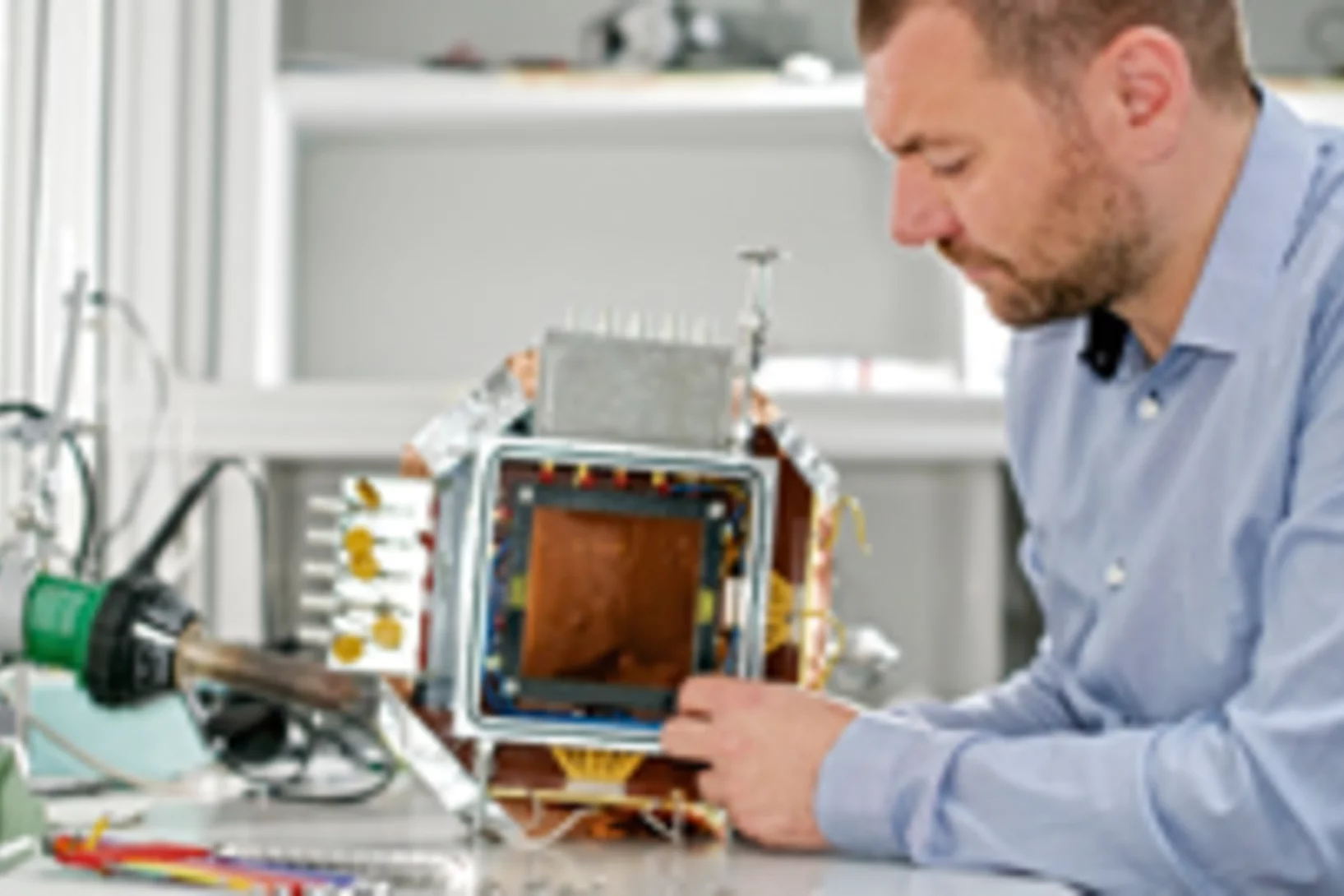
Fast neutrons for improved safety
Neutrons are an excellent tool for the non-destructive imaging the interior of objects. They can provide a valuable complement to the more widely used x ray radiography. For some materials that are virtually opaque or for those that cannot be distinguished by X-rays, neutrons provide the only informative dissection tool. However, neutron radiography is mainly confined to the laboratory and fixed facilities, because neutron generation relies on equipment like nuclear reactors or particle accelerators, which are costly, complex and cannot be moved. Scientists at the Laboratory for Thermohydraulics at the Paul Scherrer Institute PSI want to develop a more flexible imaging technique based on fast neutrons.
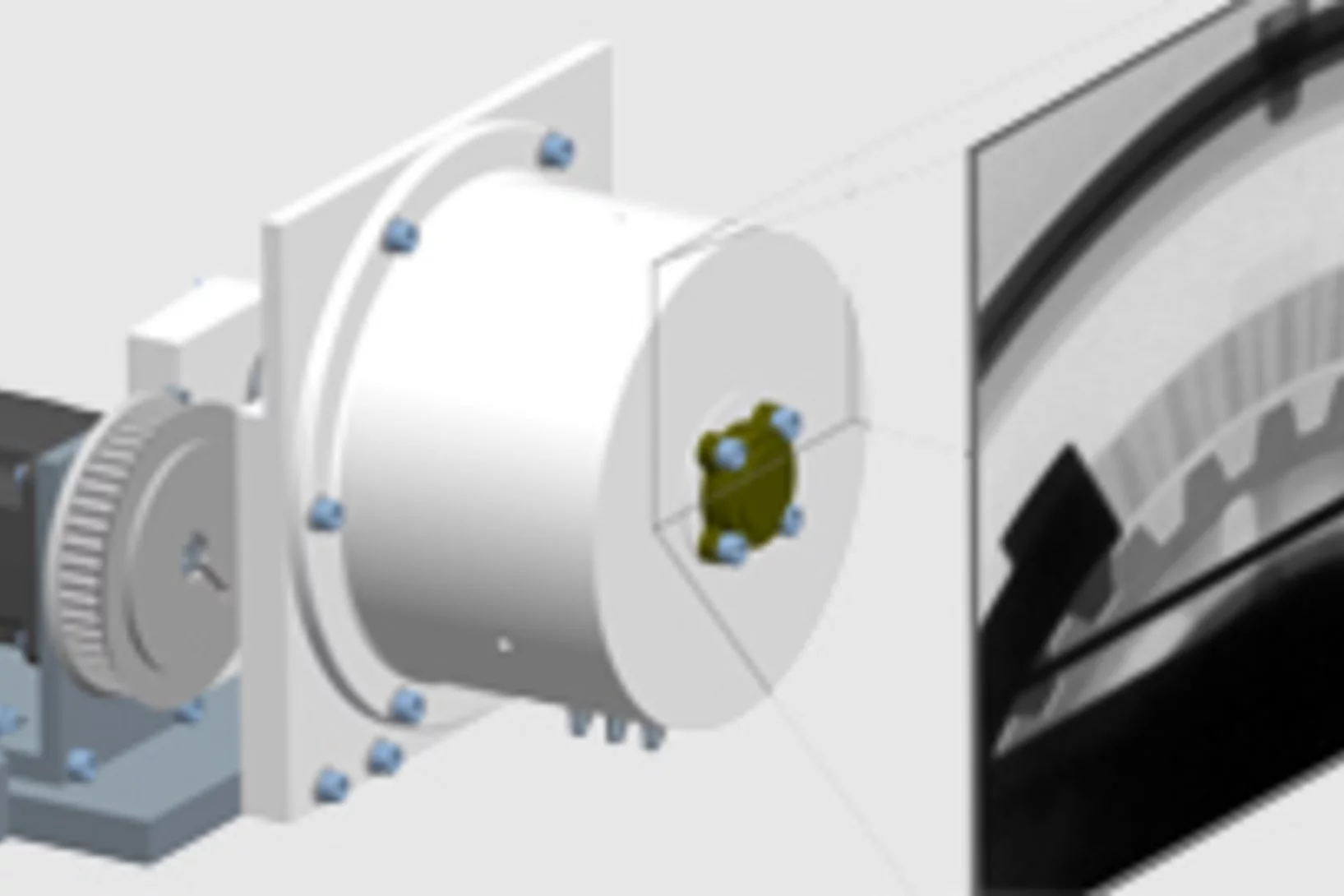
Observing Engine Oil Beneath Metal
Developmental Engineers from the firm LuK (D) wanted to see right through the metal housing of a clutch. They wanted to observe how the oil that lubricates and cools a clutch is distributed. A transparent disc becomes dirty very quickly, and X-rays merely reveal the metal. These engineers therefore turned to scientists at the Paul Scherrer Institute, who illuminated the metal with neutrons and thus made the lubricating oil visible. The results surprised everyone: only three of the eight lamellae were sufficiently lubricated.
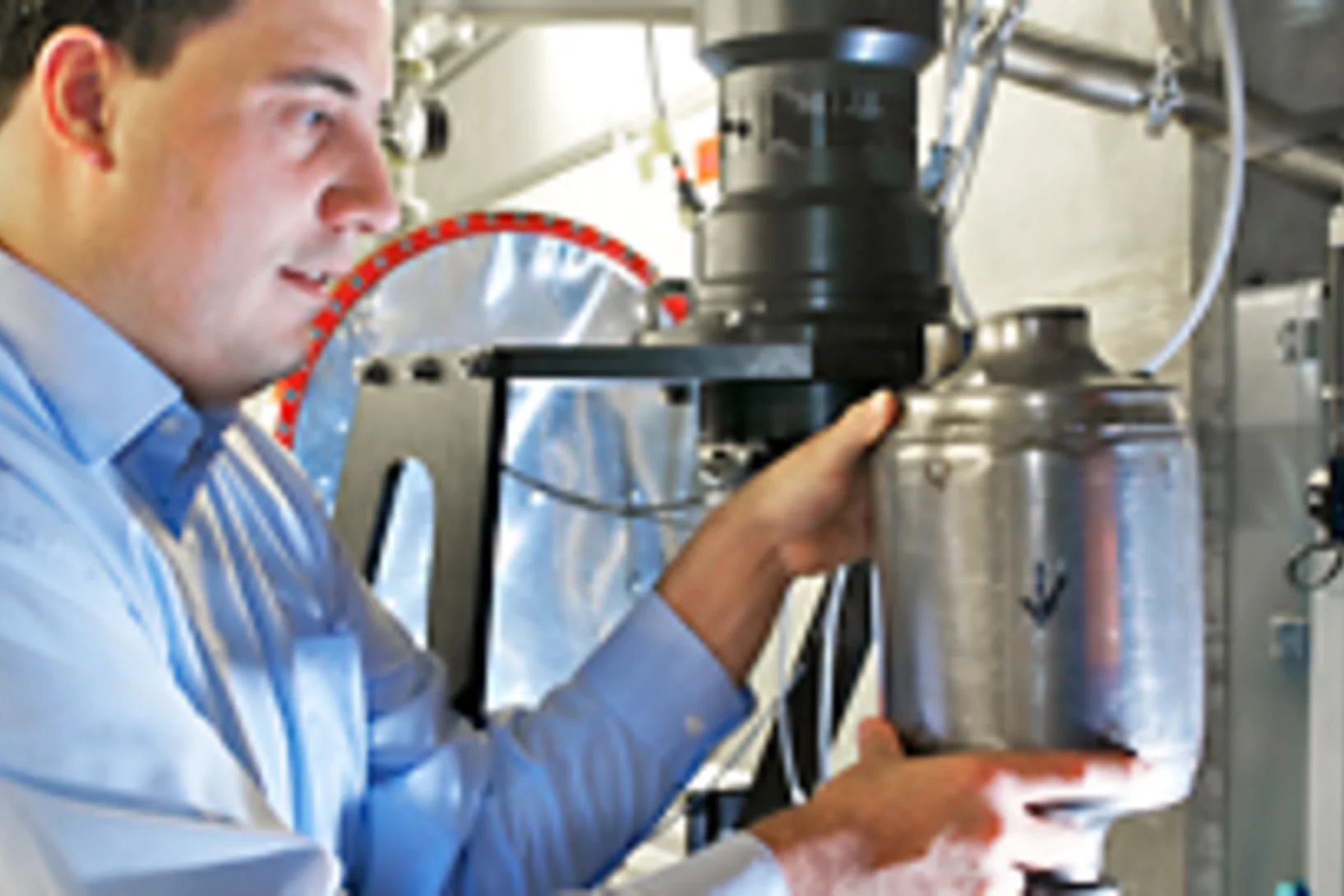
Distribution of soot particles in particulate filters of diesel vehicles seen for the first time
Diesel motor vehicles have to be equipped with soot particulate filters, so the harmful soot and ash cannot get into the environment. Whilst these operate according to appropriate standards, up until now, the details about the distribution of soot and ash inside these filters has been unknown. Now, thanks to the special examination techniques of the Paul Scherrer Institute [PSI], the actual filter loads have been seen for the first time.