
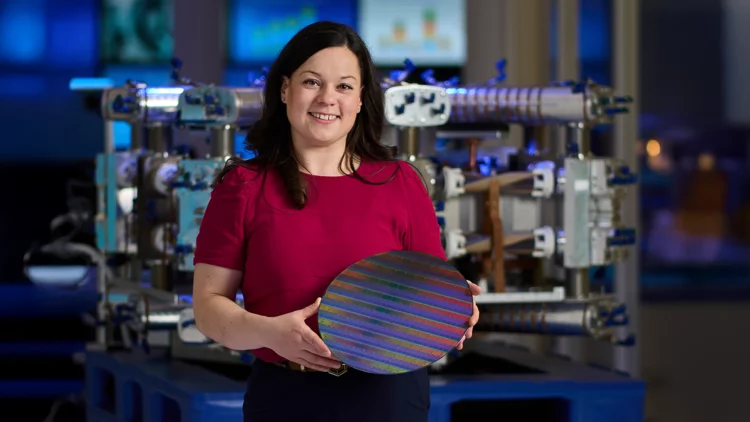
Conseil en technologie de pointe
Stephanie Smit, ancienne doctorante au PSI, travaille comme ingénieur-conseil en propriété industrielle pour une société qui compte parmi les plus importantes au monde. Celle-ci construit en effet des machines qui valent une fortune et sont très recherchées.
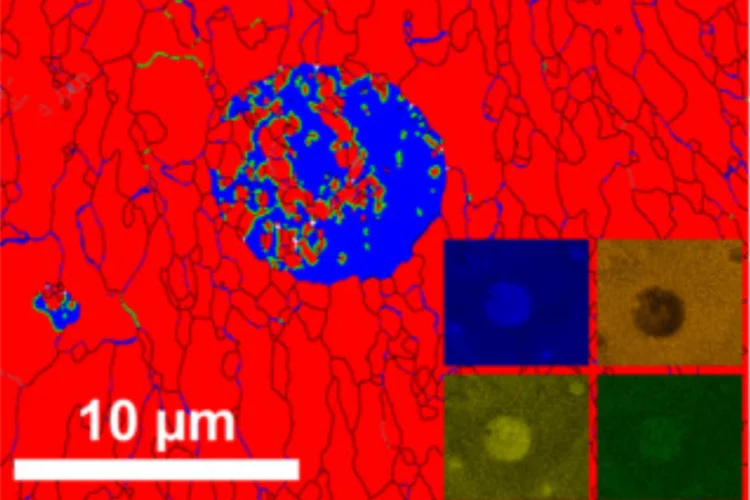
Interfacial Phase Formation in 316L–CuCrZr Hybrids
In-situ X-ray diffraction reveals how phase separation and fluid flow shape microstructure in laser-welded multi-material metal builds.

La recherche du PSI dans le musée le plus visité de Suisse
Rendre la recherche énergétique tangible: Le Musée des transports a créé une plate-forme pour encourager le dialogue politique et social autour des thématiques énergétiques.

Phase by Phase: How Stainless Steel and IN625 Solidify Together
Where steel meets superalloy: real-time X-ray snapshots reveal how composition and cooling shape metal during 3D printing
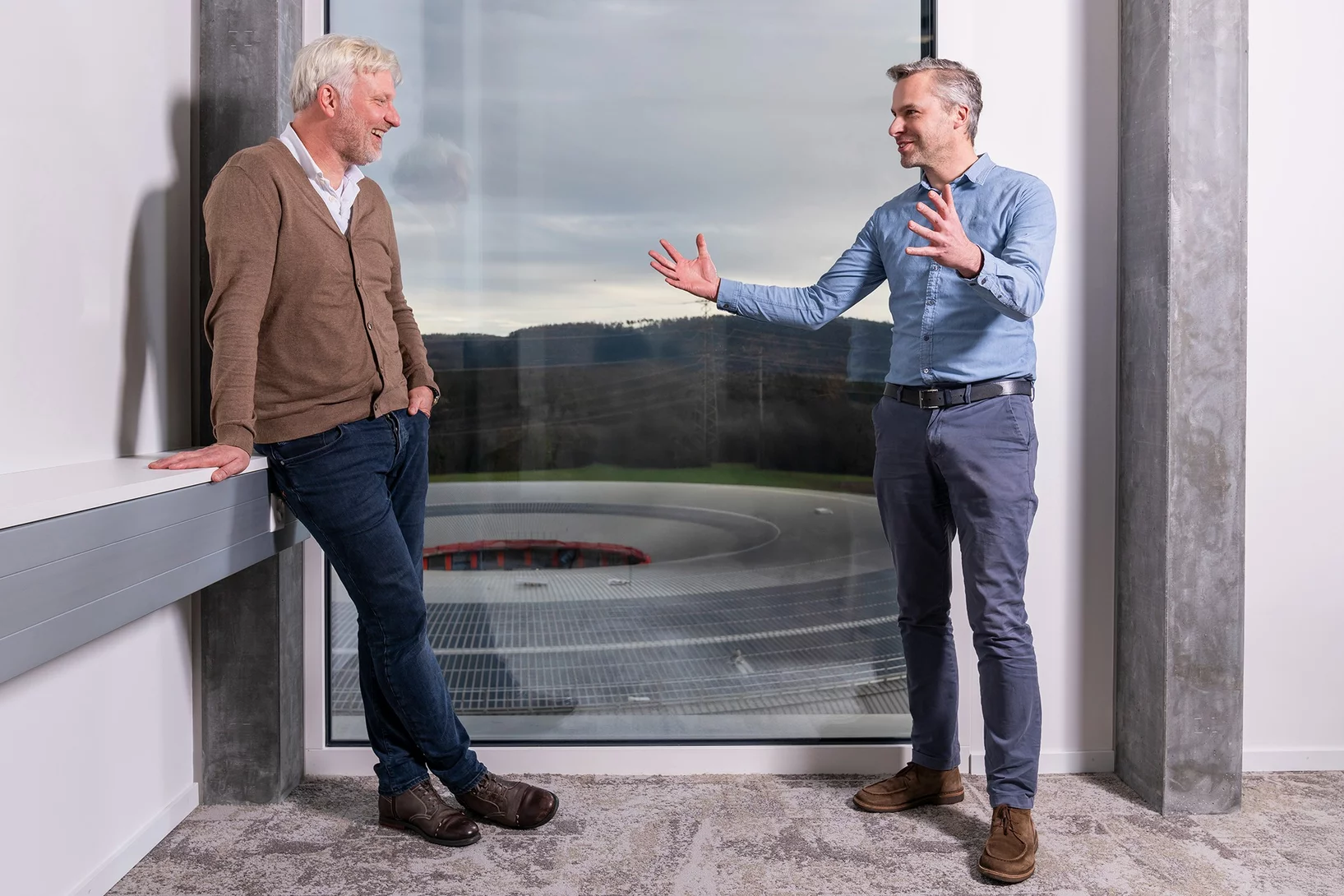
Quand la science rencontre l’industrie, l’innovation a de l’impact
Hans Priem et Cees Maris de l’entreprise VDL ETG nous expliquent ce que signifie la fabrication avancée dans l’industrie et évoquent la collaboration avec le PSI.
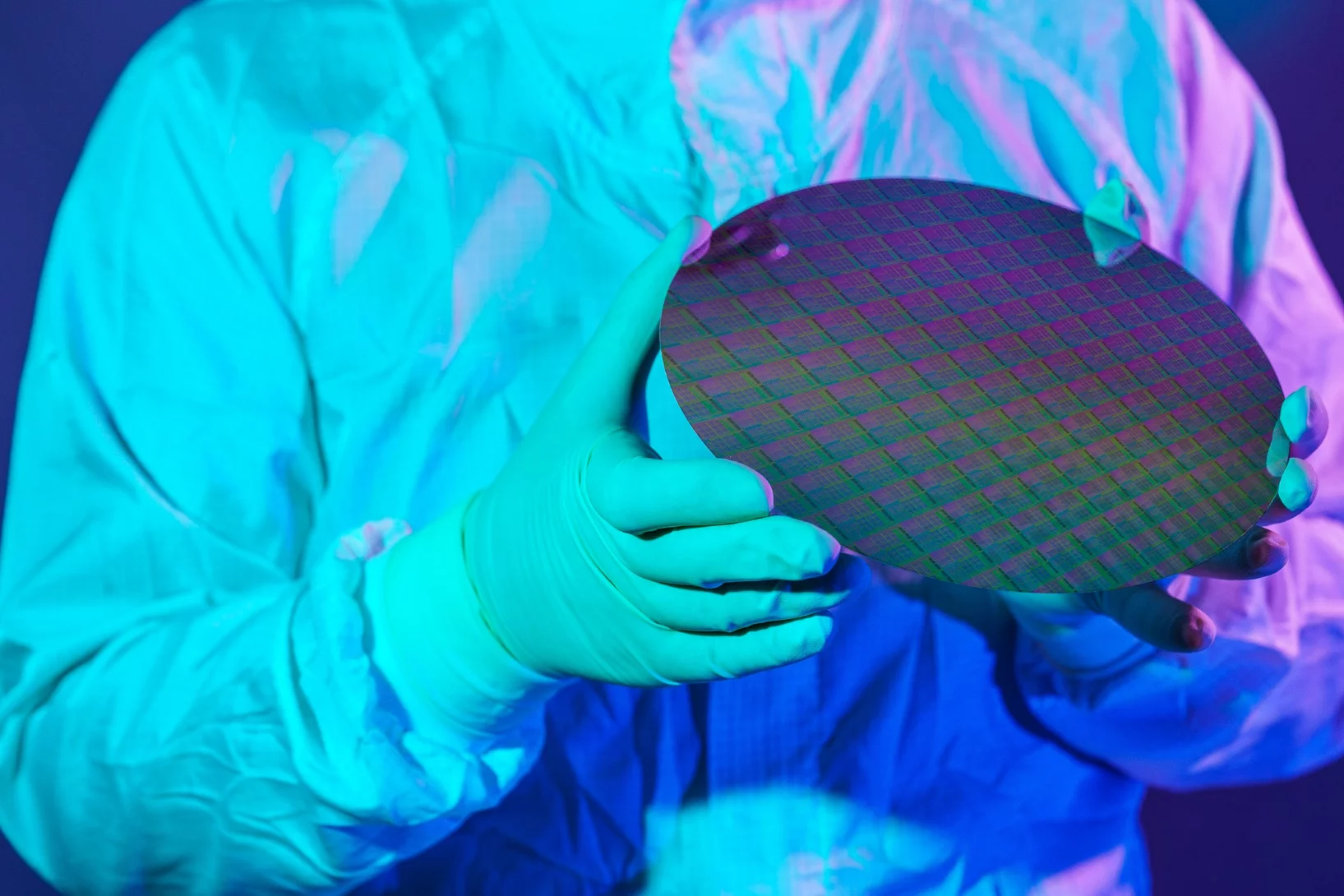
Plus rapide, précise et fiable: la production et son avenir
Le terme de fabrication avancée désigne des méthodes de fabrication ultramodernes. Les scientifiques du PSI améliorent la fiabilité de ces technologies, comme l’impression 3D, et continuent de faire progresser la miniaturisation de puces à haute performance.
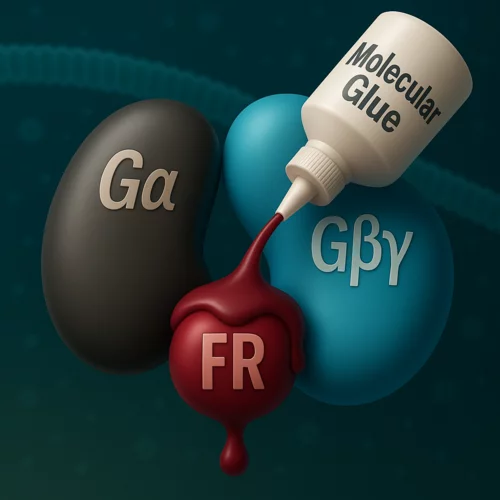
From coral berries to new therapies: uncovering the molecular glue mechanism of natural compounds
Researchers at the Center for Life Sciences and the Center for Scientific Computing, Theory, and Data at the Paul Scherrer Institute have identified the mechanism by which certain natural compounds interfere with cellular signaling. These ‘molecular glues’ have a therapeutic potential for the treatment of specific cancer types. Their latest study on this topic has been published in the journal Proceedings of the National Academy of Sciences of the United States of America.

L’aluminium devient visible
Des scientifiques du PSI ont réussi une première: déterminer précisément la position des atomes d’aluminium dans des zéolithes, qui font de ces matériaux des catalyseurs si performants.
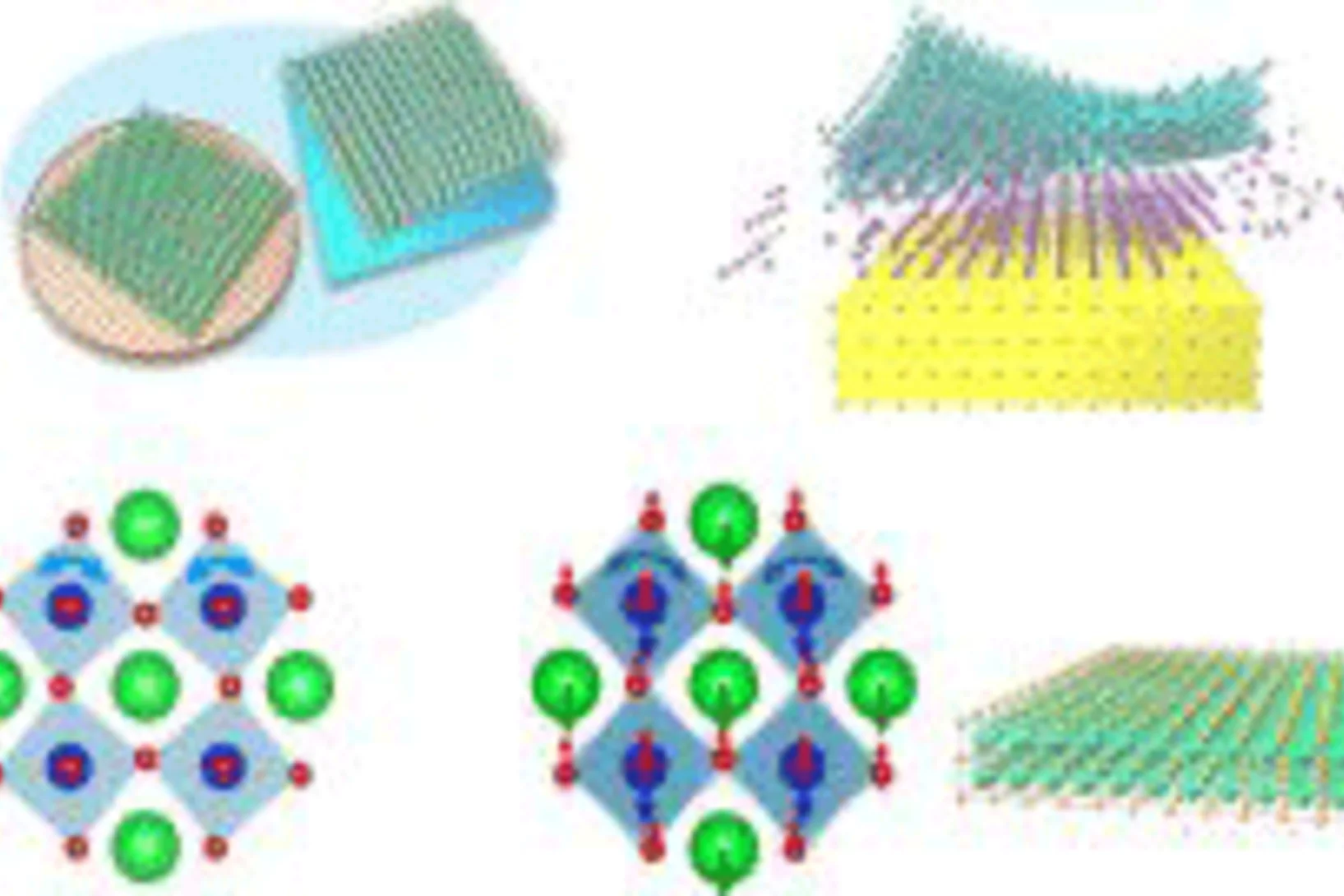
Antiferrodistortive and ferroeletric phase transitions in freestanding films of SrTiO3
Epitaxially grown thin films are commonly used to strain engineer electronic properties by the choice of a substrate, and therefore do not match bulk properties (leading to properties that deviate from the bulk material). Free standing ultrathin oxide films are expected to preserve the bulk-like properties due to the absence of substrate influence. However, we show that this expectation is not fulfilled with ultrathin free standing SrTiO3, as they get ferroelectric at 80K.
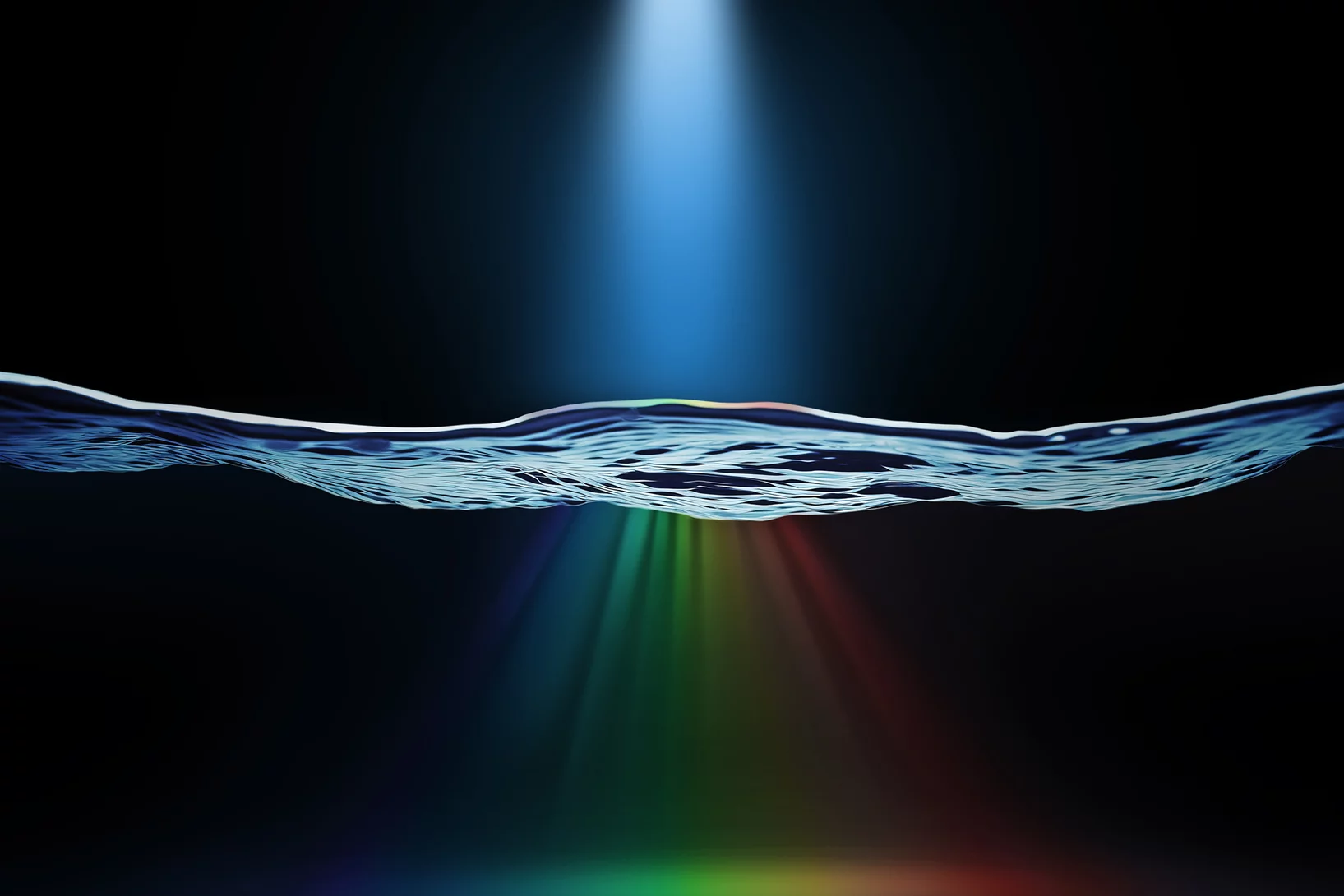
Water gets in shape for VUV absorption
Nanometre‑thin, free‑flowing liquid sheets now let Swiss Light Source users record pristine VUV absorption spectra of water, and soon any solvent.
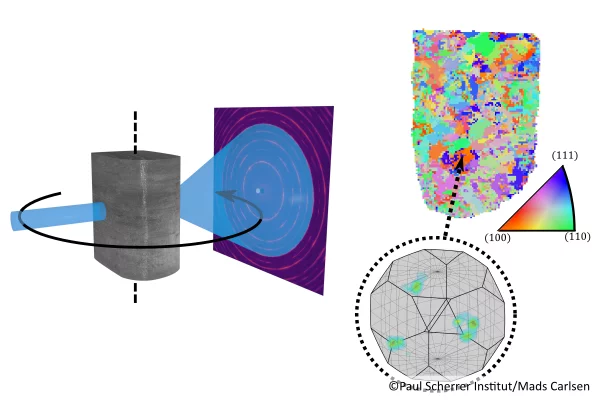
Mapping crystallite orientation in bulk polycrystals
A new experimental technique allows the orientation distribution of small-grained polycrystal materials to me mapped in 3D.
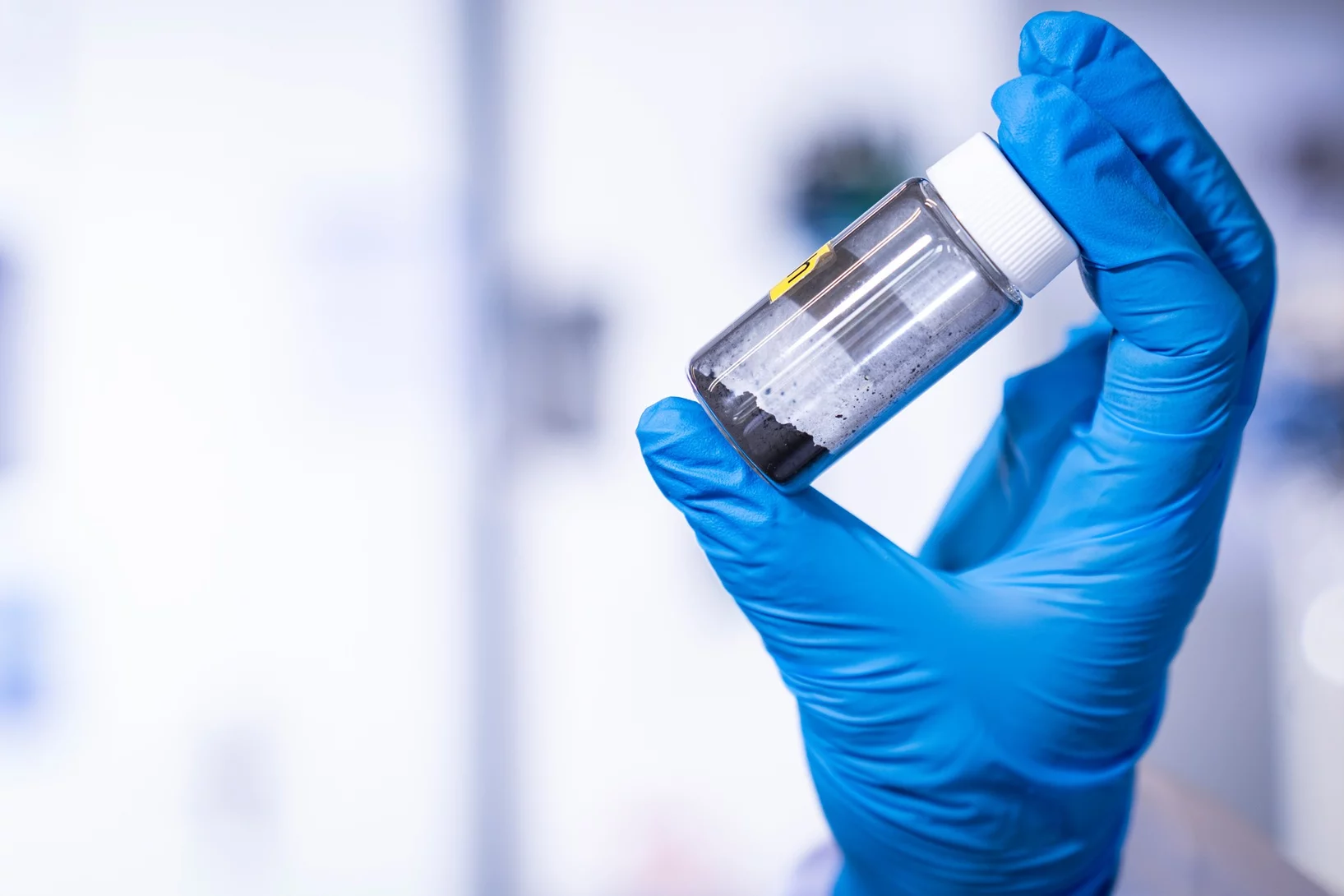
Plus vite vers l’hydrogène vert
Si l’on utilise du cobalt comme catalyseur, le pH détermine la facilité avec laquelle on pourra fabriquer de l’hydrogène par électrolyse de l’eau. Des scientifiques du PSI viennent de découvrir pourquoi.
PILATUS4 detector arrives at PXIII
On April 4, 2025, a Dectris Pilatus4 2M detector was successfully installed at beamline PXIII. In the coming weeks, this new detector will be used to measure the first macromolecular crystallography (MX) experiments using the SLS 2.0 machine.
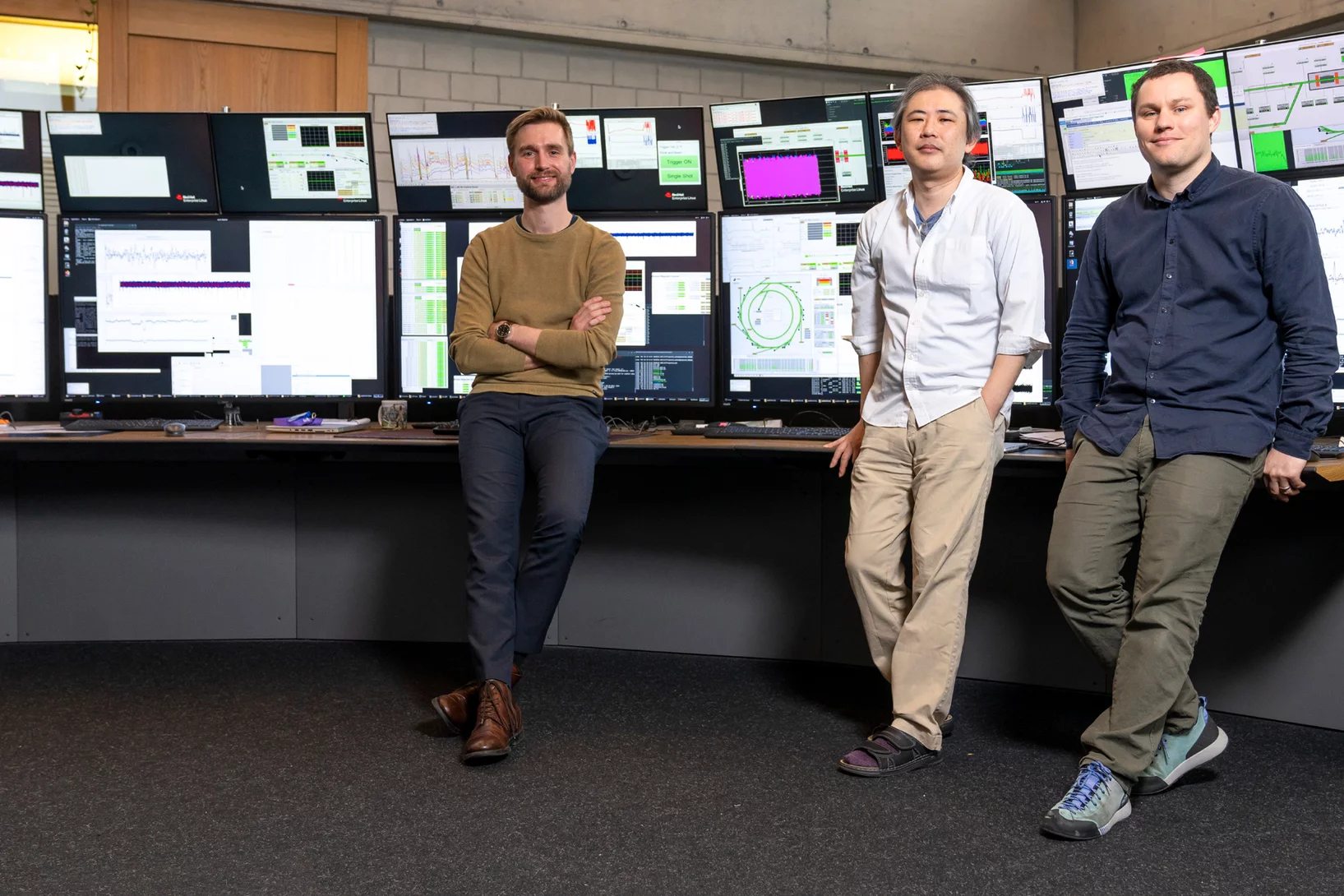
SLS 2.0: démarrage d’un accélérateur de particules
Les électrons sont de retour: après sa mise à niveau, la Source de Lumière Suisse SLS reprend peu à peu du service.
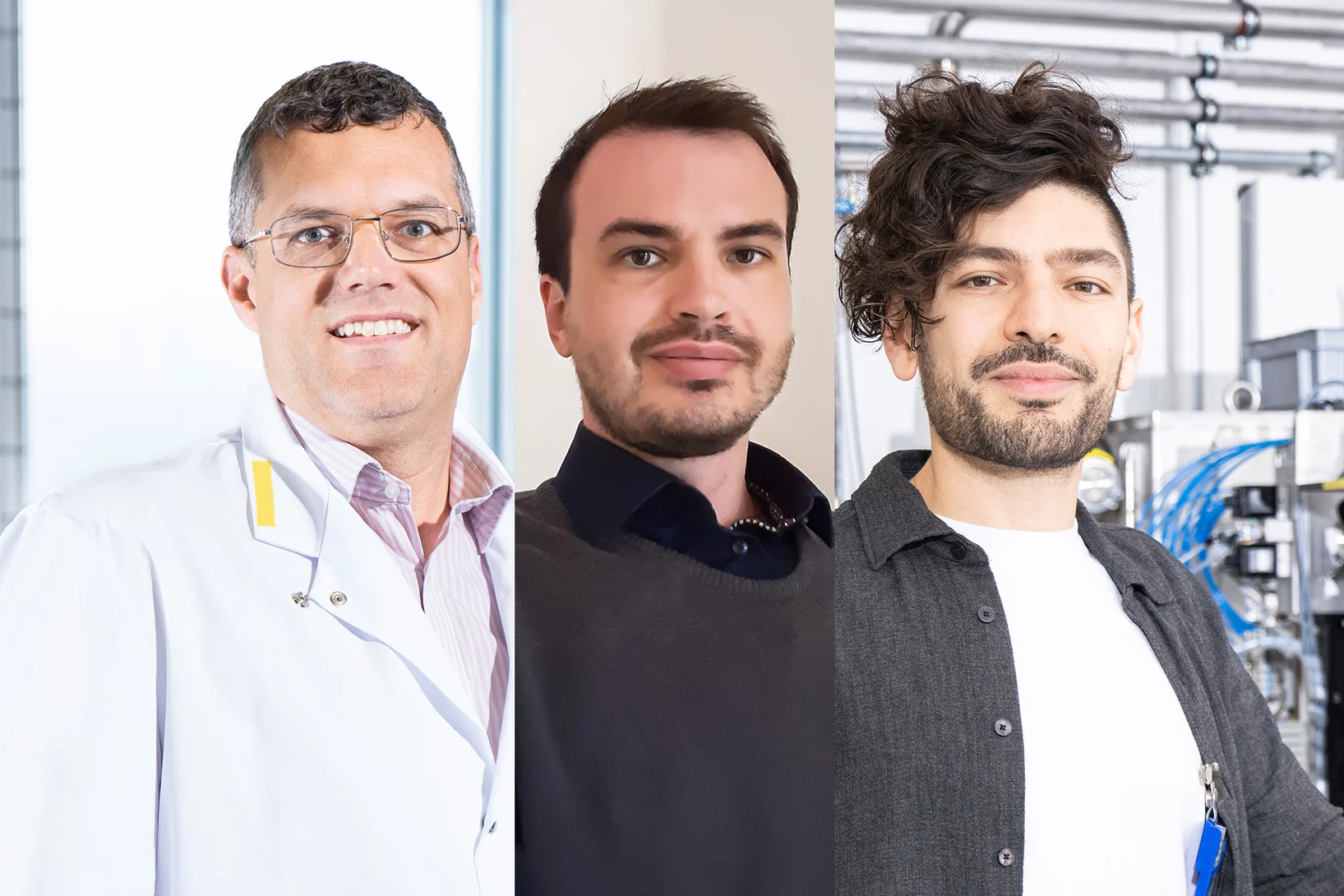
Subvention prestigieuse pour la recherche au PSI
Béton, catalyse chimique et quête d’une nouvelle physique: trois chercheurs du PSI ont reçu chacun un grant du Fonds national pour ces thèmes de recherche
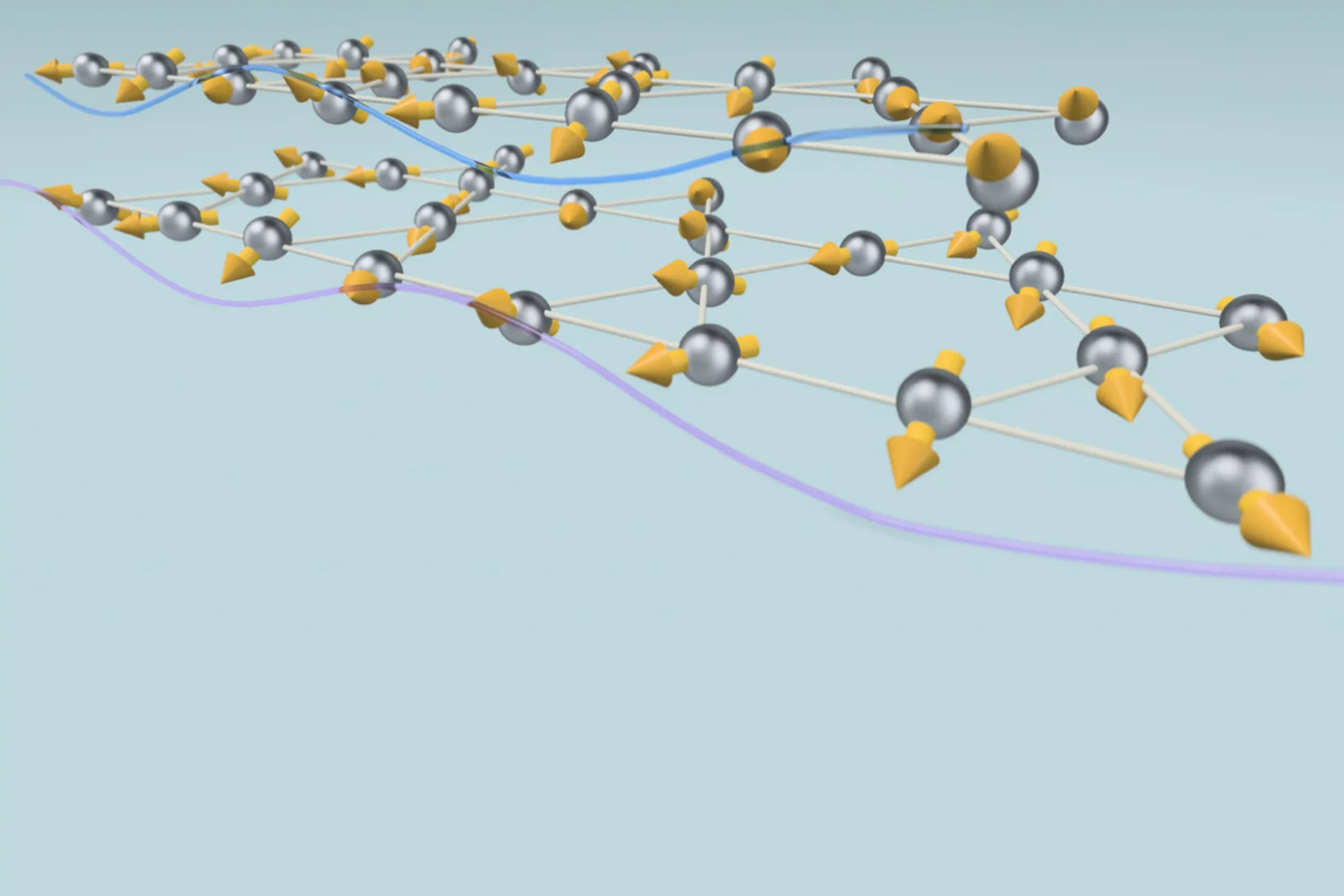
A new dimension of complexity for layered magnetic materials
X-rays reveal magnetic phenomena driven by interactions between the layers of a kagome ferromagnet
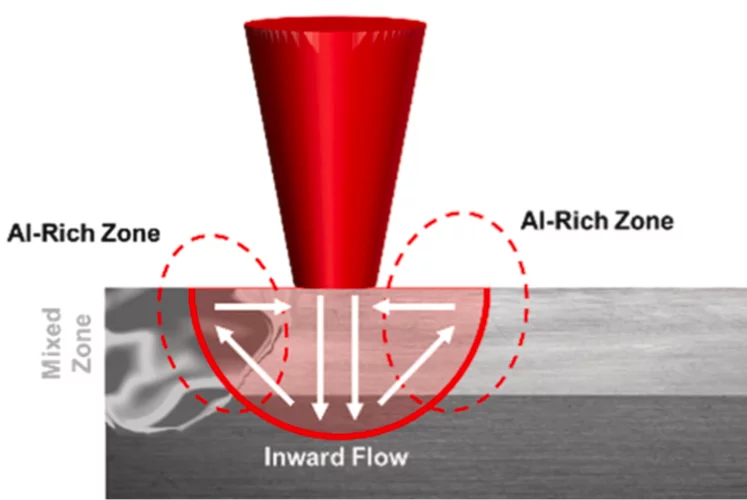
Mitigating Cracks in Multi-Material Printing
Integrating metallic powders with thin foils in laser powder bed fusion can reduce interfacial cracks and improve microstructure quality in titanium-aluminum multi-material printing.
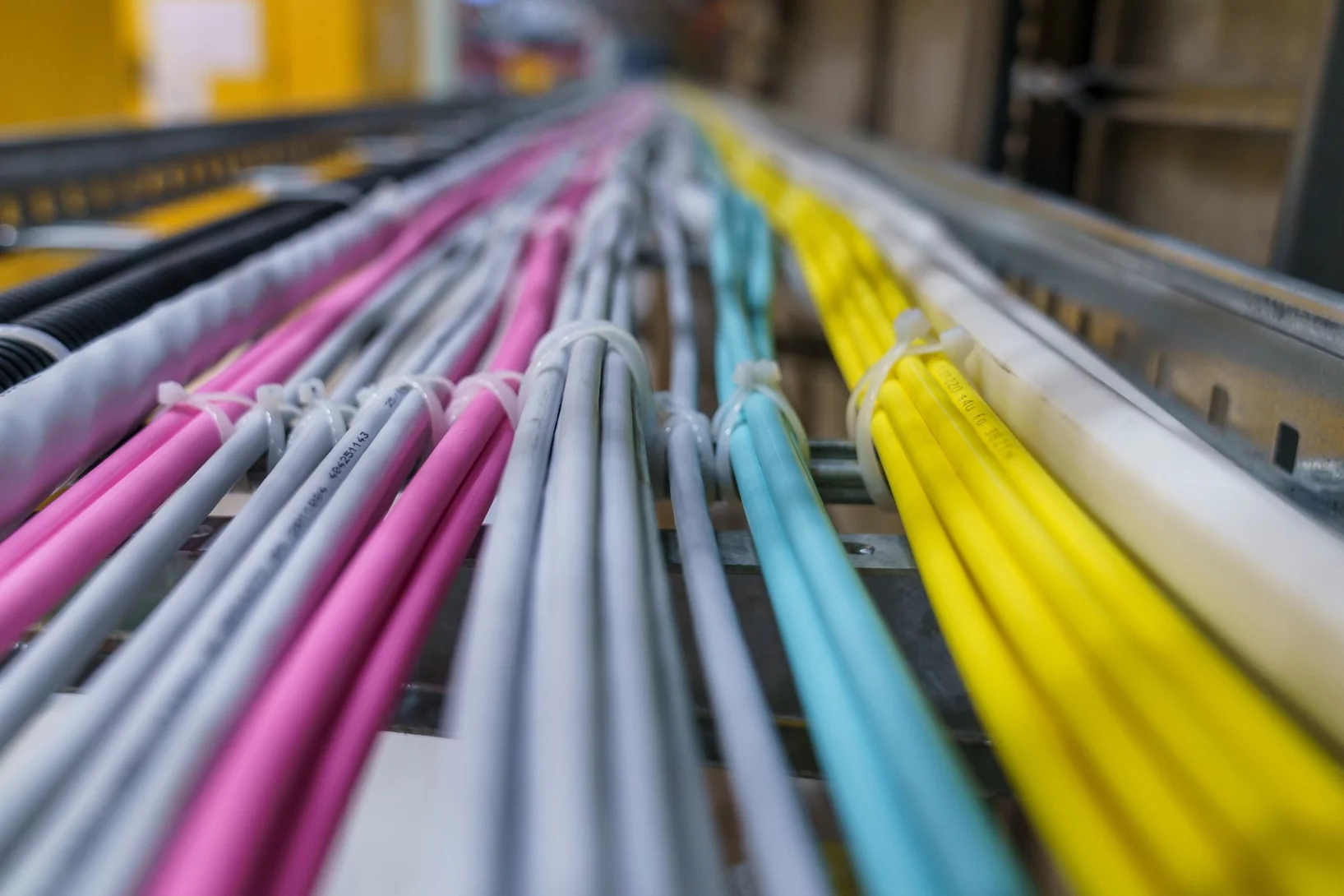
Les câbles de la SLS
Technique du bâtiment, aimants, informatique: de nombreux groupes participent à la mise à niveau de la SLS. Ils sont reliés entre eux par plusieurs centaines de kilomètres de câbles.
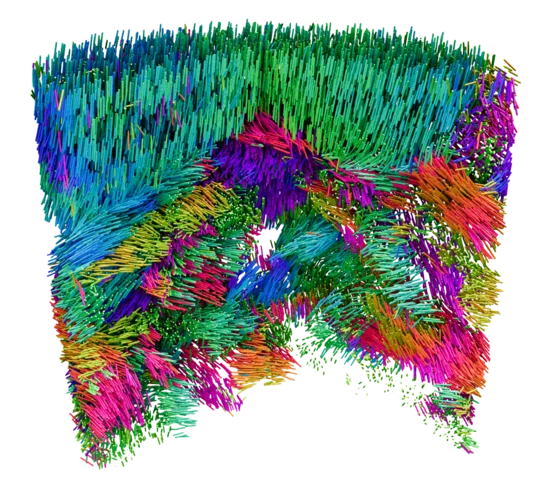
Mapping the Nanoscale Architecture of Functional Materials
A new X-ray technique reveals the 3D orientation of ordered material structures at the nanoscale, allowing new insights into material functionality.
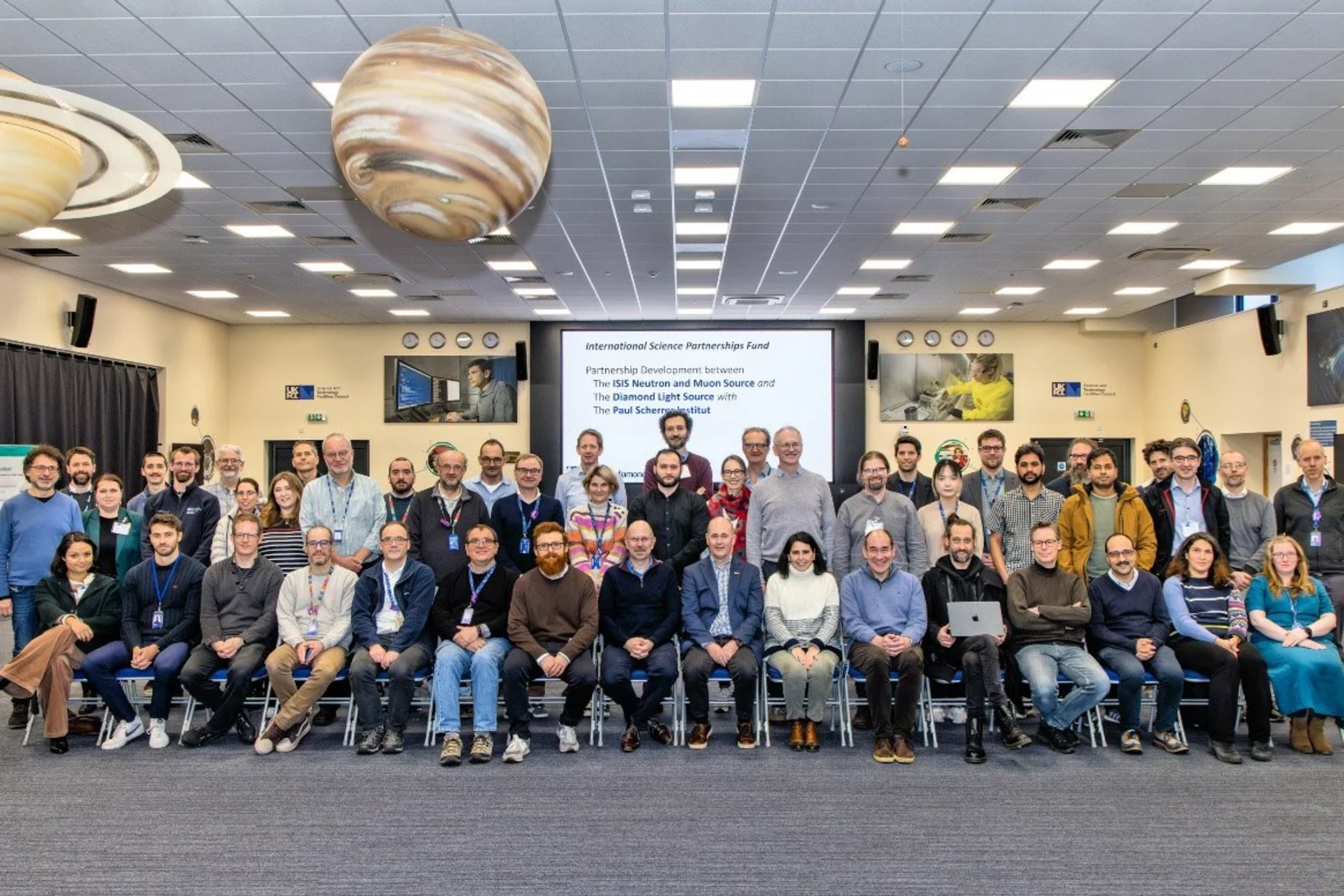
Together for Science with Neutrons, Muons and X-rays
Strategic partnership between research facilities in UK and Switzerland will create new capabilities to address global challenges using neutrons, muons and X-rays.
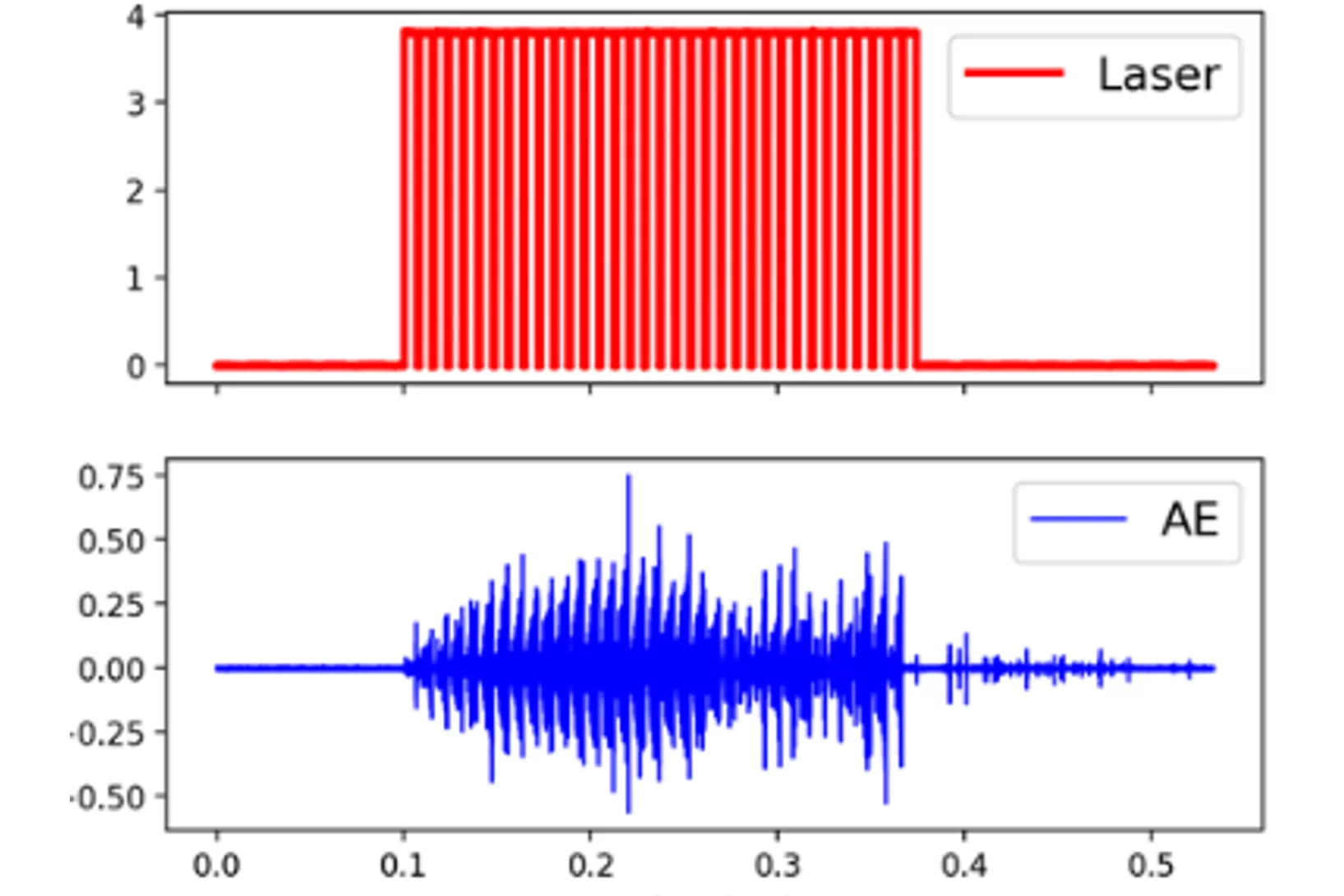
Acoustic emission signature of a martensitic transformation
Acoustic emission monitoring in 3D printing: real-time insights into martensitic phase transformations and crack formation.
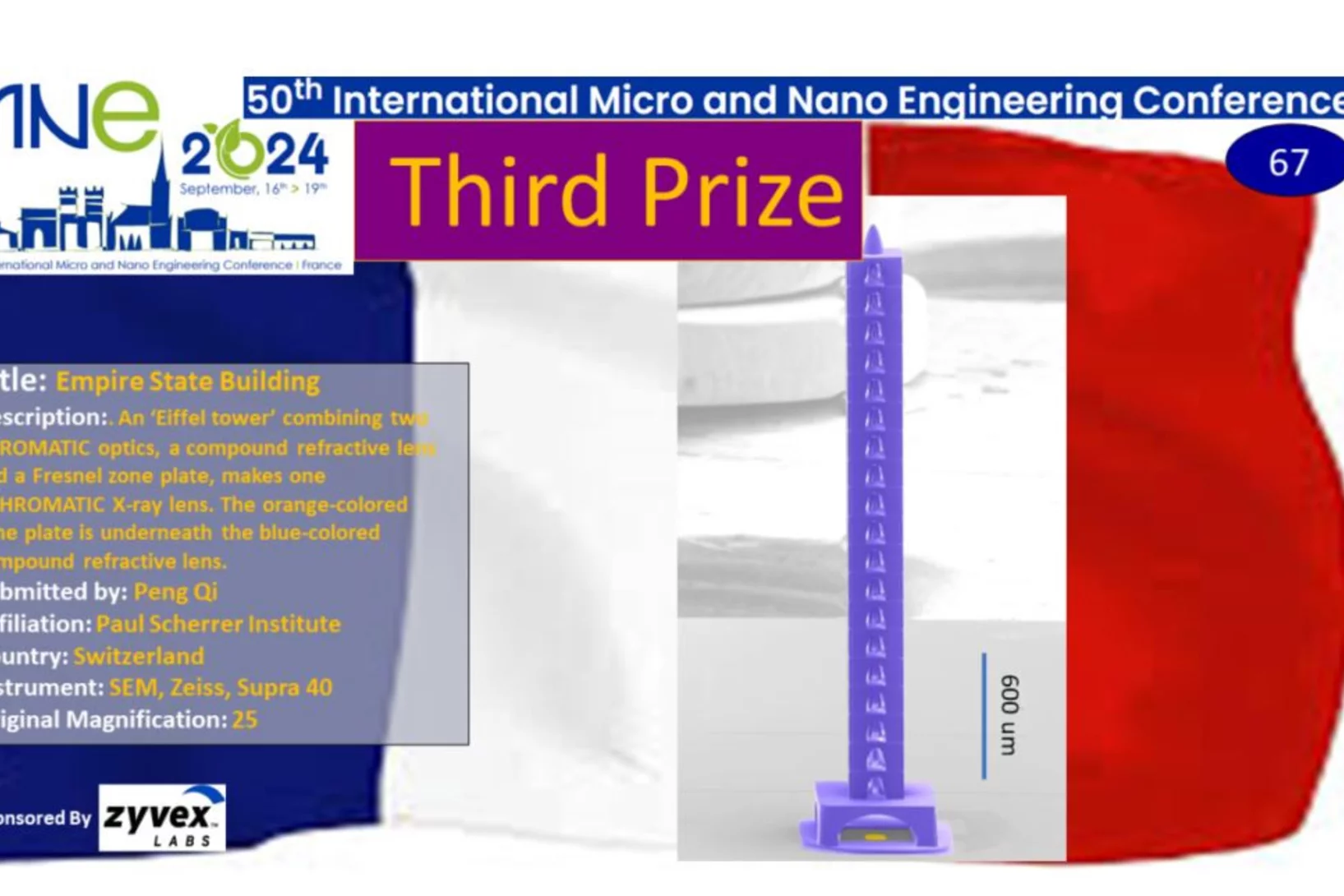
Recognition at MNE 2024 Micrograph Contest
The MNE conference is the flagship event of the International Society for Micro- and Nanotechnology (iMNEs). The research fields covered by the MNE conferences have consistently driven advancements in the development of smaller and smaller structures. To emphasize the significance of micrographs in this field, the conference features a micrograph contest, sponsored and hosted by Zyvex Labs. Entries are judged based on both their technological relevance and artistic merit.
This year, Peng Qi from the X-ray Nano Optics group, LXN, CPS, earned third place and an honorable mention for his two submitted images.
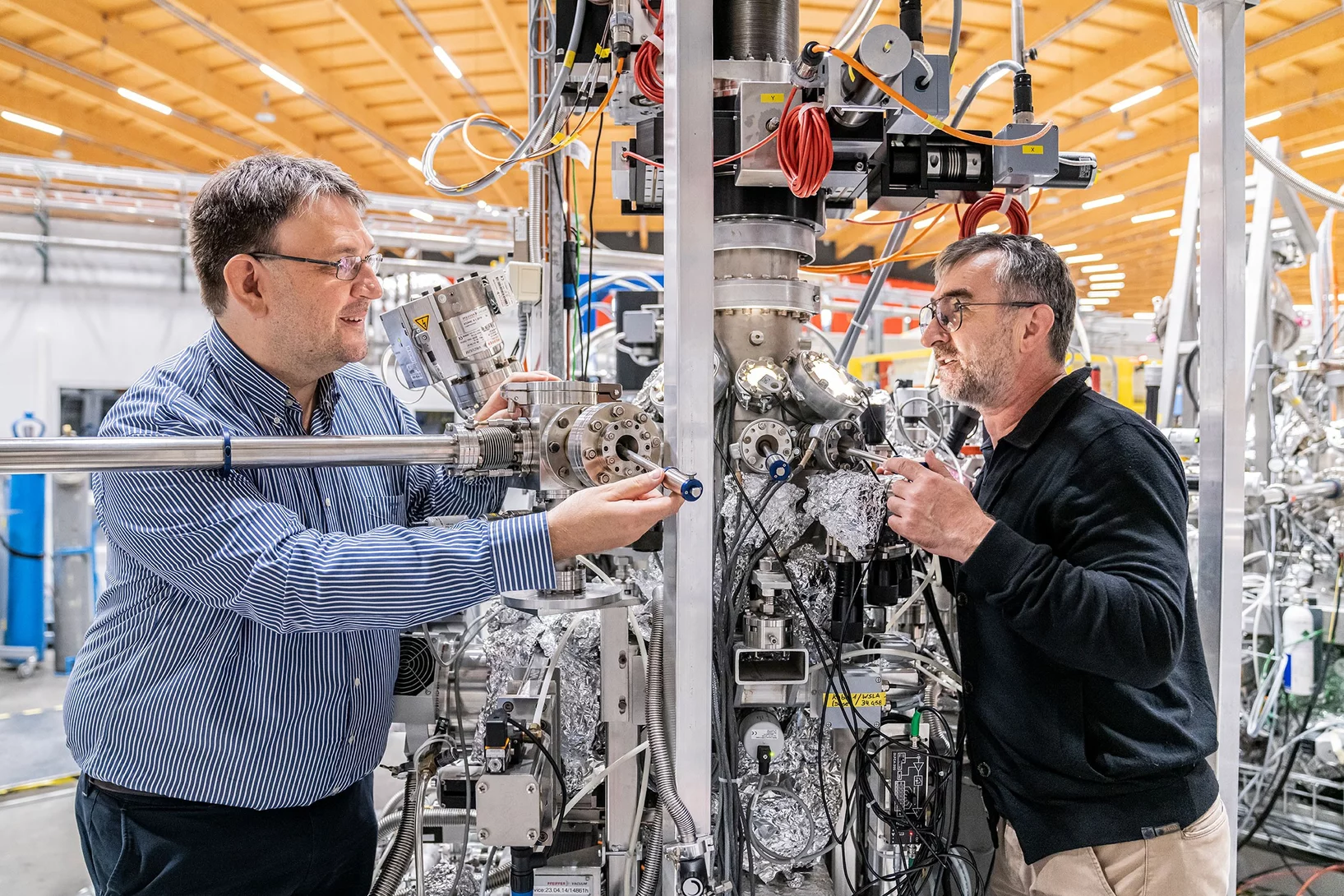
Magnétisme en couches minces: un électron fait la différence
Une étape importante vers des mémoires informatiques novatrices
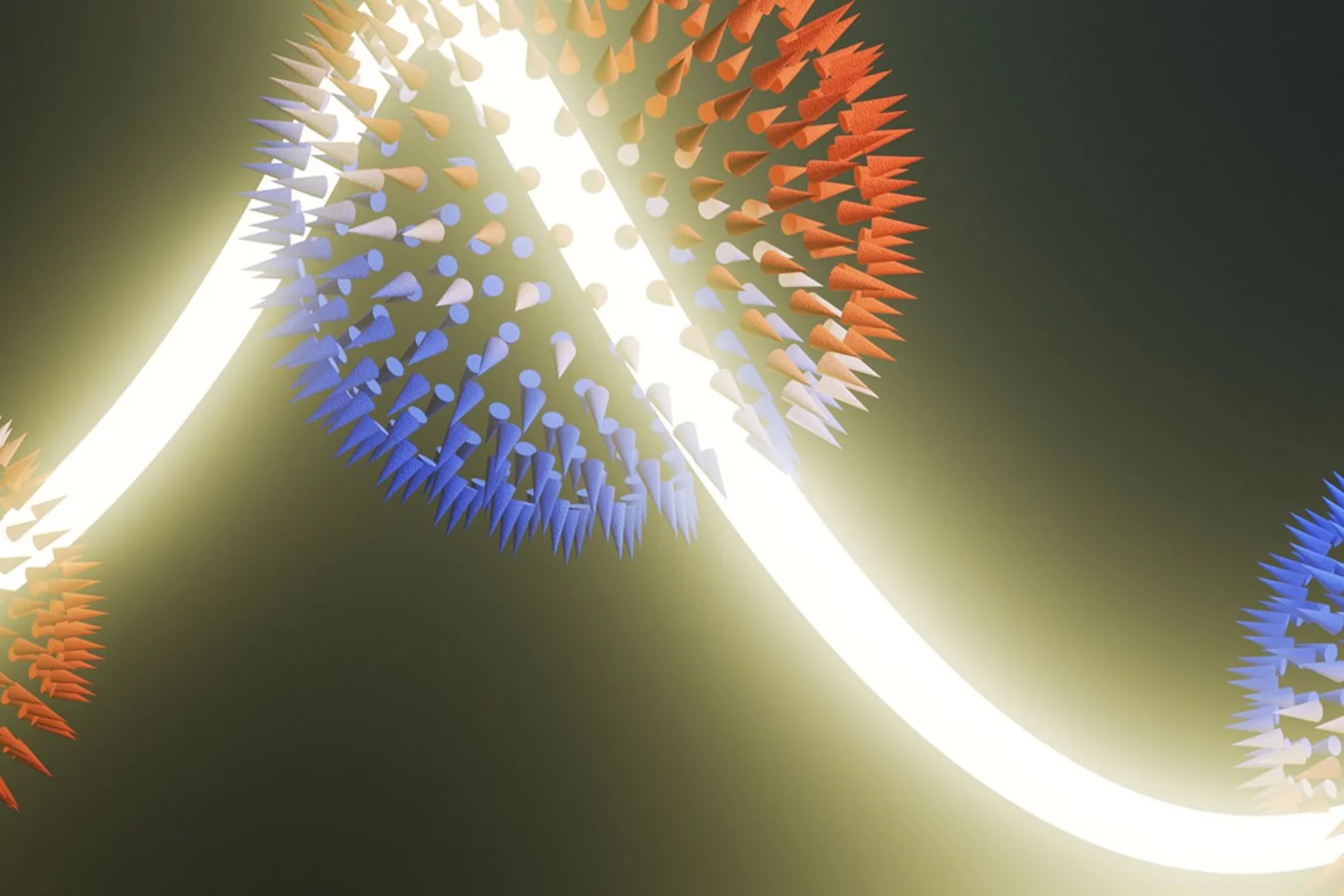
Orbitronics: new material property advances energy-efficient tech
Discovery of orbital angular momentum monopoles boosts the emerging field of orbitronics, an energy-efficient alternative to electronics.
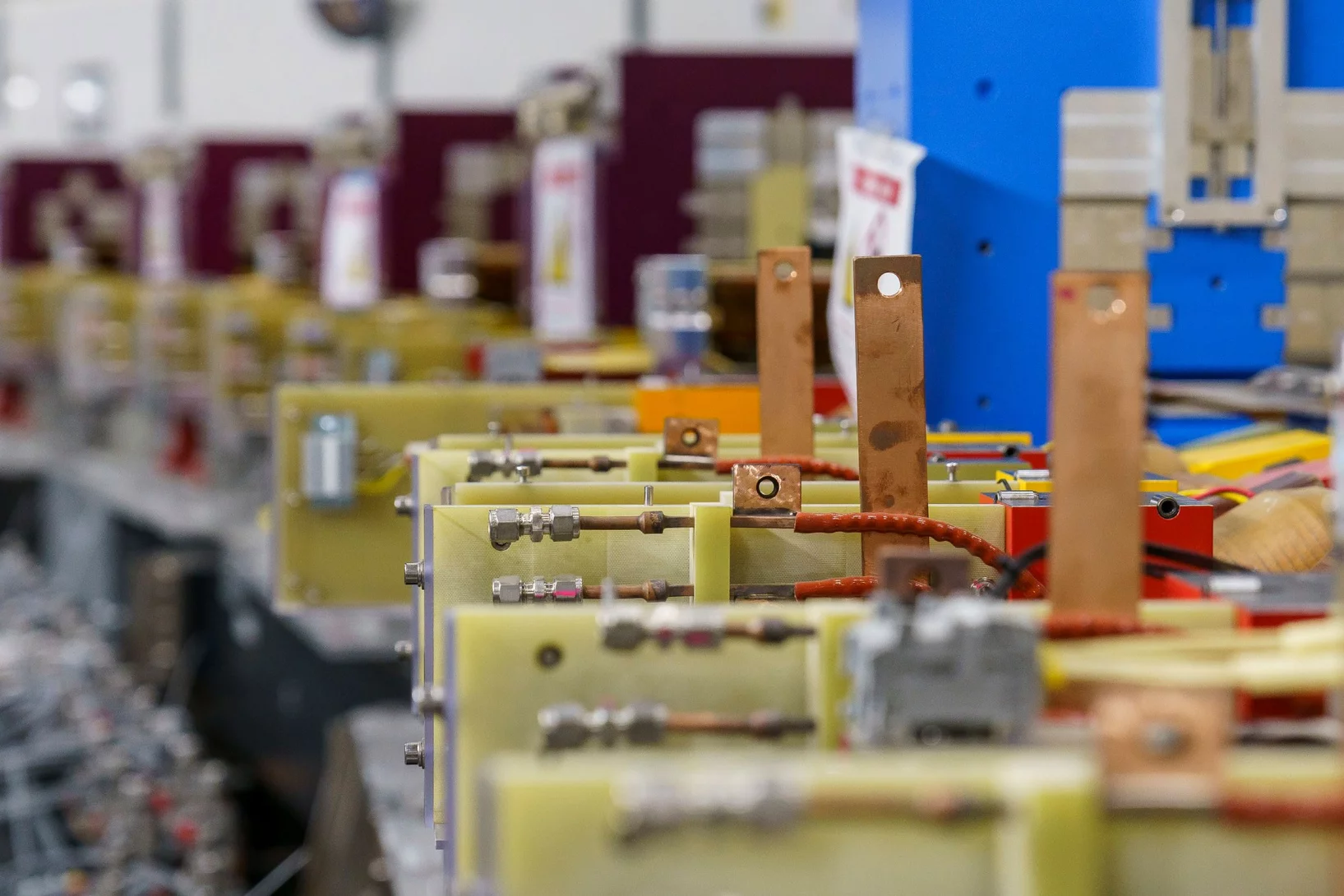
Excited About SLS 2.0!
Researchers tell us why they are excited about SLS 2.0 and more brilliant light for science
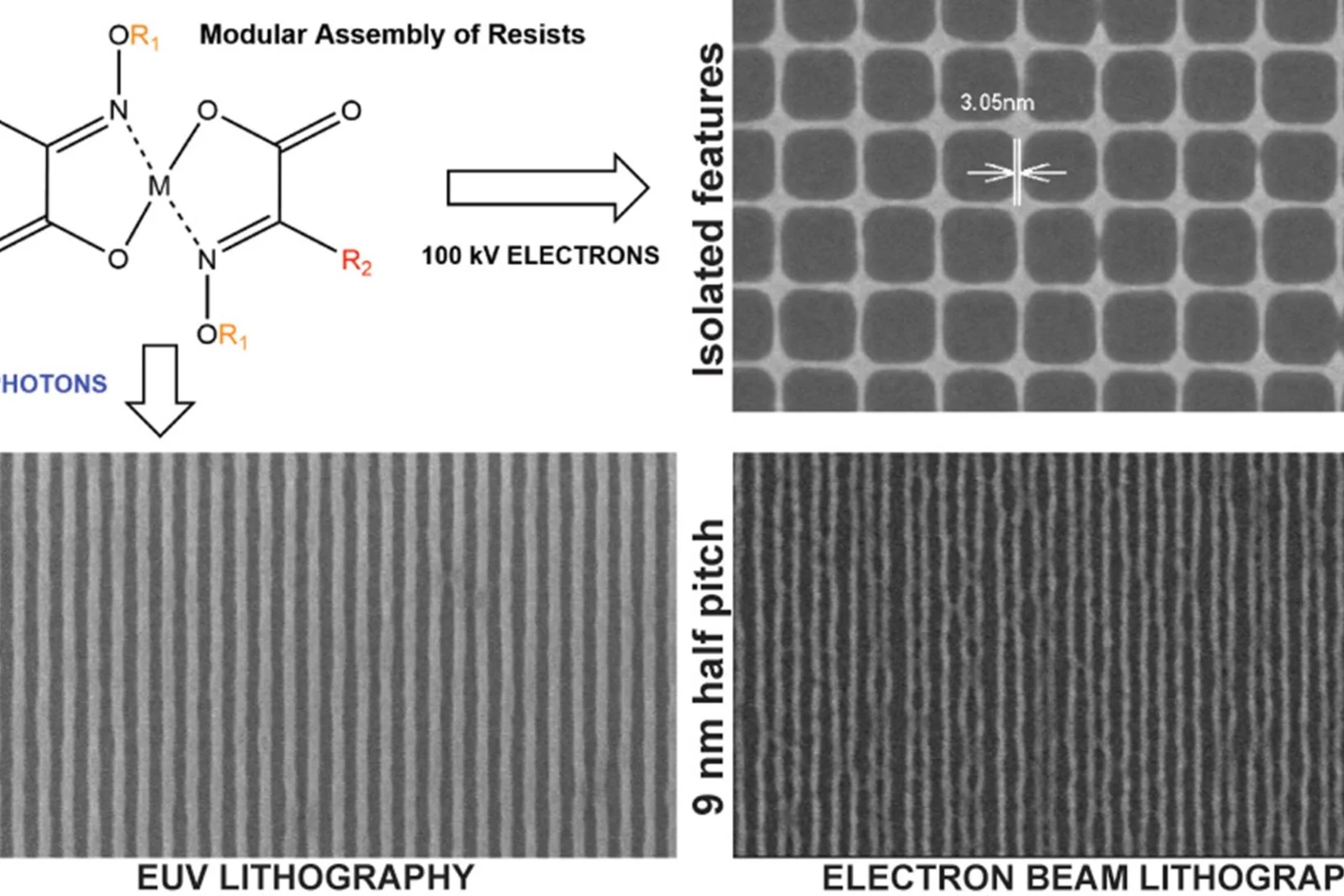
Novel Photoresist Chemistry Enables Lithography Approaching Angstrom-Scale Resolution
Photoresist materials are crucial in the manufacturing of computer chips, where the circuits are initially printed in the photoresist using photolithography. As the demand for smaller and more precise circuitry in computer chips grows, photoresists must resolve features with smaller sizes and higher density. One of the factors determining the ultimate resolution in lithography is the molecular size/mass of the photoresists.
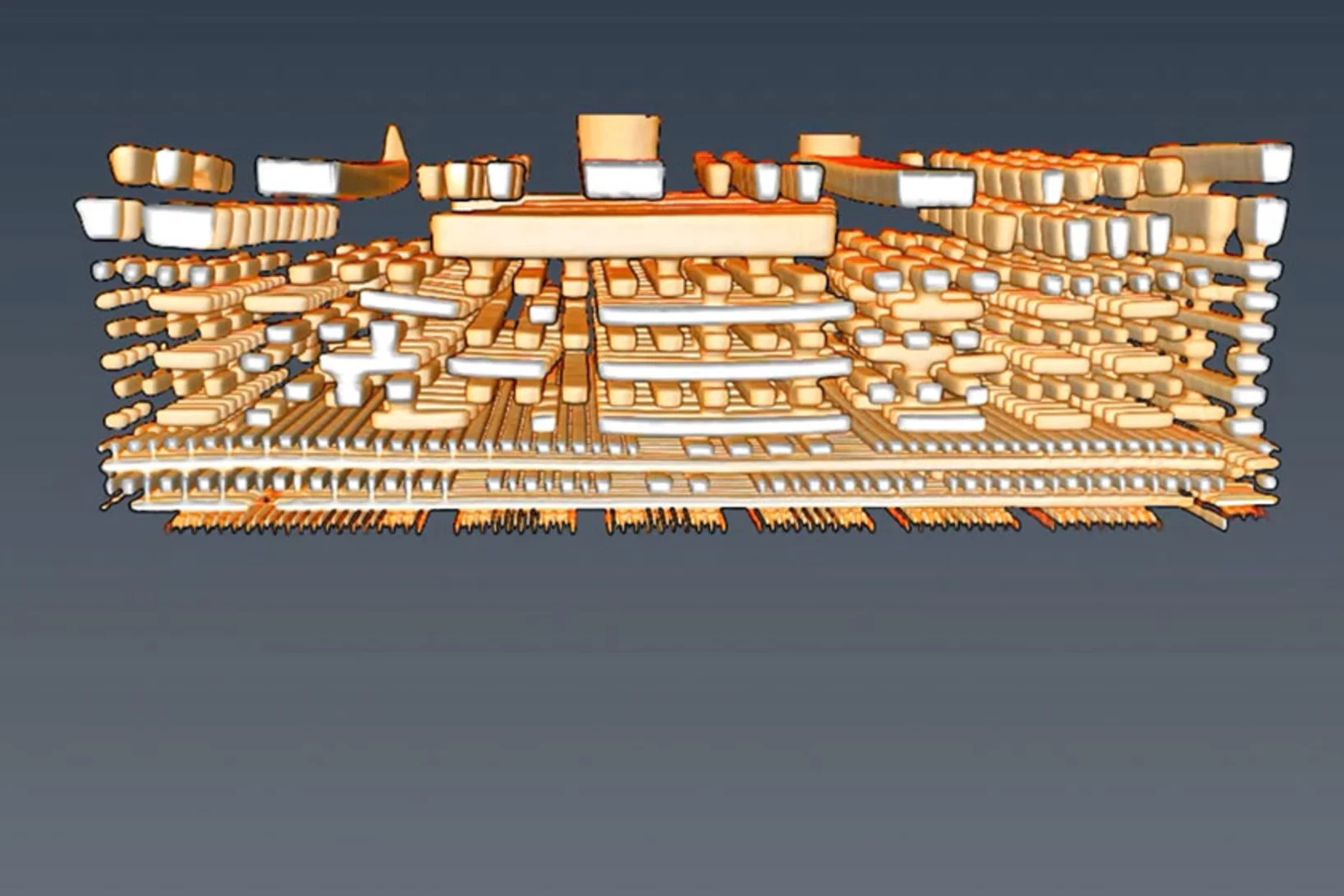
Nouveau record mondial de rayons X: scruter l’intérieur d’une puce informatique avec une résolution de 4 nanomètres
Avec une résolution record de 4 nanomètres, des chercheurs du PSI sont parvenus à reproduire la structure spatiale d'une puce informatique à l'aide de rayons X.
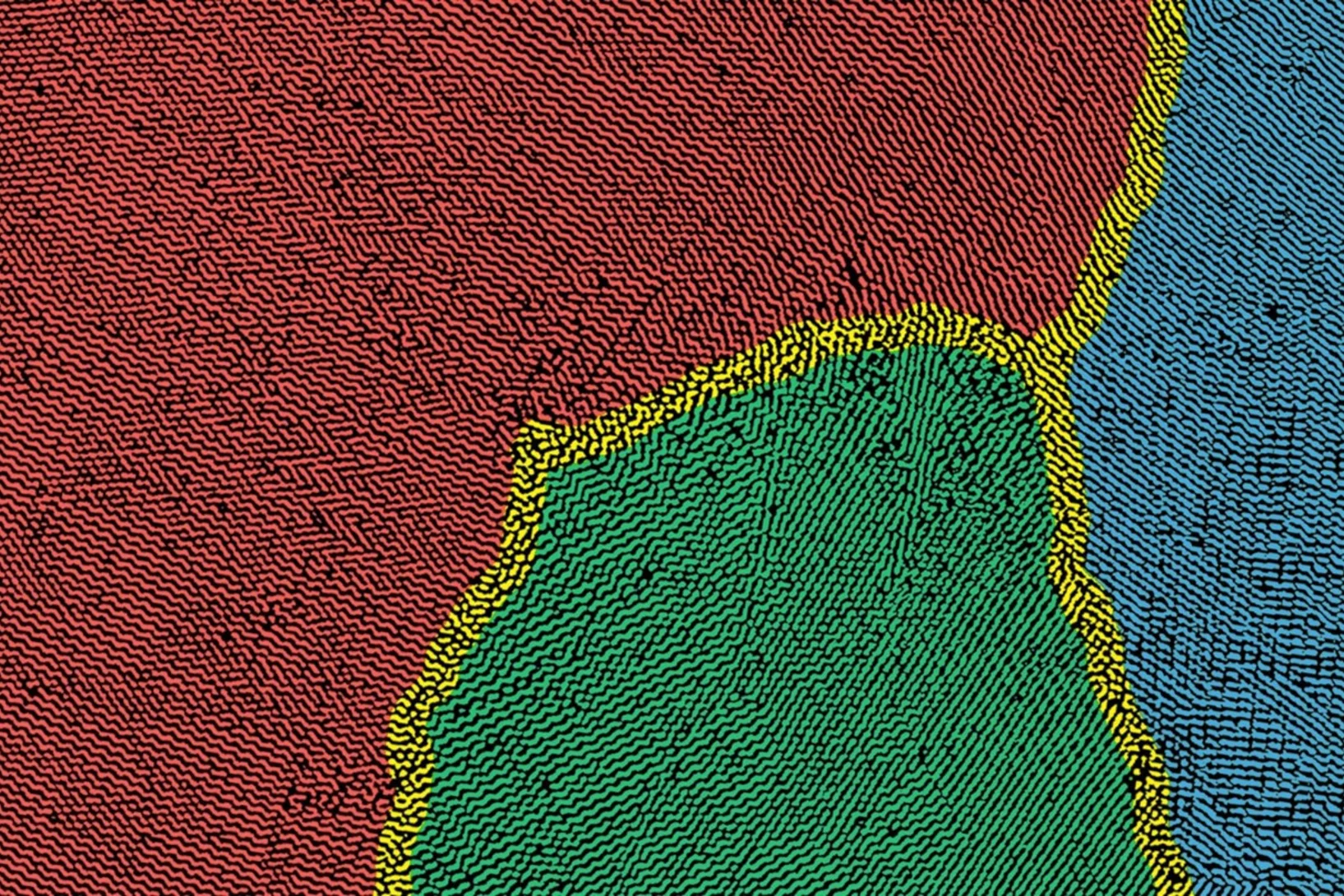
Nanoimaging Reveals Topological Textures in Nanoscale Crystalline Networks
X-ray nano-tomography reveals collective behavior in synthetic self-assembled nanostructures. The new method opens opportunities for the synthesis of photonic and plasmonic materials with improved long-range ordering.
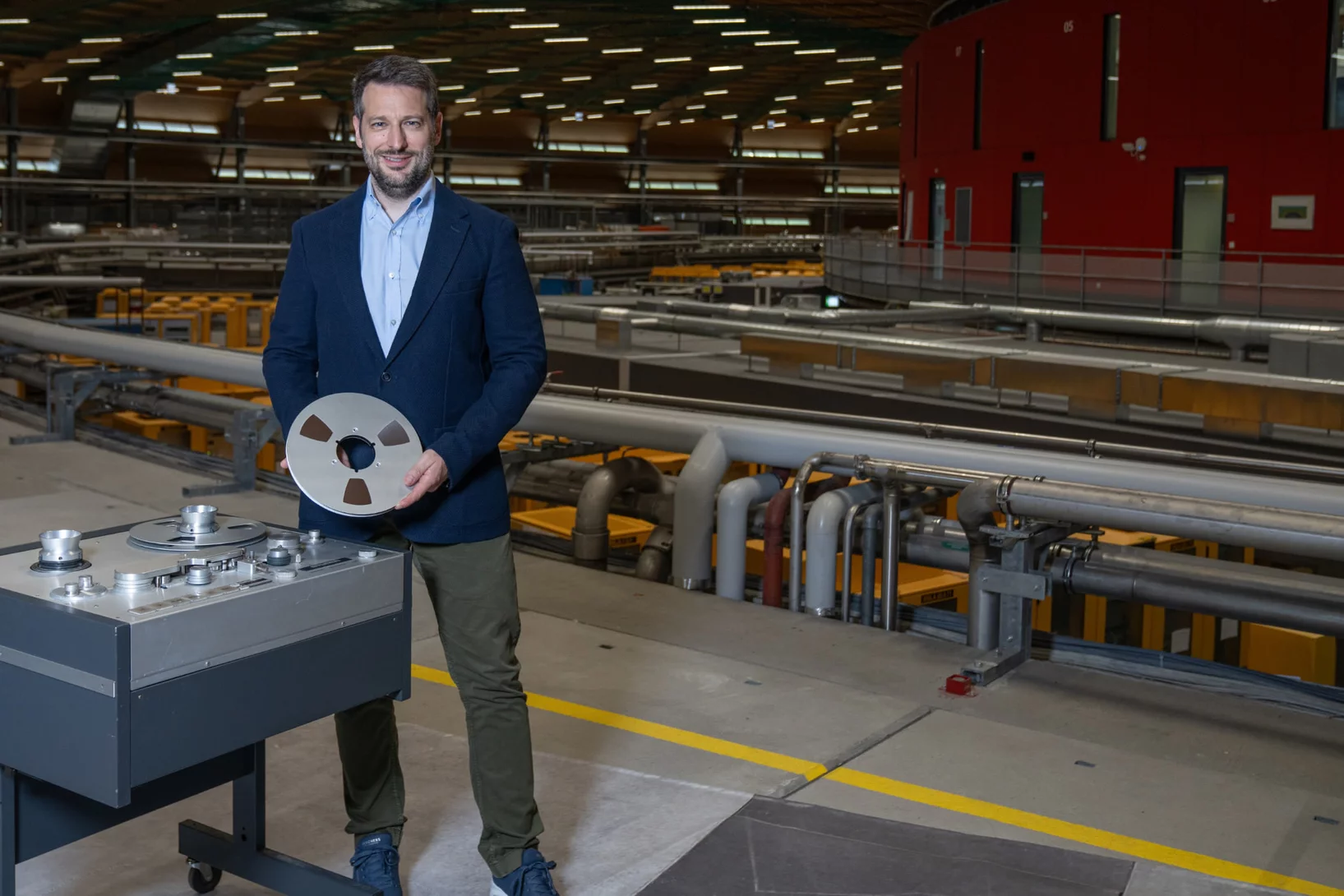
Sauver la musique grâce aux rayons X
La SLS joue B.B. King, le King of the Blues! En collaboration avec le Montreux Digital Project, des bandes sonores historiques sont numérisées au PSI.
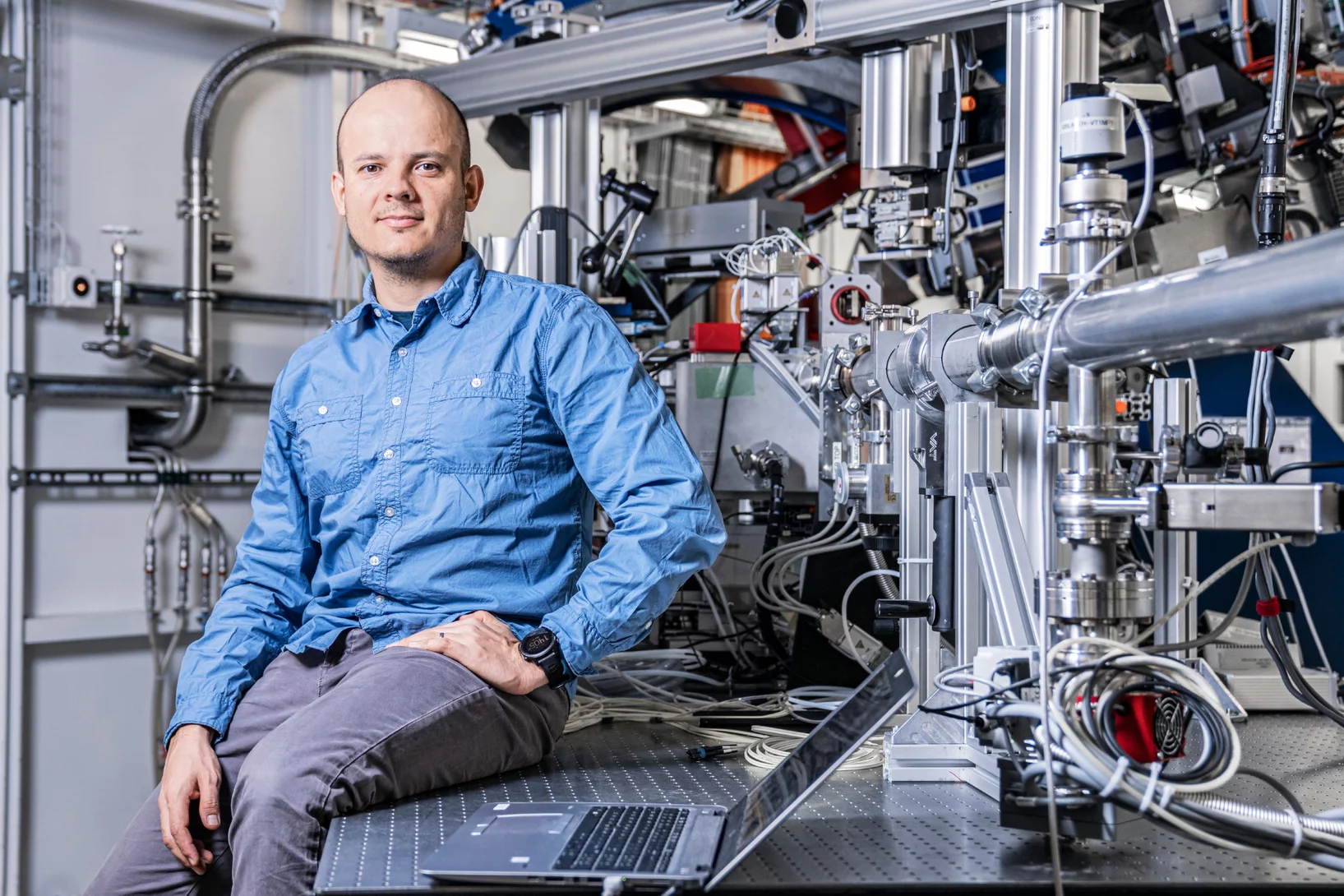
Permettre l’utilisation quotidienne de batteries lithium-air performantes
Les faisceaux de neutrons et la lumière synchrotron révèlent les processus chimiques qui se jouent dans les batteries lithium-air.
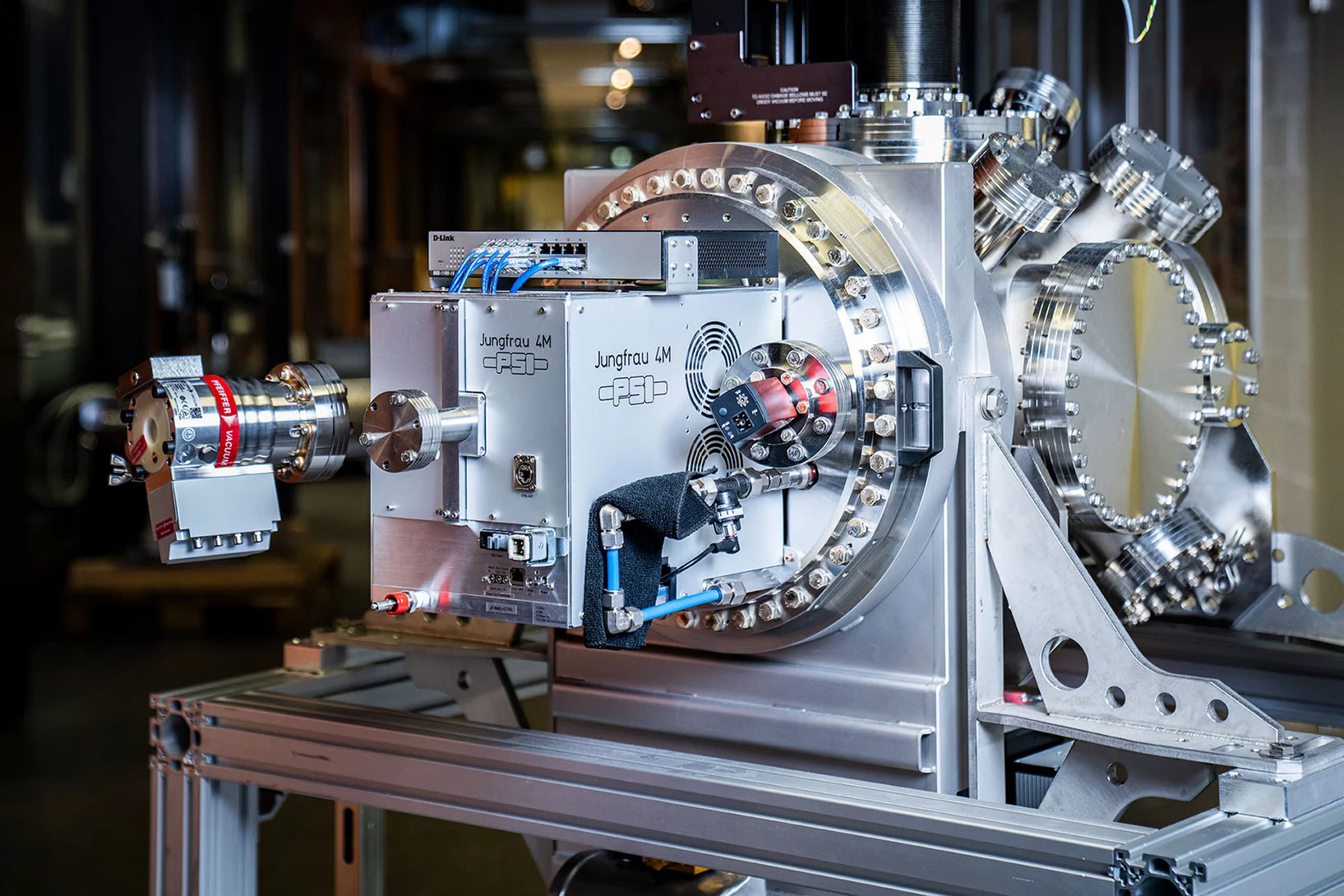
Developing detectors to transform science with light (part 2)
Part II: Why detecting soft X-rays is hard, and how a new breakthrough is set to transform low energy X-ray science.
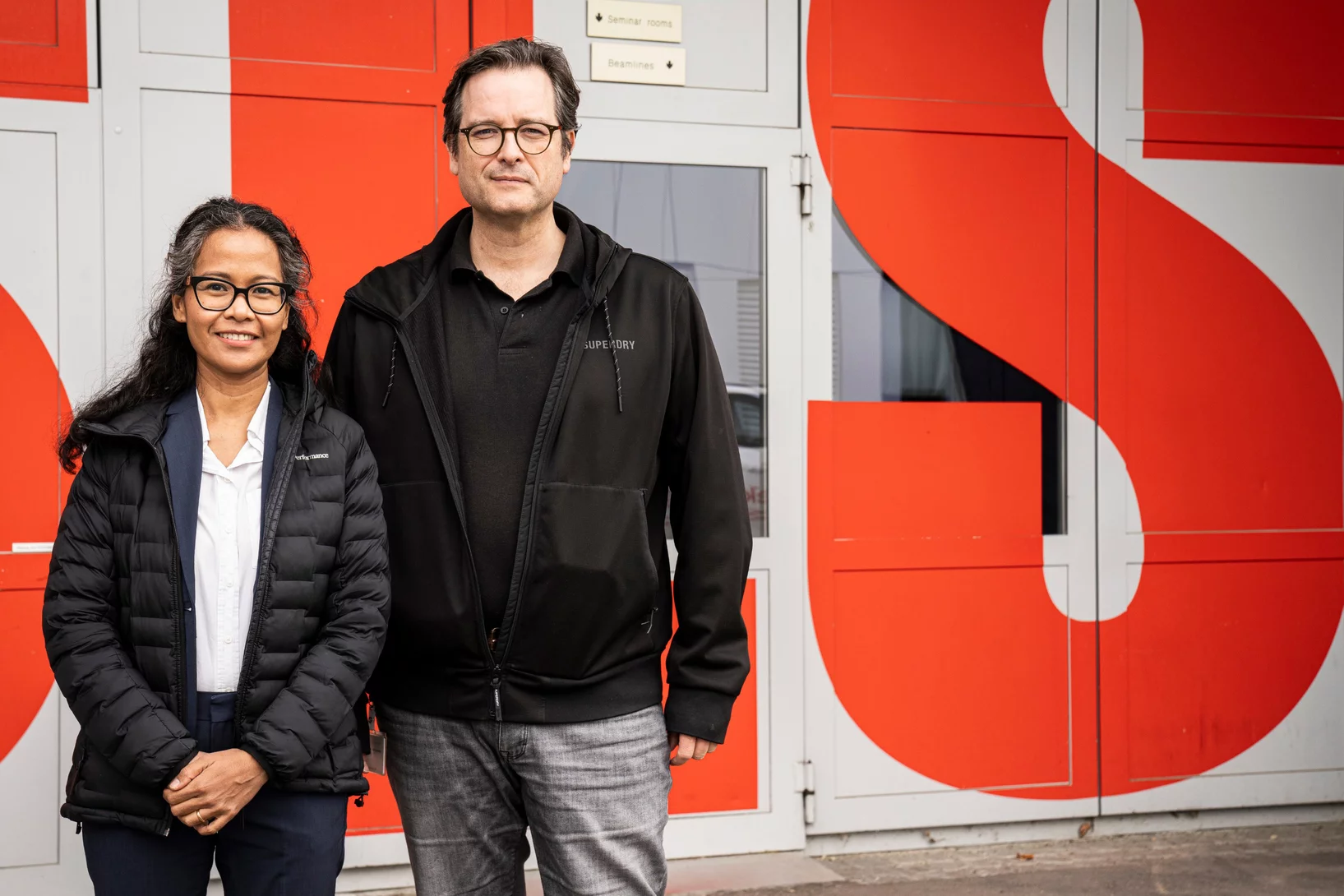
La cause du blocage des aiguilles de seringue a été identifiée
Des scientifiques du PSI et de l’entreprise de transfert de technologie ANAXAM ont découvert ce qui cause l’obstruction de seringues préremplies.
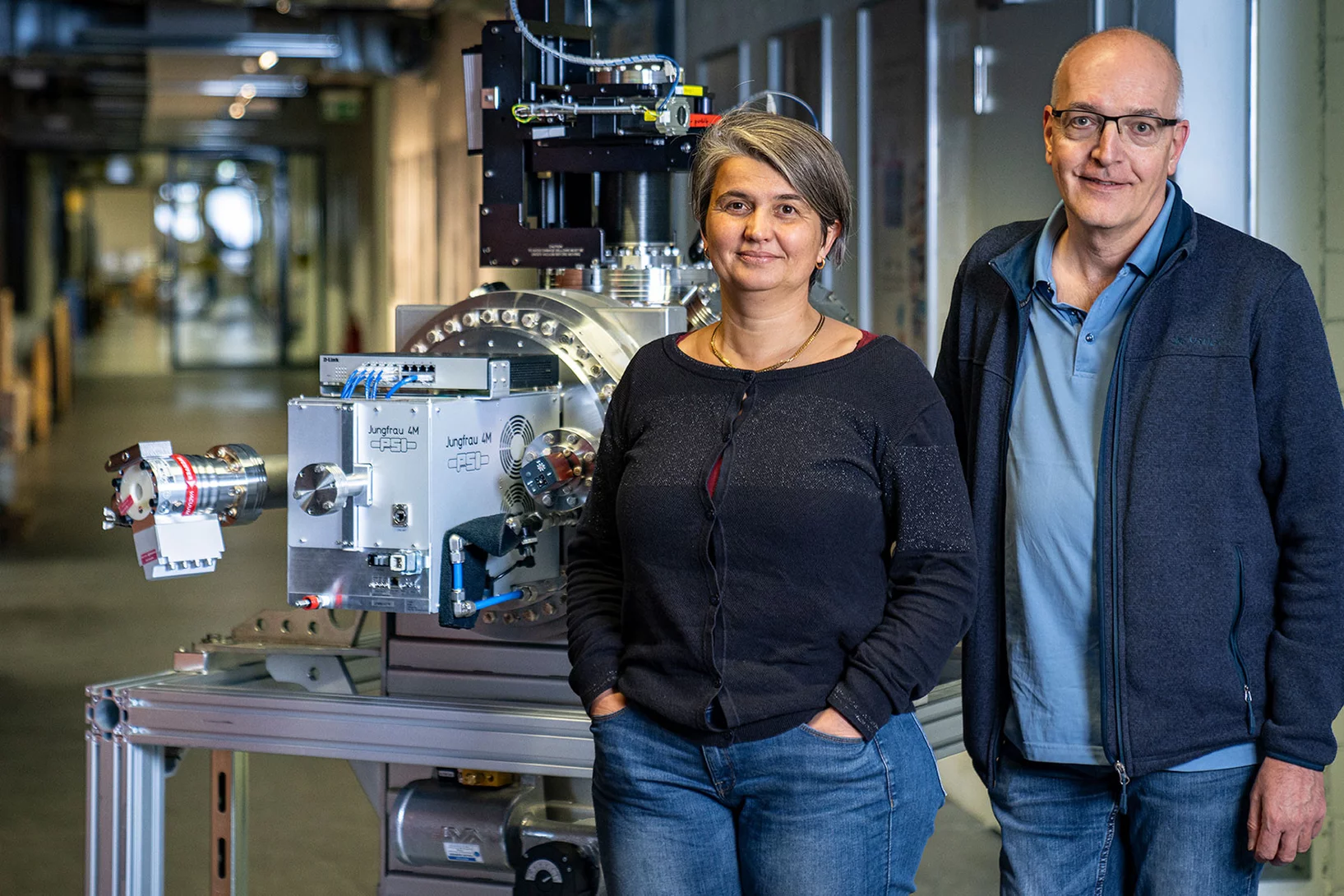
Developing detectors to transform science with light (part 1)
Part I: How the Jungfrau detector went from inception to perfection to ubiquity.

Altermagnetism proves its place on the magnetic family tree
Experiments at the Swiss Light Source SLS prove the existence of a new type of magnetism, with broad implications for technology and research.
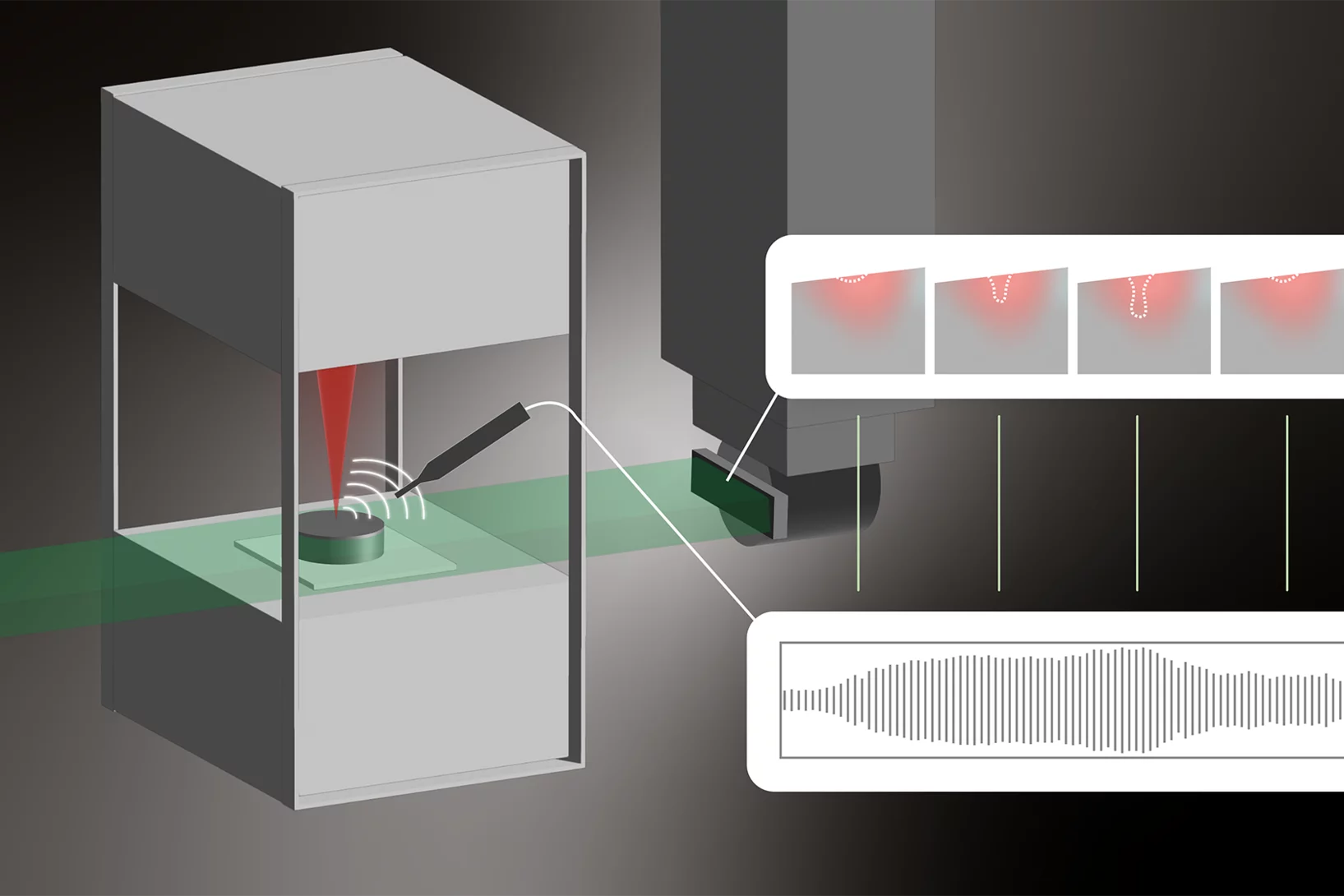
Listening for Defects as They Happen
Experiments at the Swiss Light Source SLS help resolve a long-standing debate surrounding metal 3D laser printing.
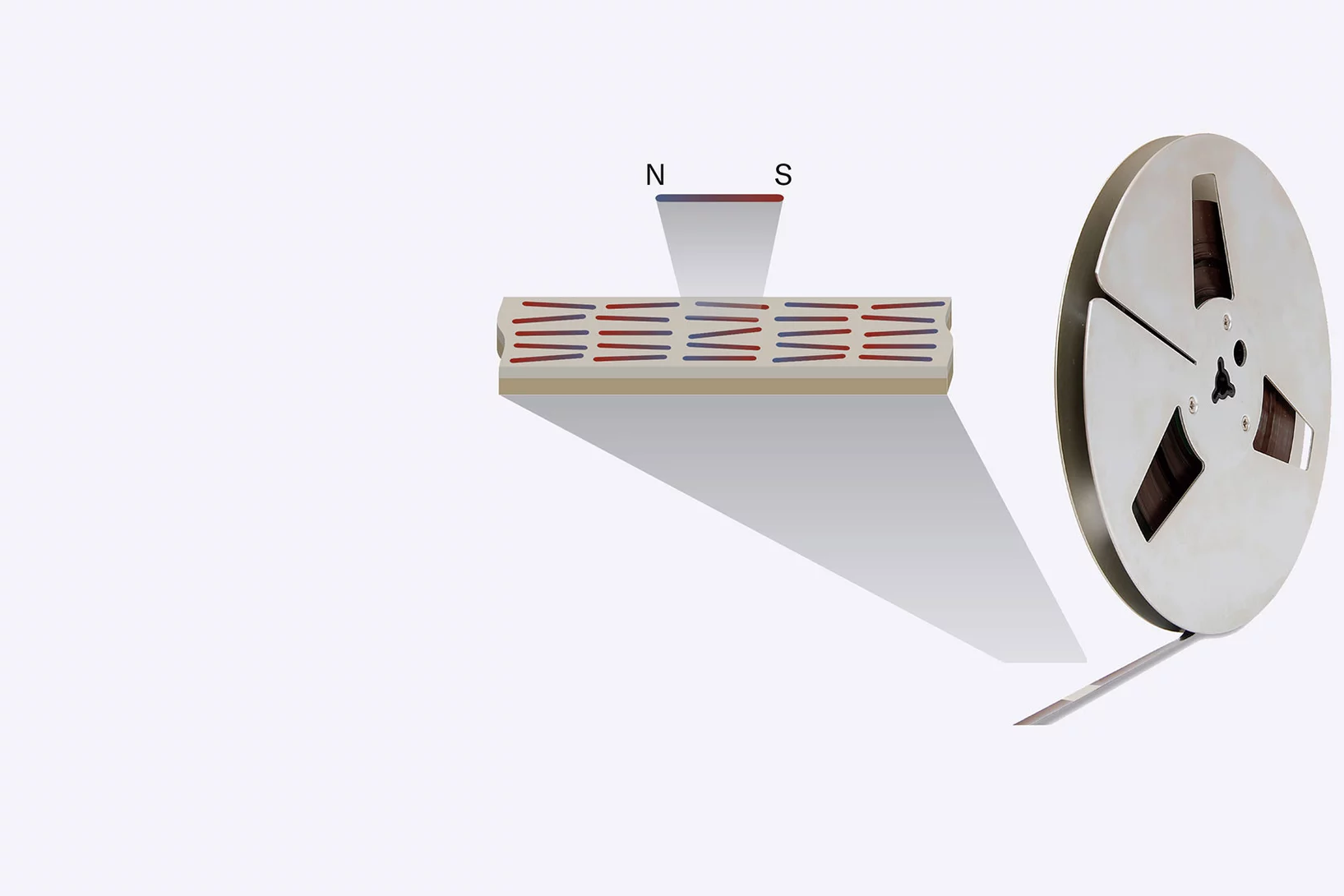
Du verre intelligent et de la musique venue de la SLS
Chaque année, le programme Founder Fellowship du PSI encourage des applications innovantes à hauteur de 150 000 francs suisses.
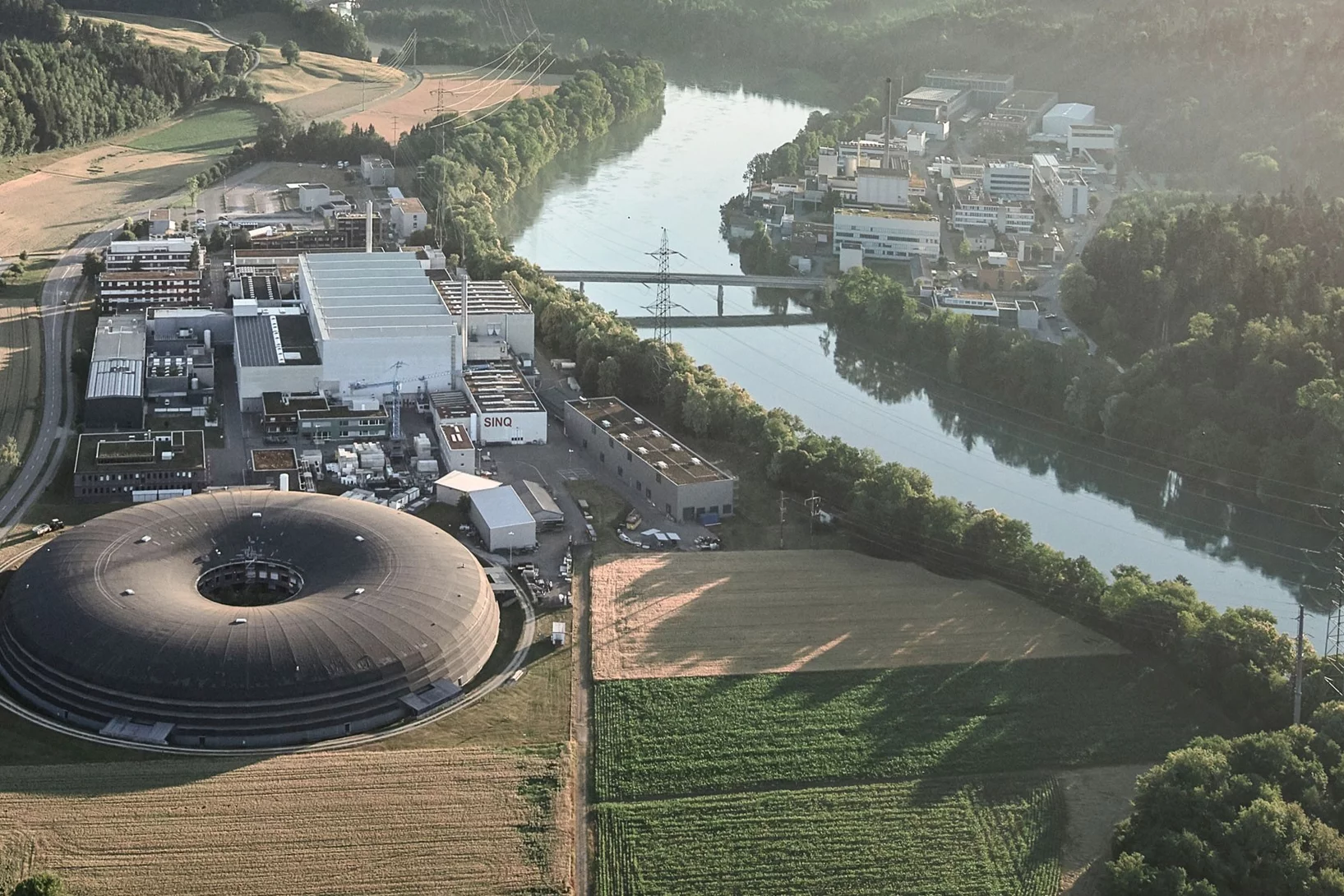
SLS 2.0: la lumière fait une pause pour les travaux
La SLS sera temporairement arrêtée dans le cadre d’un grand projet de mise à niveau.
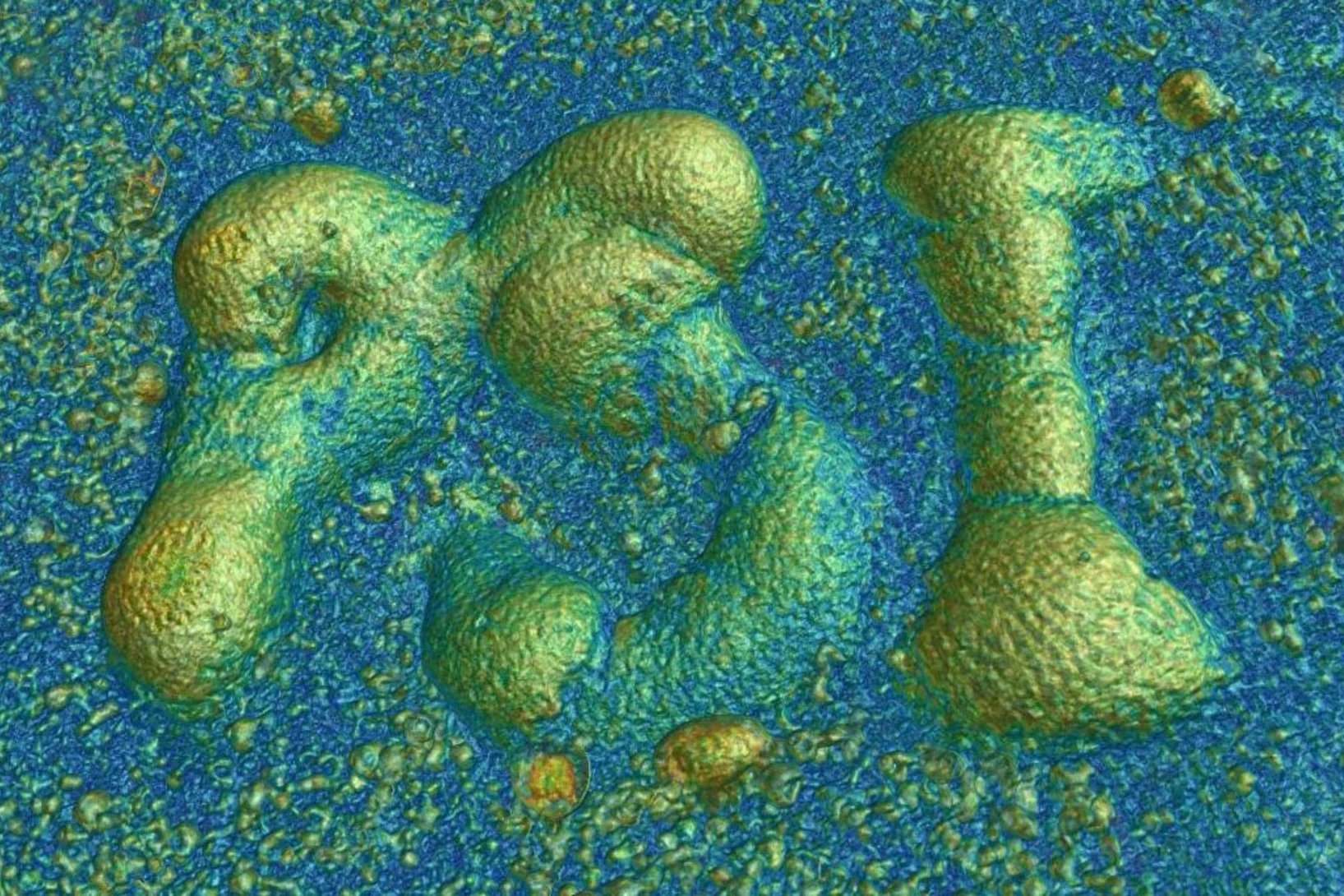
Aperçus 3D d’un procédé de fabrication novateur
Fabriquer des formes complexe avec l’impression 3D
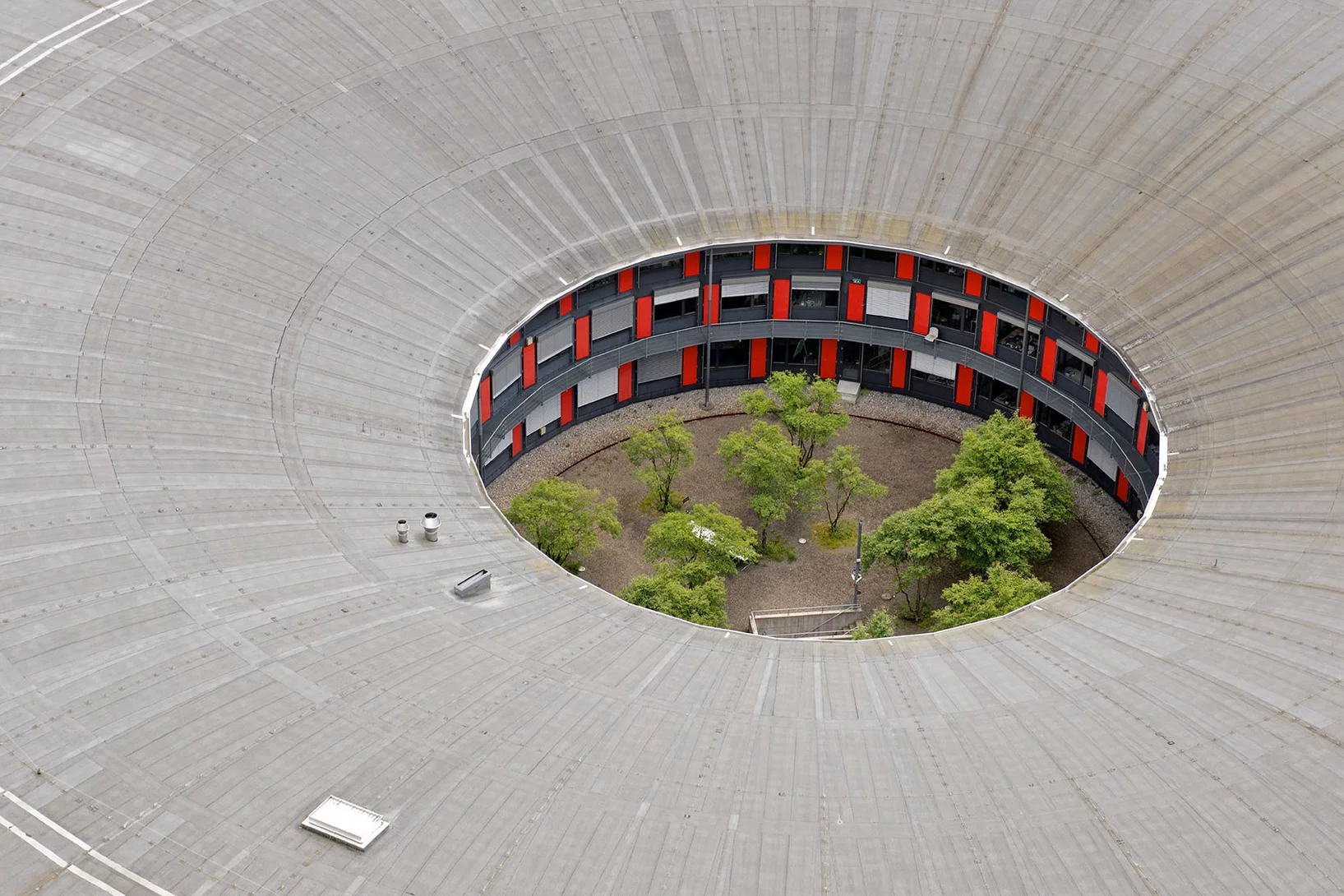
Thank You SLS
Our beamline scientists look back on 22 years of brilliant science made possible by the Swiss Light Source SLS.
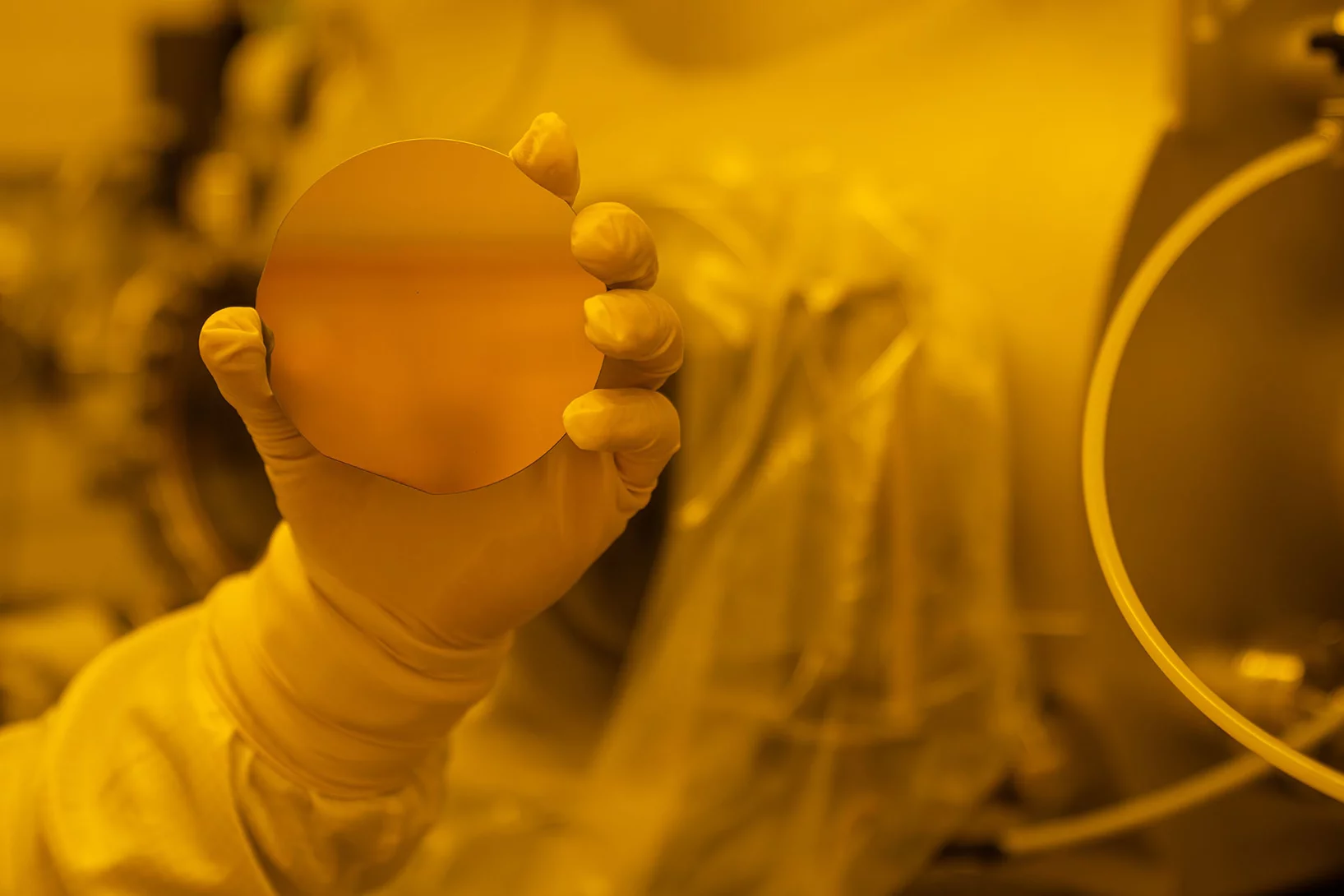
Un nouveau procédé pour des puces informatiques encore plus compactes
Des scientifiques utilisent du rayonnement ultraviolet extrême pour fabriquer de minuscules structures destinées aux technologies de l’information.
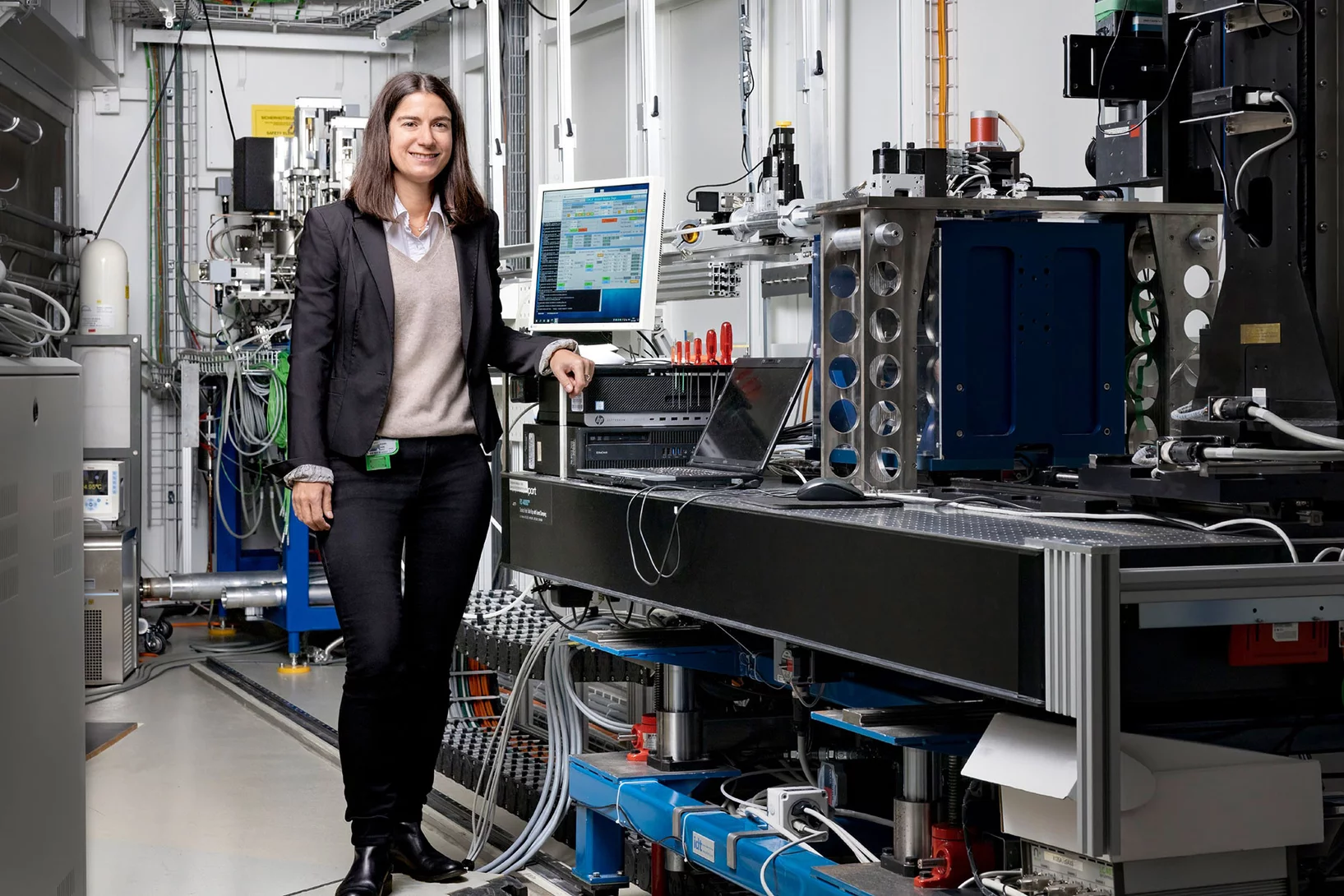
Imagerie par rayons X après transplantations cardiaques
Après une transplantation cardiaque, la lumière synchrotron aide à évaluer si le corps rejette le nouvel organe et avec quelle sévérité.

Comment les «footballènes» se forment dans l’espace
Une équipe internationale de recherche montre comment les fullerènes se forment dans l’espace.
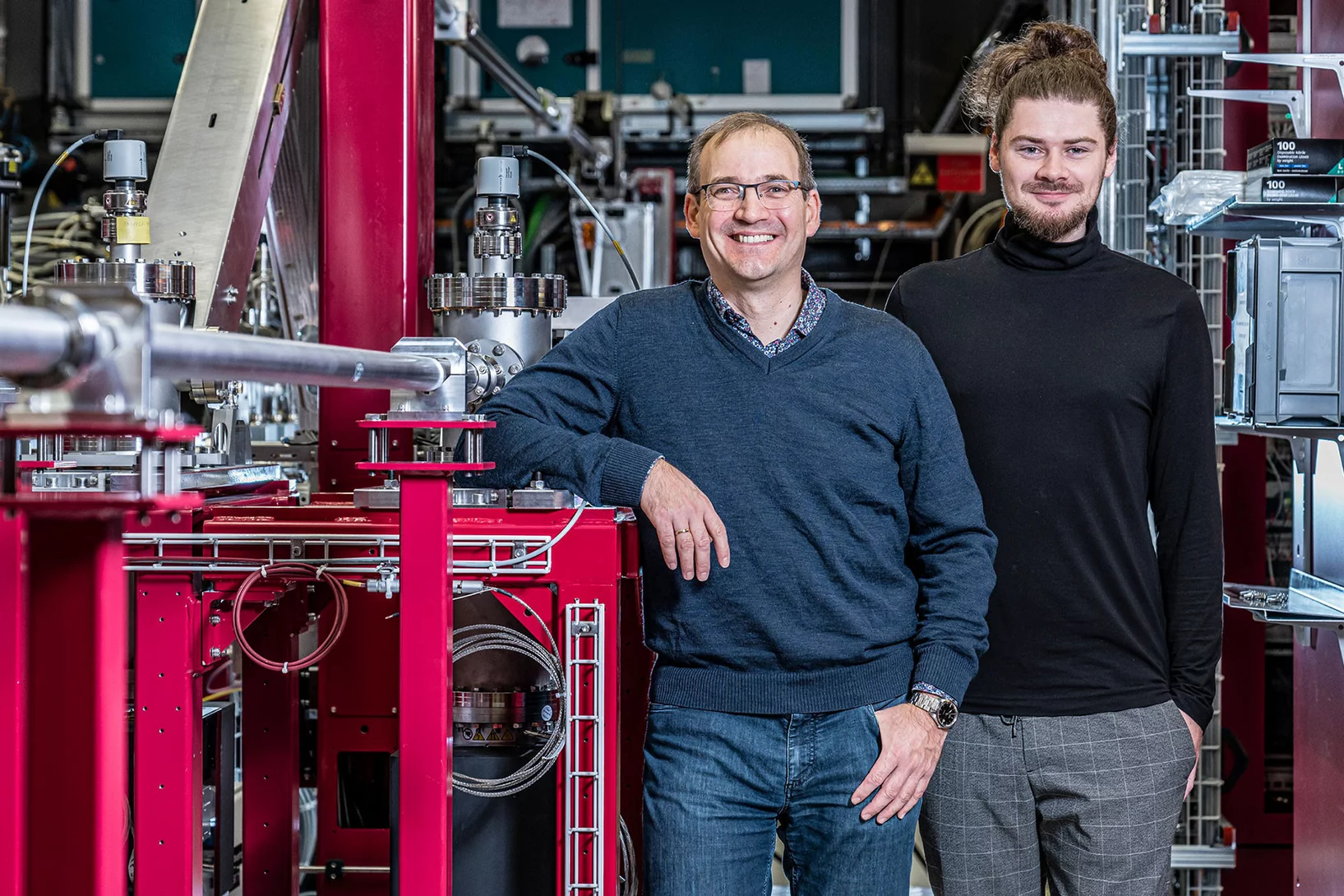
Utiliser la lumière pour activer et désactiver des médicaments
Des chercheurs du PSI tournent un film moléculaire d’un médicament anticancer doté d’un interrupteur. Cela ouvre de nouvelles perspectives pour les développeurs de substances actives.
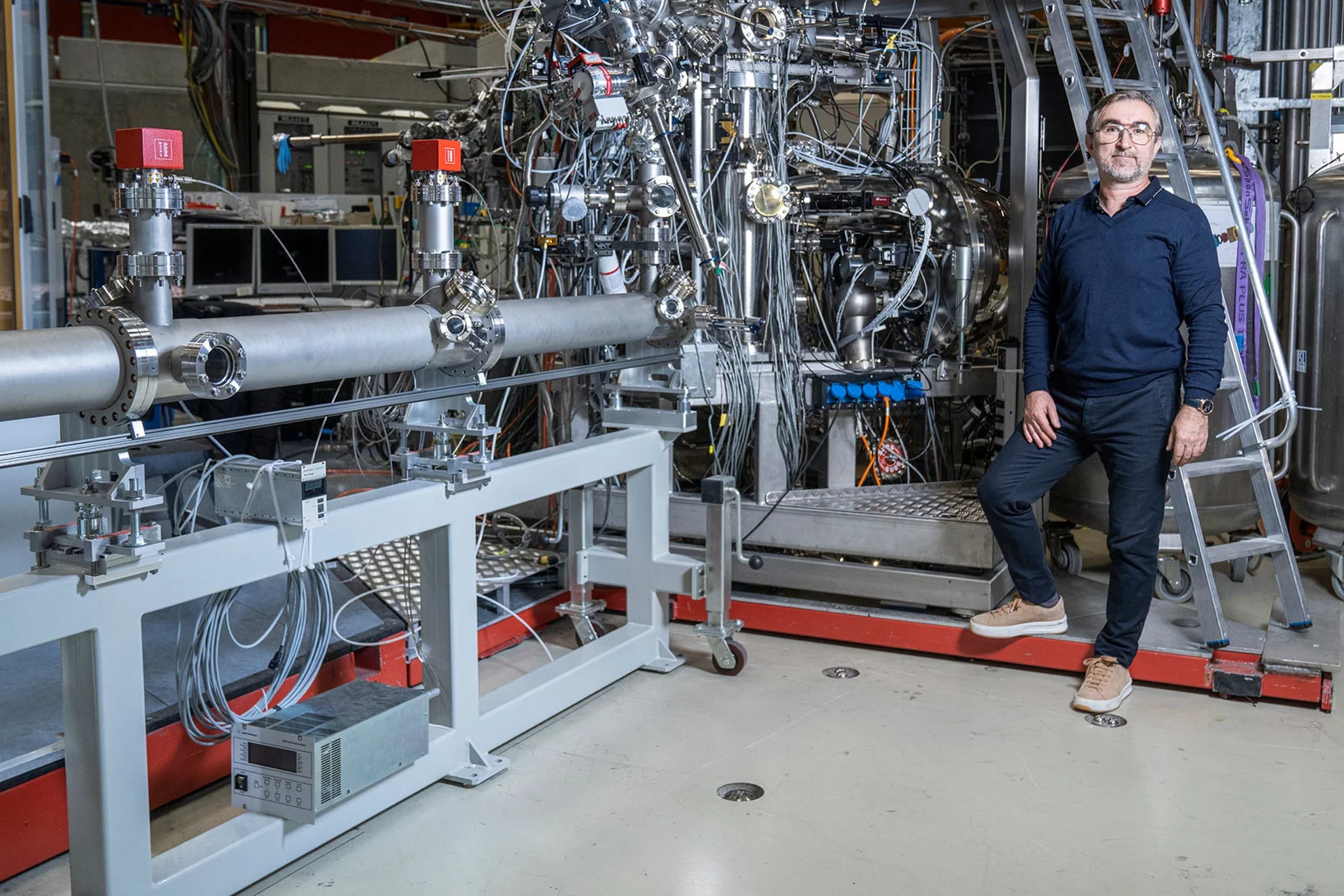
De nouveaux matériaux pour les ordinateurs du futur
Des chercheurs identifient et étudient des compositions de matériaux dont les propriétés particulières pourraient permettre de concevoir des puces d’un genre nouveau.
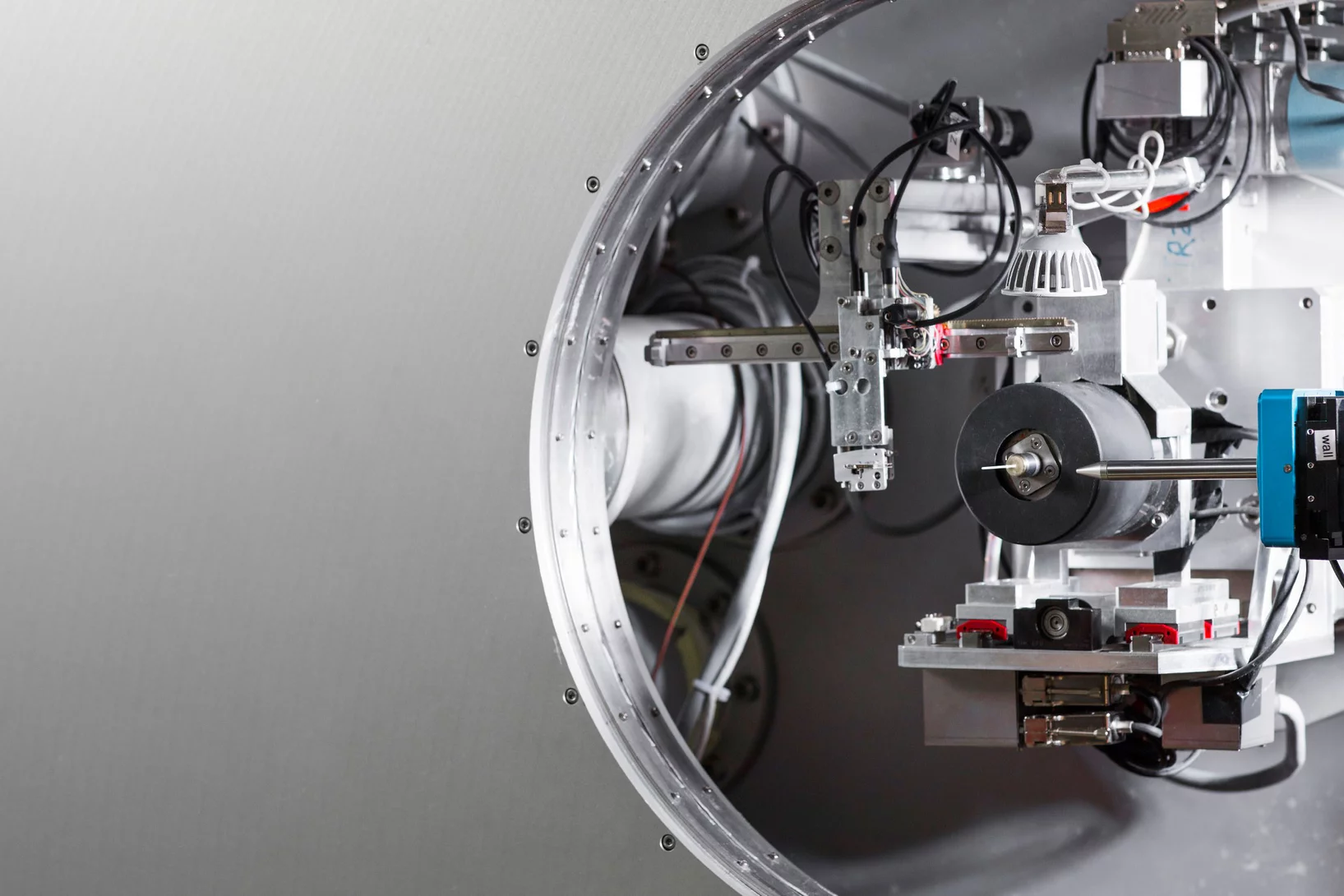
«Excelsus» célèbre son dixième anniversaire
Excelsus Structural Solutions, une spin-off du PSI, réalise des mesures à la SLS pour le compte de sa clientèle.

Nanomatériaux du Moyen Age
Le mystère de l’or partiel dévoilé au PSI
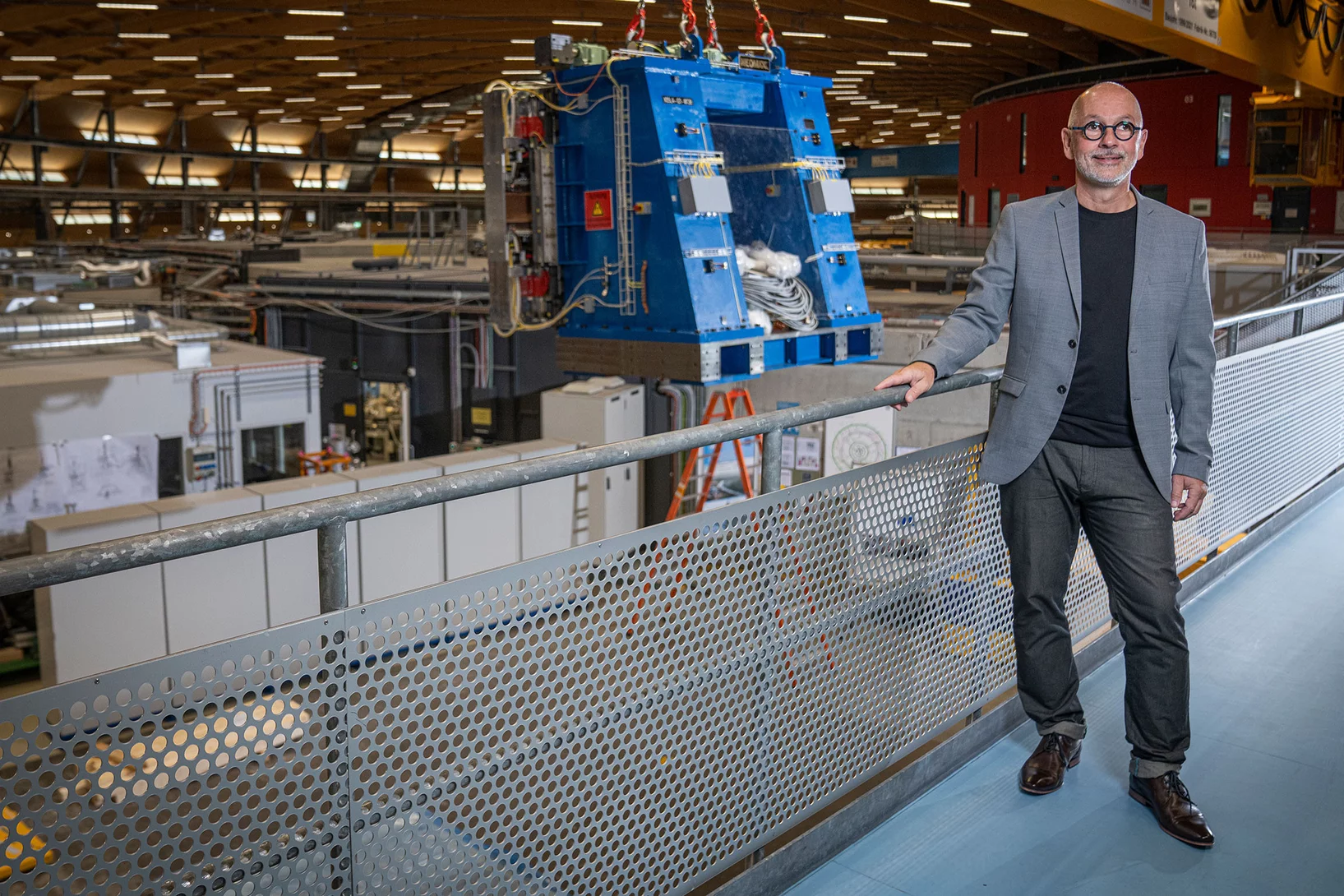
Un bout d’histoire du PSI entame un long voyage
Cap sur Down Under: un composant de haute technologie du PSI a pris la mer pour servir désormais à l’Australian Synchrotron à Melbourne.
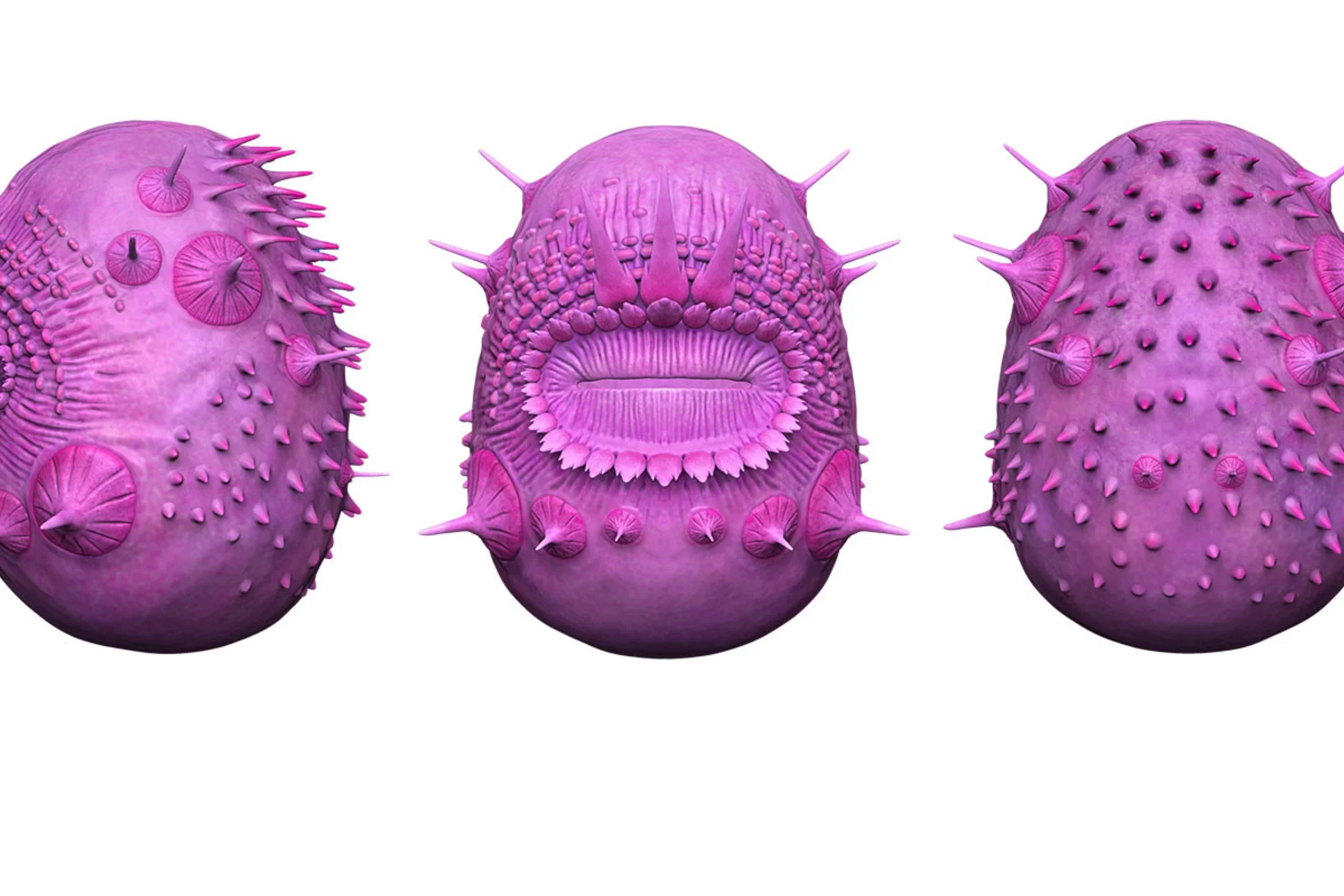
Un curieux fossile qui n’est pas notre ancêtre
La lumière de type rayons X résout un des mystères de l’ascendance humaine