

L’aluminium devient visible
Des scientifiques du PSI ont réussi une première: déterminer précisément la position des atomes d’aluminium dans des zéolithes, qui font de ces matériaux des catalyseurs si performants.
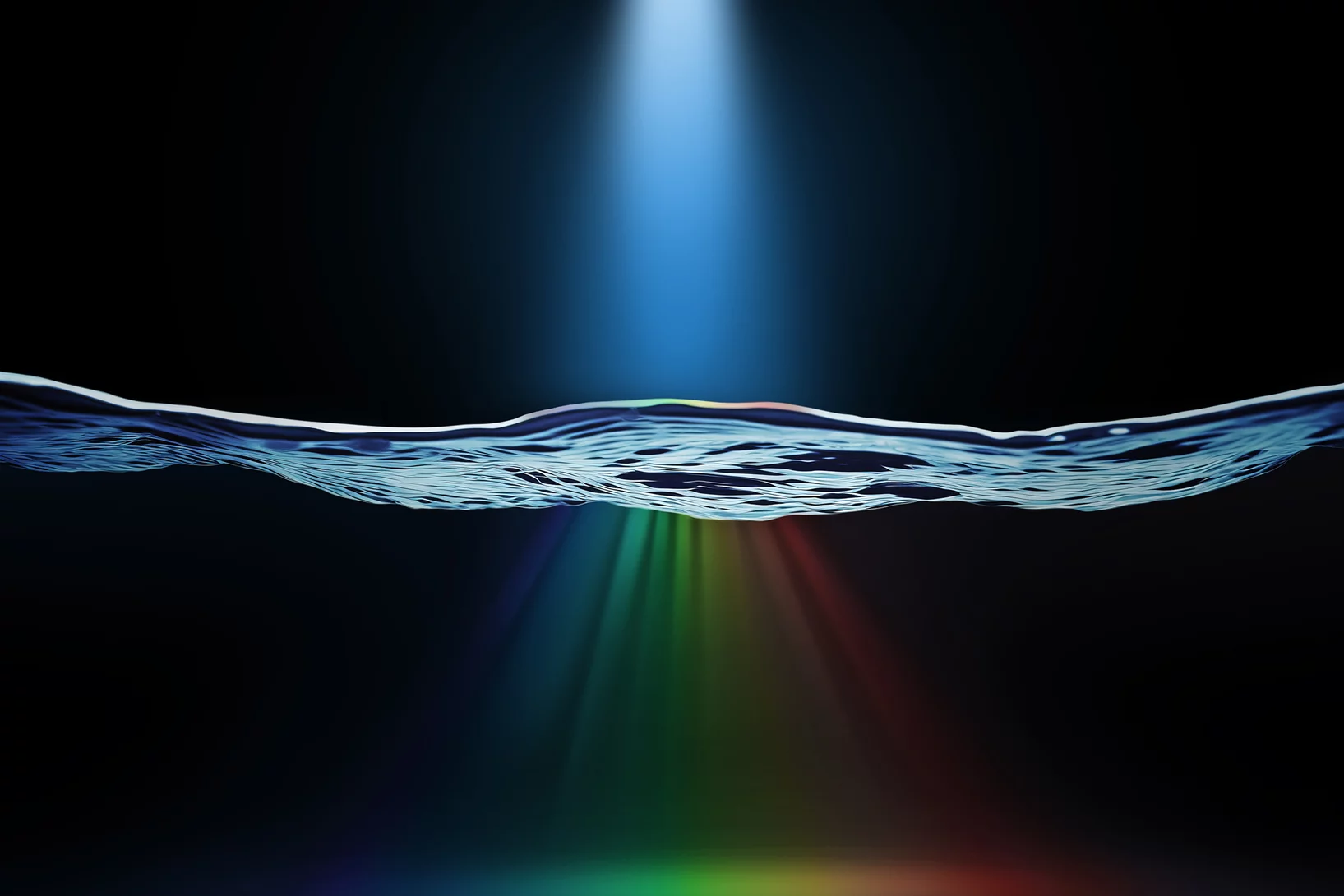
Water gets in shape for VUV absorption
Nanometre‑thin, free‑flowing liquid sheets now let Swiss Light Source users record pristine VUV absorption spectra of water, and soon any solvent.
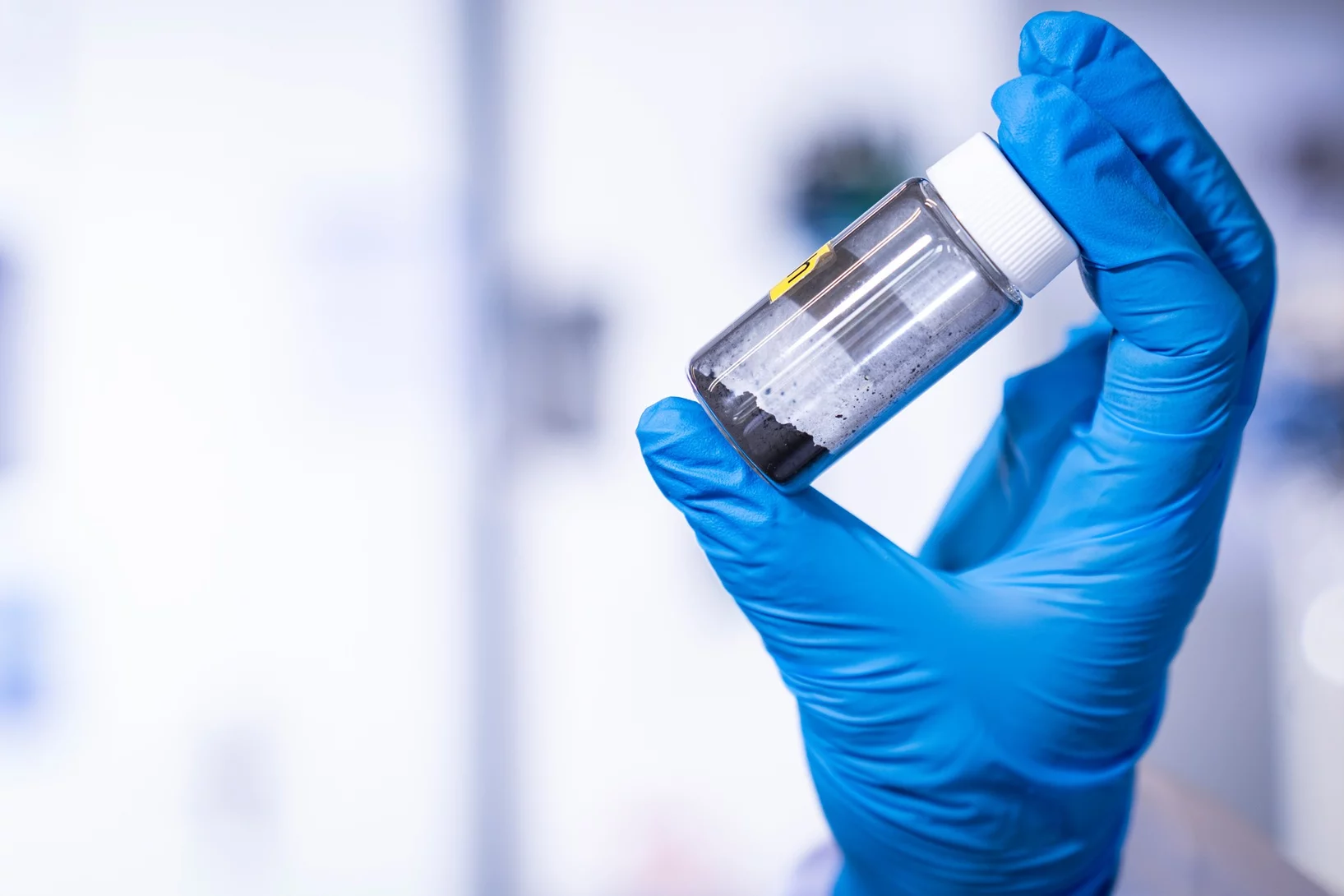
Plus vite vers l’hydrogène vert
Si l’on utilise du cobalt comme catalyseur, le pH détermine la facilité avec laquelle on pourra fabriquer de l’hydrogène par électrolyse de l’eau. Des scientifiques du PSI viennent de découvrir pourquoi.
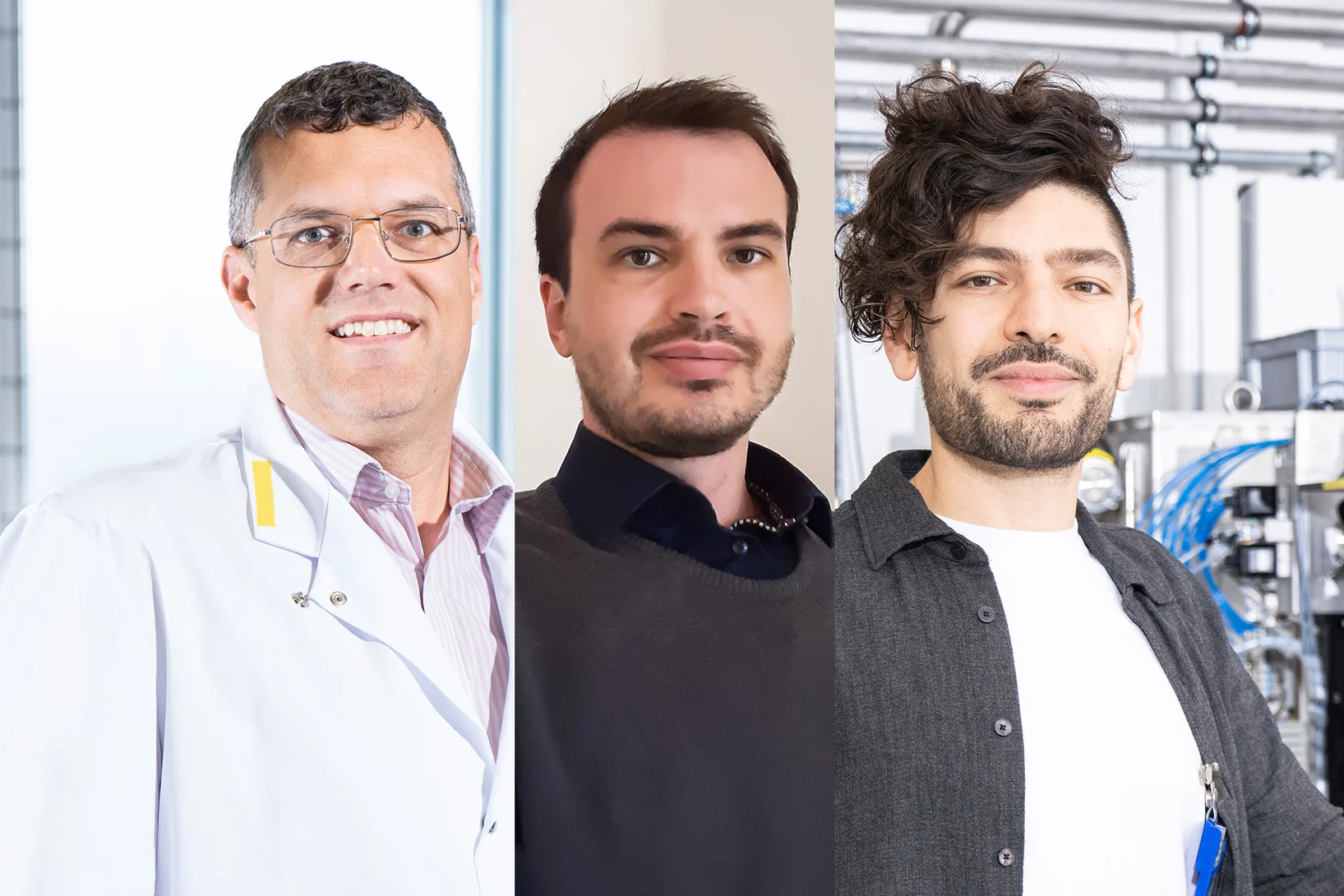
Subvention prestigieuse pour la recherche au PSI
Béton, catalyse chimique et quête d’une nouvelle physique: trois chercheurs du PSI ont reçu chacun un grant du Fonds national pour ces thèmes de recherche
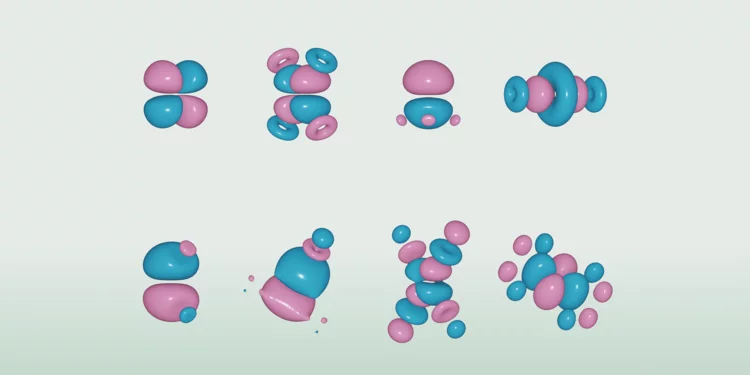
Mapping the ecosystem of Wannier Functions software
A new review article, just published in Reviews of Modern Physics and highlighted on the journal cover, provides a map to the vast landscape of software codes that allow researchers to calculate Wannier functions, and to use them for materials properties predictions. The authors, from all over Europe and the USA, include two PSI scientists. After providing readers with the theoretical foundations on Wannier functions and their calculation, together with intuitive graphical schematics to explain what Wannier functions are, the authors map the existing Wannier codes and the key applications.
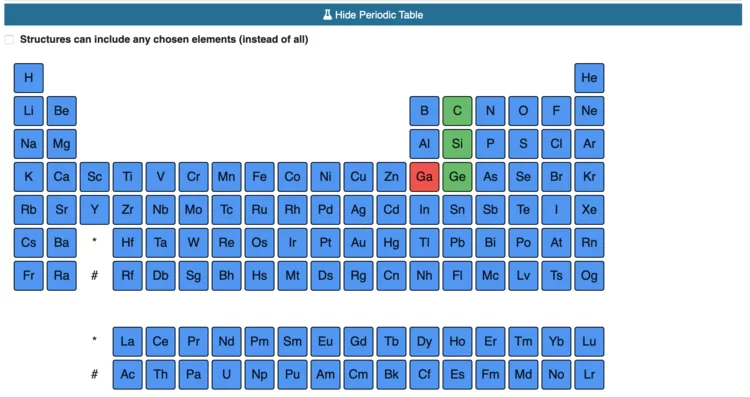
New widgets and extensions expand the OSSCAR platform for educational notebooks in materials science
In a new article published in Computer Physics Communications, the team of the Open Software Services for Classrooms and Research project (OSSCAR) describes how to create custom widgets and extensions that can be used in interactive notebooks to teach computational materials science. The article also introduces two new entries in OSSCAR: a widget to display an interactive periodic table that allows users to group elements into different states, and one to plot and visualize electronic band structures and density of states.
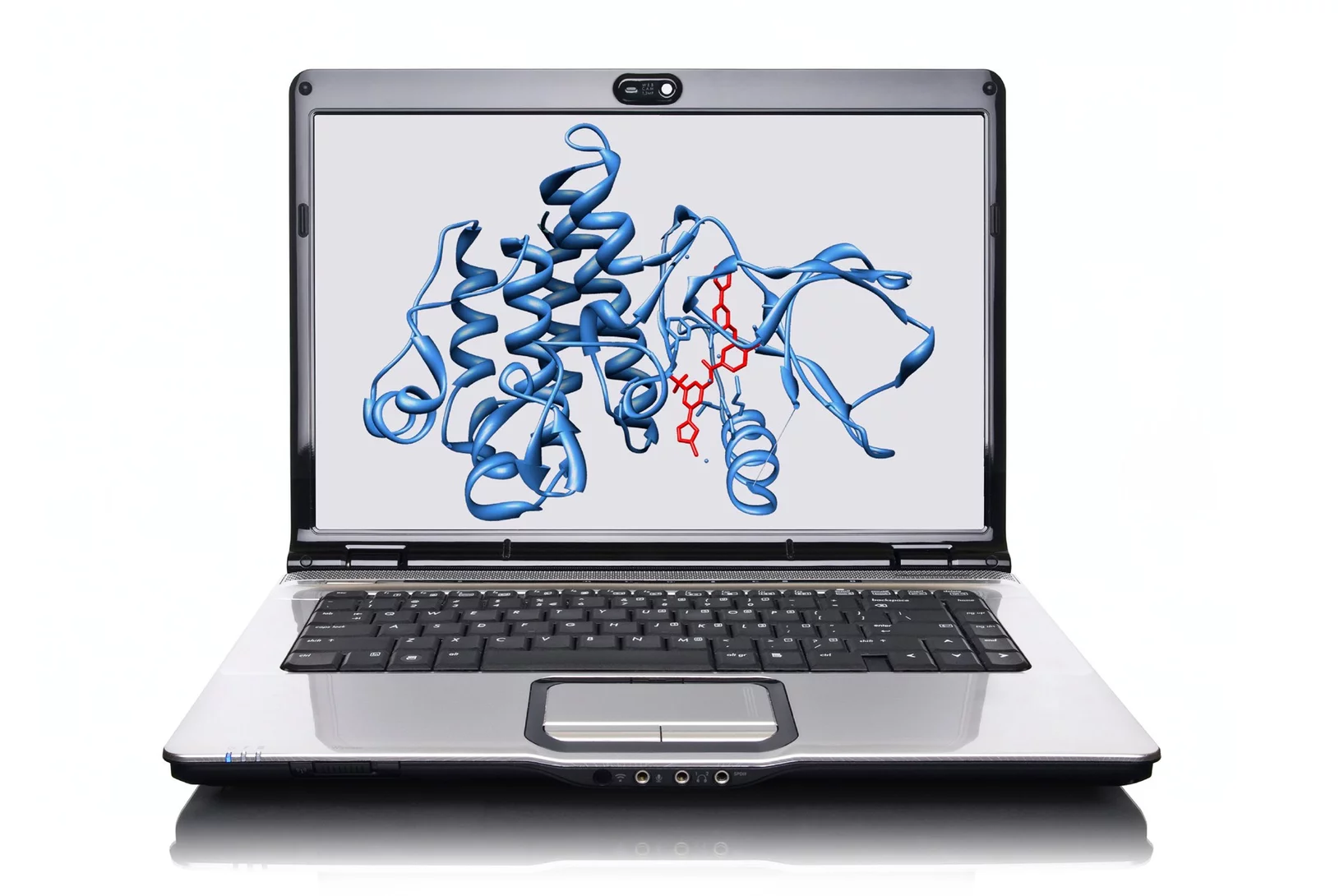
Déchiffrer l’énigme des protéines
Cette année, le prix Nobel de chimie est attribué à trois chercheurs qui ont contribué de manière déterminante à déchiffrer le code des protéines, ces importants éléments constitutifs de la vie. Mais pour que des applications puissent être développées à partir de ces connaissances, par exemple dans le domaine médical, des centres de recherche comme le PSI sont indispensables.
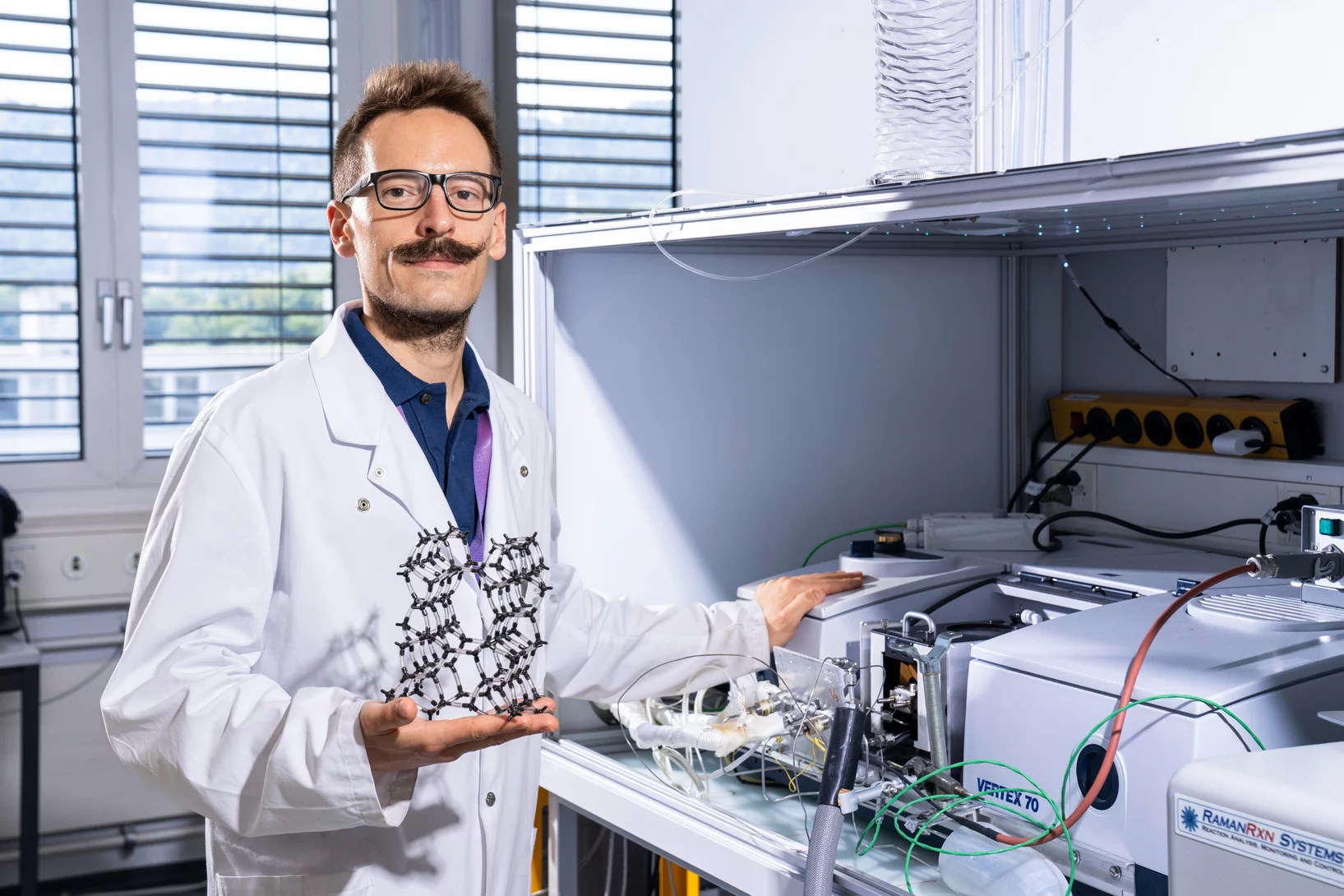
Comment les catalyseurs éliminent des oxydes d’azote dangereux
En catalyse industrielle, le fer n'est pas égal au fer.
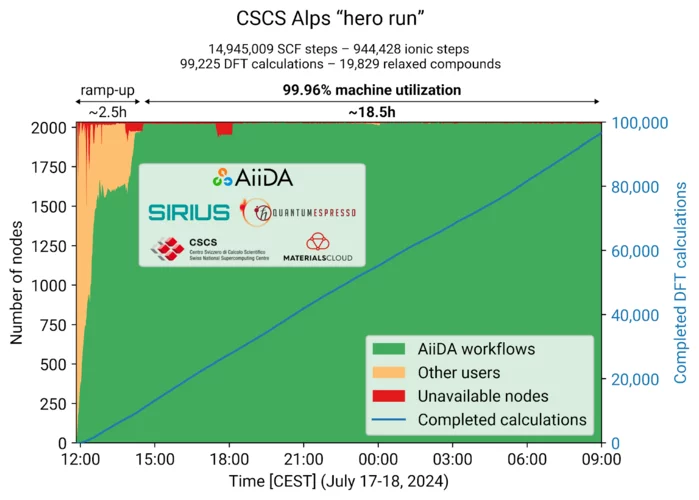
Computational marathon matches the efficiency of the AiiDA platform with the power of Switzerland Alps supercomputer
A group of researchers from the LMS lab at PSI has conducted a "hero run" on the new Swiss supercomputer, occupying it entirely for about 20 hours with calculations managed remotely by the AiiDA software tools. The run demonstrated the efficiency and stability of AiiDA, that could seamlessly fill the entire capacity of an exascale machine, as well as the performance of the Alps supercomputer, that has been just inaugurated. All the results will soon be published on the Materials Cloud.
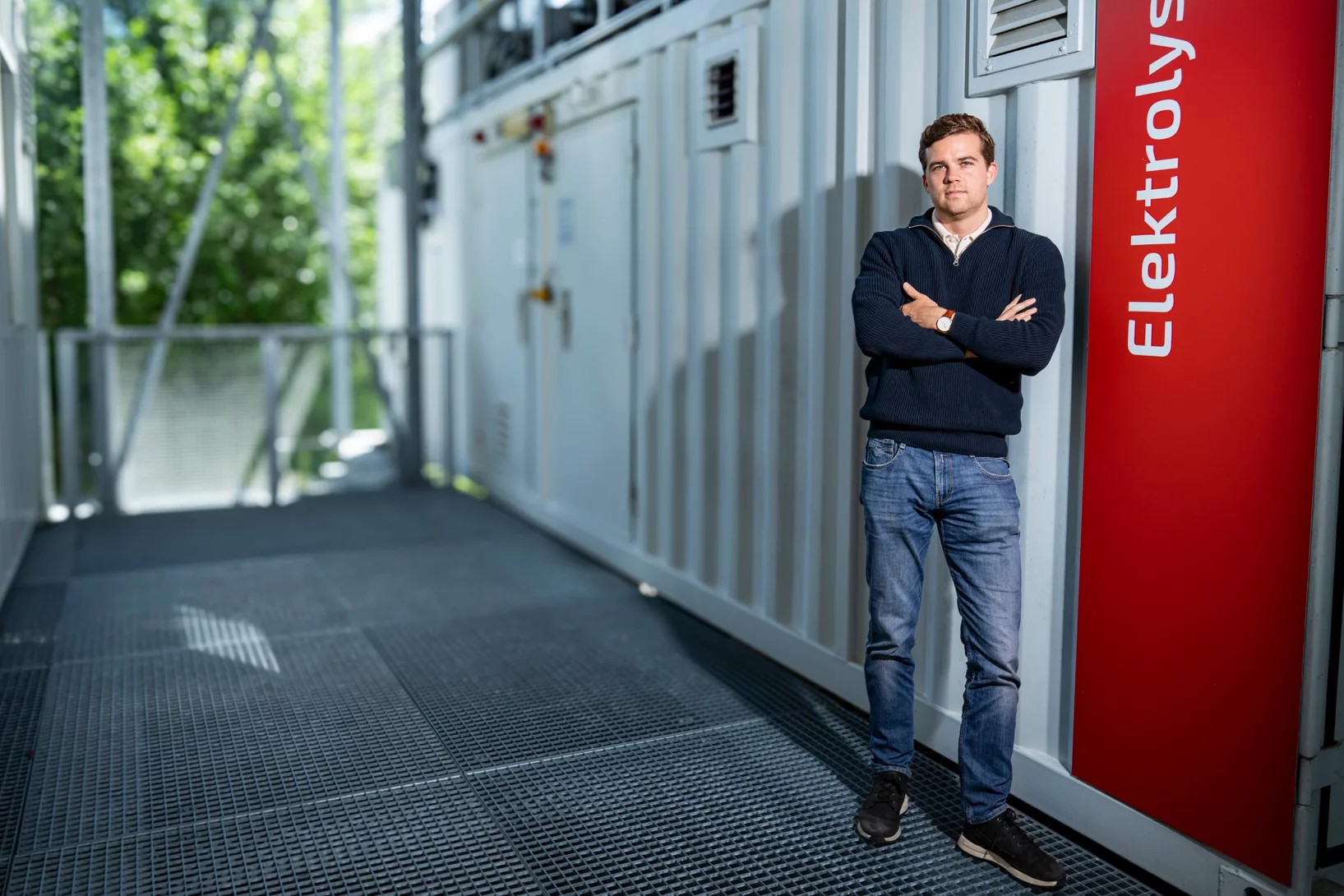
Où doit être produit l’hydrogène à l’avenir?
Des scientifiques du PSI ont étudié où l’hydrogène devait être produit pour une future économie de l’hydrogène et quelles étaient les conséquences de cet agent énergétique pour l’environnement.
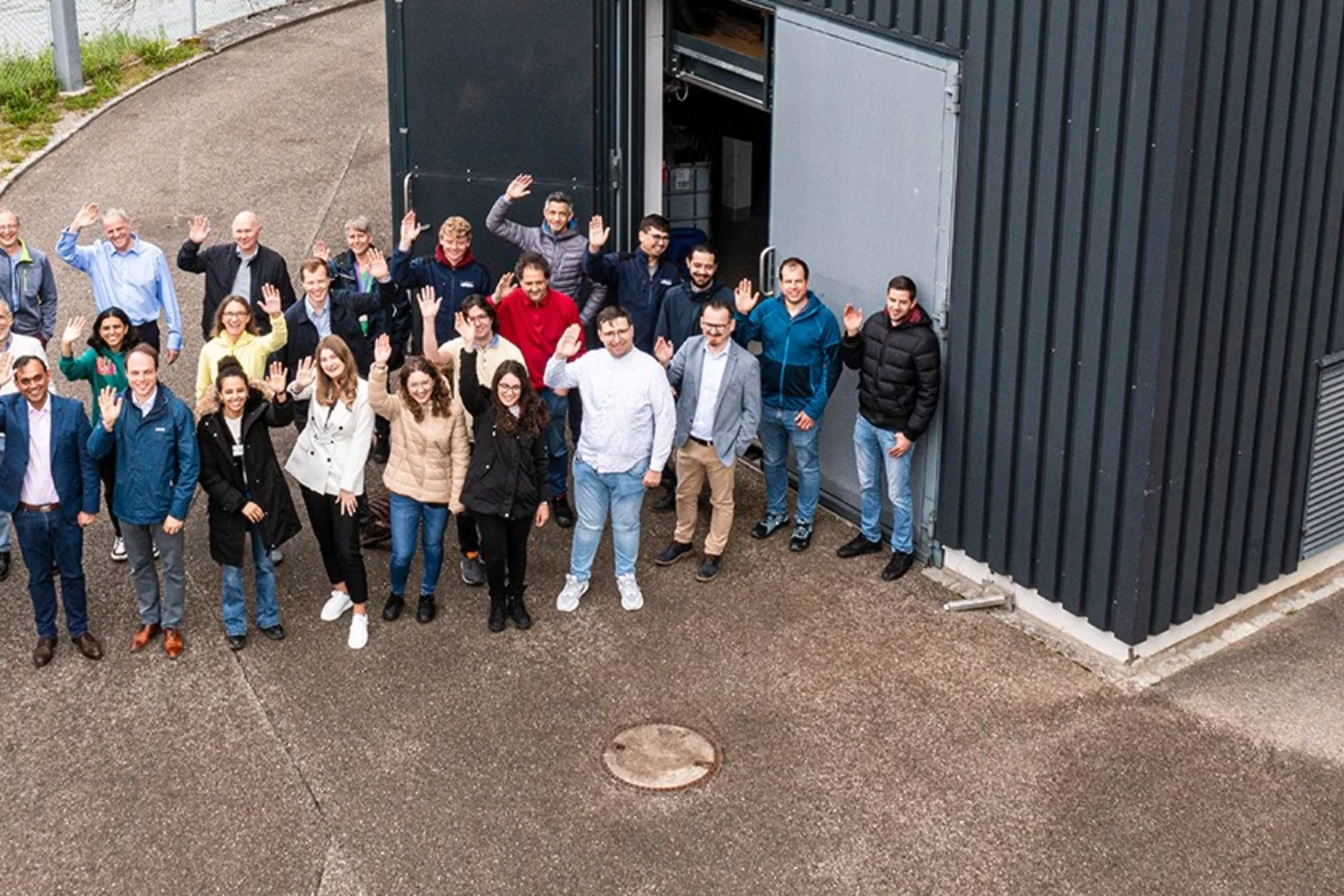
Du carburant d’aviation durable produit sur le campus du PSI
En collaboration avec la start-up climatique Metafuels, une installation pilote de production de carburant d’aviation durable verra le jour sur le campus du PSI.
Une bionanomachine pour la chimie verte
Des scientifiques du PSI ont caractérisé une enzyme bactérienne unique en son genre, qui permet une importante réaction chimique.
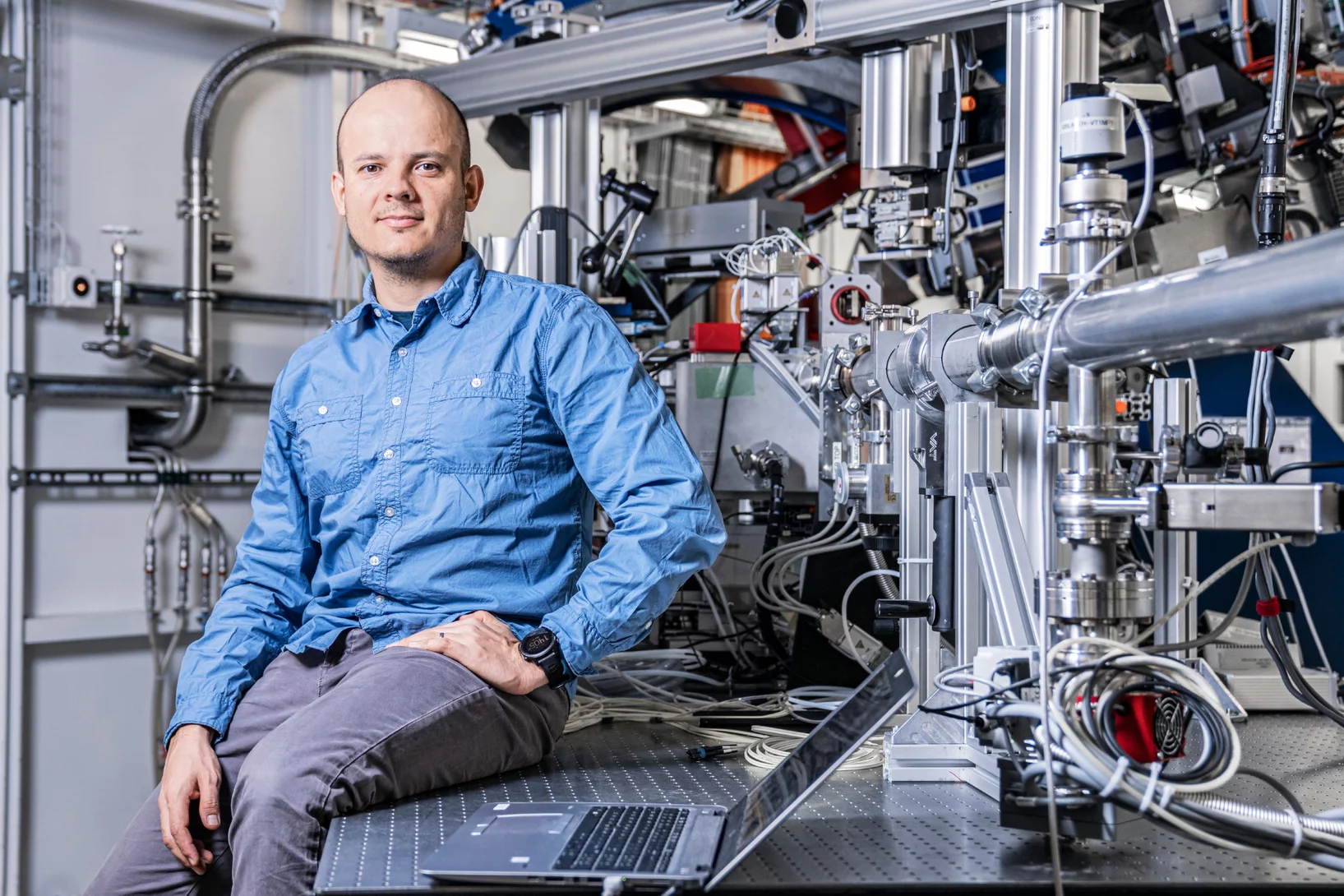
Permettre l’utilisation quotidienne de batteries lithium-air performantes
Les faisceaux de neutrons et la lumière synchrotron révèlent les processus chimiques qui se jouent dans les batteries lithium-air.
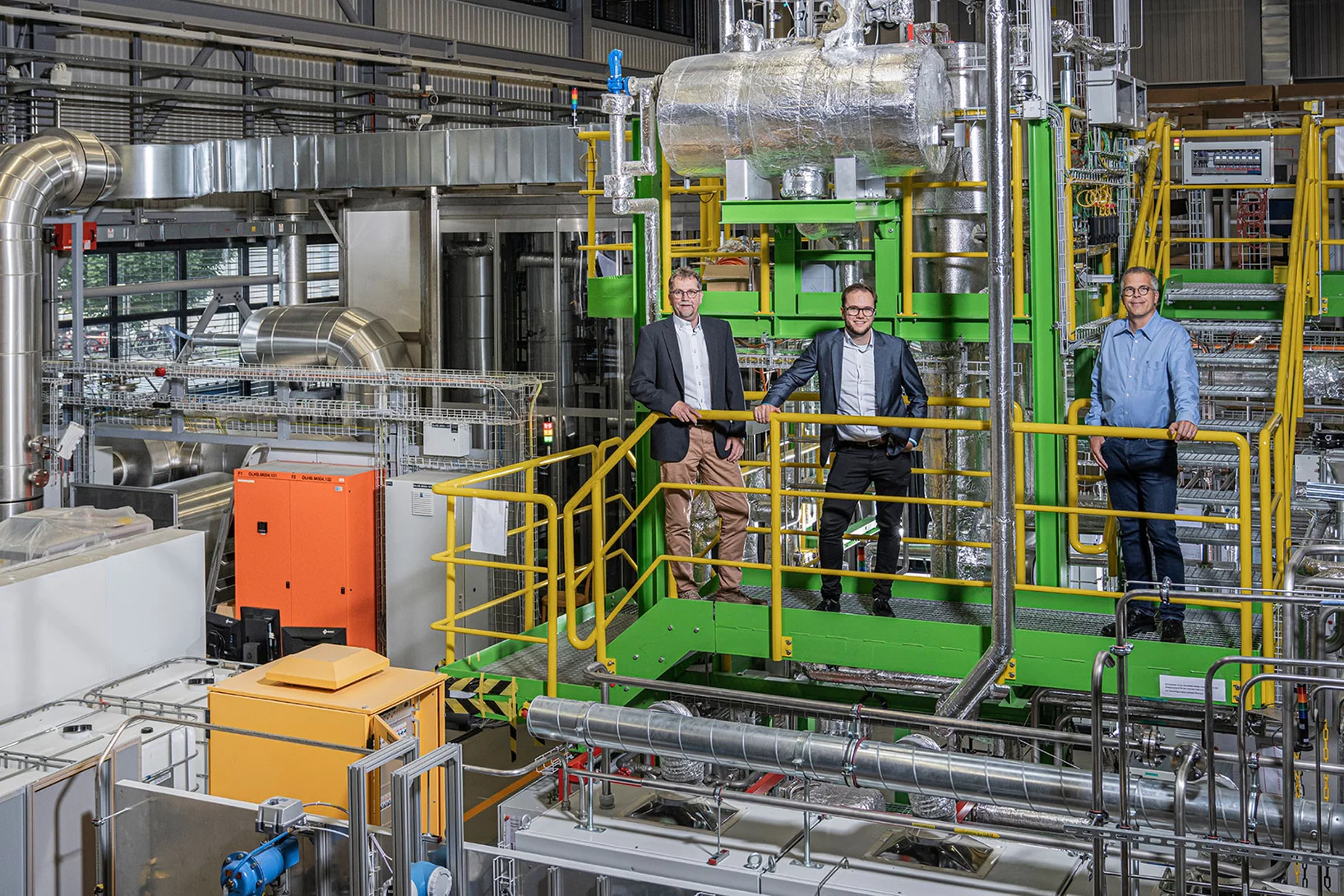
Du méthane pour stocker l’énergie
Des chercheurs du PSI et de la start-up AlphaSYNT travaillent ensemble à une solution permettant de stocker efficacement l'énergie.
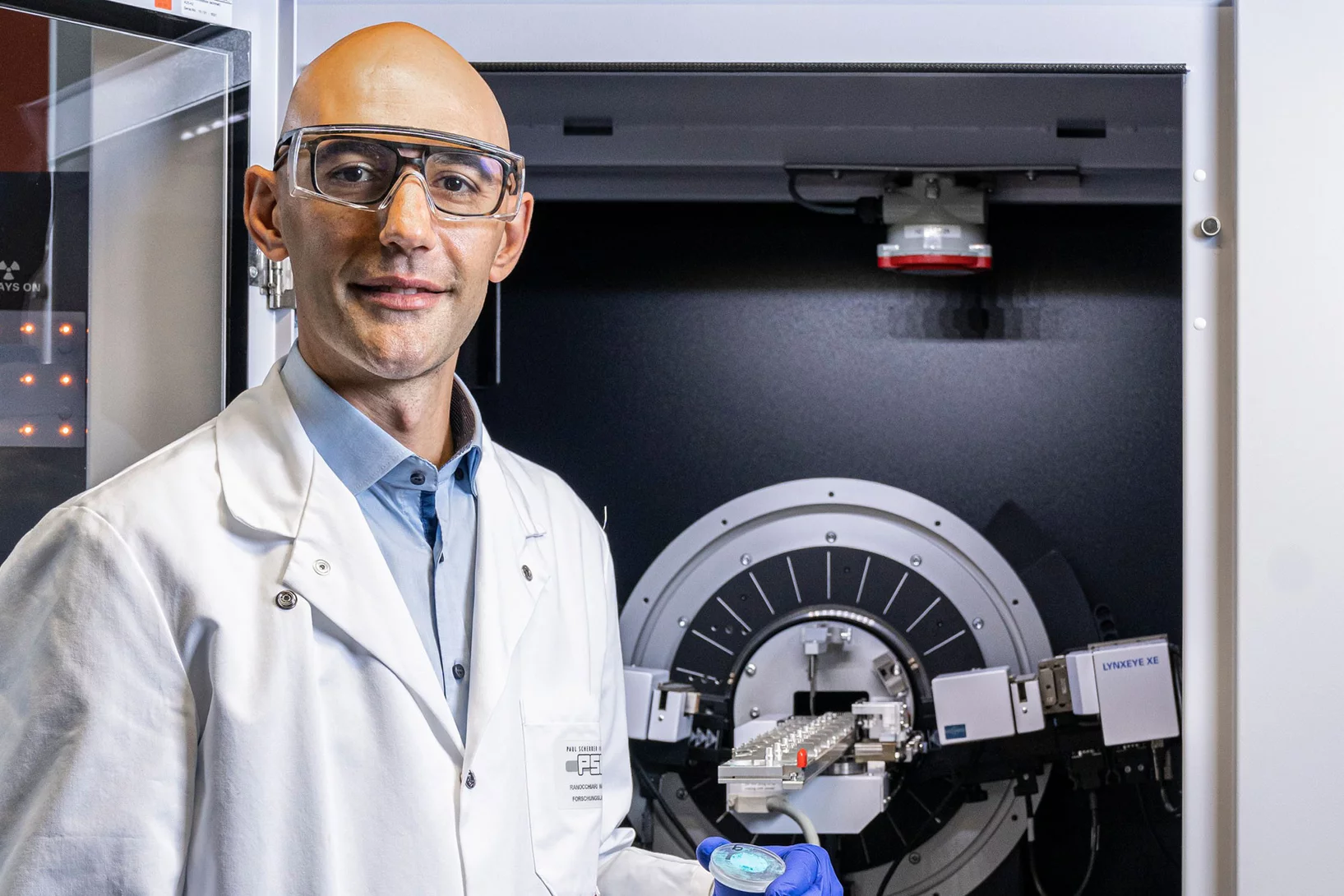
Nouveaux catalyseurs pour les firmes pharmaceutiques
Des chercheurs du PSI développent en commun avec Roche de nouveaux catalyseurs potentiellement plus efficaces pour la fabrication de principes actifs pour la médecine.
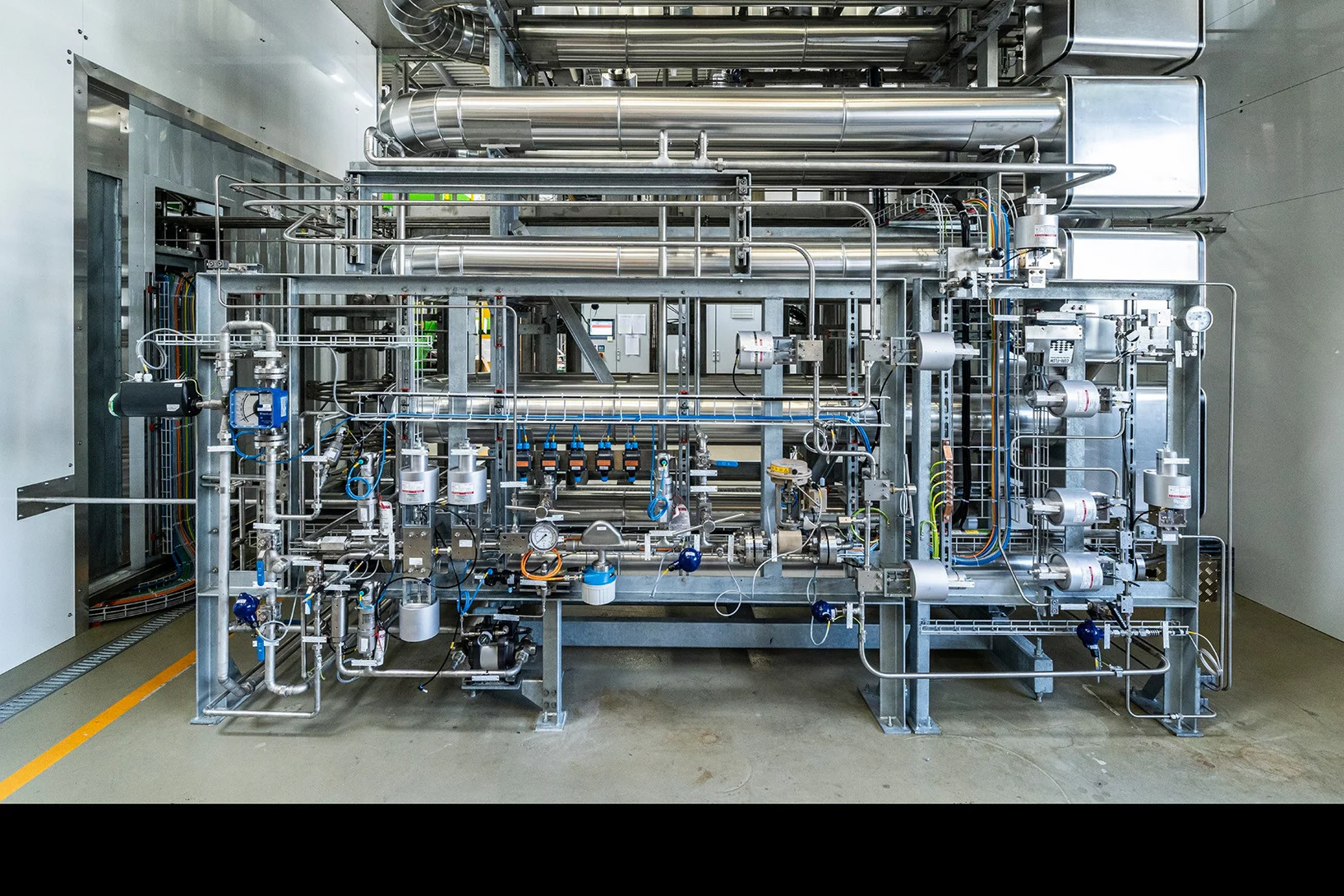
Extraire le maximum d’énergie de la biomasse
Des chercheurs du PSI démarrent l’exploitation d’une installation pilote révolutionnaire de production de biogaz synthétique.
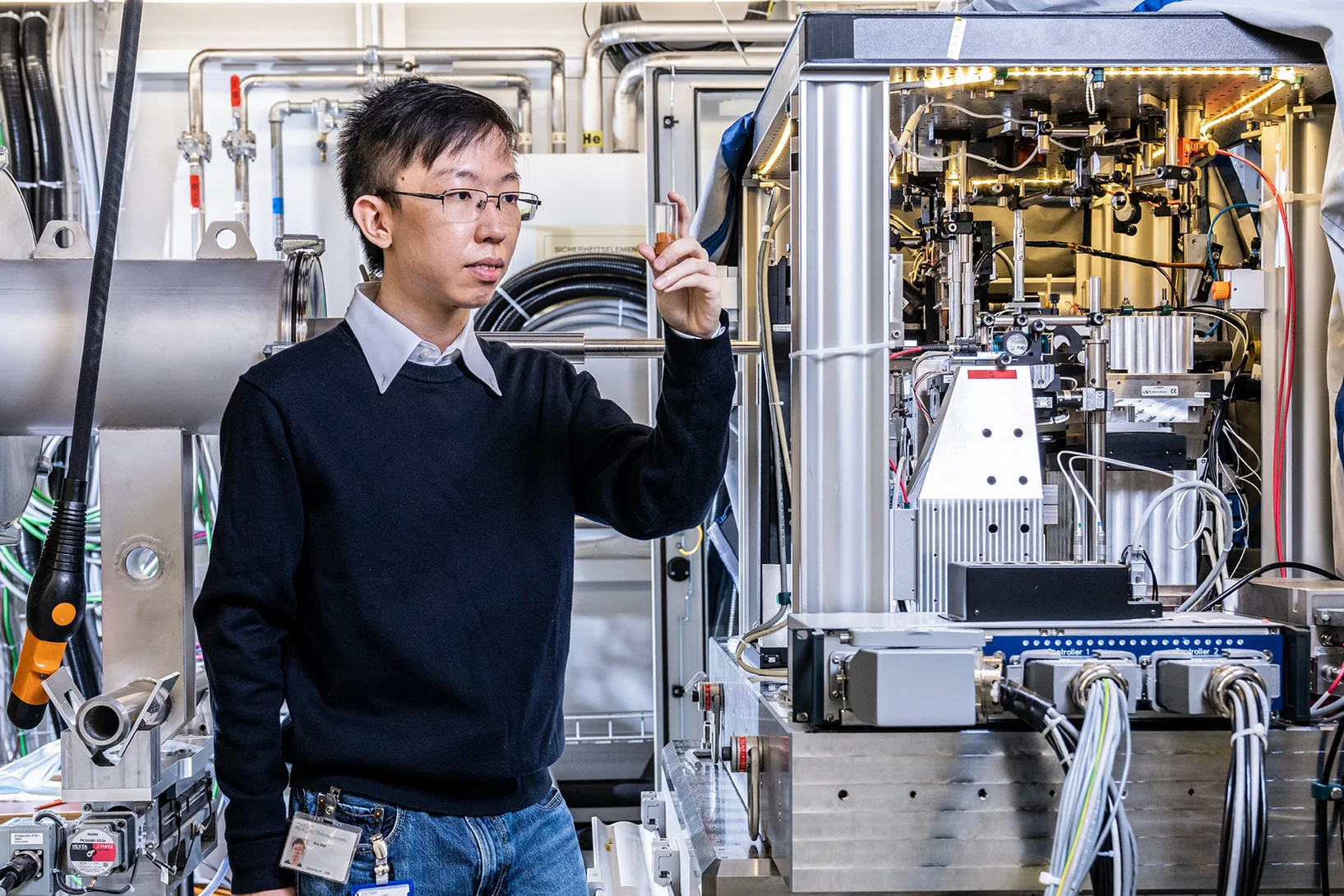
Comment les catalyseurs vieillissent
La structure du matériau utilisé dans les catalyseurs en industrie chimique se modifie au fil des ans. Des chercheurs du PSI ont étudié ce phénomène au moyen d’une nouvelle méthode.

Des carburants verts pour l’aviation
Le PSI et l’Empa veulent développer conjointement une méthode pour produire du kérosène à partir de ressources renouvelables.
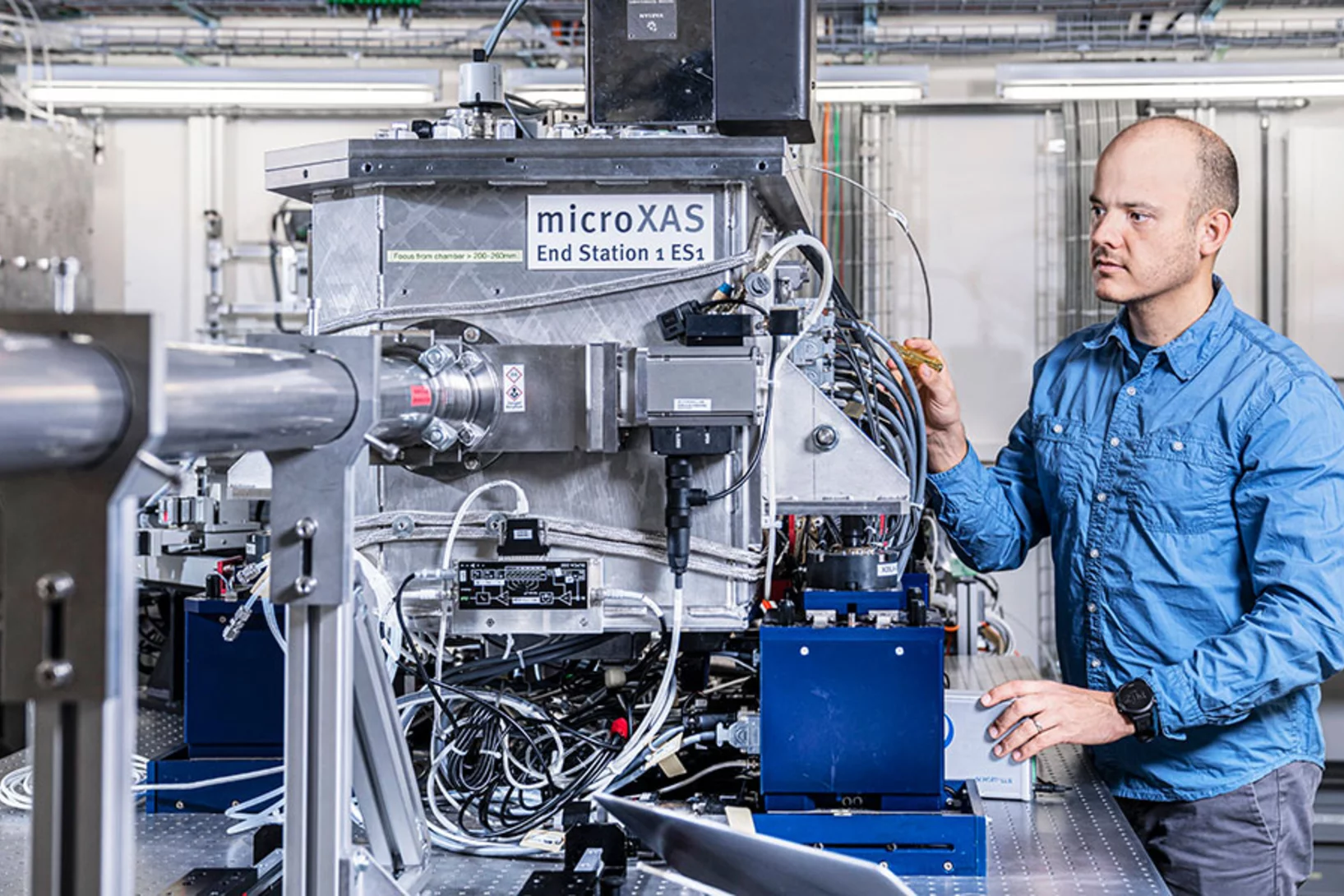
Vue en trois dimensions de l’intérieur de catalyseurs actifs
La spectroscopie de rayons X in operando permet de jeter un coup d’œil à l’intérieur de réacteurs chimiques en fonction. Des chercheurs de l’Institut de technologie de Karlsruhe (KIT), à l’Institut Paul Scherrer PSI et à l’European Synchrotron Radiation Facility (ESRF) en France, appliquent avec succès cette méthode.