

Show filters
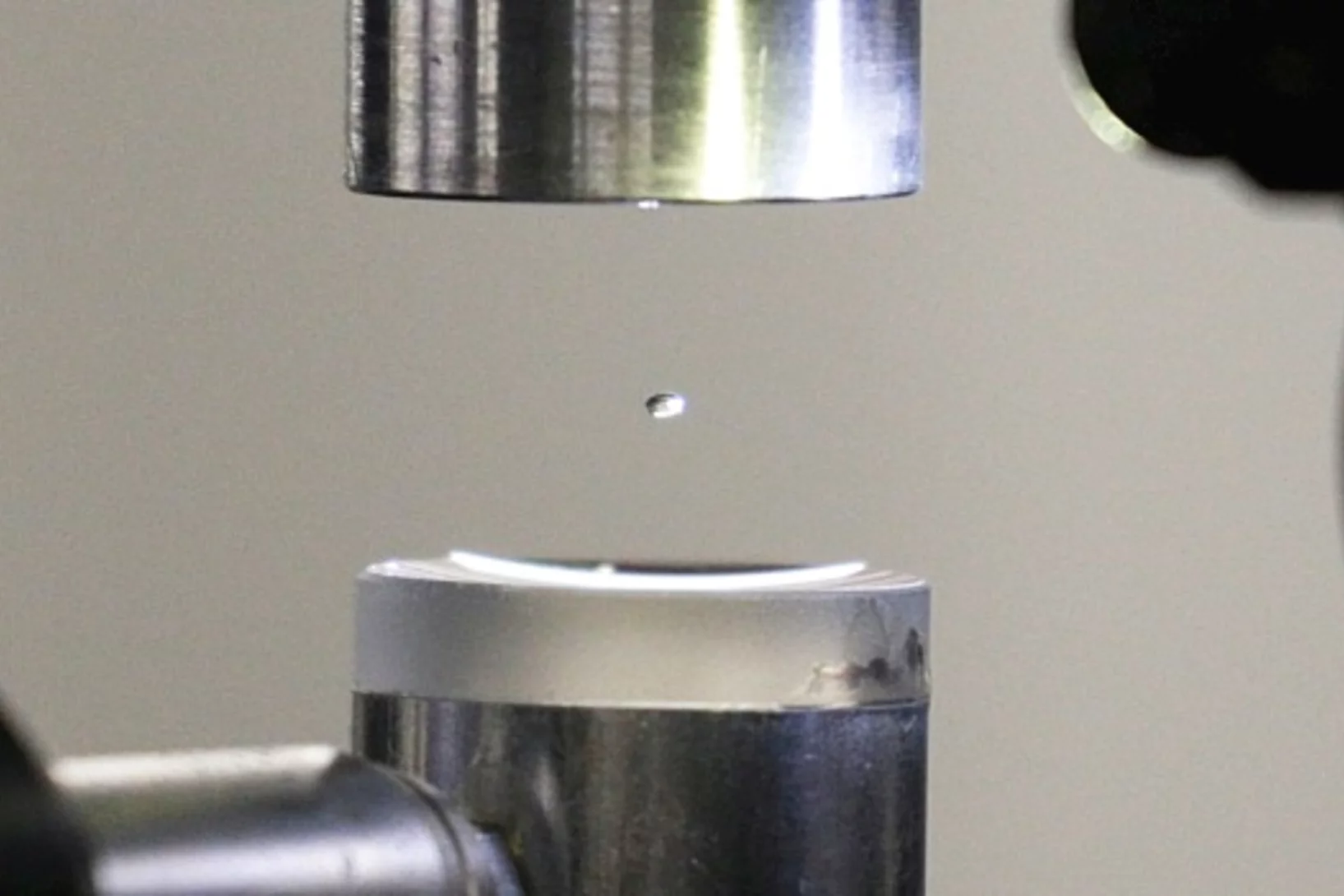
Experiment in a hovering droplet
At the PSI, the exact structure of proteins is deciphered in the standard way, with X-rays. Now two PSI researchers have used a clever trick to advance this method further: Instead of pinning down the proteins, they are studying them within a levitating drop of liquid.
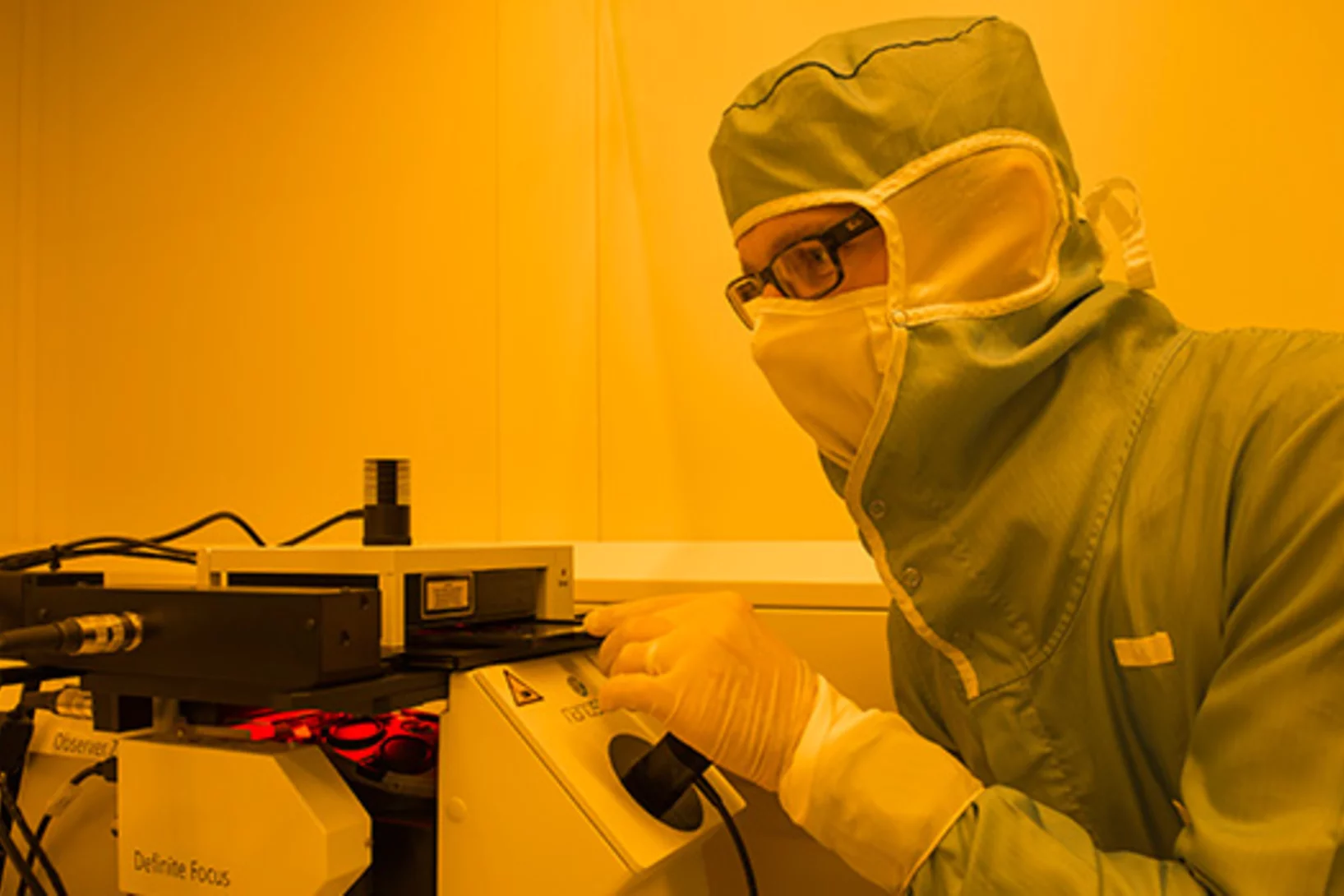
A micrometer-sized model of the Matterhorn
Researchers at the Paul Scherrer Institute have produced large numbers of detailed models of the Matterhorn, each one less than a tenth of a millimetre in size. With this, they demonstrated how 3-D objects so delicate could be mass-produced. Materials whose surface is covered with a pattern of such tiny 3-D structures often have special properties, which could for example help to reduce the wear and tear of machine parts.
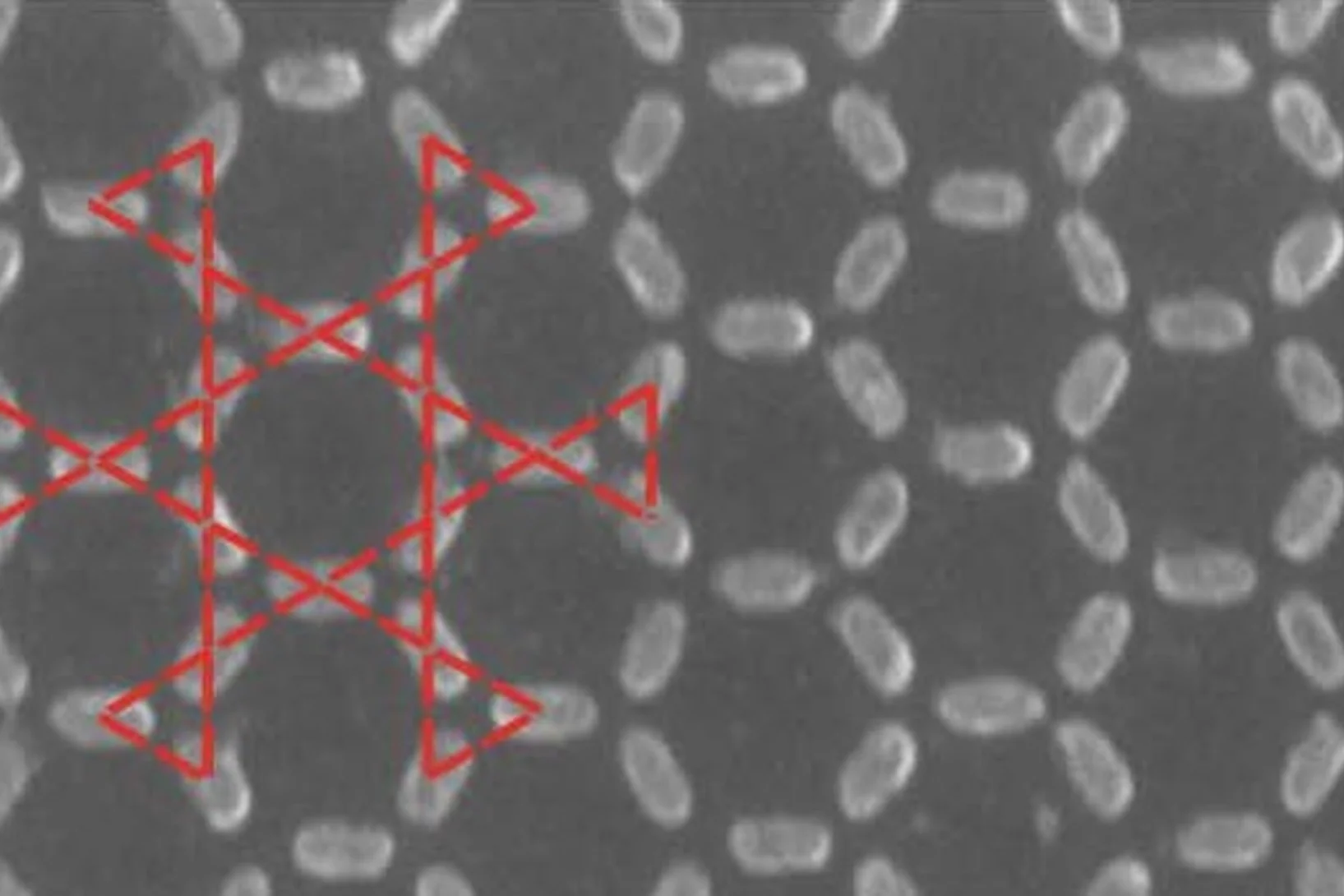
Tiny magnets mimic steam, water and ice
Researchers at the Paul Scherrer Institute (PSI) created a synthetic material out of 1 billion tiny magnets. Astonishingly, it now appears that the magnetic properties of this so-called metamaterial change with the temperature, so that it can take on different states; just like water has a gaseous, liquid and a solid state.
Seven nanometres for the electronics of the future
Researchers from the Paul Scherrer Institute have succeeded in creating regular patterns in a semiconductor material that are sixteen times smaller than in today’s computer chips. As a result, they have taken an important step closer towards even smaller computer components. Industry envisages structures on this scale as the standard for the year 2028.
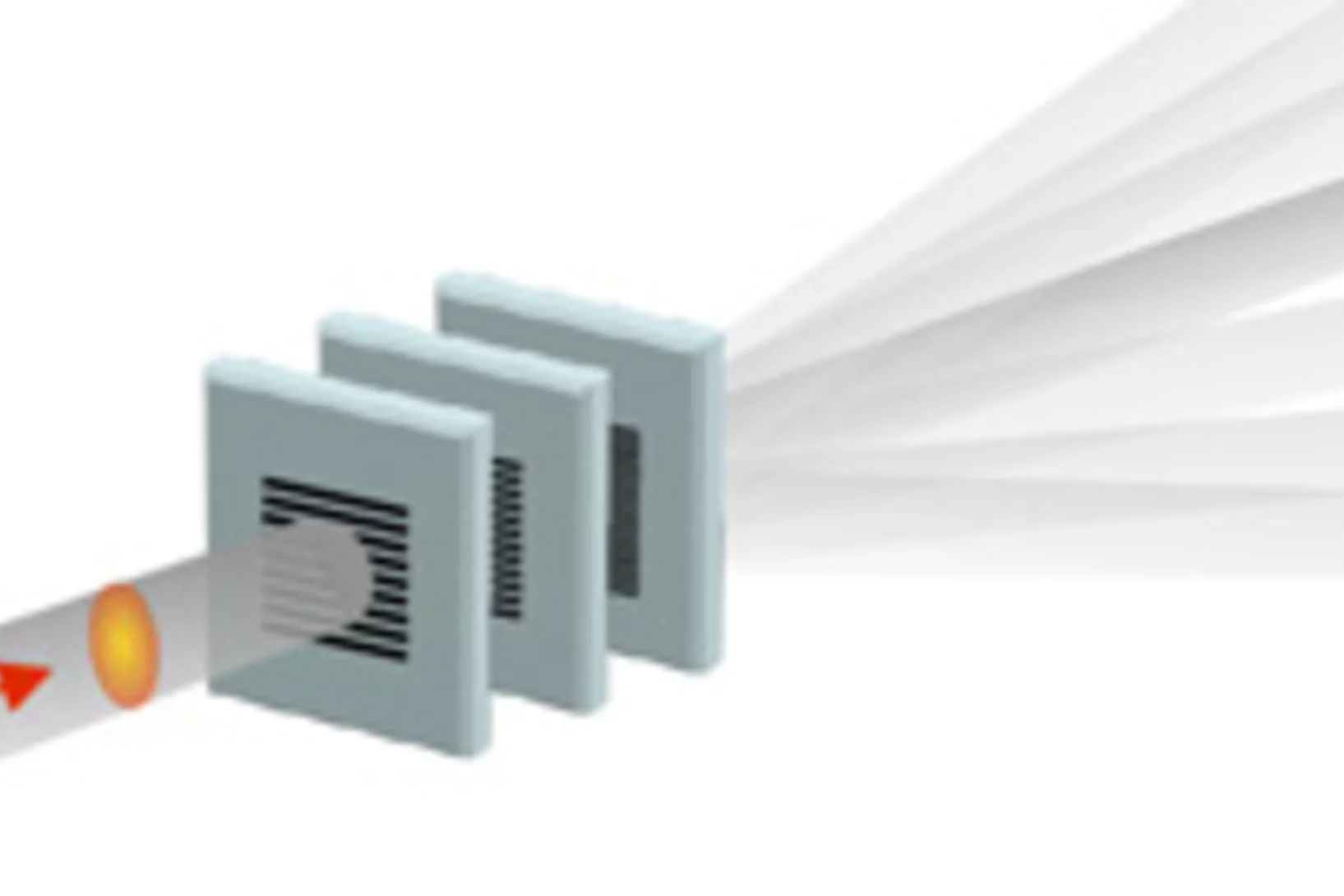
Split x-ray flash shows rapid processes
SwissFEL, PSI’s x-ray laser, is to render the individual steps of very rapid processes visible. A new method will facilitate especially precise experiments: the individual x-ray flashes are split into several parts that arrive at the object under examination one by one. The principle of the method harks back to the ideas of the earliest high-speed photography.
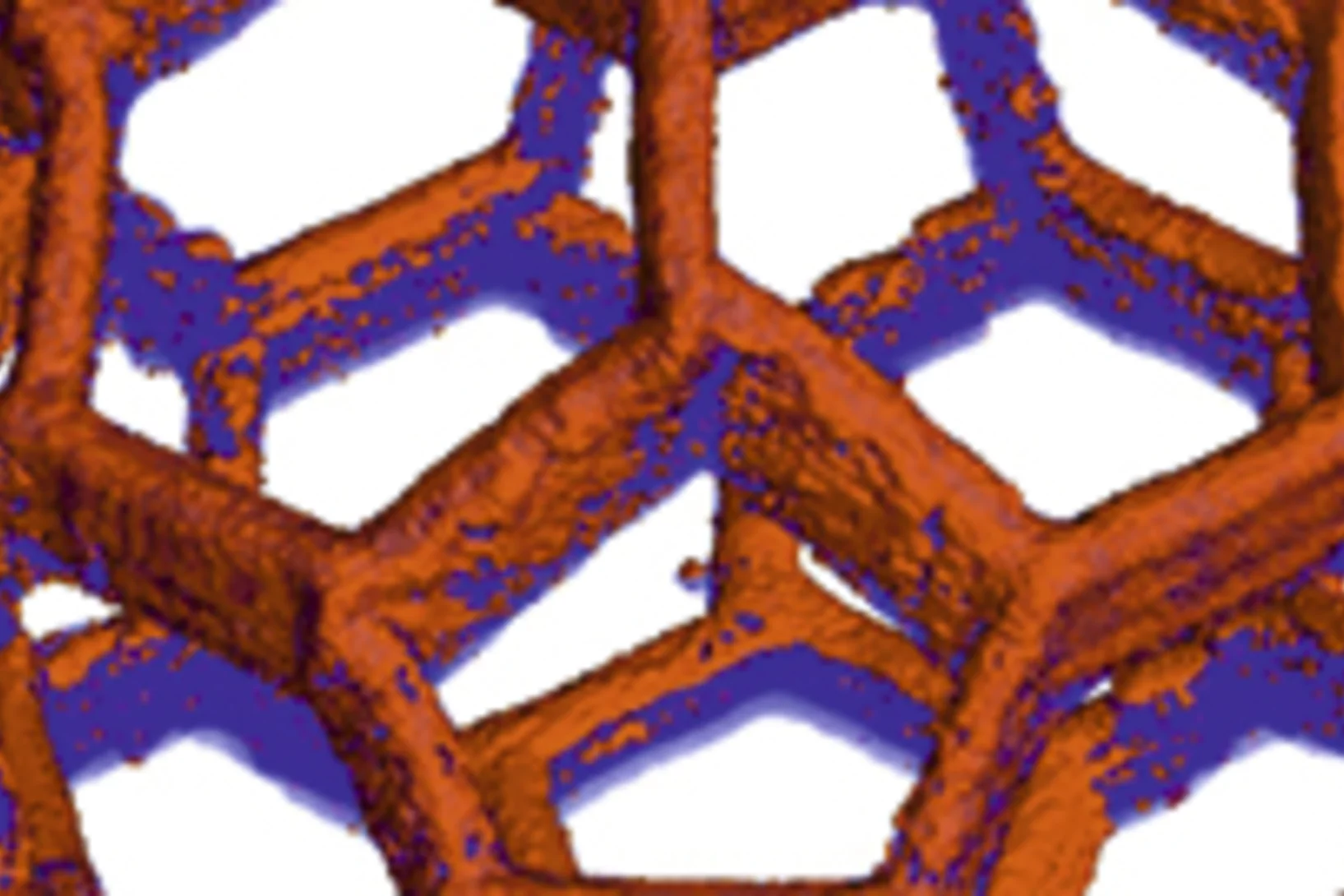
Nanometres in 3D
Scientists at the Paul Scherrer Institute and ETH Zurich have created 3D images of tiny objects showing details down to 25 nanometres. In addition to the shape, the scientists determined how particular chemical elements were distributed in their sample and whether these elements were in a chemical compound or in their pure state.