
Show filters
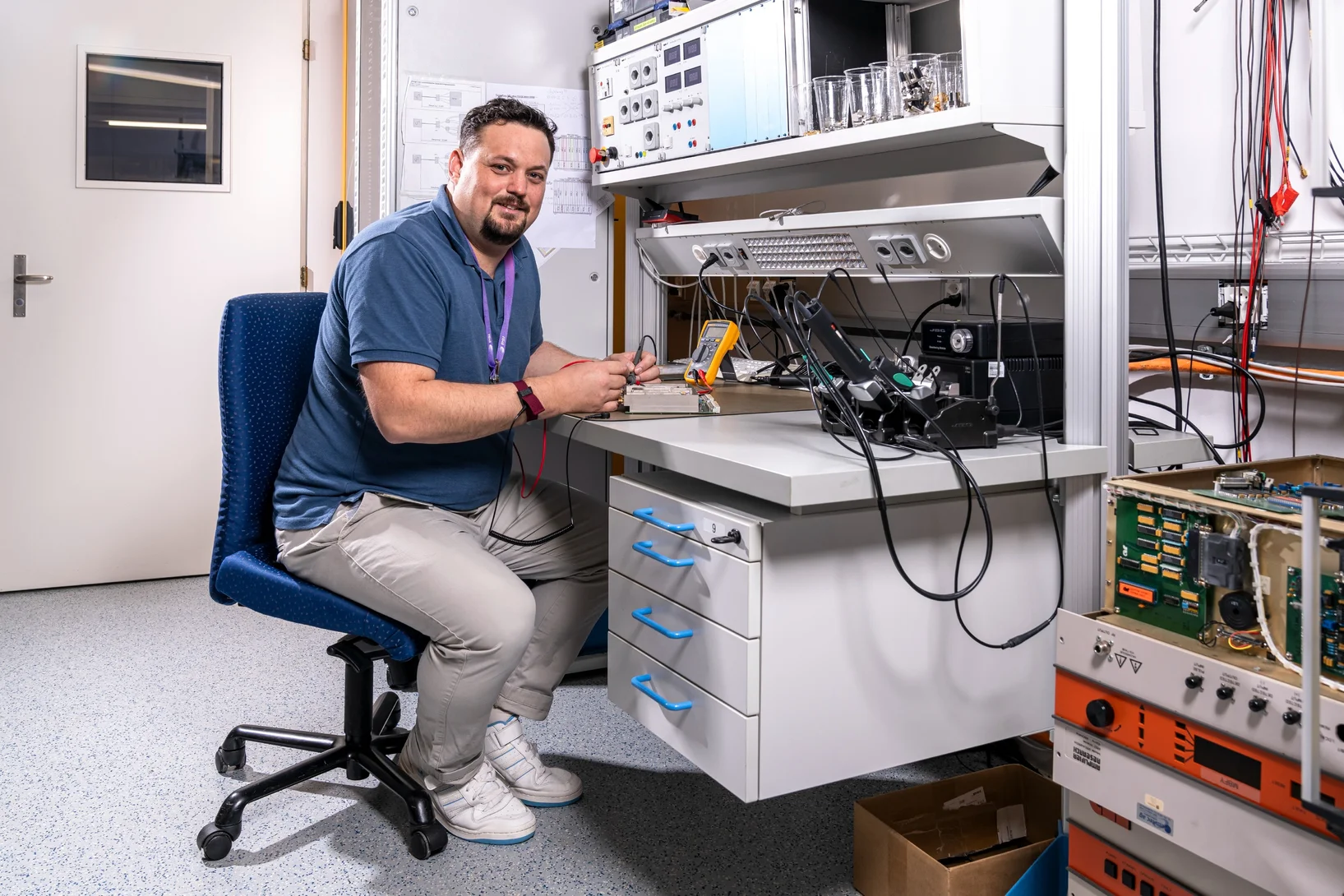
Capacità ingegneristiche e resistenza
Il fatto che l'importante progetto di aggiornamento di SLS 2.0 sia stato completato nei tempi previsti è stato anche merito di un team di ingegneri elettrici dedicati.
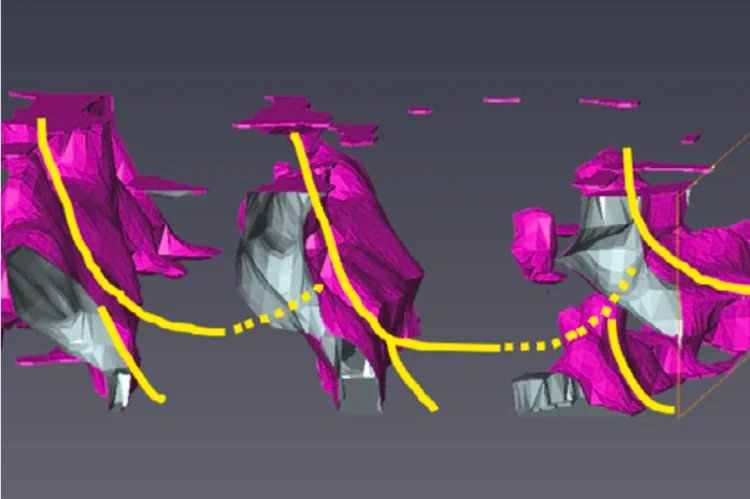
Uncovering Hidden Phases in 3D-Printed Fusion Steels
3D synchrotron X-ray mapping uncovered unexpected internal phase structures in laser-printed steels, showing how processing controls what we cannot see.
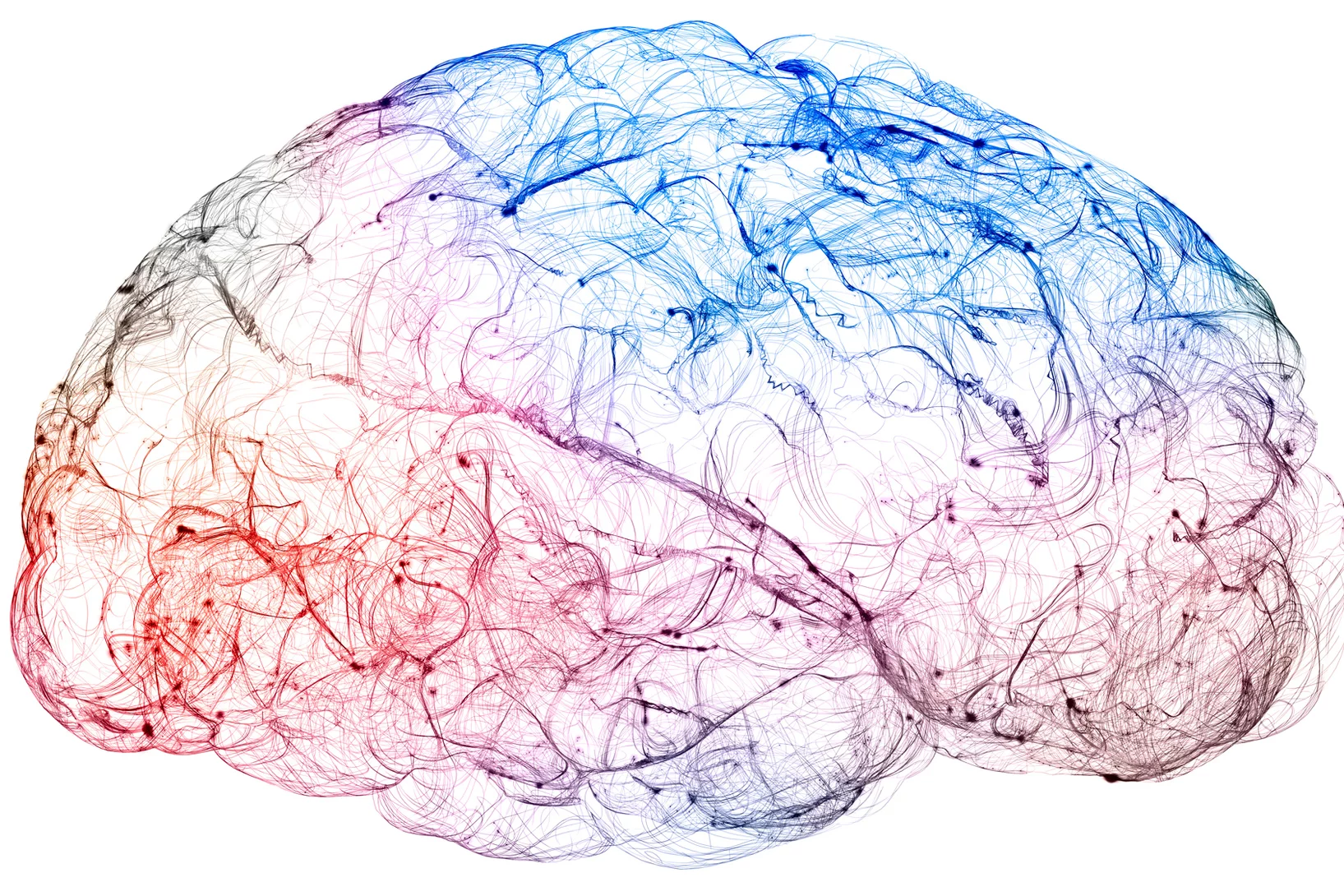
Mappatura cerebrale ad alta risoluzione a portata di mano grazie alla luce a raggi X
Un'innovativa tecnica di imaging potrebbe visualizzare le connessioni all'interno del cervello con una risoluzione 3D senza precedenti.
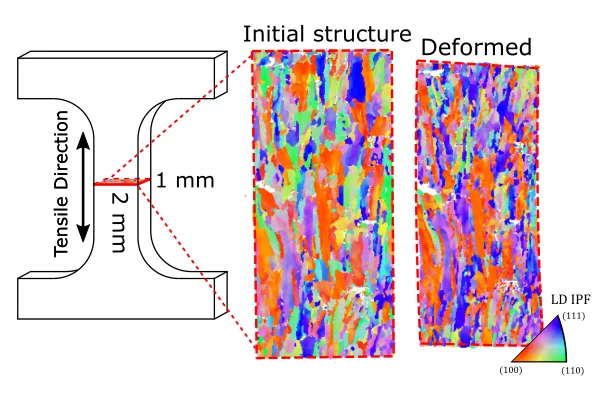
Following Twin-Formation in 3D Printed Steel
Using hard-xray microscopy to study the deformation of 3D printed steel.
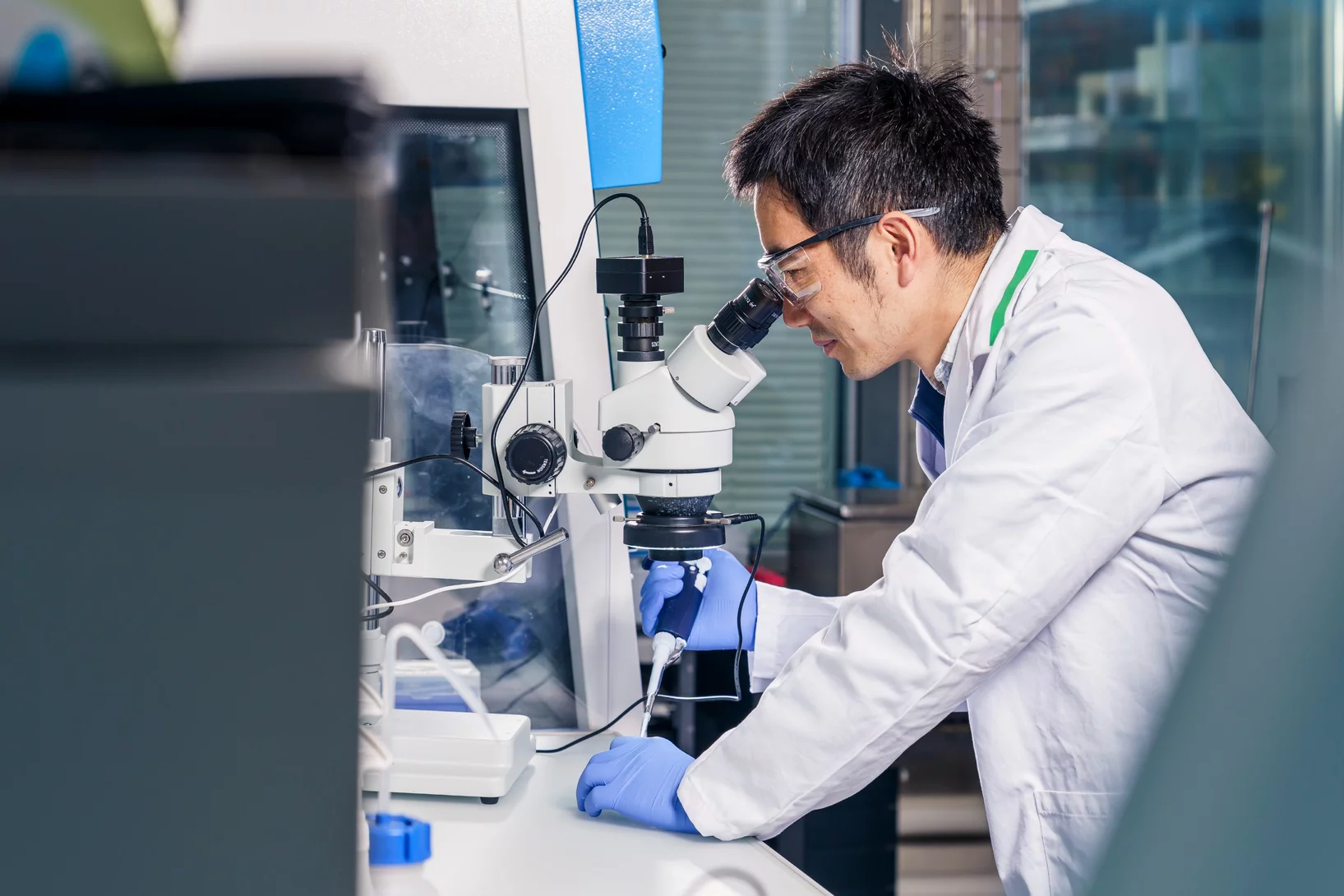
Come il principio delle tagliatelle al formaggio aiuta a contrastare l'Alzheimer
I ricercatori del PSI hanno scoperto meccanismi cellulari che potrebbero contribuire a frenare malattie come l'Alzheimer o il Parkinson.
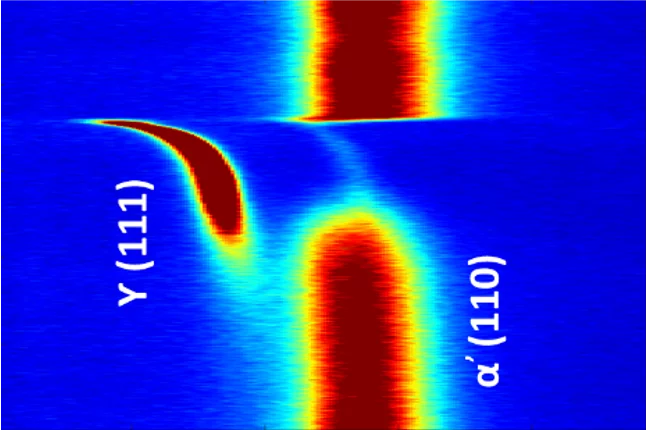
From Melt to Martensite
Real-time synchrotron X-ray diffraction reveals how different phases of steel emerge and evolve under the intense heat of laser powder bed fusion.

Coexistence of Insulatorlike Paramagnon and Metallic Spin-Orbit Exciton Modes in SrIrO3
We probe the spectrum of elementary excitations in SrIrO3 by using heterostructured [(SrIrO3)m / (SrTiO3)l] samples to approach the bulk limit. Our resonant inelastic x-ray scattering (RIXS) measurements at the Ir L3 edge reveal ...

Cuore forte, sensi altamente sviluppati: la chiave della rapida diversità evolutiva dei primi pesci
Le immagini a raggi X di un fossile di 400 milioni di anni fa fanno luce su un momento chiave del nostro primo passato evolutivo
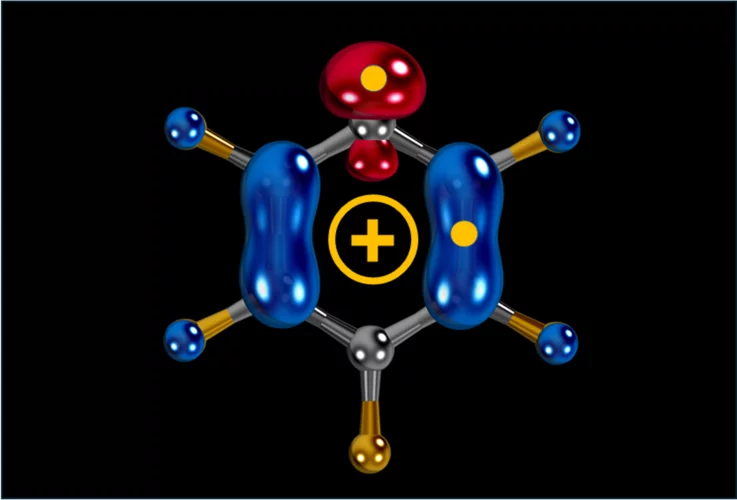
Carbocation, diradical, and superelectrophile in one molecule?
The pentafluorophenyl cation (C₆F₅⁺) breaks these rules with a borderline “crazy” reactivity.
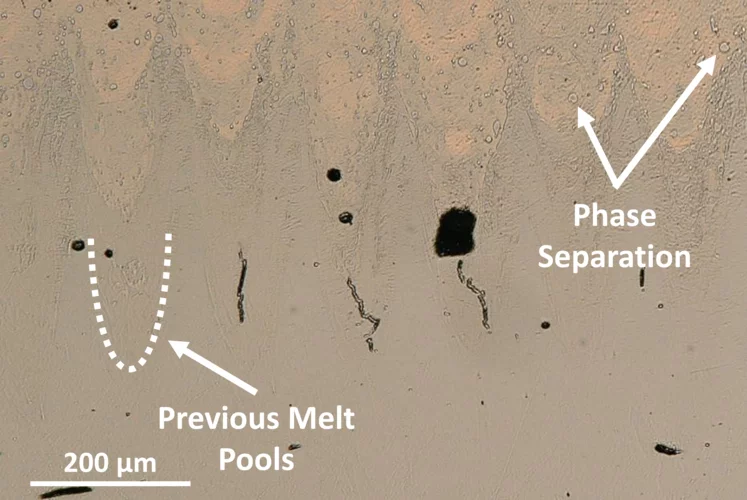
Why Ni-Cu Alloys Fail in 3D Printing
3D printing with nickel–copper alloys holds great promise — but hidden mechanisms can cause them to crack. Our latest study reveals why.
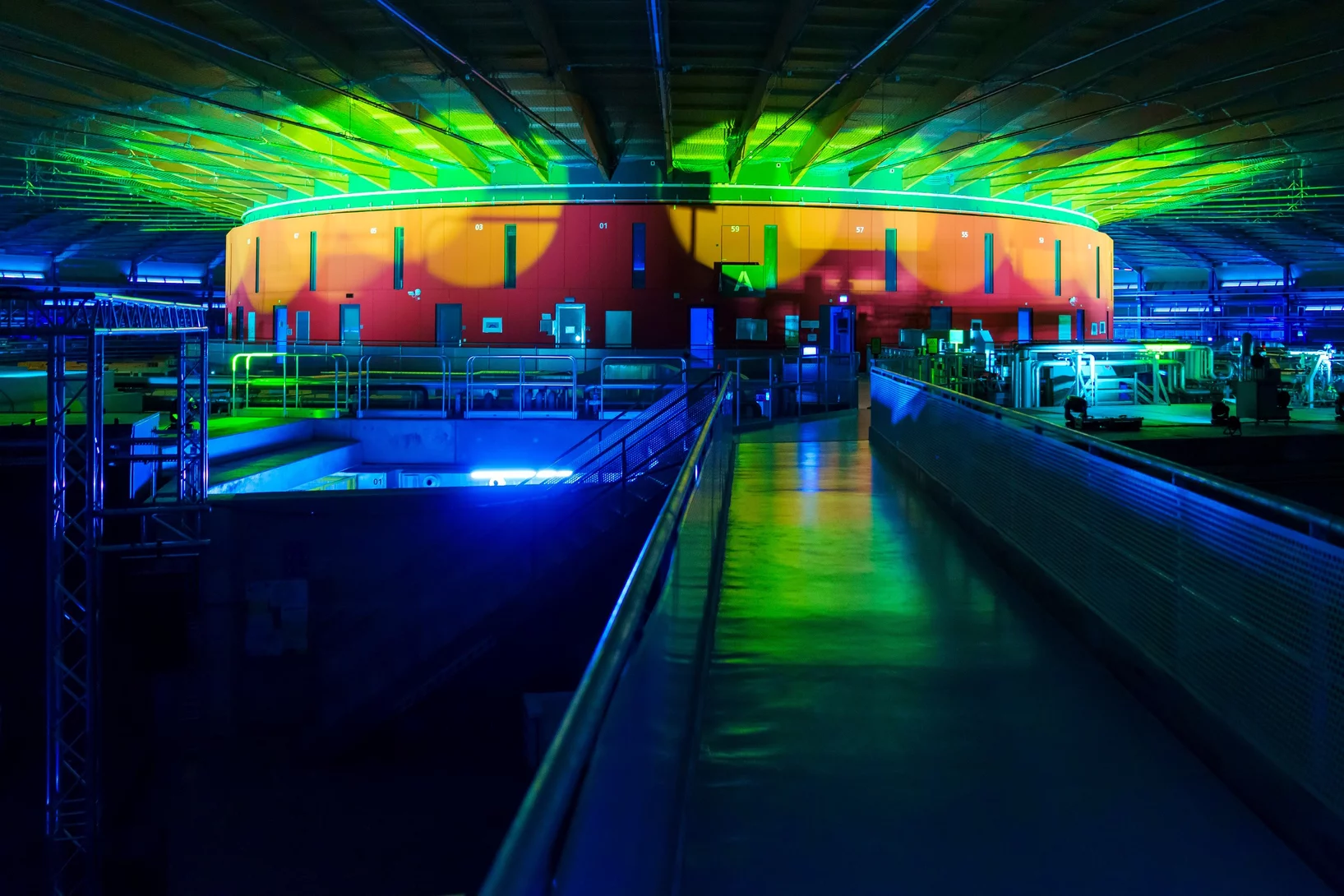
Luminosità per la Svizzera
È stata inaugurata la nuova Sorgente di luce di sincrotrone della Svizzera.
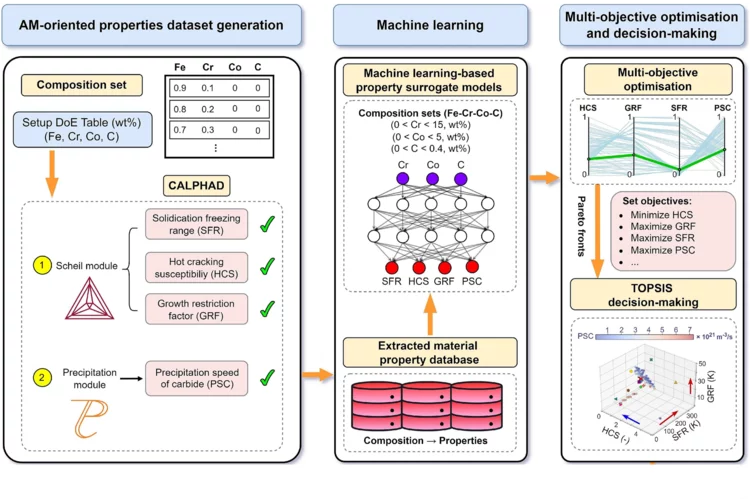
Machine Learning Accelerates Alloy Design for Additive Manufacturing
A new machine learning–designed alloy demonstrates how materials can be tailored for specific performance properties required in additive manufacturing.

Tecnologia di camuffamento fossile alla luce dei raggi X
Le immagini PSI aiutano a decifrare la strategia di caccia di un predatore preistorico.
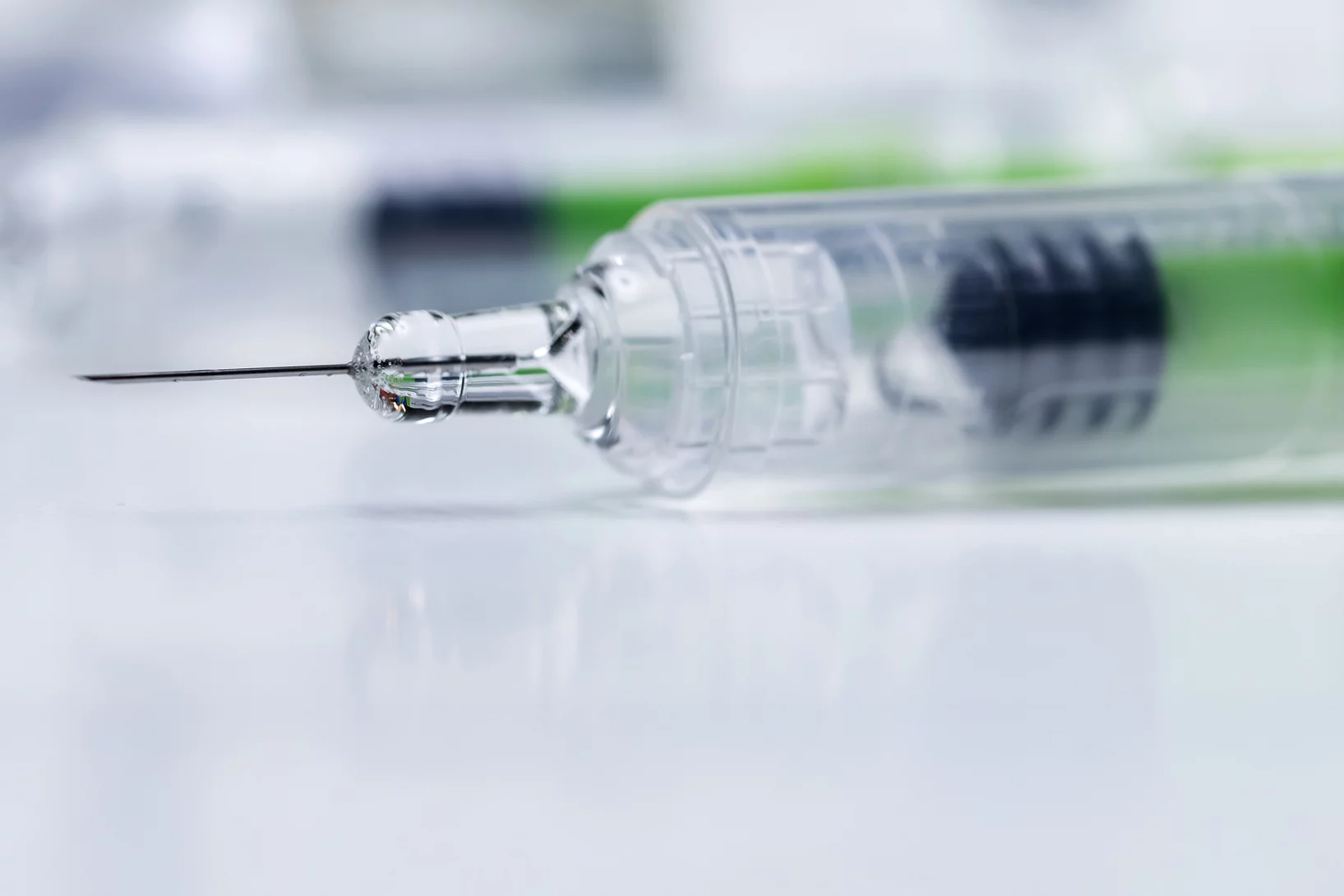
Zinco rilevato nelle siringhe intasate
Con l'aiuto dei ricercatori del PSI, ANAXAM ha studiato per l'azienda farmaceutica MSD se lo zinco può contribuire all'intasamento delle siringhe pre-riempite.
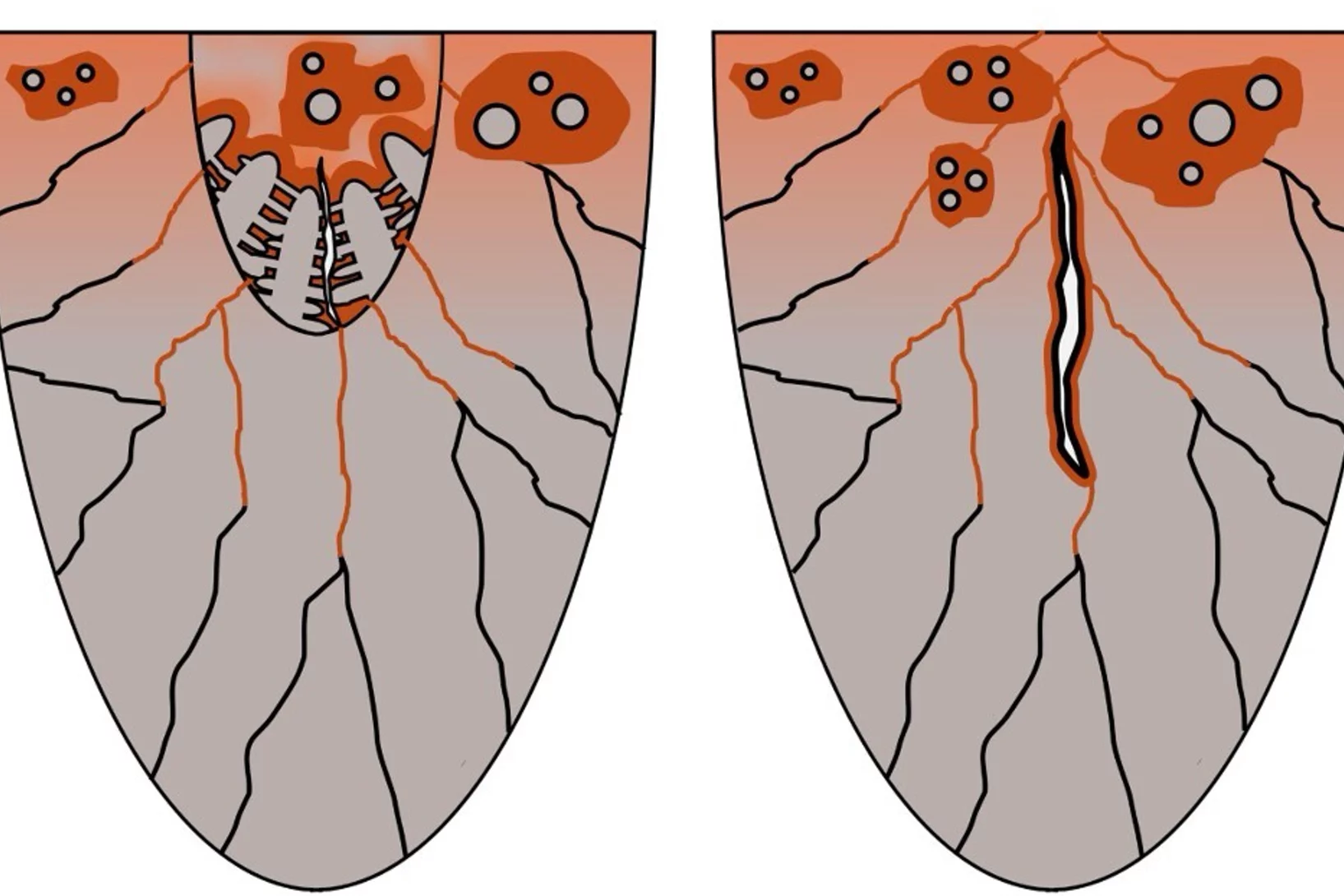
Cracking the Challenge of Steel–Copper Fusion
Why do cracks appear when joining steel and copper? We track the mechanisms in real time to find out.
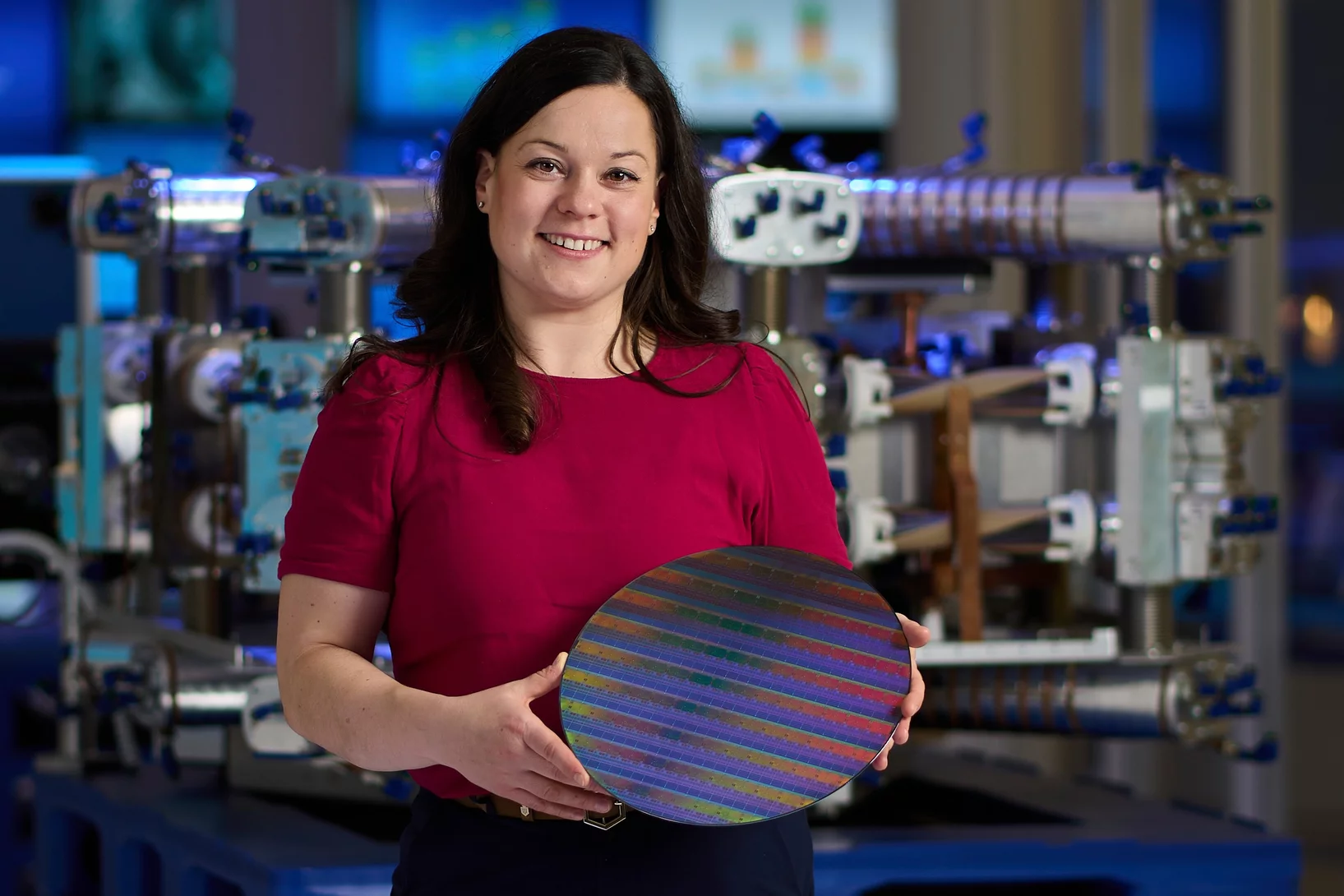
Sostenitore di tecnologie all'avanguardia
L'ex dottoranda del PSI Stephanie Smit lavora come consulente per i brevetti di un'azienda tra le più importanti al mondo. Questa azienda costruisce macchine che valgono una fortuna e sono molto richieste.
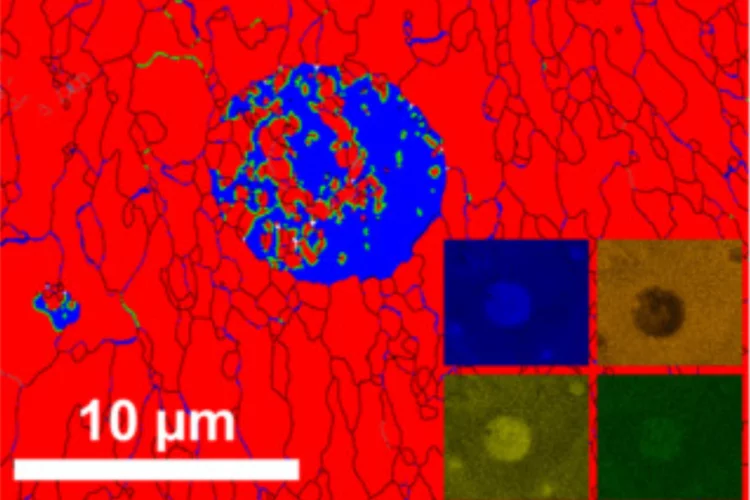
Interfacial Phase Formation in 316L–CuCrZr Hybrids
In-situ X-ray diffraction reveals how phase separation and fluid flow shape microstructure in laser-welded multi-material metal builds.
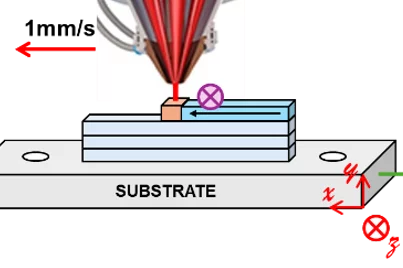
Phase by Phase: How Stainless Steel and IN625 Solidify Together
Where steel meets superalloy: real-time X-ray snapshots reveal how composition and cooling shape metal during 3D printing
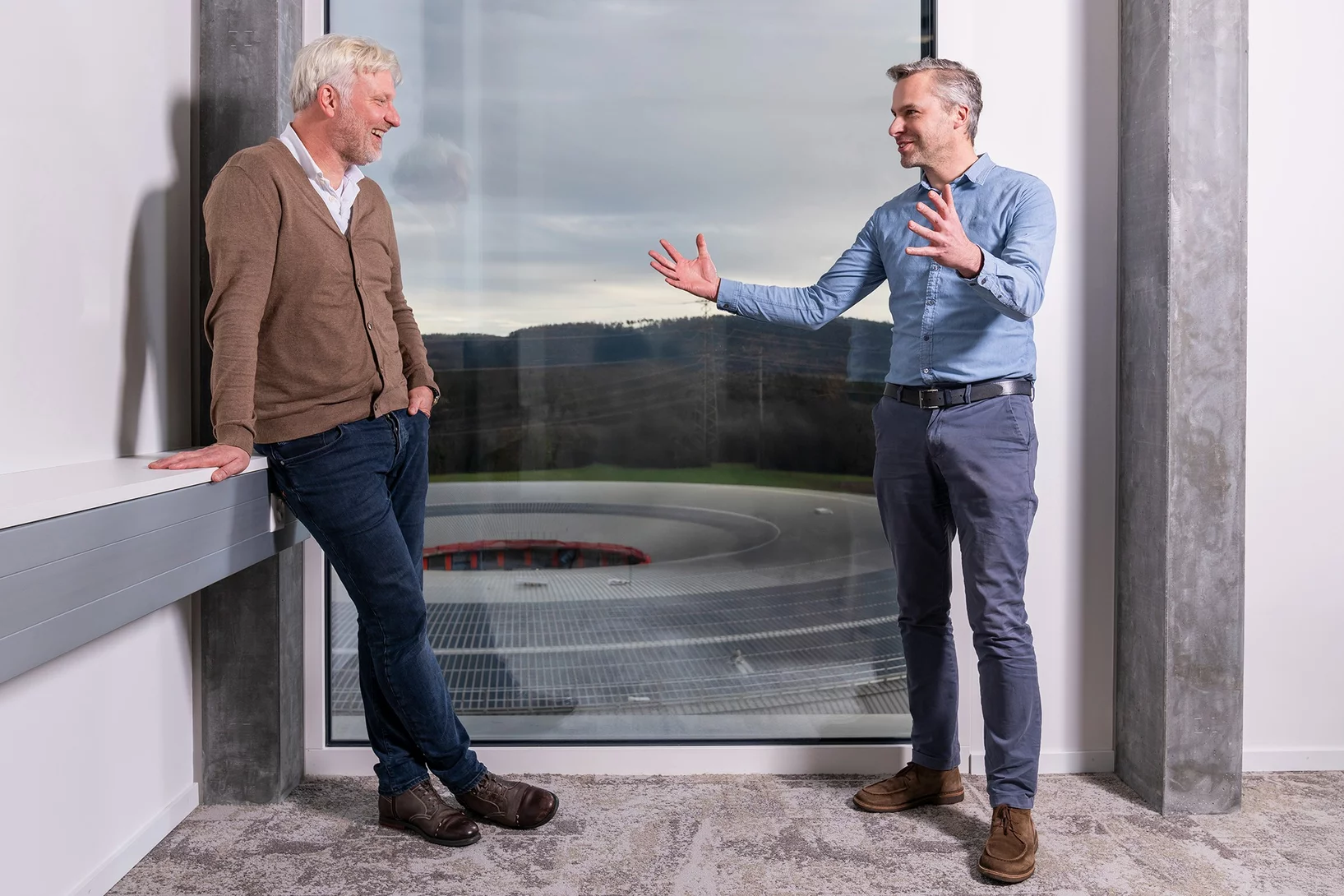
Wissenschaft trifft Industrie – Innovation mit Wirkung
Hans Priem und Cees Maris vom Unternehmen VDL ETG erzählen, was Advanced Manufacturing in der Industrie bedeutet, und sprechen über die Zusammenarbeit mit dem PSI.
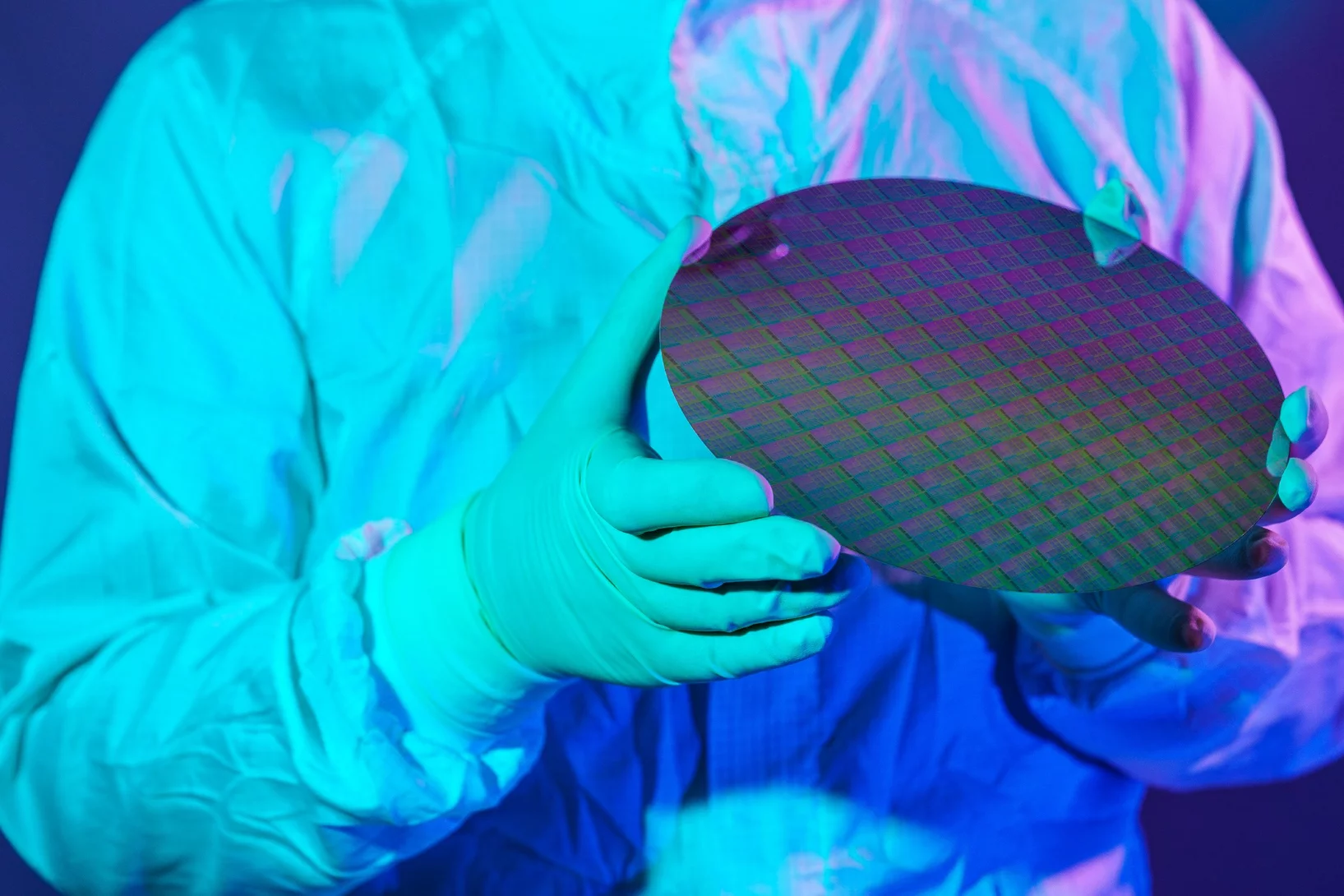
Schneller, präziser, zuverlässiger – die Zukunft der Produktion
«Advanced Manufacturing» bedeutet hochmoderne Fertigungsmethoden. Forschende am PSI helfen, Techniken wie den 3-D-Druck zuverlässiger zu machen und die Miniaturisierung von Hochleistungschips weiter voranzutreiben.
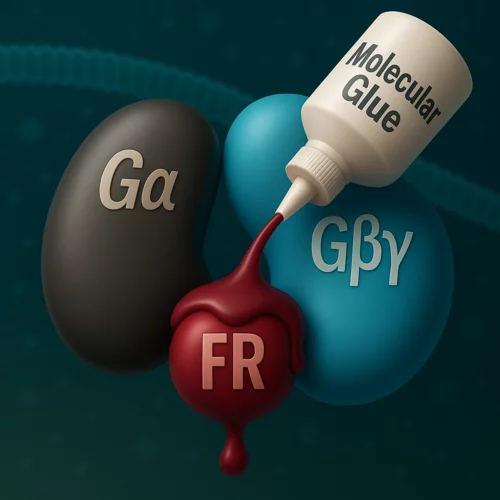
From coral berries to new therapies: uncovering the molecular glue mechanism of natural compounds
Researchers at the Center for Life Sciences and the Center for Scientific Computing, Theory, and Data at the Paul Scherrer Institute have identified the mechanism by which certain natural compounds interfere with cellular signaling. These ‘molecular glues’ have a therapeutic potential for the treatment of specific cancer types. Their latest study on this topic has been published in the journal Proceedings of the National Academy of Sciences of the United States of America.
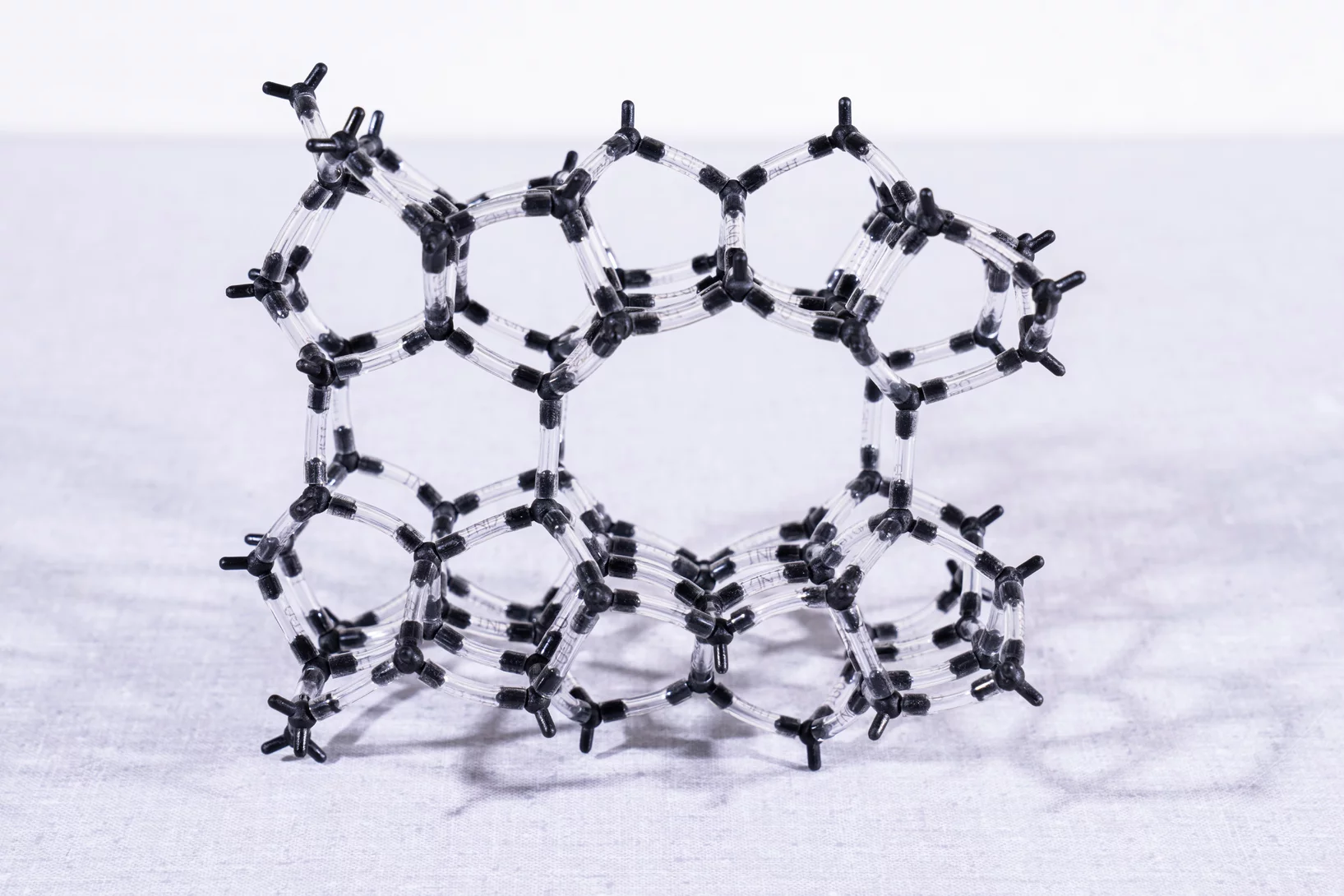
Aluminium sichtbar gemacht
PSI-Forschende haben in Zeolithen erstmals die genaue Lage der Aluminiumatome bestimmt, welche die Materialien zu so guten Katalysatoren machen.

Antiferrodistortive and ferroeletric phase transitions in freestanding films of SrTiO3
Epitaxially grown thin films are commonly used to strain engineer electronic properties by the choice of a substrate, and therefore do not match bulk properties (leading to properties that deviate from the bulk material). Free standing ultrathin oxide films are expected to preserve the bulk-like properties due to the absence of substrate influence. However, we show that this expectation is not fulfilled with ultrathin free standing SrTiO3, as they get ferroelectric at 80K.
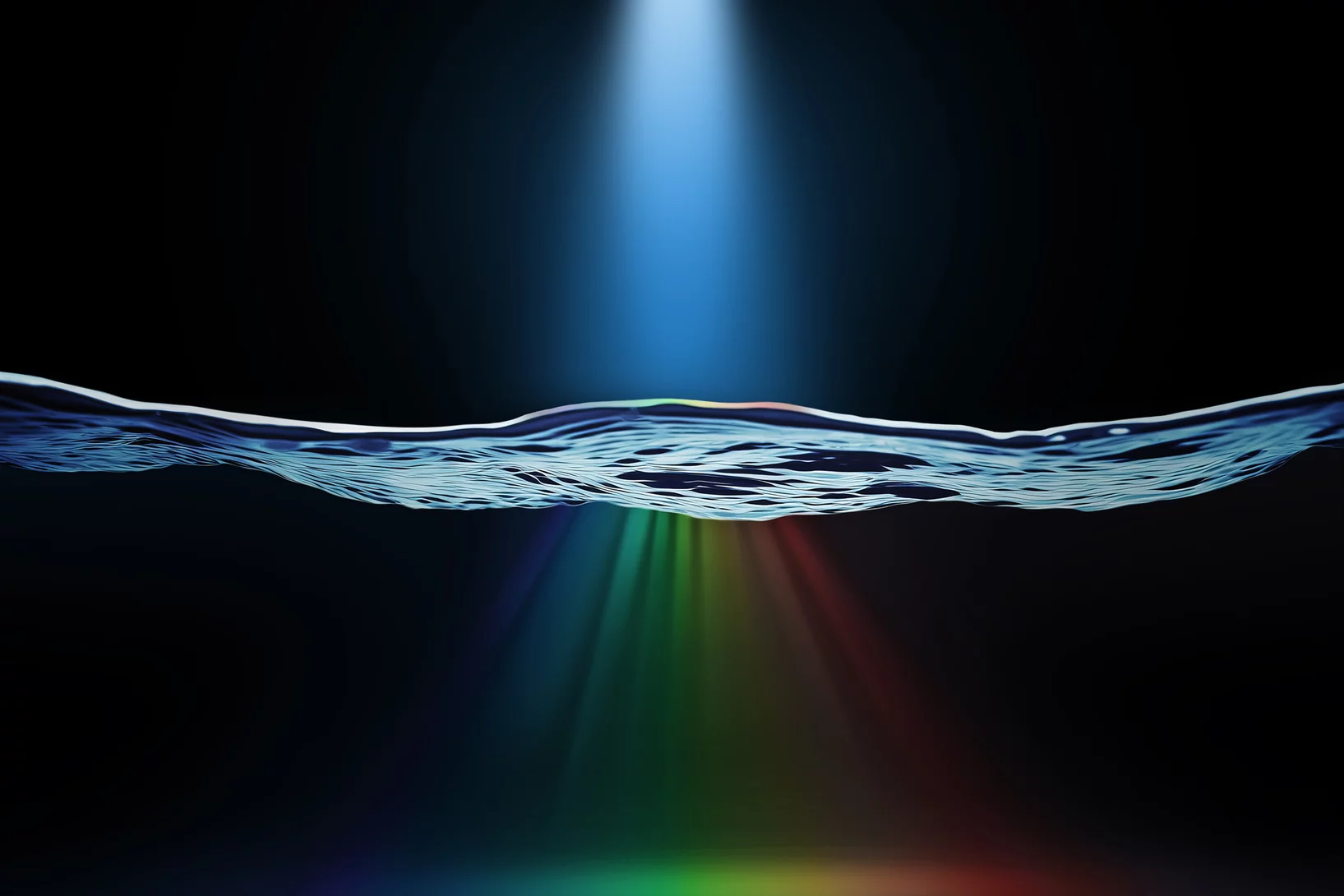
Water gets in shape for VUV absorption
Nanometre‑thin, free‑flowing liquid sheets now let Swiss Light Source users record pristine VUV absorption spectra of water, and soon any solvent.
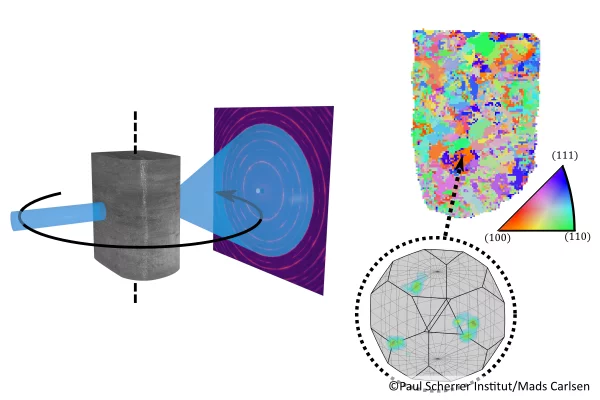
Mapping crystallite orientation in bulk polycrystals
A new experimental technique allows the orientation distribution of small-grained polycrystal materials to me mapped in 3D.
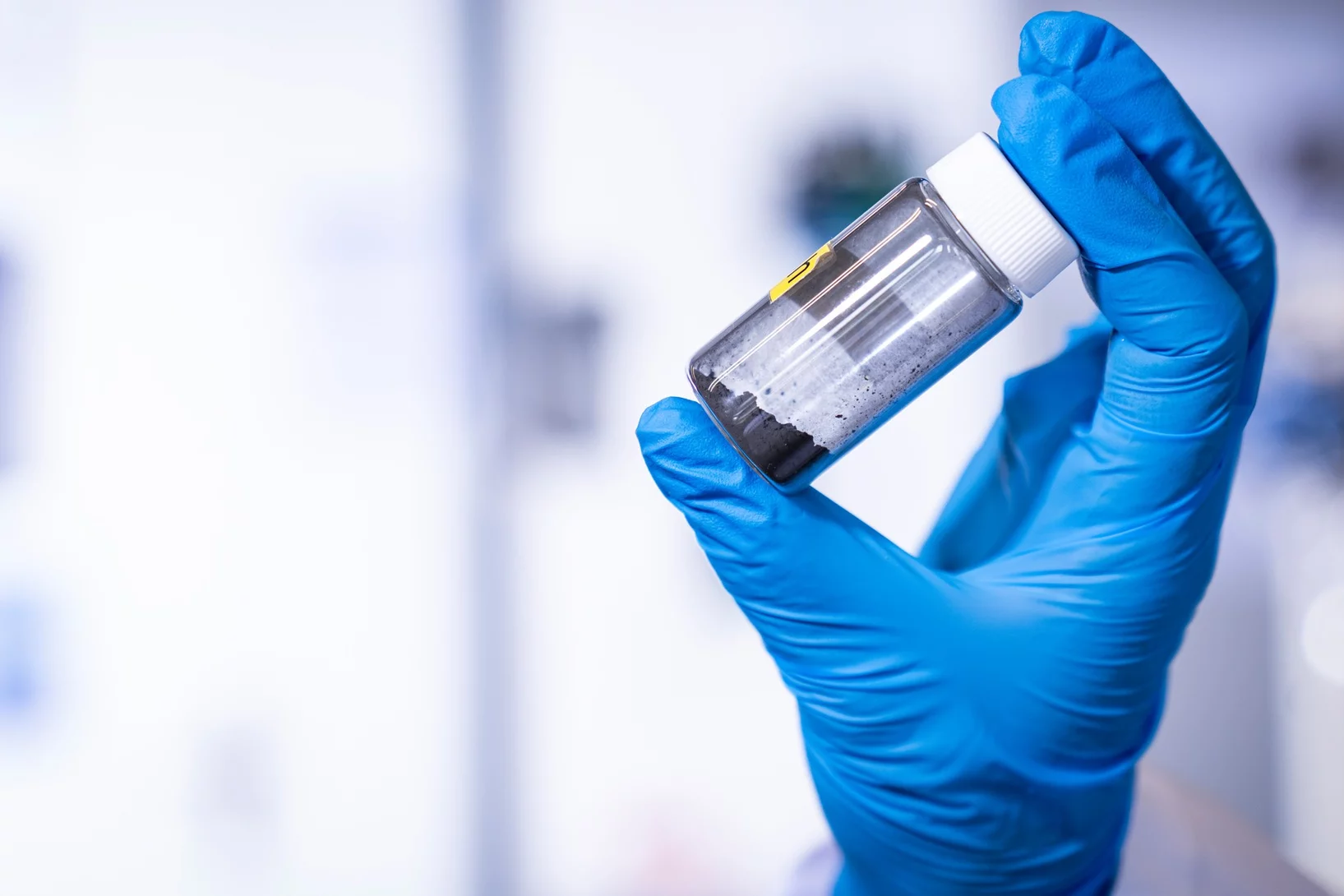
Schneller zu grünem Wasserstoff
Der pH-Wert bestimmt, wie leicht sich Wasserstoff aus Wasser herstellen lässt, wenn man Kobalt als Katalysator nutzt. PSI-Forschende haben jetzt herausgefunden, wieso.
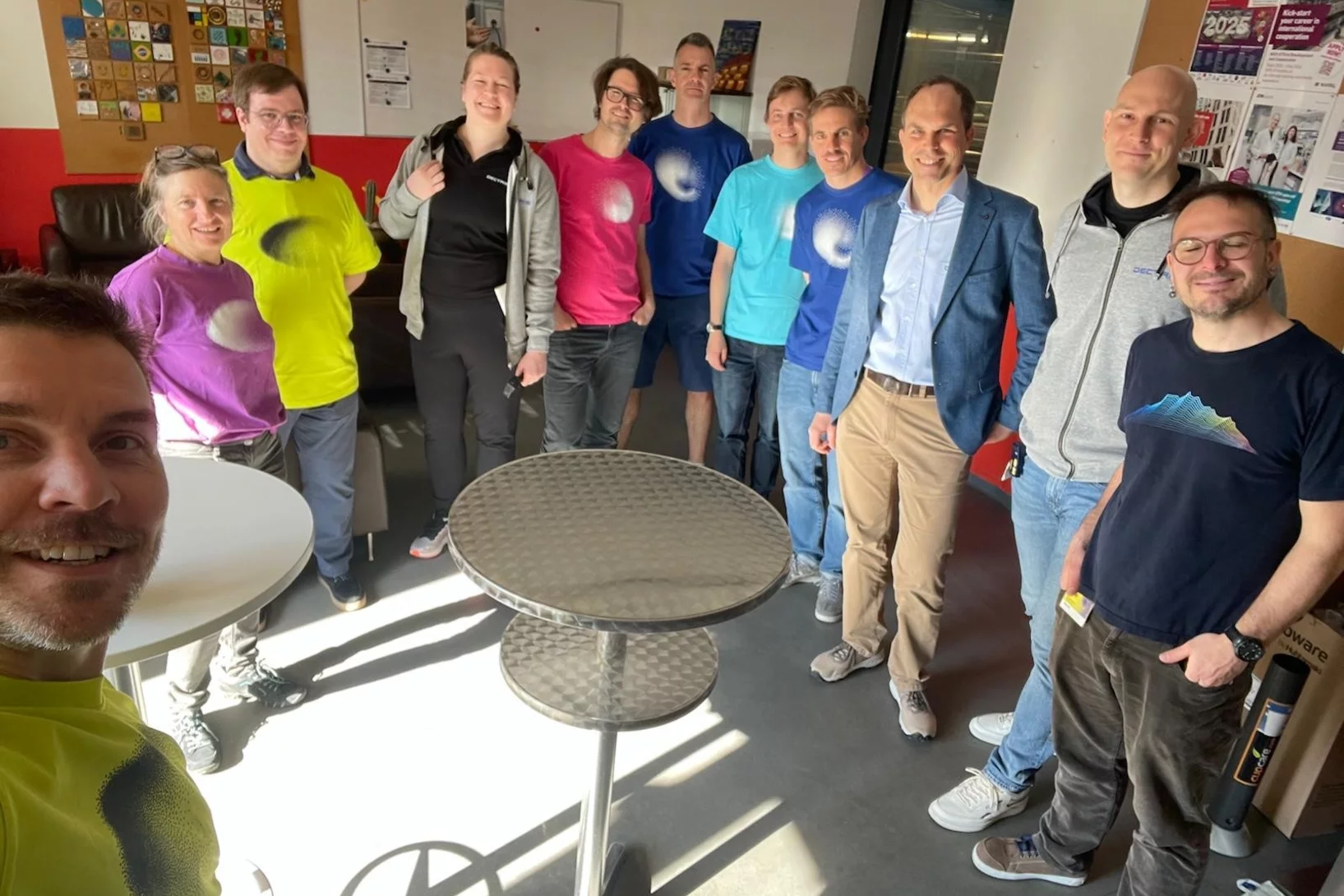
PILATUS4 detector arrives at PXIII
On April 4, 2025, a Dectris Pilatus4 2M detector was successfully installed at beamline PXIII. In the coming weeks, this new detector will be used to measure the first macromolecular crystallography (MX) experiments using the SLS 2.0 machine.

SLS 2.0: Wie man einen Teilchenbeschleuniger startet
Die Elektronen sind zurück: Die Synchrotron Lichtquelle Schweiz SLS geht nach ihrem Upgrade schrittweise wieder an den Start.
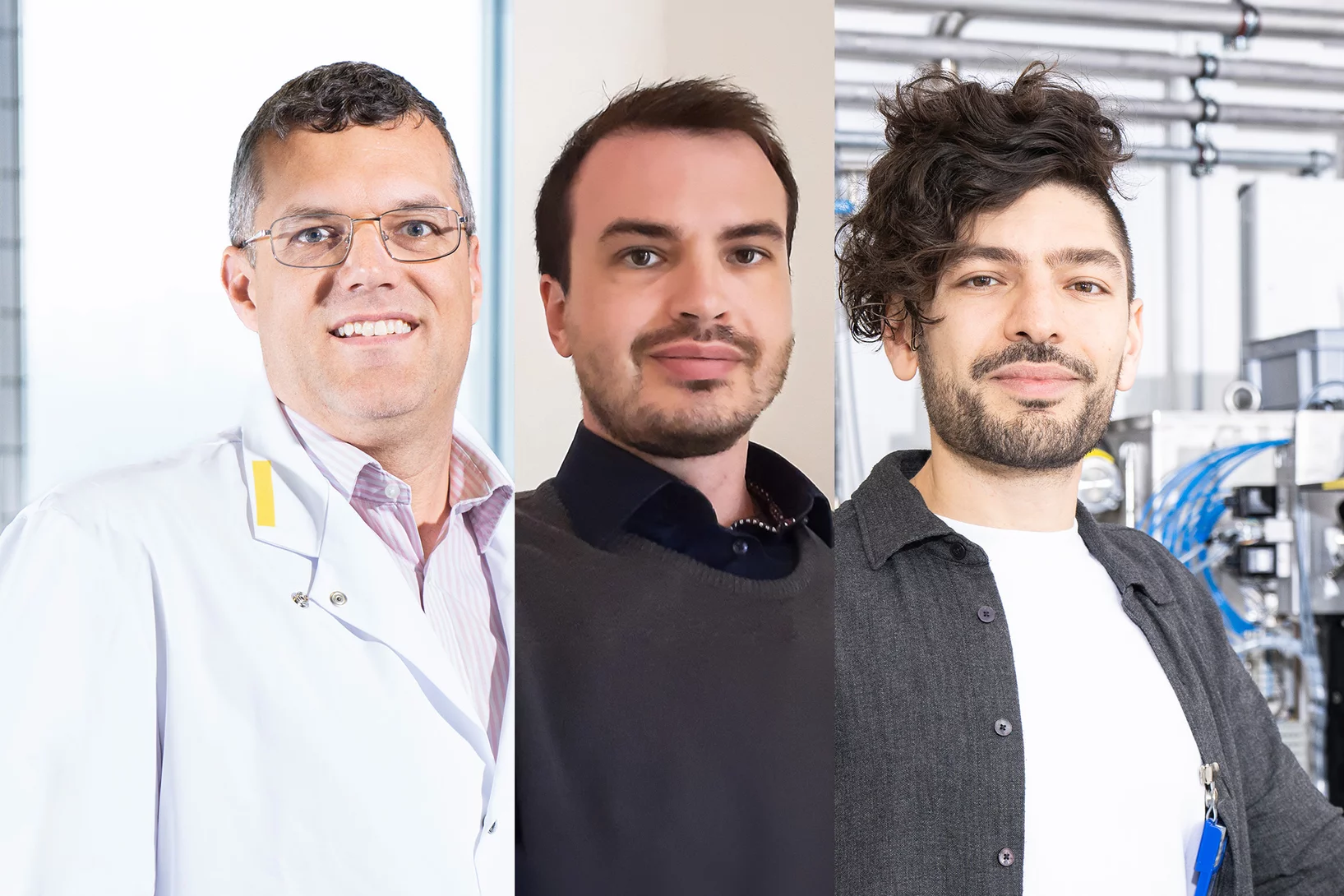
Prestigiosi finanziamenti per la ricerca del PSI
Calcestruzzo, catalisi chimica e ricerca di nuova fisica: tre ricercatori del PSI hanno ricevuto una sovvenzione dal Fondo Nazionale Svizzero per questi temi di ricerca.
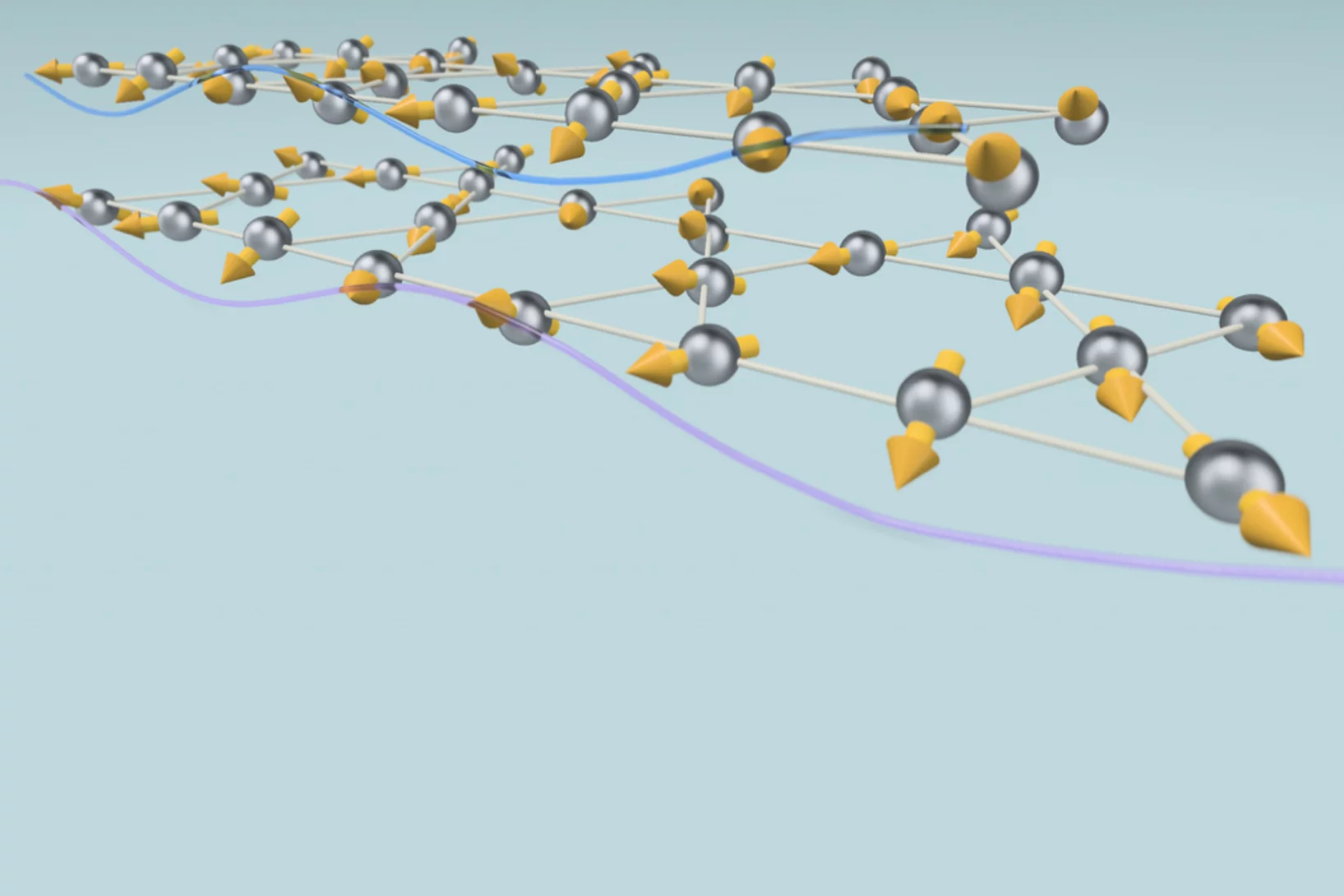
A new dimension of complexity for layered magnetic materials
X-rays reveal magnetic phenomena driven by interactions between the layers of a kagome ferromagnet
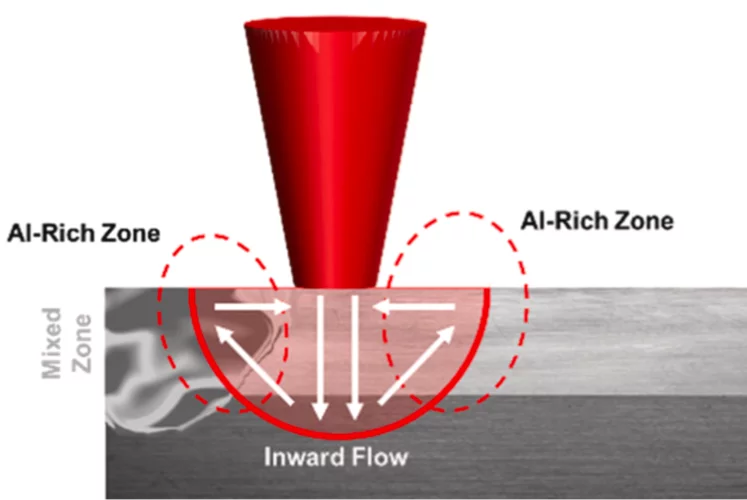
Mitigating Cracks in Multi-Material Printing
Integrating metallic powders with thin foils in laser powder bed fusion can reduce interfacial cracks and improve microstructure quality in titanium-aluminum multi-material printing.

Die Kabel der SLS
Gebäudetechnik, Magnete, IT – viele Gruppen sind am Upgrade der SLS beteiligt. Ihr verbindendes Element sind mehrere hundert Kilometer Kabel.
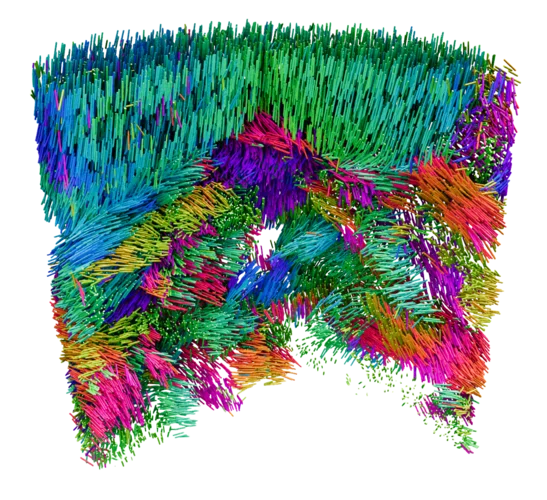
Mapping the Nanoscale Architecture of Functional Materials
A new X-ray technique reveals the 3D orientation of ordered material structures at the nanoscale, allowing new insights into material functionality.

Together for Science with Neutrons, Muons and X-rays
Strategic partnership between research facilities in UK and Switzerland will create new capabilities to address global challenges using neutrons, muons and X-rays.
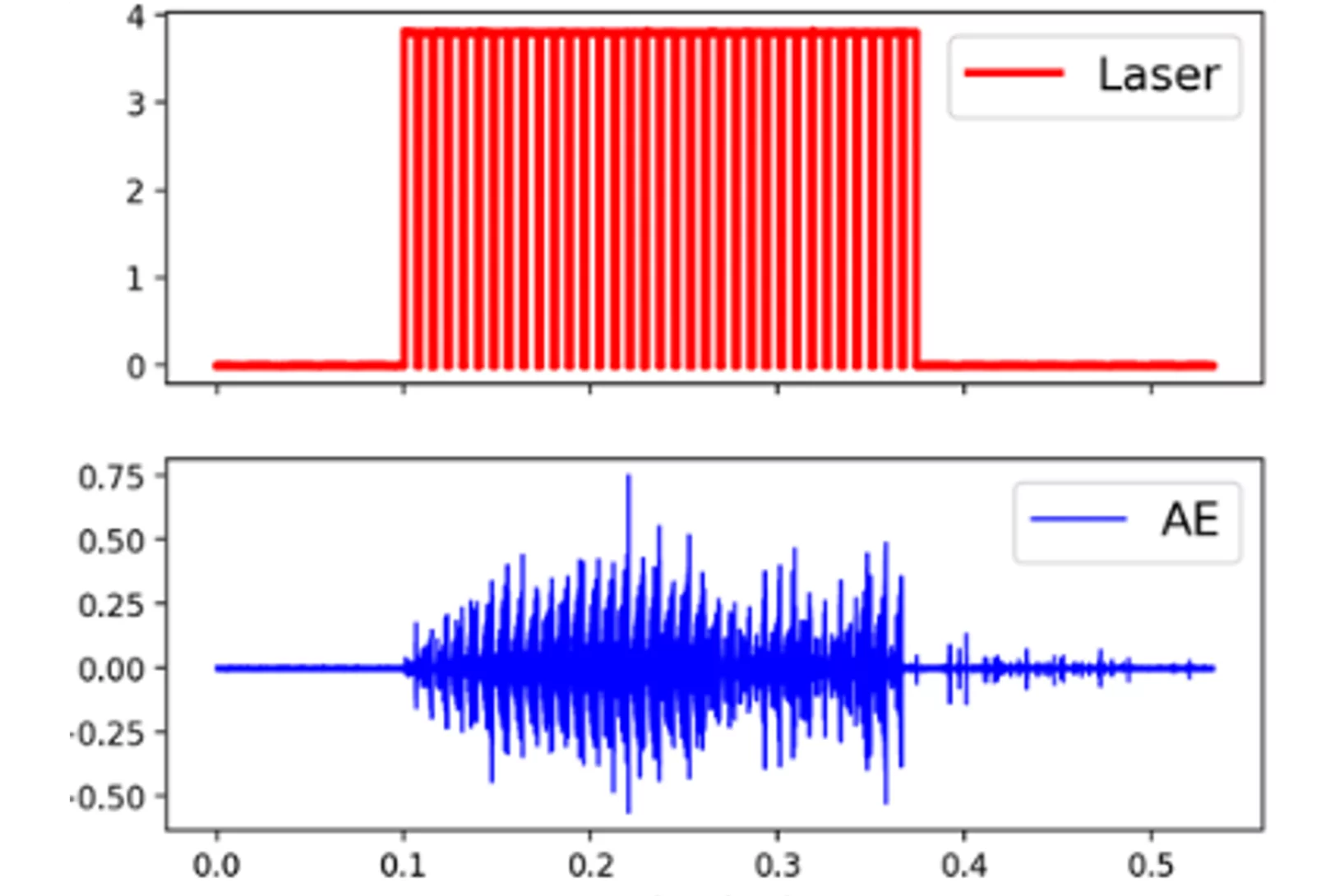
Acoustic emission signature of a martensitic transformation
Acoustic emission monitoring in 3D printing: real-time insights into martensitic phase transformations and crack formation.
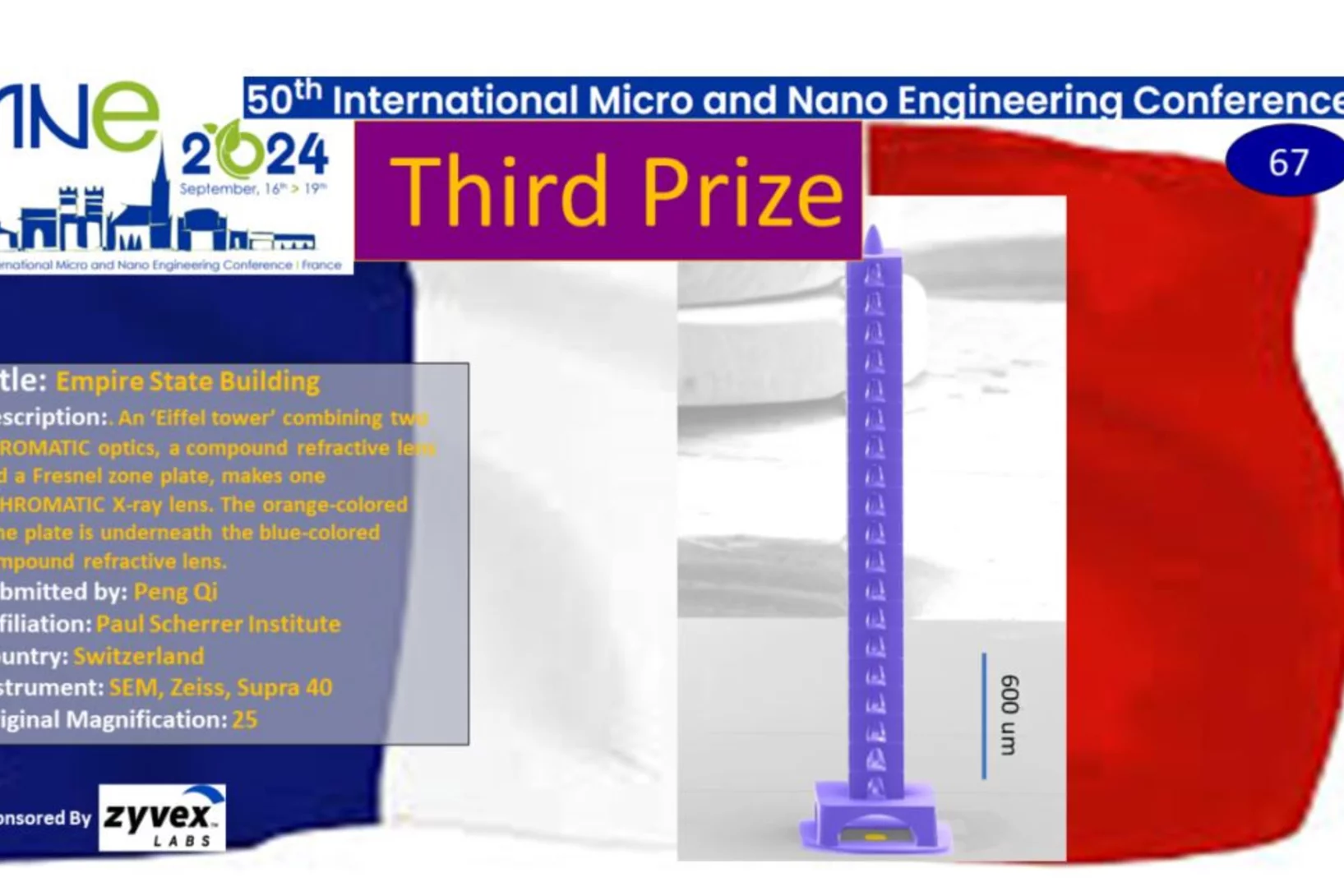
Recognition at MNE 2024 Micrograph Contest
The MNE conference is the flagship event of the International Society for Micro- and Nanotechnology (iMNEs). The research fields covered by the MNE conferences have consistently driven advancements in the development of smaller and smaller structures. To emphasize the significance of micrographs in this field, the conference features a micrograph contest, sponsored and hosted by Zyvex Labs. Entries are judged based on both their technological relevance and artistic merit.
This year, Peng Qi from the X-ray Nano Optics group, LXN, CPS, earned third place and an honorable mention for his two submitted images.
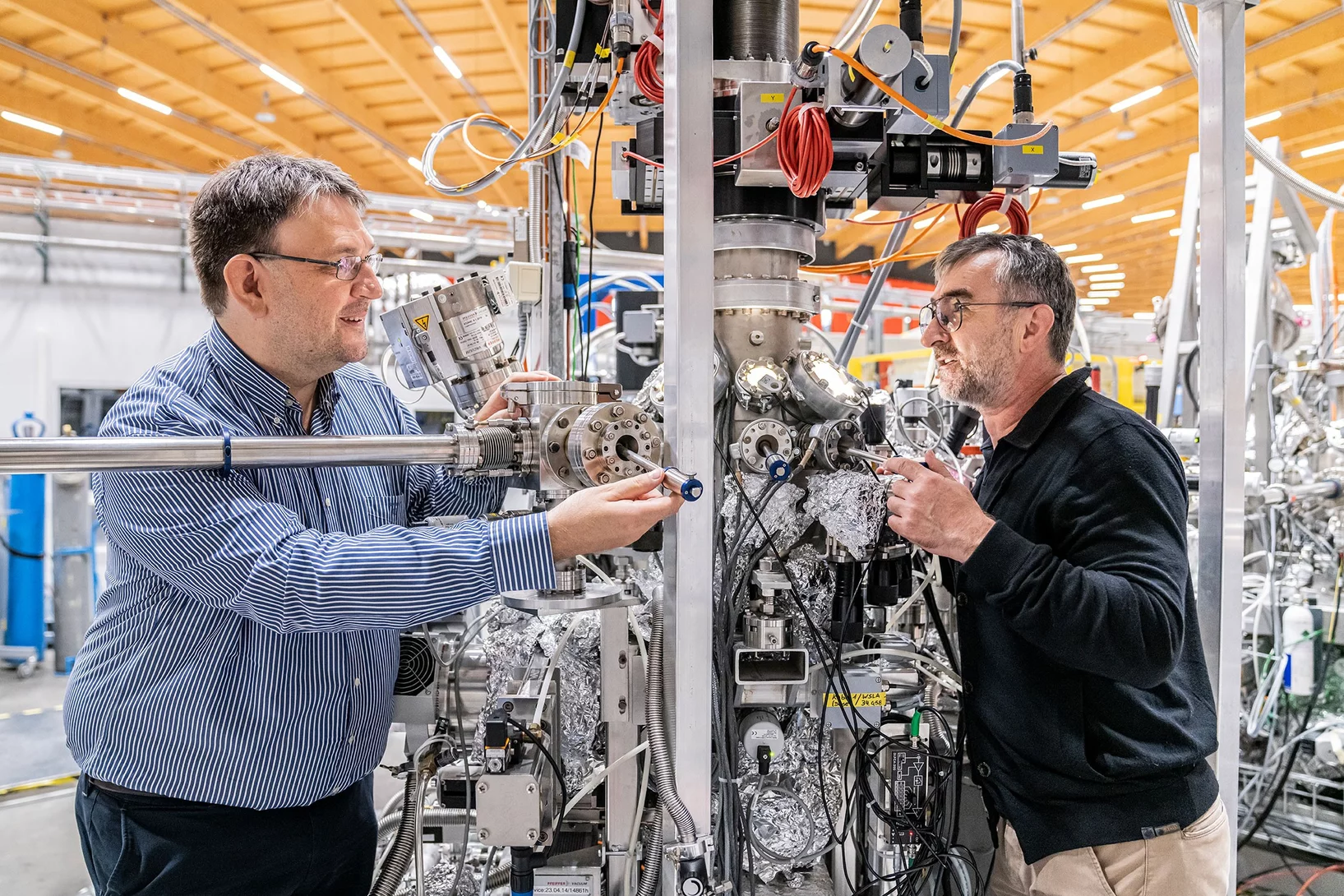
Magnetismo in strati sottili: Un elettrone fa la differenza
Un passo importante verso nuovi tipi di memoria per computer

Orbitronics: new material property advances energy-efficient tech
Discovery of orbital angular momentum monopoles boosts the emerging field of orbitronics, an energy-efficient alternative to electronics.
Excited About SLS 2.0!
Researchers tell us why they are excited about SLS 2.0 and more brilliant light for science
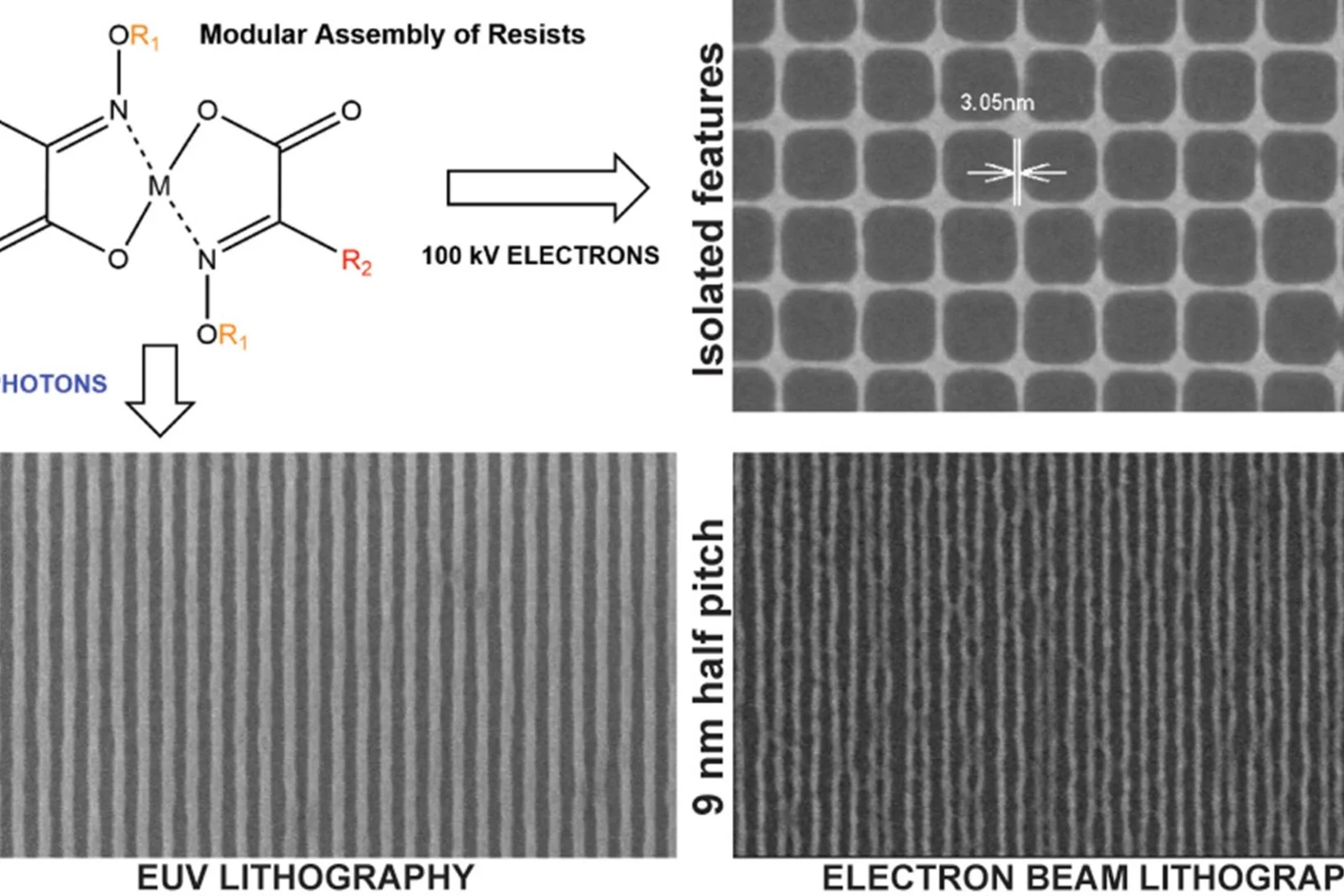
Novel Photoresist Chemistry Enables Lithography Approaching Angstrom-Scale Resolution
Photoresist materials are crucial in the manufacturing of computer chips, where the circuits are initially printed in the photoresist using photolithography. As the demand for smaller and more precise circuitry in computer chips grows, photoresists must resolve features with smaller sizes and higher density. One of the factors determining the ultimate resolution in lithography is the molecular size/mass of the photoresists.

Neuer Röntgenweltrekord: Blick in einen Computerchip auf 4 Nanometer genau
Mit einer Rekordauflösung von 4 Nanometern gelang es Forschenden am PSI, die räumliche Struktur eines Computerchips mithilfe von Röntgenlicht abzubilden.
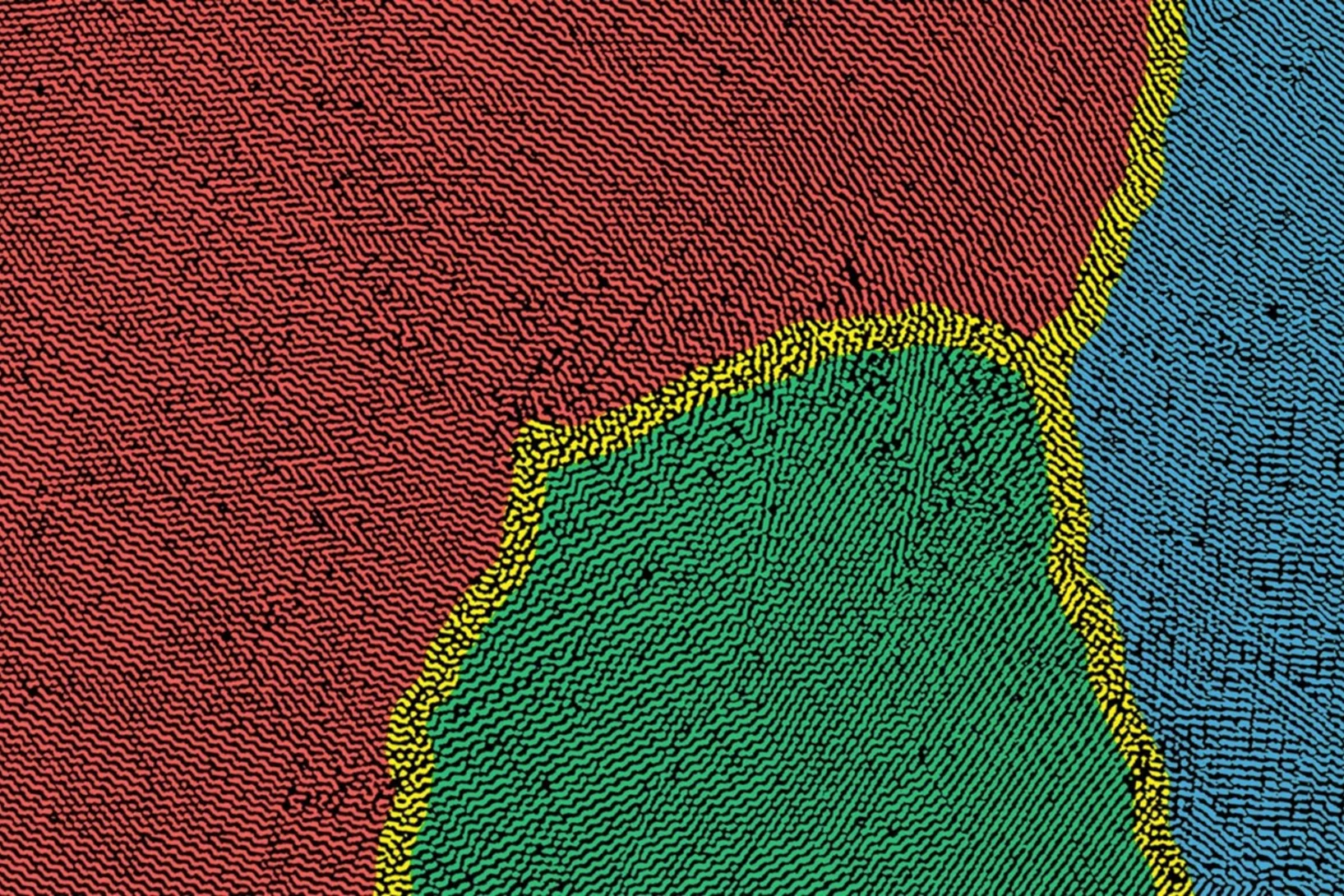
Nanoimaging Reveals Topological Textures in Nanoscale Crystalline Networks
X-ray nano-tomography reveals collective behavior in synthetic self-assembled nanostructures. The new method opens opportunities for the synthesis of photonic and plasmonic materials with improved long-range ordering.
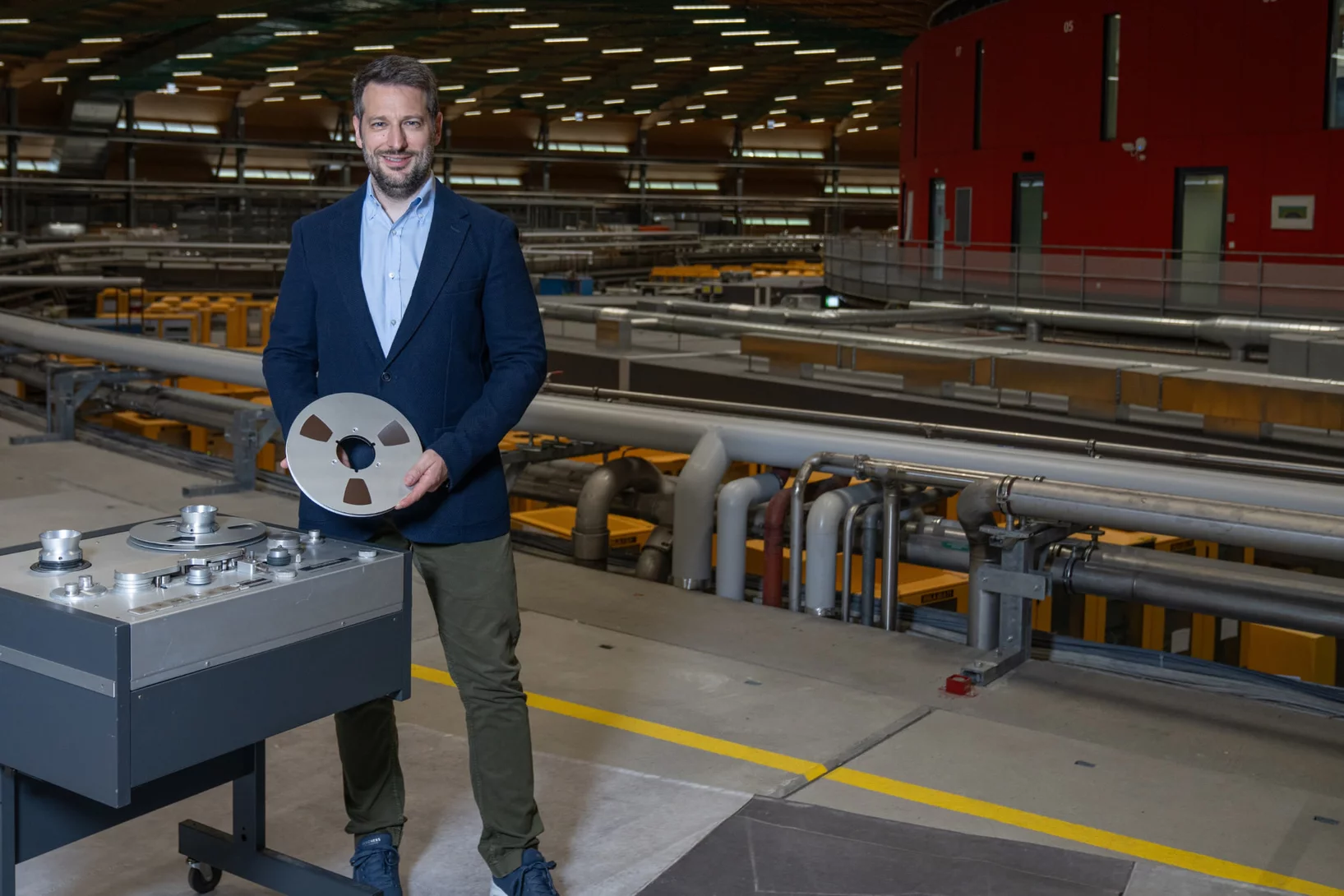
Musik mit Röntgenlicht retten
Die SLS spielt den «King of the Blues» – B.B. King! In Zusammenarbeit mit dem «Montreux Jazz Digital Project» werden am PSI historische Tonbänder digitalisiert.
Per rendere le potenti batterie al litio-aria adatte all'uso quotidiano
Utilizzo di fasci di neutroni e luce di sincrotrone per rivelare i processi chimici nelle batterie litio-aria.
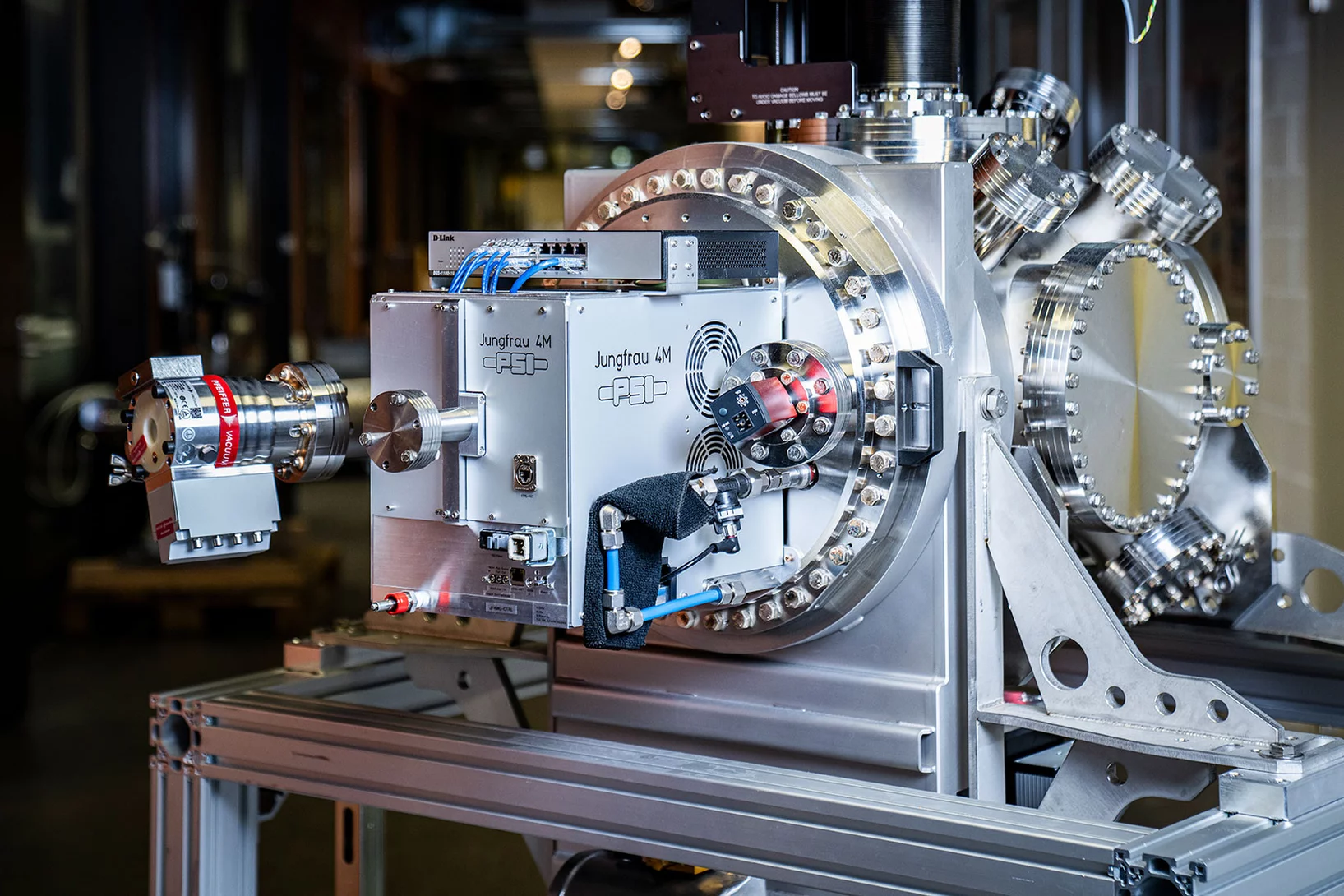
Developing detectors to transform science with light (part 2)
Part II: Why detecting soft X-rays is hard, and how a new breakthrough is set to transform low energy X-ray science.
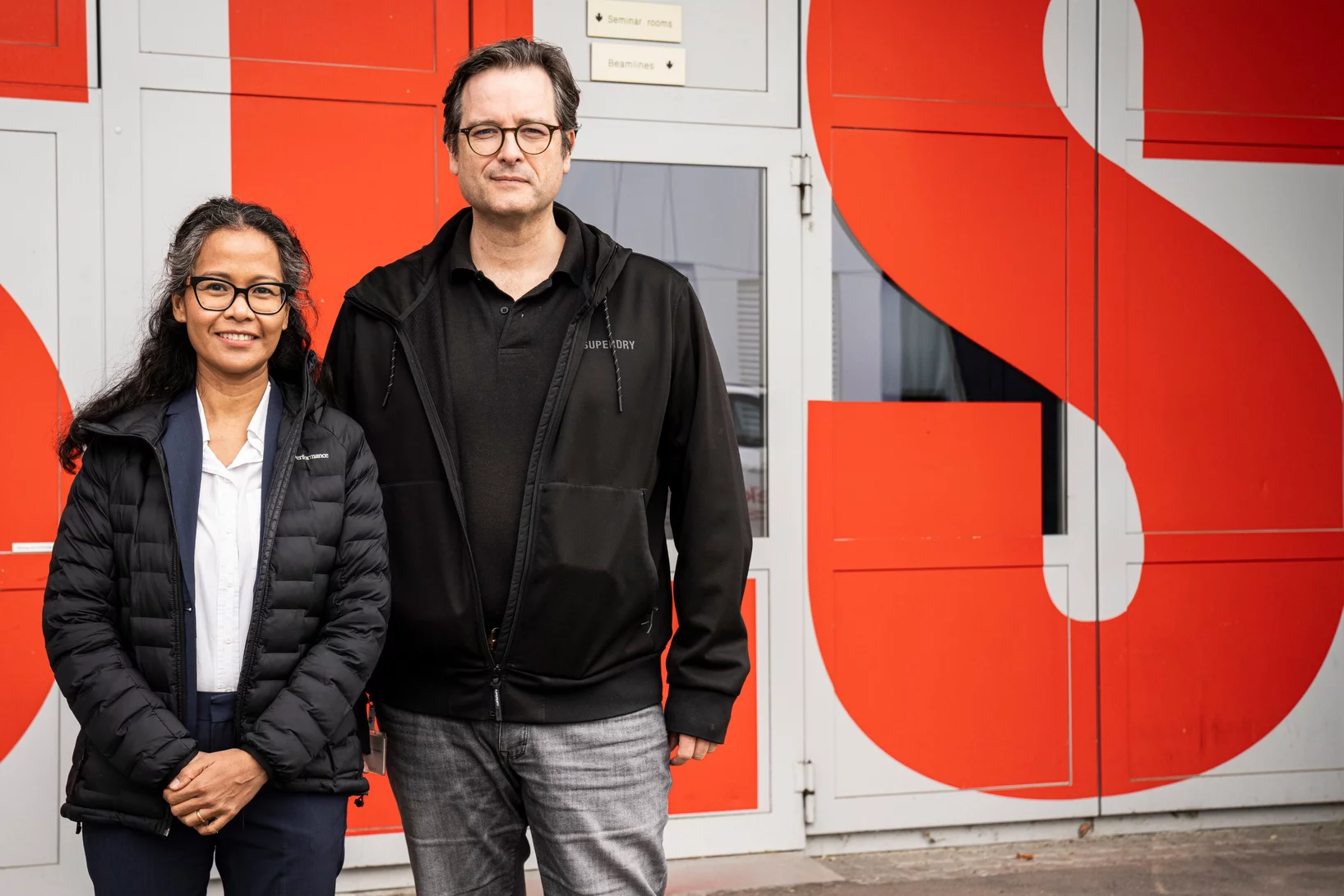
Ursache für verstopfte Spritzennadeln gefunden
Forschende des PSI und des Technologietransferzentrums ANAXAM finden die Ursache für Verstopfungen bei vorgefüllten Fertigspritzen.
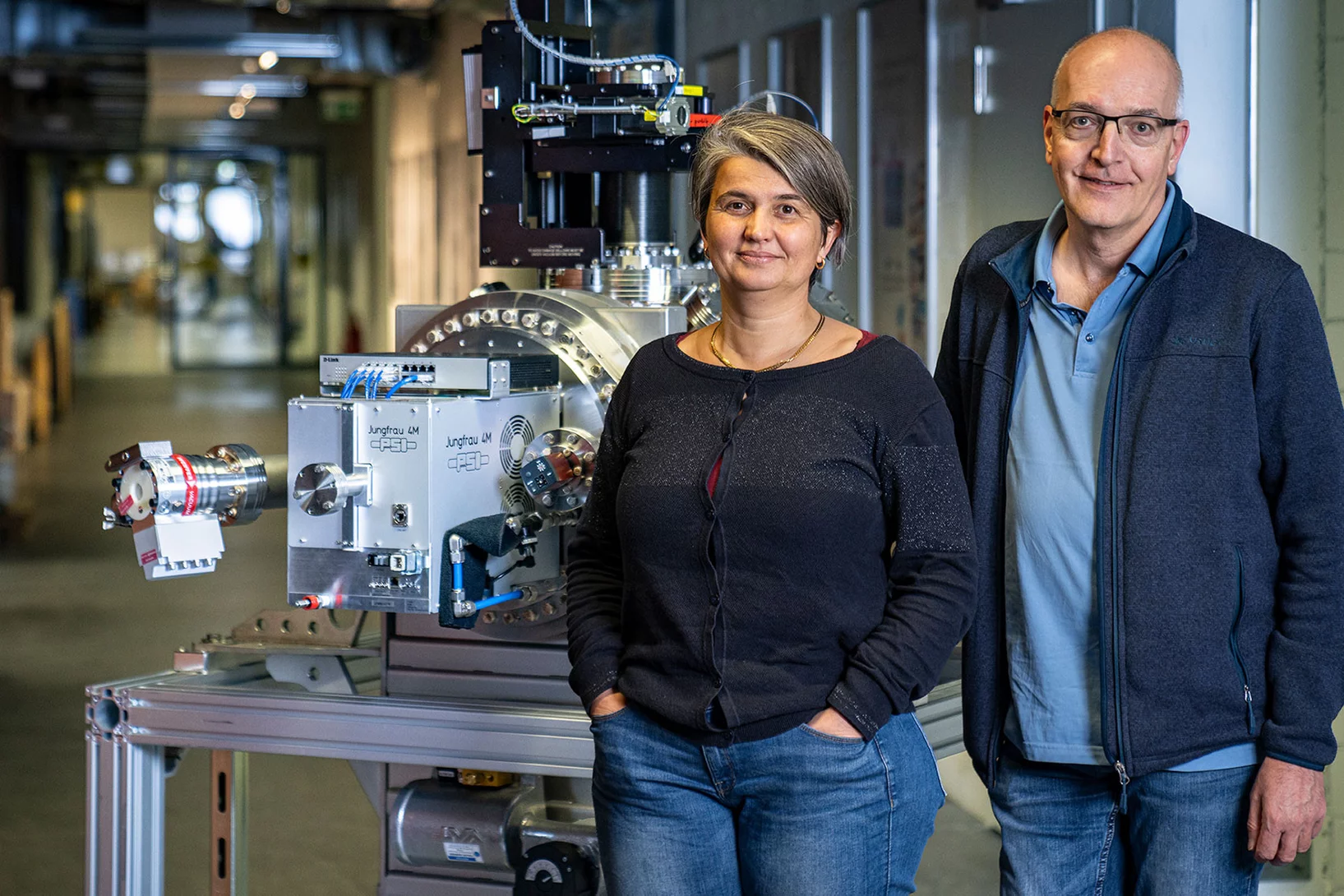
Developing detectors to transform science with light (part 1)
Part I: How the Jungfrau detector went from inception to perfection to ubiquity.

Altermagnetism proves its place on the magnetic family tree
Experiments at the Swiss Light Source SLS prove the existence of a new type of magnetism, with broad implications for technology and research.