
Show filters
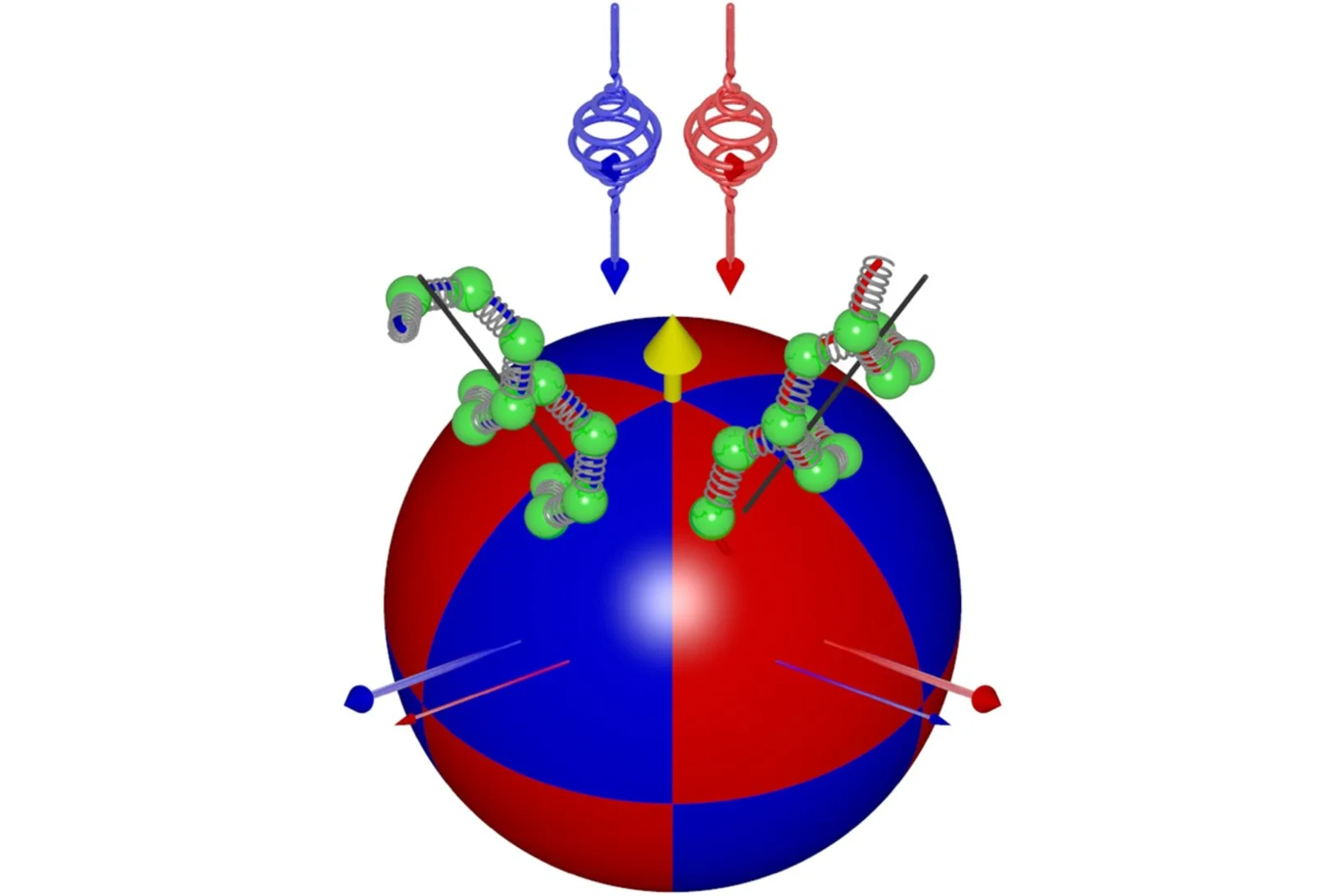
Chiral phonons in polar LiNbO3
Resonant inelastic x-ray scattering reveals that lattice vibrations can be chiral in a polar material, with phonons having opposite handedness depending on their direction in momentum space.
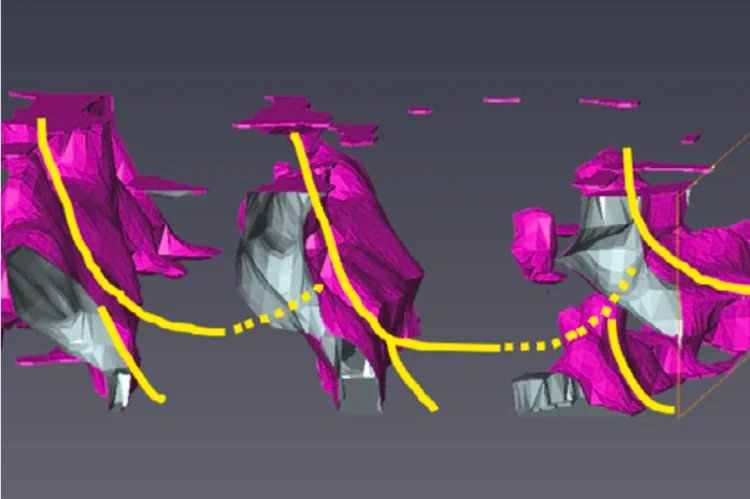
Uncovering Hidden Phases in 3D-Printed Fusion Steels
3D synchrotron X-ray mapping uncovered unexpected internal phase structures in laser-printed steels, showing how processing controls what we cannot see.
Preparing cellulose sample for soft-Xray spectro-microscopy
Different sample preparation techniques for ultrathin samples to be measured at the carbon-K-edge for chemical contrast are presented.
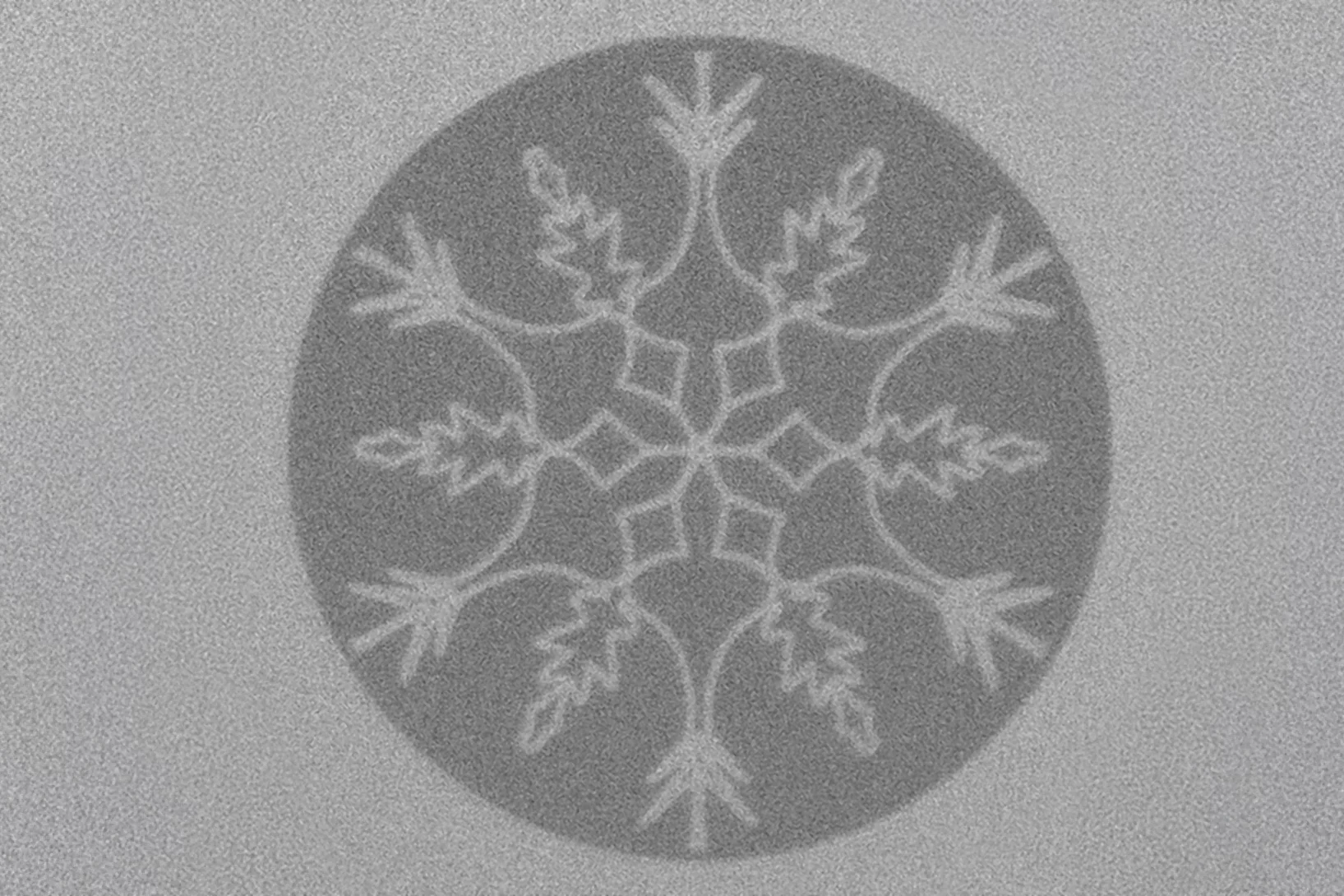
Il laser disegna paesaggi magnetici personalizzati
I ricercatori del PSI hanno trovato un metodo sorprendentemente favorevole e veloce per modificare localmente i materiali magnetici.
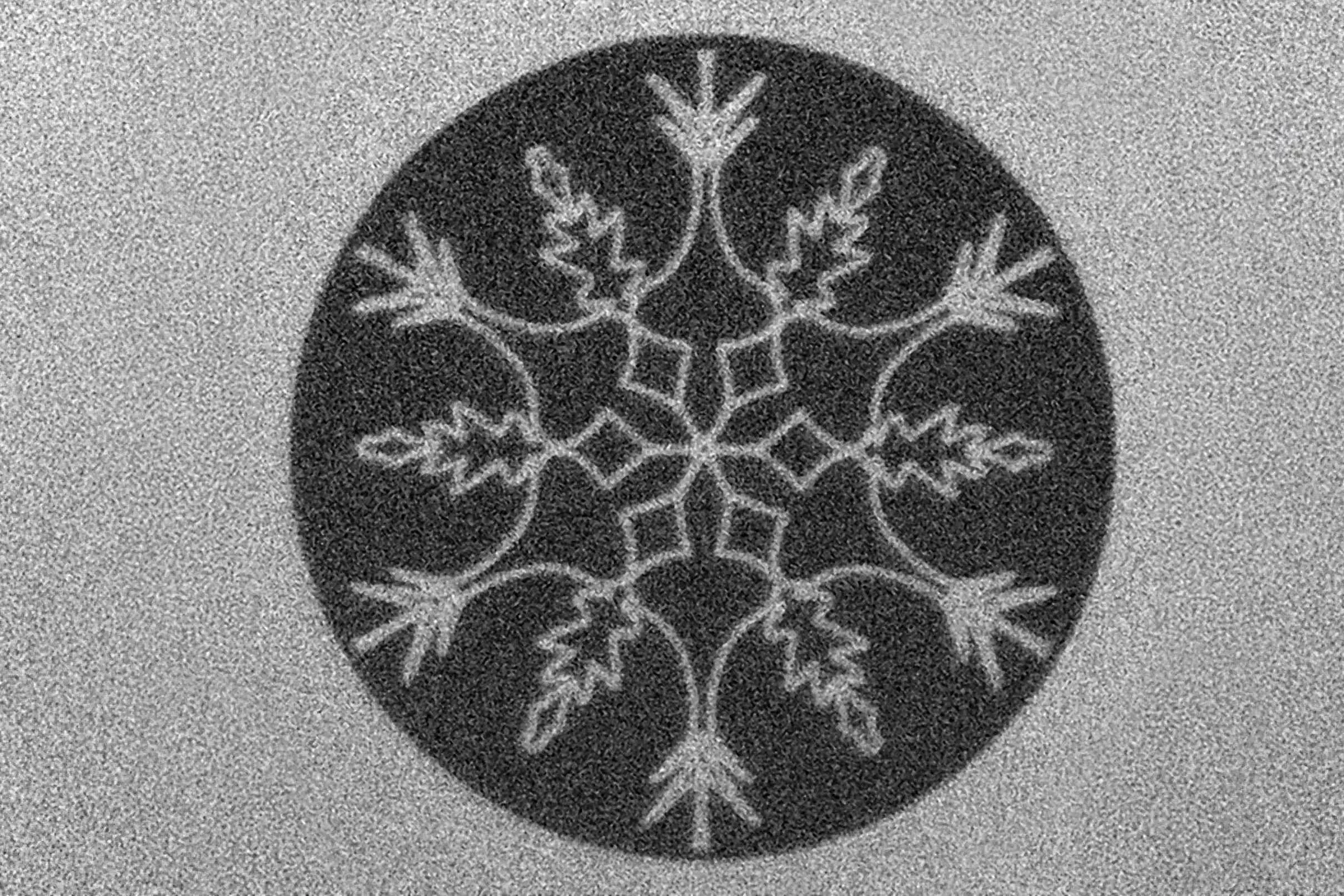
Two-dimensional gradients in magnetic properties created with direct-write laser annealing
Across the fields of magnetism, microelectronics, optics, and others, engineered local variations in material properties can yield groundbreaking functionalities that play a crucial role in enabling future technologies. One-dimensional lateral gradients in material properties give rise to a plethora of new effects in thin-film magnetic systems. However, extending such gradient-induced behaviors to two dimensions has been challenging to realize experimentally. Here, we demonstrate the creation of two-dimensional complex patterns with continuous variations in magnetic anisotropy, interlayer exchange coupling, and ferrimagnetic compensation at the mesoscopic scale in numerous application-relevant magnetic materials. We exploit our engineered gradients in material properties to demonstrate novel magnetic functionalities, including the creation of a spin wave band pass filter and an architecture for passively resetting the position of a magnetic domain wall. Our results highlight the exciting new physics and device applications enabled by two-dimensional gradients in thin film properties.
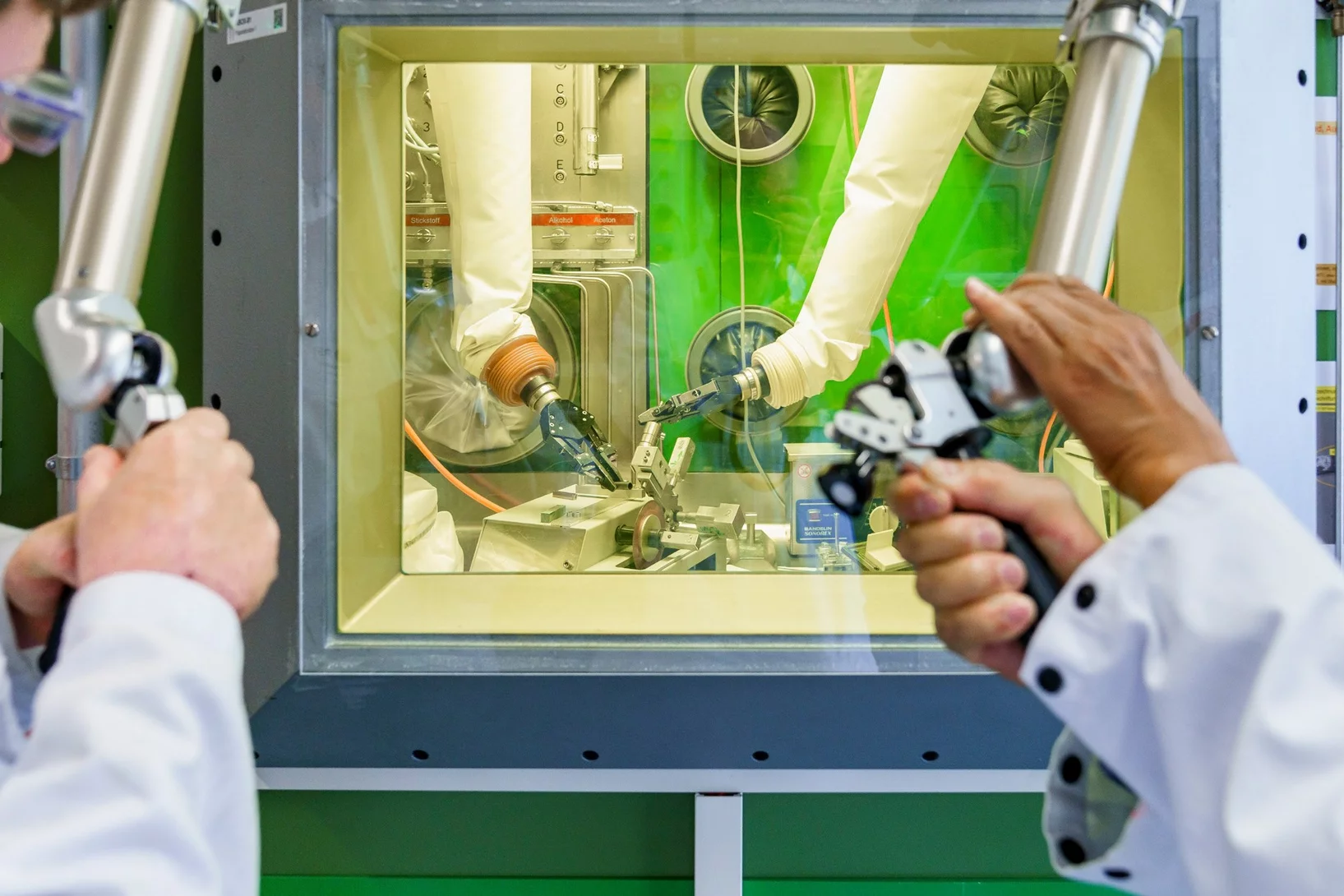
Predicting component lifetimes in nuclear facilities
For 30 years, experiments have been providing unique insight into how metals and ceramics degrade under high-energy proton bombardment.
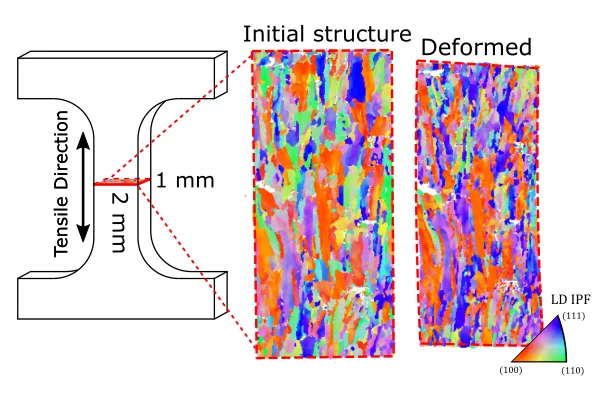
Following Twin-Formation in 3D Printed Steel
Using hard-xray microscopy to study the deformation of 3D printed steel.
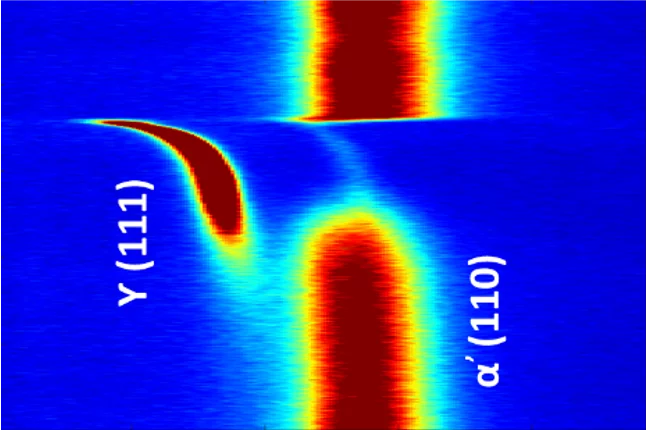
From Melt to Martensite
Real-time synchrotron X-ray diffraction reveals how different phases of steel emerge and evolve under the intense heat of laser powder bed fusion.
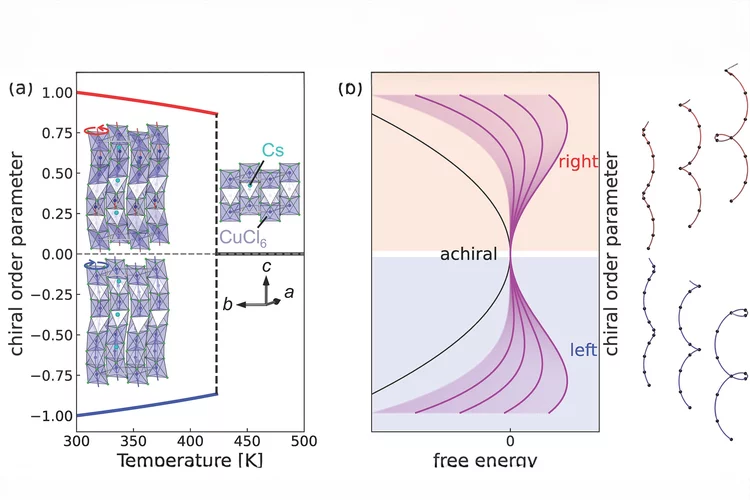
Tuning chirality amplitude at ultrafast timescales in chiral CsCuCl3
We quantify “how chiral” a crystal is, and demonstrate its tunability at ultrafast timescales. This achievement does open up a new direction in chirality-related condensed matter physics and on emergent phenomena, which have both attracted significant attention recently.
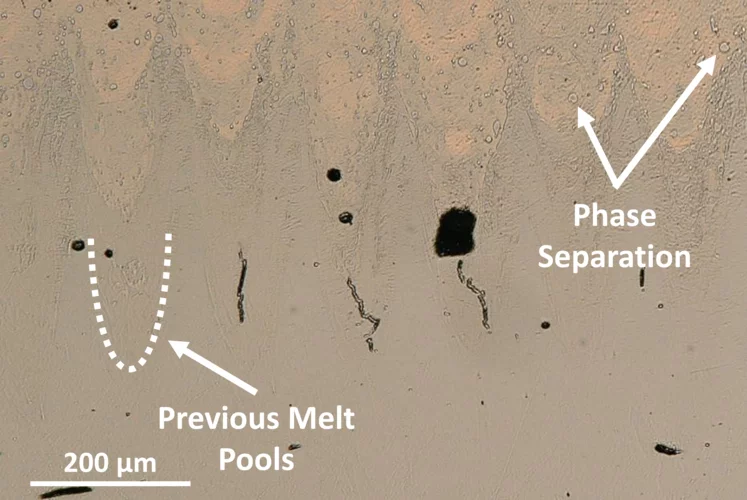
Why Ni-Cu Alloys Fail in 3D Printing
3D printing with nickel–copper alloys holds great promise — but hidden mechanisms can cause them to crack. Our latest study reveals why.
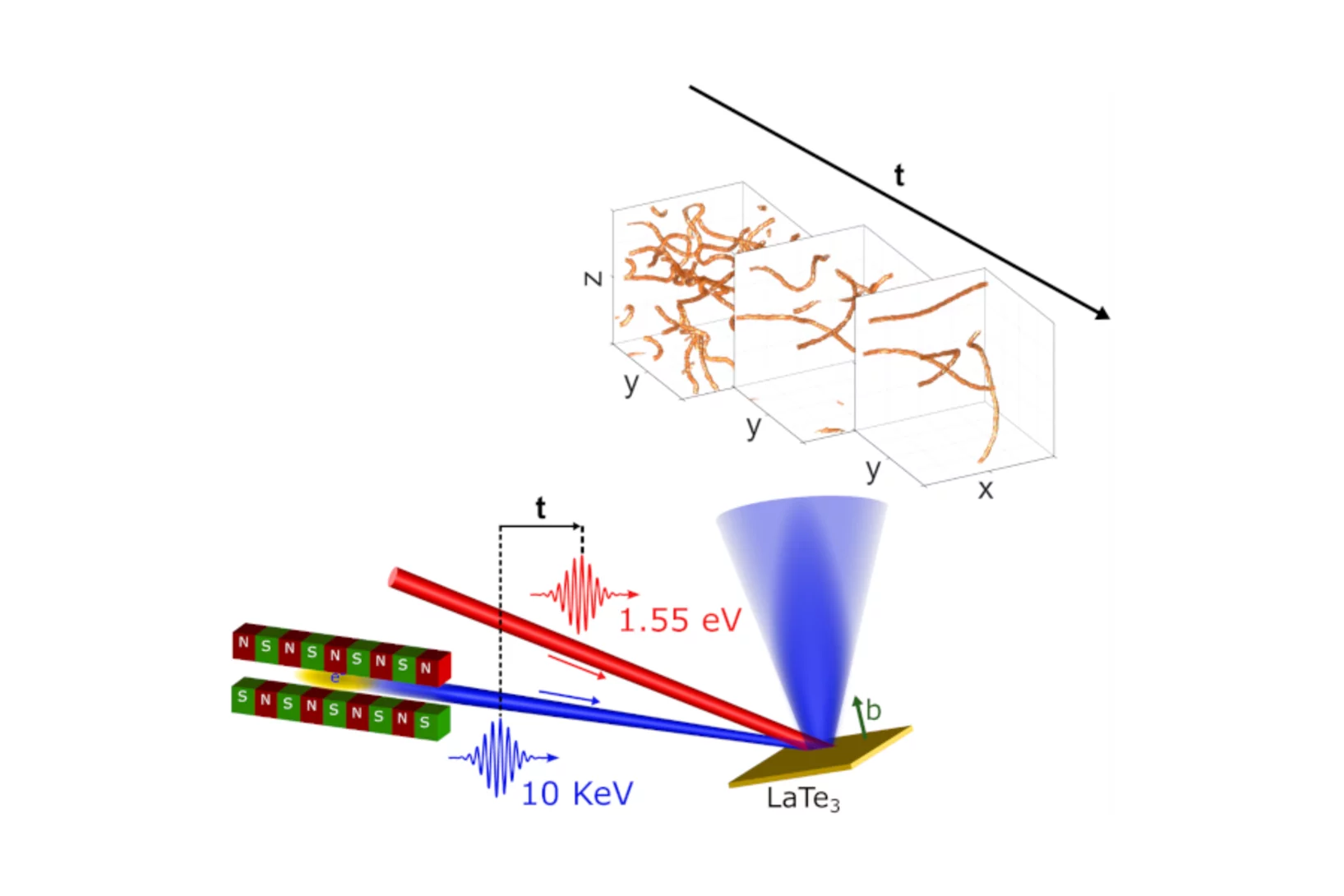
Topological defects determine evolution of charge density wave phase transition
Total scattering signals collected at SwissFEL reveal the role of topological defects when switching properties of a charge density wave material. The defect formation and dynamics after laser excitation reveals new insights into the functionality of quantum materials.

L'uomo che sussurra al cemento
John Provis ha dedicato la sua vita di ricercatore a un materiale da costruzione che è più eccitante di quanto si possa pensare.
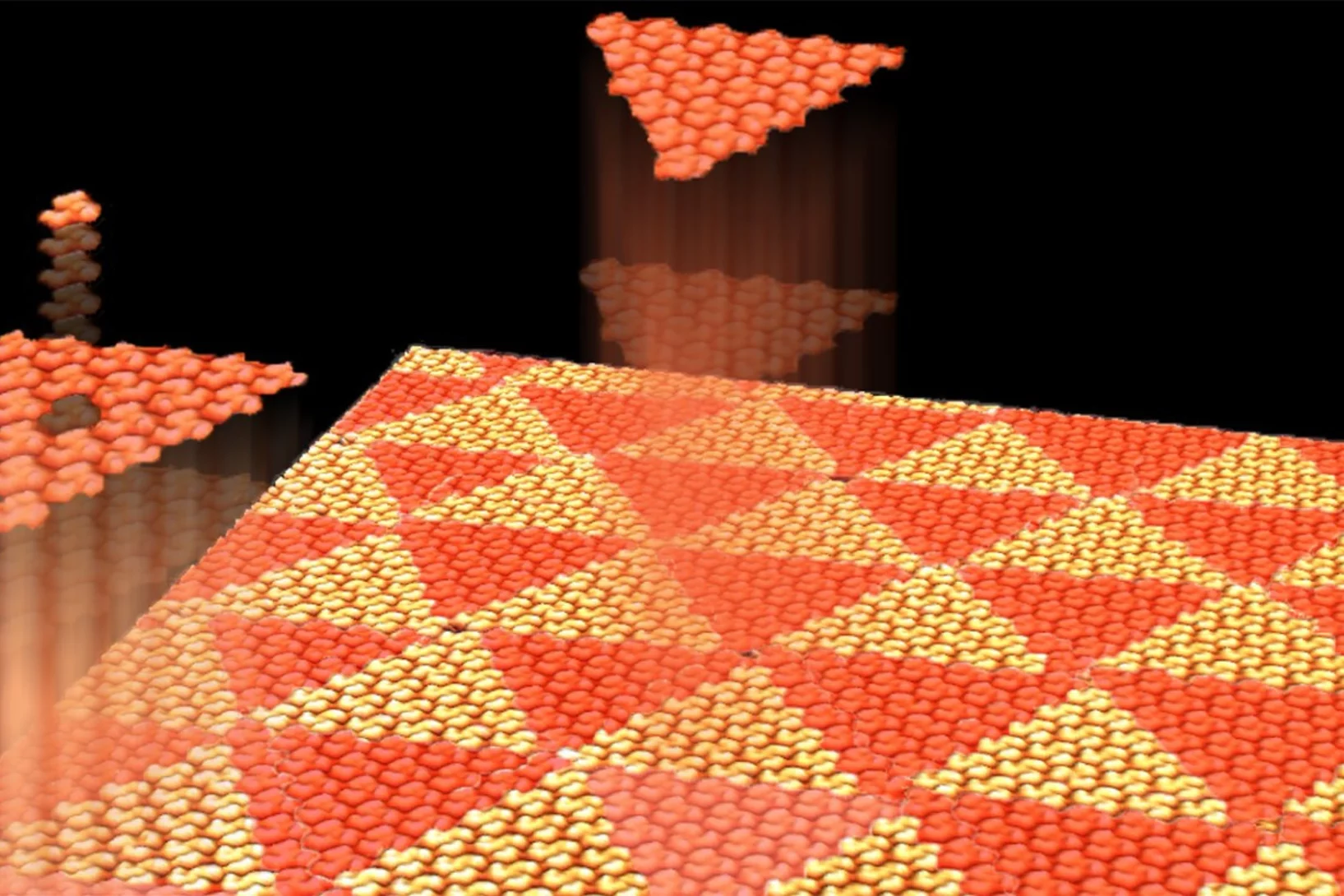
Aperiodic Chiral Tiling by Molecular Self-Assembly
The 2D self-arrangement of a molecule that resembles three-armed spirals leads to a triangular pattern that is effectively aperiodic.
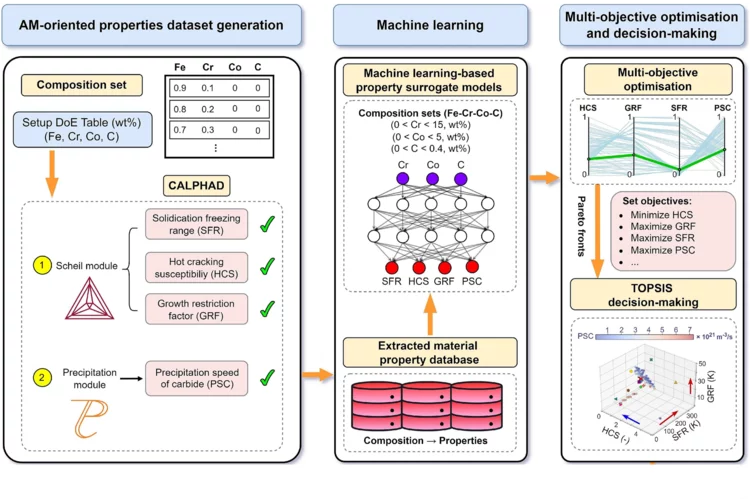
Machine Learning Accelerates Alloy Design for Additive Manufacturing
A new machine learning–designed alloy demonstrates how materials can be tailored for specific performance properties required in additive manufacturing.

Zinco rilevato nelle siringhe intasate
Con l'aiuto dei ricercatori del PSI, ANAXAM ha studiato per l'azienda farmaceutica MSD se lo zinco può contribuire all'intasamento delle siringhe pre-riempite.
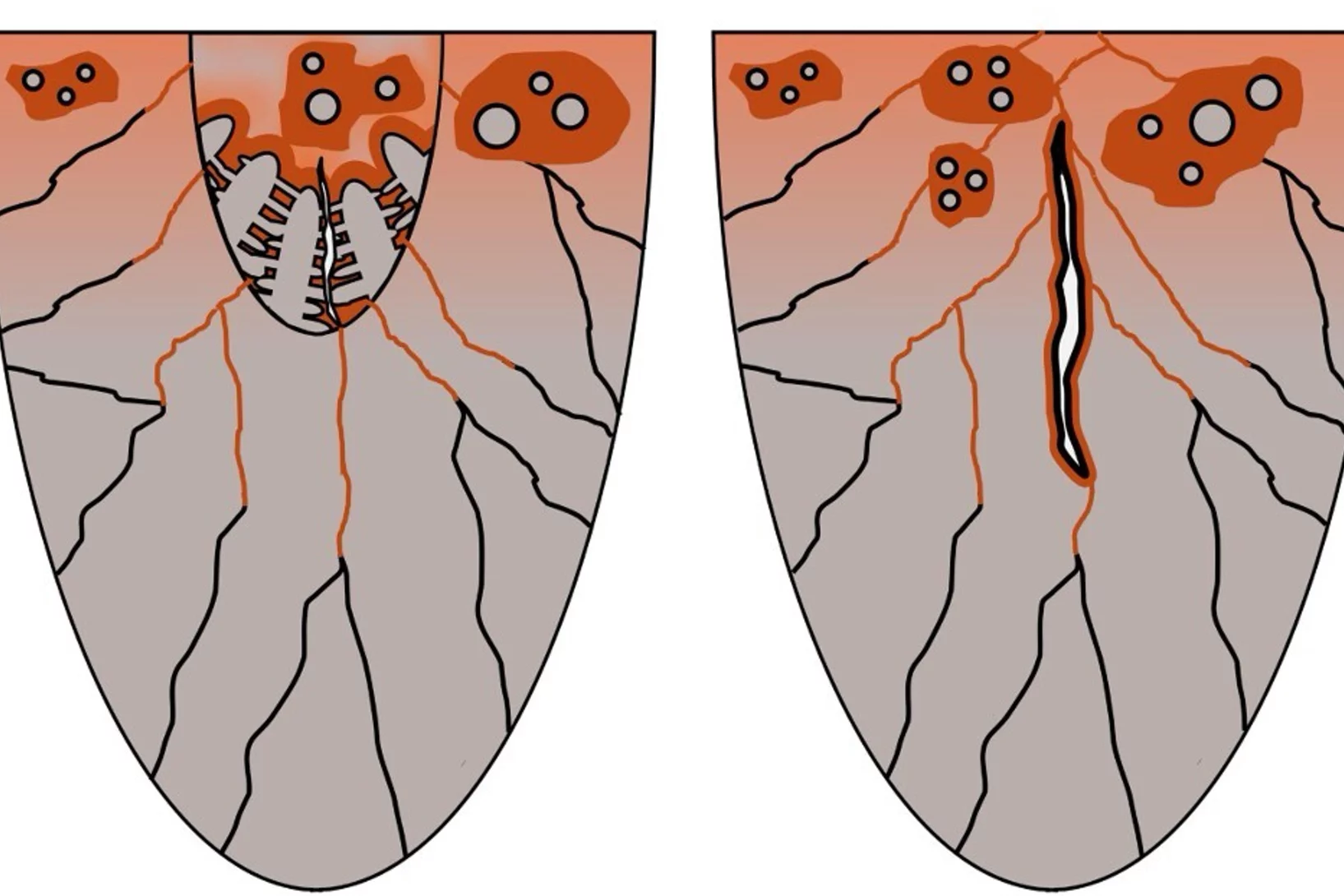
Cracking the Challenge of Steel–Copper Fusion
Why do cracks appear when joining steel and copper? We track the mechanisms in real time to find out.
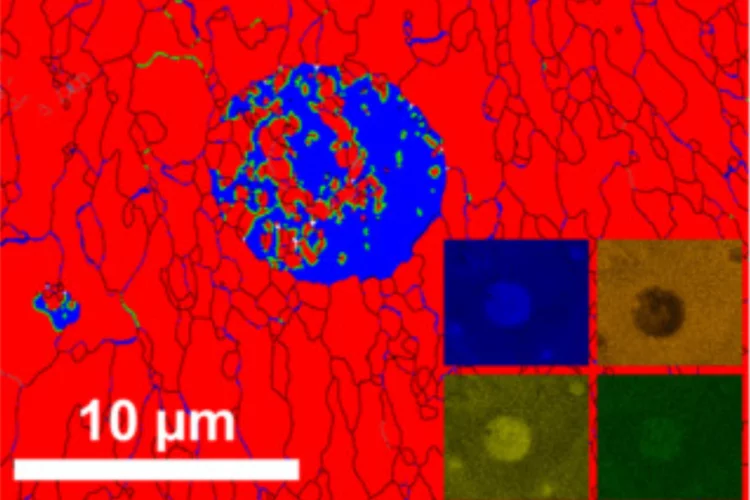
Interfacial Phase Formation in 316L–CuCrZr Hybrids
In-situ X-ray diffraction reveals how phase separation and fluid flow shape microstructure in laser-welded multi-material metal builds.
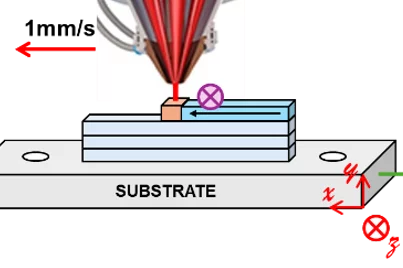
Phase by Phase: How Stainless Steel and IN625 Solidify Together
Where steel meets superalloy: real-time X-ray snapshots reveal how composition and cooling shape metal during 3D printing
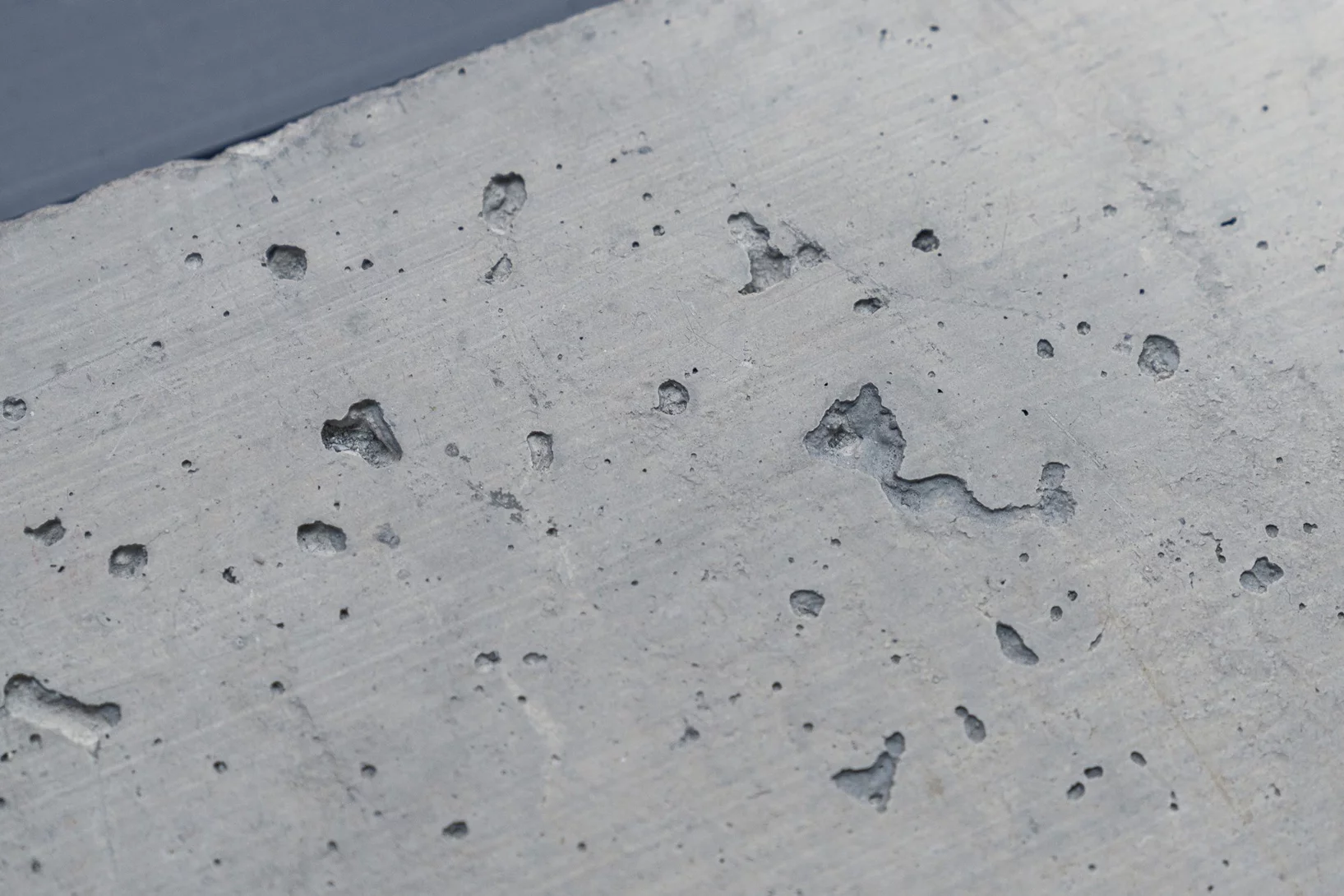
Con AI al cemento verde
I ricercatori del PSI utilizzano l'intelligenza artificiale per sviluppare formulazioni di cemento ecocompatibili.
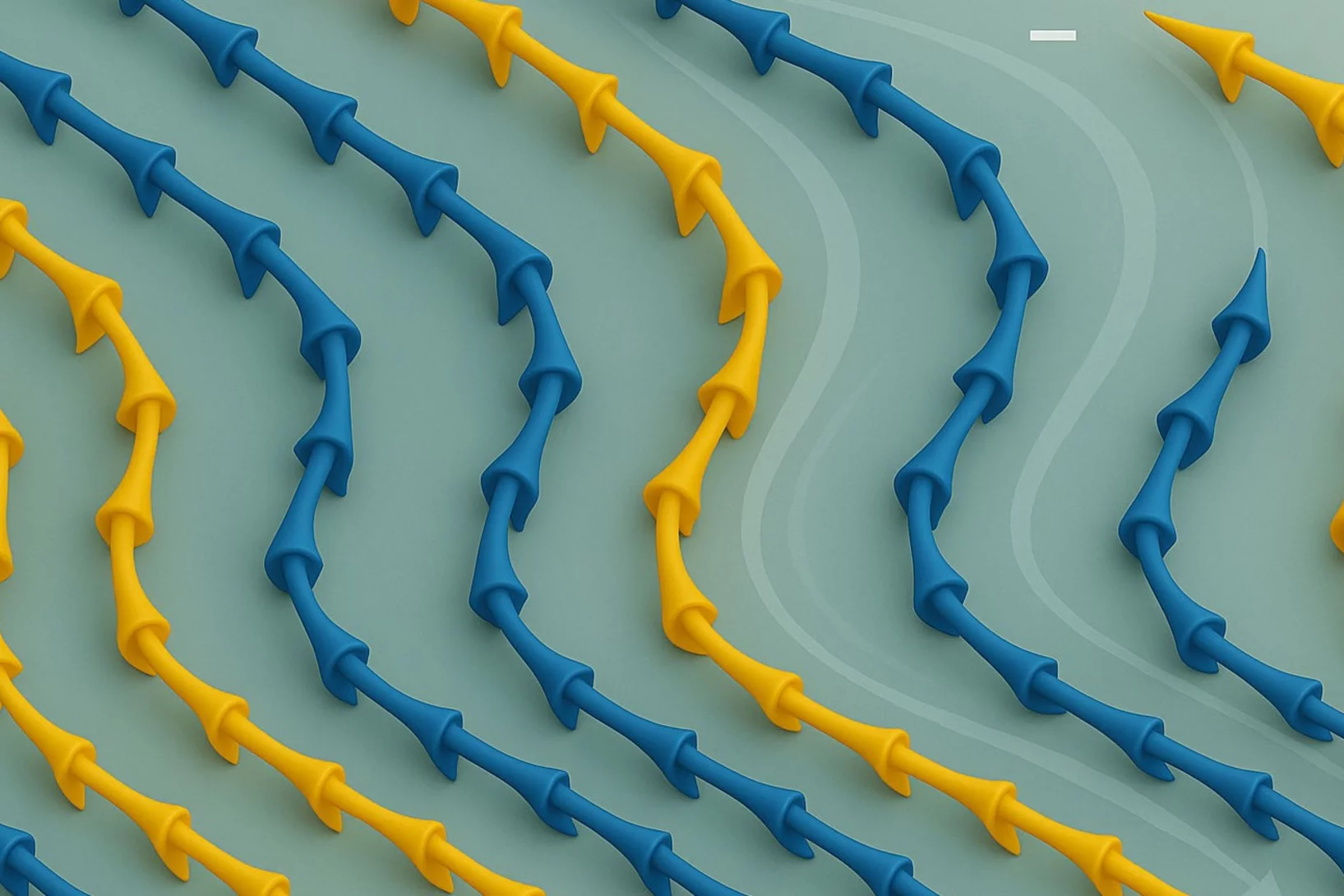
Steering magnetic textures with electric fields
Neutrons reveal a new way to control magnetism at the nanoscale

Stabilising fleeting quantum states with light
X-rays from SwissFEL probe emergent properties of quantum materials

Inaugurato in Svizzera il Centro di eccellenza dell'ESA
L'inaugurazione del "Centro Europeo di Innovazione Deep-Tech" ESDI ha riunito ospiti di alto livello.
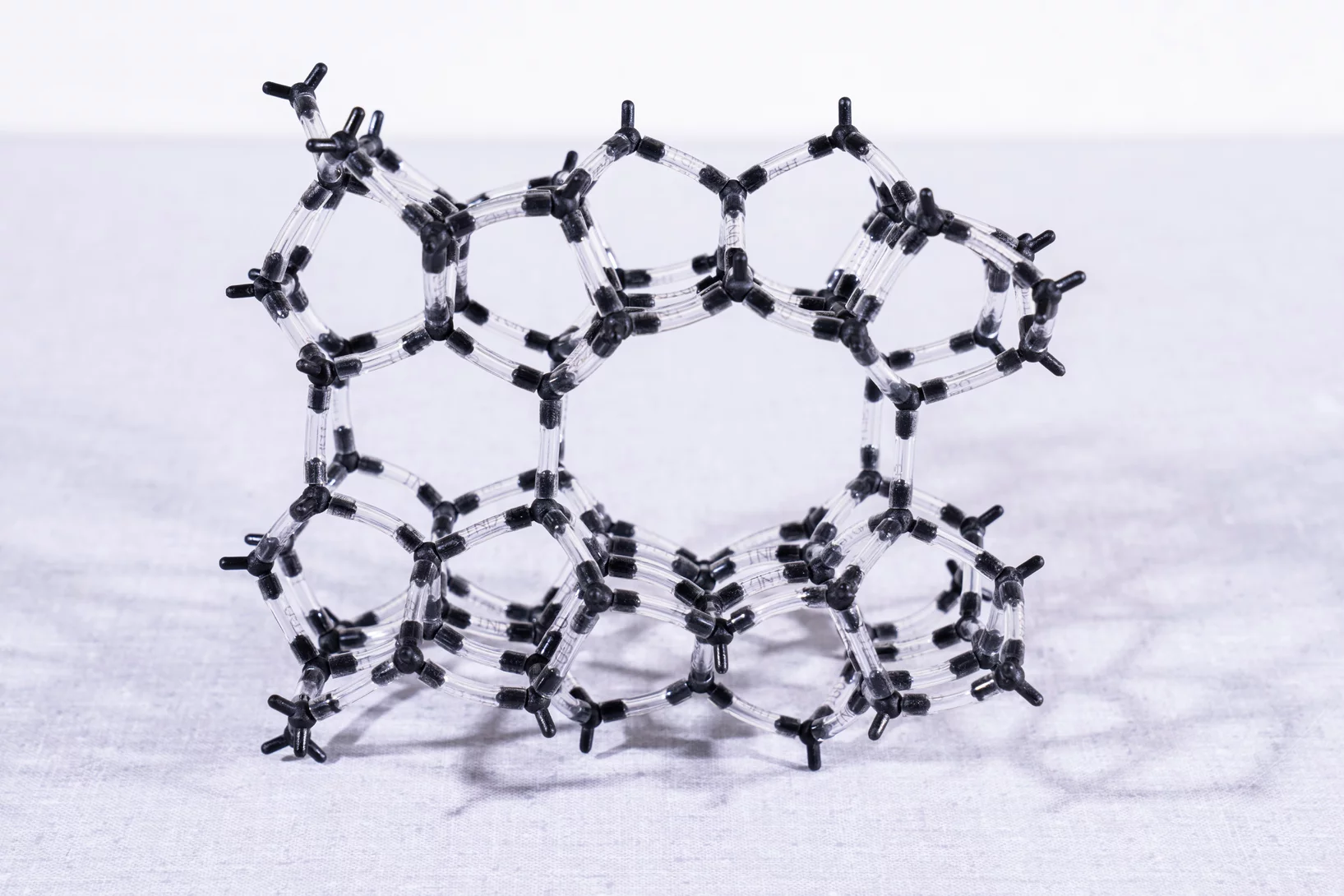
Aluminium sichtbar gemacht
PSI-Forschende haben in Zeolithen erstmals die genaue Lage der Aluminiumatome bestimmt, welche die Materialien zu so guten Katalysatoren machen.
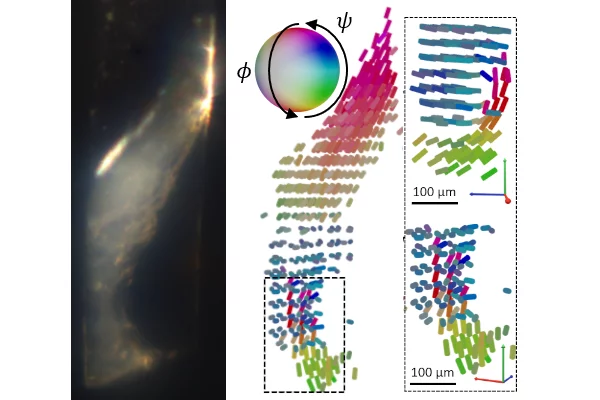
Nanostructure orientation in 3D with visible light by Tomographic Müller-Polarimetric Microscopy
We developed a new method, tomographic Müller-polarimetric microscopy (TMPM), that allows to retrieve at three-dimensional microscopic resolution the nanoscale structural information of the ultrastructure probed with polarized light in a non-destructive manner using a low cost and experimentally simple optical setup.
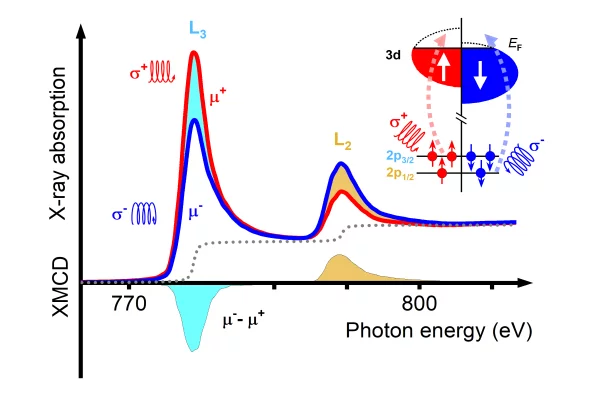
Primer on X-ray magnetic circular dichroism
X-ray magnetic circular dichroism (XMCD) is a magneto-optical effect that describes the difference in absorption between left and right circularly polarized X-rays by a magnetized material. It has been widely applied to the study of magnetic systems and of magnetic phenomena and its unique capabilities make it a fundamental tool for the study of novel magnetic phenomena and new materials systems.
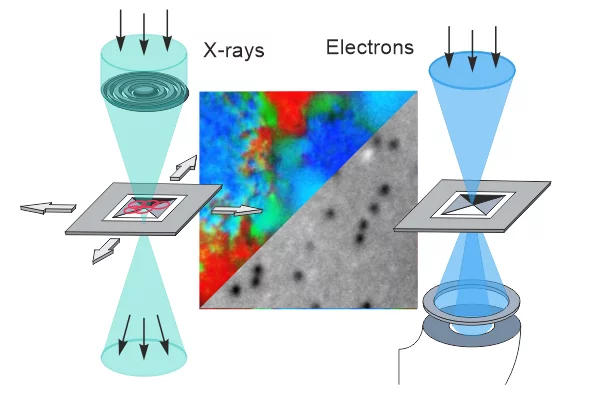
Correlating transmission electron and soft x-ray microscopy to bridge atomic- and mesoscales
Transmission electron and soft x-ray microscopy have contributed significantly to our understanding of phenomena in fields ranging from biology to materials science. In this review, we present recent developments in combining transmission electron and soft x-ray microscopy techniques, including progress in sample environment, and in situ and operando approaches and highlight the unique opportunities offered by fully correlative transmission electron and soft x-ray microscopy.

Antiferrodistortive and ferroeletric phase transitions in freestanding films of SrTiO3
Epitaxially grown thin films are commonly used to strain engineer electronic properties by the choice of a substrate, and therefore do not match bulk properties (leading to properties that deviate from the bulk material). Free standing ultrathin oxide films are expected to preserve the bulk-like properties due to the absence of substrate influence. However, we show that this expectation is not fulfilled with ultrathin free standing SrTiO3, as they get ferroelectric at 80K.
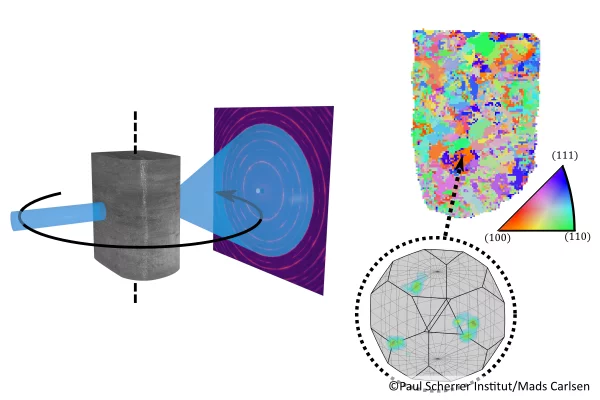
Mapping crystallite orientation in bulk polycrystals
A new experimental technique allows the orientation distribution of small-grained polycrystal materials to me mapped in 3D.
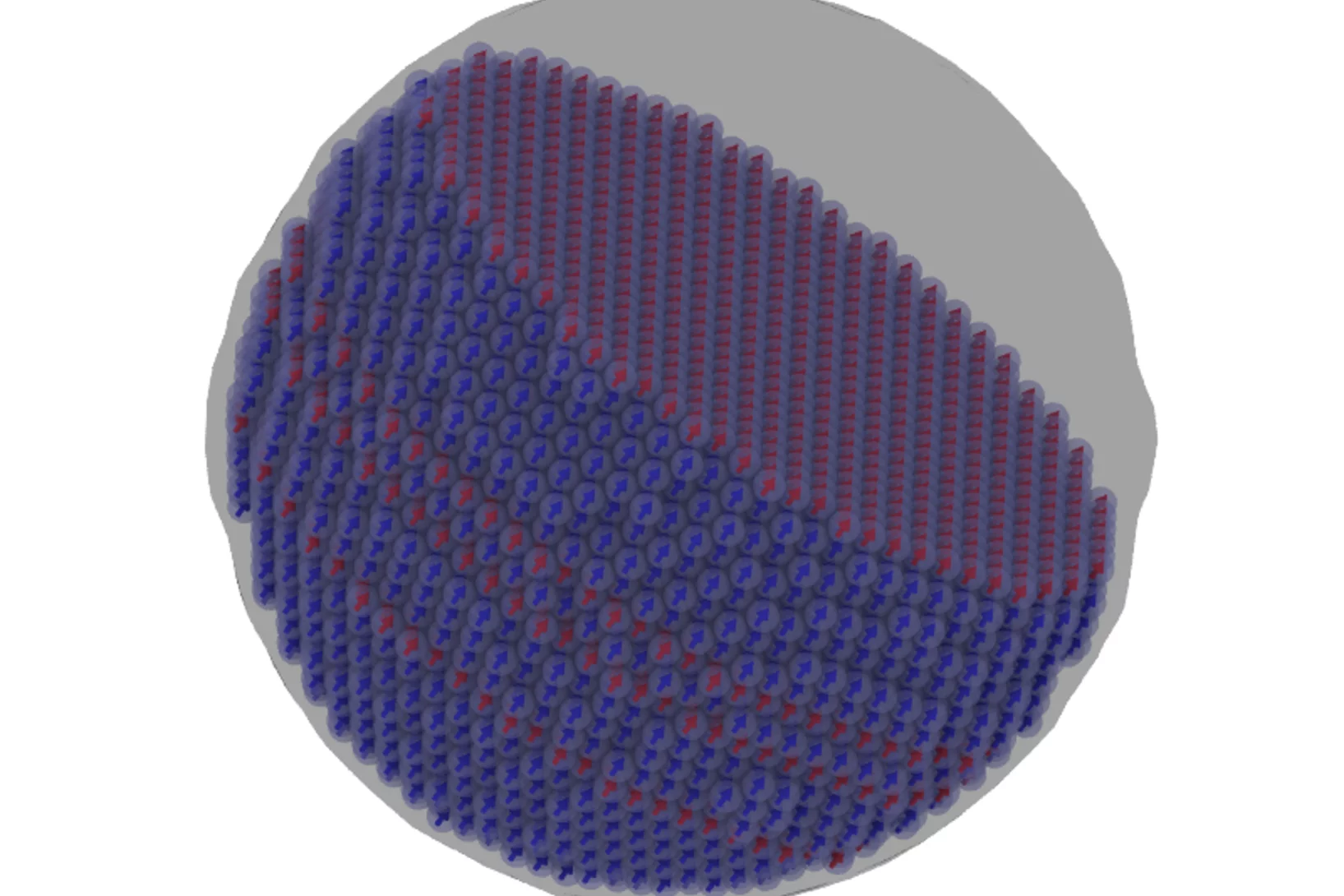
Defect structure controls the thermal magnetic switching rate of nano-sized metallic particles.
Past experiments done at the Paul Scherrer Institut, probed the thermal switching properties of nano-sized metallic magnetic particles
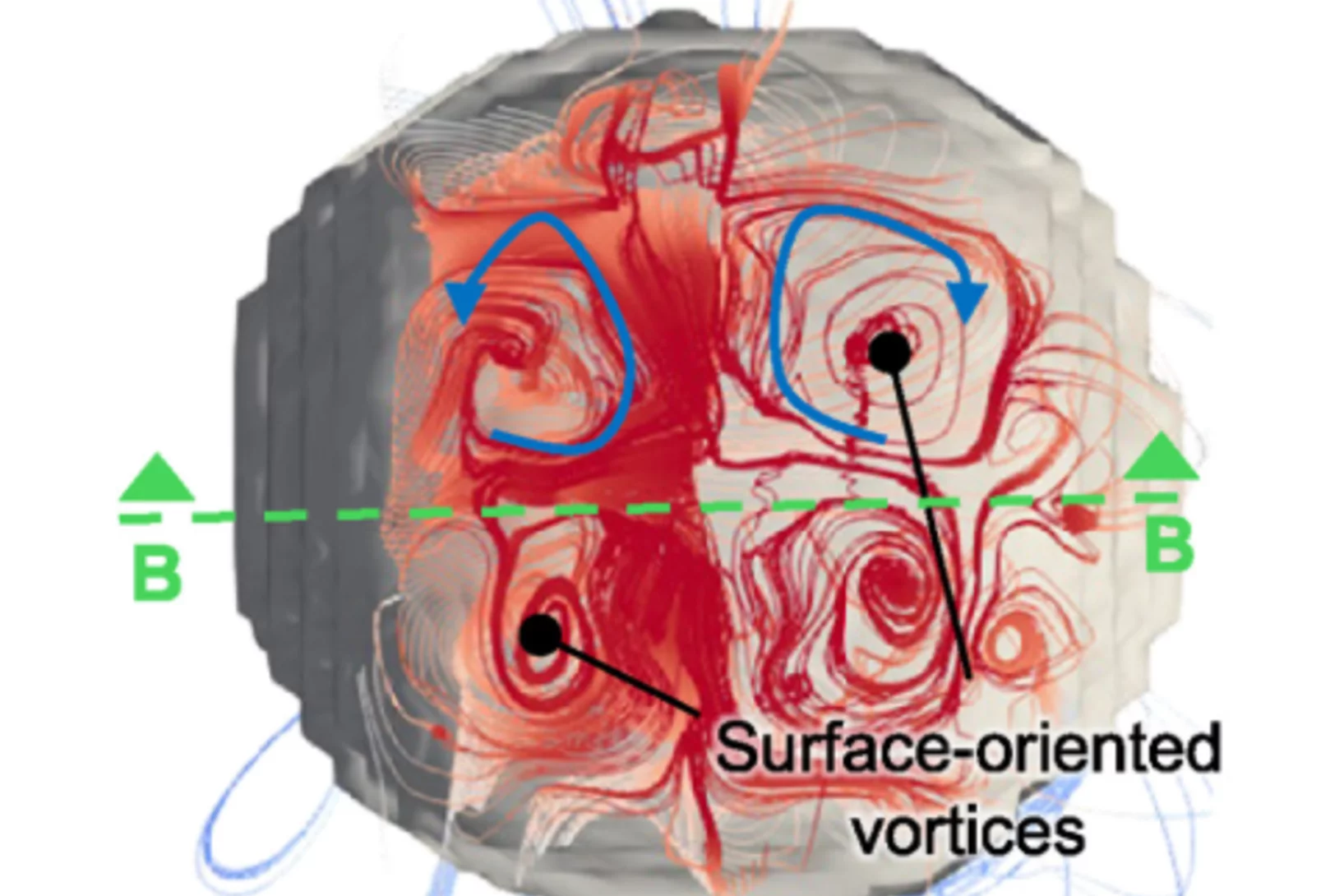
Rethinking 3D Printing for ceramics
Using a powerful combination of in-situ X-ray imaging and high-fidelity simulations, researchers uncover how alumina behaves under laser-based 3D printing—paving the way for more reliable ceramic additive manufacturing.
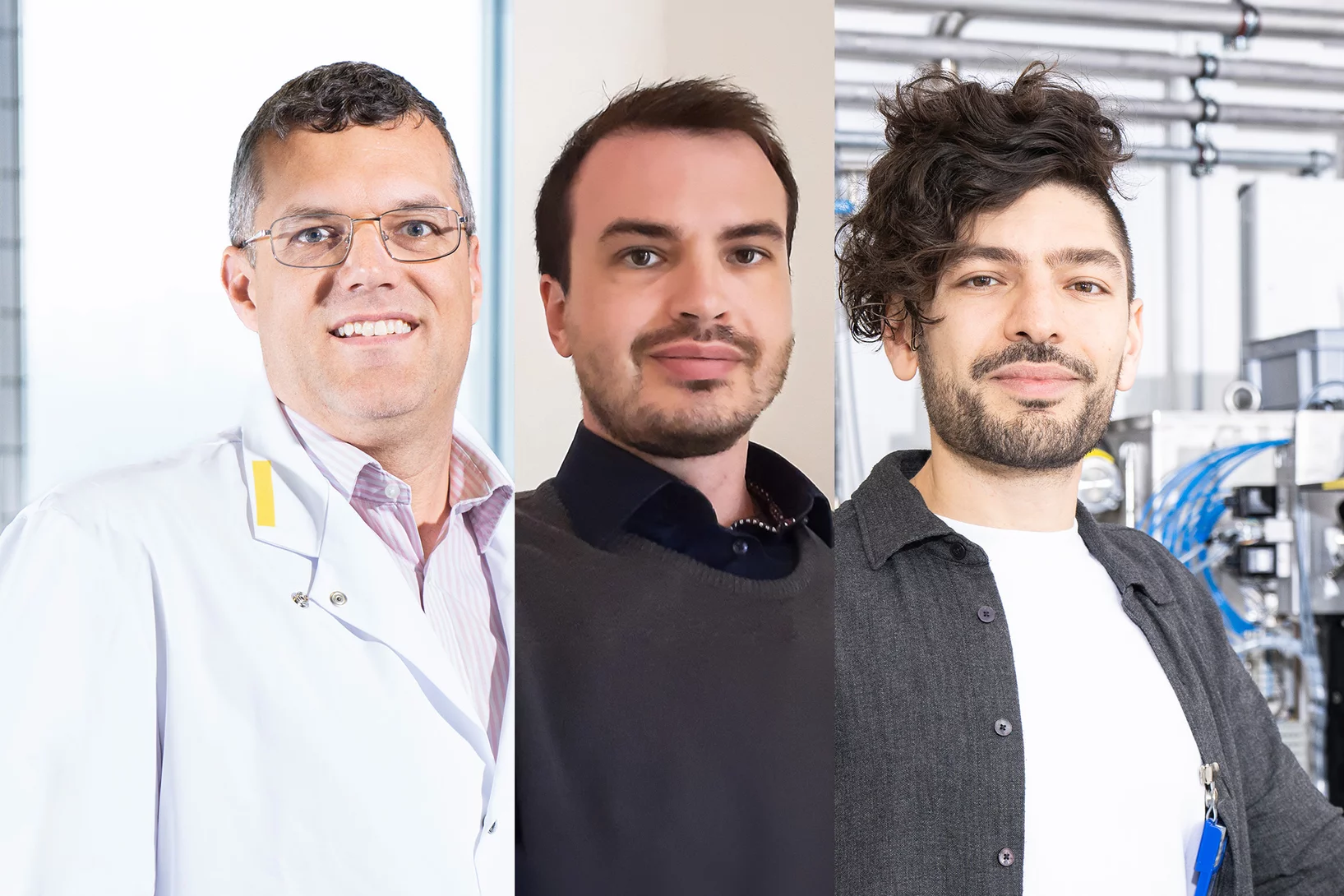
Prestigiosi finanziamenti per la ricerca del PSI
Calcestruzzo, catalisi chimica e ricerca di nuova fisica: tre ricercatori del PSI hanno ricevuto una sovvenzione dal Fondo Nazionale Svizzero per questi temi di ricerca.
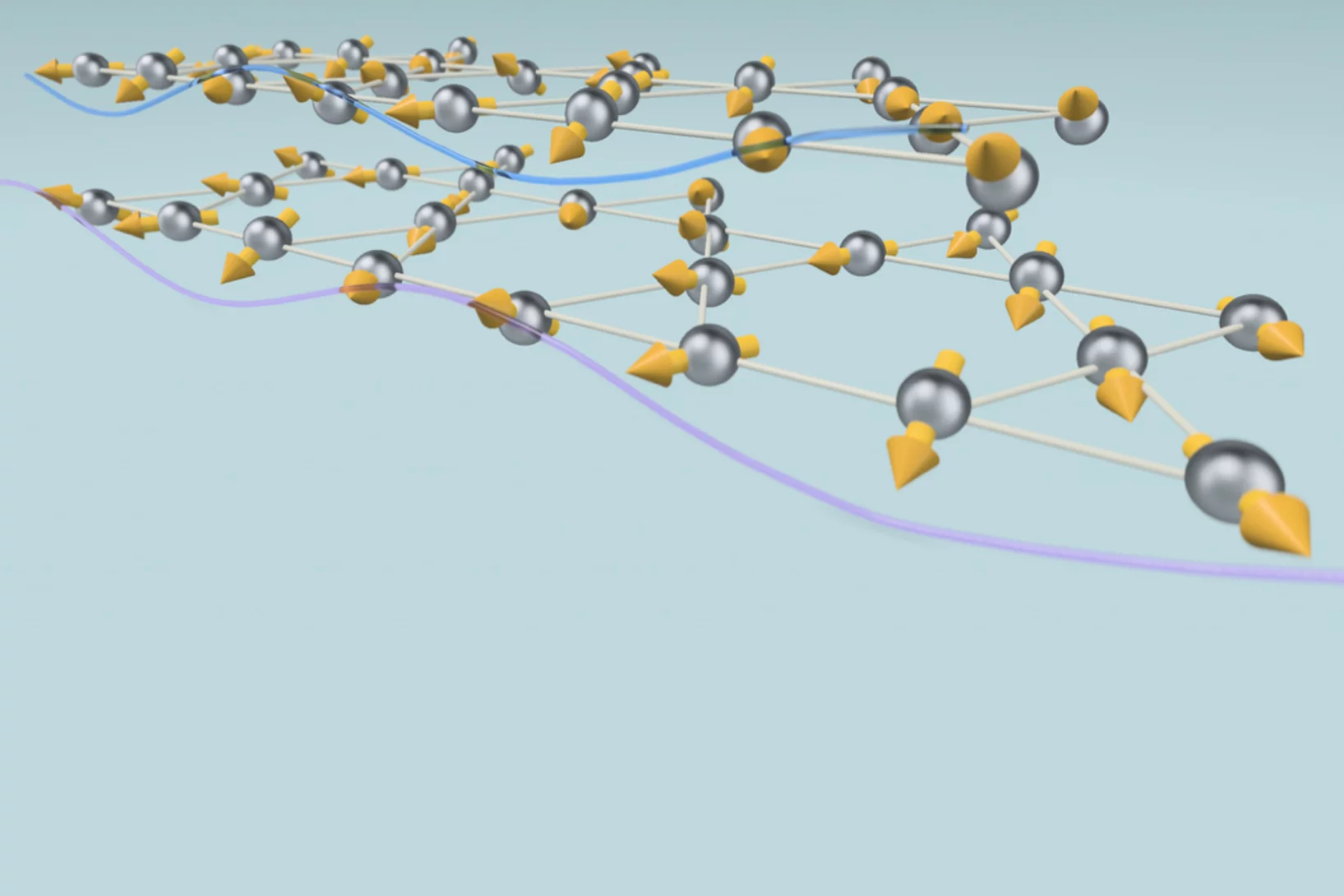
A new dimension of complexity for layered magnetic materials
X-rays reveal magnetic phenomena driven by interactions between the layers of a kagome ferromagnet
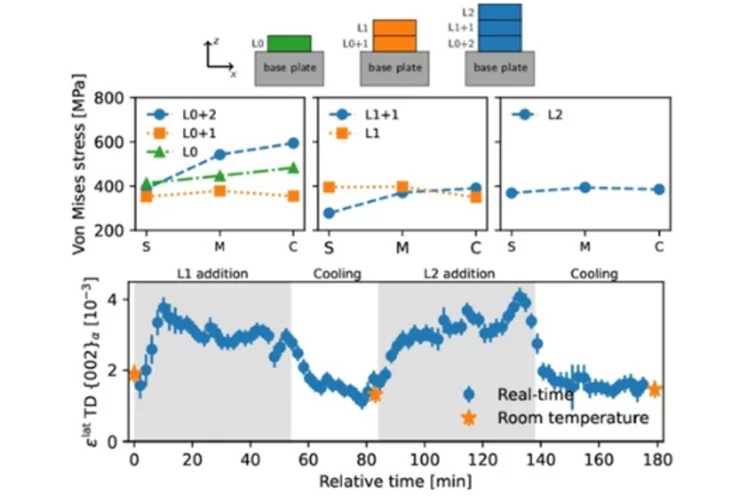
Texture and residual stress evolution during 3D printing
Discover how advanced neutron diffraction sheds light on the evolution of stress and texture in 3D-printed duplex stainless steel.
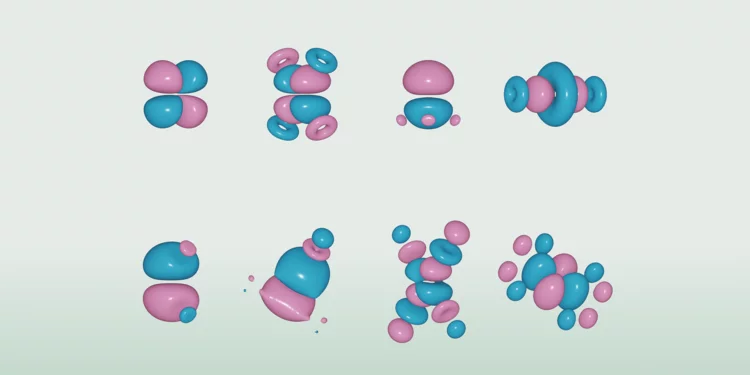
Mapping the ecosystem of Wannier Functions software
A new review article, just published in Reviews of Modern Physics and highlighted on the journal cover, provides a map to the vast landscape of software codes that allow researchers to calculate Wannier functions, and to use them for materials properties predictions. The authors, from all over Europe and the USA, include two PSI scientists. After providing readers with the theoretical foundations on Wannier functions and their calculation, together with intuitive graphical schematics to explain what Wannier functions are, the authors map the existing Wannier codes and the key applications.
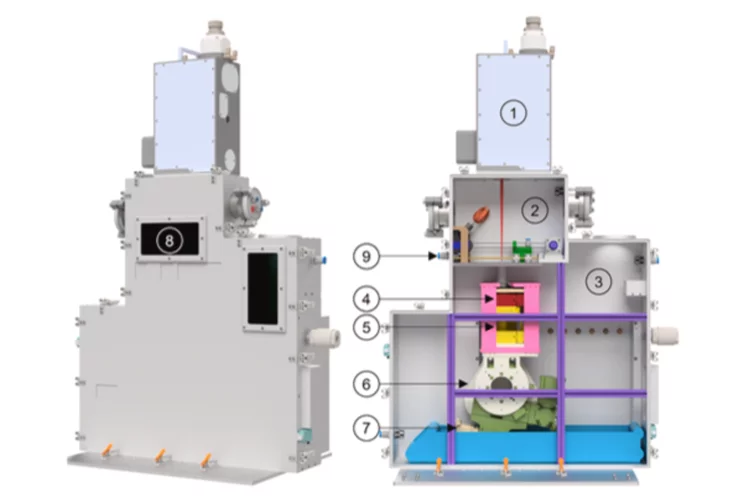
Operando Neutron Characterization During 3D Printing
A new laser powder bed fusion device enables real-time neutron diffraction and imaging, providing detailed insights into structural evolution, defect formation, and temperature mapping during metal additive manufacturing.
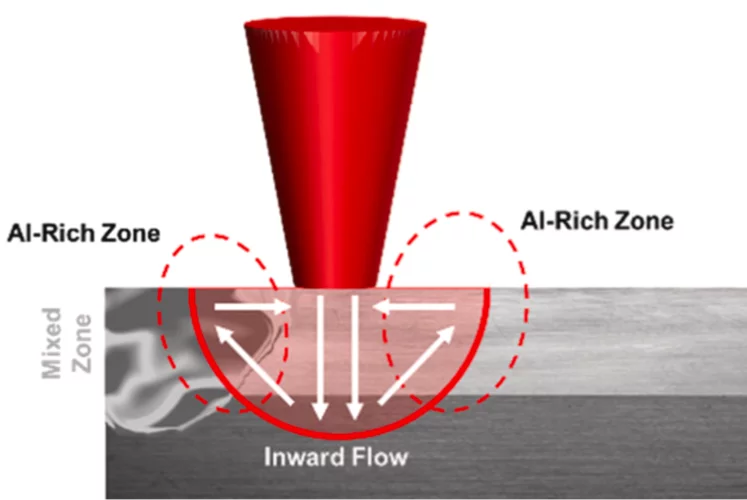
Mitigating Cracks in Multi-Material Printing
Integrating metallic powders with thin foils in laser powder bed fusion can reduce interfacial cracks and improve microstructure quality in titanium-aluminum multi-material printing.
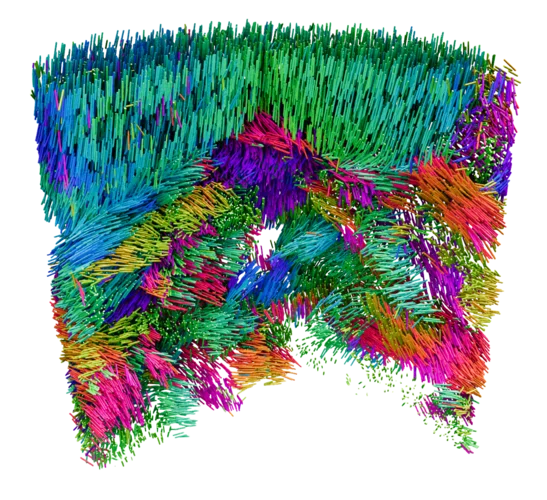
Mapping the Nanoscale Architecture of Functional Materials
A new X-ray technique reveals the 3D orientation of ordered material structures at the nanoscale, allowing new insights into material functionality.
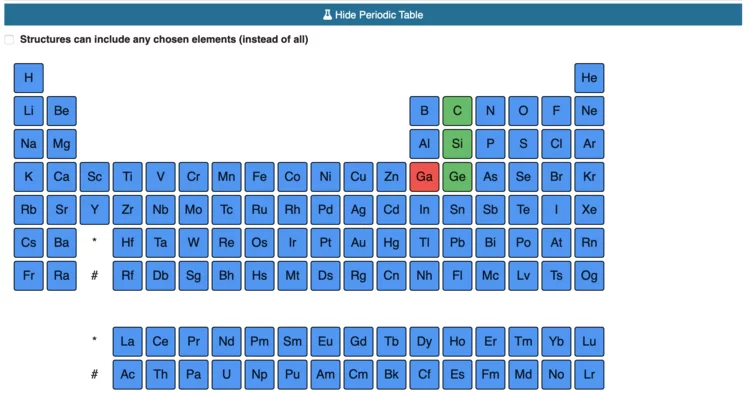
New widgets and extensions expand the OSSCAR platform for educational notebooks in materials science
In a new article published in Computer Physics Communications, the team of the Open Software Services for Classrooms and Research project (OSSCAR) describes how to create custom widgets and extensions that can be used in interactive notebooks to teach computational materials science. The article also introduces two new entries in OSSCAR: a widget to display an interactive periodic table that allows users to group elements into different states, and one to plot and visualize electronic band structures and density of states.
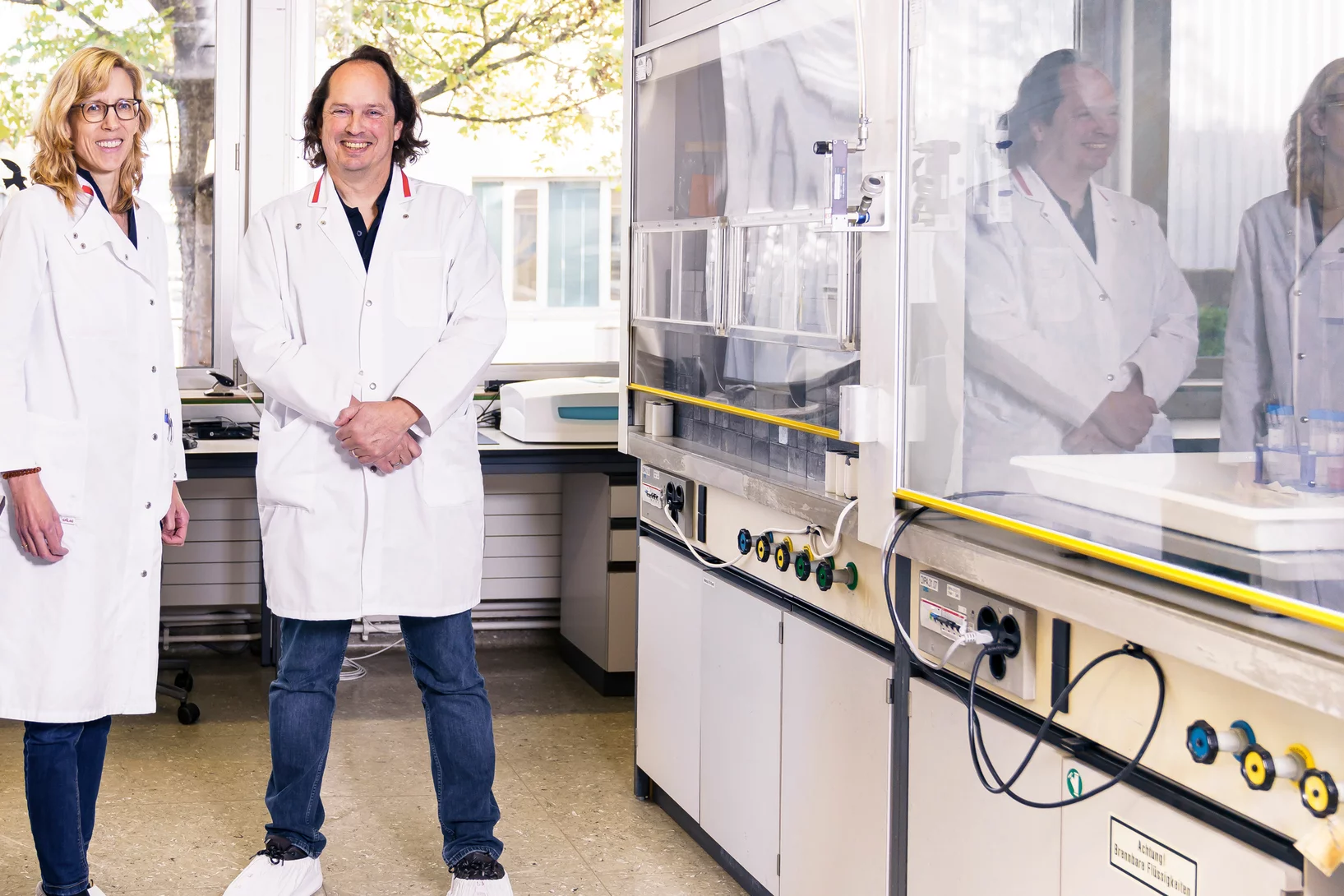
IMPACT für die Schweizer Gesellschaft
Weltspitze bei den Myonen und in der Herstellung medizinischer Radionuklide: Die weitreichende Bedeutsamkeit des geplanten Upgrades.
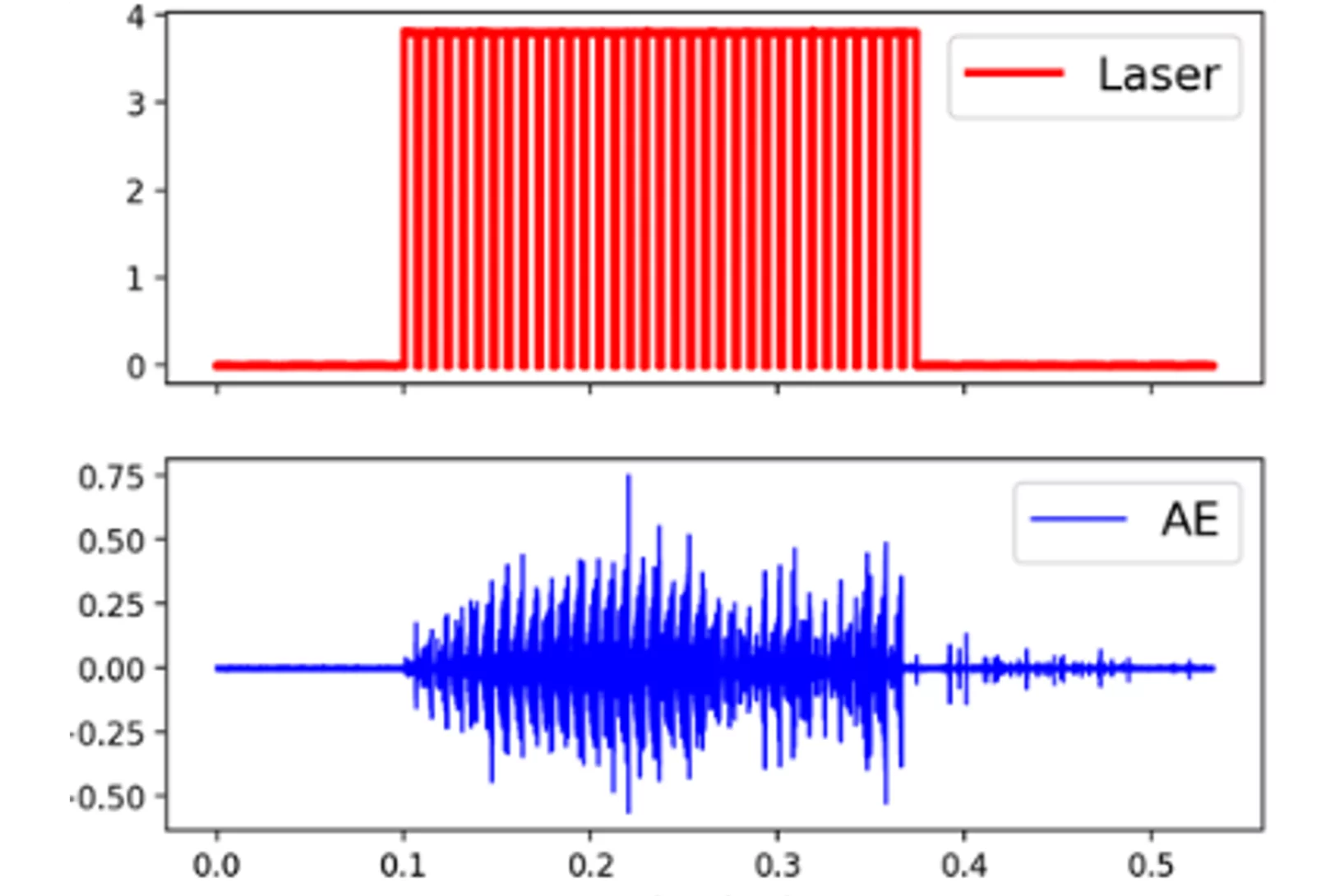
Acoustic emission signature of a martensitic transformation
Acoustic emission monitoring in 3D printing: real-time insights into martensitic phase transformations and crack formation.
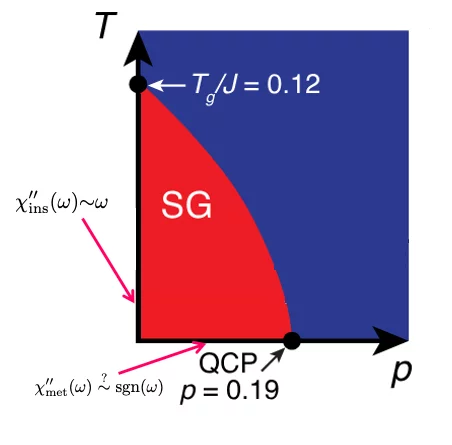
Exact solution of the classical and quantum Heisenberg mean field spin glasses
We solve and elucidate the physics of quantum Heisenberg spins glasses, which governs the local moments in randomly doped, strongly correlated materials.
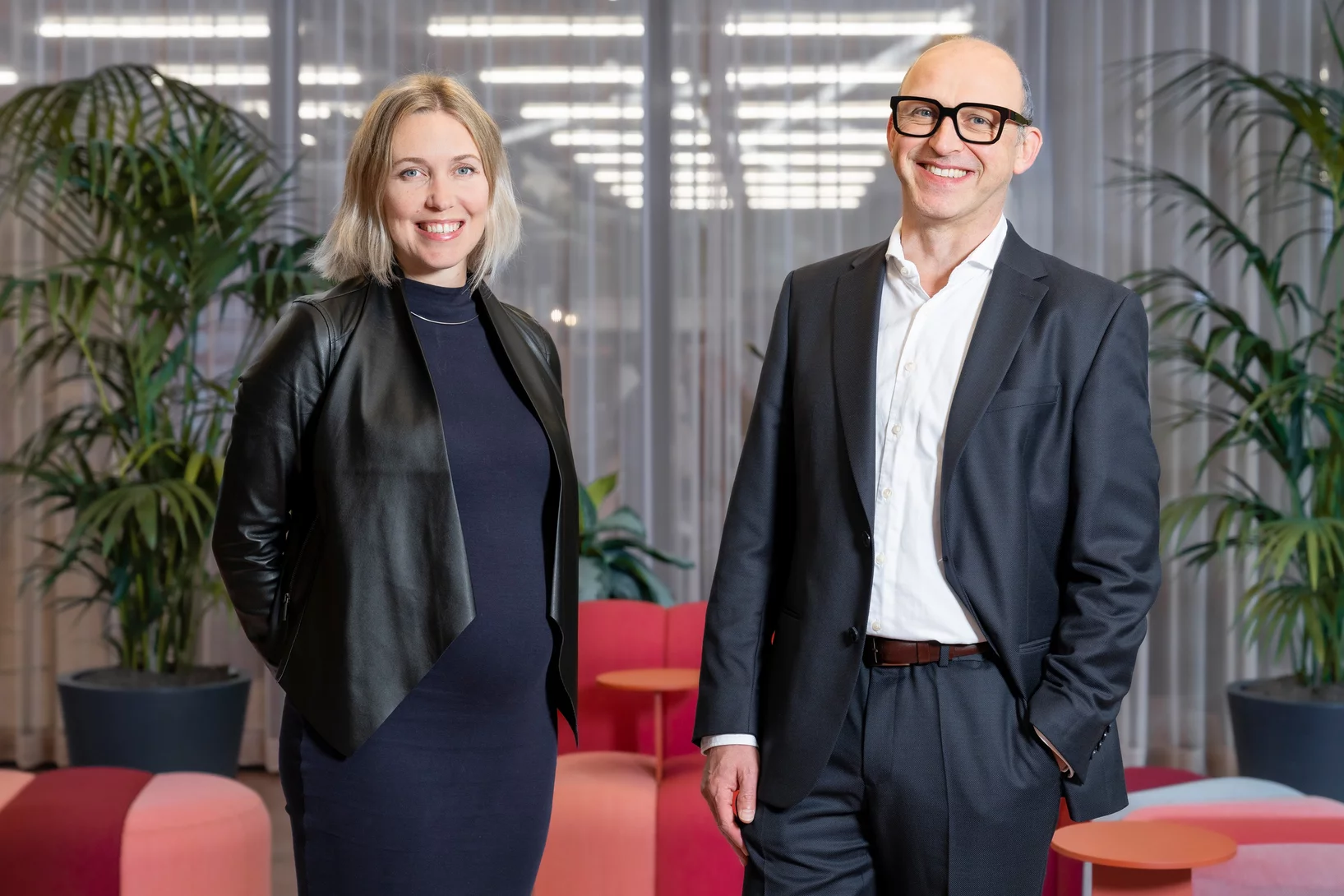
Die ESA kommt in die Schweiz
Eine Vertragsunterzeichnung zwischen der Europäischen Weltraumorganisation ESA und dem PSI markiert den Start des «European Space Deep-Tech Innovation Centre» ESDI.
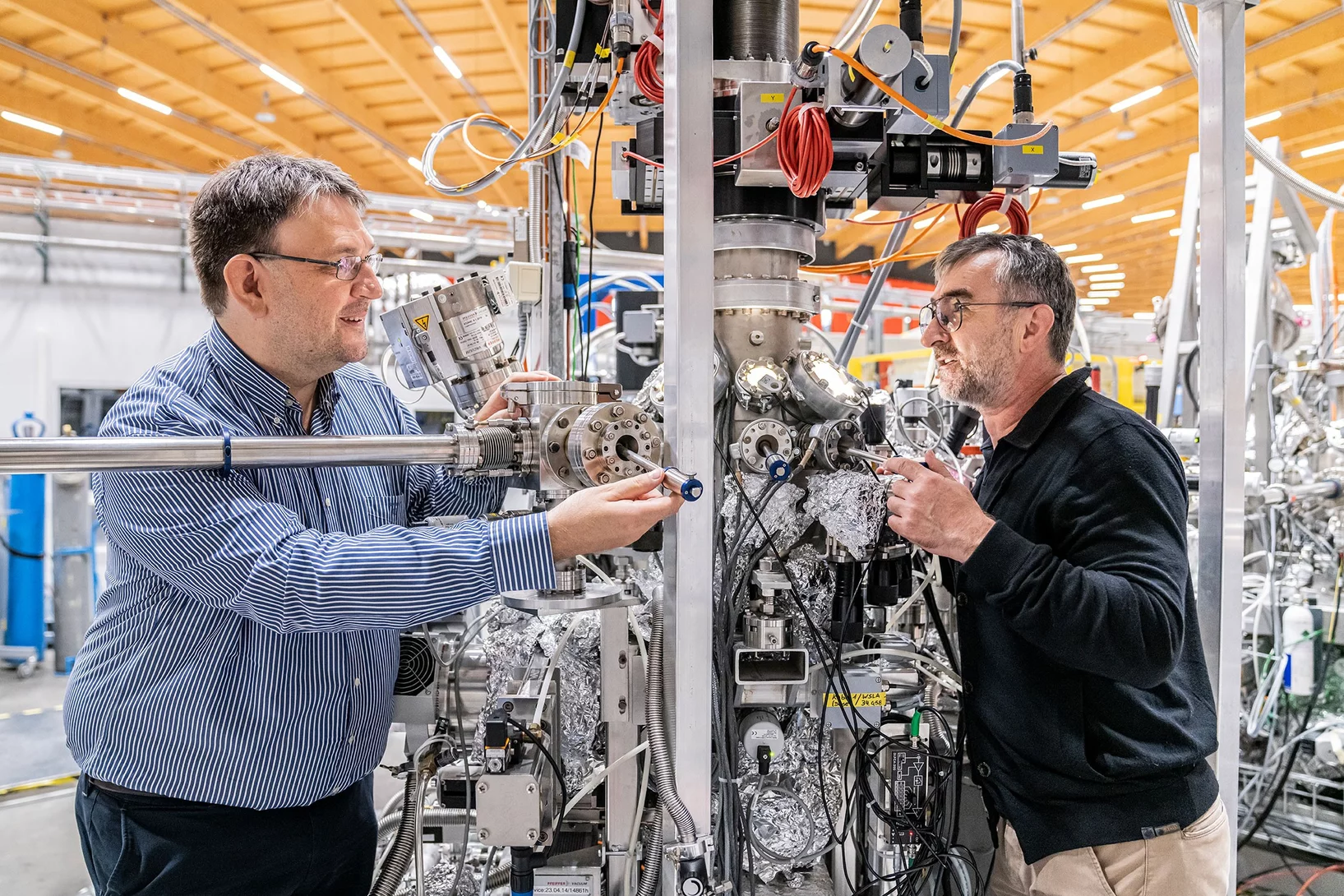
Magnetismo in strati sottili: Un elettrone fa la differenza
Un passo importante verso nuovi tipi di memoria per computer

Orbitronics: new material property advances energy-efficient tech
Discovery of orbital angular momentum monopoles boosts the emerging field of orbitronics, an energy-efficient alternative to electronics.

Computational marathon matches the efficiency of the AiiDA platform with the power of Switzerland Alps supercomputer
A group of researchers from the LMS lab at PSI has conducted a "hero run" on the new Swiss supercomputer, occupying it entirely for about 20 hours with calculations managed remotely by the AiiDA software tools. The run demonstrated the efficiency and stability of AiiDA, that could seamlessly fill the entire capacity of an exascale machine, as well as the performance of the Alps supercomputer, that has been just inaugurated. All the results will soon be published on the Materials Cloud.
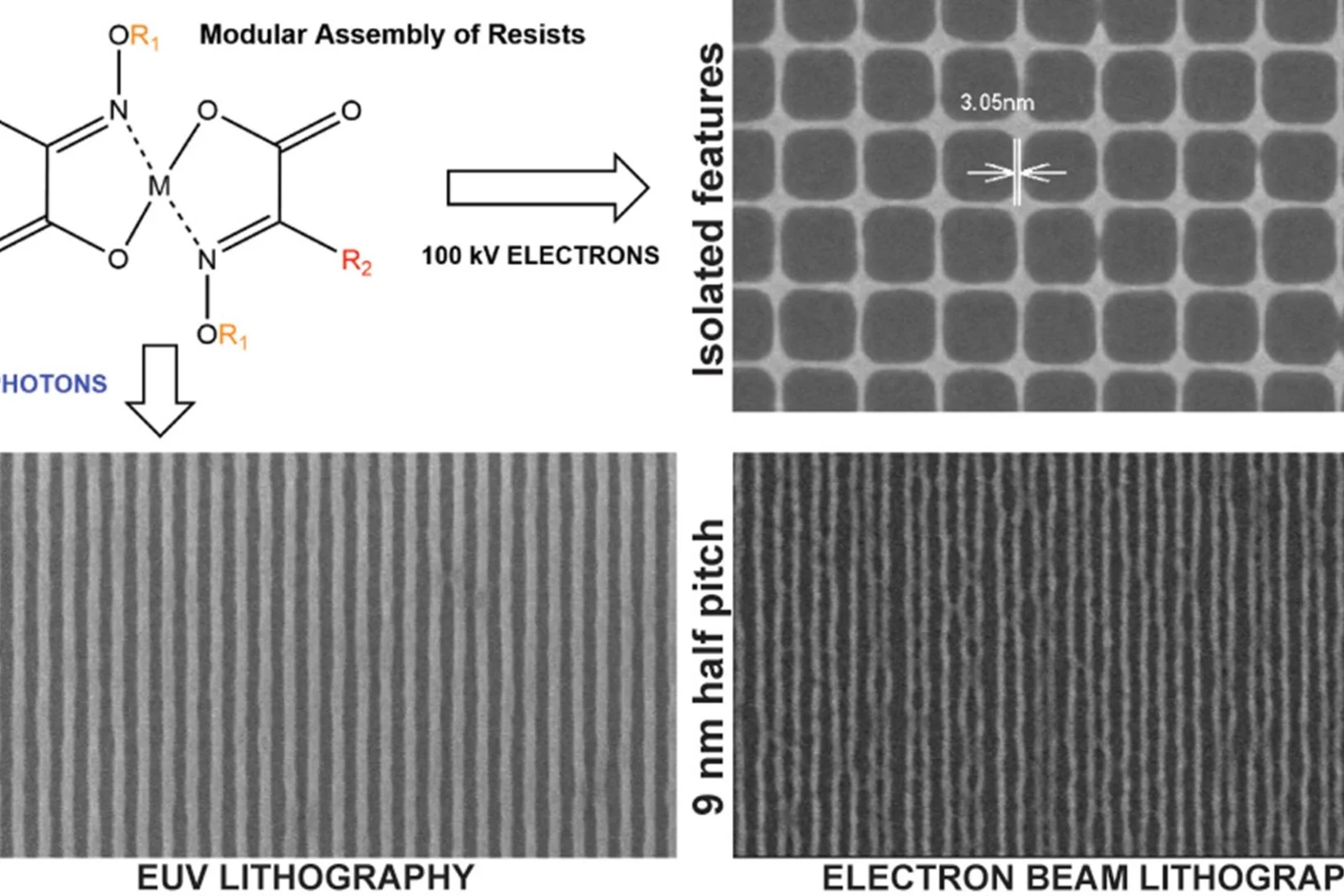
Novel Photoresist Chemistry Enables Lithography Approaching Angstrom-Scale Resolution
Photoresist materials are crucial in the manufacturing of computer chips, where the circuits are initially printed in the photoresist using photolithography. As the demand for smaller and more precise circuitry in computer chips grows, photoresists must resolve features with smaller sizes and higher density. One of the factors determining the ultimate resolution in lithography is the molecular size/mass of the photoresists.
International collaboration lays the foundation for future AI for materials via the OPTIMADE standard
Artificial intelligence (AI) is accelerating the development of new materials. A prerequisite for AI in materials research is large-scale use and exchange of data on materials, which is facilitated by a broad international standard. A major international collaboration including researchers from the LMS laboratory now presents an extended version of the OPTIMADE standard.

Charge fractionalisation observed spectroscopically
Quantum mechanics tells us that the fundamental unit of charge is unbreakable – but exceptions exist.