
Show filters
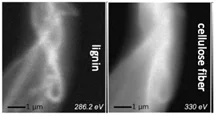
Preparing cellulose sample for soft-Xray spectro-microscopy
Different sample preparation techniques for ultrathin samples to be measured at the carbon-K-edge for chemical contrast are presented.

Rivalutazione dell'inquinamento da polveri sottili
Un nuovo studio fornisce dati provenienti da 43 località europee che mostrano il rispettivo stress ossidativo per i polmoni.
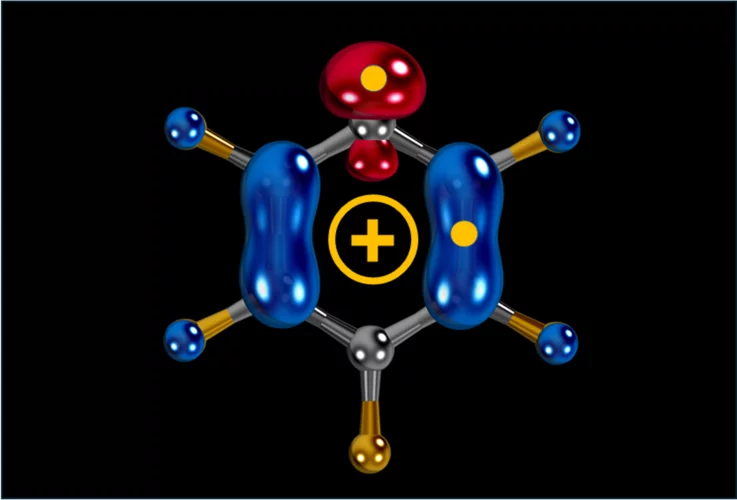
Carbocation, diradical, and superelectrophile in one molecule?
The pentafluorophenyl cation (C₆F₅⁺) breaks these rules with a borderline “crazy” reactivity.

L'uomo che sussurra al cemento
John Provis ha dedicato la sua vita di ricercatore a un materiale da costruzione che è più eccitante di quanto si possa pensare.
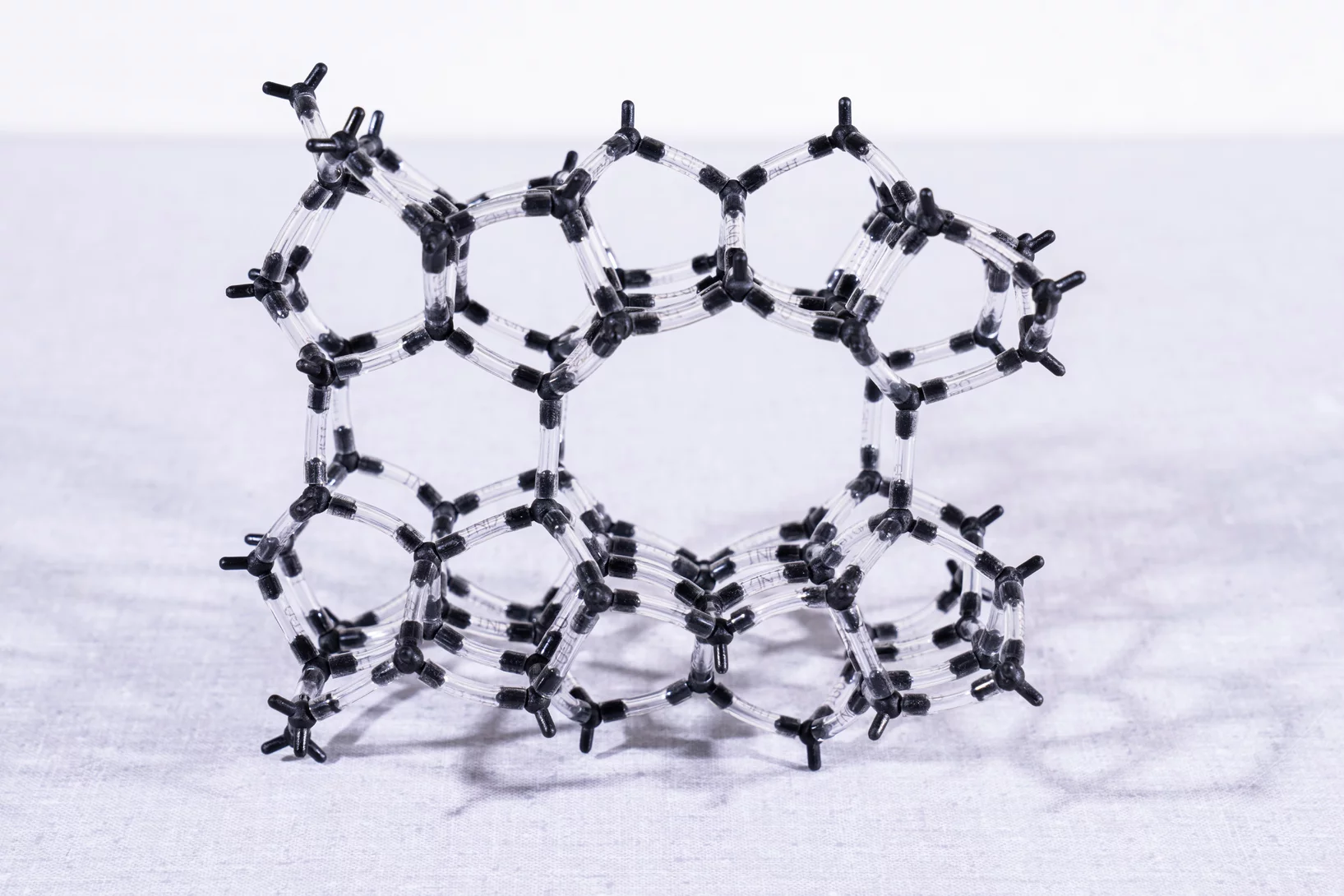
Aluminium sichtbar gemacht
PSI-Forschende haben in Zeolithen erstmals die genaue Lage der Aluminiumatome bestimmt, welche die Materialien zu so guten Katalysatoren machen.
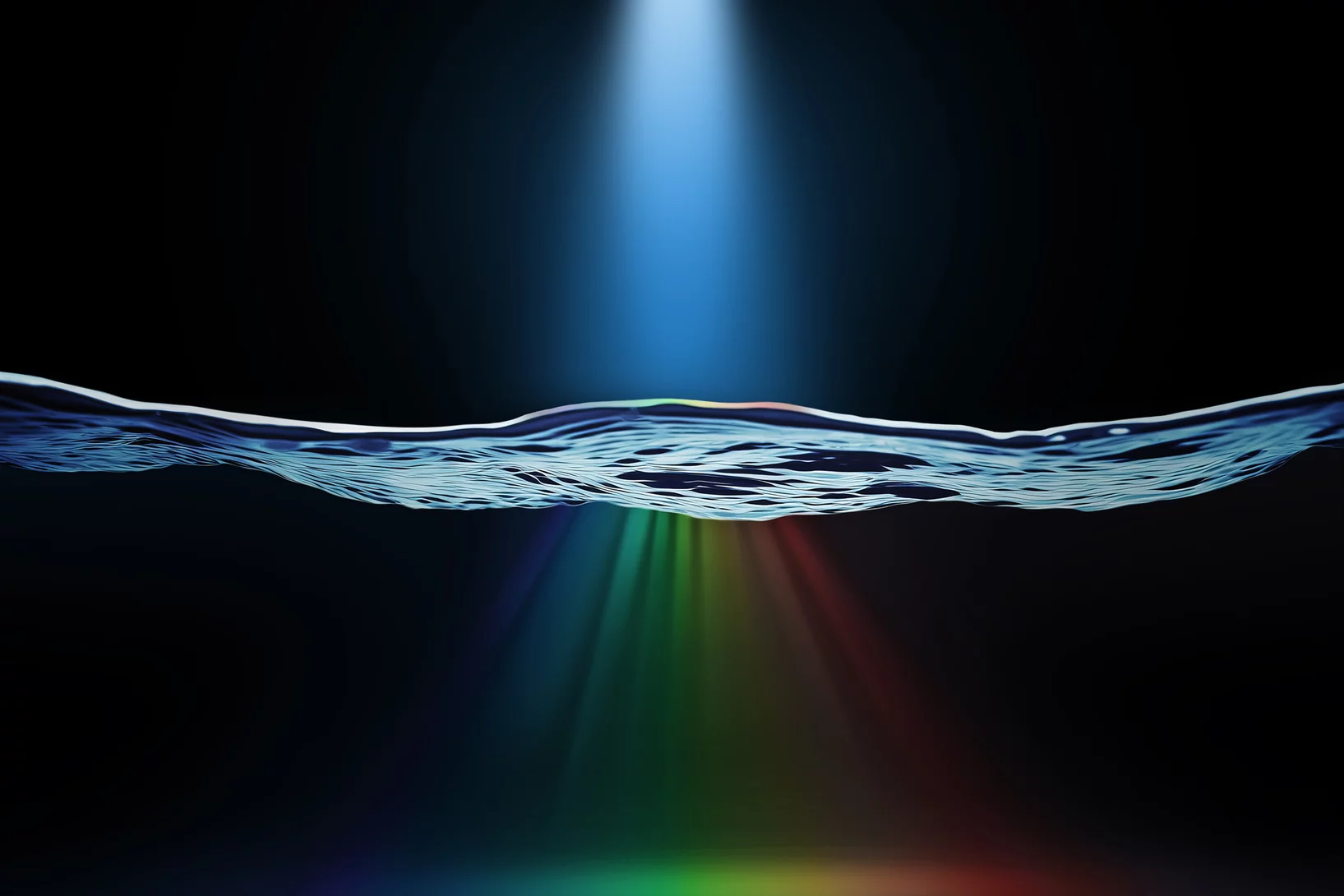
Water gets in shape for VUV absorption
Nanometre‑thin, free‑flowing liquid sheets now let Swiss Light Source users record pristine VUV absorption spectra of water, and soon any solvent.
Schneller zu grünem Wasserstoff
Der pH-Wert bestimmt, wie leicht sich Wasserstoff aus Wasser herstellen lässt, wenn man Kobalt als Katalysator nutzt. PSI-Forschende haben jetzt herausgefunden, wieso.
Prestigiosi finanziamenti per la ricerca del PSI
Calcestruzzo, catalisi chimica e ricerca di nuova fisica: tre ricercatori del PSI hanno ricevuto una sovvenzione dal Fondo Nazionale Svizzero per questi temi di ricerca.
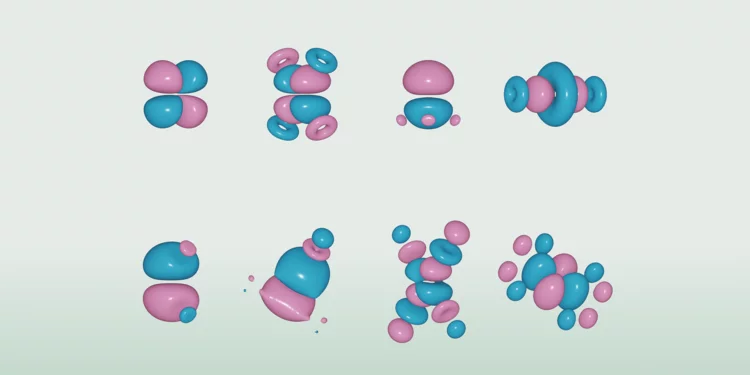
Mapping the ecosystem of Wannier Functions software
A new review article, just published in Reviews of Modern Physics and highlighted on the journal cover, provides a map to the vast landscape of software codes that allow researchers to calculate Wannier functions, and to use them for materials properties predictions. The authors, from all over Europe and the USA, include two PSI scientists. After providing readers with the theoretical foundations on Wannier functions and their calculation, together with intuitive graphical schematics to explain what Wannier functions are, the authors map the existing Wannier codes and the key applications.
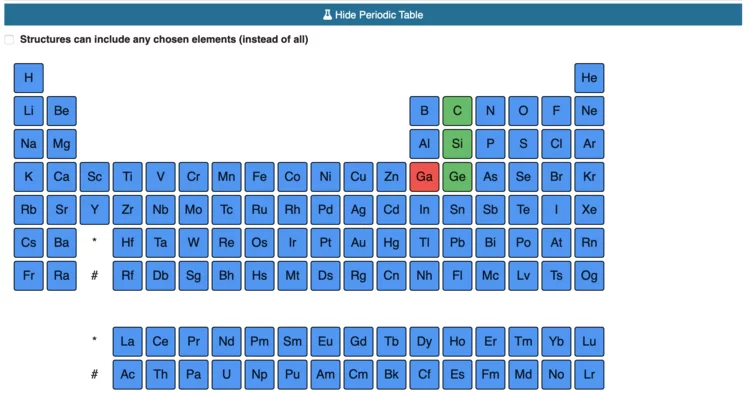
New widgets and extensions expand the OSSCAR platform for educational notebooks in materials science
In a new article published in Computer Physics Communications, the team of the Open Software Services for Classrooms and Research project (OSSCAR) describes how to create custom widgets and extensions that can be used in interactive notebooks to teach computational materials science. The article also introduces two new entries in OSSCAR: a widget to display an interactive periodic table that allows users to group elements into different states, and one to plot and visualize electronic band structures and density of states.
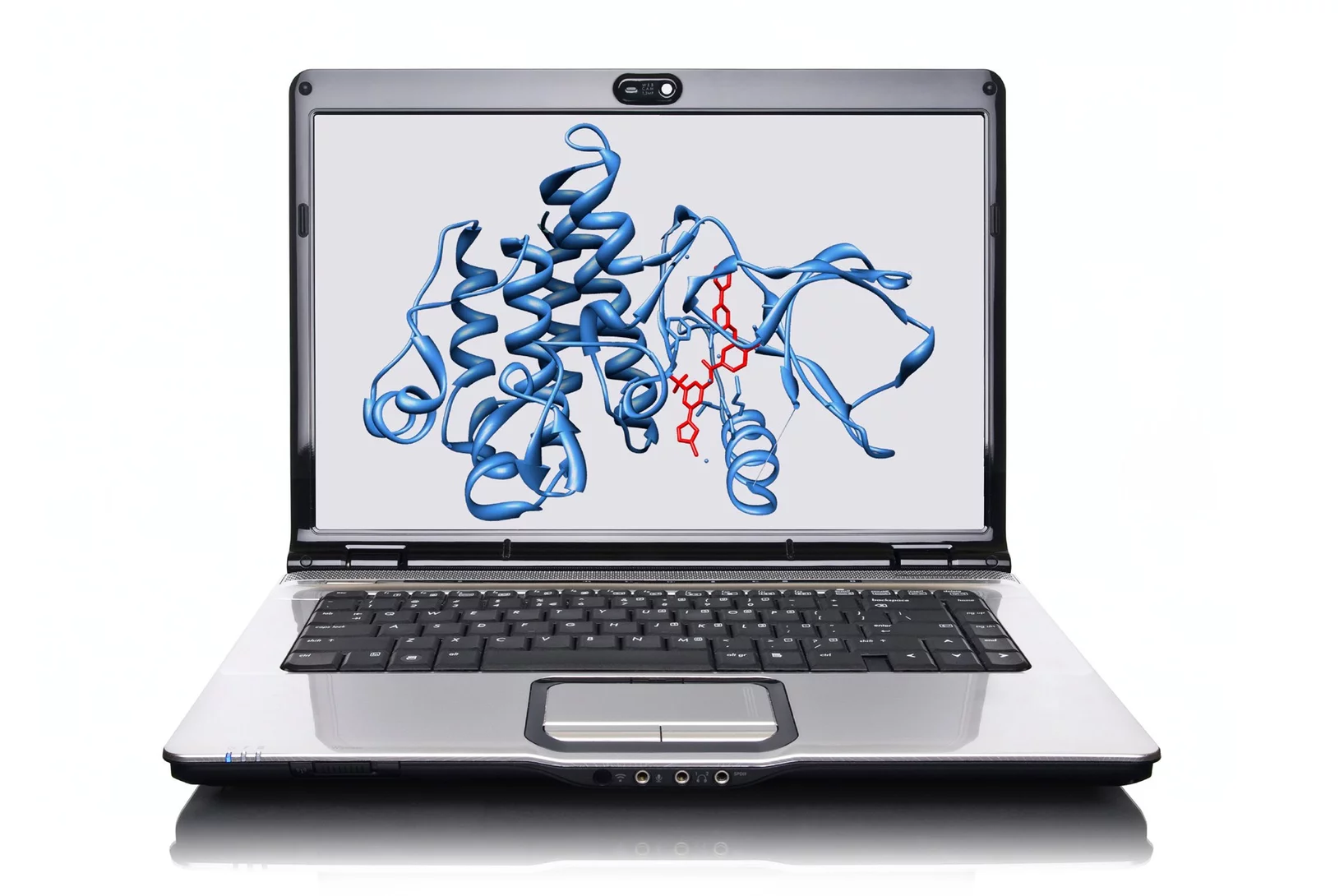
Die Rätsel der Proteine entschlüsseln
Der diesjährige Nobelpreis für Chemie geht an drei Forscher, die entscheidend dazu beigetragen haben, den Code der Proteine – wichtige Bausteine des Lebens – zu knacken. Doch damit aus diesem Wissen auch Anwendungen zum Beispiel in der Medizin entwickelt werden können, braucht es Forschungsinstitute wie das PSI.
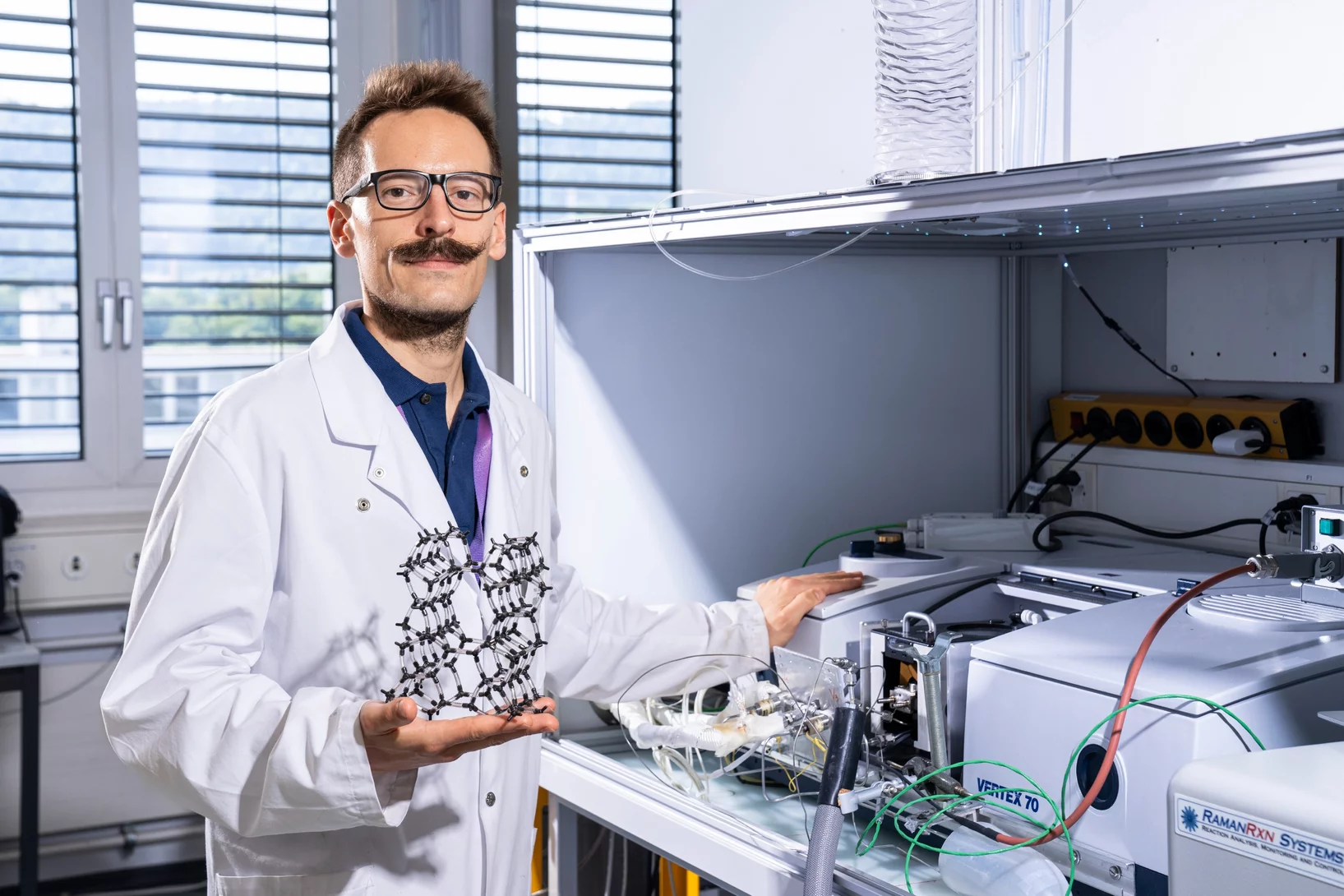
Come le marmitte catalitiche eliminano i pericolosi ossidi di azoto
Nella catalisi industriale, il ferro non è solo ferro.

Computational marathon matches the efficiency of the AiiDA platform with the power of Switzerland Alps supercomputer
A group of researchers from the LMS lab at PSI has conducted a "hero run" on the new Swiss supercomputer, occupying it entirely for about 20 hours with calculations managed remotely by the AiiDA software tools. The run demonstrated the efficiency and stability of AiiDA, that could seamlessly fill the entire capacity of an exascale machine, as well as the performance of the Alps supercomputer, that has been just inaugurated. All the results will soon be published on the Materials Cloud.
Dove verrà prodotto l'idrogeno in futuro?
I ricercatori del PSI hanno studiato dove dovrebbe essere prodotto l'idrogeno per una futura economia dell'idrogeno e quali conseguenze avrà questa fonte energetica sull'ambiente.
Nachhaltiger Flugtreibstoff vom PSI-Campus
In Zusammenarbeit mit dem Klima-Start-up Metafuels entsteht auf dem PSI-Campus eine Pilotanlage zur Herstellung von nachhaltigem Flugtreibstoff.
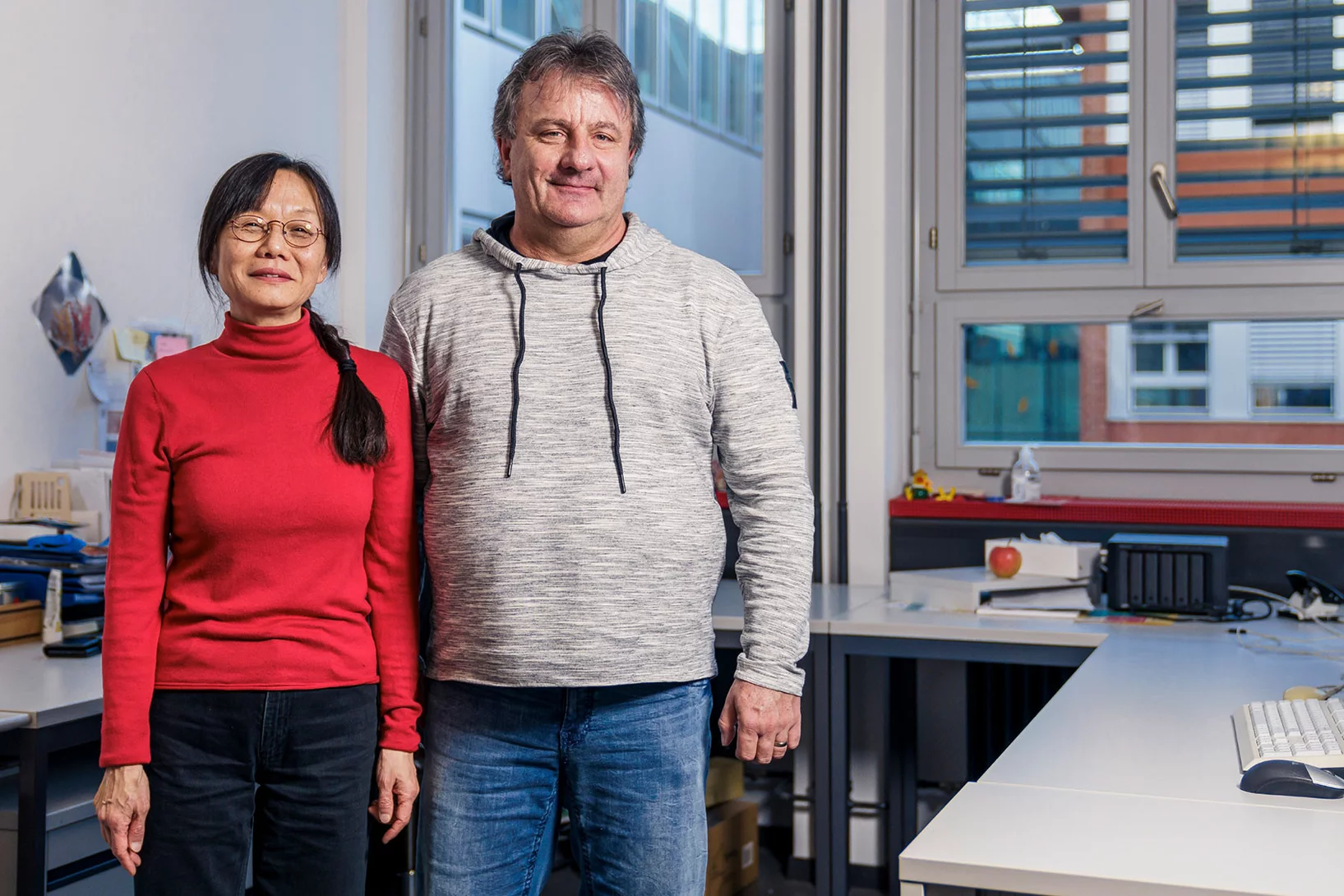
Eine Bionanomaschine für grüne Chemie
PSI-Forschende haben ein einzigartiges Enzym aus Bakterien charakterisiert, das eine wichtige chemische Reaktion möglich macht.
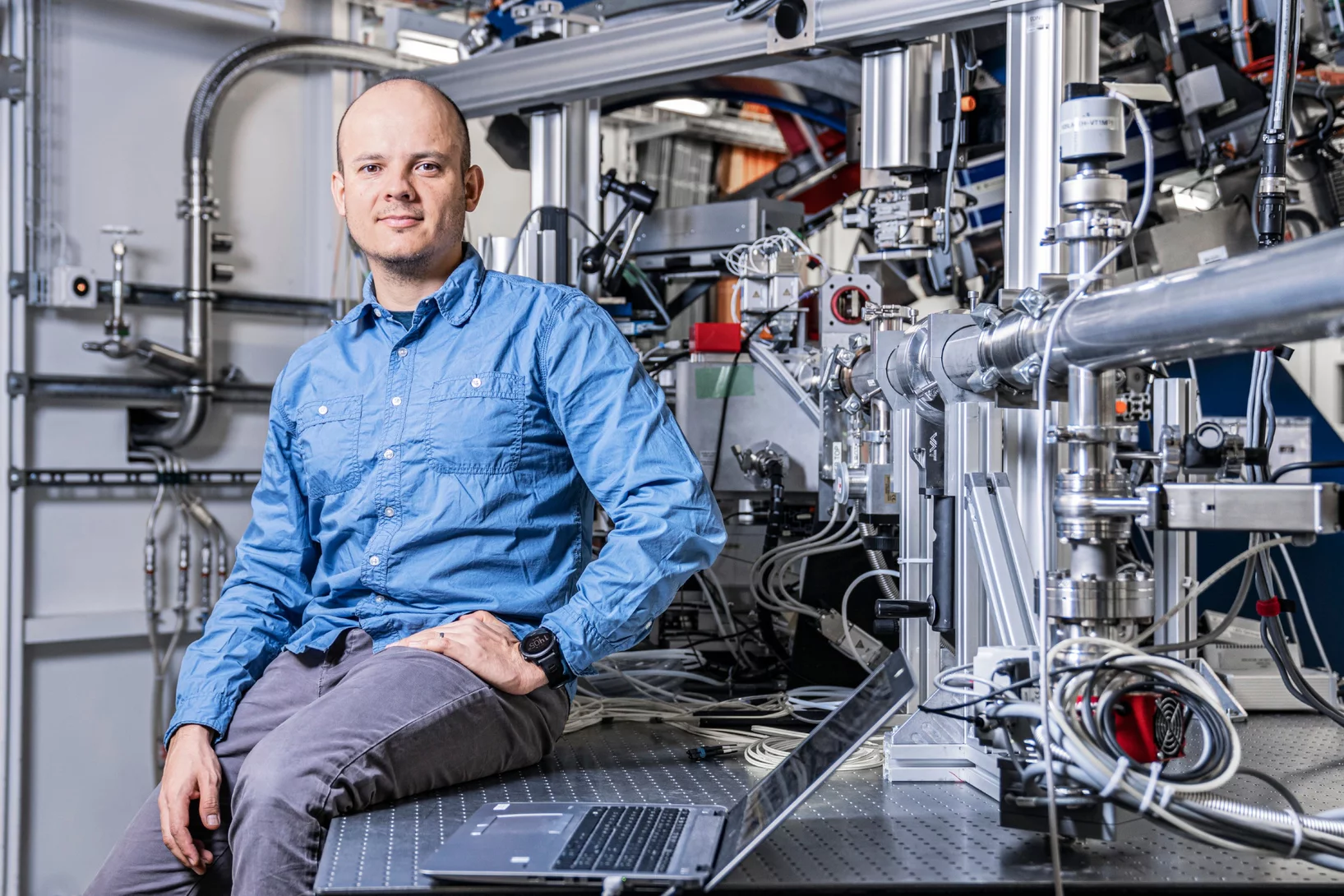
Per rendere le potenti batterie al litio-aria adatte all'uso quotidiano
Utilizzo di fasci di neutroni e luce di sincrotrone per rivelare i processi chimici nelle batterie litio-aria.
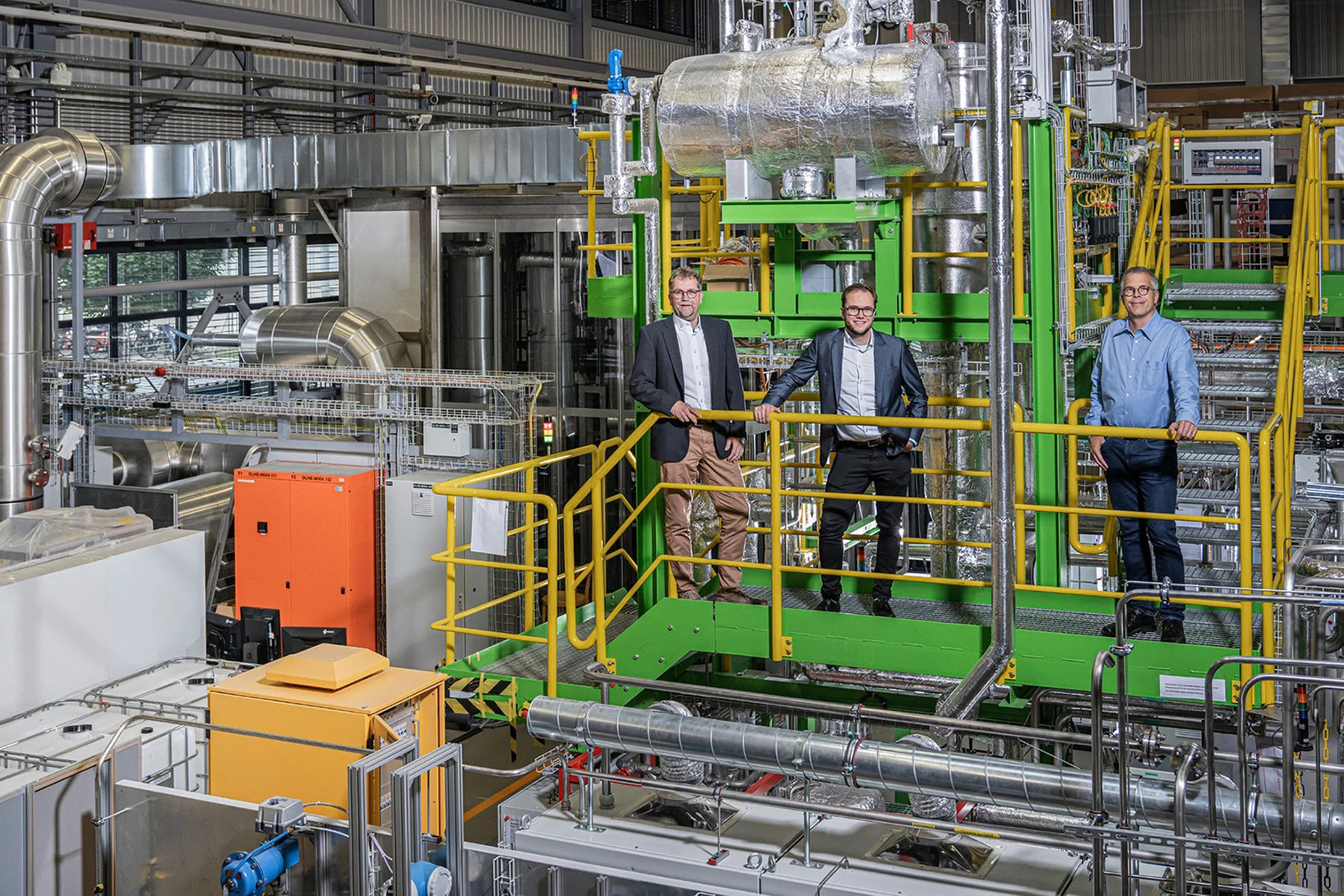
Methan als Energiespeicher
Forschende des PSI und des Start-ups AlphaSYNT arbeiten zusammen an einer Lösung, wie effizient Energie gespeichert werden kann.
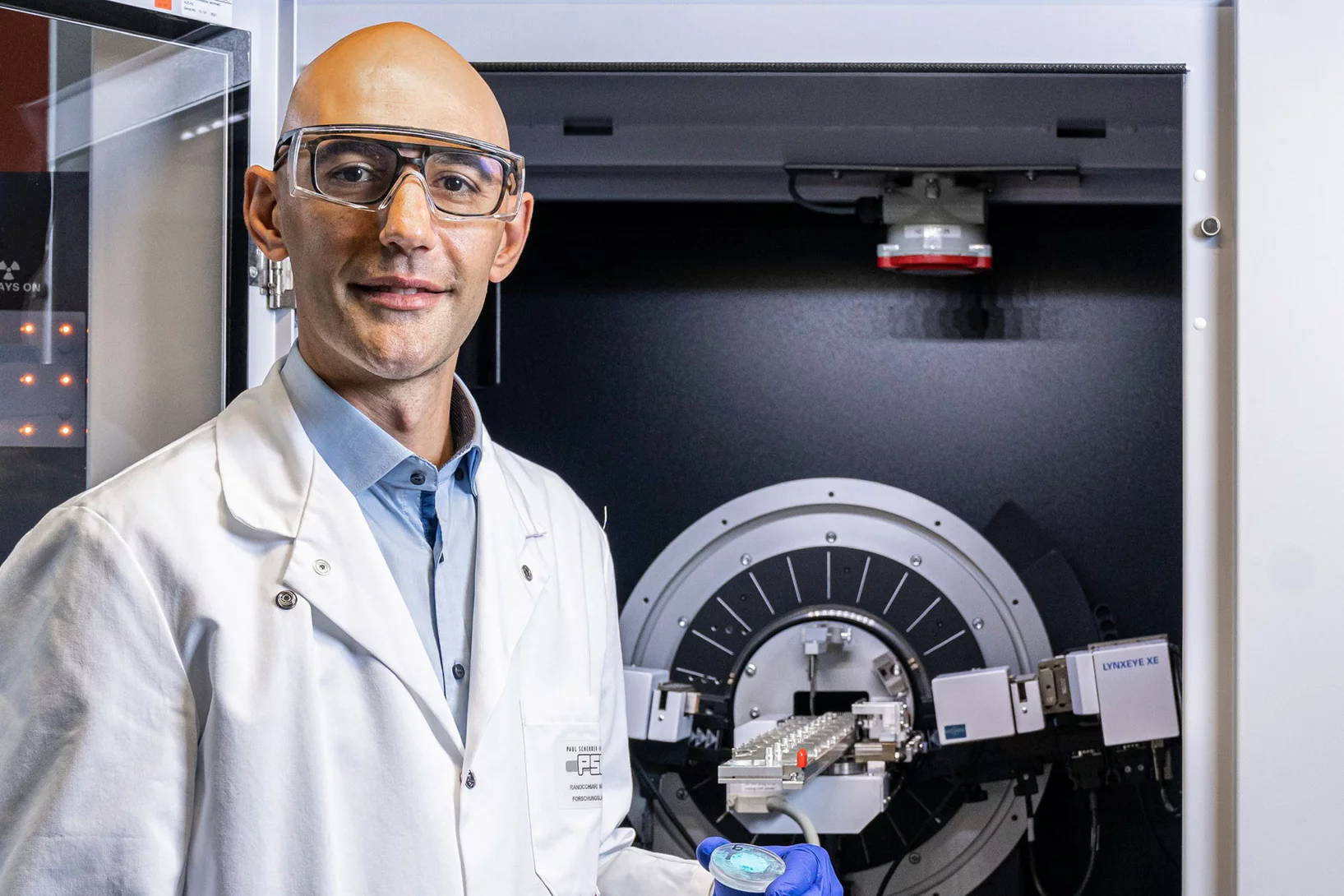
Neue Katalysatoren für Pharmahersteller
PSI-Forschende entwickeln gemeinsam mit Roche neue, potenziell effizientere Katalysatoren für die Herstellung von medizinischen Wirkstoffen.
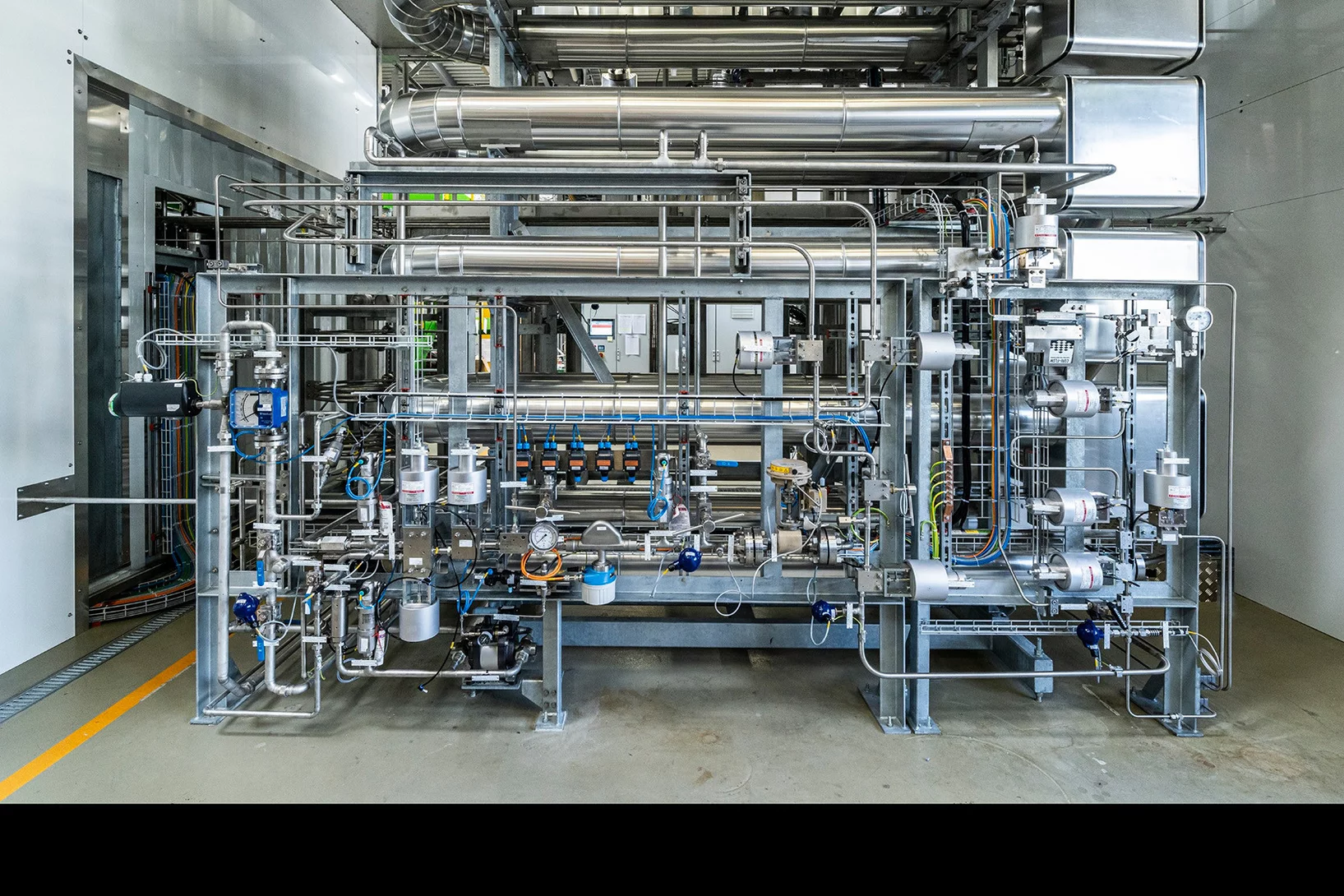
Aus Biomasse das Maximum an Energie herausholen
Forschende des PSI starten den Betrieb einer revolutionären Pilotanlage zur Produktion von synthetischem Biogas.
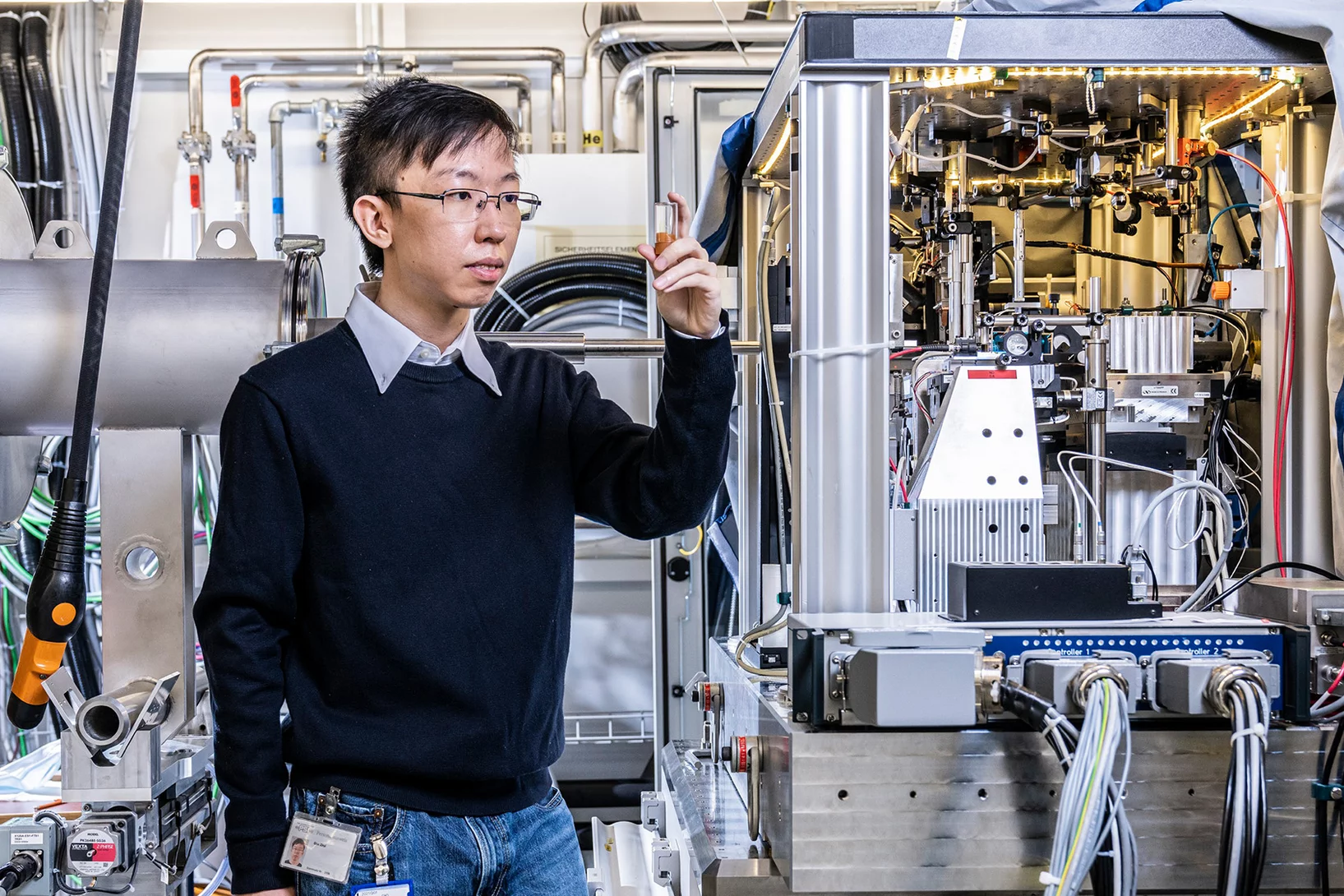
Wie Katalysatoren altern
Katalysatoren, die in der Industrie eingesetzt werden, verändern über die Jahre ihre Materialstruktur. Mit einer neuen Methode haben PSI-Forschende dies nun auf der Nano-Skala untersucht.

Grüne Treibstoffe für den Flugverkehr
In einer neuen Initiative wollen PSI und Empa gemeinsam einen Prozess entwickeln, um Kerosin aus erneuerbaren Ressourcen herzustellen.
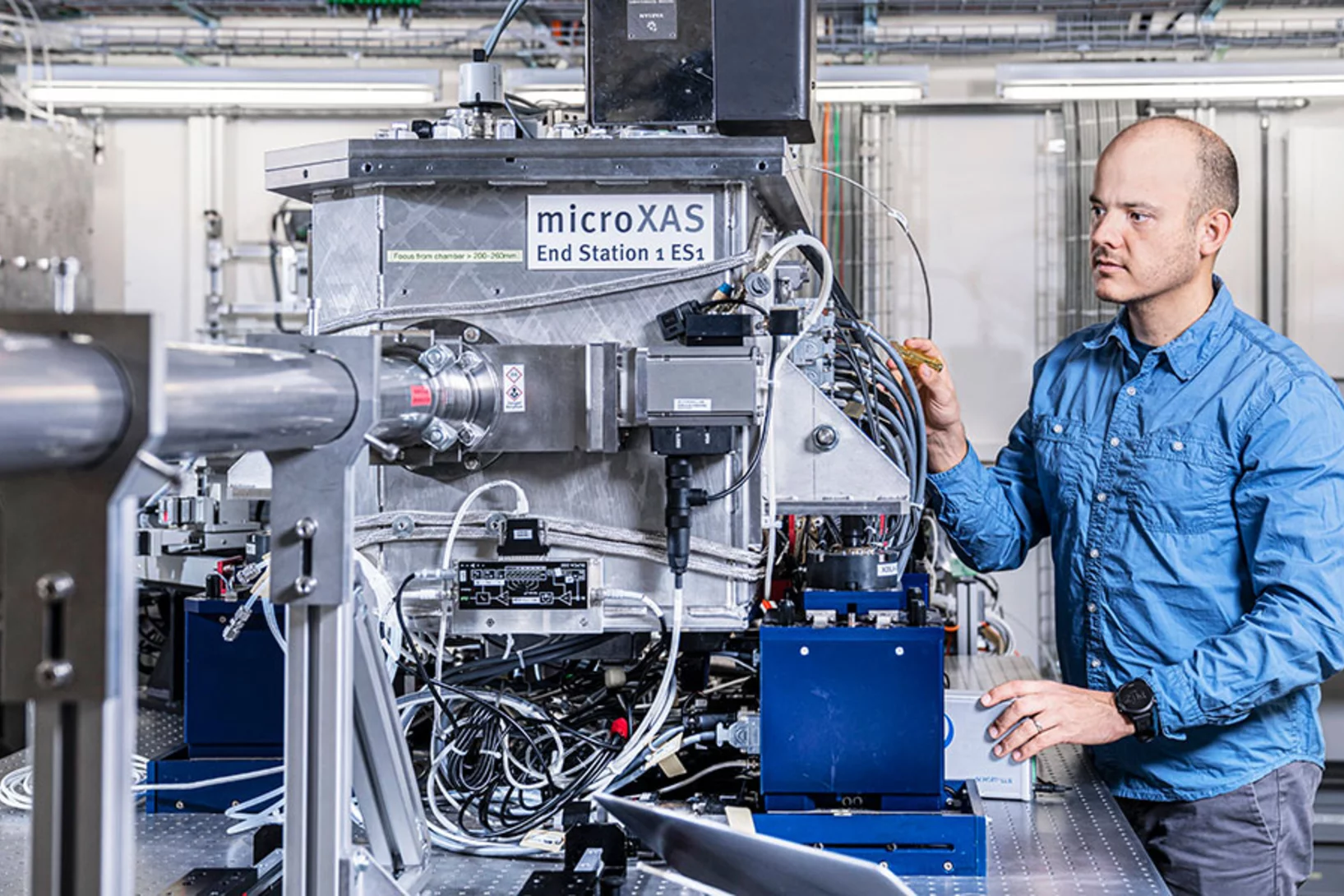
Dreidimensionaler Blick in aktive Katalysatoren
Die operando-Röntgenspektroskopie erlaubt einen Blick ins Innere laufender Chemiereaktoren. Forschende des Karlsruher Instituts für Technologie (KIT), am Paul Scherrer Institut PSI und an der European Synchrotron Radiation Facility (ESRF) in Frankreich setzen die Methode erfolgreich ein.