
Show filters
Cladding tubes and their properties
In the Nuclear Energy and Safety Research Division at PSI, Johannes Bertsch focuses on the so-called cladding tubes that are used in nuclear power plants.

Horizon 2020 project SAMOSAFER granted
The EU Horizon 2020 program granted 3.5 million Euros to the research and innovation project SAMOSAFER, where PSI is one of the 14 project partners. The total budget of the project, inclusive own and in-kind contributions, is 4.5 million Euros. The aim of SAMOSAFER project is to develop and demonstrate new safety barriers and a more controlled behaviour in severe accidents of the Molten Salt Reactor (MSR). Three groups at PSI will be involved in the project: the LSM groups for Advanced Nuclear Systems (ANS) and Multiscale Materials Modelling (MMM) and the Severe Accidents Research group (Sacre) of LRT, focusing on redistribution of the source term in the fuel treatment unit of MSR and assessment and reduction of radionuclide mobility during accidental conditions.
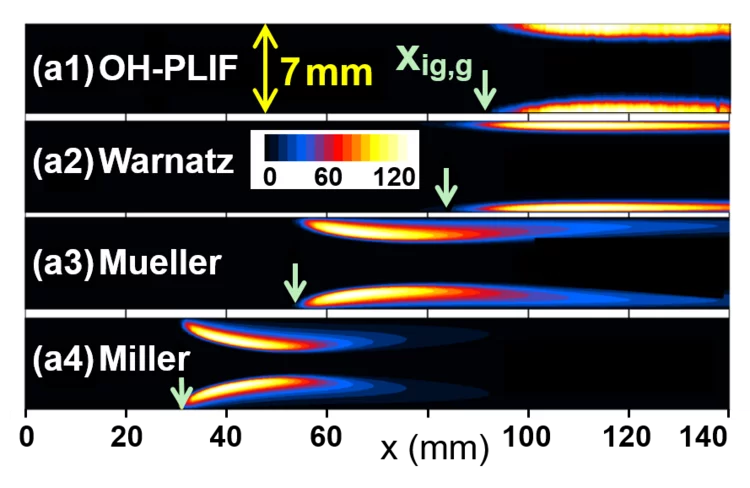
Progress in non intrusive laser based measurements of gas-phase thermoscalars and supporting modeling near catalytically reacting interfaces
Heterogeneous and combined hetero/homogeneous chemical processes have attracted increased attention in many energy conversion systems, which include large scale power generation, microreactors for portable power generation, household burners, fuel processing technologies and automotive exhaust gas aftertreatment. Progress in such systems crucially depends on the development of catalysts with enhanced activity and thermal stability and on the comprehensive understanding of the fundamental processes occurring near gas solid reacting interfaces.

Molten Salt Reactor research at LSM/NES
MSR research at LSM has 3 main justifications:
1. education purpose (2 PhD & 8 MSc internal students, 3 PhD & 4 other guests)
2. technology monitoring (it is the most revolutionary GIV system)
3. novel research topics (liquid phase of the fuel introduces many challenges)
Two major research objectives in NES:
1. safety: evaluate system behavior in nominal and transient conditions (tight multi‐physics coupling / H2020 SAMOFAR project)
2. sustainability: evaluate if the concept can use legacy nuclear waste as initial fuel, insure a high resource utilization (high burning)
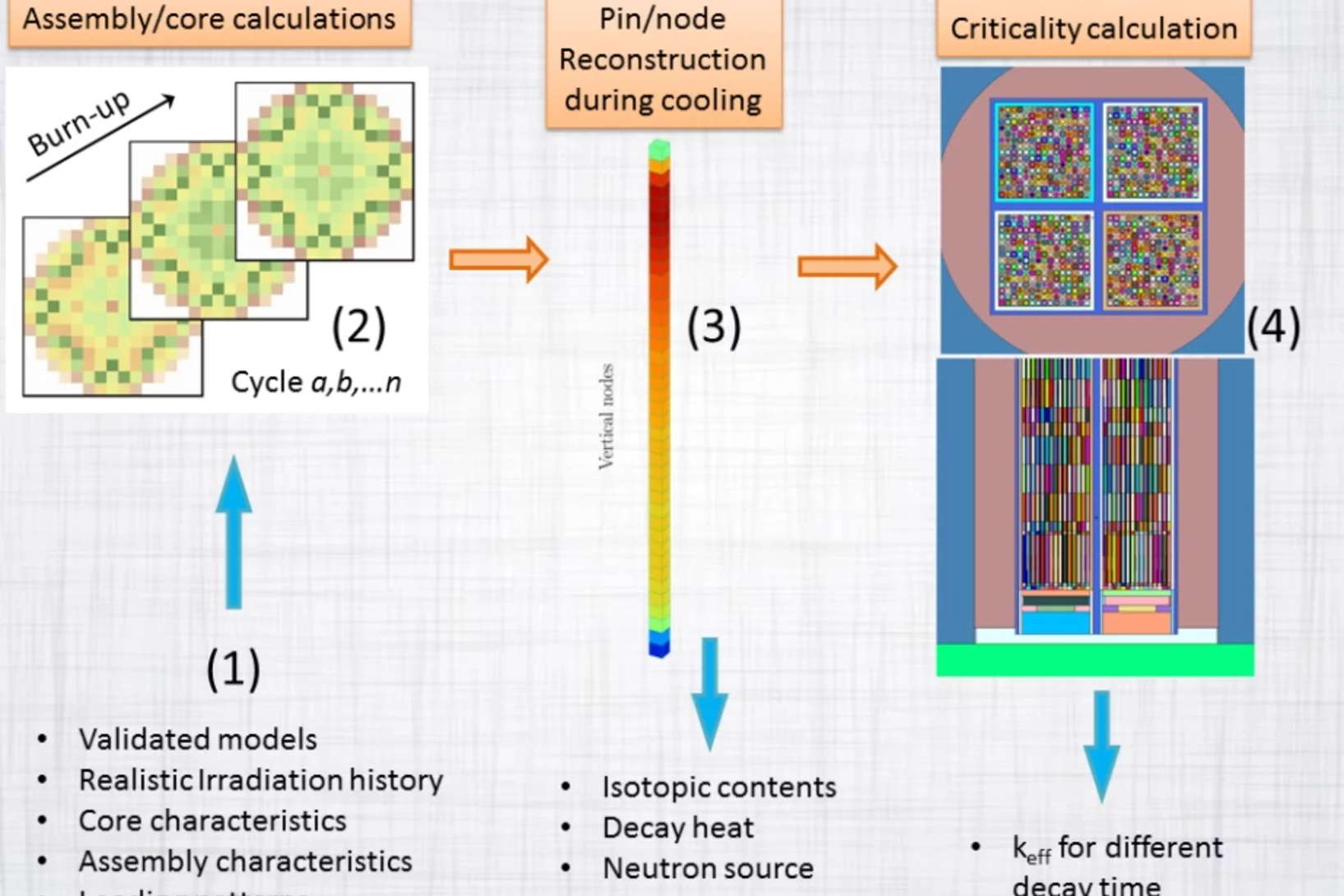
Consistent criticality and radiation studies of Swiss spent nuclear fuel: The CS2M approach
Spent fuel management is becoming one of the major concerns in many countries with a nuclear program. The radiation aspect as well as the safe and economical part of the long-term storage of the spent nuclear fuel has to be evaluated with a high degree of confidence. To assist such project from the neutronic simulation side, a new method is proposed to systematically calculate at the same time canister loading curves and radiation sources, based on the inventory information from an in-core fuel management system.

Material from PSI helps to check inconsistencies in the Big Bang theory
Shortly after the Big Bang, radioactive Beryllium-7 atoms were formed, which today, throughout the universe, they have long since decayed. A sample of beryllium-7 artificially produced at PSI has now helped researchers to better understand the first minutes of the universe.
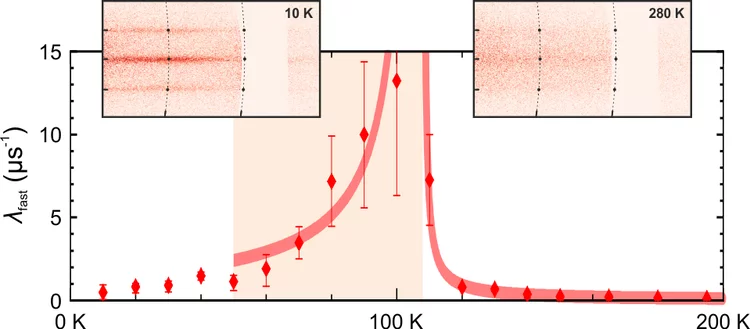
Collective magnetism in an artificial 2D XY spin system
Two-dimensional magnetic systems with continuous spin degrees of freedom exhibit a rich spectrum of thermal behaviour due to the strong competition between fluctuations and correlations. When such systems incorporate coupling via the anisotropic dipolar interaction, a discrete symmetry emerges, which can be spontaneously broken leading to a low-temperature ordered phase.
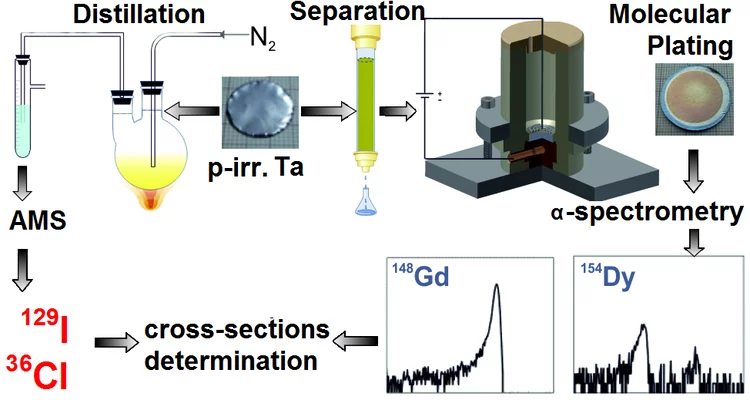
Nuclear data for nuclear installations: Radiochemistry improves the precision of the cross-section data of long-lived radionuclides
Knowledge about the cross sections data of the target materials used for spallation neutron facilities (SNF) and accelerator driven systems (ADS) is essential for the licensing, safe operation and decommissioning of these facilities. In addition, these data are important to evaluate and improve the existing computer simulation codes. Especially the α-emitter 148Gd has a large contribution to radio-toxicity of spallation target facilities with its 74.6 years of half-life.
ETH Medal for outstanding MSc thesis
The characteristics of low energy electrons accelerated by a laser wakefield (Laser Wakefield Acceleration LWFA) has been studied. The work included understanding the acceleration process, setting up the experiment and measuring properties like charge, divergence and energy of the accelerated electrons. The experiment included diagnostics for the laser and the electrons. In order to make high-resolution energy distribution measurements with relative errors ∆E/E of below 10%, a tunable electron spectrometer has been designed, built and characterized. A tunable permanent magnet quadrupole triplet has been designed for stigmatic focusing in a range of 5 keV to 5 MeV.
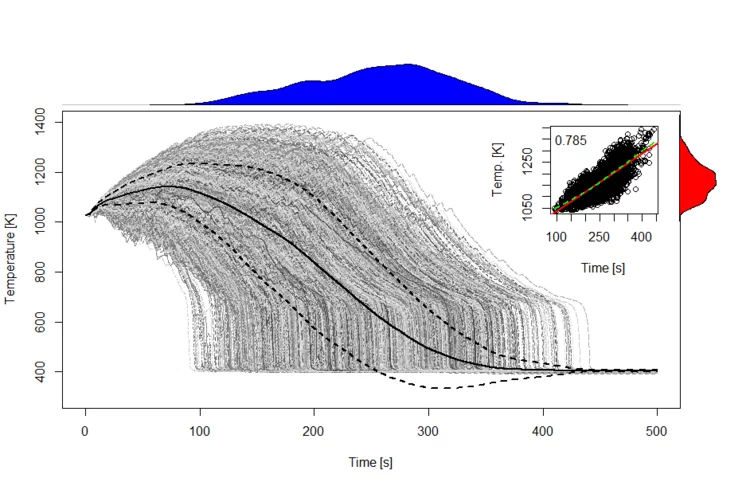
Global Sensitivity Analysis and Registration Strategy for Temperature Profiles of Reflood Experiment Simulations
Global sensitivity analysis (GSA) is routinely applied in engineering to determine the sensitivity of a simulation output to the input parameters. Typically, GSA methods require the code output to be a scalar. In the context of thermal-hydraulic system code, however, simulation outputs are often not scalar but time-dependent (e.g. temperature profile). How to perform GSA on these outputs?
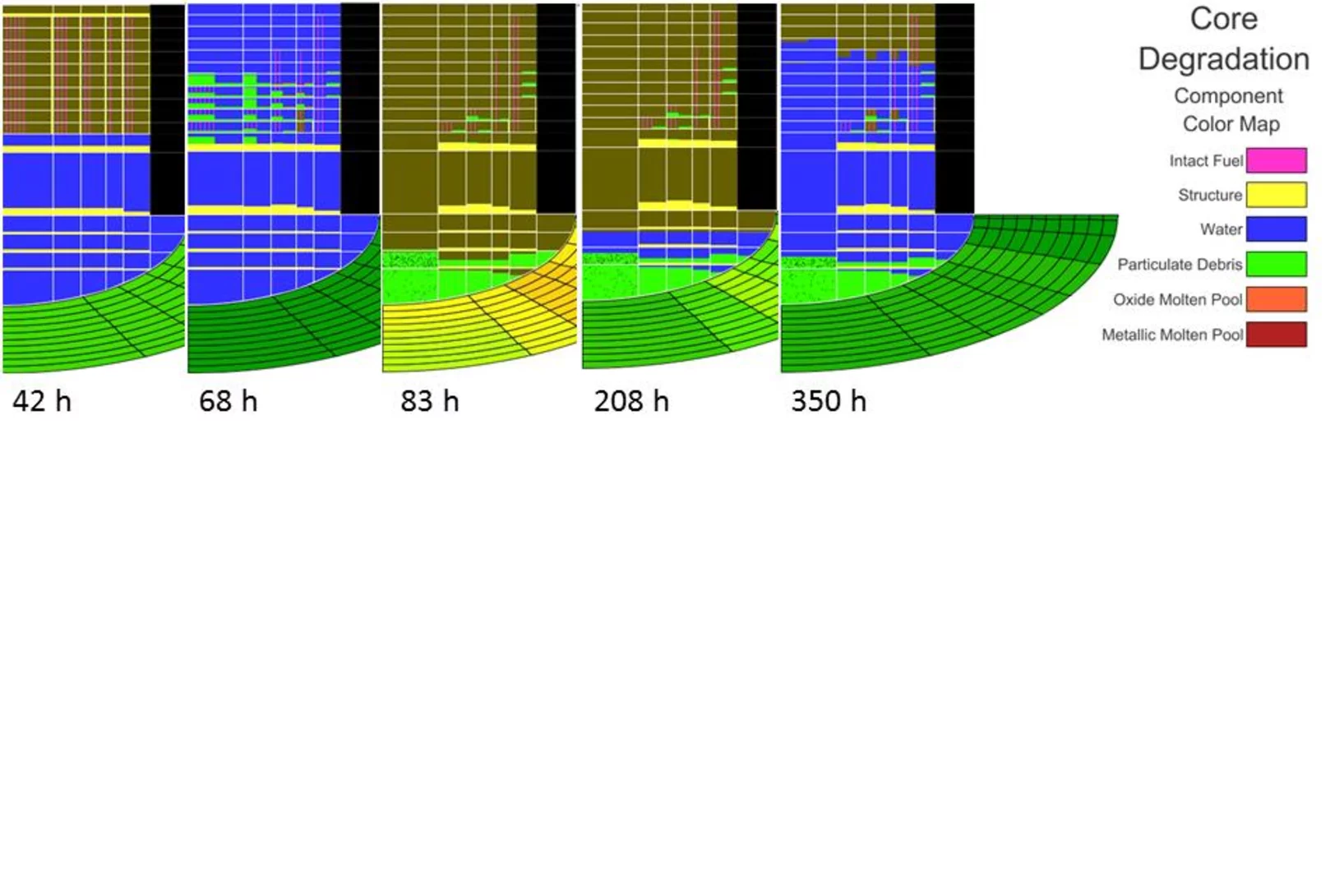
BSAF-2: Analysis of Unit 3 accident and fission product transport
The Accident at the Fukushima Daiichi Nuclear Power Station, which occurred in March 2011, had a very strong impact on the nuclear community. Three reactors suffered core damage and fission products were released to the environment. Paul Scherrer Institute (PSI) has participated in an Organisation for Economic Cooperation and Development (OECD) project, Benchmark Study of the Accident at the Fukushima (BSAF). The project aimed to evaluate and analyse the accident progression, likely end-state of the reactor core after the accidents, and the release of radioactivity to the environment. PSI has concentrated on the analysis of unit 3 using MELCOR 2.1. Hundreds of calculations have been performed and a plausible scenario which predicted remarkably well the main signatures has been selected.

Neutron radiography of detrimental hydrogen in nuclear fuel claddings
Hydrogen is at the source of degradation mechanisms affecting mechanical properties of many structural metal materials. In nuclear power plants, zirconium alloy fuel cladding tubes take up a part of the hydrogen from coolant water due to oxidation. Because of the high mobility of hydrogen interstitial atoms down temperature and concentration gradients and up stress gradients, hydrogen distribution in fuel claddings can often be non-uniform, arising the risk for the integrity of spent fuel rods under mechanical load. At the Laboratory of Nuclear Materials (LNM) in collaboration with the Laboratory of Neutron Scattering and Imaging (LNS), hydrogen redistribution in zirconium alloys was quantified by neutron radiography using the state-of-the-art detector of PSI Neutron Microscope, and the concentration was computed based on thermodynamics, to predict hydrogen diffusion and precipitation for used nuclear fuel.
UO2 fuel behavior at very high burnup
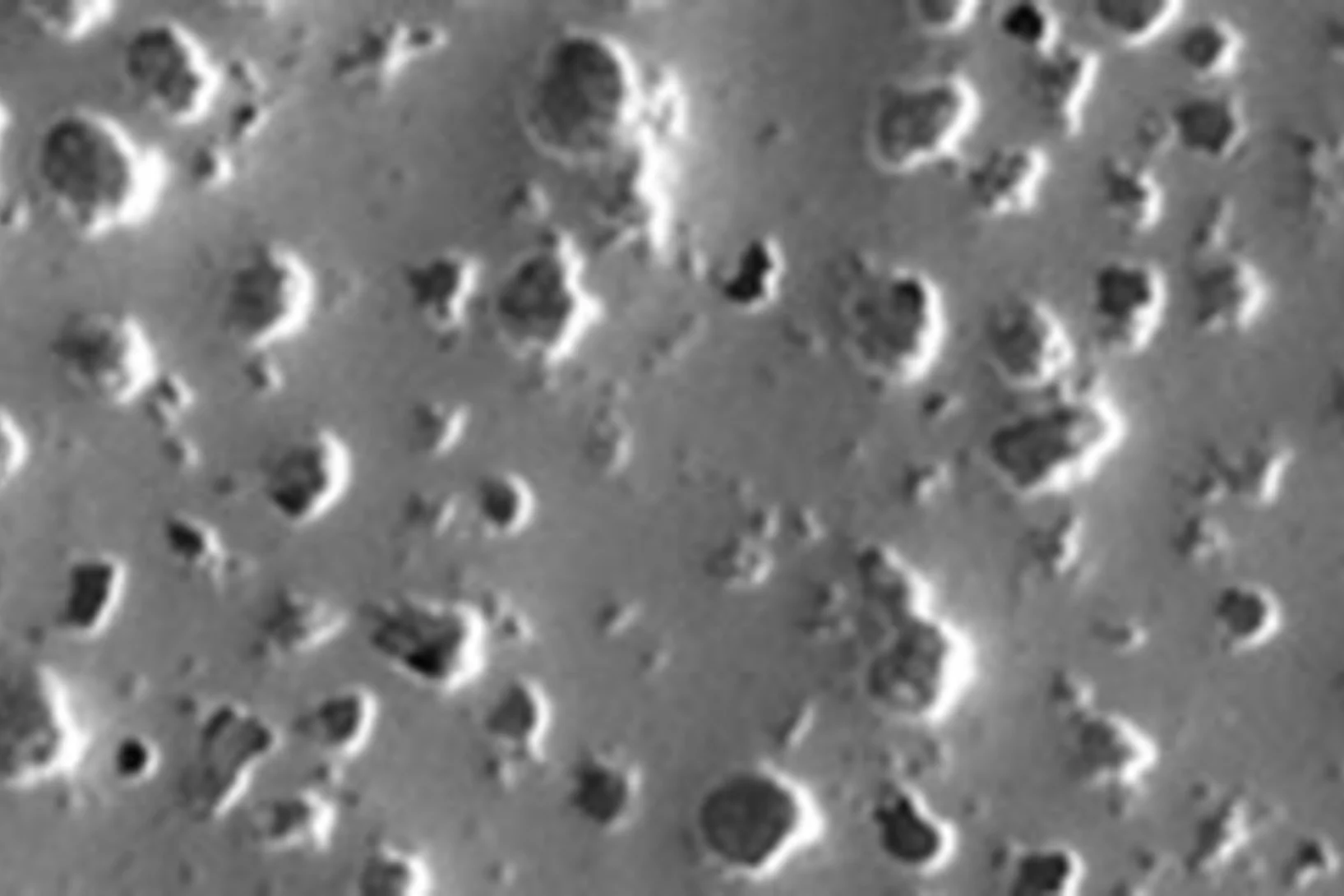
The investigation of the nuclear fuel at very high burnup is critical for evaluating the safety margin for the evaluated fuel in normal as well as in accidental conditions. PSI is one of the very few hot laboratories which possess access to irradiated UO2 fuel with very high burnup from commercial reactors. The application of relevant tools for the investigation, handling and analysis of those highly irradiated materials emphasize the necessary expertise.

New Focused Ion Beam (FIB) in the Hot Laboratory
The implementation of Focused Ion Beam instruments in material research laboratories during the last decade has not only strongly improved the preparation of very thin specimens for the Transmission Electron Microscope (TEM), in particular at interfaces, but also led to the development of new analysis methods inside the instrument itself. It became a powerful instrument for the analyses of highly radioactive materials, because it allows for the production and analysis of very small specimens that can be then analyzed with very sensitive detectors without strong interference from the radiation field of the specimen itself.
Signal Noise Analysis in Nuclear Reactors: when the disturbing role of noise becomes valuable
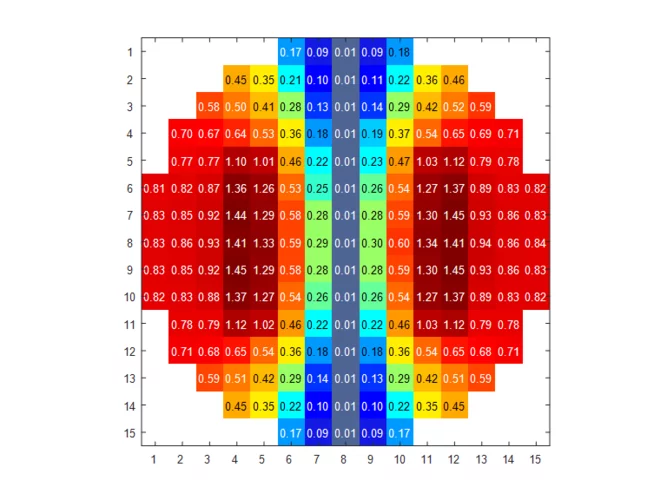
Noise appears in many areas of science, and commonly has an unwanted and disturbing nature by deteriorating signals’ quality. Therefore, various techniques have been developed over the years for separating noise from pure signals. However, noise has a key role in signal analysis of nuclear reactors as its’ appropriate assessment can be used not only for exploring the normal and dynamic behaviour of nuclear cores, but also for identifying and detecting possible anomalies of reactor systems. State of the art methods have been recently implemented within the well-established signal analysis methodology of the STARS program, at the Laboratory for Reactor Physics and Thermal-Hydraulics (LRT), for investigating nuclear reactor noise and getting a better insight on analysing reactors’ operation.
Pt nanoparticles: The key to improved stress corrosion cracking mitigation in boiling water reactors
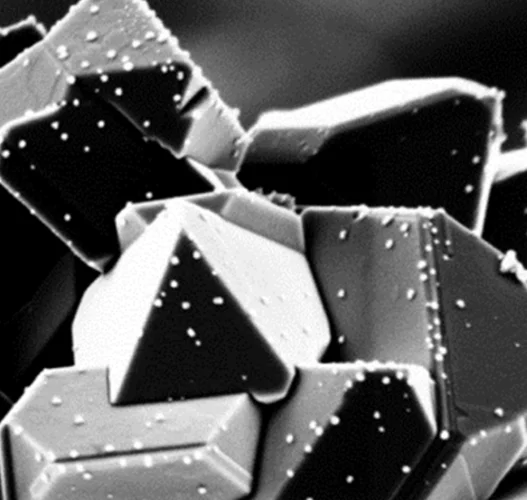
The formation and growth of cracks by stress corrosion cracking (SCC)in reactor internals and recirculation pipes due to the highly oxidising environment is a serious issue in boiling water reactors. At first, SCC mitigation was attempted by injecting H2 into the feed water, where the injected H2 recombines with the H2O2 and O2 to water and reduces the electrochemical corrosion potential, and consequently the SCC susceptibility. Several disadvantages of the injection of high amounts of H2, have led to the development of noble metal additions to the reactor feed water. With injection of a much smaller amount of H2, the noble metal particles of a few nanometres in size, formed in-situ, work as catalysts for the efficient reduction of the oxidizing species formed by radiolysis, and thus lower the ECP and SCC susceptibility.

Sorption of trivalent lanthanides and actinides onto montmorillonite
The credibility of long-term safety assessments of radioactive waste repositories may be greatly enhanced by a molecular level understanding of the sorption processes onto individual minerals present in the near- and far-fields. A study conducted at LES in collaboration with the Helmholtz Zentrum Dresden Rossendorf used extended X-ray absorption fine structure (EXAFS) and time-resolved laser fluorescence spectroscopies (TRLFS) to elucidate the uptake mechanism of trivalent lanthanides and actinides (Ln/AnIII) by the clay mineral montmorillonite.The excellent agreement between the thermodynamic model parameters obtained by fitting the macroscopic data, and the spectroscopically identified mechanisms, demonstrates the mature state of the 2SPNE SC/CE sorption model developed at LES for predicting and quantifying the retention of Ln/AnIII elements by montmorillonite-rich clay rocks.

BKW and PSI agree on partnership for safety analysis services
BKW’s Engineering Division and the Paul Scherrer Institute (PSI) joined forces to provide risk and safety analysis services in the nuclear sector. By combining their expertise, the two companies are able to solve highly complex problems in the field of nuclear safety. The range of joint services is aimed at customers from the power plant sector and supply industry, as well as public and state institutions. The collaboration will focus exclusively on the international (non-Swiss) market.

How Switzerland could supply its electric power in 2050
The Laboratory for Energy Systems Analysis at the Paul Scherrer Institute PSI is investigating how Switzerland’s electricity supply might look, up to the year 2050, under a variety of boundary conditions. On the basis of their calculations, the lab’s researchers are able to generate insights on possible future developments of the energy sector, for example, determine how an ambitious reduction in CO2 emissions could be achieved at the lowest possible cost.
The Dynamics of Nuclear Reactors
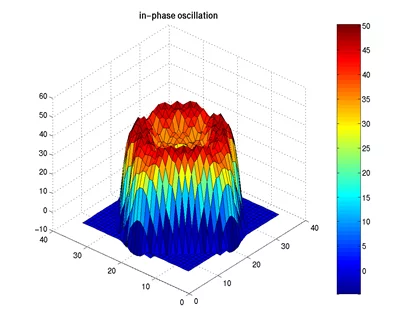
Nuclear reactor dynamics deals with the transient behaviour of nuclear reactors which mostly refers to time changes of the imbalance between heat production and removal. Since the prediction of the dynamic behaviour is crucial for the safety of a reactor, computational models and methodologies have been developed in the framework of the STARS project, at the Laboratory for Reactor Physics and Thermal-Hydraulics (LRT), with the main goal to simulate the complex behaviours of reactors under various conditions with a high level of fidelity.

Simulations for More Efficient Power Stations
In most cases, electricity is generated when water is heated and transformed into vapour. Vapour bubbles in the water play a decisive role in this process. Using computer simulation, researchers at the Paul Scherrer Institute have succeeded in representing the behaviour of vapour bubbles – and in making their performance more calculable.
Radioactive targets produced at PSI enable improving the Big Bang Theory
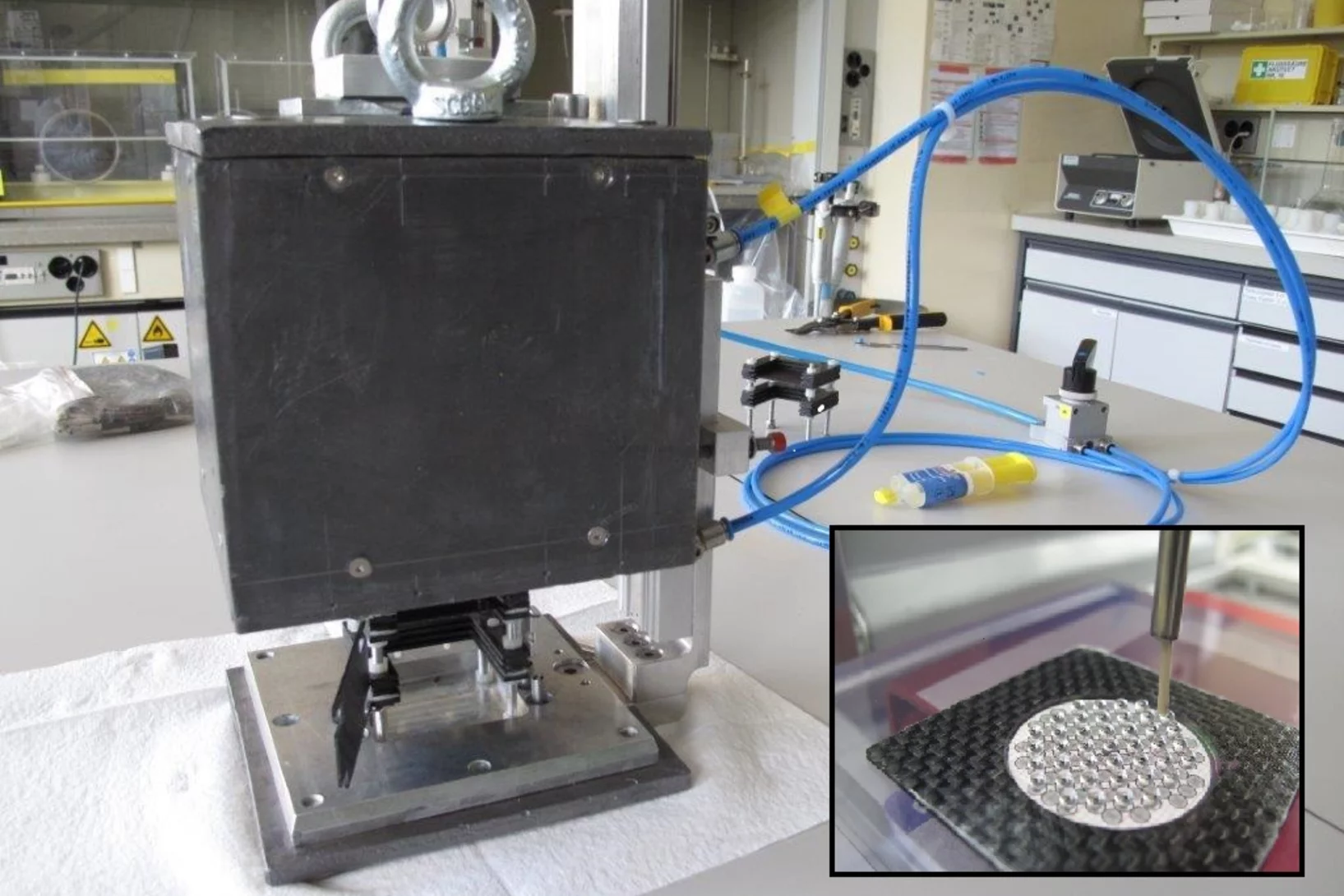
One of the long-lasting unsolved problems in Nuclear Astrophysics is the so-called "Cosmological Li Problem", i.e. the large discrepancy between the primordial 7Li abundance predicted by models of Big Bang Nucleosynthesis and the one inferred from astronomical observation. The study of the production/destruction rates of the radioactive precursor 7Be is one of the clues for solving this problem.
Molten salt reactors – exploring an alternative
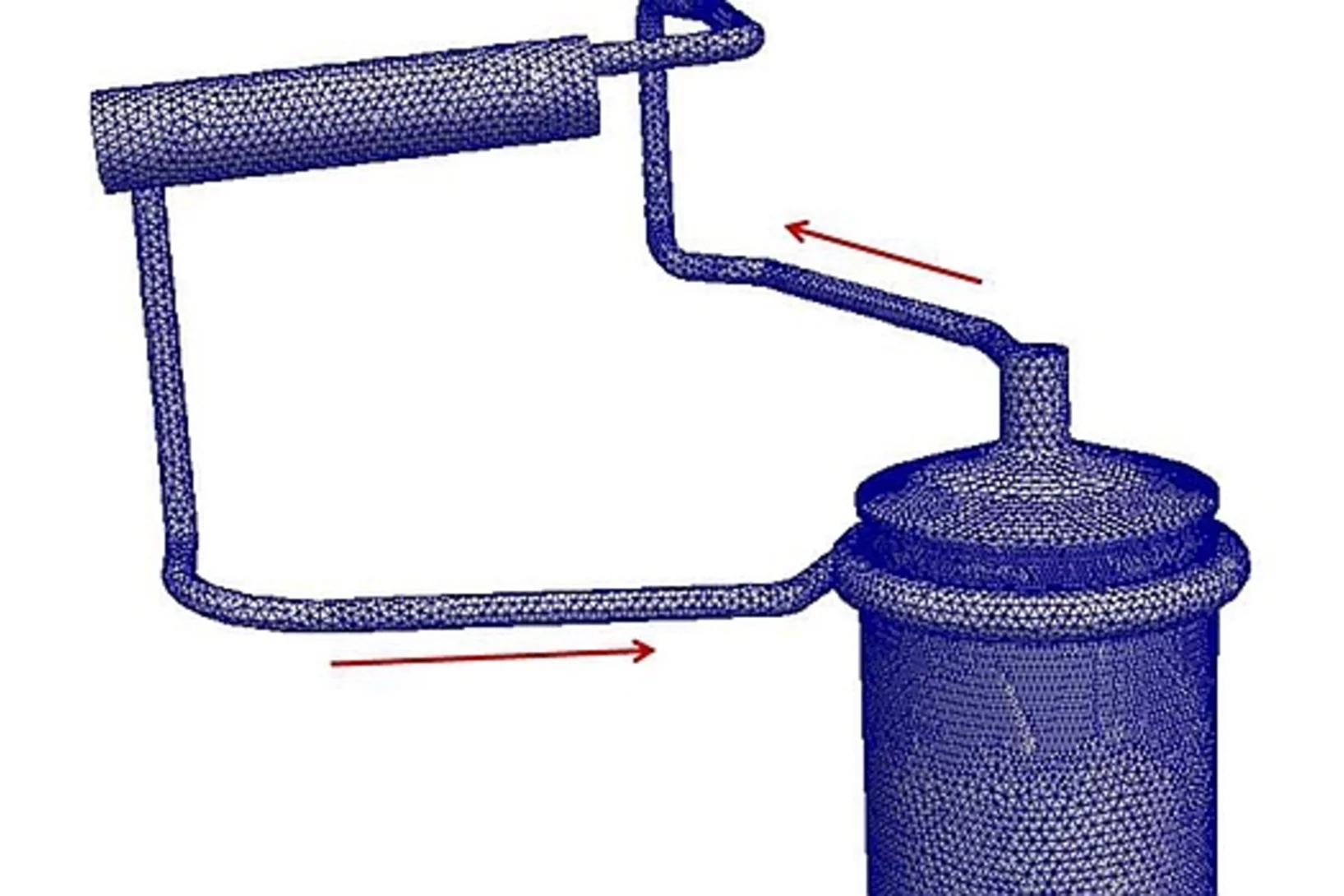
At the Paul Scherrer Institute PSI, a small group of scientists is using theoretical models to explore an alternative for future nuclear reactors: so-called molten salt reactors. This helps to secure Switzerland’s expertise regarding globally relevant questions in the area of nuclear energy and reactor safety, for today and tomorrow.
Infrared imaging sheds new light on the condensation/evaporation process
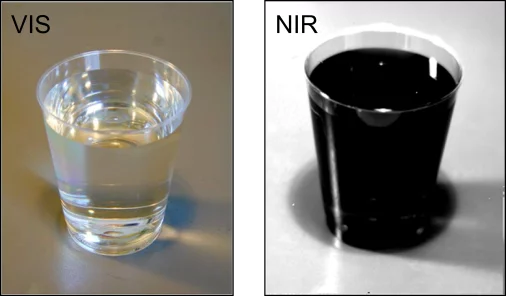
Researcher at PSI (NES/LRT) have brought modern infrared technologies into their large thermal-hydraulic facility, called LINX, to obtain insights into condensation/evaporation process occurring under thermodynamic conditions resembling those of a nuclear power plant containment during a severe accident scenario. In such a scenario, condensation is of prime importance to control the thermodynamic state of the containment. It affects the pressure history, the overall gas (steam, hydrogen) and fission product distribution within this last barrier. Better understanding of these phenomena under accident conditions is essential to properly predict the accident evolution.
The chemical state of 79Se in spent nuclear fuel
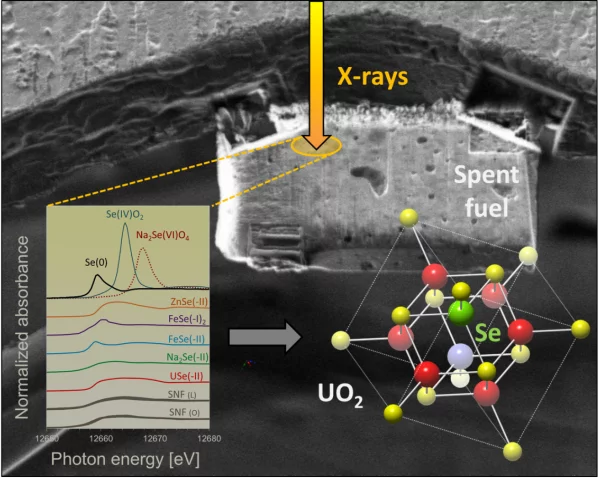
An interdisciplinary study conducted at different PSI laboratories (LES, AHL, LRS, SYN) in collaboration with Studsvik AB (Sweden) demonstrates that selenium originating from fission in light water reactors is tightly bound in the crystal lattice of UO2. This finding has positive consequences for the safety assessment of high-level radioactive waste repository planned in Switzerland, as it implies (contrary to previous assumptions) that the safety-relevant radionuclide 79Se will be released at extremely low rates during aqueous corrosion of the waste in a deep-seated repository.
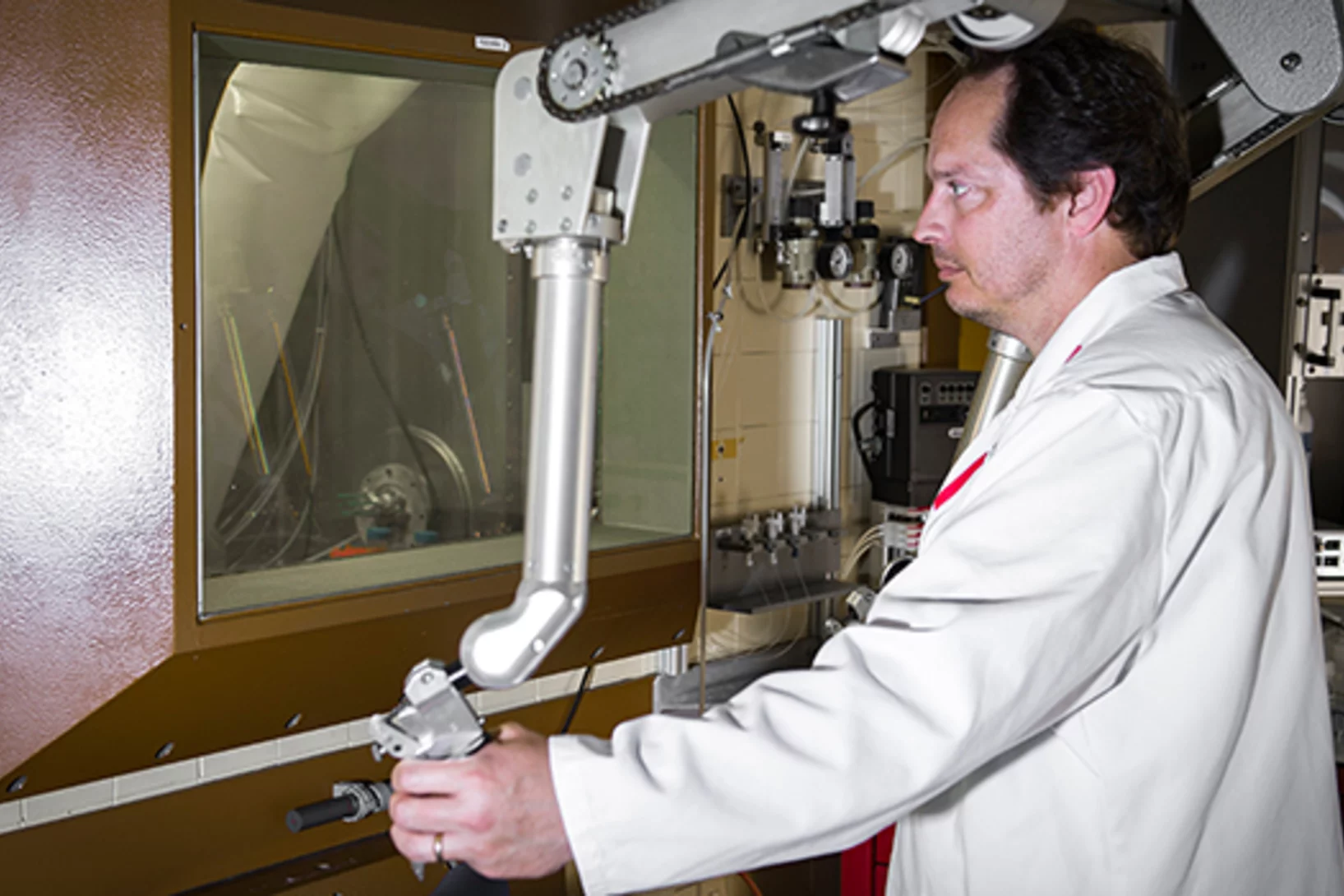
Designer nuclide for medical applications
Researchers at the PSI have for the first time used a cyclotron to produce the radionuclide scandium-44 in a quantity and concentration as needed for medical treatment. With that, they have achieved the first precondition for scandium-44 to be used one day for medical tests in hospitals.
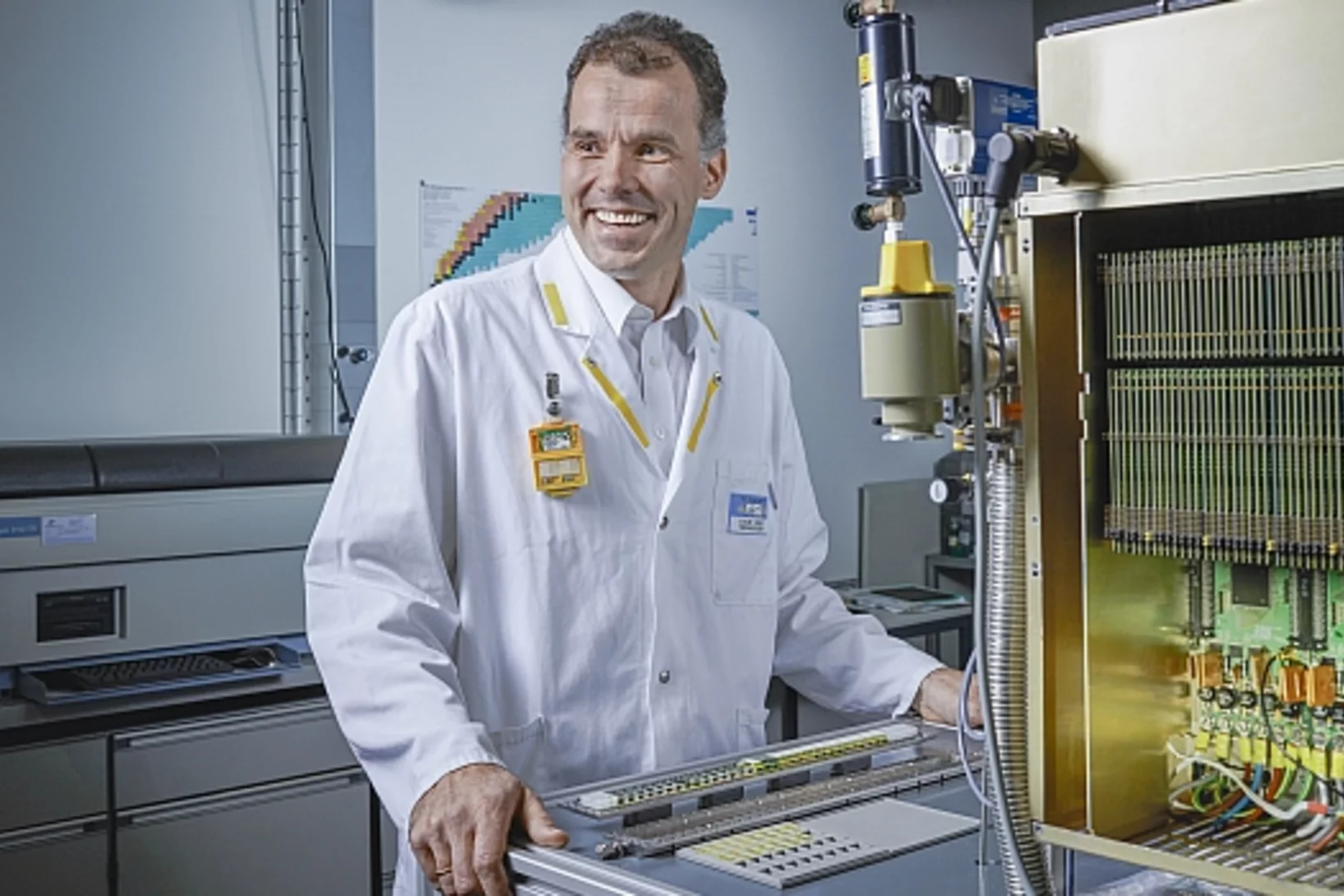
One atom at a time
At the PSI, the Heavy Elements Research Group explores the exotic, unstable atoms at the end of the periodic table of elements. The dream: to discover one day the island of stability that could exist beyond the elements charted so far on the chemists' map.
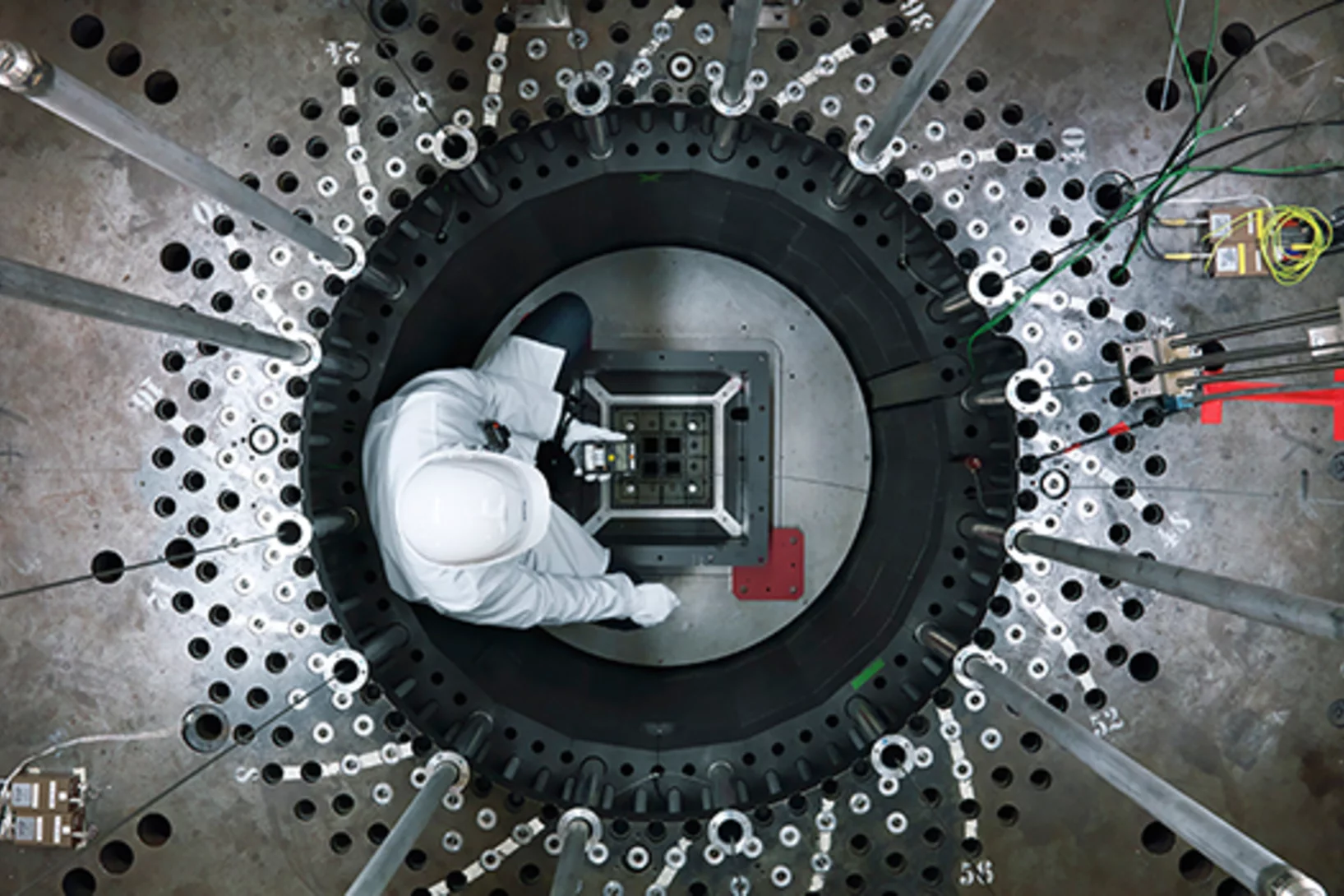
Decommissioning of the research reactor Proteus
Start of the public examination period for decommissioning of the nuclear facility Proteus at the Paul Scherrer Institute PSIThe nuclear research facility Proteus is a so-called zero-power reactor. In service, the thermal output of the reactor was limited to a maximum of 1 kW. That means this is an experimental reactor that was run at a power level so low that it did not require cooling. Proteus went into service in 1968. The PSI would like to decommission the facility. The decommissioning project is now being publicly announced in the legally prescribed, official publications.
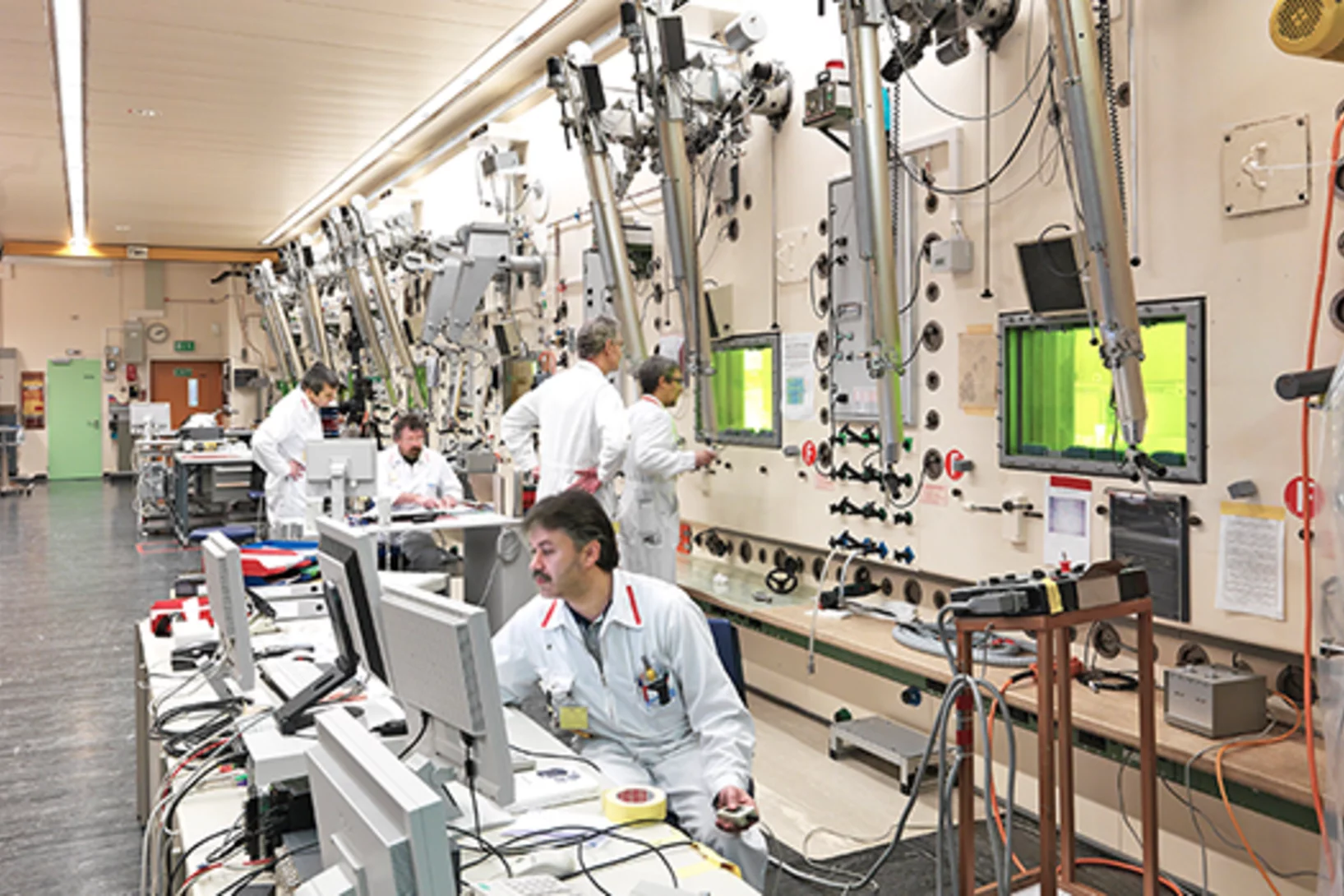
The hotlab research facility
Start of the public examination period for renewed authorization to operate the research facility hotlab at the Paul Scherrer Institute PSIThe hotlab at the Paul Scherrer Institute PSI is a facility, unique in Switzerland, where researchers study highly radioactive materials in specially shielded chambers called hot cells. It serves the needs of applied materials research on highly radioactive samples from core structural components and fuel rods from nuclear power plants, research reactors, and the PSI radiation facilities. Through its operation of the hotlab, the Paul Scherrer Institute also contributes to the safety of the nuclear power plants in Switzerland. Around thirty staff members attend to the hotlab's safety technology and analysis infrastructure.

Kohlendioxid: Das Klimaproblem im Untergrund entsorgen?
Allen Warnungen vor den Folgen des Klimawandels zum Trotz und unbeeindruckt von politischen Absichtserklärungen: Die weltweiten Kohlendioxidemissionen steigen und steigen. Hauptverantwortlich dafür sind Kohle- und Gaskraftwerke, die den zunehmenden Strombedarf decken. Könnte man deren Kohlendioxidemissionen dauerhaft im Boden speichern, anstatt damit Atmosphäre und Klima zu belasten? Und wäre das auch für die Schweiz interessant? Diese Fragen beleuchtet der neueste Energie-Spiegel des PSI.This news release is only available in German.