SwissFEL Cristallina Endstation
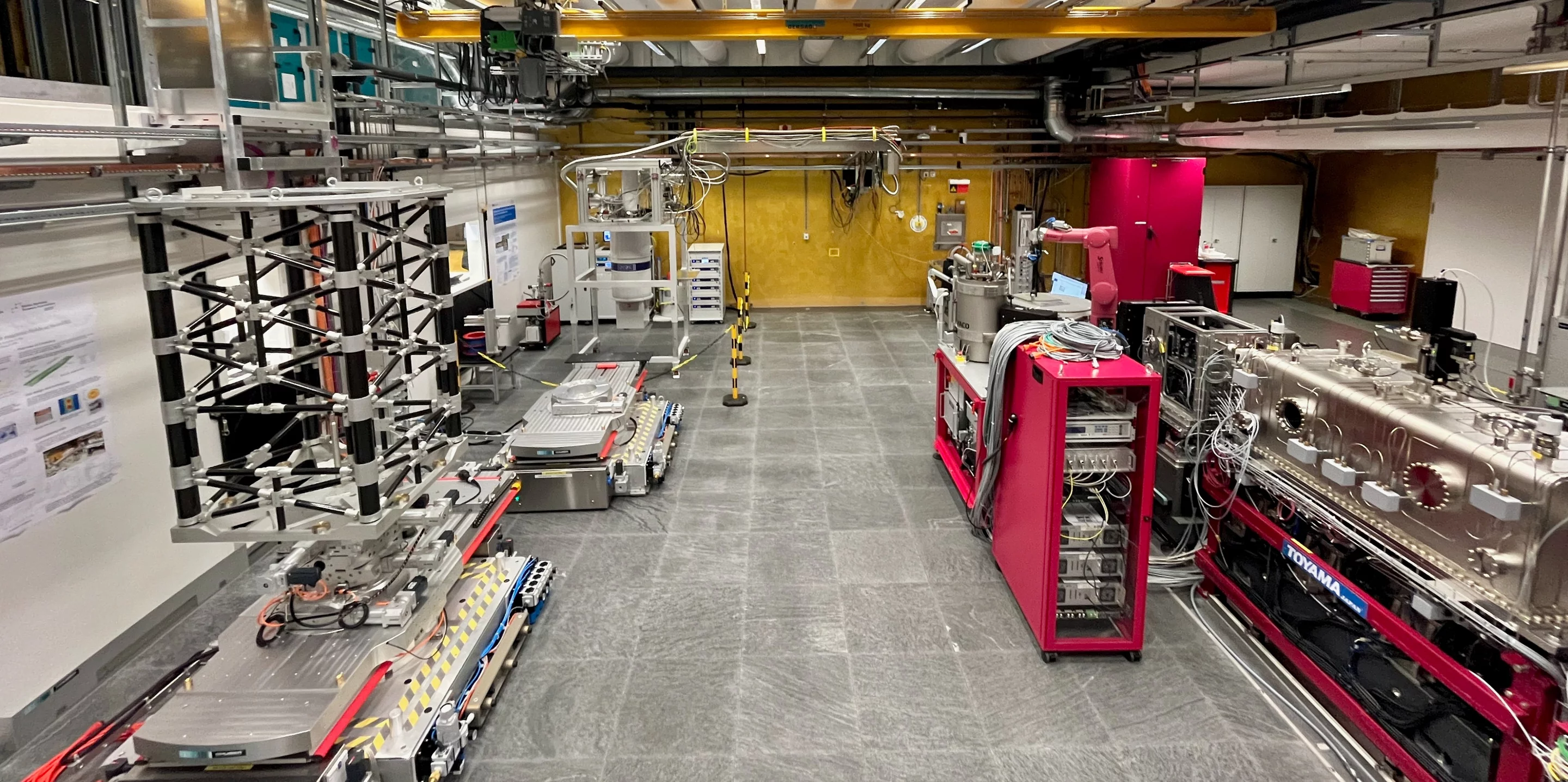
Cristallina is the third endstation of the SwissFEL ARAMIS hard X-ray beamline. It serves both quantum science (Cristallina-Q) and structural biology (Cristallina-MX), enabling the imaging of quantum many-body states under extreme conditions and serial femtosecond protein crystallography, respectively.
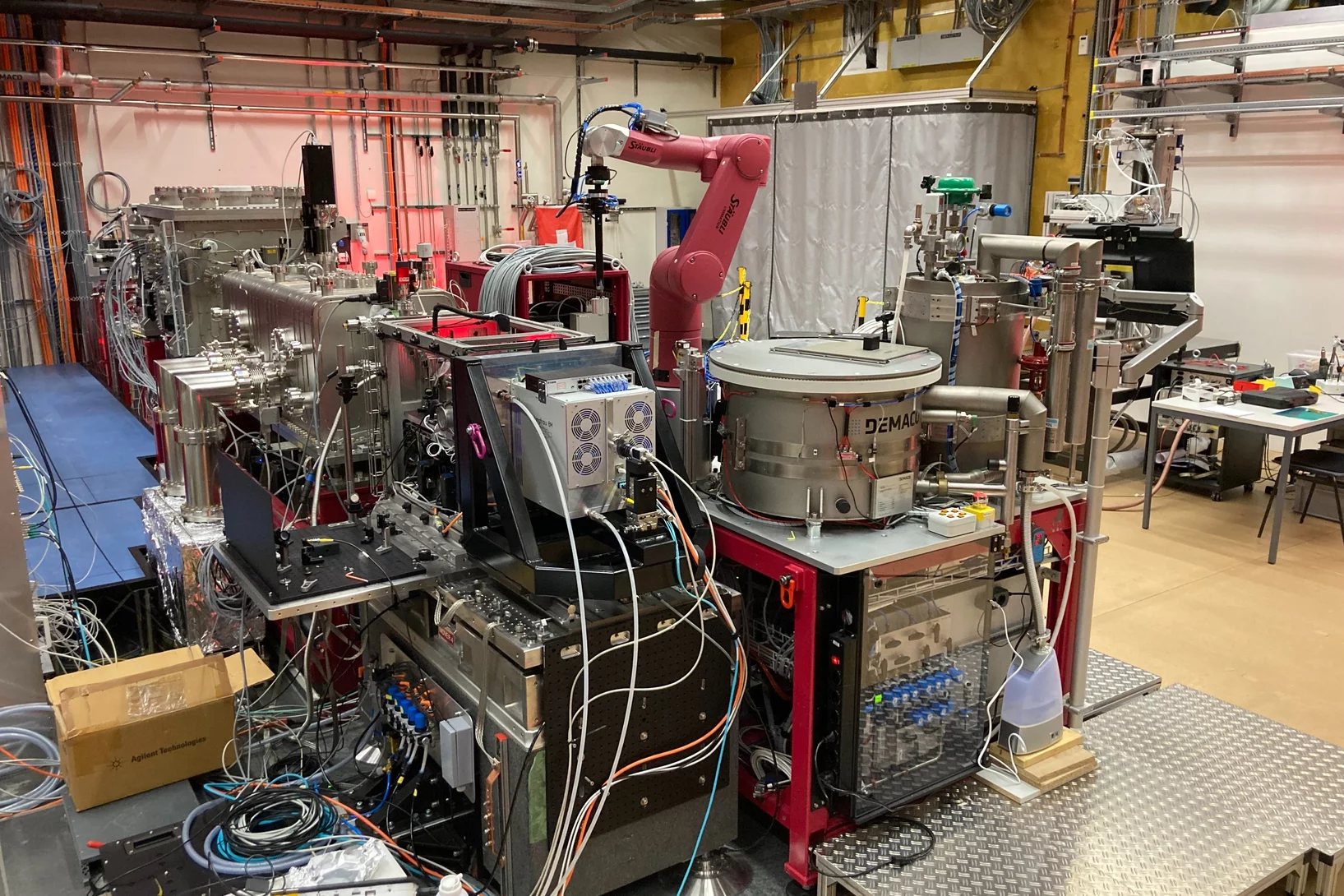
The Cristallina-MX experimental stations are designed for serial femtosecond crystallography (SFX), and operated by the Cristallina-MX team with the support of the Macromolecular Crystallography Group. The SwissMX fixed-target SFX experimental station is in user operations since January 2024. Experimental stations for different means of sample delivery are in conception.
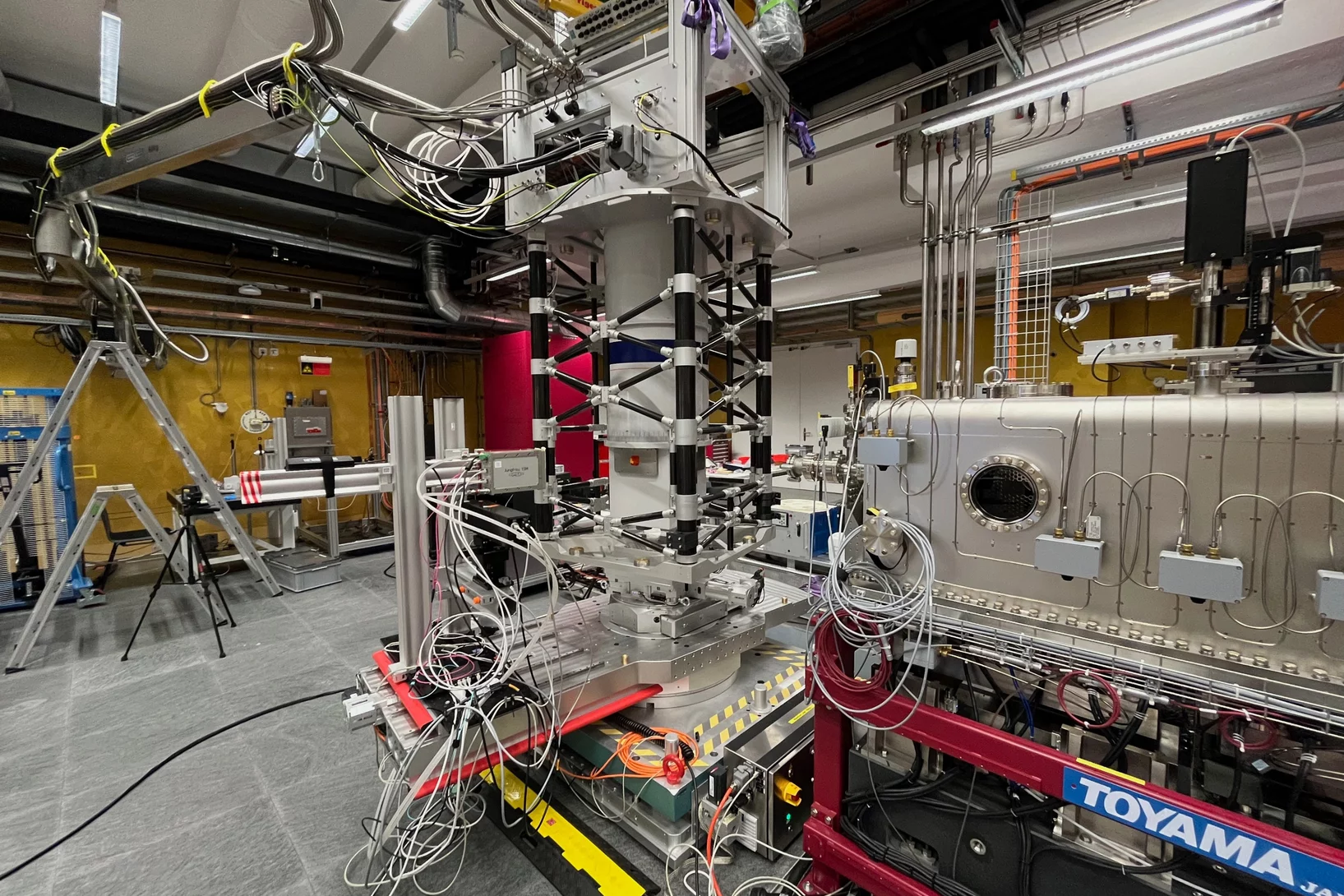
The Cristallina-Q experimental stations provide unique high-field and low-temperature capabilities, and are operated by the Cristallina-Q team within the Quantum Photon Science Group. Cristallina-Q has been partially funded by the University of Zurich, the Swiss National Science Foundation and PSI via the R’Equip scheme. The experimental stations include the Ultralow-T Vectormagnet, open to users since January 2025, and the Pulsed Magnet, which is currently under commissioning. Both experimental stations rely on heavy-load diffractometers to orient the sample in the beam.
The overall Cristallina endstation layout allows for reshuffling of the experimental stations between the X-ray beam experiment position and dedicated preparation areas by sliding the setups over a granite floor by means of airpads. The Cristallina beamline can operate with both pink and monochromatic beam, and provides a variable beam size at the sample position down to smaller than 2 µm using bendable KB mirrors.
Cristallina News and Scientific Highlights
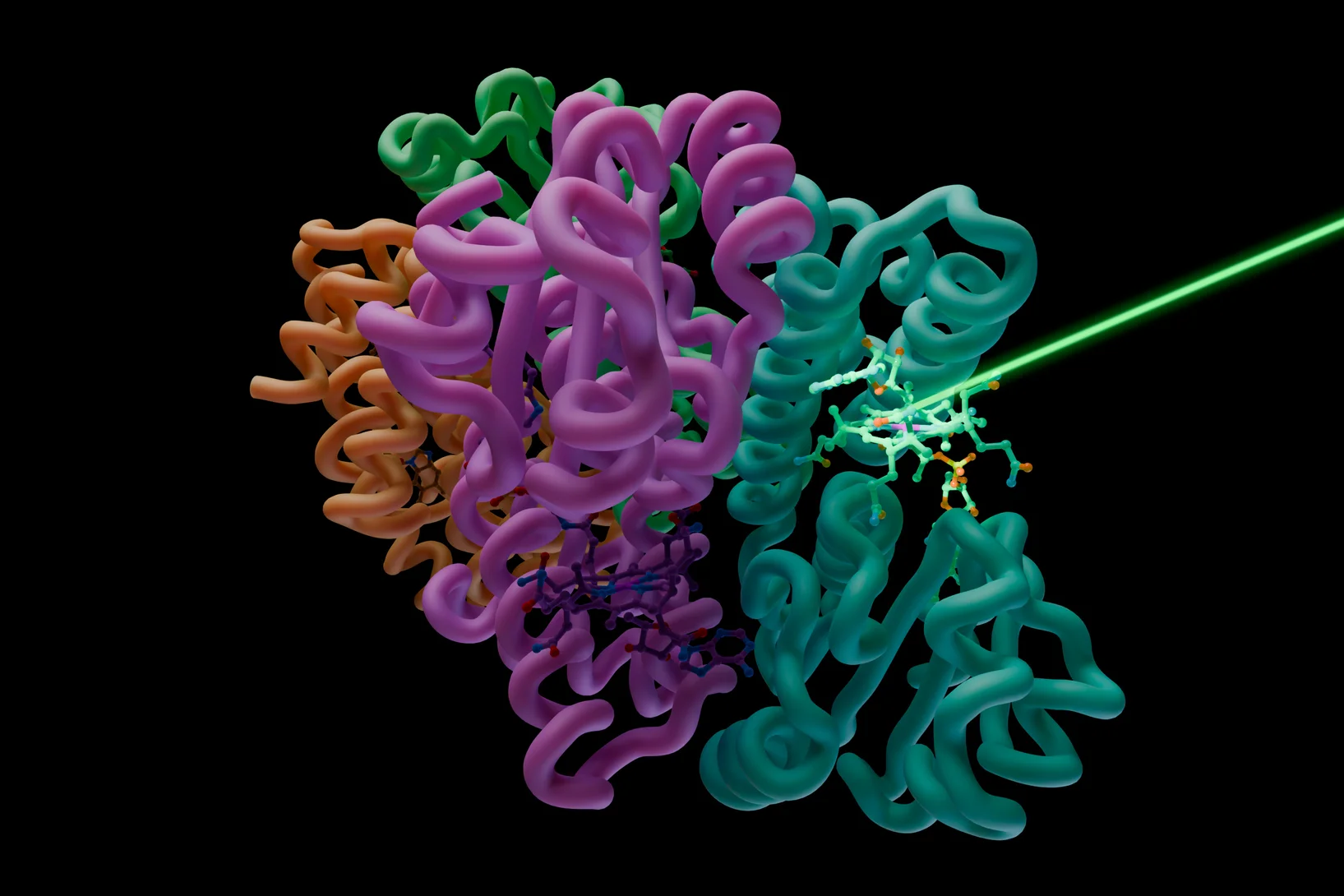
Filming a vitamin B12 photoreceptor in action
SwissFEL shows the molecular events that occur when a vitamin B12 photoreceptor absorbs light
Kelvin: The low-temperature scale
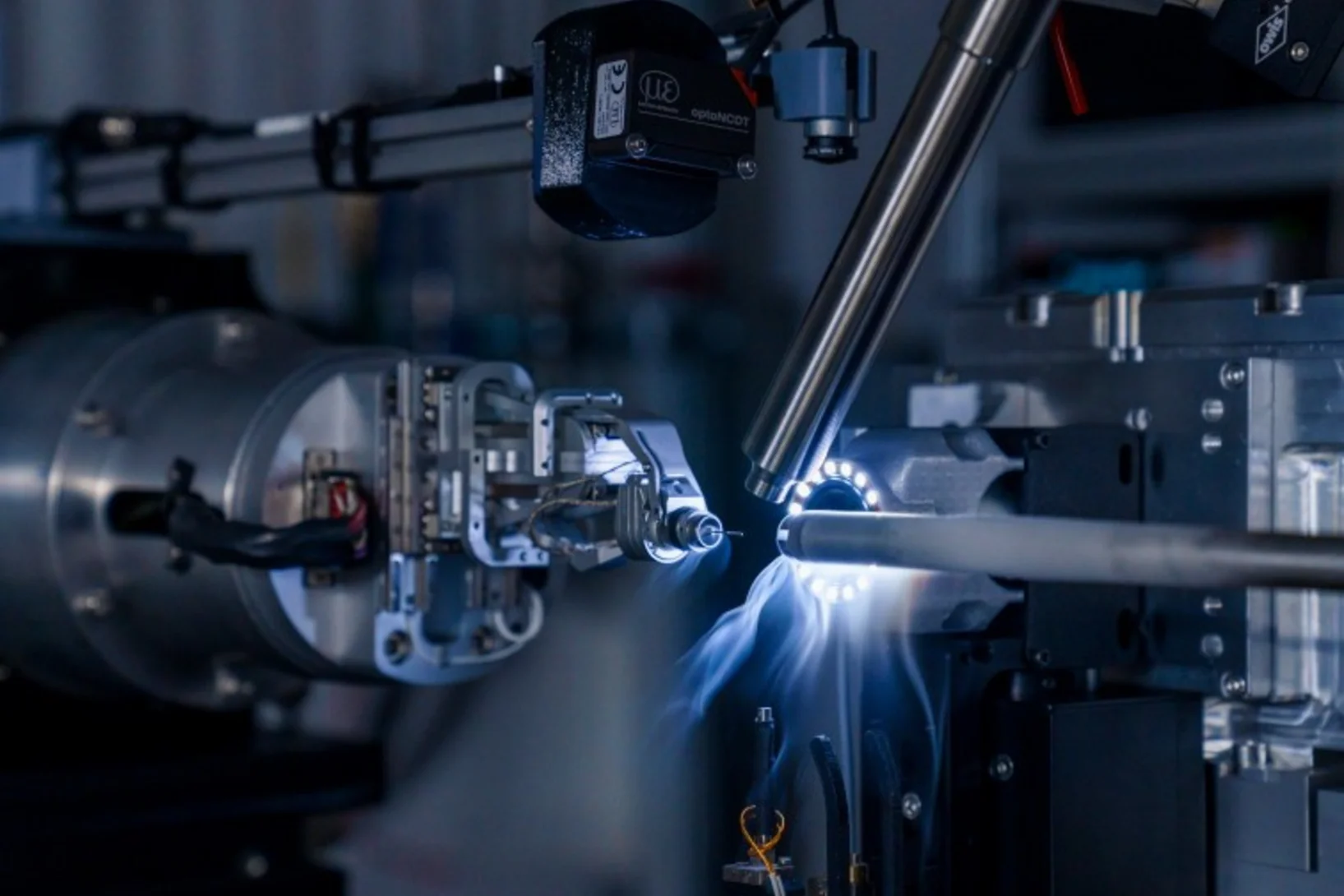
The art of engineering means, first of all, the skill required to design and manufacture devices that enable top technical performance. This gallery shows, in five pictures, that this term can also be understood differently if the devices are regarded as works of art with their very own aesthetic, apart from their actual function.
Bringing SwissFEL light to industrial users
High throughput experiments will enable new structural biology users to benefit from XFEL light.
Publications
-
Rios-Santacruz R, Poddar H, Pounot K, Heyes DJ, Coquelle N, Mackintosh MJ, et al.
Integrated structural dynamics uncover a new B12 photoreceptor activation mode
Nature. 2026. https://doi.org/10.1038/s41586-025-10074-2
DORA PSI -
Gorel A, Shoeman RL, Hartmann E, Nizinski S, Appleby MV, Beale EV, et al.
Testing the limits: serial crystallography using unpatterned fixed targets
IUCrJ. 2025; 12(6): 12 (18 pp.). https://doi.org/10.1107/S2052252525008371
DORA PSI -
Williams LJ, Thompson AJ, Dijkstal P, Appleby M, Assmann G, Dworkowski FSN, et al.
Damage before destruction? X-ray-induced changes in single-pulse serial femtosecond crystallography
IUCrJ. 2025; 12(3): 1-14. https://doi.org/10.1107/S2052252525002660
DORA PSI