


Here you find current and previous news from the PSI Center for Neutron and Muon Sciences.
Show filters
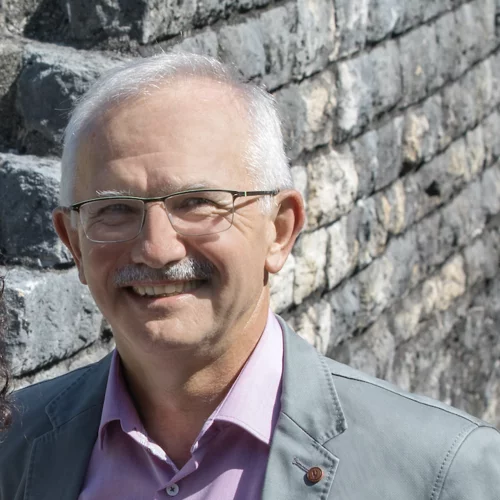
ISNR honorary membership awarded to Eberhard Lehmann
The International Society for Neutron Radiology ISNR was founded in 1996 with the aim to organize regular conferences with the focus on the use of neutrons for imaging purposes. During the 11th World Conference on Neutron Radiography, held recently in Sydney (Australia) and organized by ANSTO, the Honorary Membership of ISNR was awarded to Eberhard Lehmann - in recognition to his contributions for the progress in the field of neutron imaging on national and international level. The Neutron Imaging and Activation Group NIAG of the LNS has been active member in ISNR from the very beginning. Presently and since 2014, Markus Strobl the head of NIAG is vice-president elected of ISNR – and was reelected recently until 2022. In addition, NIAG member Pavel Trtik is now representing PSI in the ISNR board until 2022.

Imaging the inside of injection needles with neutrons
Researchers from the Paul Scherrer Institute PSI, the University of Basel and Roche have used neutron imaging to investigate why cool storage is crucial for syringes pre-filled with a liquid medication.
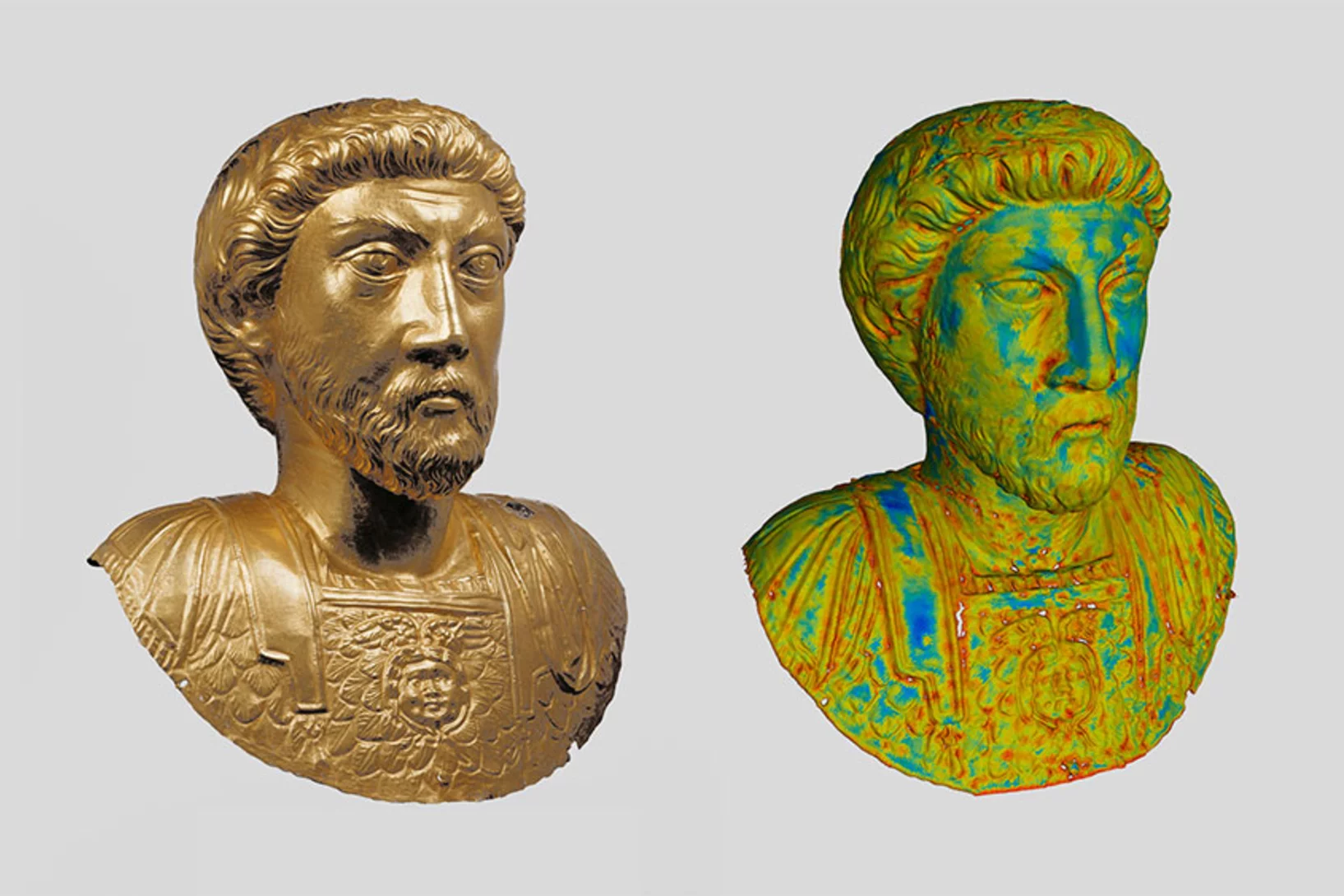
From golden emperor to filled Buddha
Ancient metal objects are illuminated by neutrons at the Paul Scherrer Institute PSI. This enables researchers to discover what is hidden inside them, how they were made and how they can be preserved.
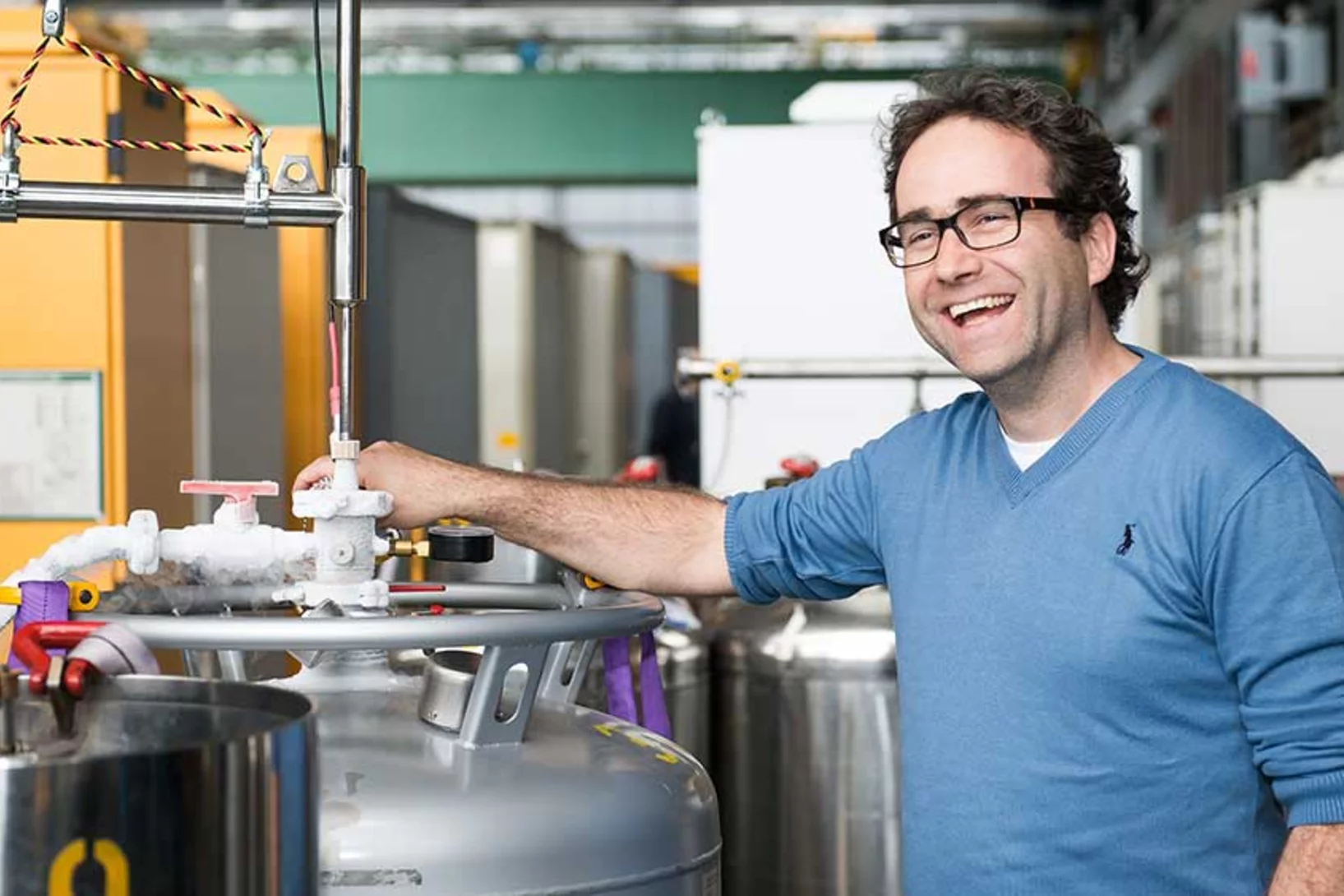
The hard worker from Val Mesolcina
For Aldo Antognini, physics and conviviality are in the bloodPSI researcher Aldo Antognini has received more than 2.2 million Swiss francs from the EU for his latest experiment. He wants to find out how magnetism is distributed in the proton. The particle physicist will be able to apply not only his scientific and technical talents, but his social flair as well.
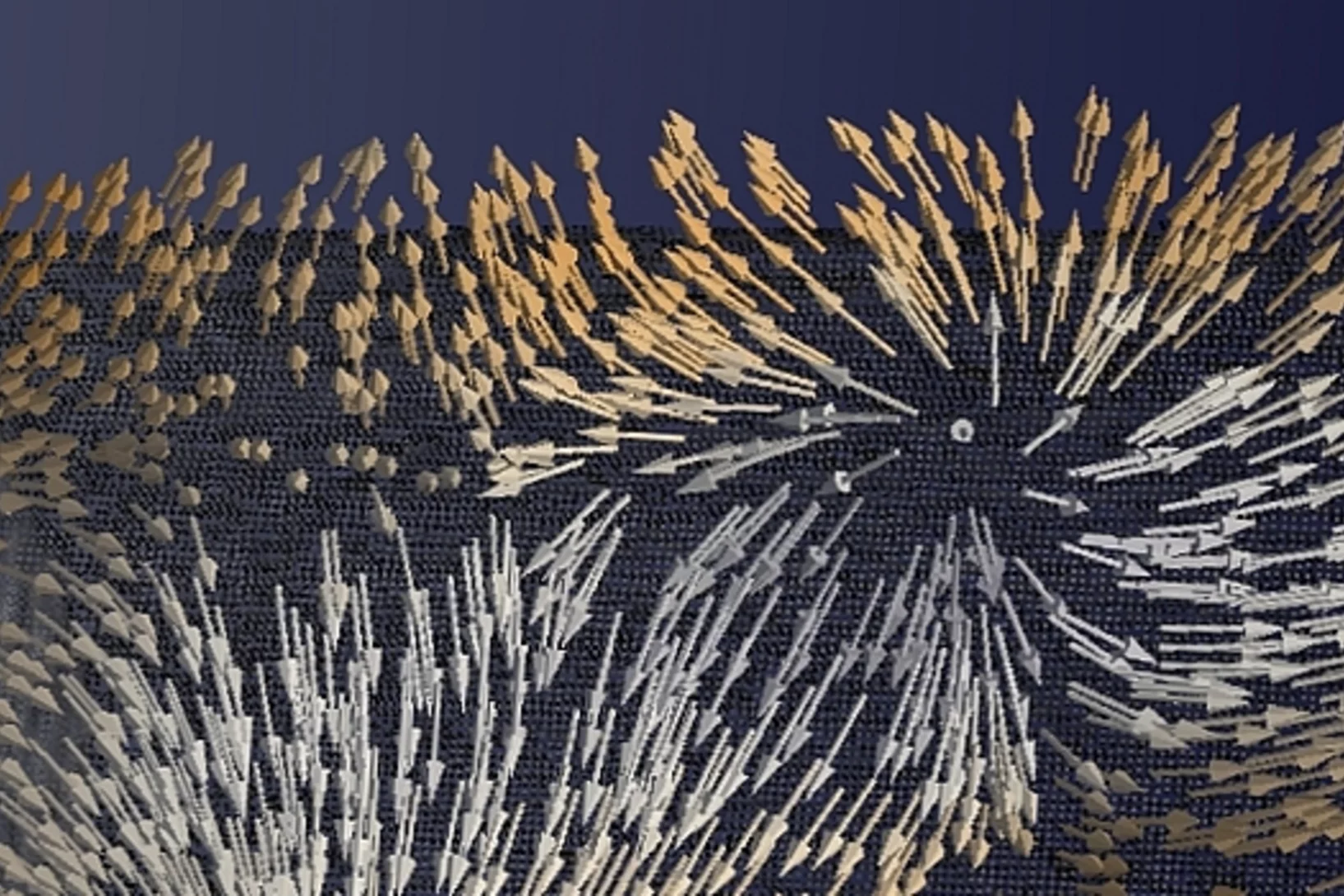
Diving into magnets
For the first time, scientists have made visible the directions of the magnetisation inside a 3D magnetic object. The smallest details in their visualisation were ten thousand times smaller than a millimetre. Among others, the magnetic structure contained one outstanding kind of pattern: magnetic singularities called Bloch points, which up to now were only known in theory.