
Show filters
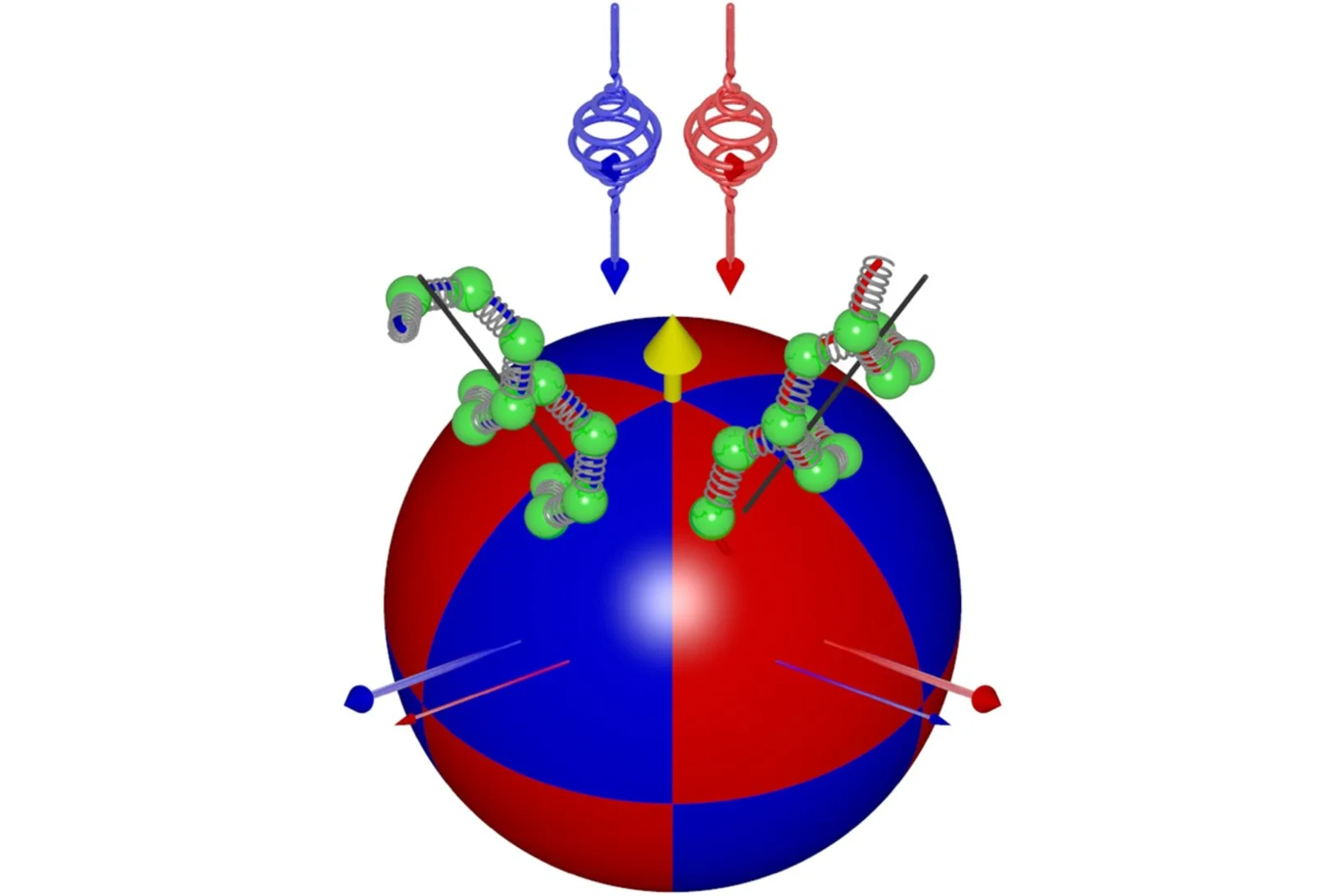
Chiral phonons in polar LiNbO3
Resonant inelastic x-ray scattering reveals that lattice vibrations can be chiral in a polar material, with phonons having opposite handedness depending on their direction in momentum space.
“La collaborazione è particolarmente importante nella ricerca quantistica”
La ricercatrice del PSI Kirsten Moselund parla delle tecnologie quantistiche, della loro importanza e della situazione attuale in Svizzera. E della sua ricerca nel campo della nanofotonica.
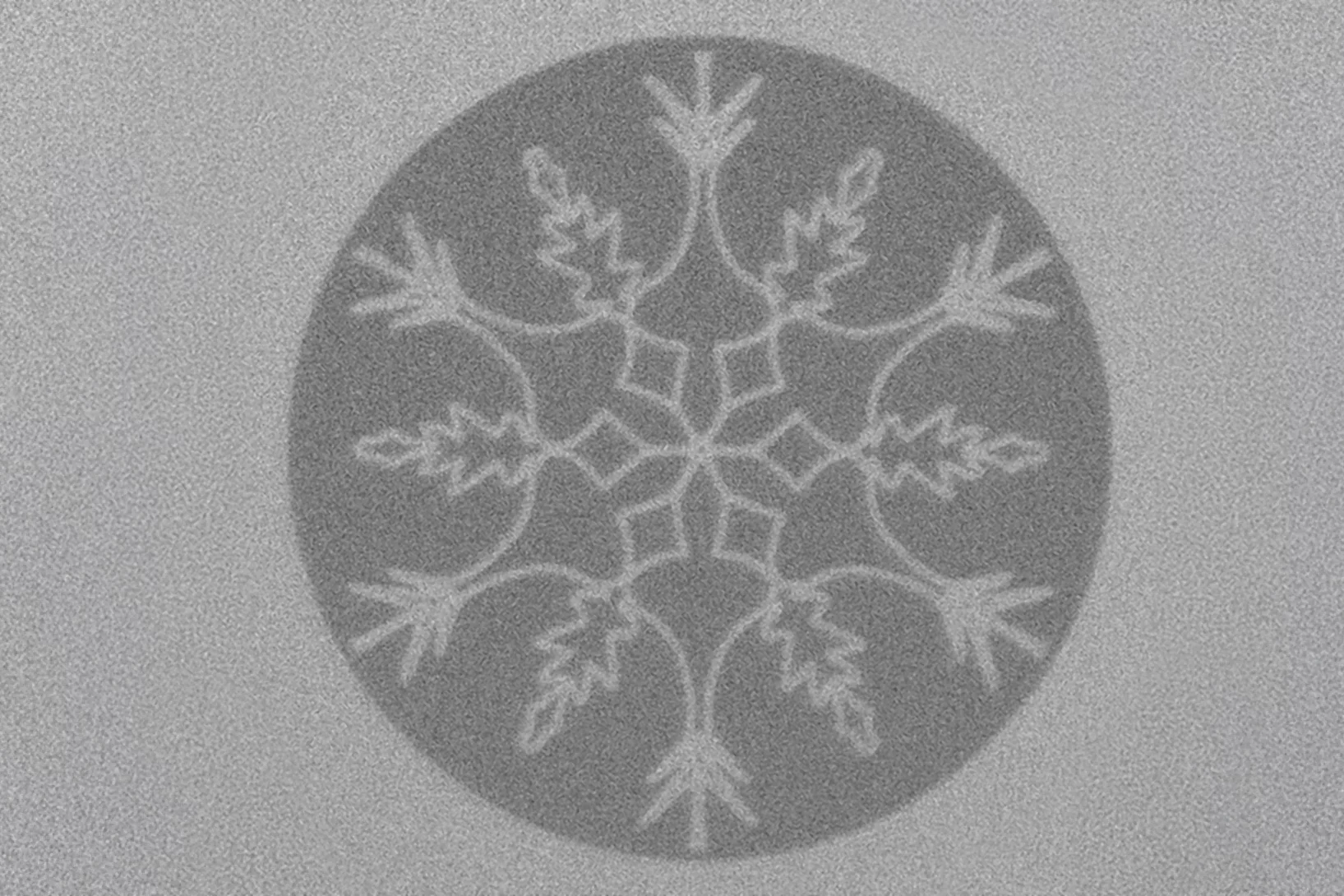
Il laser disegna paesaggi magnetici personalizzati
I ricercatori del PSI hanno trovato un metodo sorprendentemente favorevole e veloce per modificare localmente i materiali magnetici.
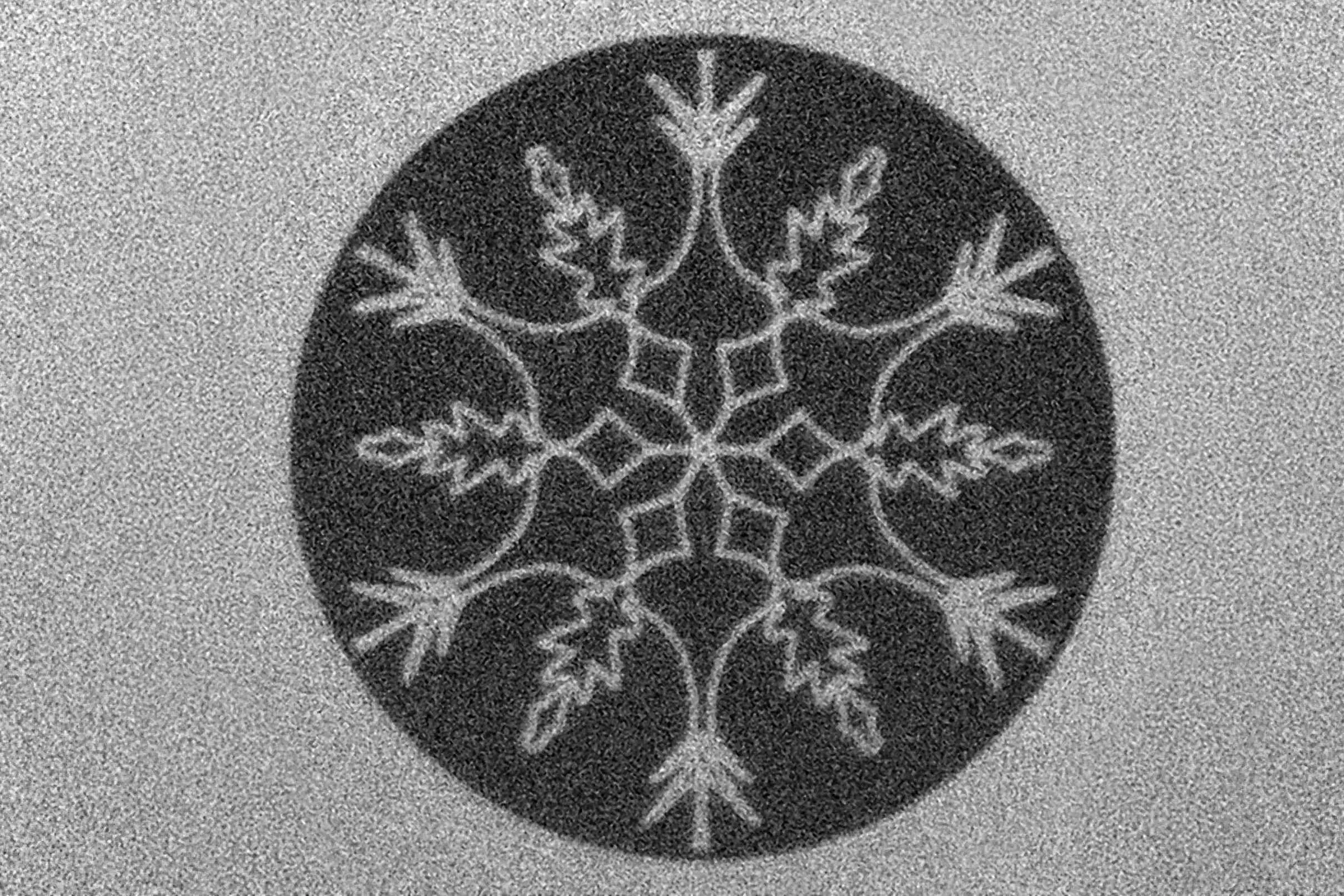
Two-dimensional gradients in magnetic properties created with direct-write laser annealing
Across the fields of magnetism, microelectronics, optics, and others, engineered local variations in material properties can yield groundbreaking functionalities that play a crucial role in enabling future technologies. One-dimensional lateral gradients in material properties give rise to a plethora of new effects in thin-film magnetic systems. However, extending such gradient-induced behaviors to two dimensions has been challenging to realize experimentally. Here, we demonstrate the creation of two-dimensional complex patterns with continuous variations in magnetic anisotropy, interlayer exchange coupling, and ferrimagnetic compensation at the mesoscopic scale in numerous application-relevant magnetic materials. We exploit our engineered gradients in material properties to demonstrate novel magnetic functionalities, including the creation of a spin wave band pass filter and an architecture for passively resetting the position of a magnetic domain wall. Our results highlight the exciting new physics and device applications enabled by two-dimensional gradients in thin film properties.
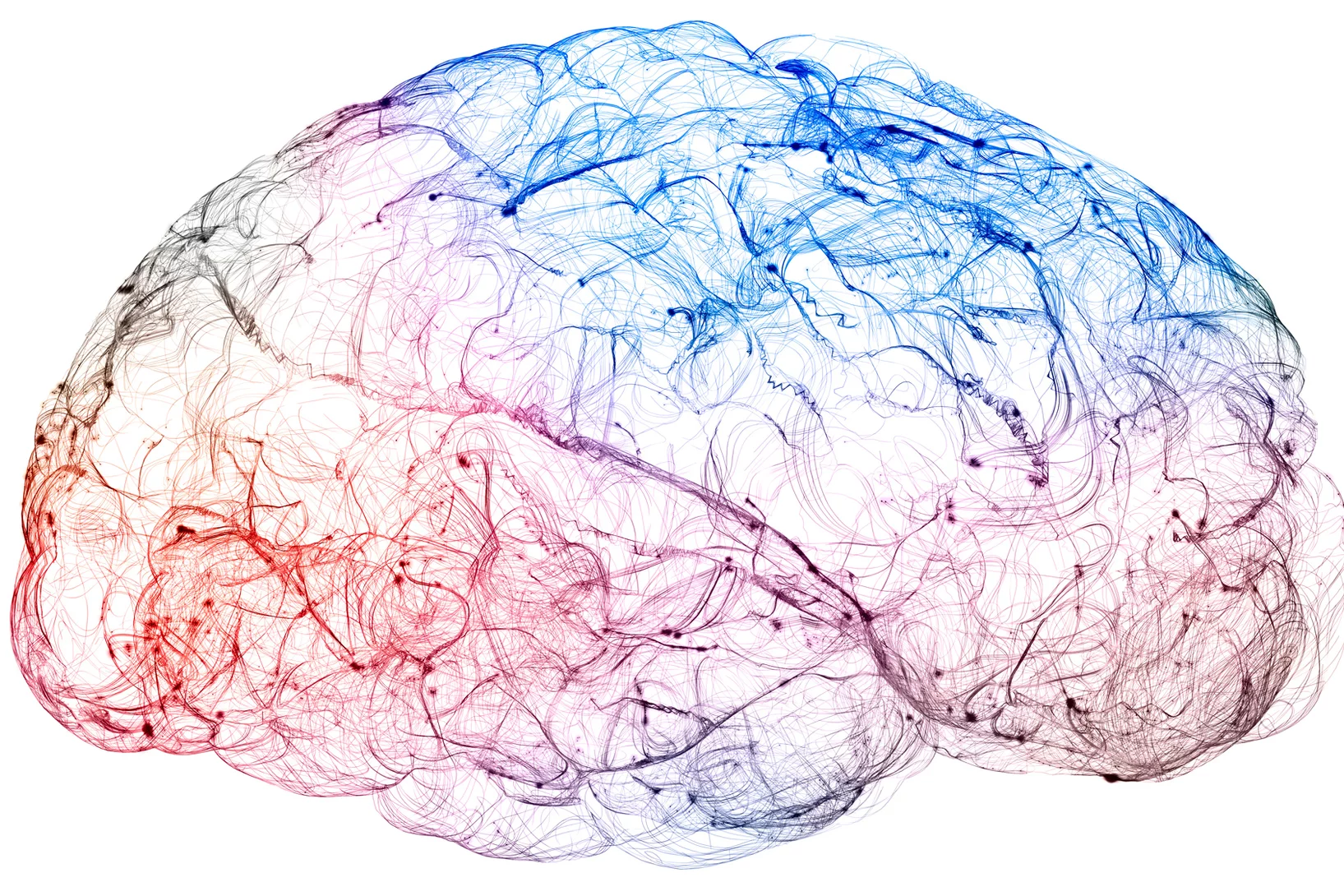
Mappatura cerebrale ad alta risoluzione a portata di mano grazie alla luce a raggi X
Un'innovativa tecnica di imaging potrebbe visualizzare le connessioni all'interno del cervello con una risoluzione 3D senza precedenti.

Inaugurato il PIC svizzero
Fondato da partner scientifici e industriali insieme ai ricercatori del PSI: Il centro di trasferimento tecnologico "Swiss Photonics Integration Center" è stato inaugurato il 24 novembre 2025.
Atomi sotto pressione
Zurab Guguchia aggiunge materia - e crea fenomeni quantistici entusiasmanti, tra cui la superconduttività a temperature più facili da raggiungere.

Unravelling the coexistence of insulating and metallic-like excitations in SrIrO₃
A team led by researchers from the Paul Scherrer Institute PSI used resonant inelastic X-ray scattering to probe spin and charge fluctuations in atomically engineered SrIrO₃. The results revealed that insulator-like and metallic-like modes can simultaneously emerge in a correlated 5d semimetal, advancing the understanding of “strange metal” behaviour in spin–orbit coupled systems.
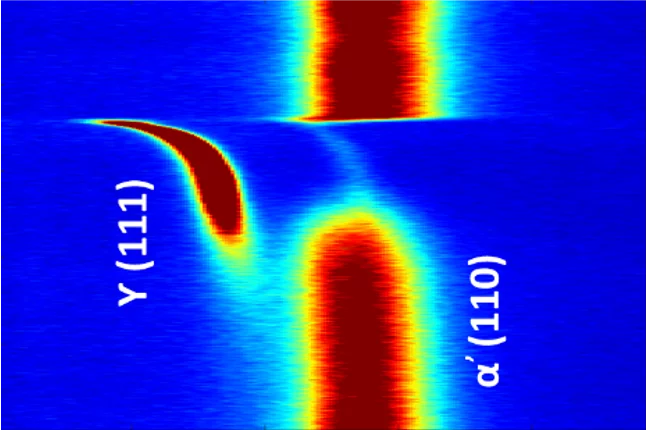
From Melt to Martensite
Real-time synchrotron X-ray diffraction reveals how different phases of steel emerge and evolve under the intense heat of laser powder bed fusion.
Duetto di terbio e altra arte quantistica
Per creare qubit più stabili, i ricercatori del PSI permettono agli ioni terbio di formarsi in coppie. Altrove, posizionano gli atomi con alta precisione utilizzando pinzette luminose.
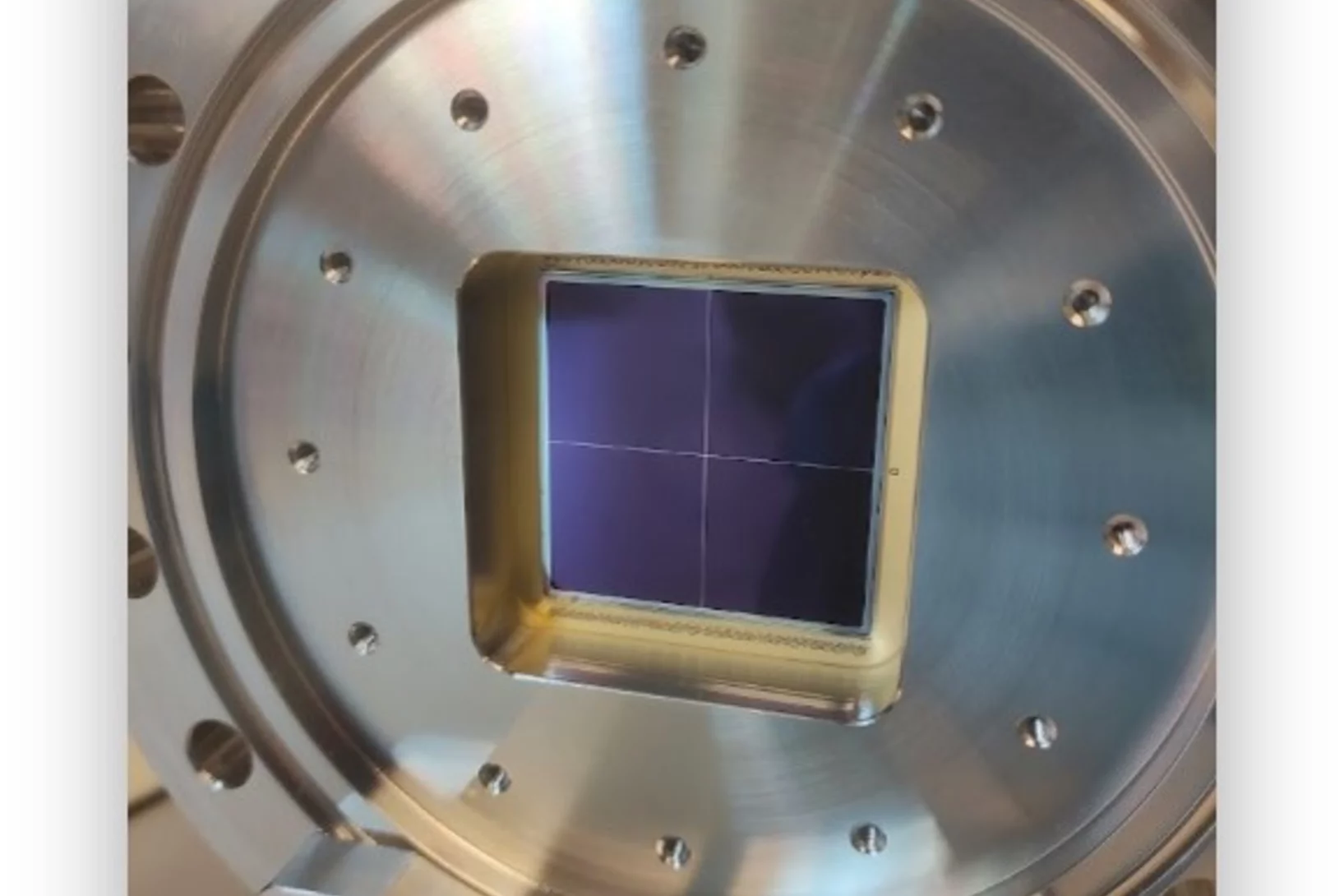
Single-Photon-Counting Detection for Soft X-rays Down to 530 eV
The PSI Photon Science Detector Group has developed the first single-photon-counting pixel detector capable of detecting soft X-rays down to 530 eV. This breakthrough was achieved by combining EIGER readout chips with novel inverse LGAD sensors, developed in collaboration with and fabricated at Fondazione Bruno Kessler (Italy). The detector is now in user operation for ptychographic applications, where it has already enabled significant scientific results at the Fe L₃-edge (707 eV) and even at the O K-edge (530 eV), demonstrating superior detection performance compared to commercially available state-of-the-art detectors.

Freni temporali e trappole ioniche
Cornelius Hempel calcola i fenomeni quantistici con i quanti. Sembra logico, ma è molto complesso. Il suo ultimo colpo: un simulatore quantistico che rallenta il tempo.

Disorder begins at the surface of quantum materials
Ultrafast X-rays from SwissFEL reveal unexpected light responses in quantum materials.
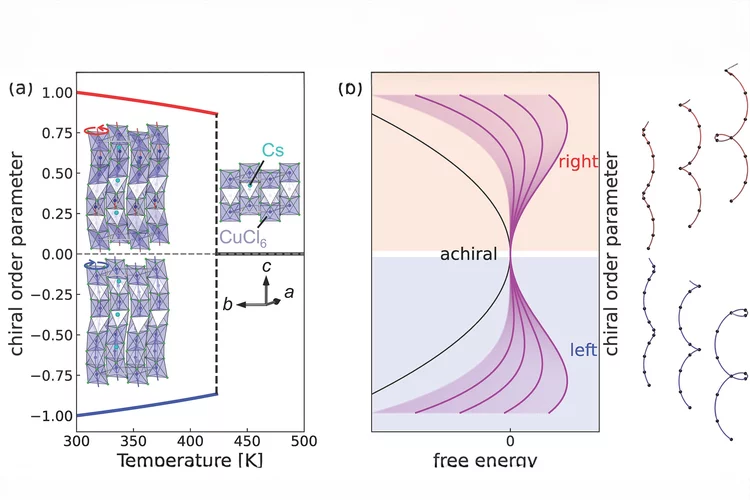
Tuning chirality amplitude at ultrafast timescales in chiral CsCuCl3
We quantify “how chiral” a crystal is, and demonstrate its tunability at ultrafast timescales. This achievement does open up a new direction in chirality-related condensed matter physics and on emergent phenomena, which have both attracted significant attention recently.
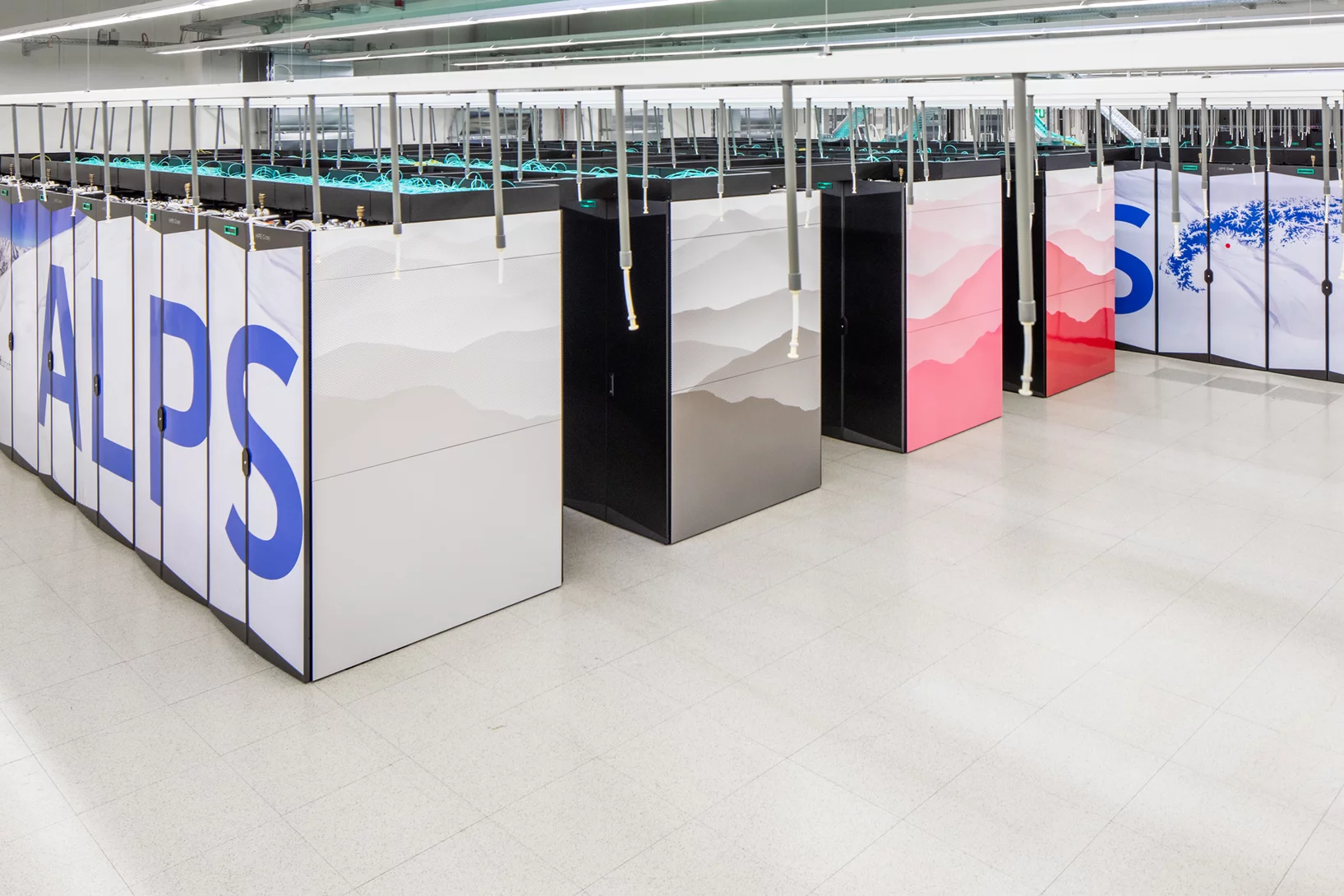
Merlin-7: un nuovo modello per il calcolo ad alte prestazioni
Un innovativo cluster di calcolo del PSI inaugura una nuova era della ricerca assistita da computer.

L'uomo che sussurra al cemento
John Provis ha dedicato la sua vita di ricercatore a un materiale da costruzione che è più eccitante di quanto si possa pensare.
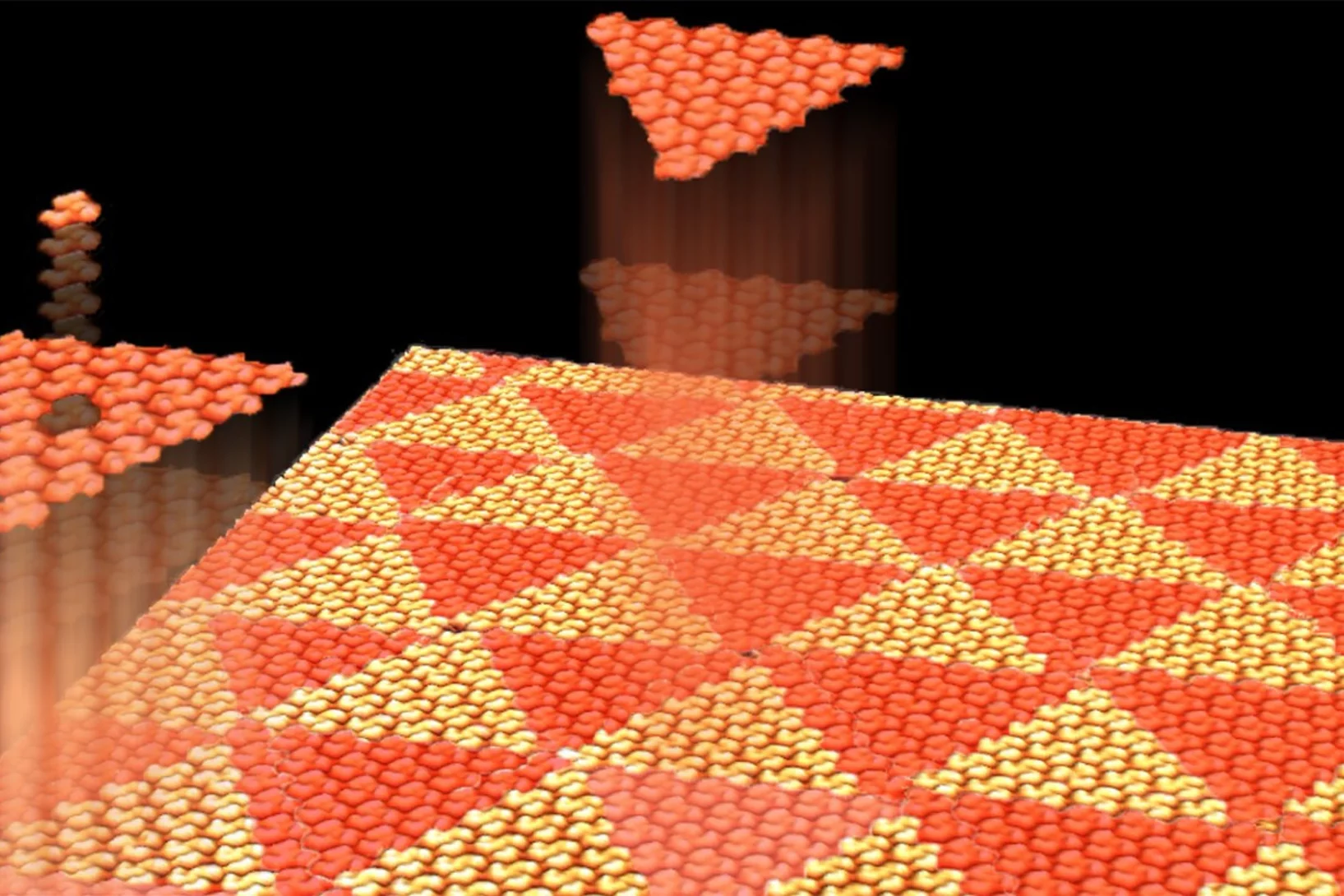
Aperiodic Chiral Tiling by Molecular Self-Assembly
The 2D self-arrangement of a molecule that resembles three-armed spirals leads to a triangular pattern that is effectively aperiodic.
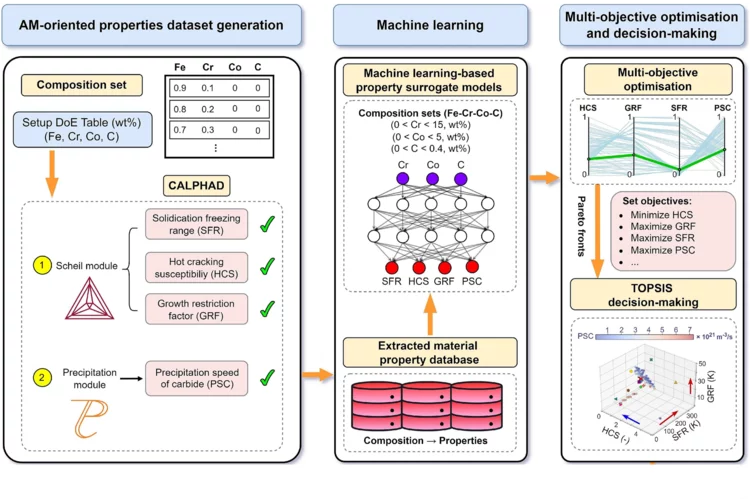
Machine Learning Accelerates Alloy Design for Additive Manufacturing
A new machine learning–designed alloy demonstrates how materials can be tailored for specific performance properties required in additive manufacturing.

The Quantum Revolution: What's Next?
A century on from the birth of quantum mechanics, 2025 marks the UNESCO International Year of Quantum Science and Technology. What does the future hold? Our experts share their opinions.

Zinco rilevato nelle siringhe intasate
Con l'aiuto dei ricercatori del PSI, ANAXAM ha studiato per l'azienda farmaceutica MSD se lo zinco può contribuire all'intasamento delle siringhe pre-riempite.
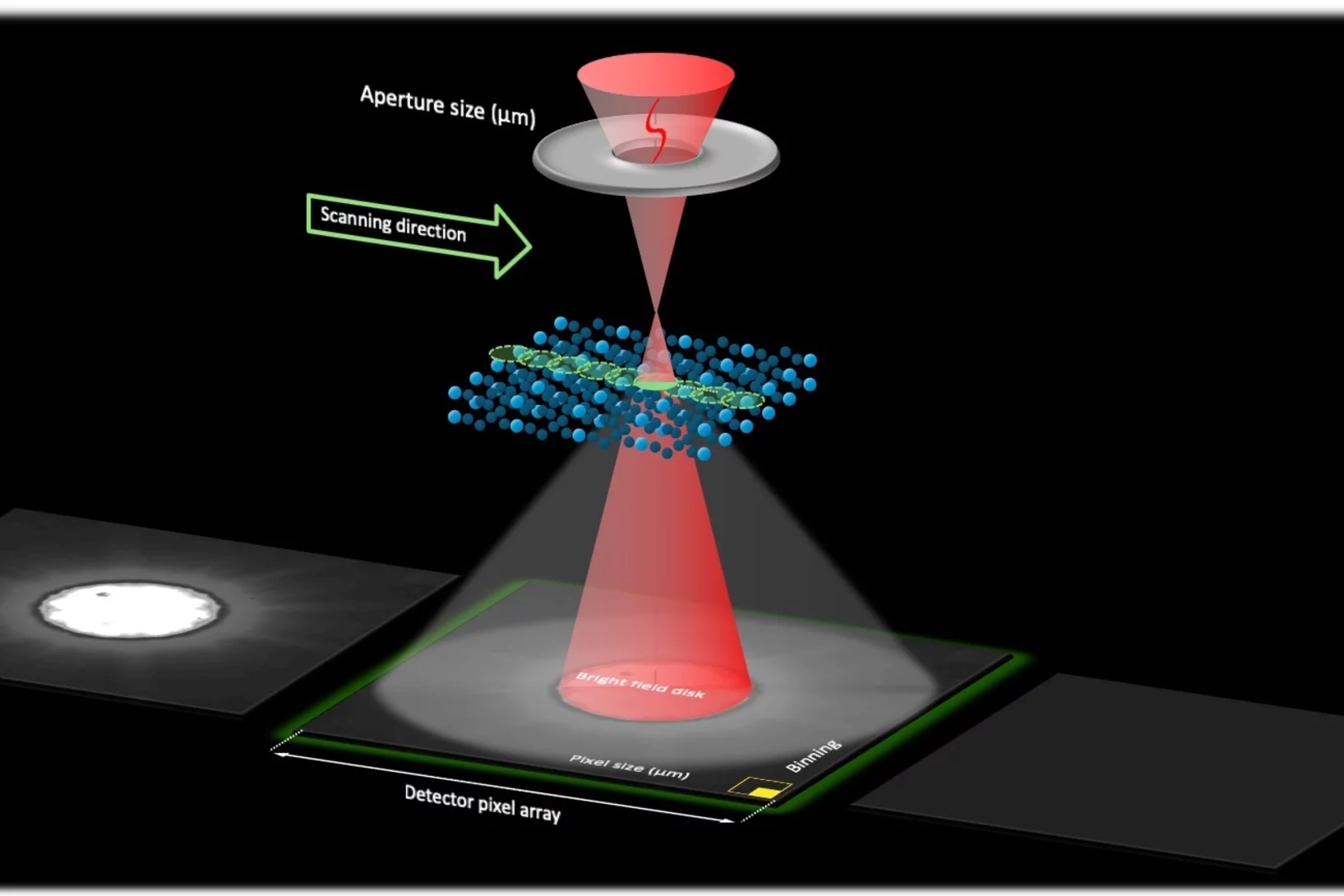
Demystifying electron ptychography with the PtychoScopy tool
The open-source PtychoScopy tool guides users towards higher quality and faster electron ptychographic reconstructions.
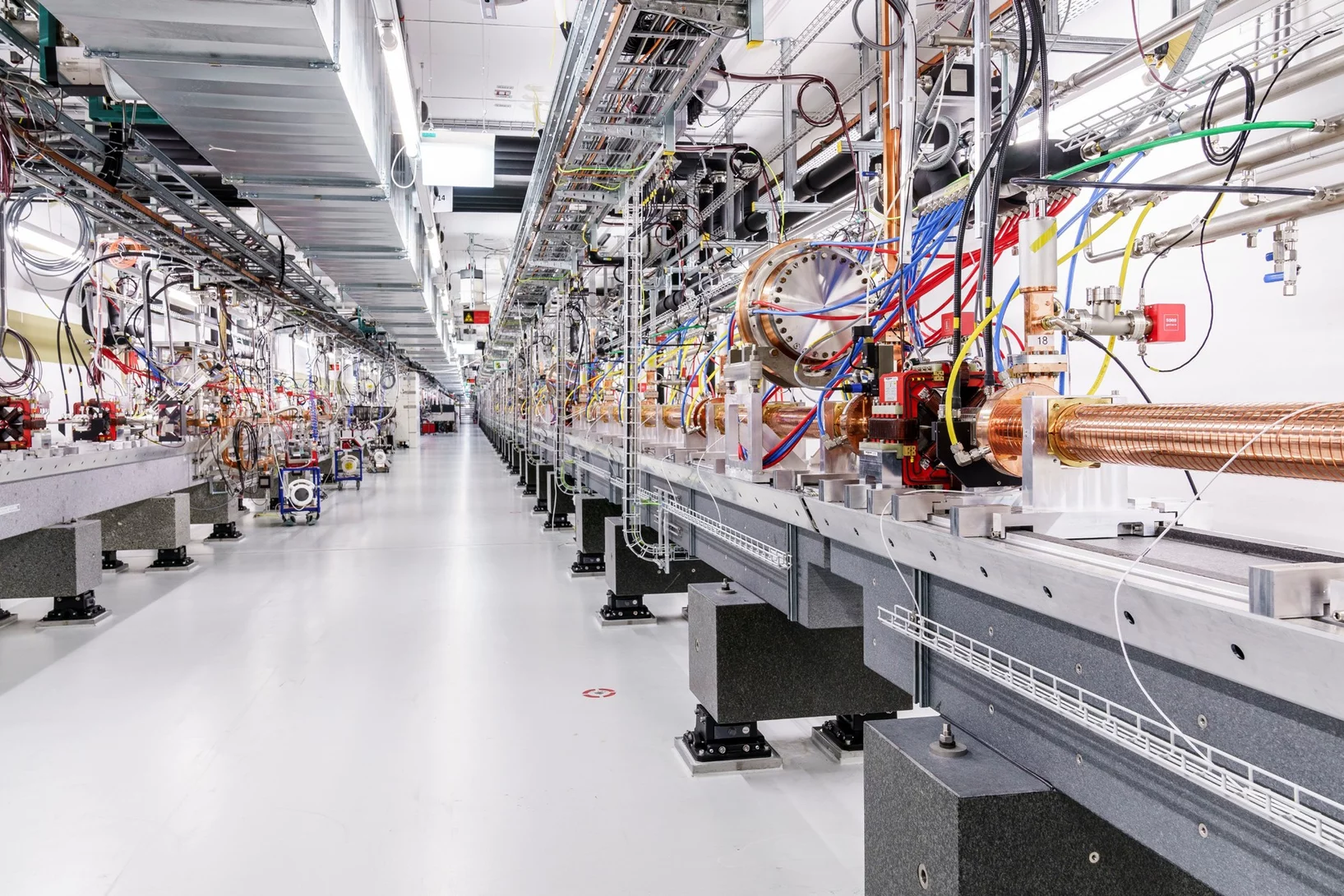
Peering into matter with ultrashort X-ray ripples
An all-X-ray transient grating experiment allows scientists to study the dynamics of quantum particles at the nanoscale.
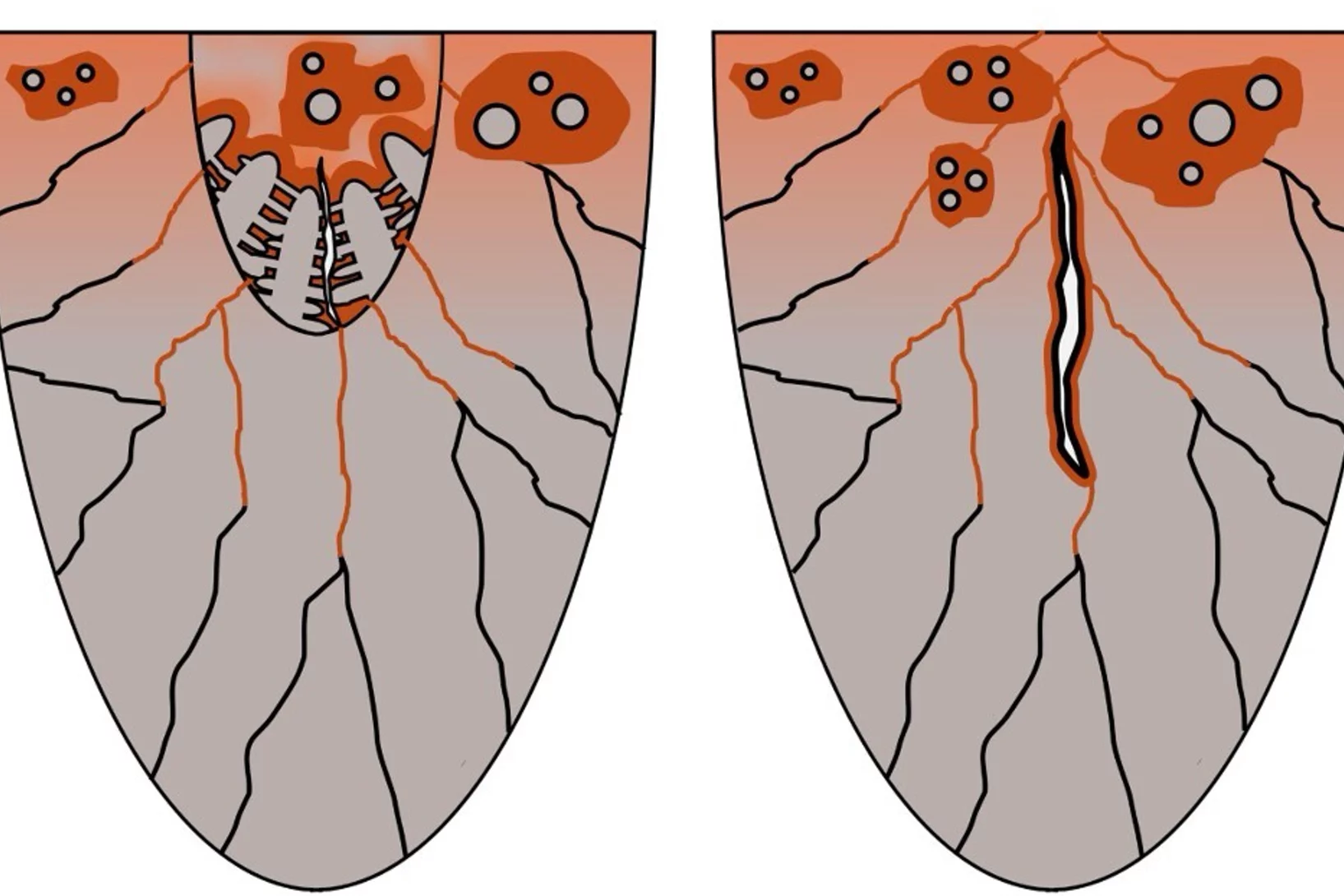
Cracking the Challenge of Steel–Copper Fusion
Why do cracks appear when joining steel and copper? We track the mechanisms in real time to find out.
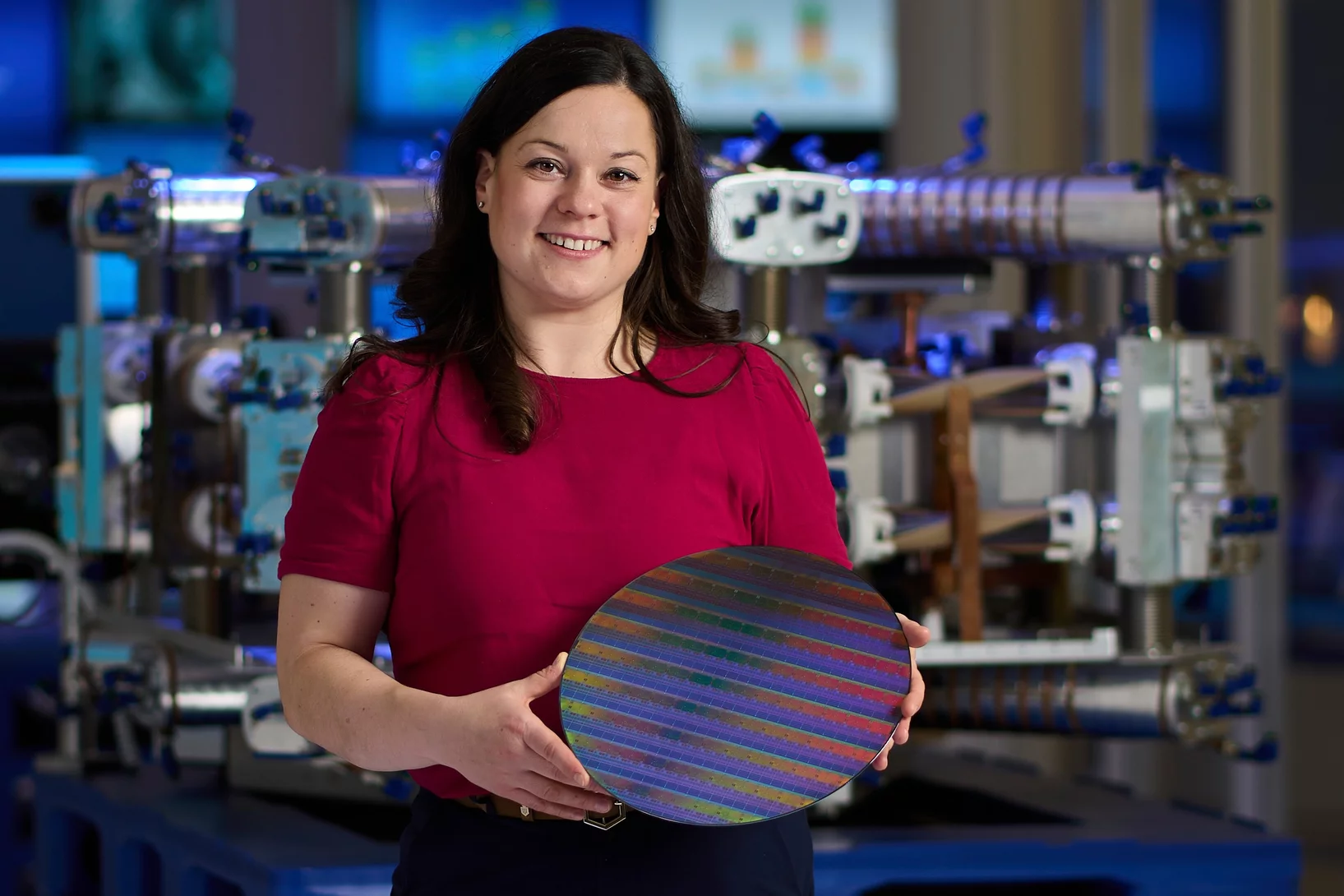
Sostenitore di tecnologie all'avanguardia
L'ex dottoranda del PSI Stephanie Smit lavora come consulente per i brevetti di un'azienda tra le più importanti al mondo. Questa azienda costruisce macchine che valgono una fortuna e sono molto richieste.
Transmutex im PSI Hotlabor
Transmutex entwickelt Hard- und Software für einen beschleunigergetriebenen Reaktor, der langlebige Transurane und Spaltprodukte aus dem klassischen Uranzyklus für die Stromerzeugung umwandeln kann.
Dadurch werden Vorteile wie eine Reduzierung des Atommüllvolumens um mehr als das Sechsfache und eine Verkürzung der HAW-Lebensdauer auf << 1000 Jahre erzielt.
Das Brüten von U-233 in Th-Brennstoff im Reaktor verbindet das Design von Transmutex mit bestehenden, kommerziellen PHWR- und LWR-Reaktoren, indem es Brennstoff und spaltbares Material für deren weiteren Betrieb liefert.
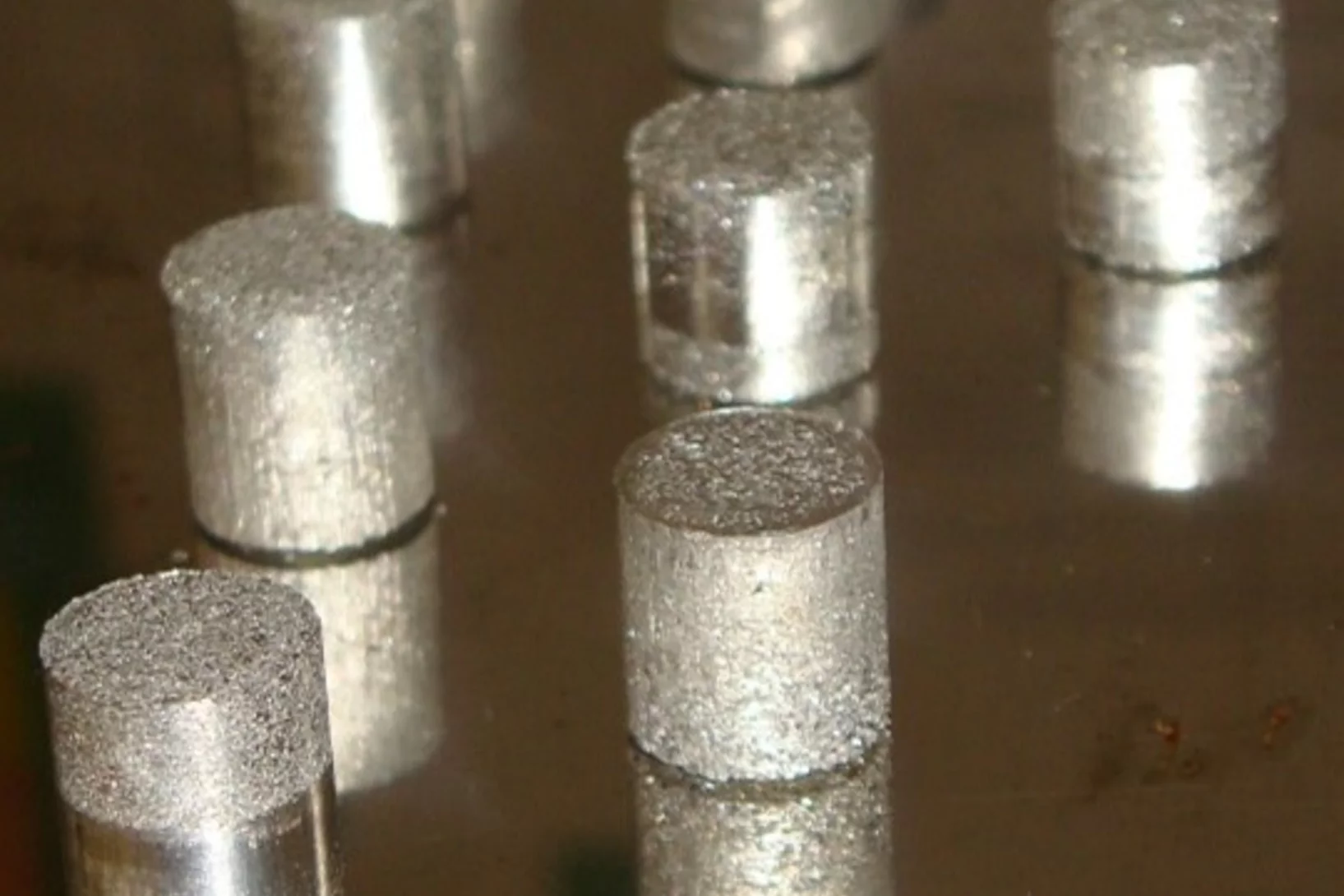
Im PSI-Hotlabor entwickelt Transmutex die Herstellung poröser Metall-Pellets mit dem Ziel, experimentelle Th-Pellets für weitere Untersuchungen unter Nutzung der Forschungskapazitäten des PSI und des Hotlabors herzustellen. Das neue Design vereint die Vorteile von metallischem Brennstoff wie hohe Spaltbarkeit, einfache Herstellung und vieles mehr während es gleichzeitig klassische Probleme von kompaktem metallischem Brennstoff im Zusammenhang mit der Ansammlung von Spaltgas mindert.
Erfolgreich hergestellte Test-Pellets aus inaktiven Analogmaterialien belegen die Machbarkeit des Designs.
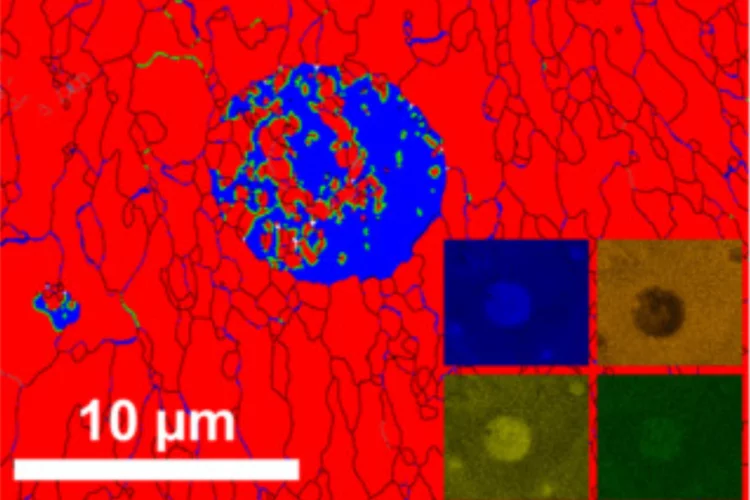
Interfacial Phase Formation in 316L–CuCrZr Hybrids
In-situ X-ray diffraction reveals how phase separation and fluid flow shape microstructure in laser-welded multi-material metal builds.
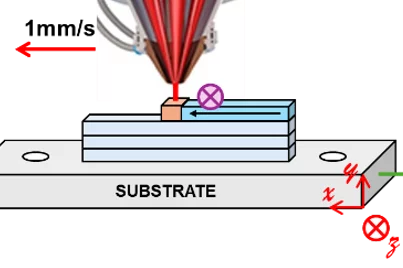
Phase by Phase: How Stainless Steel and IN625 Solidify Together
Where steel meets superalloy: real-time X-ray snapshots reveal how composition and cooling shape metal during 3D printing
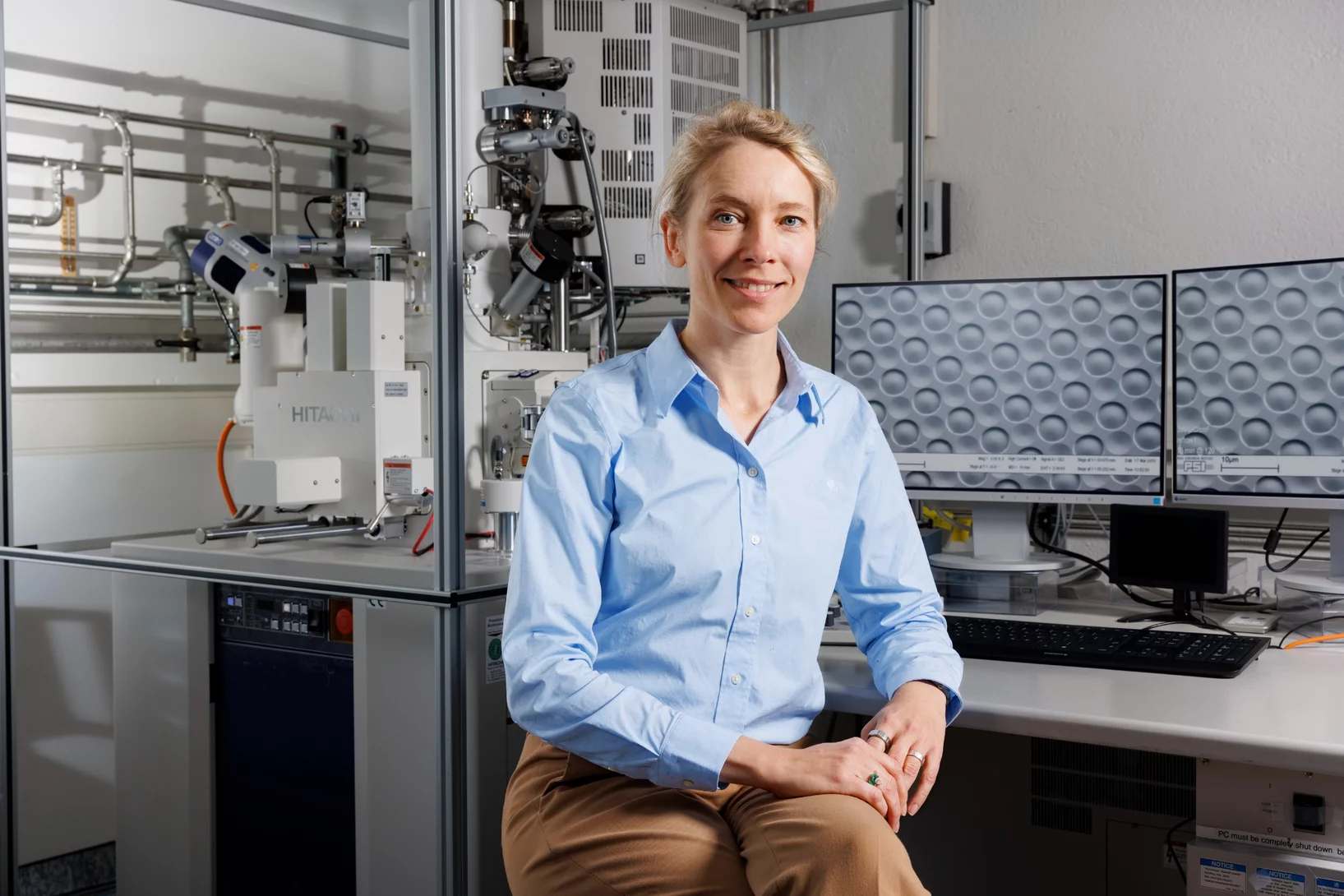
Renommierte Förderung für photonische Netzwerke
PSI-Forscherin Kirsten Moselund hat vom Europäischen Forschungsrat ERC eine bedeutende Forschungsförderung zugesprochen bekommen.
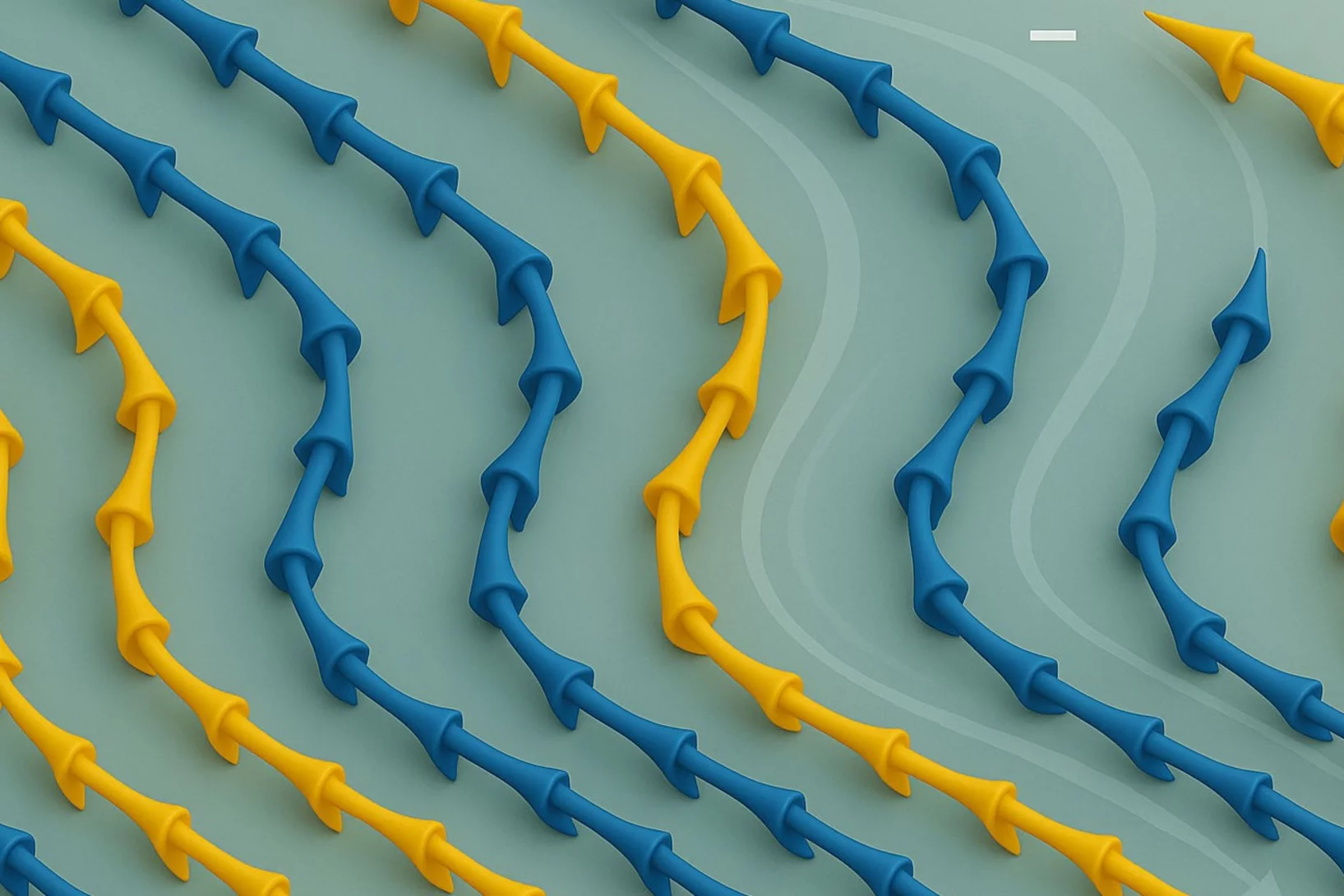
Steering magnetic textures with electric fields
Neutrons reveal a new way to control magnetism at the nanoscale
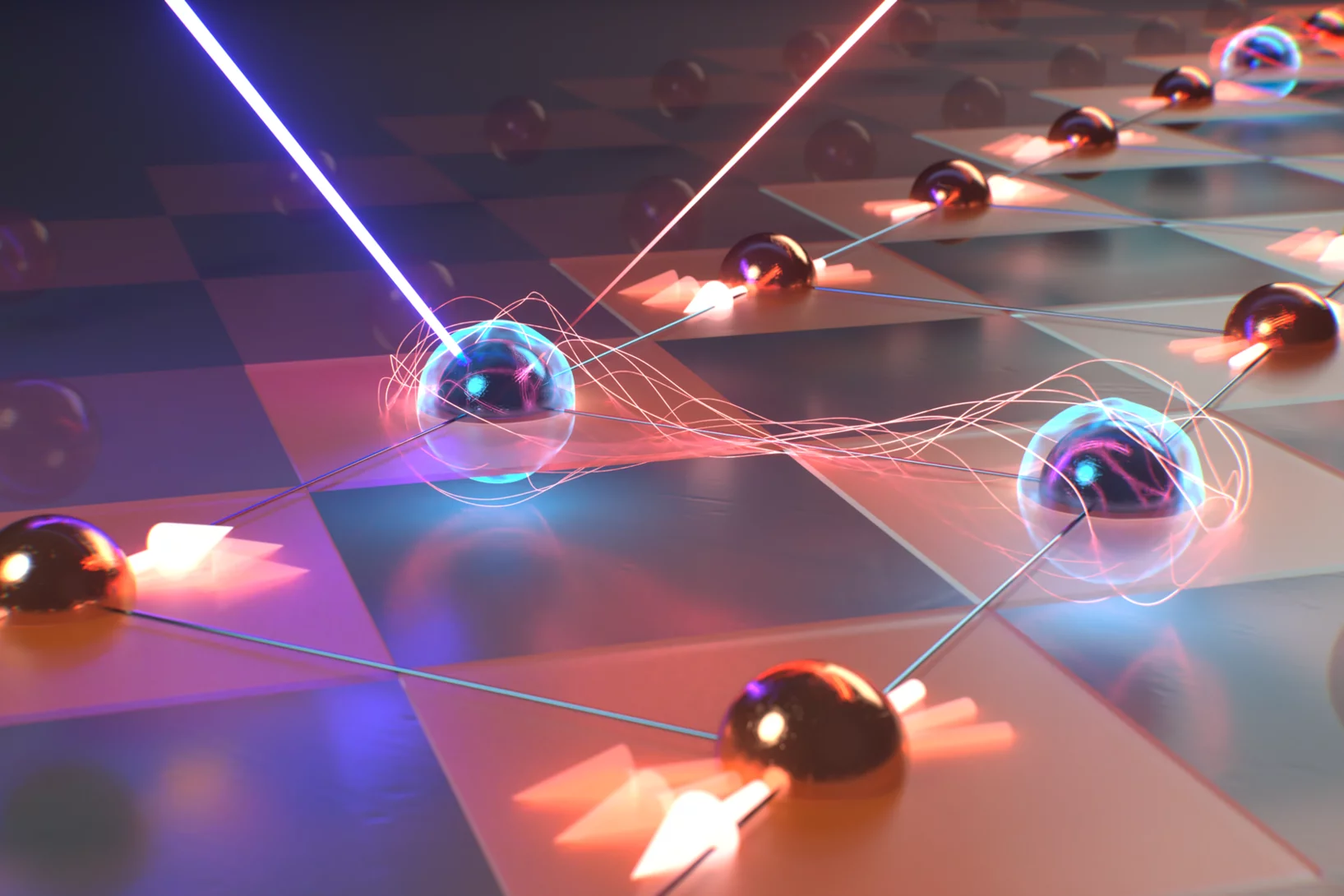
Stabilising fleeting quantum states with light
X-rays from SwissFEL probe emergent properties of quantum materials
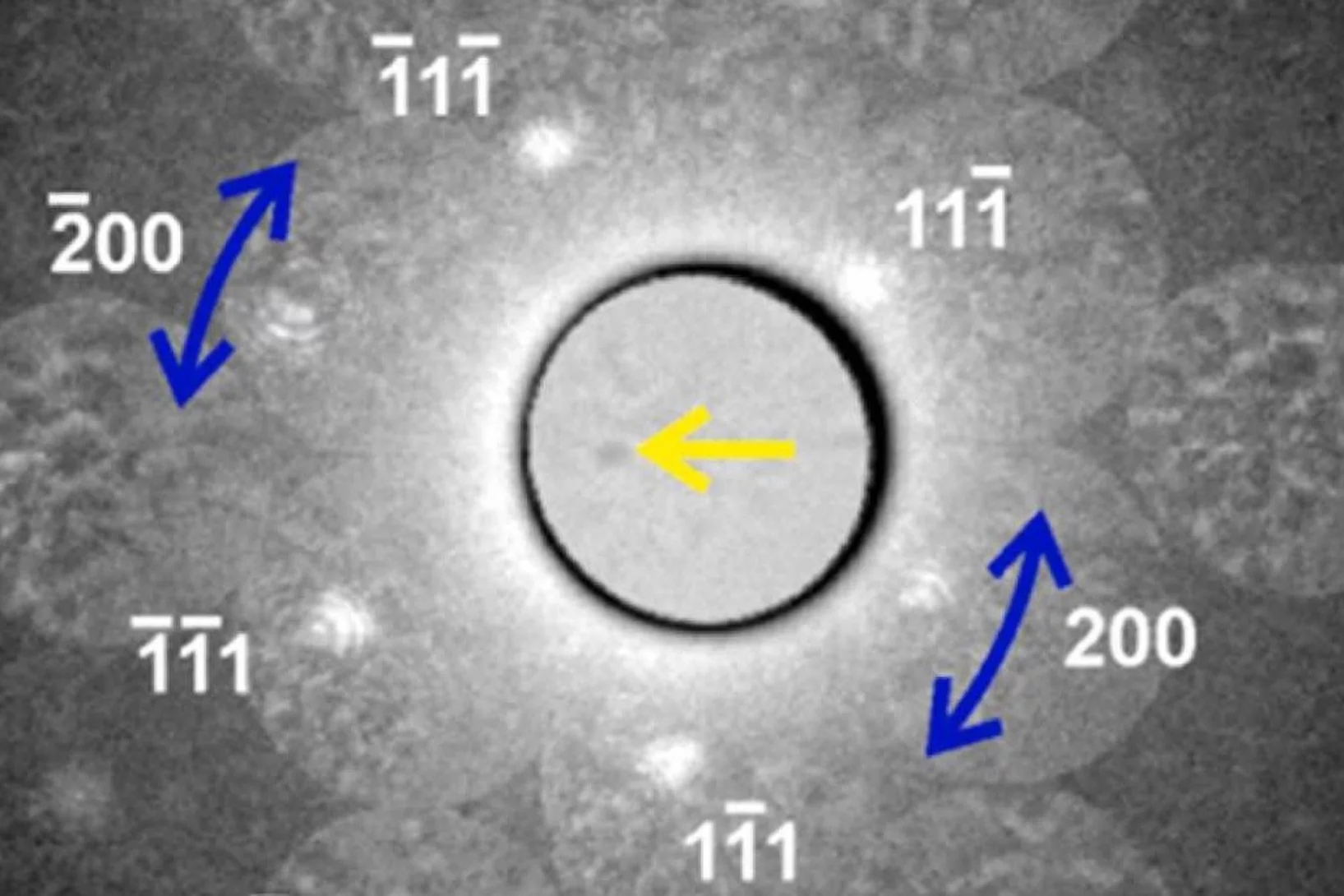
Gold nanoparticle dynamics on graphene probed by convergent beam electron diffraction.
Dynamics of single Au nanoparticles on graphene were probed simultaneously in real- and diffraction space by time-series convergent beam electron diffraction.
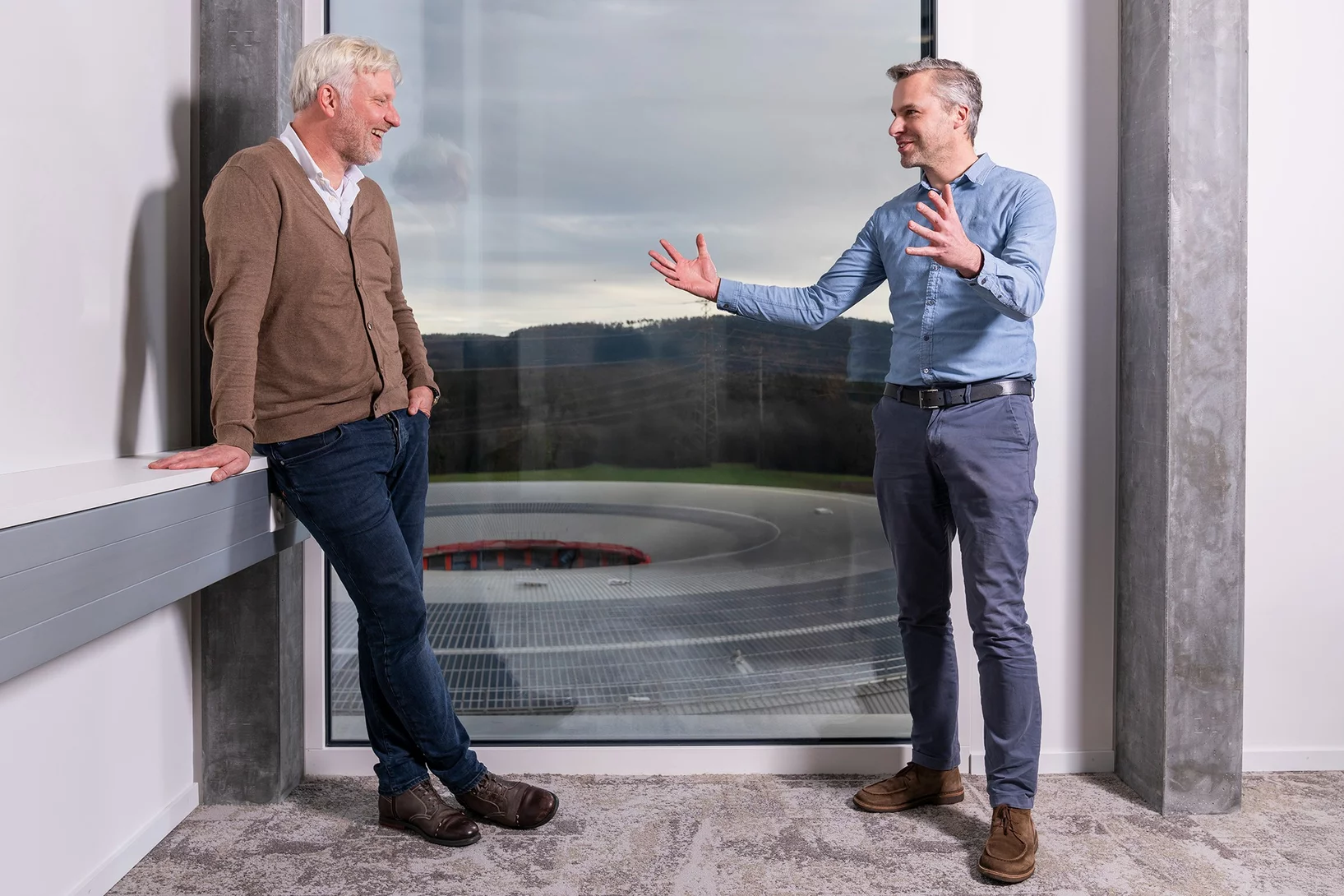
Wissenschaft trifft Industrie – Innovation mit Wirkung
Hans Priem und Cees Maris vom Unternehmen VDL ETG erzählen, was Advanced Manufacturing in der Industrie bedeutet, und sprechen über die Zusammenarbeit mit dem PSI.

Inaugurato in Svizzera il Centro di eccellenza dell'ESA
L'inaugurazione del "Centro Europeo di Innovazione Deep-Tech" ESDI ha riunito ospiti di alto livello.

Strahlung entschlüsseln
Aus der Vogelperspektive auf der Suche nach Strahlung: Wie ein empfindlicher Detektor und ein cleverer Algorithmus radioaktive Strahlung sichtbar machen.
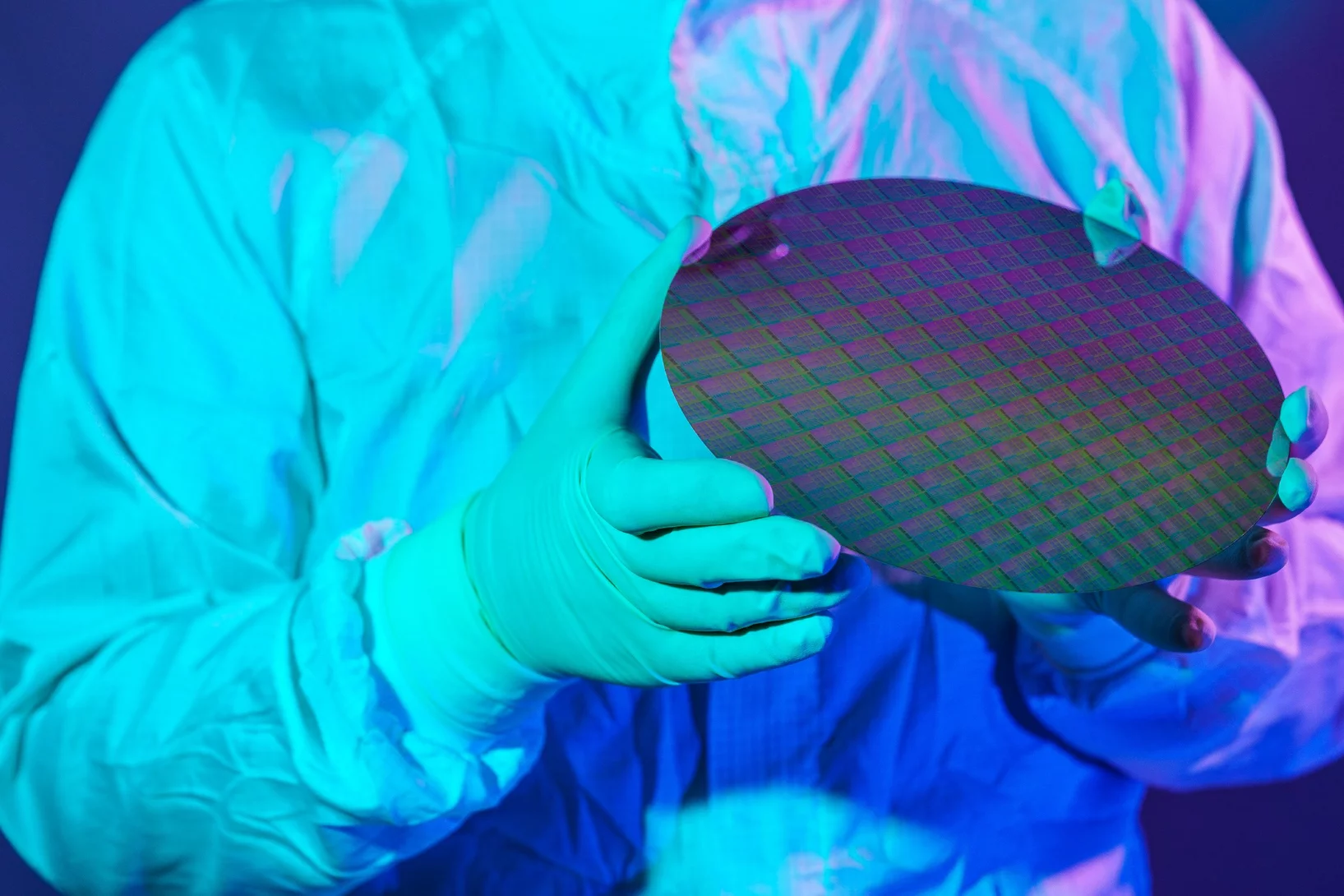
Schneller, präziser, zuverlässiger – die Zukunft der Produktion
«Advanced Manufacturing» bedeutet hochmoderne Fertigungsmethoden. Forschende am PSI helfen, Techniken wie den 3-D-Druck zuverlässiger zu machen und die Miniaturisierung von Hochleistungschips weiter voranzutreiben.
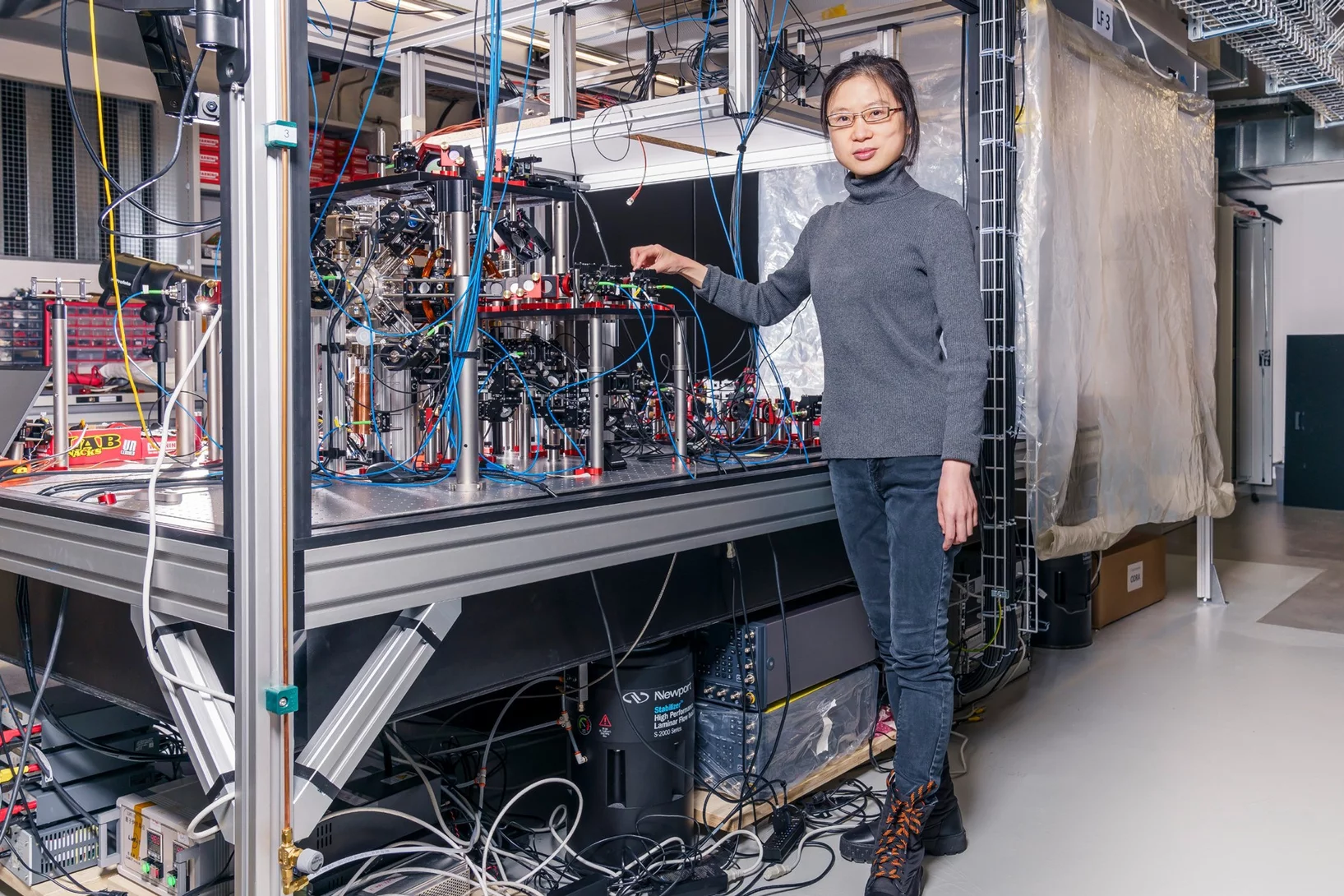
Correcting quantum errors with neutral-atom architectures
Wenchao Xu talks about the benefits and challenges of building quantum computers from neutral atoms.
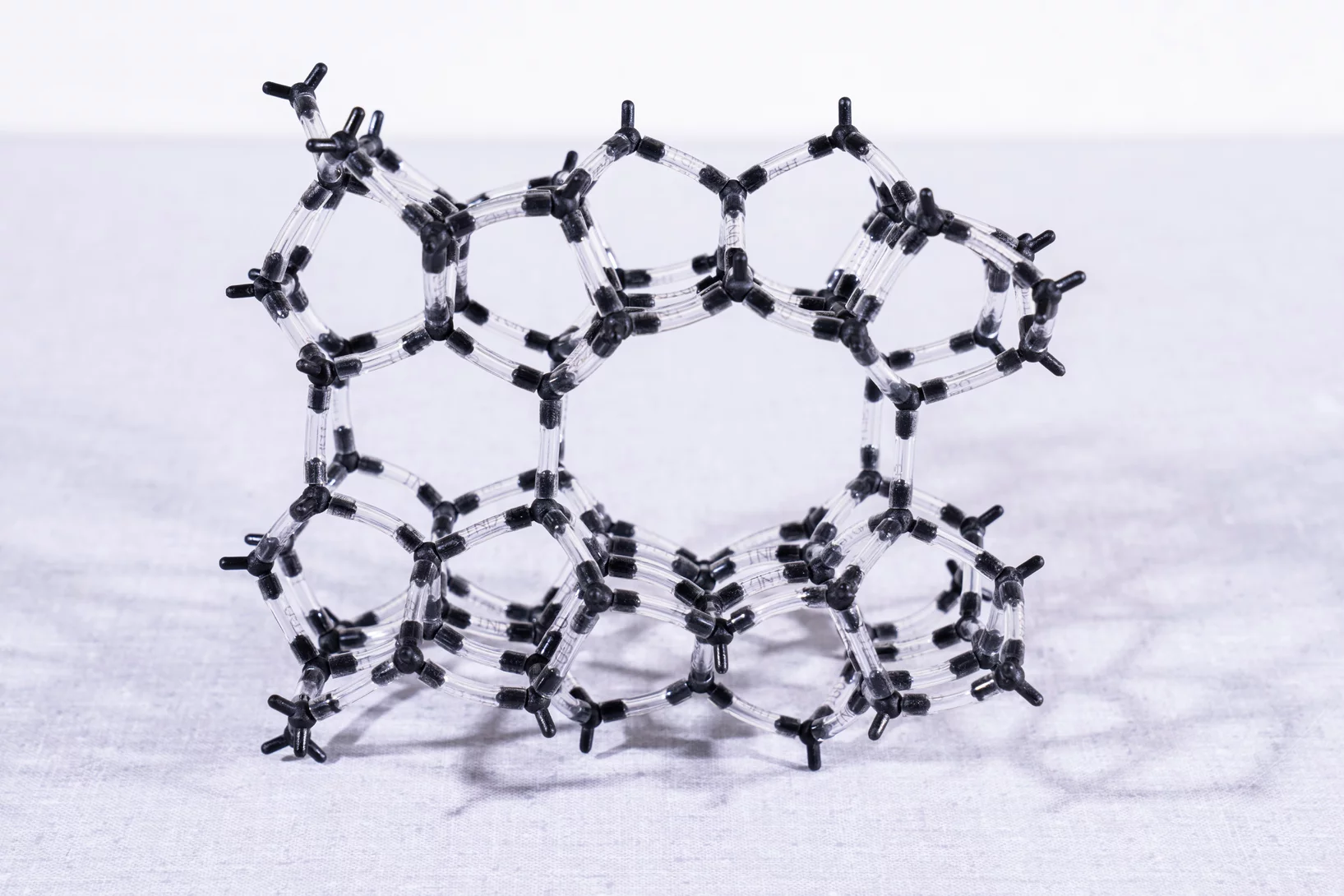
Aluminium sichtbar gemacht
PSI-Forschende haben in Zeolithen erstmals die genaue Lage der Aluminiumatome bestimmt, welche die Materialien zu so guten Katalysatoren machen.
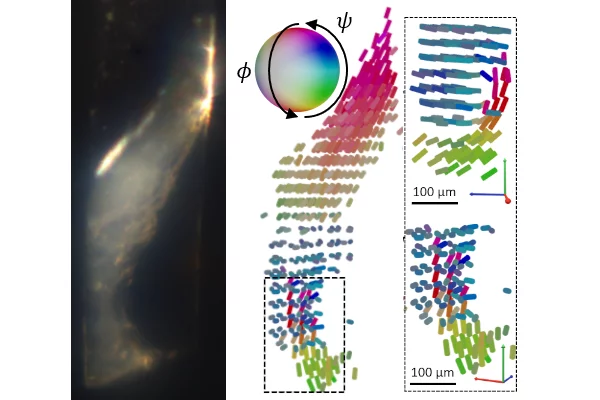
Nanostructure orientation in 3D with visible light by Tomographic Müller-Polarimetric Microscopy
We developed a new method, tomographic Müller-polarimetric microscopy (TMPM), that allows to retrieve at three-dimensional microscopic resolution the nanoscale structural information of the ultrastructure probed with polarized light in a non-destructive manner using a low cost and experimentally simple optical setup.

Antiferrodistortive and ferroeletric phase transitions in freestanding films of SrTiO3
Epitaxially grown thin films are commonly used to strain engineer electronic properties by the choice of a substrate, and therefore do not match bulk properties (leading to properties that deviate from the bulk material). Free standing ultrathin oxide films are expected to preserve the bulk-like properties due to the absence of substrate influence. However, we show that this expectation is not fulfilled with ultrathin free standing SrTiO3, as they get ferroelectric at 80K.
Rethinking 3D Printing for ceramics
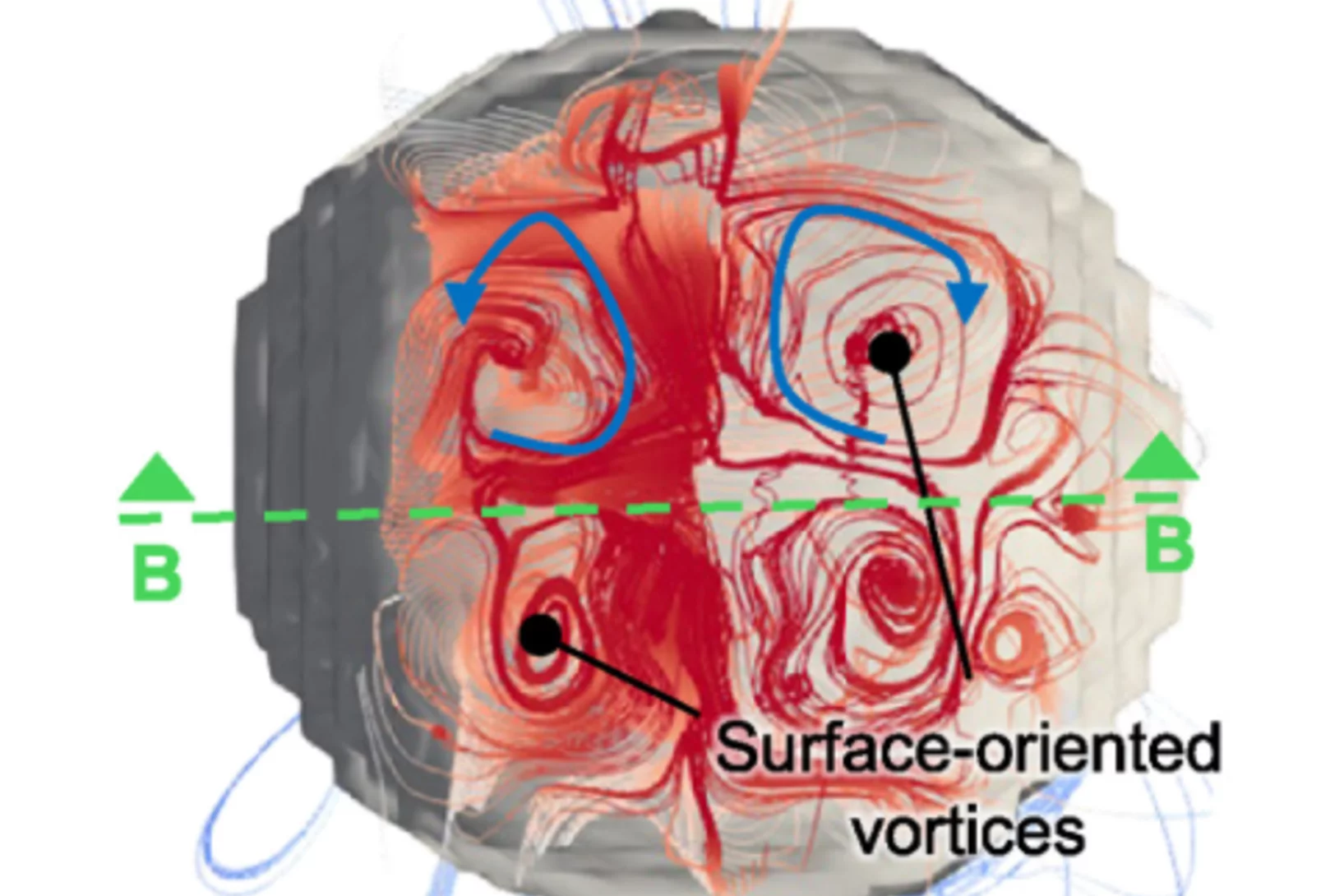
Using a powerful combination of in-situ X-ray imaging and high-fidelity simulations, researchers uncover how alumina behaves under laser-based 3D printing—paving the way for more reliable ceramic additive manufacturing.
A new dimension of complexity for layered magnetic materials
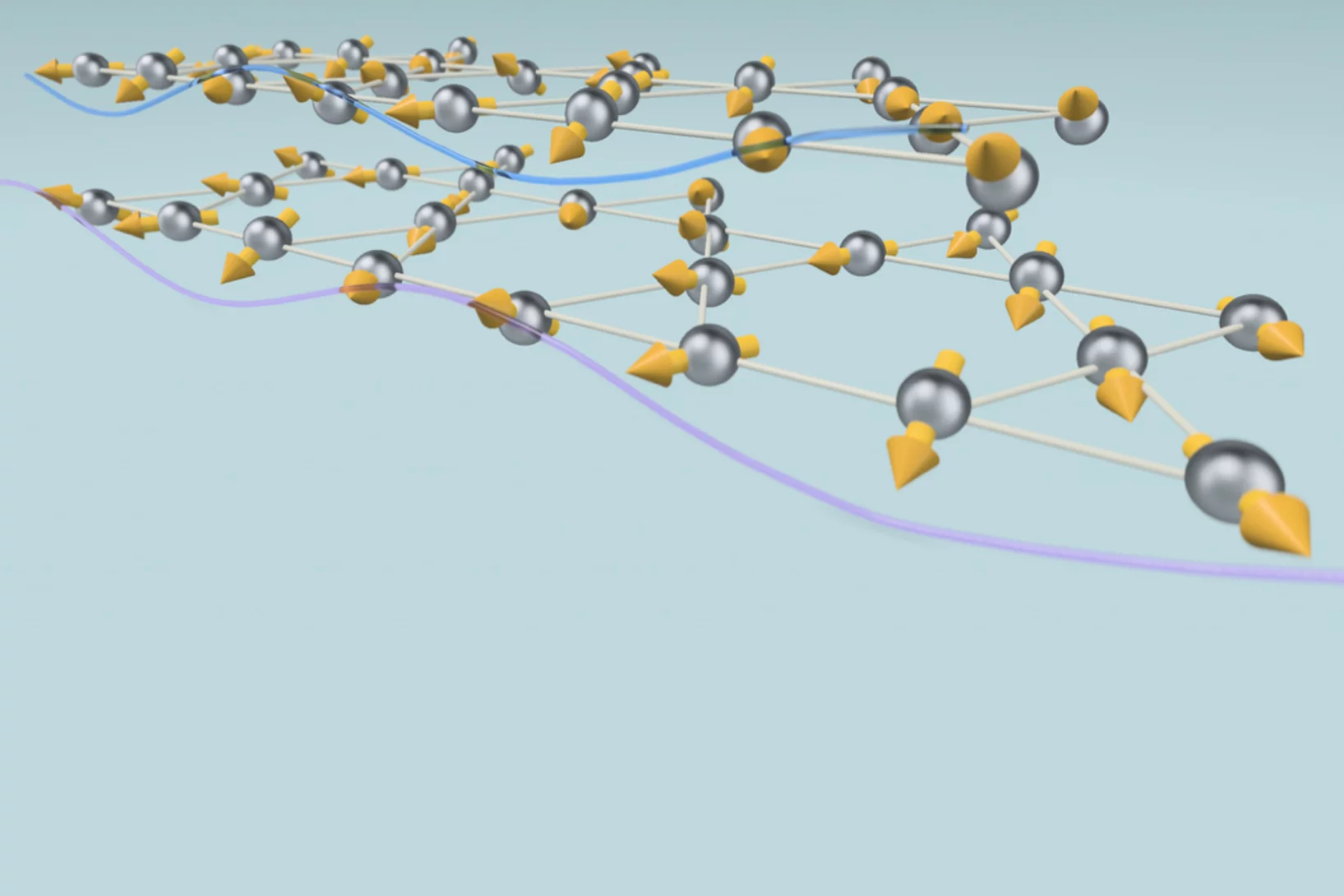
X-rays reveal magnetic phenomena driven by interactions between the layers of a kagome ferromagnet
Einzigartiger Quantensimulator öffnet Tür zu neuer Forschung
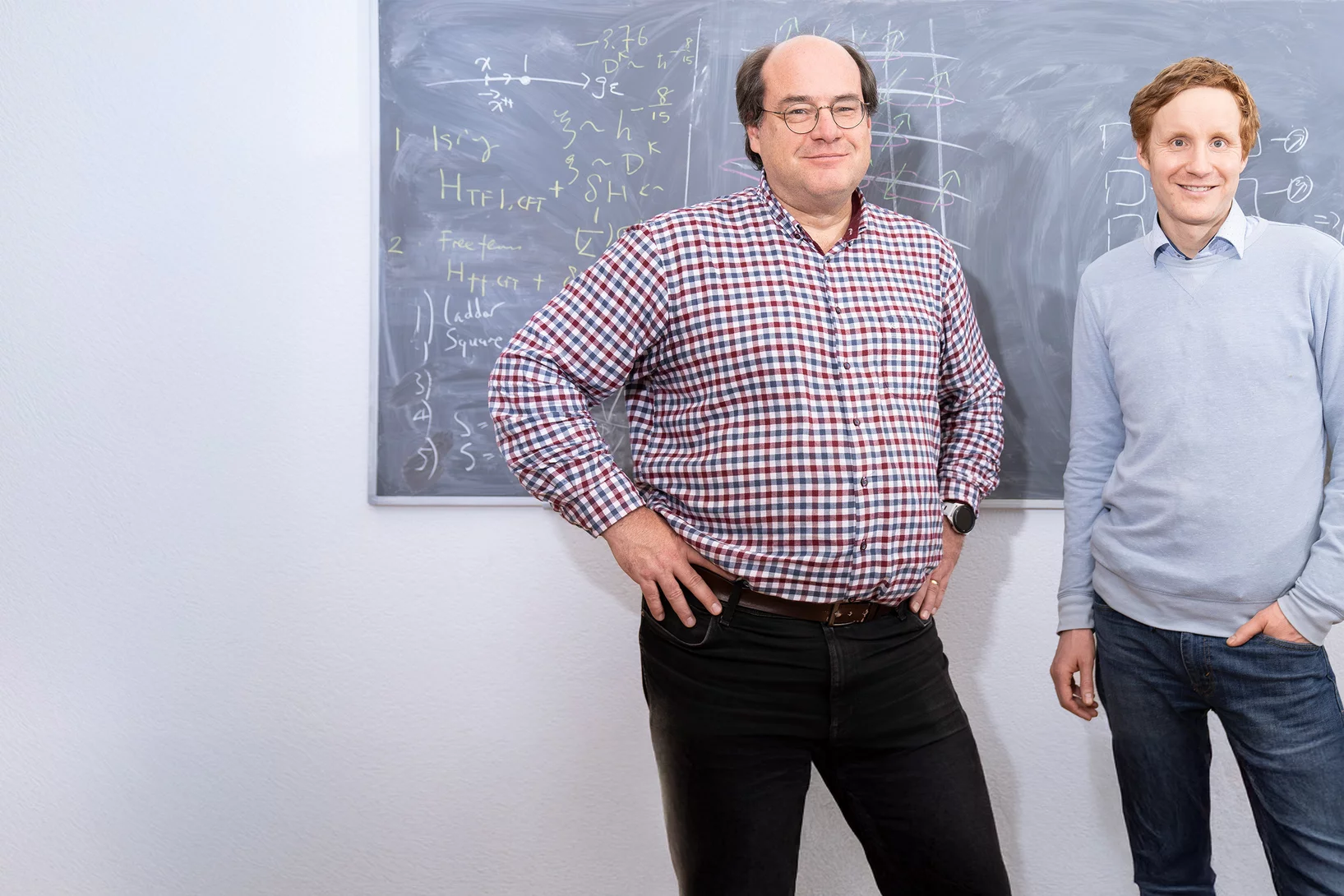
Physiker des PSI und Google haben einen neuartigen digital-analogen Quantensimulator gebaut.
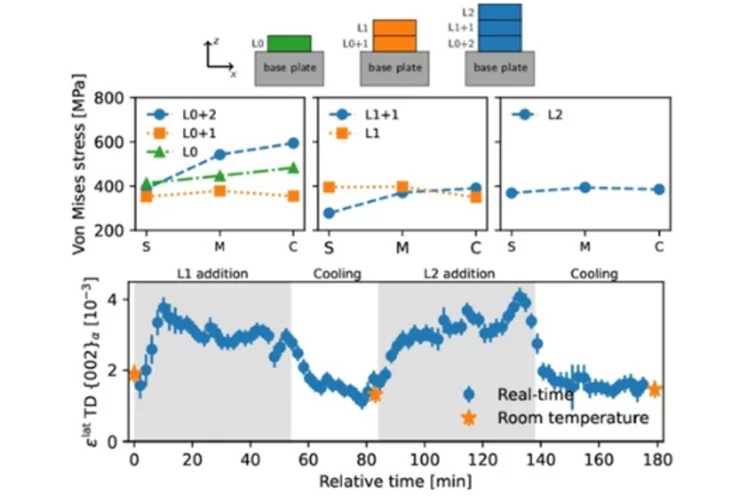
Texture and residual stress evolution during 3D printing
Discover how advanced neutron diffraction sheds light on the evolution of stress and texture in 3D-printed duplex stainless steel.

«Die grösste Herausforderung ist die fehlende Akzeptanz für Windkraftanlagen»
Russell McKenna, Experte für Energiesystemanalysen, erzählt im Interview mit den ETH-News, wo er den grössten Handlungsbedarf sieht, um die Windenergie weiterzuentwickeln.
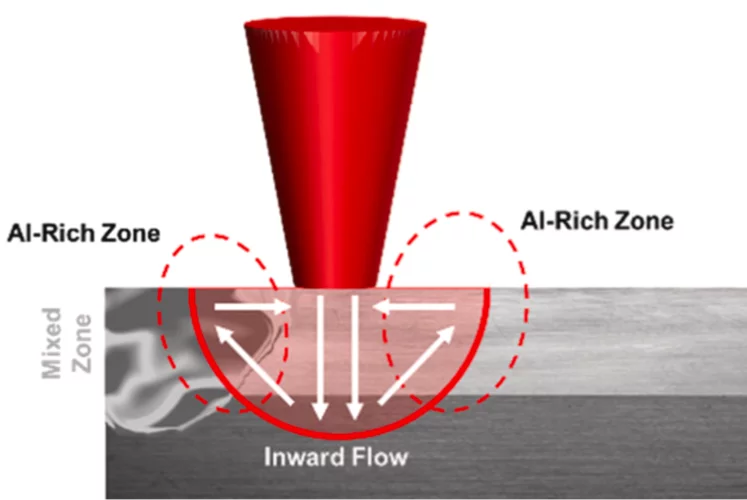
Mitigating Cracks in Multi-Material Printing
Integrating metallic powders with thin foils in laser powder bed fusion can reduce interfacial cracks and improve microstructure quality in titanium-aluminum multi-material printing.
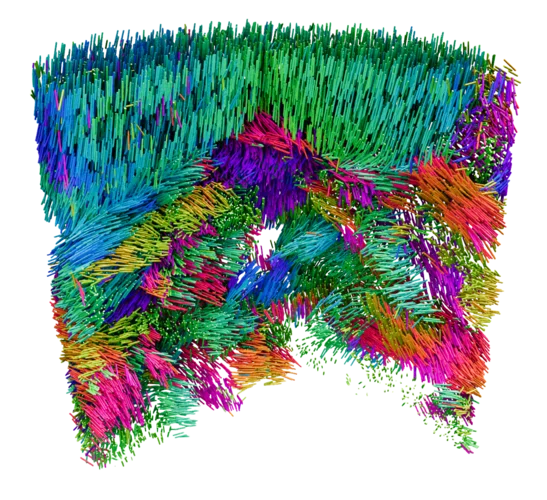
Mapping the Nanoscale Architecture of Functional Materials
A new X-ray technique reveals the 3D orientation of ordered material structures at the nanoscale, allowing new insights into material functionality.
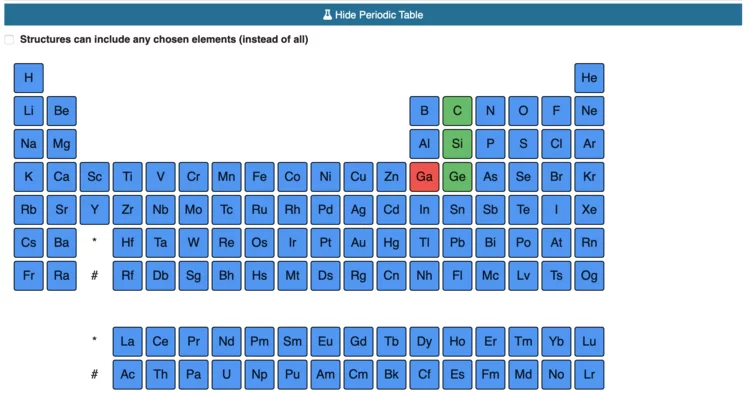
New widgets and extensions expand the OSSCAR platform for educational notebooks in materials science
In a new article published in Computer Physics Communications, the team of the Open Software Services for Classrooms and Research project (OSSCAR) describes how to create custom widgets and extensions that can be used in interactive notebooks to teach computational materials science. The article also introduces two new entries in OSSCAR: a widget to display an interactive periodic table that allows users to group elements into different states, and one to plot and visualize electronic band structures and density of states.
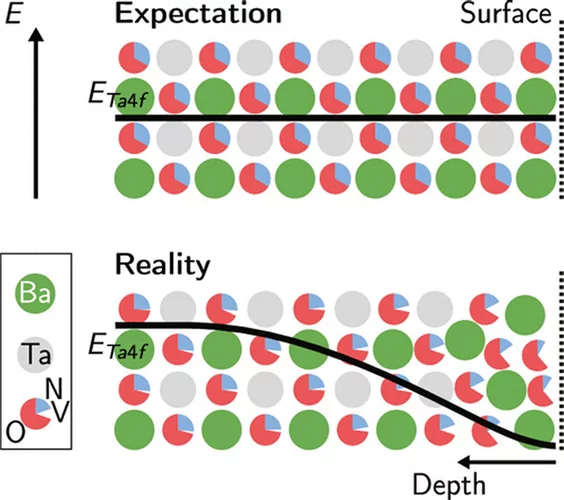
Anionic Disorder and Its Impact on the Surface Electronic Structure of Oxynitride Photoactive Semiconductors
The conversion of solar energy into chemical energy, stored in the form of hydrogen, bears enormous potential as a sustainable fuel for powering emerging technologies. Photoactive oxynitrides are promising materials for splitting water into molecular oxygen and hydrogen. However, one of the issues limiting widespread commercial use of oxynitrides is degradation during operation. While recent studies have shown the loss of nitrogen, its relation to reduced efficiency has not been directly and systematically addressed with experiments. In this study, we demonstrate the impact of the anionic stoichiometry of BaTaOxNy on its electronic structure and functional properties. Through experimental ion scattering, electron microscopy, and photoelectron spectroscopy investigations, we determine the anionic composition ranging from the bulk toward the surface of BaTaOxNy thin films. This further serves as input for band structure computations modeling the substitutional disorder of the anion sites. Combining our experimental and computational approaches, we reveal the depth-dependent elemental composition of oxynitride films, resulting in downward band bending and the loss of semiconducting character toward the surface. Extending beyond idealized systems, we demonstrate the relation between the electronic properties of real oxynitride photoanodes and their performance, providing guidelines for engineering highly efficient photoelectrodes and photocatalysts for clean hydrogen production.