


Here you find current and previous news from the PSI Center for Neutron and Muon Sciences.
Show filters
Dem Rätsel der Materie auf der Spur
Forschende haben an der Quelle für ultrakalte Neutronen des PSI eine Eigenschaft des Neutrons so genau wie noch nie vermessen: sein elektrisches Dipolmoment. Denn bis heute wird nach einer Erklärung gesucht, weshalb es nach dem Urknall mehr Materie als Antimaterie gab.
Kurzfilm eines magnetischen Nanowirbels
Mit einer neu entwickelten Untersuchungsmethode konnten Forschende die magnetische Struktur im Inneren eines Materials mit Nanometer-Auflösung abbilden. Ihnen gelang ein kurzer «Film» aus sieben Bildern, der erstmalig in 3-D zeigt, wie sich winzige Wirbel der Magnetisierung tief im Inneren eines Materials verändern.
Anna Sótér starts Ambizione fellowship
Anna Sótér has started an Ambizione fellowship at ETH Zurich and PSI. Her project is dedicated to developing a novel source of cold muonium atoms, which will be used for a new interferometry experiment that enables testing the weak equivalence principle by directly probing gravitational interaction of antimatter.
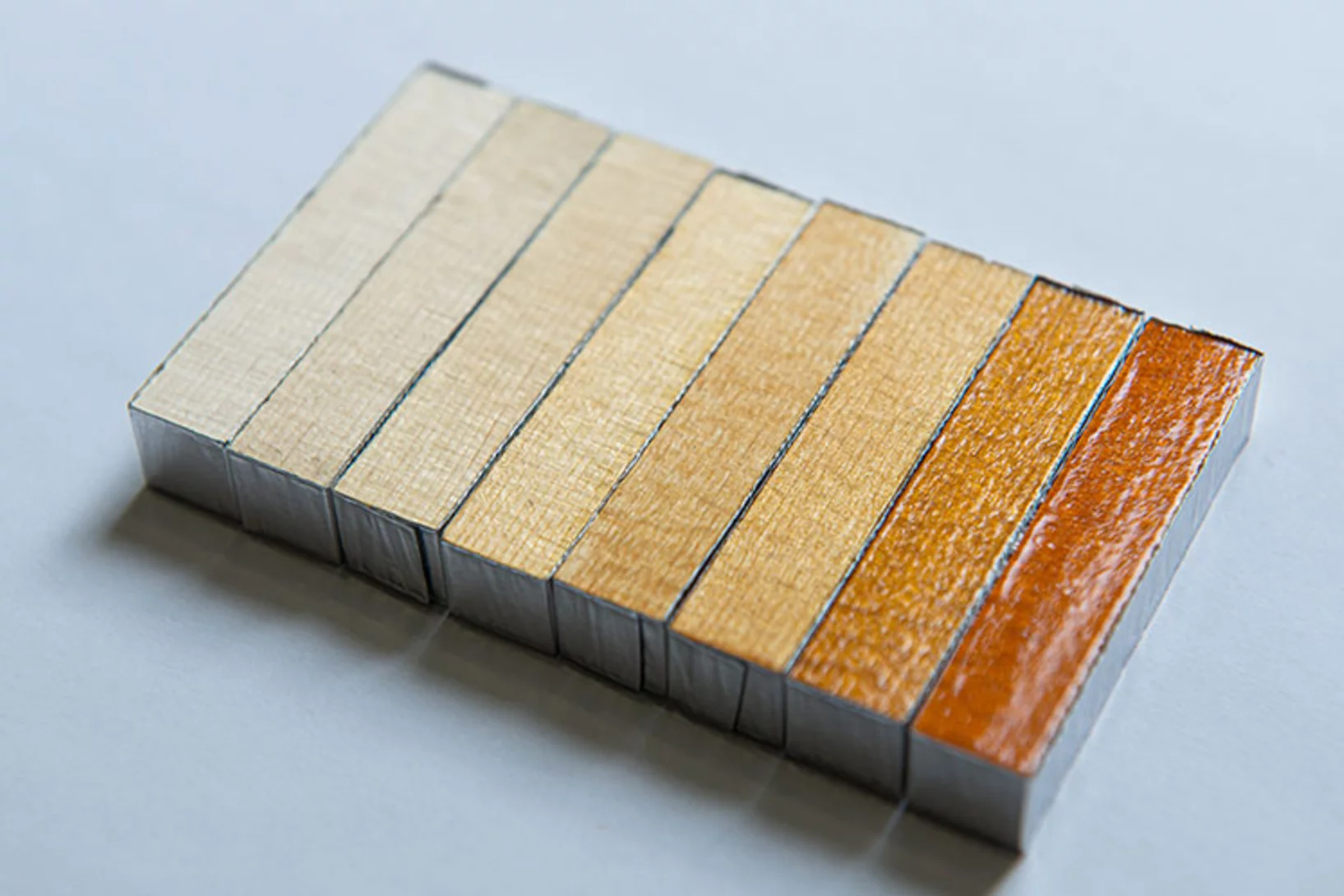
Gut lackierte Geigen spielen länger
Traditionell werden Geigen lackiert, um sie vor Luftfeuchtigkeit und anderen Umwelteinflüssen zu schützen. Ein Wissenschaftler-Team hat am PSI untersucht, welchen Einfluss unterschiedliche Anstriche auf das Instrument haben. Tatsächlich sollte man auf den Lack keinesfalls komplett verzichten.
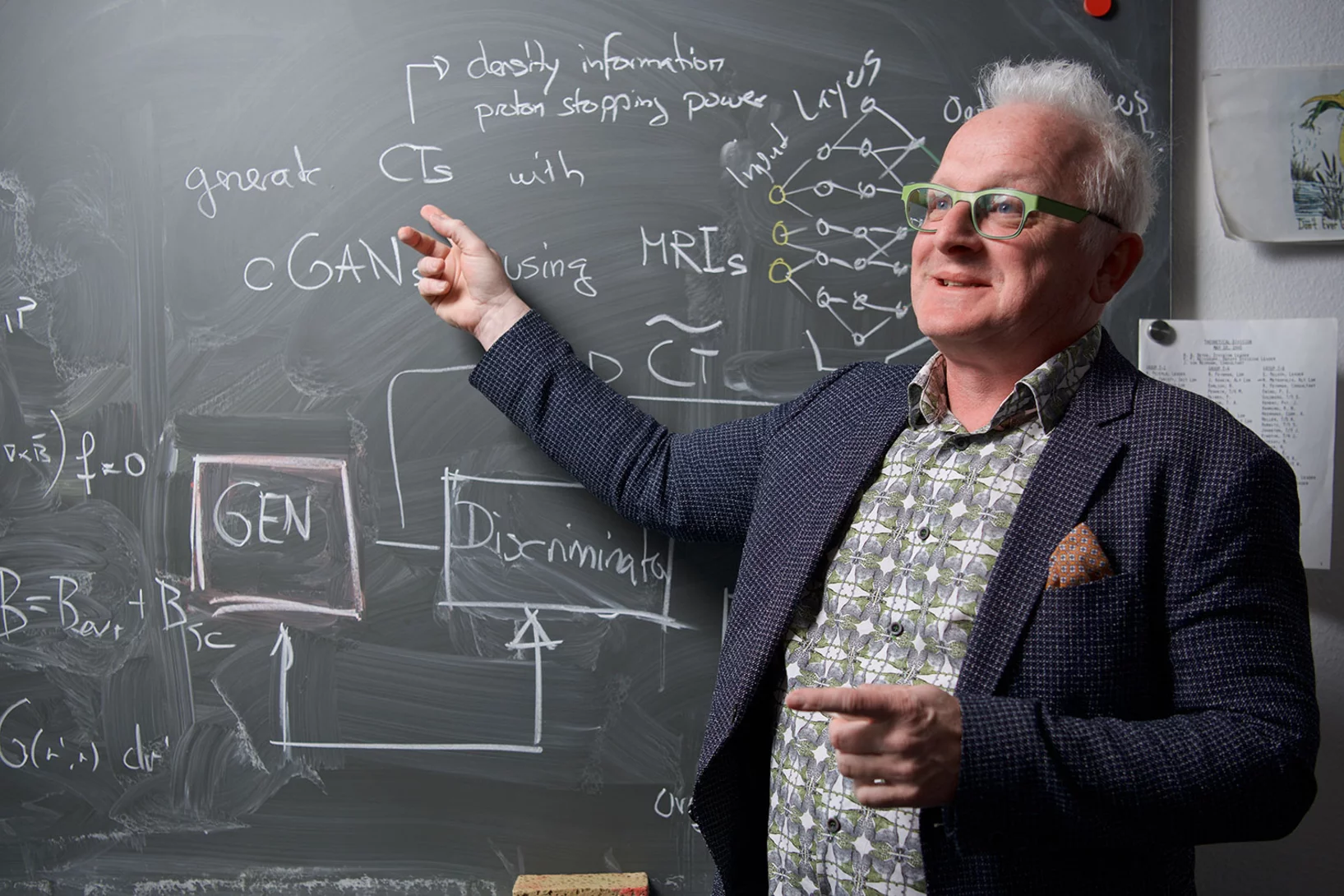
Modellieren und Simulieren zahlt sich aus
Forschende des Labors für Simulation und Modellierung des PSI lösen durch die Kombination von Theorie, Modellierung und Hochleistungsrechnen komplexeste Probleme. Mit leistungsfähigen Computern simulieren sie kleinste Moleküle oder Grossforschungsanlagen.
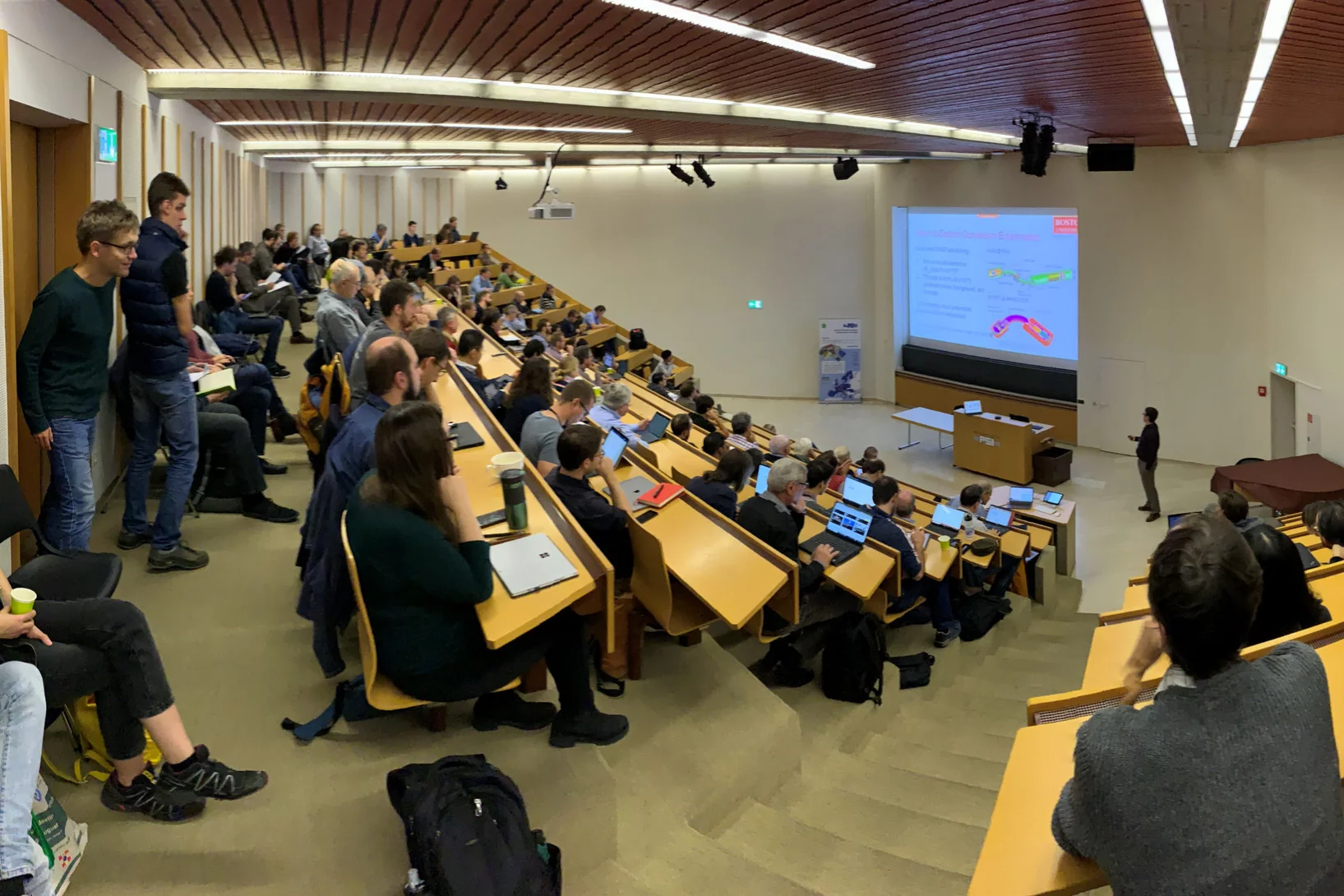
Workshop on the Physics of Fundamental Symmetries and Interactions
The 5th Workshop on the Physics of Fundamental Symmetries and Interactions (PSI2019) took place from 20 to 25 October 2019 at PSI, bringing together 200 scientists from all over the world working on some of today’s most precise particle-physics experiments at the low-energy frontier.
TecDay: LMX meets Hohe Promenade
TecDay is an SATW initiative that was developed at the Kantonsschule Limmattal in 2007 and has since been rolled out to more than 60 secondary schools across Switzerland. By the end of 2017 it had reached around 45,000 students and 5,000 teachers. In December 2019 the LMX contributed in one module, that received a total of 16 students over the course of a morning. The module was organized in three different “stations”, each one focusing on one topic or area that the group is working on.
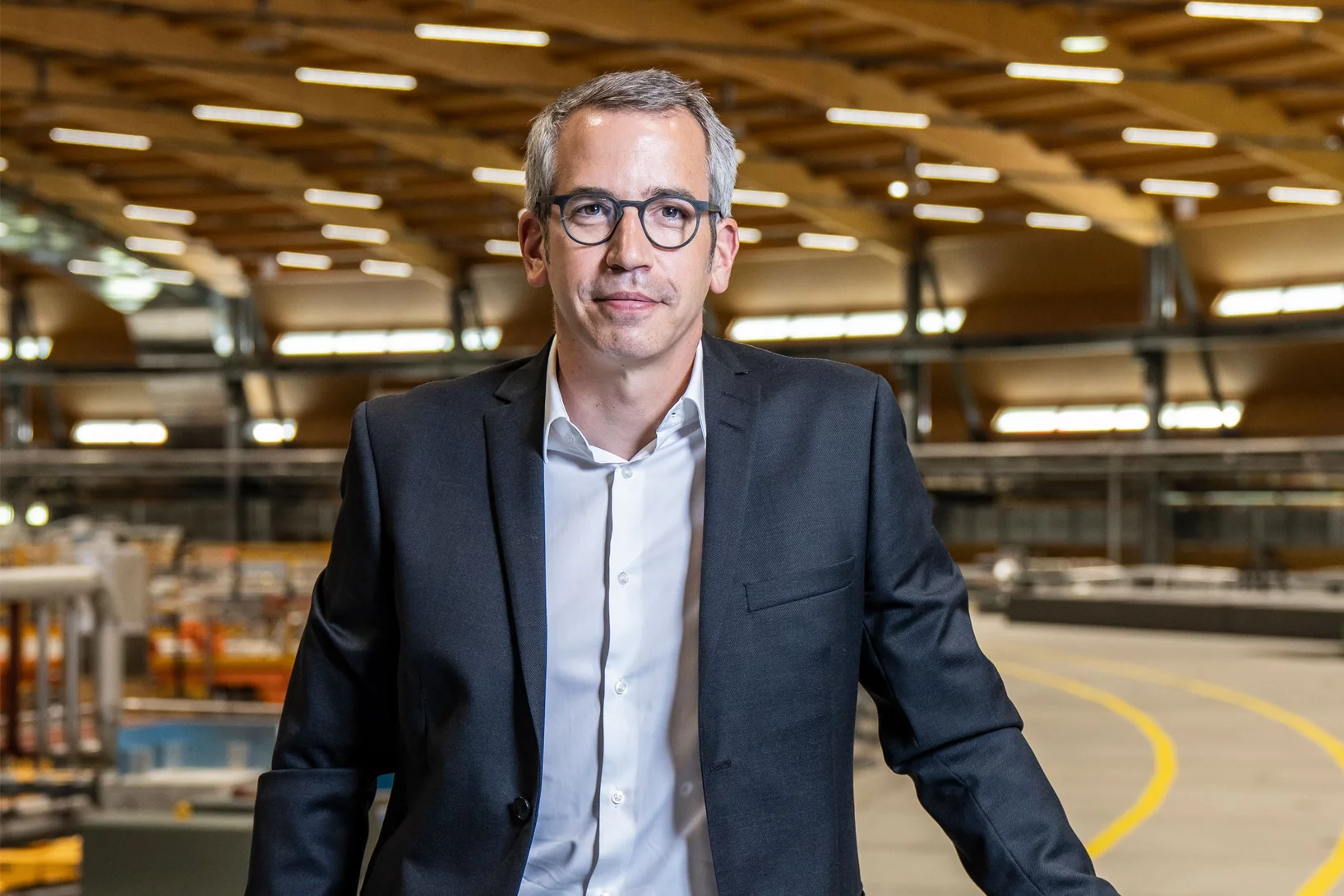
Christian Rüegg wird neuer Direktor des Paul Scherrer Instituts
Der Bundesrat hat am 27. November 2019 Christian Rüegg auf Antrag des ETH-Rates zum neuen Direktor des Paul Scherrer Institutes PSI gewählt. Der 43-Jährige tritt damit die Nachfolge von Thierry Strässle an, der das Institut seit Anfang Jahr ad interim führt. Rüegg ist zurzeit Leiter des Forschungsbereiches Neutronen und Myonen am PSI. Er wird sein neues Amt am 1. April 2020 antreten.
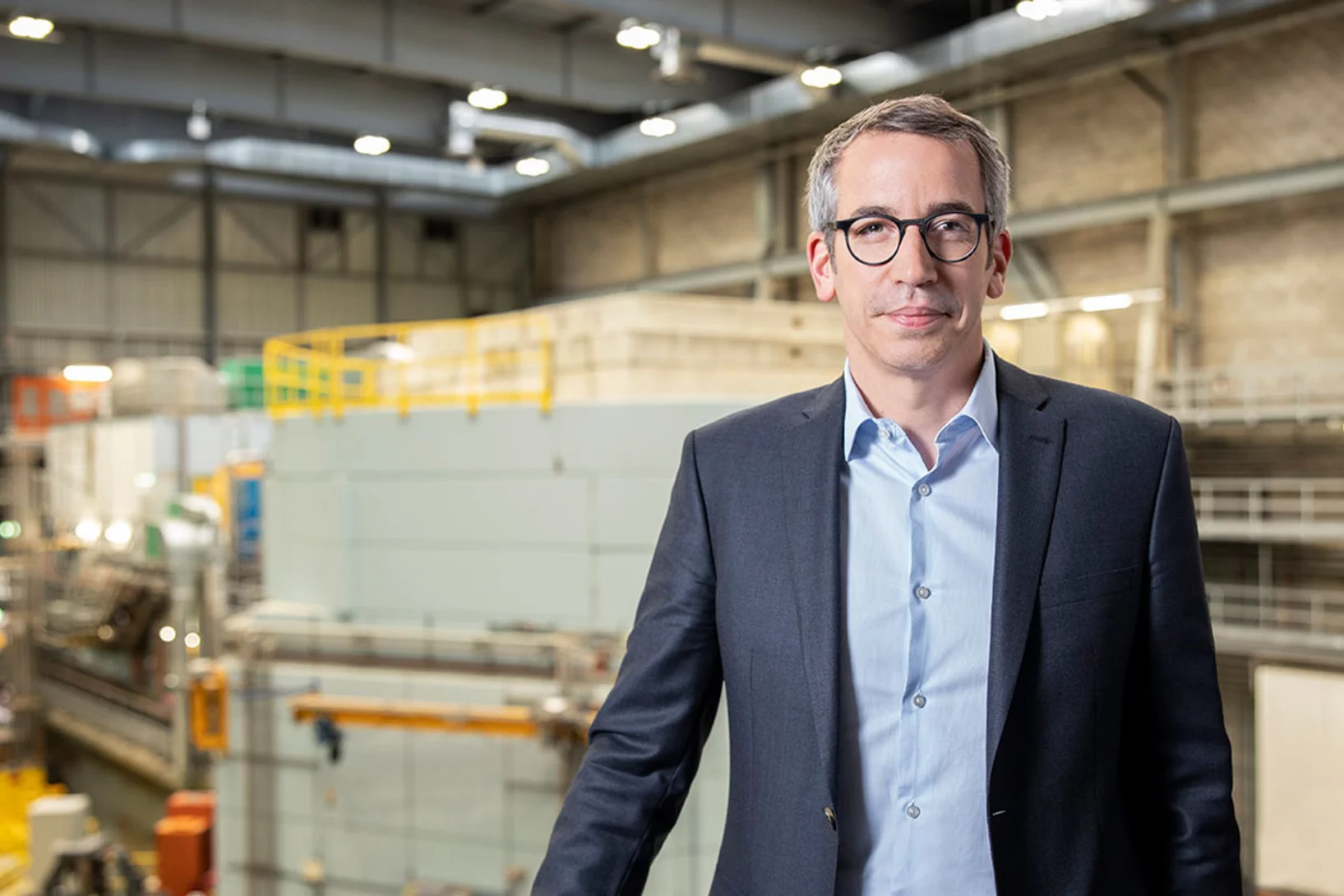
Der Bedarf an Radionukliden für die Krebstherapie ist gross
Radionuklide eröffnen neue Behandlungswege bei Krebs, die sehr effizient sind. Christian Rüegg, Leiter des Forschungsbereichs Neutronen und Myonen am Paul Scherrer Institut PSI, erklärt, welche Rolle die Schweizer Spallations-Neutronenquelle SINQ des PSI bei der Entwicklung eines entsprechenden Medikaments spielt.
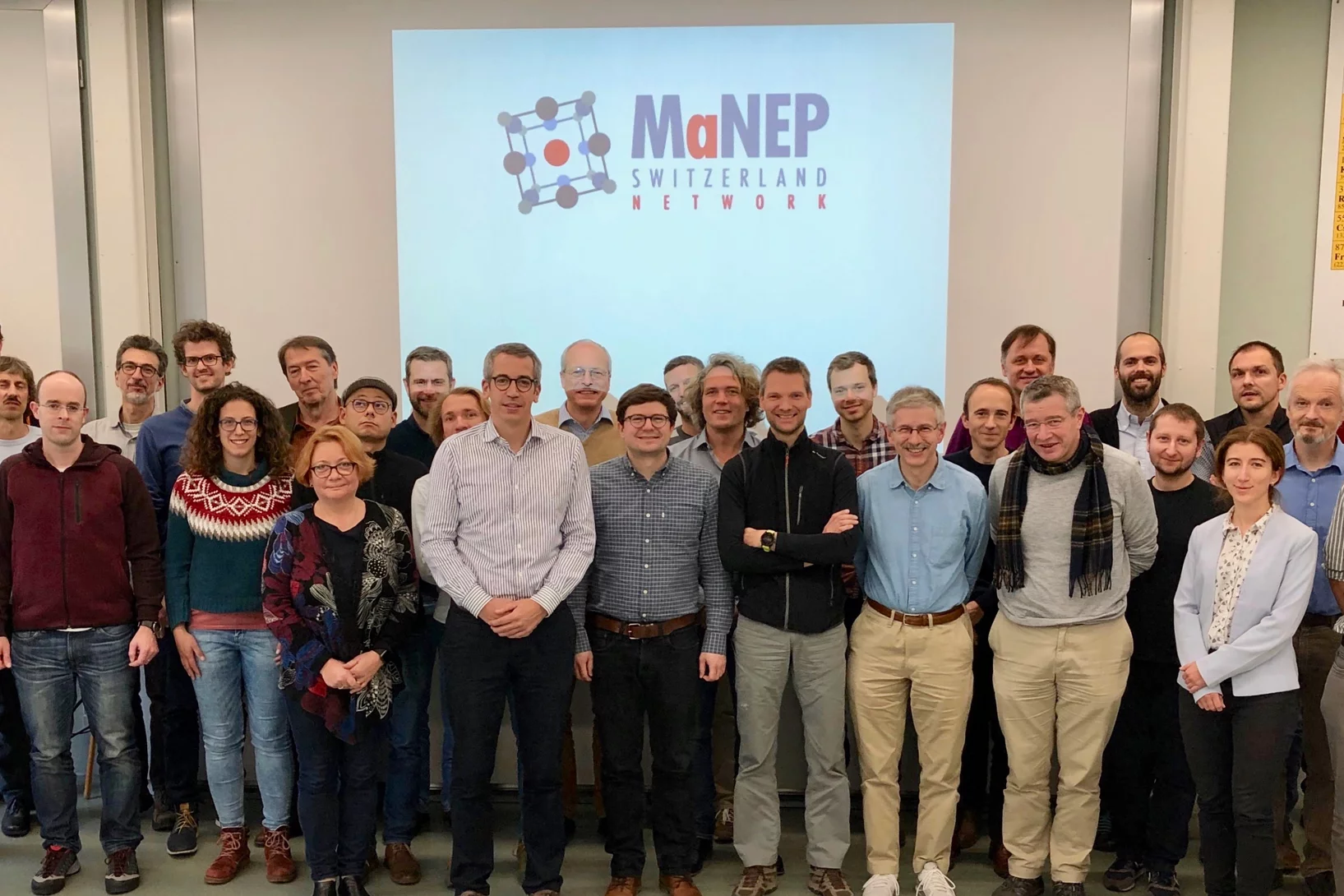
MaNEP Materials Discovery Workshop and Forum Meeting at the University of Bern
The MaNEP Network met at the University of Bern, Department of Chemistry and Biochemistry, for a Workshop on Materials Discovery and its annual Forum Meeting. The community discussed potential future joint initiatives and the role of MaNEP.
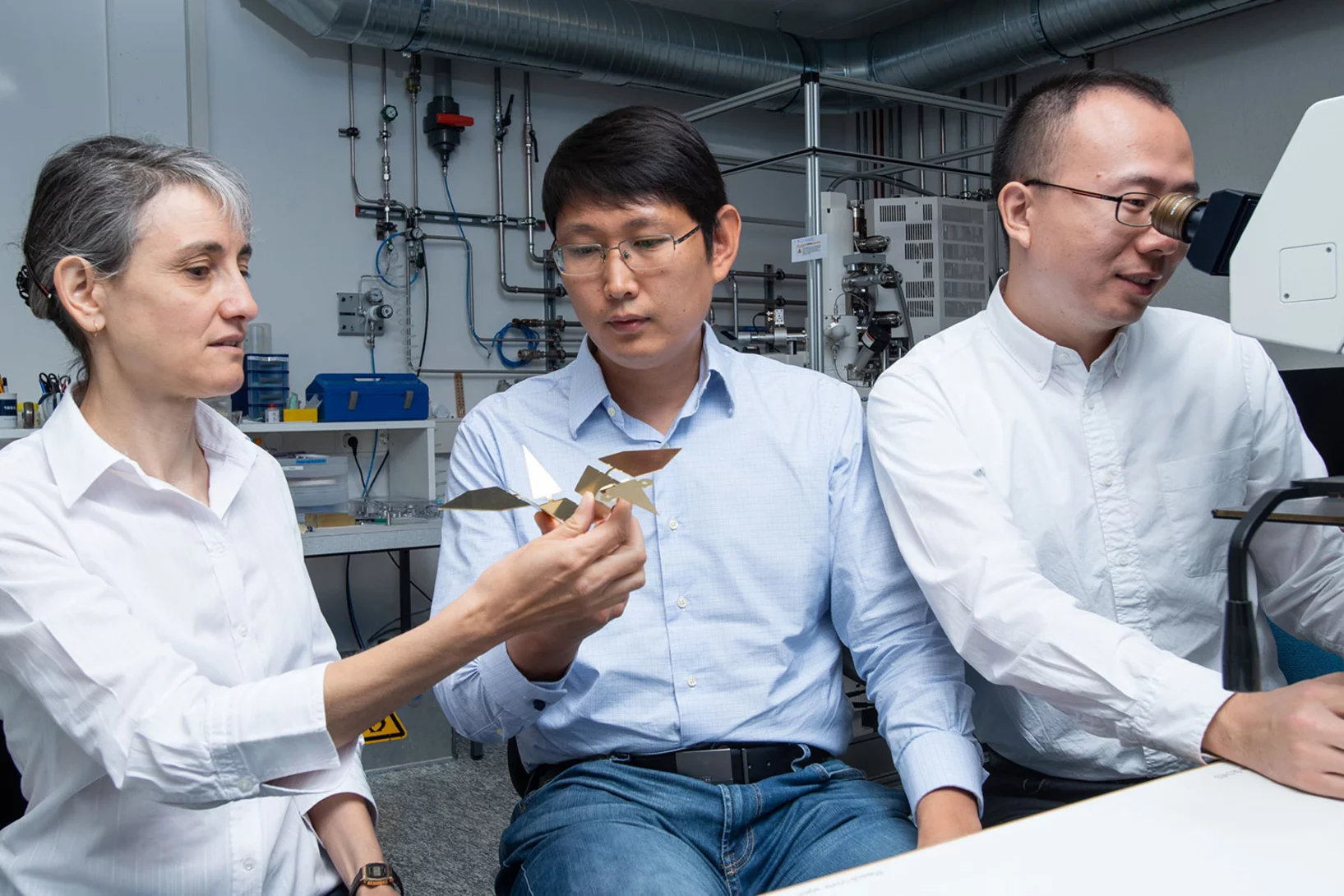
Auf dem Weg zu intelligenten Mikrorobotern
Er erinnert an einen Papiervogel, der mithilfe der japanischen Faltkunst Origami gefertigt wurde: ein Mikroroboter, der die Kraft von Magnetfeldern nutzt, um sich zu bewegen. Unter anderem in der Medizin könnten solche winzigen Maschinen bei Operationen zum Einsatz kommen.
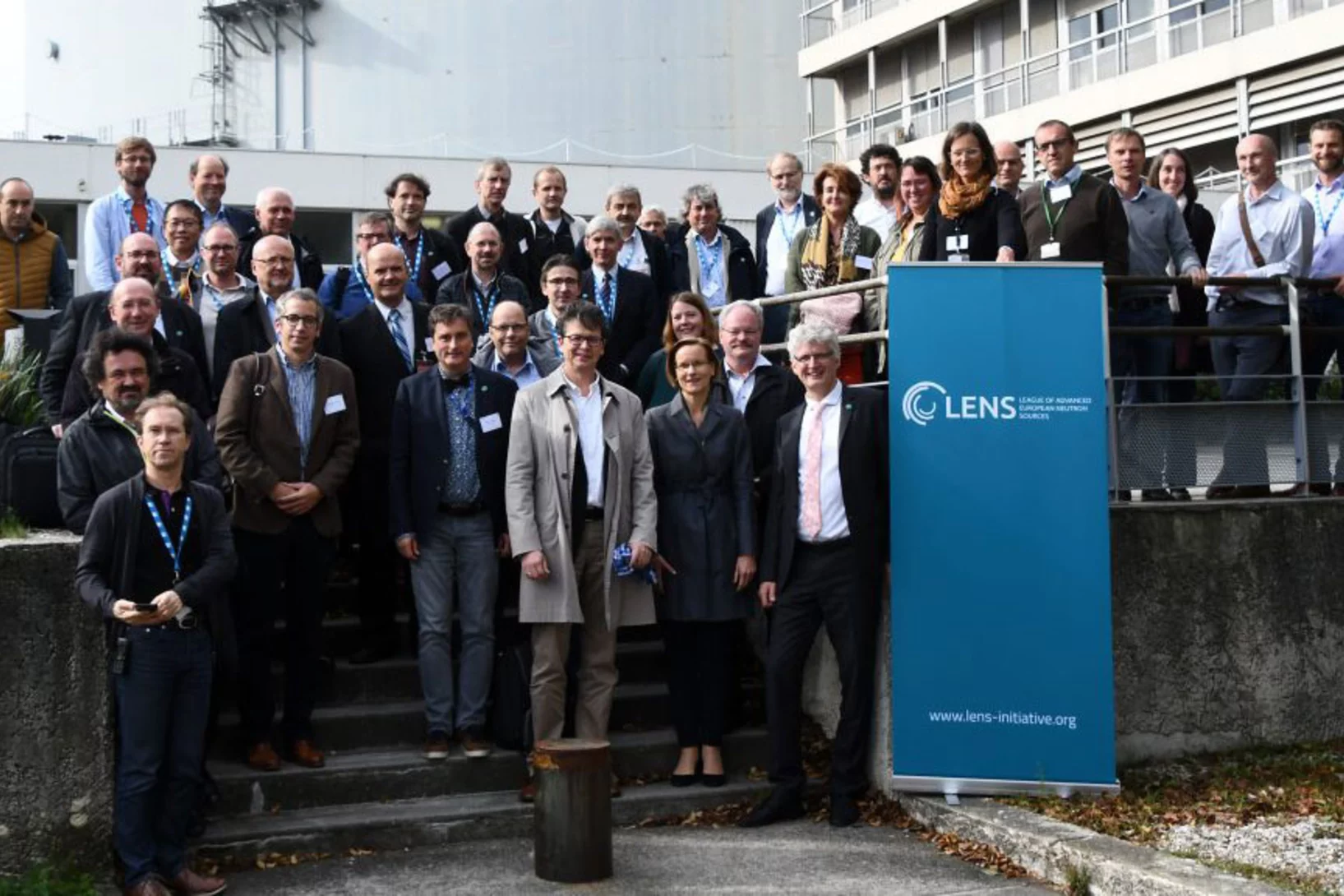
European neutron facilities come together for LENS General Assembly
The League of advanced European Neutron Sources (LENS) with the participation of PSI held its second General Assembly at Institut Laue-Langevin (ILL) together with meetings of its five working groups and the LENS Executive Board. The meetings brought the consortium’s operational working groups together with the leaders of the LENS member facilities to advance priority actions for the organisation in the months to come.
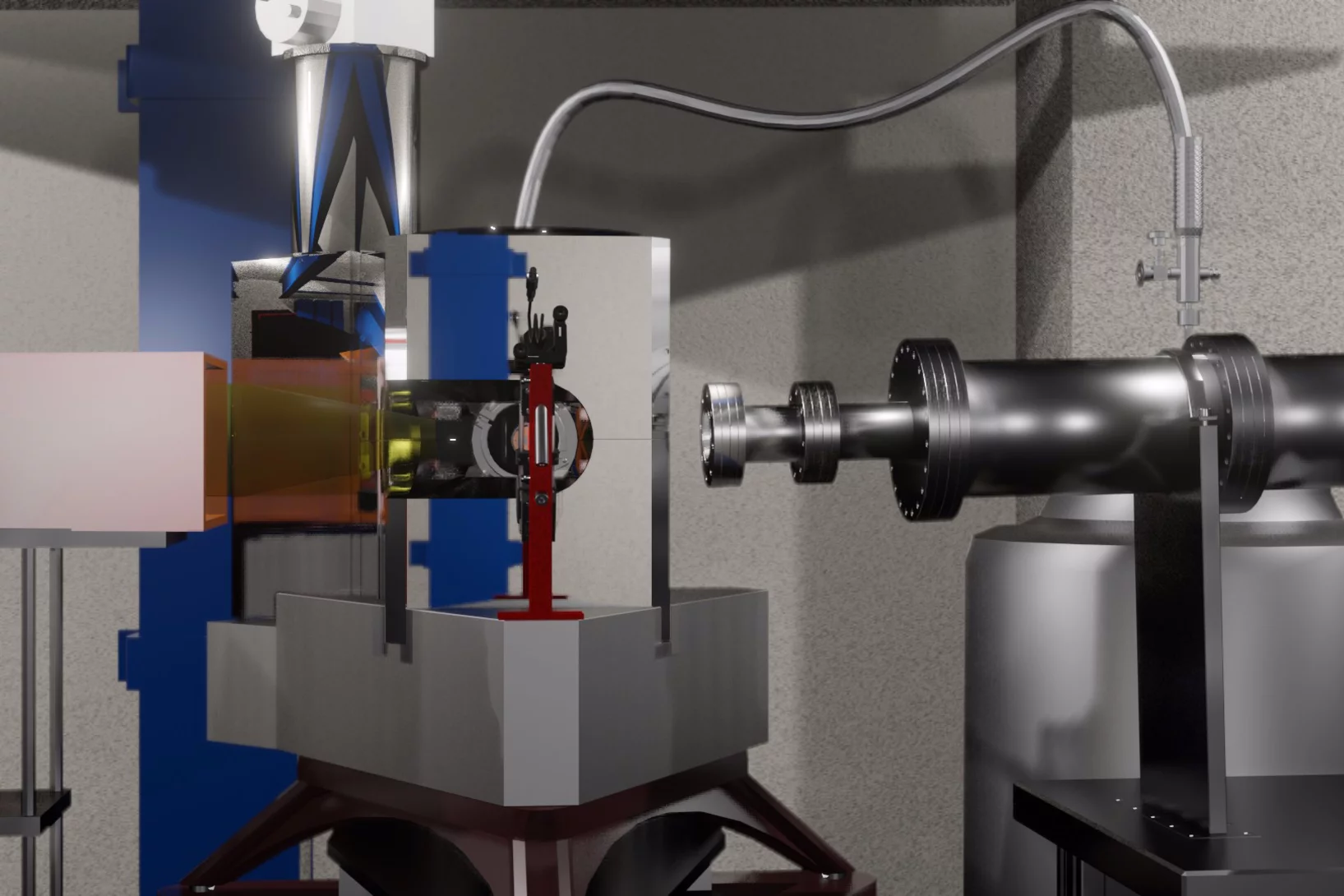
Take a flight through ESTIA
PSI is entirely responsible to build the polarised neutron reflectometer ESTIA at the European Spallation Source ESS in Lund, Sweden. The lead ESTIA scientist Artur Glavic (LNS/NUM) has now simulated a virtual tour of the neutrons travelling through the instrument from the focusing neutron guide to the detector.
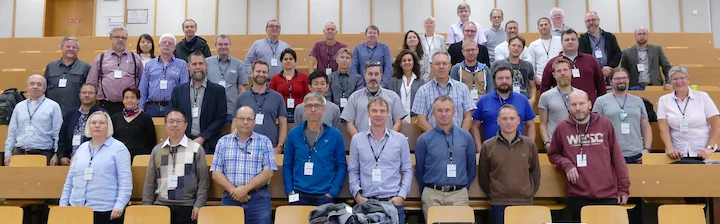
PSI hosting meeting of the LENS working group on technology development and operation
On October 1 and 2, the Laboratory of Neutron and Muon Instrumentation (LIN) hosted the first meeting of the working group on “Synergies in Technology Development and Operation” of the League of Advanced European Neutron Sources, LENS, to kick off developments aimed at creating a new generation of neutron technology.
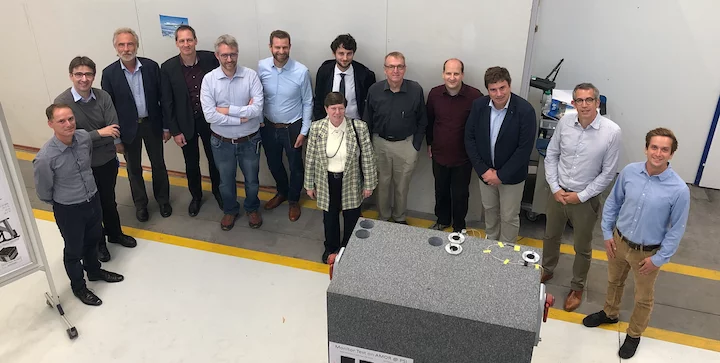
Visit of ESS Council to Switzerland
On 24 September the Paul Scherrer Institut was the venue of a meeting between the top supervisory board of the European Spallation Source ESS to be built in Lund, Sweden, and representatives of the Swiss government from SERI. The chair and the vice chair of the ESS Council, Beatrix Vierkorn-Rudolph and Kurt Clausen, respectively came to Switzerland to discuss the Swiss In-Kind Contributions to the largest spallation neutron source under construction in Sweden.
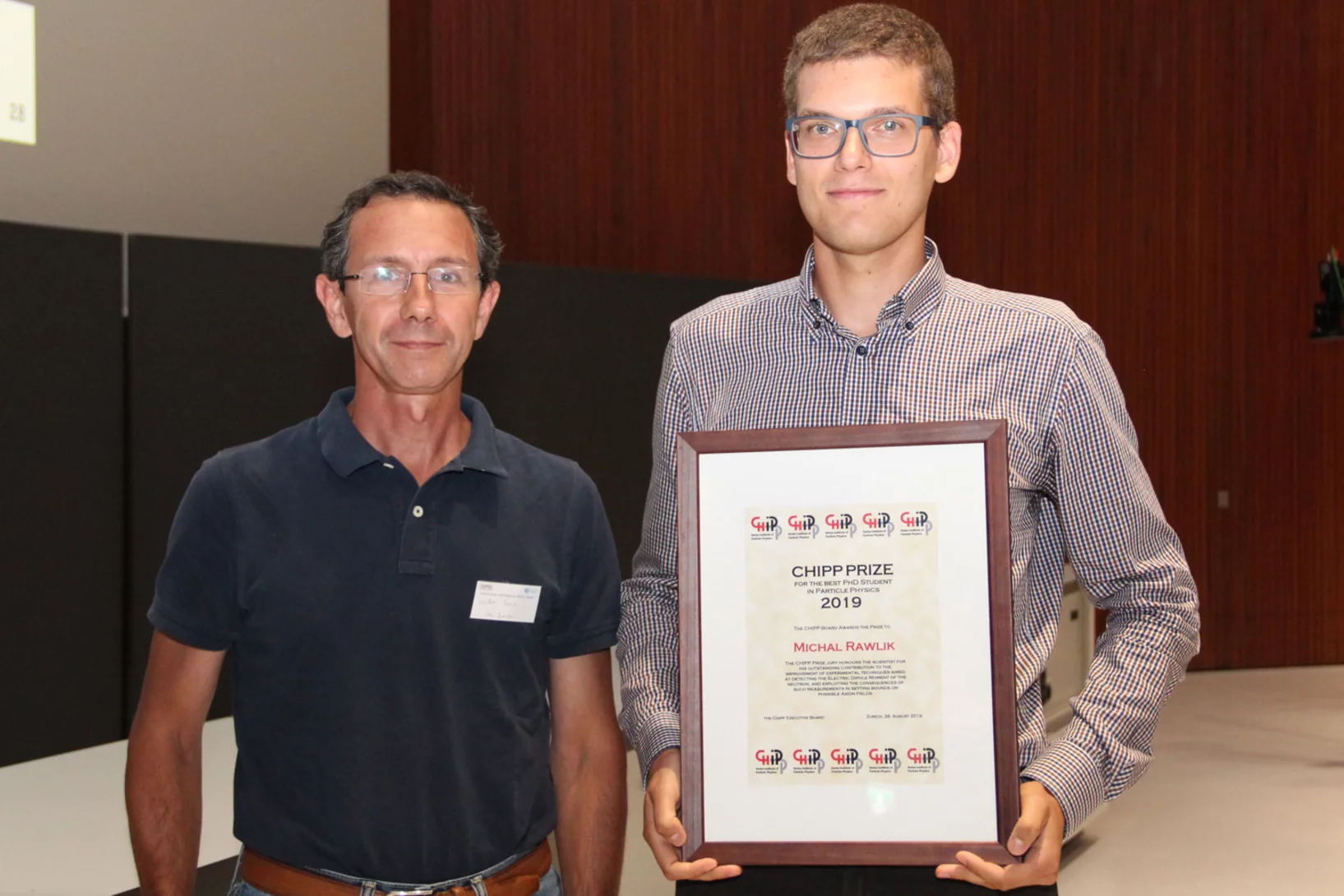
Michał Rawlik awarded the CHIPP Prize 2019
PSI researcher Dr. Michał Rawlik has been awarded the CHIPP Prize 2019 "for his outstanding contribution to the improvement of experimental techniques aimed at detecting the Electric Dipole Moment of the neutron, and exploiting the consequences of such measurements in setting bounds on possible Axion fields".
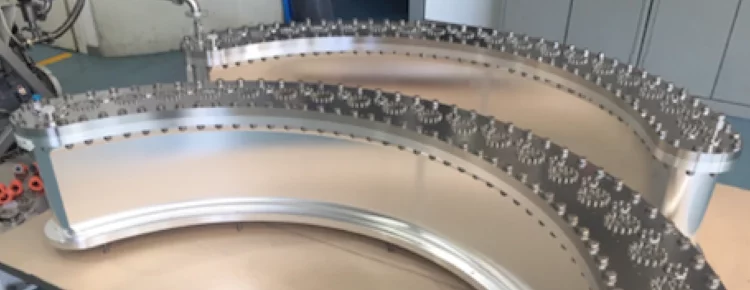
LIN builds pressure vessels for joint detector project with FRM-II in Munich
Highly efficient two-dimensional detectors are essential for the performance of modern neutron diffractometers. The NUM Division of PSI and the Technical University Munich TUM jointly develop two identical new 3He gas detectors, one for the diffractometer DMC at SINQ and the other for operation at FRM-II in Munich.
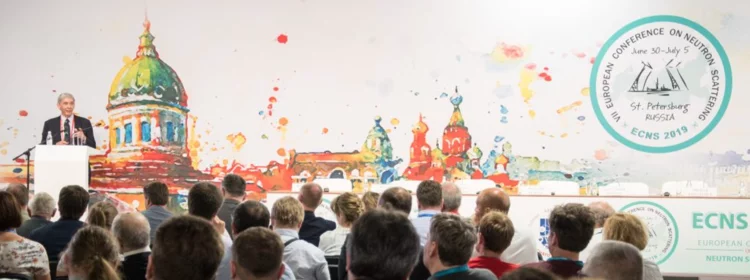
PSI participates in ECNS in St Petersburg
The European Conference on Neutron Scattering (ECNS) with its recent 2019 edition in St. Petersburg is a spree of lectures, poster sessions, and expert talks on the current trends and future possibilities in neutron science. PSI with its neutron source SINQ was represented by members of the three NUM laboratories LNS, LMX and LIN. In addition, PSI was silver sponsor of ECNS 2019 and is also a member of the LENS consortium (League of Advanced European Neutron Sources).
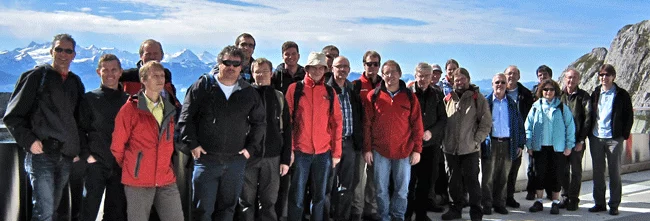
New NUM Laboratory for Neutron and Muon Instrumentation (LIN)
In the division Research with Neutrons and Muons (NUM) all technical knowledge and expertise concerned with the development and operation of the scientific instrumentation for neutron and muon experiments at our user facilities have been united in the new Laboratory for Neutron and Muon Instrumentation (LIN).

PSI-Bildgebung hilft bei Raketenstarts
PSI-Forschende helfen der europäischen Raumfahrt: ihre Neutronen-Bildgebung dient der Qualitätssicherung entscheidender Bauteile für Raketenstarts.
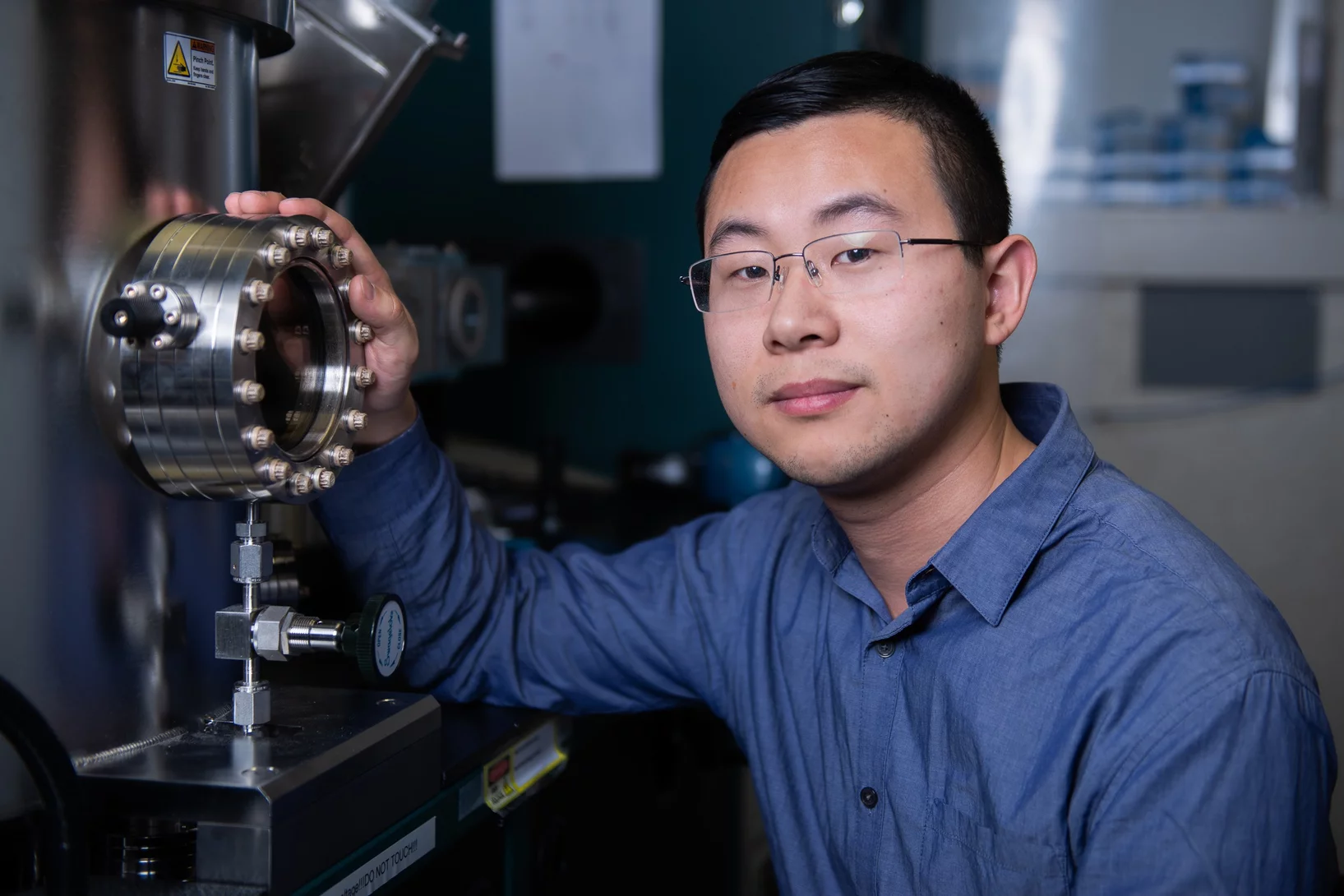
Ein Kompass, der nach Westen zeigt
Forschende des PSI haben mithilfe der Synchrotron Lichtquelle Schweiz SLS ein neues Phänomen des Magnetismus entdeckt. Dabei verhalten sich bestimmte Atomgruppen wie ein Kompass, der nach Westen zeigt. Damit könnten Computer wesentlich leistungsfähiger werden.
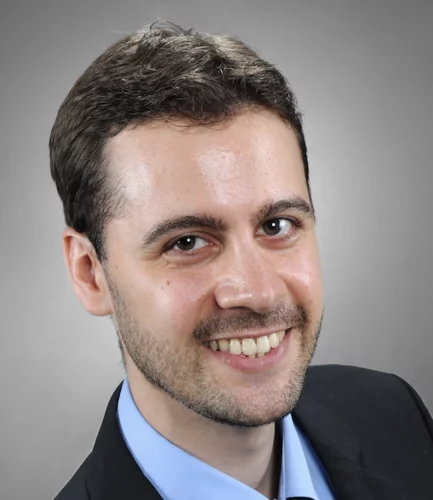
Ambizione grant for Max Zoller
Max Zoller, currently at the Physik-Institut of the University of Zurich (UZH), has been awarded a Swiss National Science Foundation Ambizione grant with PSI as host institution. Together with a PhD student he will join the particle theory group (NUM, Laboratory of Particle Physics (LTP)). The research of Max Zoller focuses on the automation of perturbative higher-order calculations. With the Ambizione grant Max will now move to PSI for four years, starting on June 1, 2019.
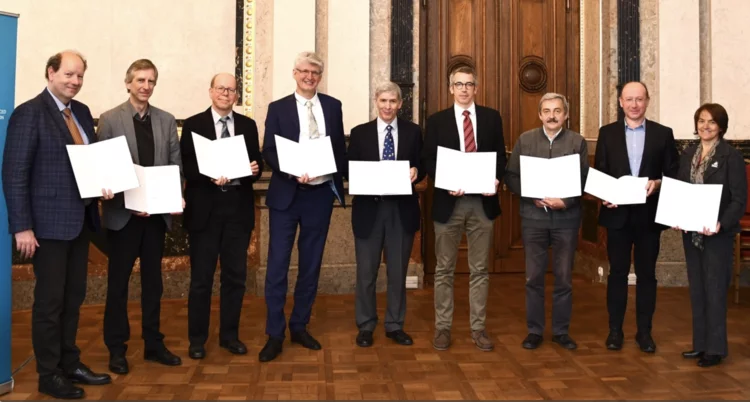
LENS launches activities to strengthen European neutron science
The members of the League of advanced European Neutron Sources (LENS) held their first General Assembly and the first Executive Board meeting on 26 March 2019 in Liblice, the Czech Republic. The consortium adopted and signed Statutes detailing the purpose of LENS, guiding the work of the statutory bodies, and laying the framework for Working Groups responsible for the execution of foreseen activities. For the Swiss spallation neutron source SINQ the head of the NUM division Christian Rüegg signed the documents.
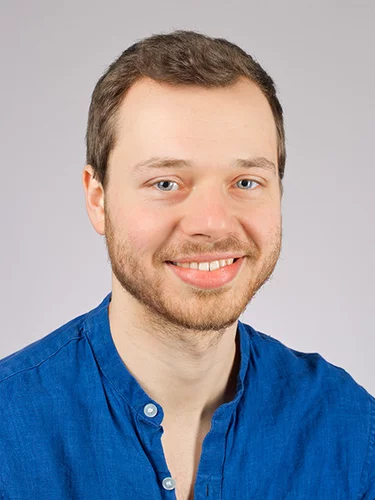
DGKK Award for young researchers 2019 for Pascal Puphal
Dr Pascal Puphal (currently a Postdoc at PSI, LMX, Solid State Chemistry Group) has recently been awarded with the DGKK young researcher price from the German Crystal Growth Community on his Ph.D. work performed in the group of Cornelius Krellner at the Geothe University Frankfurt am Main on the topic "Tuning two dimensional Cu-based quantum spin systems". The work covers the stabilization and proof of a 2D dimer structure by Sr substitution in Han Purple and the research of novel kagome materials of the prominent quantum spin liquid candidate herbertsmithite by the hydrothermal route.
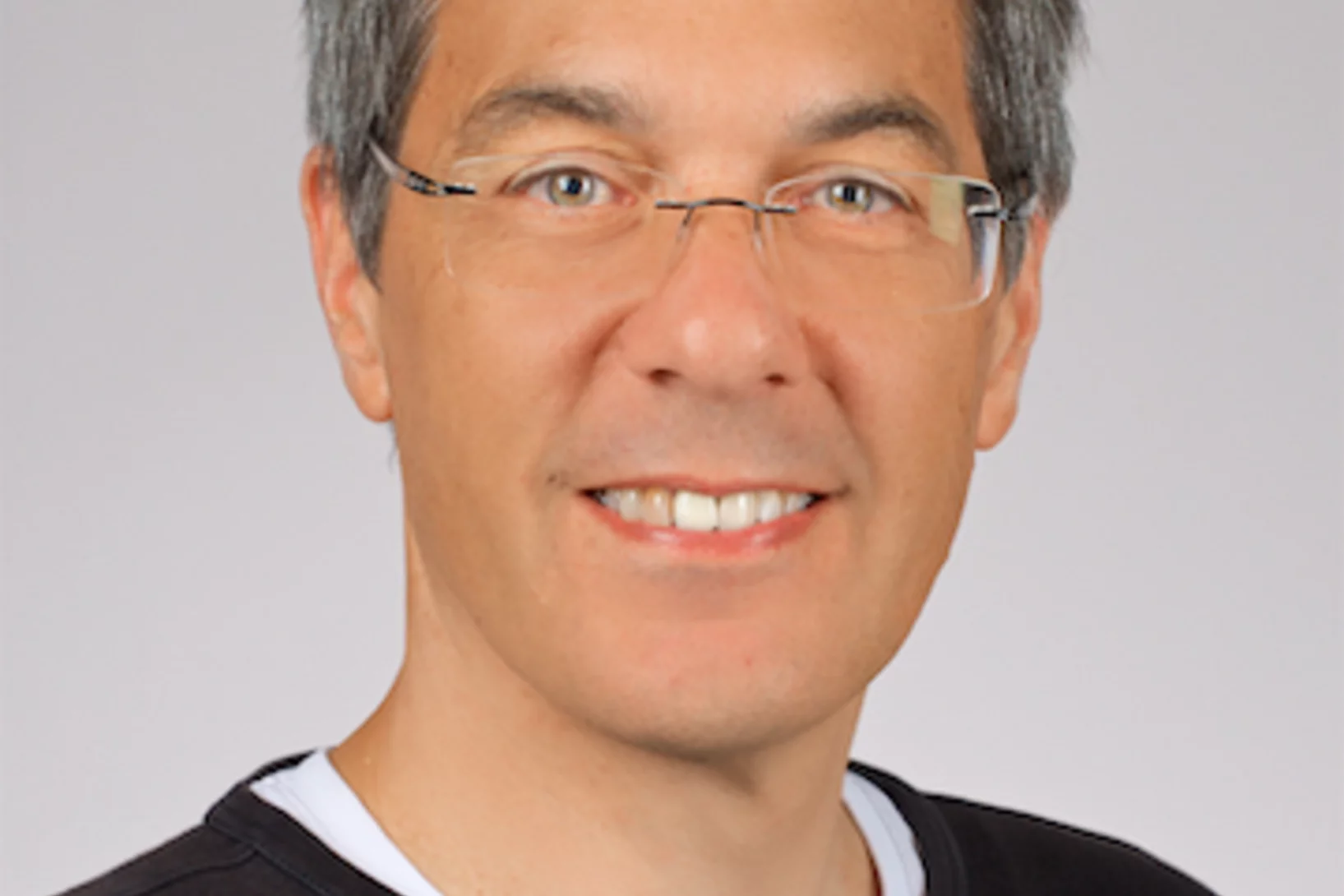
EPFL Adjunct Professorship to Christopher Mudry
Dr Christopher Mudry, who joined PSI in 1999 and is Research Group Leader of the Condensed Matter Theory Group at PSI since 2009, was awarded the title of Adjunct Professor at EPF Lausanne with the following citation. "Dr Christopher Mudry is a highly acclaimed theoretical physicist. He is regarded as one of the world’s leading experts on the quantum field theory of condensed matter and in the rapidly developing field of the topological properties of matter."

ERC Consolidator grant for Paolo Crivelli
Dr Paolo Crivelli (ETH Zurich, Department of Physics, Institute for Particle Physics and Astrophysics) has recently been awarded an ERC Consolidator grant for his project "Mu-MASS" aiming at a new precision measurement of the Muonium 1S-2S transition energy, ultimately with an improvement by three orders of magnitude.

Eccellenza Professorship to Lea Caminada
Dr Lea Caminada has been awarded a Swiss National Science Foundation (SNF) Eccellenza Professorial Fellowship.
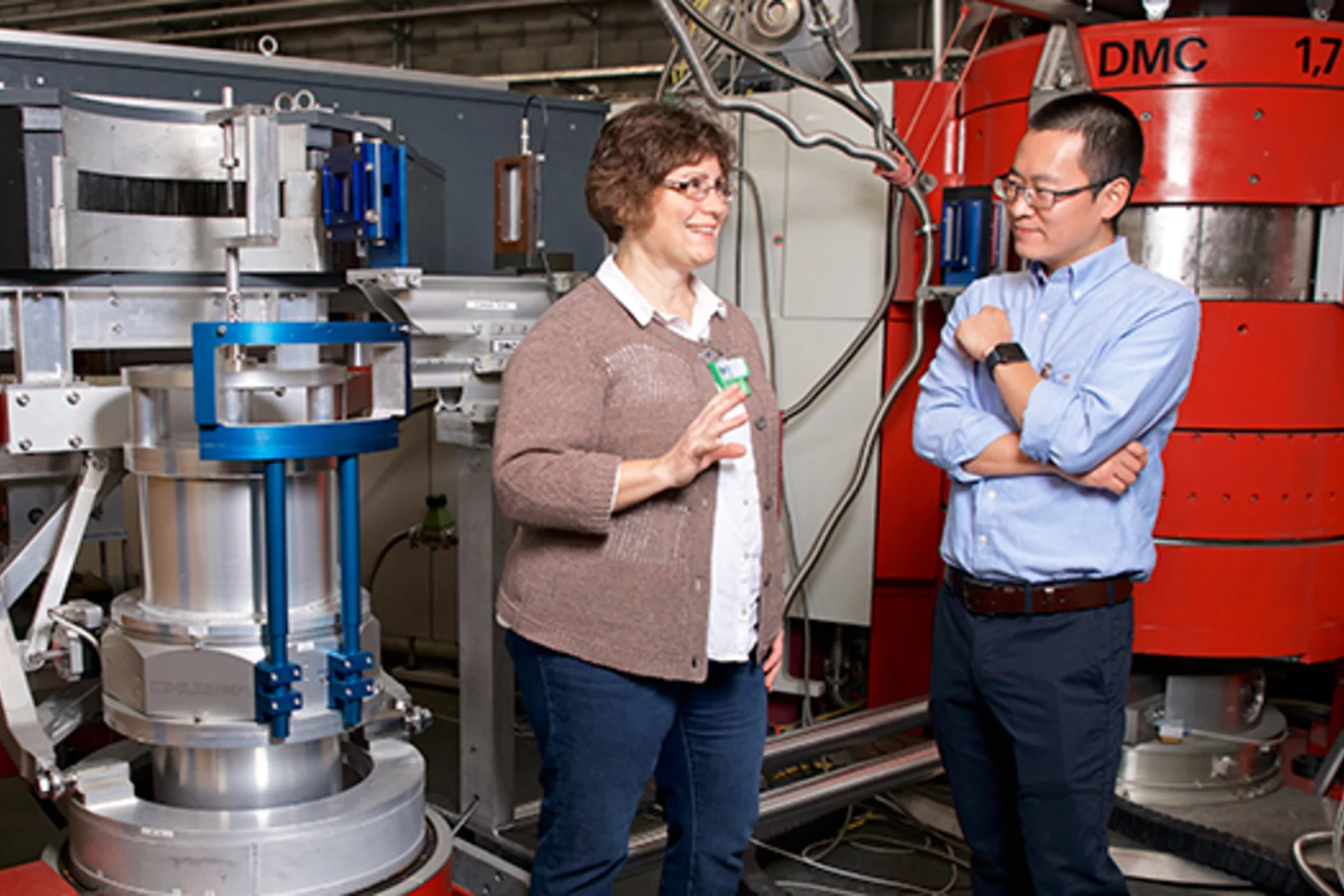
Unmögliches möglich machen
Vom Einsatz multiferroischer Materialien verspricht man sich energiesparsamere Computer, weil für die magnetische Datenspeicherung ein elektrisches Feld ausreichen würde. Forschende am PSI haben ein solches Material jetzt für die Betriebstemperaturen von Computern tauglich gemacht.
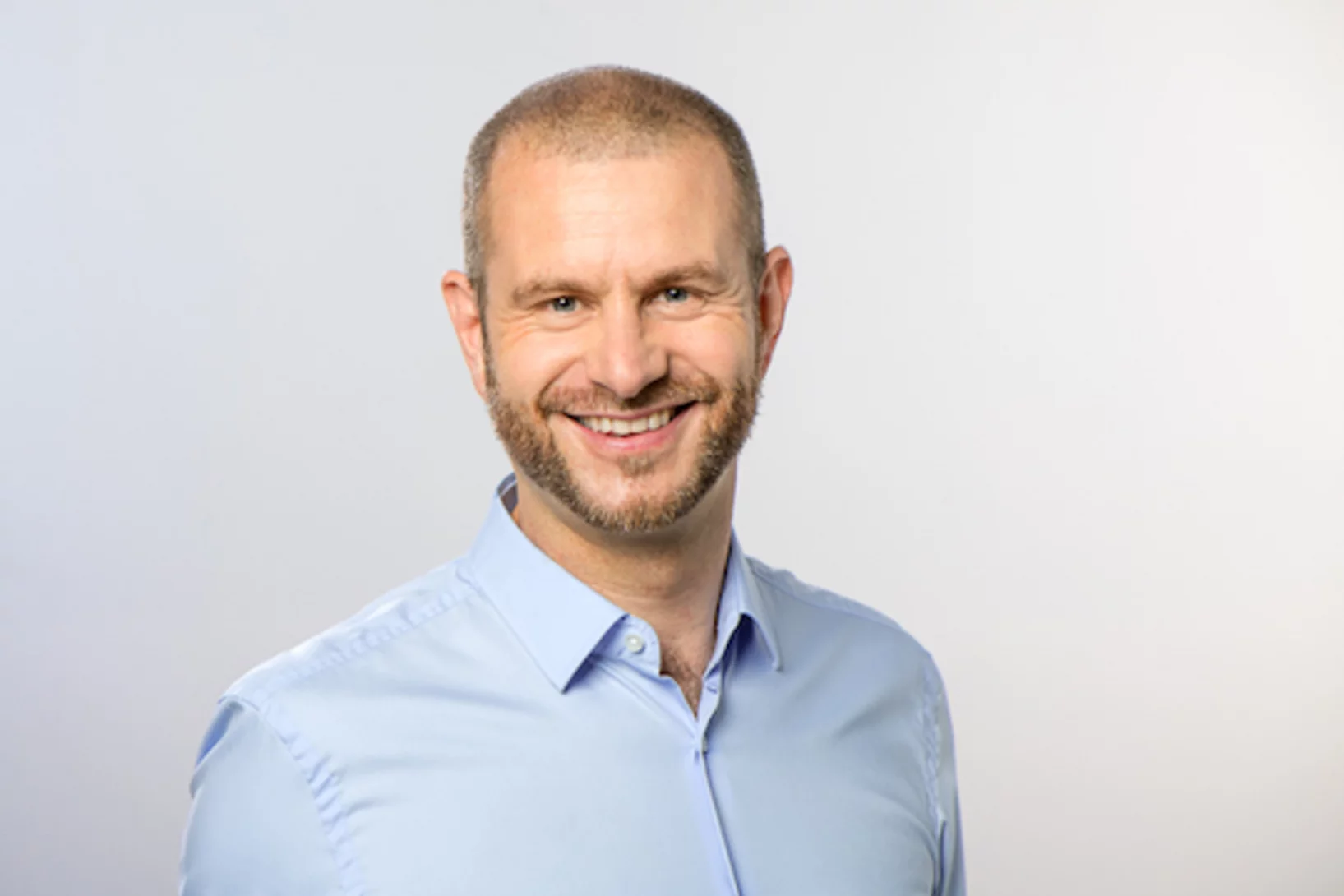
Marc Janoschek appointed new head of LDM
Dr Marc Janoschek has been appointed new head of the NUM Laboratory for Scientific Developments and Novel Materials LDM. He will take office on November 15, 2018. Marc studied Physics at TU Munich and did his PhD at PSI and TUM on "Neutron Scattering on Chiral Magnets". After that he went to the University of California in San Diego as Feodor-Lynen Fellow. Since 2011 he is head of "Neutron research" in the "Condensed Matter and Magnet Science" group in Los Alamos. For his research Marc has been awarded the Wolfram Prandl Prize and the Los Alamos Fellow Prize for Outstanding Research. We wish Marc success and satisfaction for his new duties and wish to thank cordially Peter Keller, who led the LDM ad interim since March 2018.
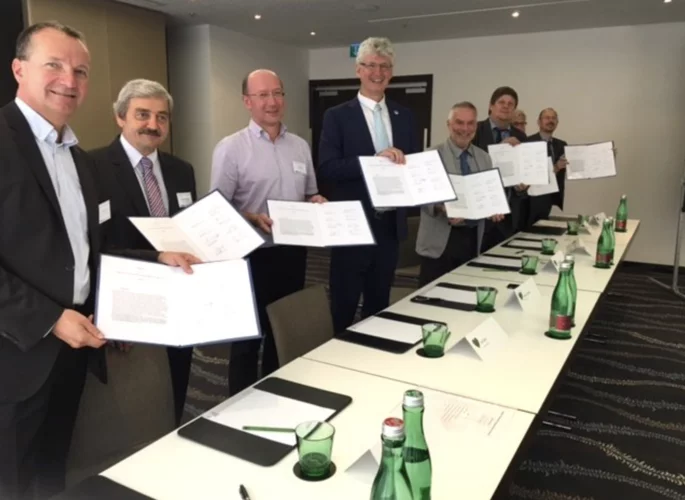
Founding Partners Sign Charter Establishing Neutron Source Consortium LENS
On September 12 representatives of eight European research infrastructures including SINQ at PSI signed the Charter of the League of advanced European Neutron Sources (LENS) at the International Conference of Research Infrastructures, ICRI2018 in Vienna. The signing ceremony marks the establishment of a new strategic consortium of European neutron source facilities with the aim, according to the charter, to “facilitate any form of discussion and decision-making process that has the potential to strengthen European neutron science via enhanced collaboration among the facilities”. The founding partners in the consortium include both European and national facilities in France, Germany, Sweden, Hungary, the United Kingdom, Norway and Switzerland. Other qualifying facilities are invited to join at any time.