A nucleation point of PSI competences towards the quantum technology initiative.
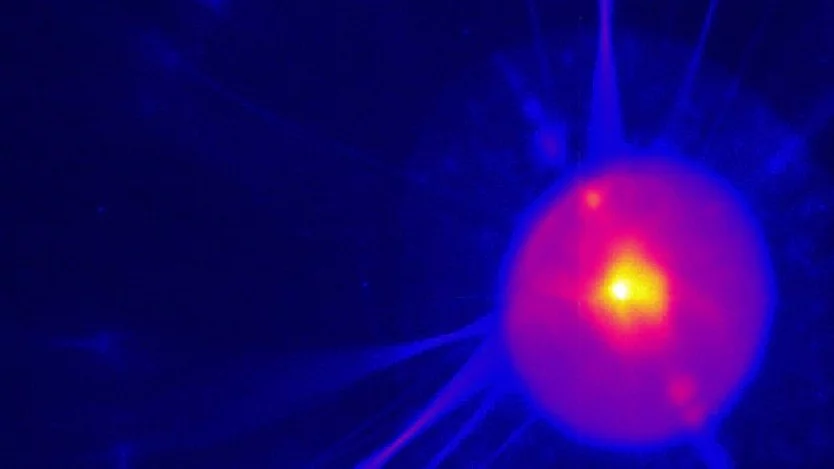
PSI's expertise in the study of quantum matter and engineering of nanoelectronics is directly connected to the availability of world-class large-scale facilities, such as the SINQ neutron and SµS muon source, the SLS synchrotron and the SwissFEL x-ray free-electron laser.
The Quantum Technology Collaboration at PSI (QTC@PSI) serves as a platform to coalesce key competences and know-how (imaging, spectroscopy, sample synthesis, nanofabrication and theory) that will lead to the development of components required to implement quantum technology in everyday life. Critical expertise in nanofabrication, optical amplifiers & microwave technology, metrology, cryogenics & magnet engineering, as well as detector technology exist at PSI today. This combination of scientific excellence in materials science and quantum materials along with the technological know-how and large scale facilities means PSI is uniquely positioned to make significant contributions to the quantum revolution that now is unfolding worldwide.
Latest News

Imaging electrical switching of ultraefficient memory devices
SLS illuminates how electrical switching in layered materials works

Corinna Burri wins the PSI Thesis Medal 2026
Corinna Burri's doctoral thesis, conducted in the QPS group, has been awarded the PSI Thesis Medal 2026

Zeitmessung auf Quantenebene
An der Synchrotron Lichtquelle Schweiz SLS haben Physiker einen Weg gefunden, die Zeit zu messen, die während eines Quantenereignisses verstreicht. Sie entdeckten, dass diese von der Symmetrie des Materials abhängt.

Chirurgie für Qubits
Forschende zeigen, wie Quantenoperationen unter gleichzeitiger Fehlerkorrektur durchgeführt werden können – ein wichtiger Schritt hin zu zuverlässigen Quantencomputern.

Schweizer Röntgenlaser enthüllt, wie Elektronen zusammenspielen
Ein neues Röntgenverfahren am SwissFEL macht den «Tanz» der Elektronen sichtbar – und könnte erklären, warum Quanteninformationen so leicht verloren gehen.
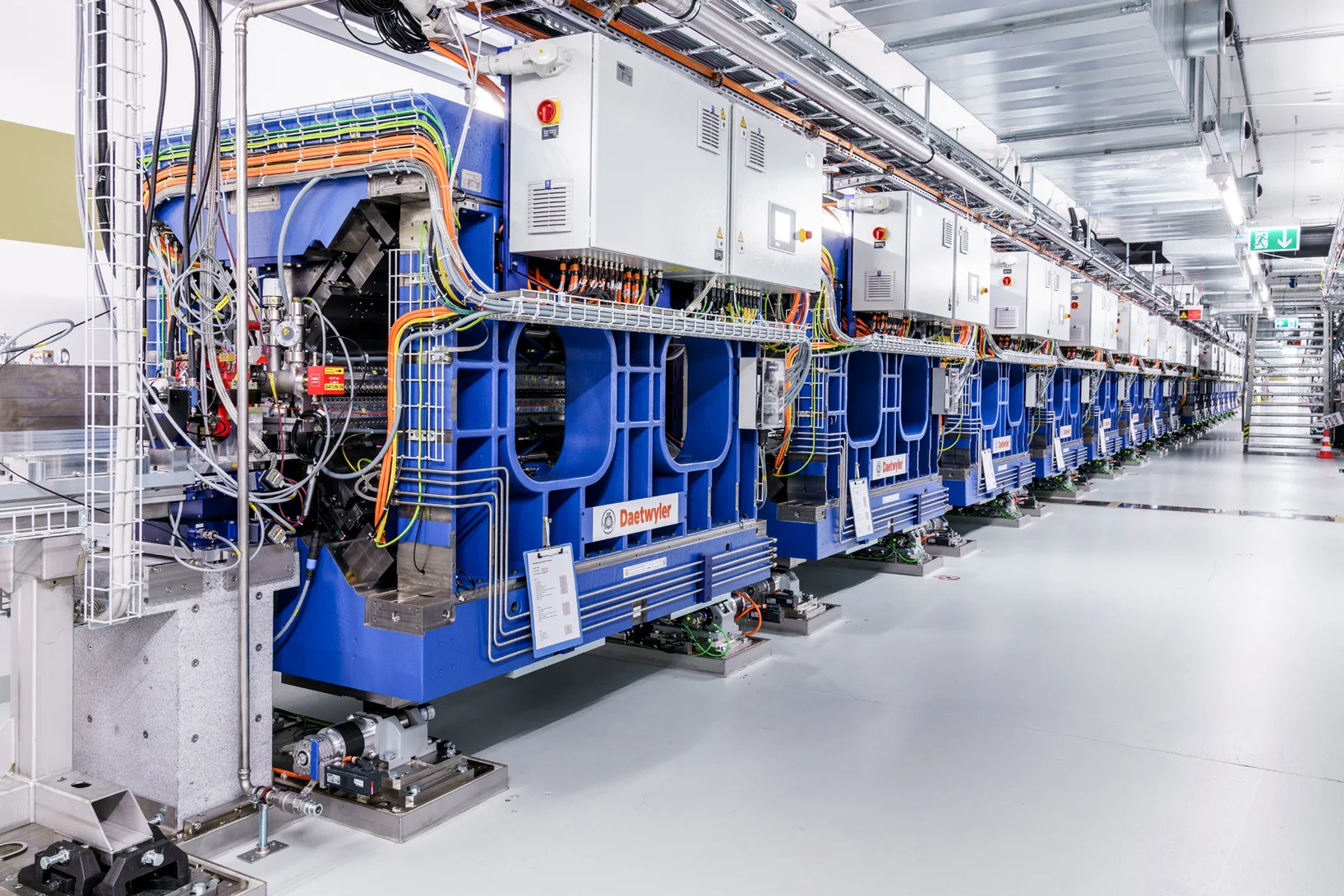
Synchronising ultrashort X-ray pulses
Attosecond coherent pulses at SwissFEL will open new experimental possibilities