

Show filters
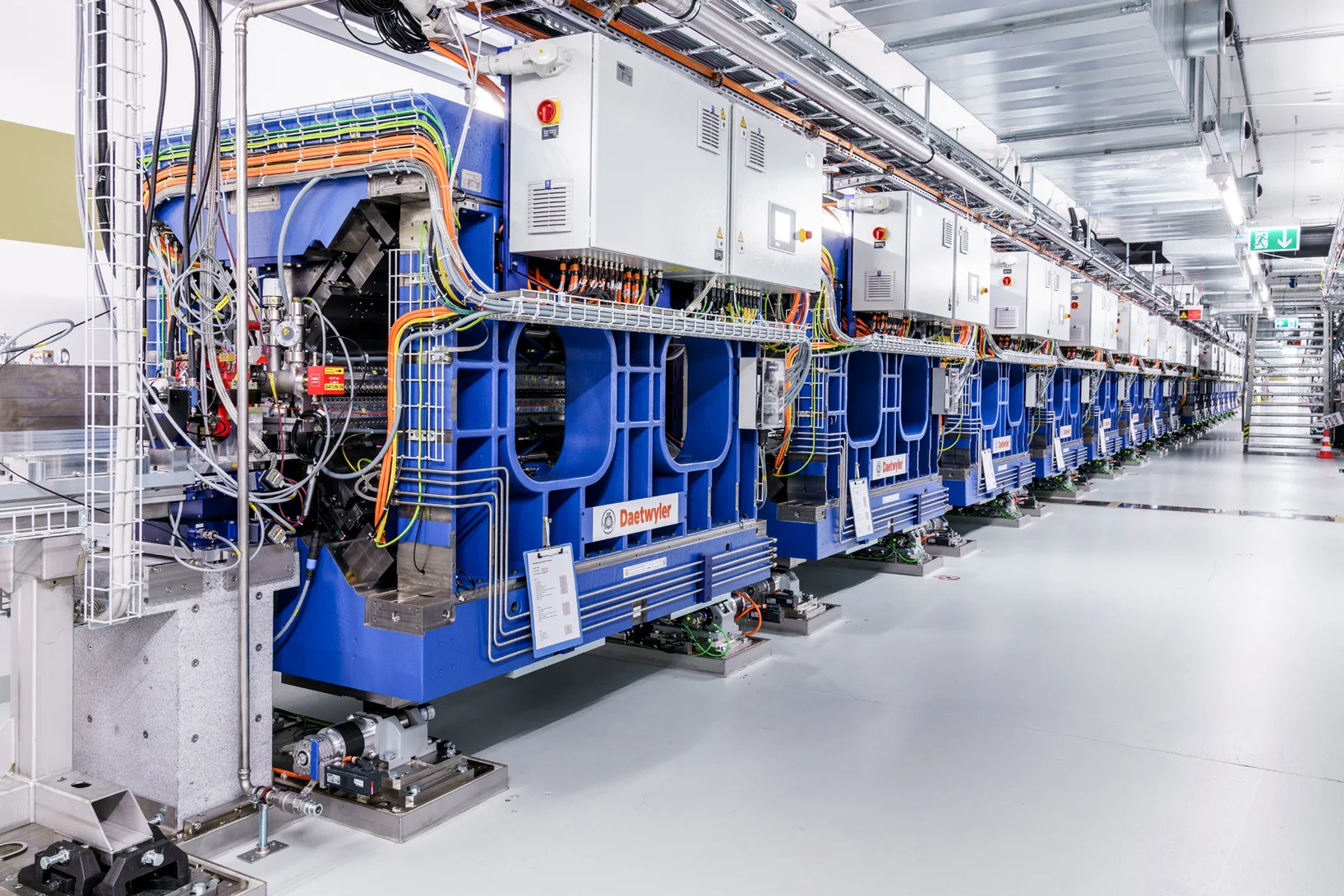
Synchronising ultrashort X-ray pulses
Attosecond coherent pulses at SwissFEL will open new experimental possibilities
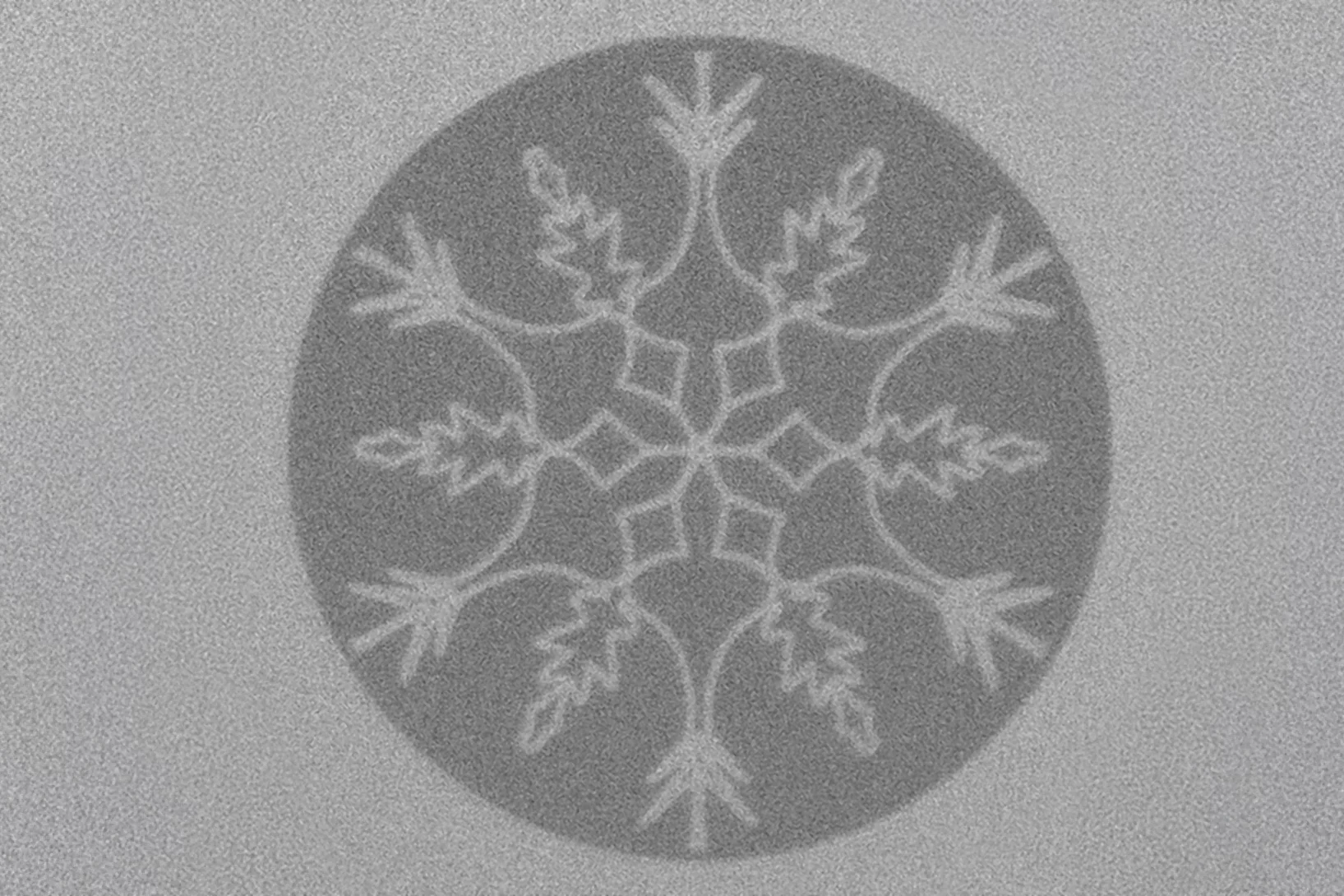
Un laser dessine des paysages magnétiques sur mesure
Des scientifiques du PSI ont découvert une méthode étonnamment rapide et bon marché pour modifier localement des matériaux magnétiques.
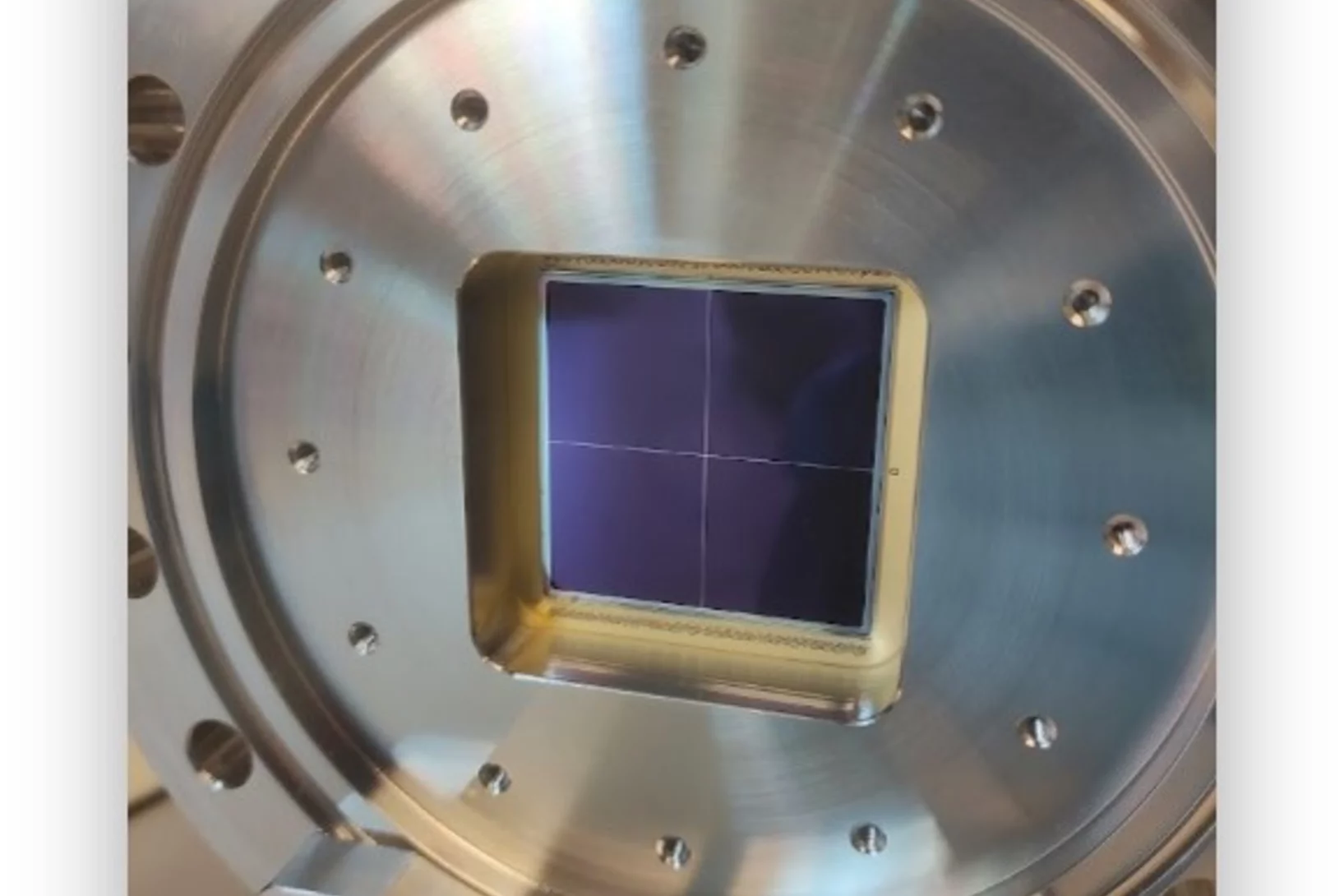
Single-Photon-Counting Detection for Soft X-rays Down to 530 eV
The PSI Photon Science Detector Group has developed the first single-photon-counting pixel detector capable of detecting soft X-rays down to 530 eV. This breakthrough was achieved by combining EIGER readout chips with novel inverse LGAD sensors, developed in collaboration with and fabricated at Fondazione Bruno Kessler (Italy). The detector is now in user operation for ptychographic applications, where it has already enabled significant scientific results at the Fe L₃-edge (707 eV) and even at the O K-edge (530 eV), demonstrating superior detection performance compared to commercially available state-of-the-art detectors.
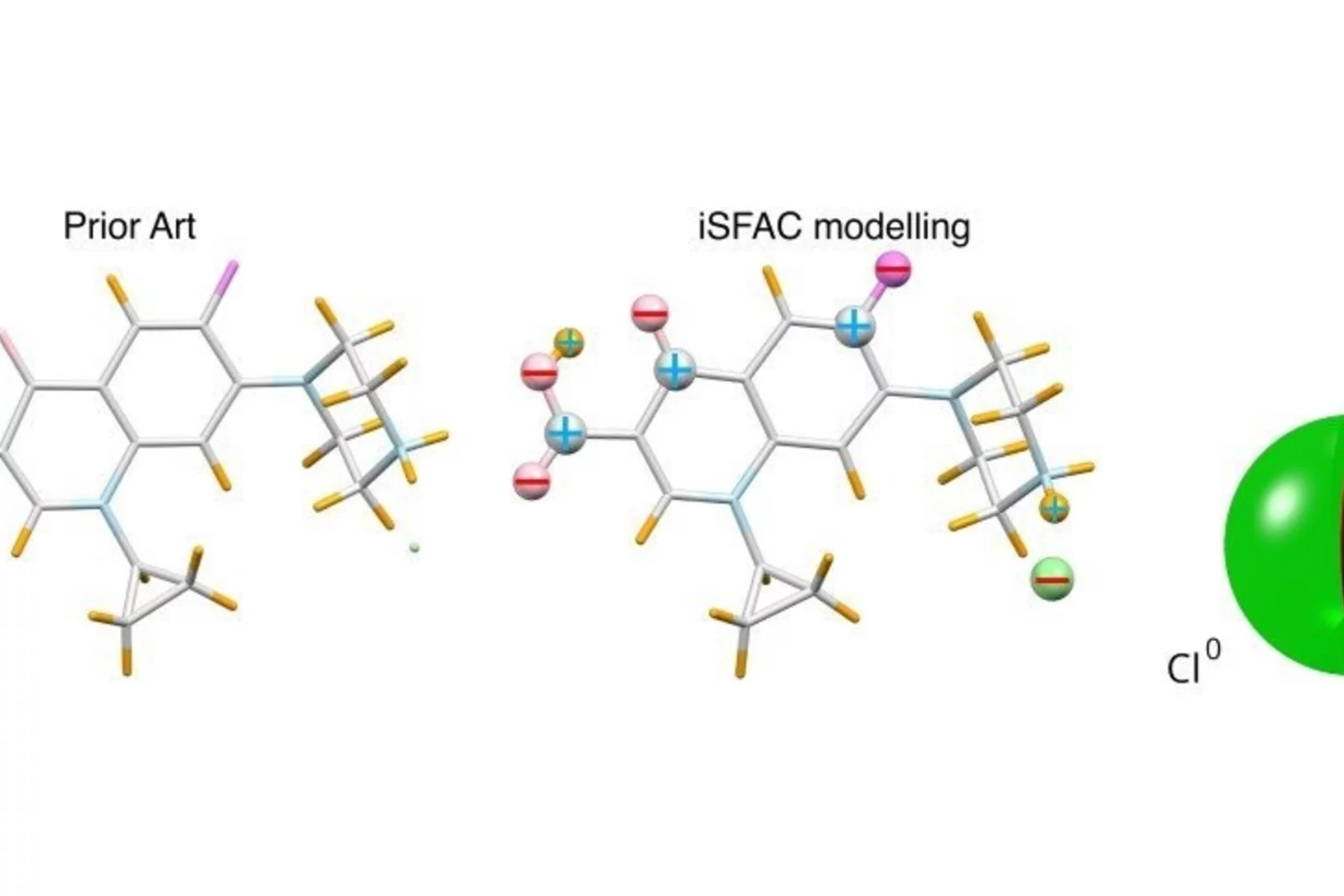
Measuring How Molecules Communicate
A collaboration between PSI and the University of Vienna has resulted in a new experimental method that, for the first time, enables the direct measurement of partial charges in molecules. Partial charges are fundamental to understanding molecular structure, interactions, and reactivity, yet until now no general technique existed to determine them experimentally.

Welcome to LXN Kenté Kouda
Herzlich Willkommen Kenté Kouda im LXN!
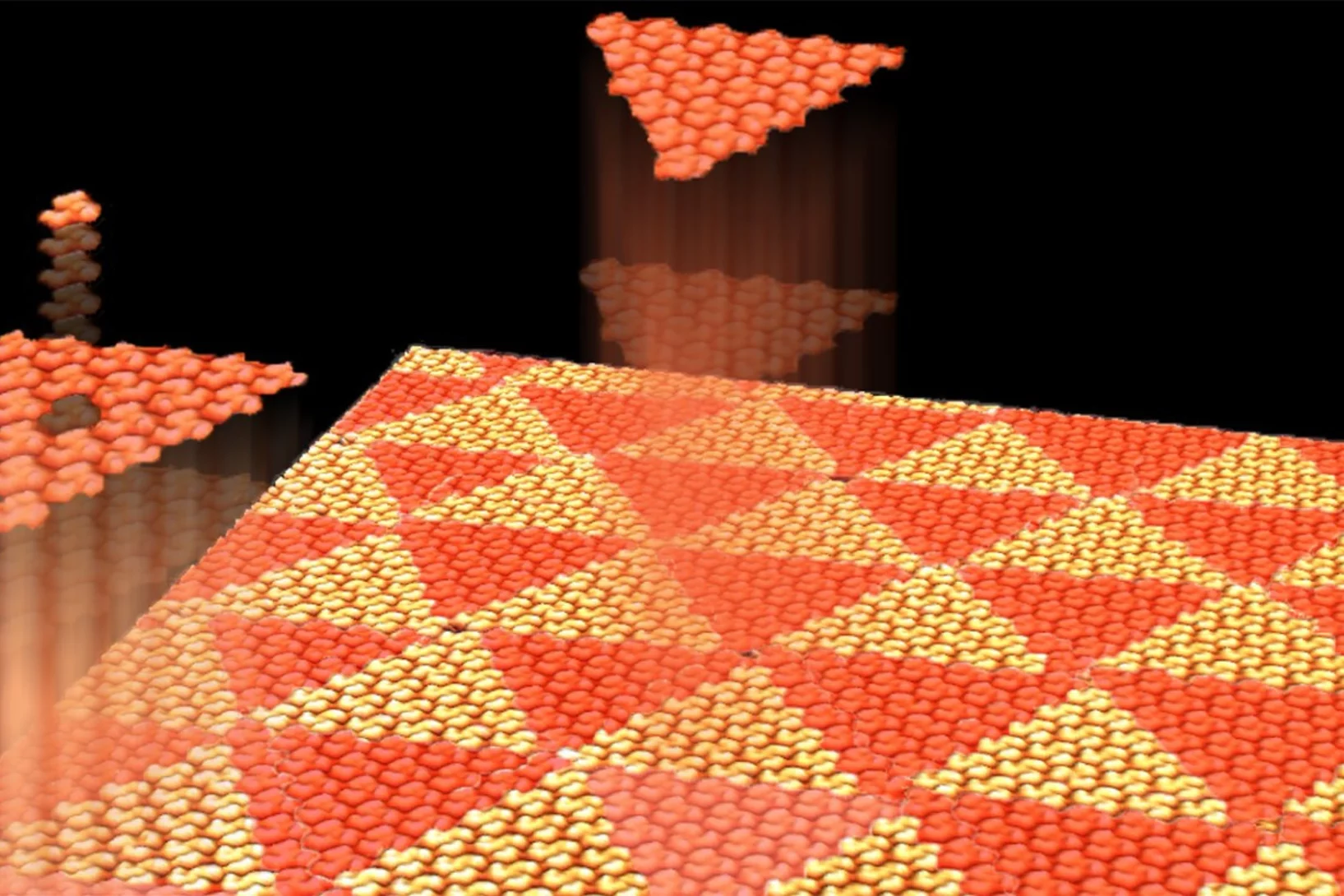
Aperiodic Chiral Tiling by Molecular Self-Assembly
The 2D self-arrangement of a molecule that resembles three-armed spirals leads to a triangular pattern that is effectively aperiodic.
The Quantum Revolution: What's Next?
A century on from the birth of quantum mechanics, 2025 marks the UNESCO International Year of Quantum Science and Technology. What does the future hold? Our experts share their opinions.
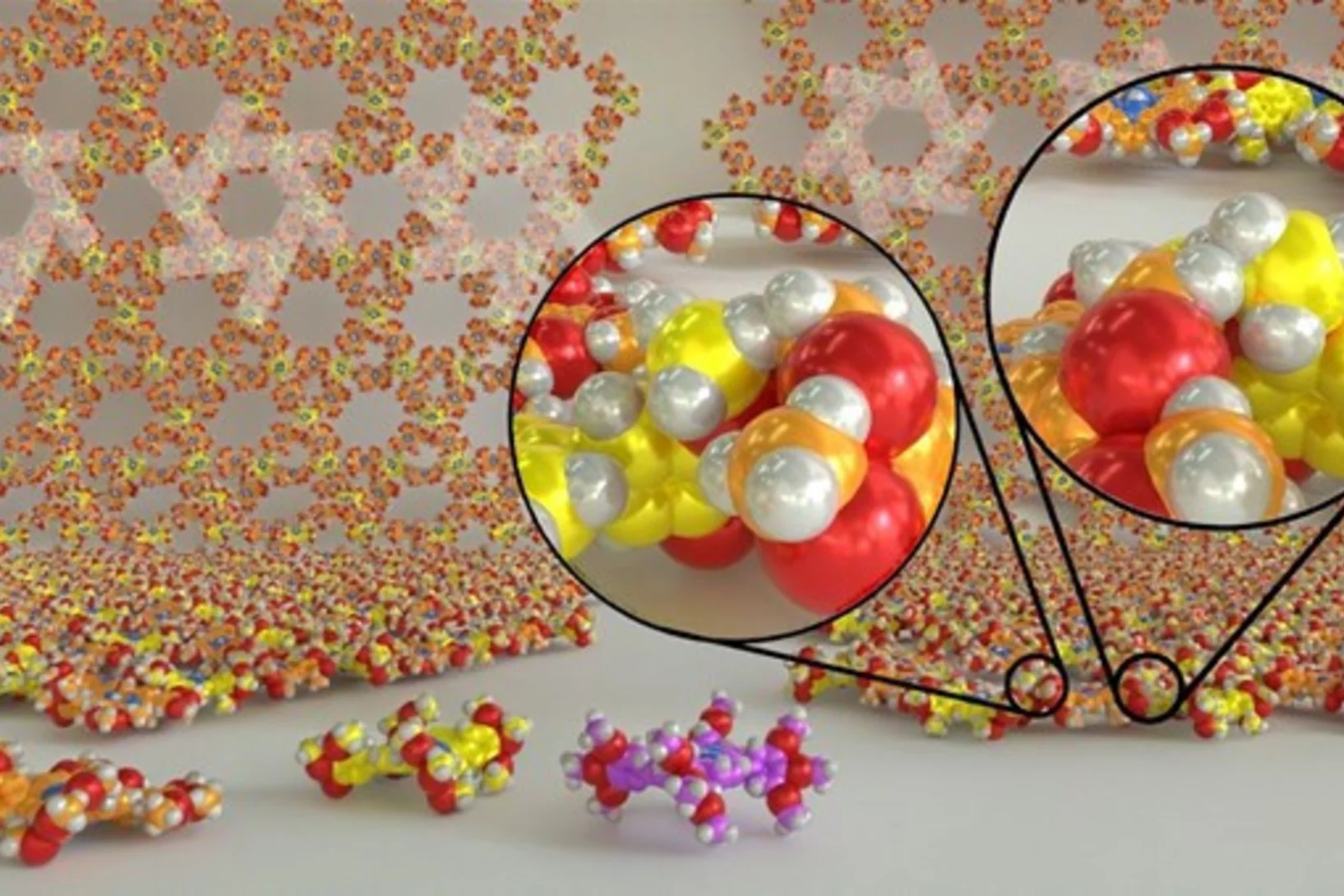
Kagome network from a single molecular building block
Complex structure produced by self-assembly of porphyrin derivate
Researchers from the Center of Photon Science at PSI and the Swiss Nanoscience Institute have shown that copies of a single molecular building block can spontaneously form a complex supramolecular structure on surfaces. The studied porphyrin derivate arranges itself as individual molecules, in short chains or as a complex Kagome network on a silver surface. In each of these three roles, the molecule adopts a different conformation. The results are an example of how self-assembled molecular structures can form complex structures from a single or few components at interfaces. Complexity emerging in the balance of different forces at surfaces and interfaces is a general phenomenon. In the primordial atmosphere for example, adaptable molecular structures with similarly flexible units may have contributed to the origin and emergence of biochemical processes and systems.
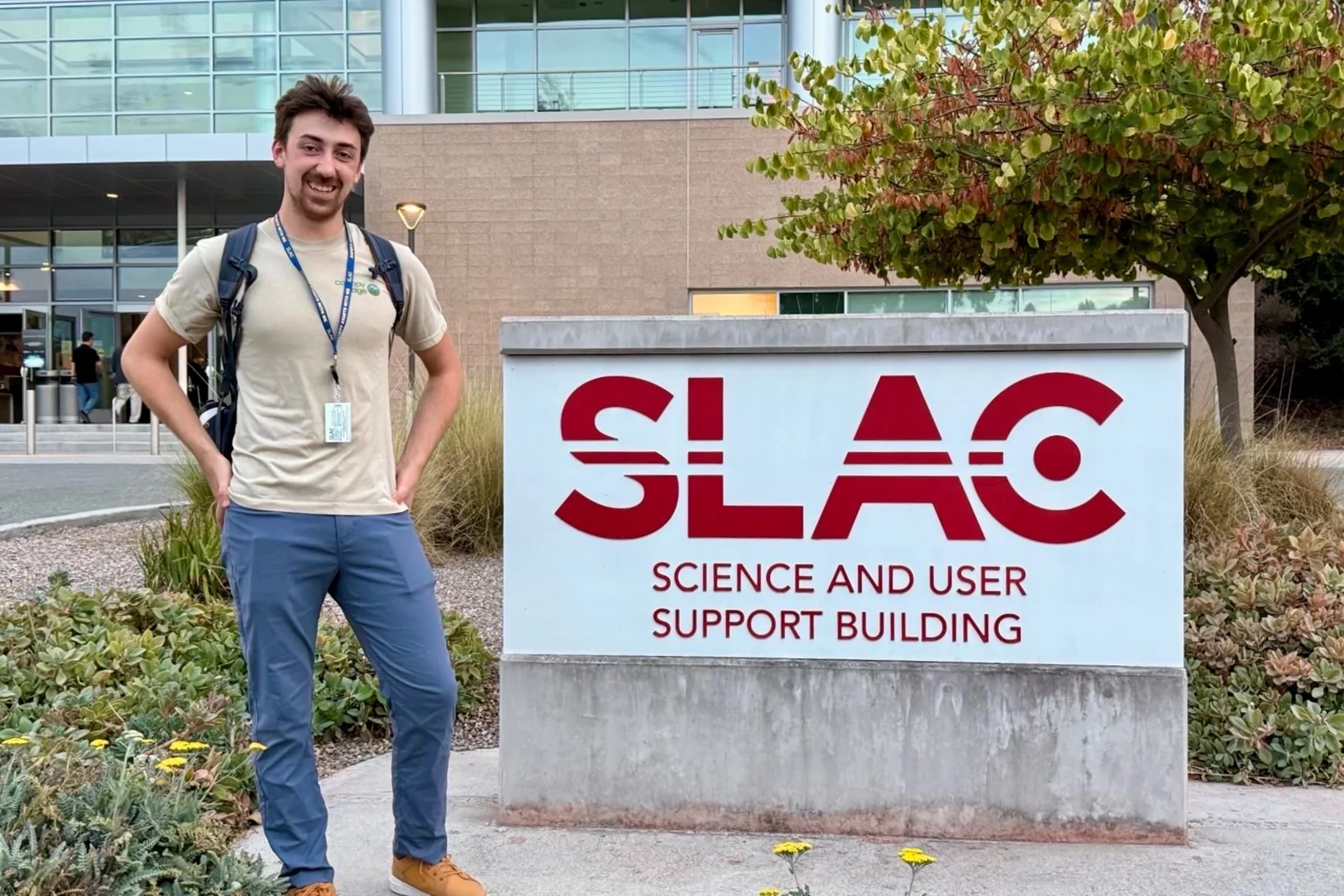
Henry Bell wins ETH Medal for his MSc thesis
Henry Bell's MSc thesis work, conducted in the QPS group, has been awarded with an ETH medal.

Quand la science rencontre l’industrie, l’innovation a de l’impact
Hans Priem et Cees Maris de l’entreprise VDL ETG nous expliquent ce que signifie la fabrication avancée dans l’industrie et évoquent la collaboration avec le PSI.

Gilded with Science
Congratulations to Nicolai Taufertshöfer for receiving a distinction at the SNSF Scientific Image Competition.

Welcome to LXN Karina Kazarian
Herzlich Willkommen Karina Kazarian im LXN!

"Quantum Magnet Lunch" retreat in Amden
Our "Quantum Magnet Lunch" team - consisting of the QPS group, as well as Markus Müller's team and Gabriel Aeppli - met in Amden to review the ongoing research themes and set the agenda for the coming year.
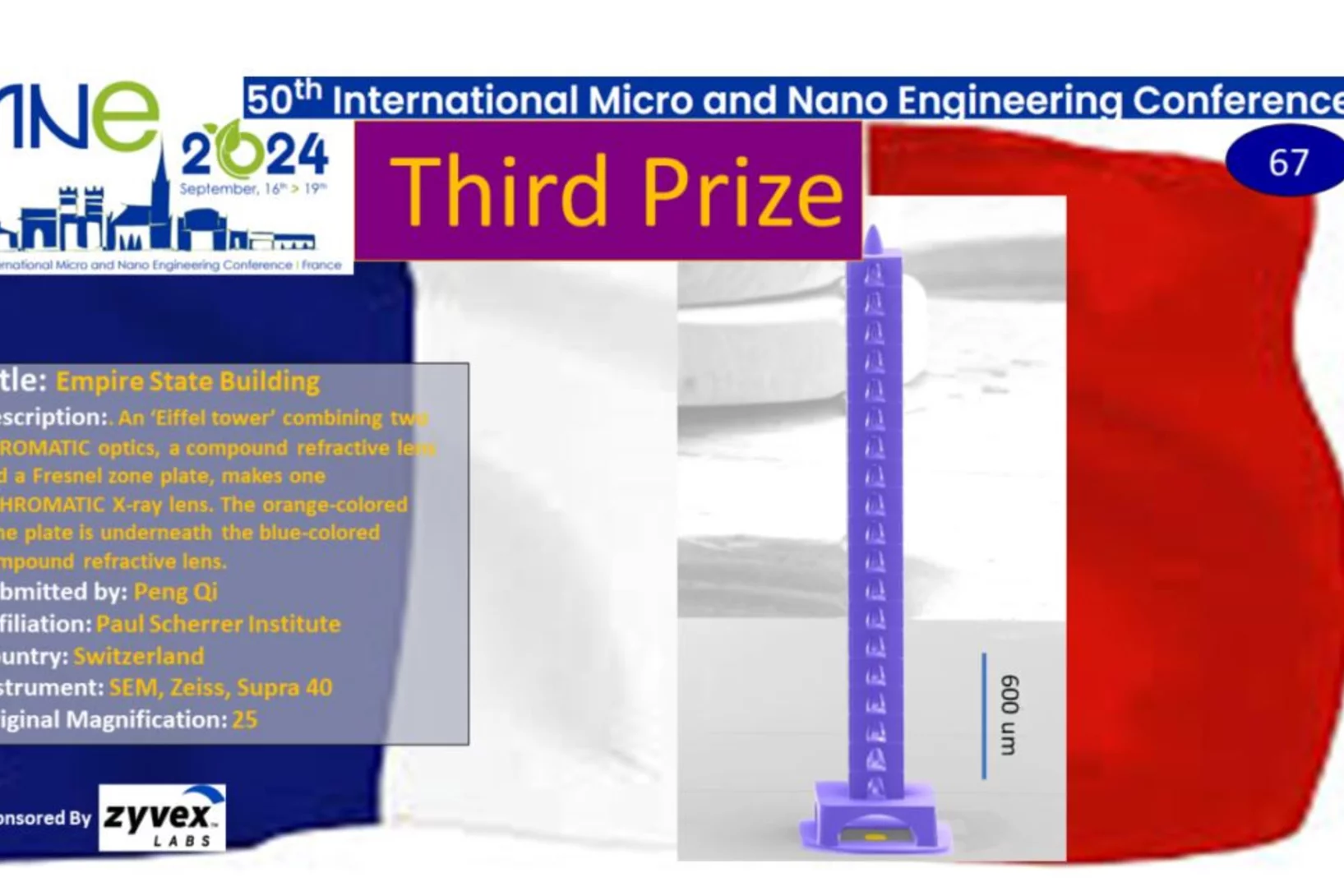
Recognition at MNE 2024 Micrograph Contest
The MNE conference is the flagship event of the International Society for Micro- and Nanotechnology (iMNEs). The research fields covered by the MNE conferences have consistently driven advancements in the development of smaller and smaller structures. To emphasize the significance of micrographs in this field, the conference features a micrograph contest, sponsored and hosted by Zyvex Labs. Entries are judged based on both their technological relevance and artistic merit.
This year, Peng Qi from the X-ray Nano Optics group, LXN, CPS, earned third place and an honorable mention for his two submitted images.

Welcome to LXN Rok Venturini
Herzlich Willkommen Rok Venturini im LXN!

Welcome to LXN Jamie Bragg
Herzlich Willkommen Jamie Bragg im LXN!

Welcome to LXN Tijl Degroote
Herzlich Willkommen Tijl Degroote im LXN!
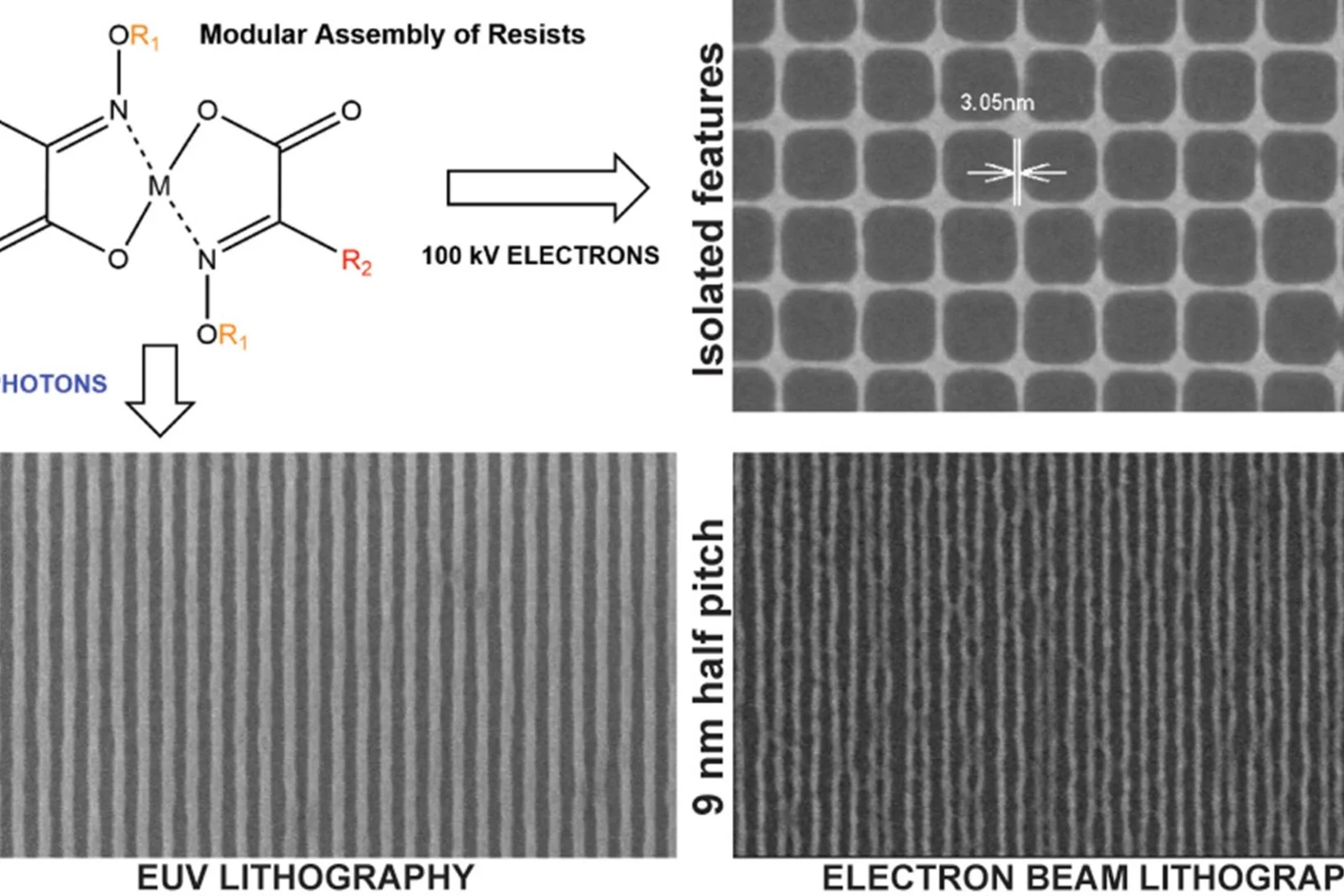
Novel Photoresist Chemistry Enables Lithography Approaching Angstrom-Scale Resolution
Photoresist materials are crucial in the manufacturing of computer chips, where the circuits are initially printed in the photoresist using photolithography. As the demand for smaller and more precise circuitry in computer chips grows, photoresists must resolve features with smaller sizes and higher density. One of the factors determining the ultimate resolution in lithography is the molecular size/mass of the photoresists.
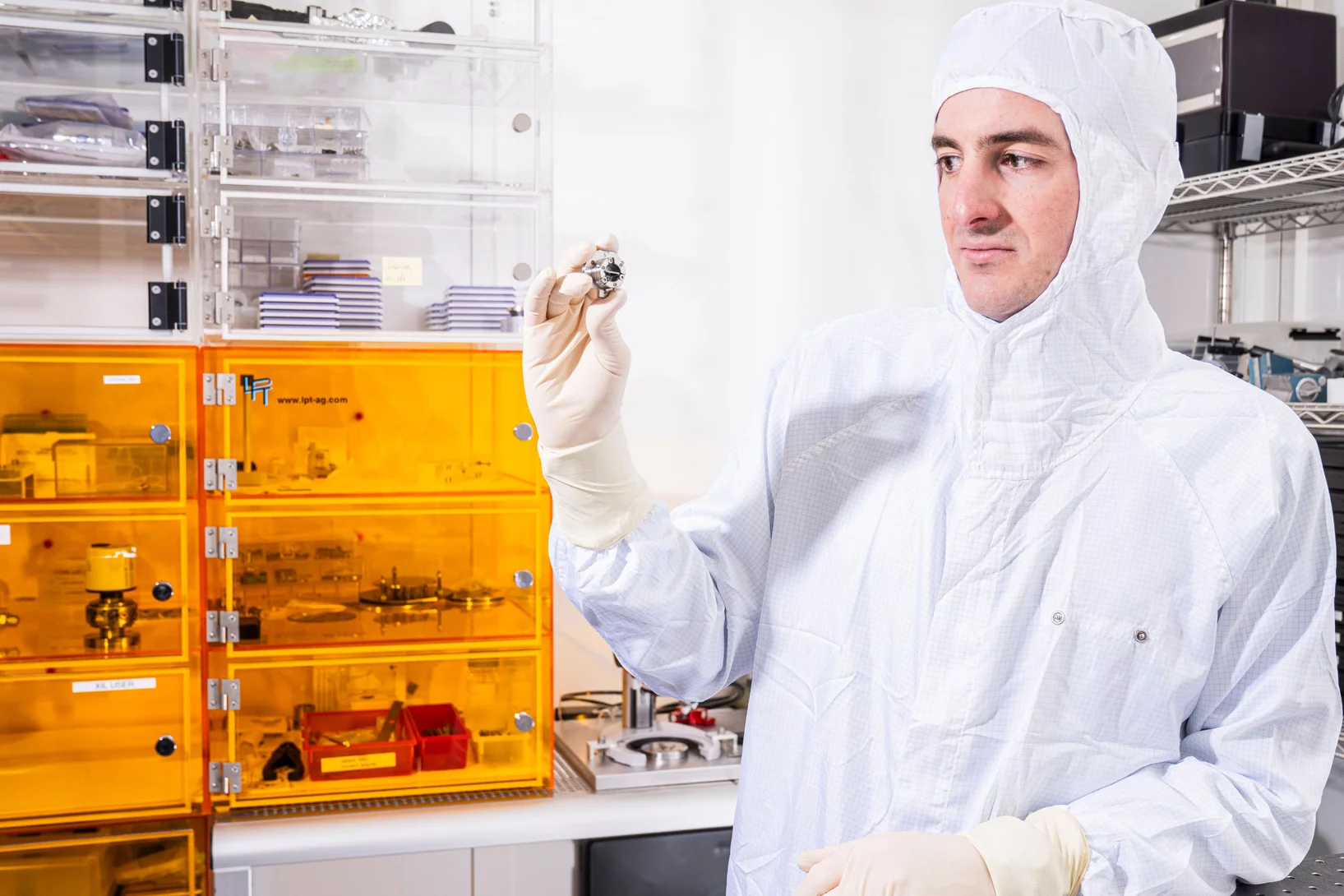
Des scientifiques montrent que les puces informatiques pourraient être miniaturisées encore davantage
Des chercheurs du PSI atteignent une résolution sans précédent de 5 nanomètres (demi-pitch) grâce à la lithographie EUV.
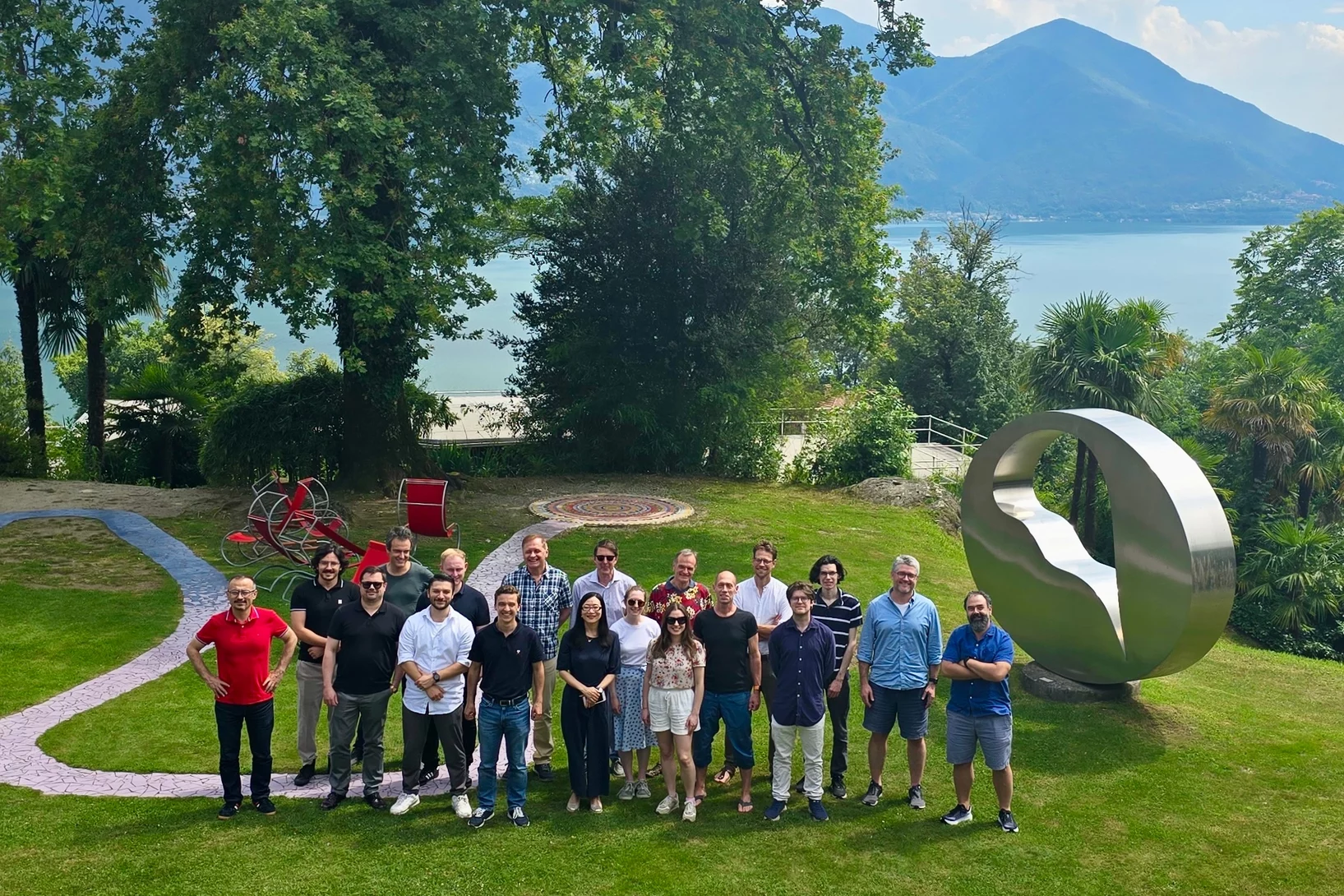
PSI-UCL-Surrey workshop on silicon and germanium based quantum devices
A team of PSI scientists as well as collaborators from UCL and the University of Surrey met at the Fondazione Monte Verità to discuss results and trace the roadmap for future research into quantum devices based on silicon and germanium.

Aidan McConnell's MSc thesis work featured by New Scientist Magazine
Aidan McConnell's work from his MSc thesis at the University of Cambridge is featured on the front cover of New Scientist Magazine.

Welcome to LXN Kajal Biju
Herzlich Willkommen Kajal Biju im LXN!
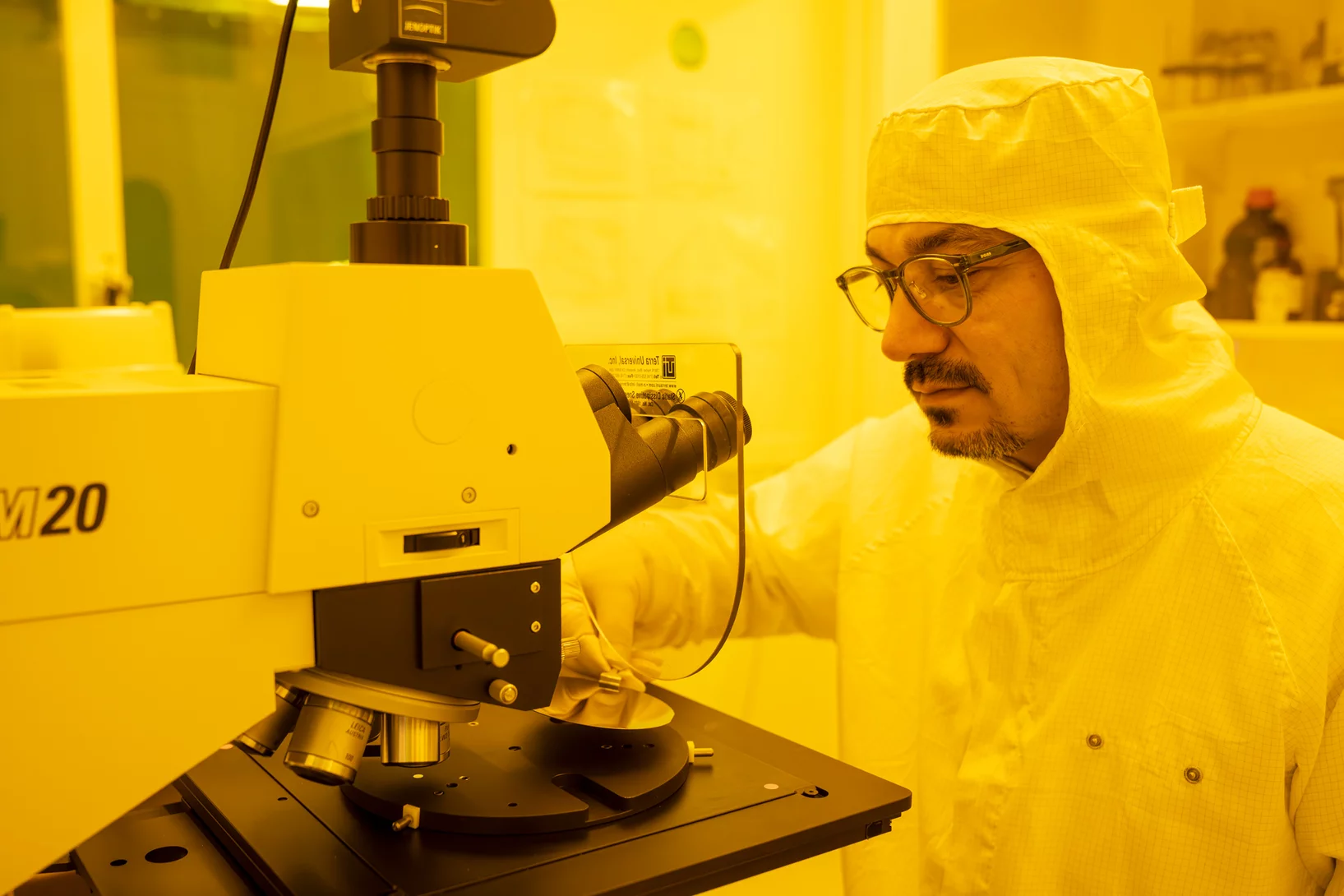
Nouveau procédé de fabrication de semi-conducteurs
L’Institut Paul Scherrer PSI travaille avec l’entreprise finlandaise PiBond à l’utilisation commerciale de produits semi-conducteurs avancés fabriqués par lithographie EUV.
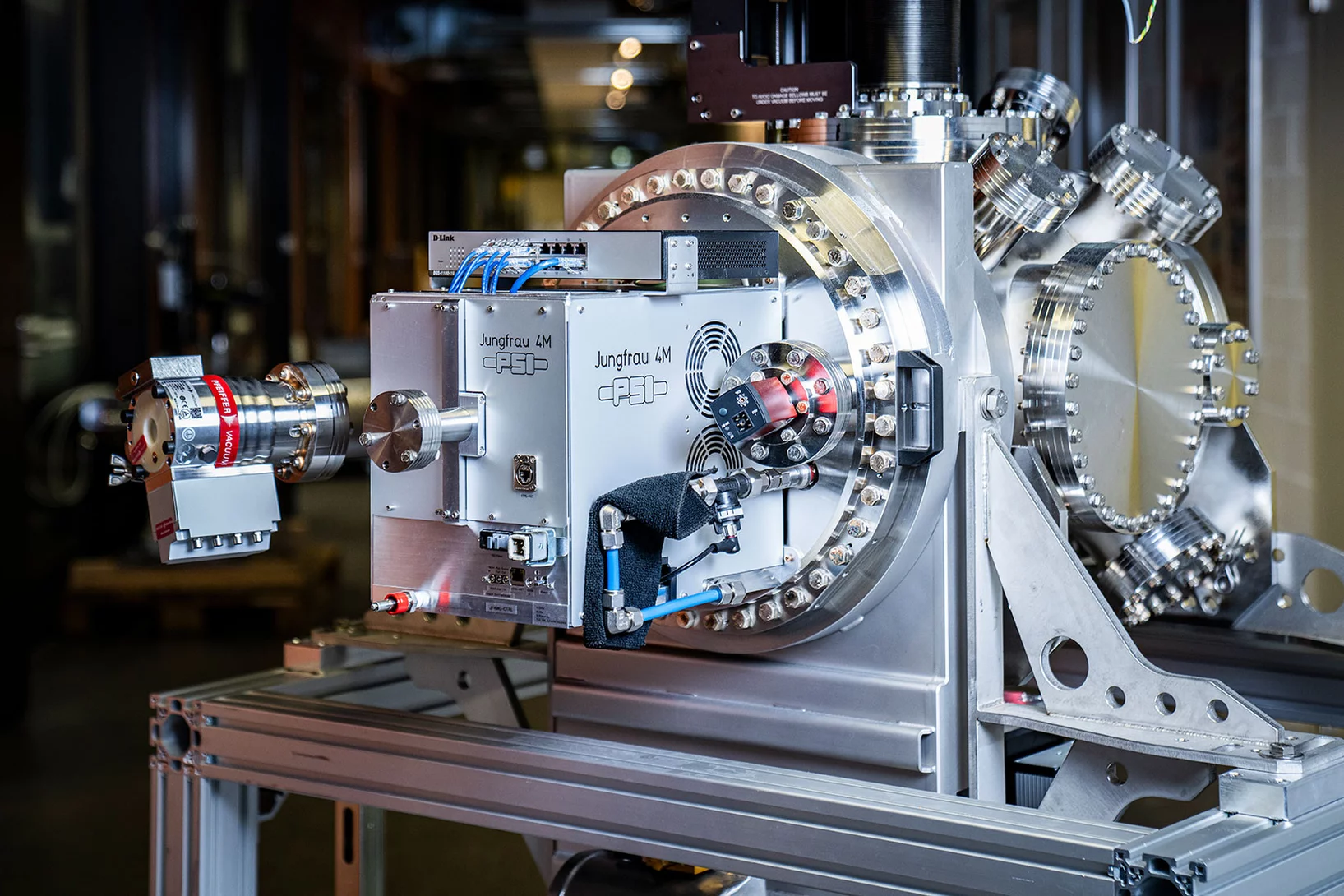
Developing detectors to transform science with light (part 2)
Part II: Why detecting soft X-rays is hard, and how a new breakthrough is set to transform low energy X-ray science.
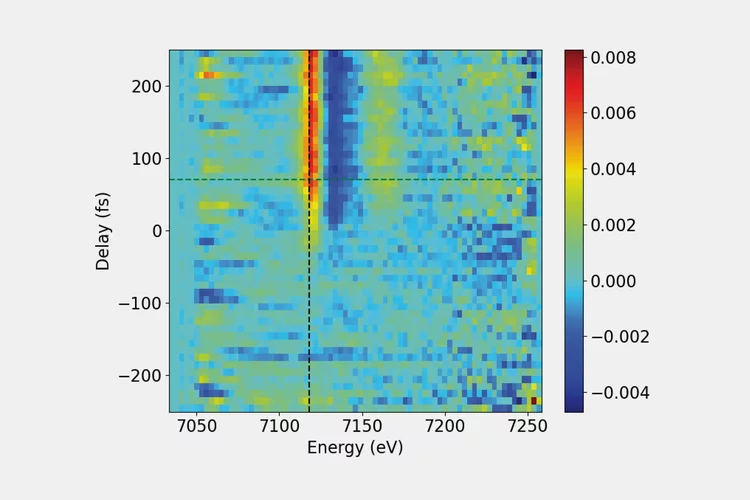
Efficient transient X-ray absorption spectroscopy
By combining the unique large bandwidth emission mode of SwissFEL’s ARAMIS undulator and diffractive X-ray optics made of diamond, we have demonstrated a new method for time-resolved X-ray absorption near edge structure (XANES) spectroscopy that enables faster data acquisition and requires smaller sample quantities for high-quality data.
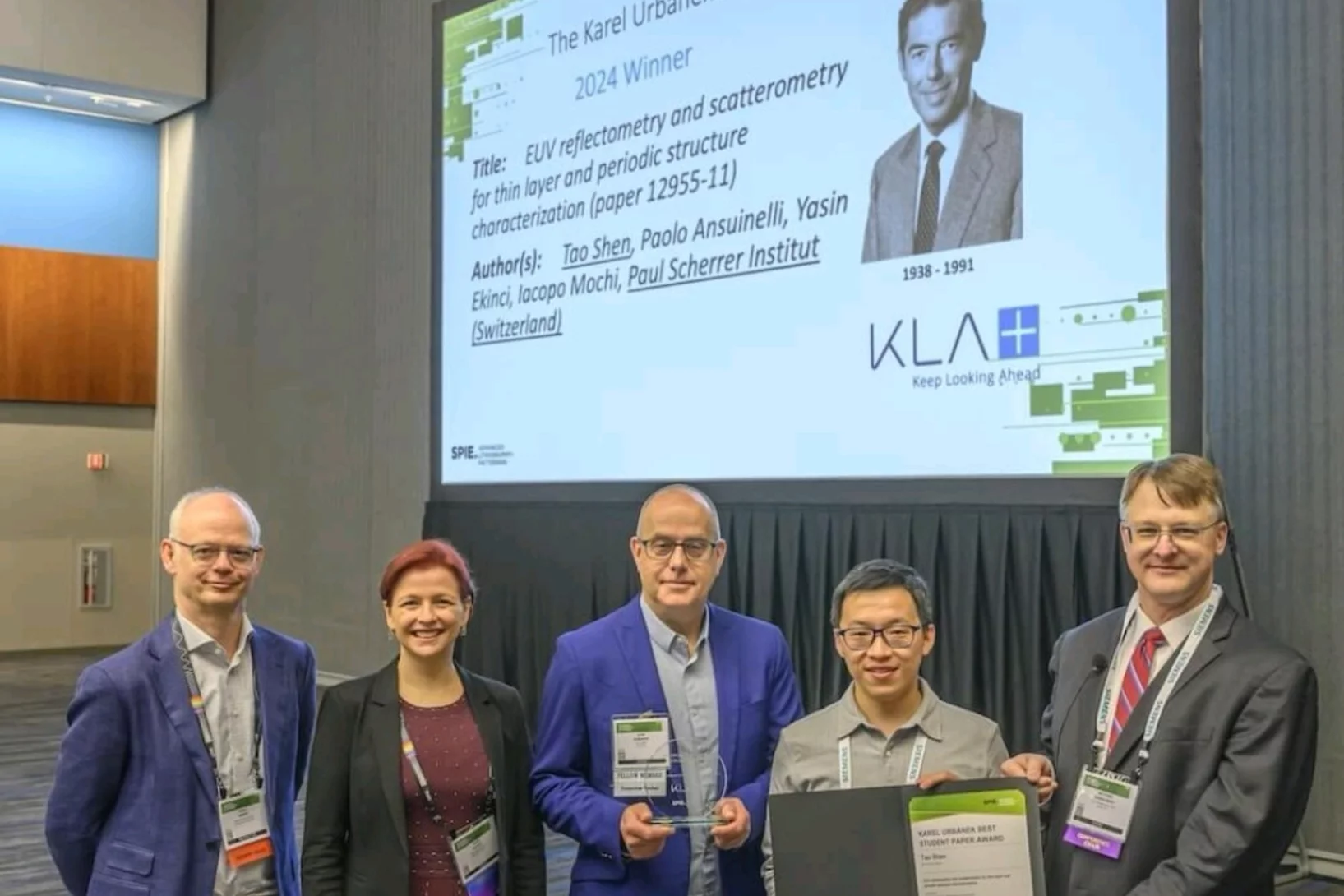
2024 SPIE Advanced Lithography + Patterning, San Jose, California
2024 SPIE Advanced Lithography + Patterning symposium hosted leading researchers who are solving challenges in optical and EUV lithography, patterning technologies, metrology, and process integration for semiconductor manufacturing and adjacent applications. The symposium features six conference topics.

Charge fractionalisation observed spectroscopically
Quantum mechanics tells us that the fundamental unit of charge is unbreakable – but exceptions exist.
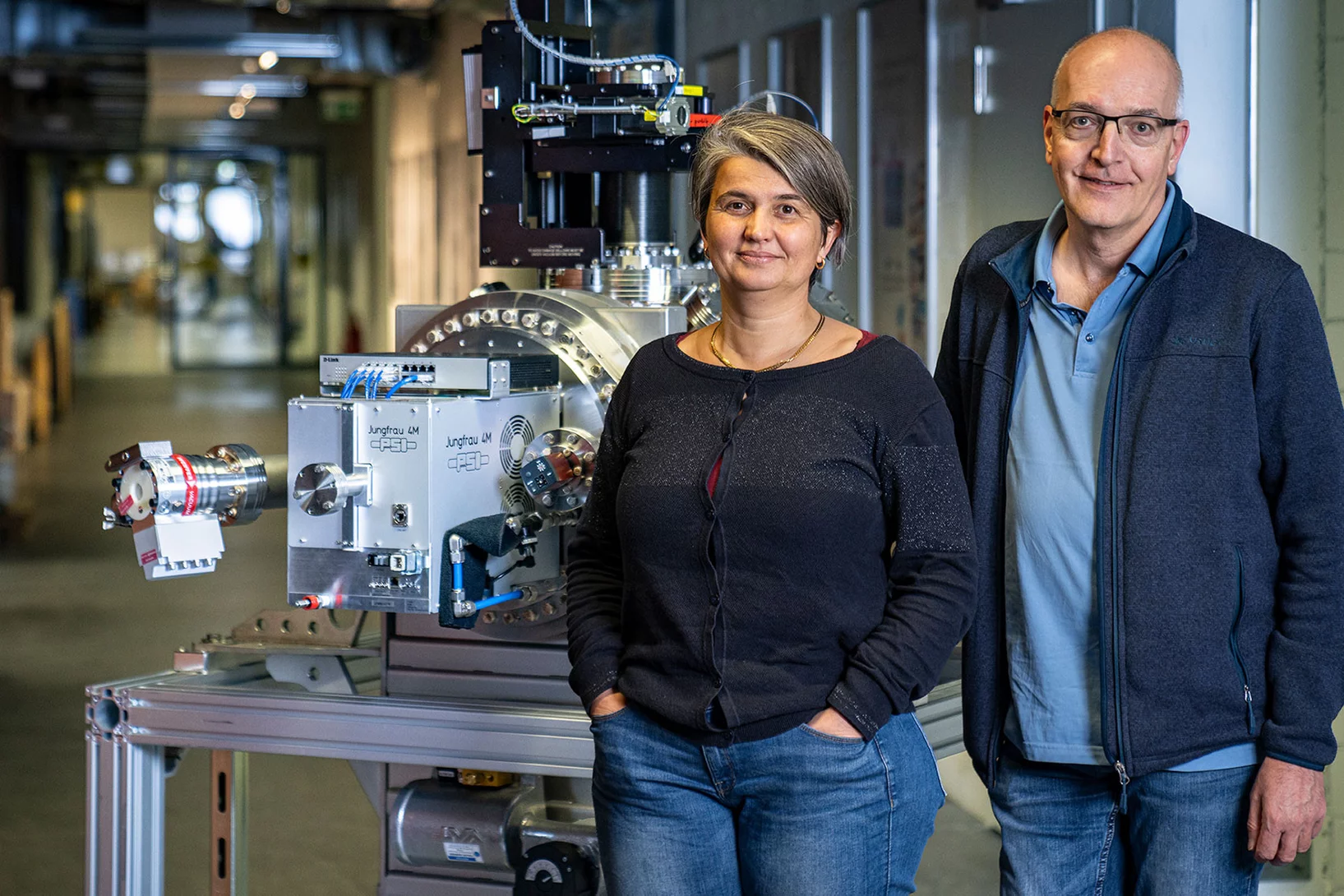
Developing detectors to transform science with light (part 1)
Part I: How the Jungfrau detector went from inception to perfection to ubiquity.

Welcome to LXN Nicolai Taufertshöfer
Herzlich Willkommen Nicolai Taufertshöfer im LXN!
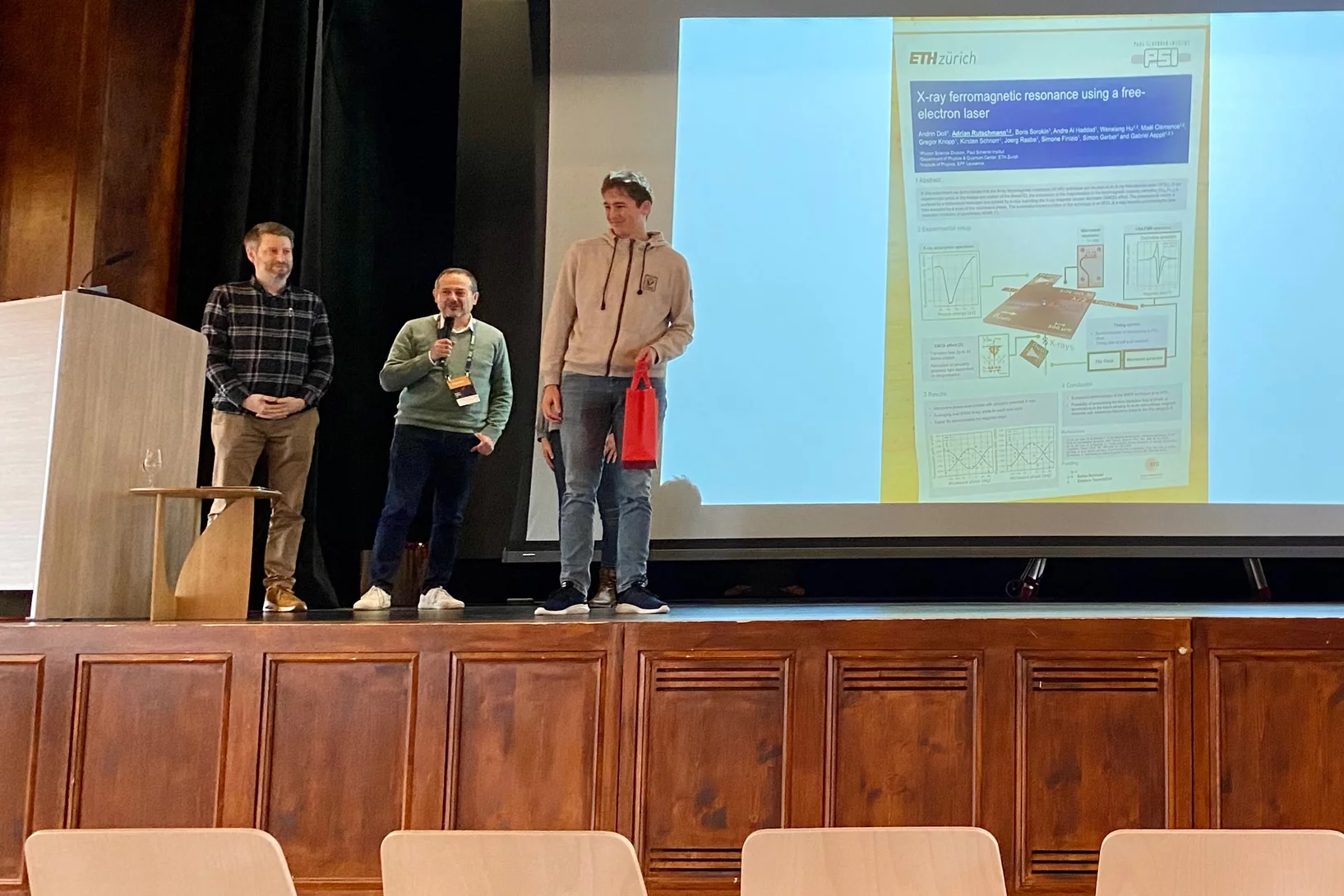
Swiss Quantum Days Poster Prize for Adrian Rutschmann
Congratulations Adrian Rutschmann for winning a prize at the Swiss Quantum Days 2024 for a poster on our recent X-ray-detected ferromagnetic resonance experiment at SwissFEL.