Show filters
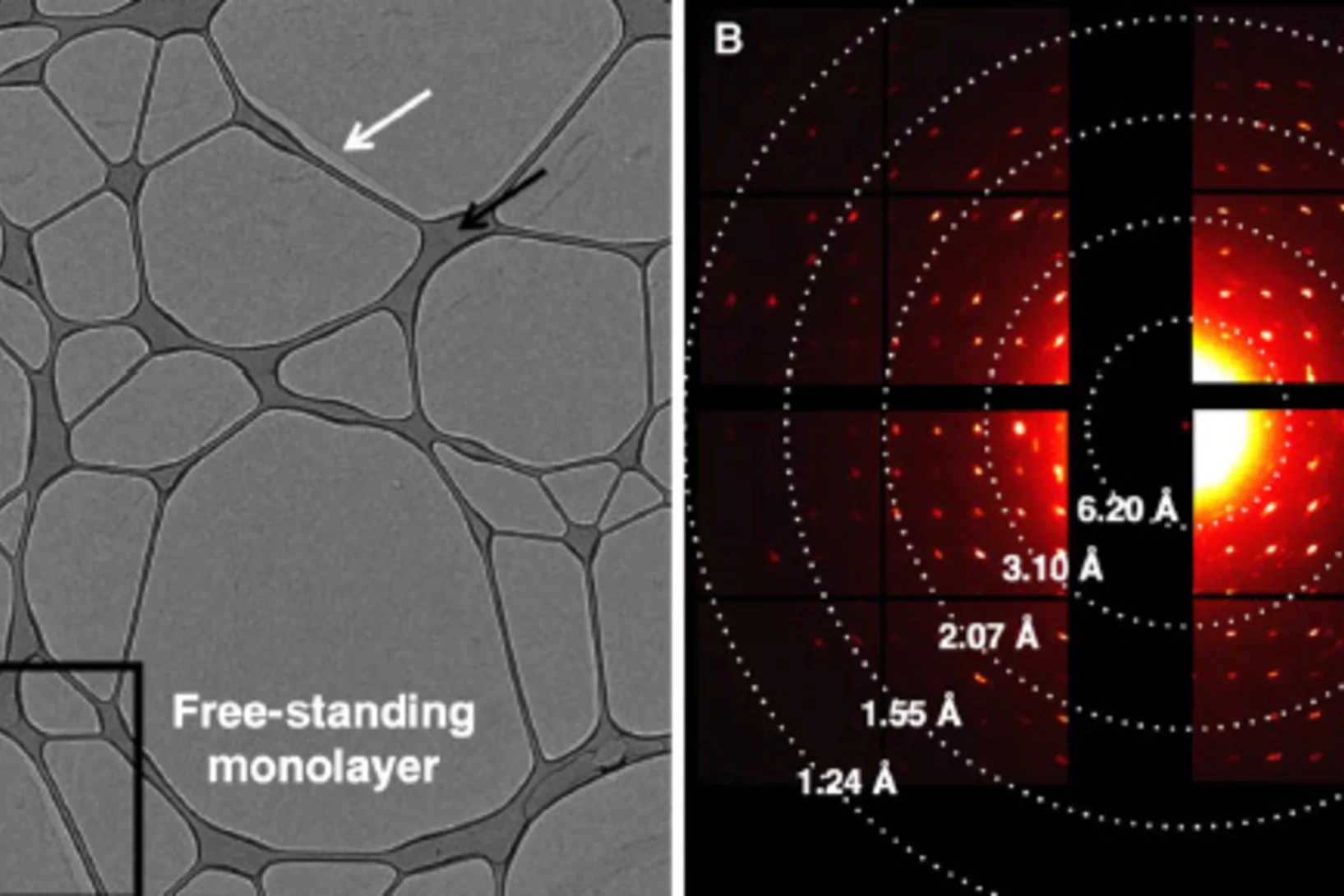
Supramolecular architectures of molecularly thin yet robust free-standing layers
In a collaboration within the network of the Swiss Nanoscience Institute, the formation of free-standing molecular monolayers using self-assembly processes has been demonstrated. The results of the study have been published in the February 2019 issue of Science Advances.
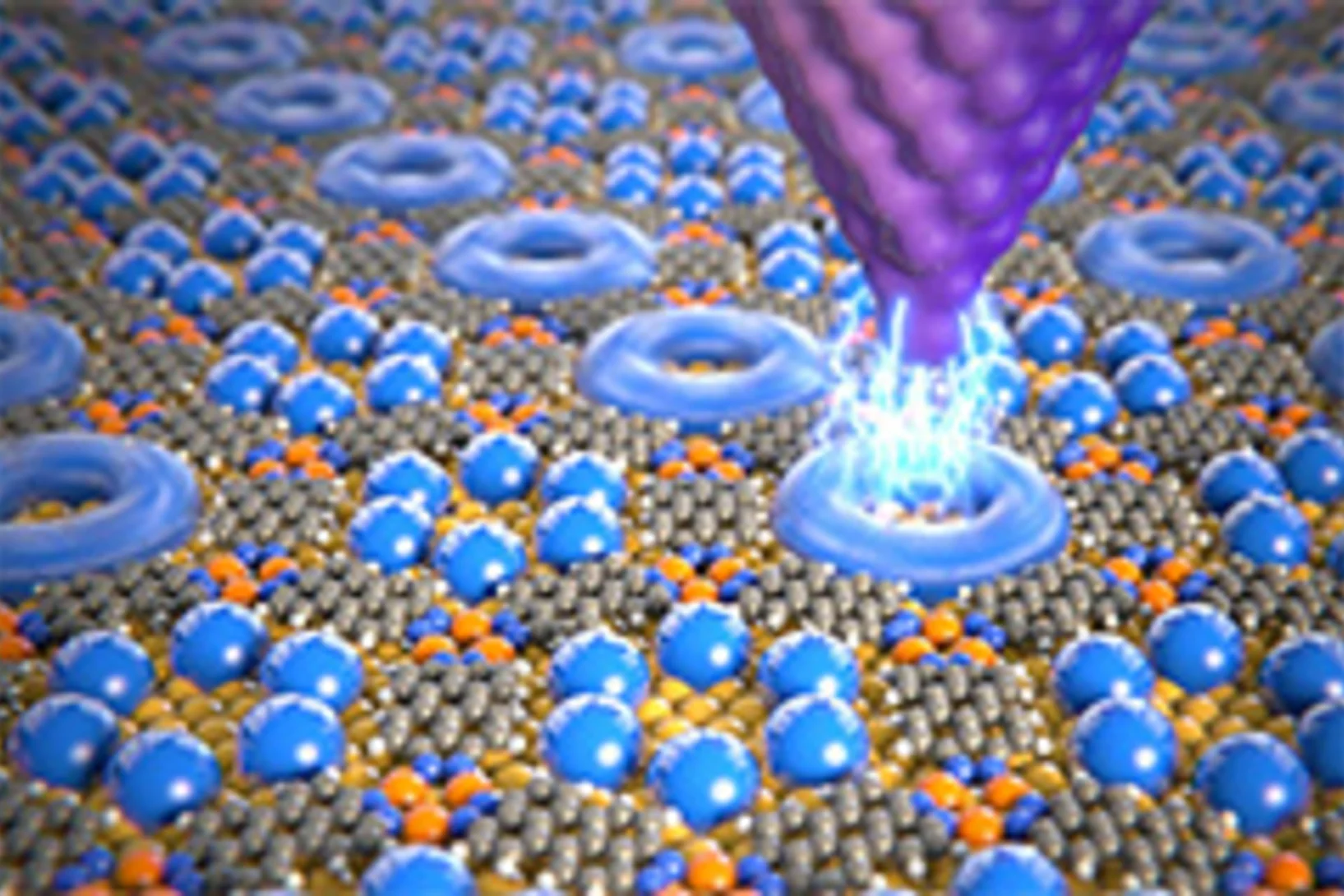
Data storage using individual molecules
The research group of Prof. T.A. Jung at the University of Basel has reported on a new method that allows the physical state of just a few atoms or molecules within a network to be controlled.
EU bewilligt 14 Millionen für Schweizer Forschende
Ein Team mit drei Forschenden aus dem ETH-Bereich wurde mit einem prestigeträchtigen EU-Förderpreis ausgezeichnet. Heute erhielten sie den von der EU unterzeichneten Vertrag zur Bestätigung der ausserordentlich hohen Finanzierung in Höhe von 14 Millionen Euro. Damit werden sie Quanteneffekte untersuchen, die das Rückgrat der Elektronik der Zukunft bilden könnten.
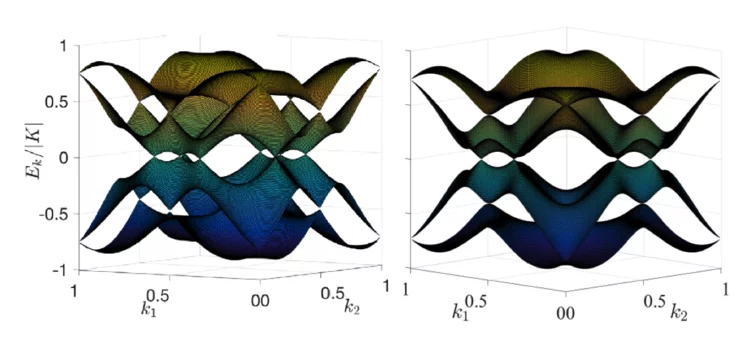
A theory for the gapless field-induced quantum spin-liquid phase of α−RuCl3
The material α−RuCl3 continues to garner attention as the current poster child for realising the Kitaev model. New work places recent experimental observations on a solid theoretical footing, and concludes that the physics of α−RuCl3 is not dominated by Kitaev interactions.
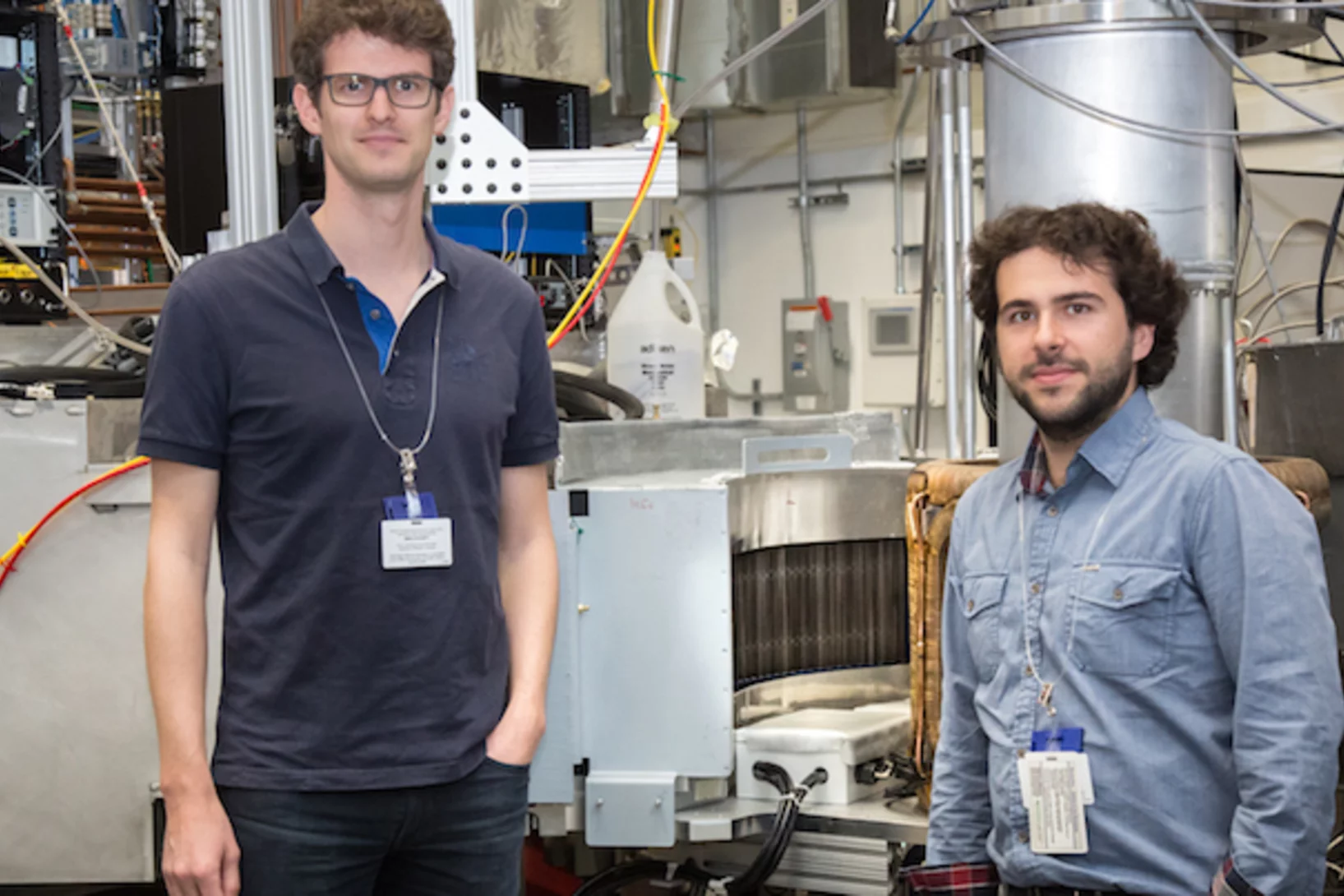
Spin ice goes quantum
Numerous intriguing behaviours have been observed already in magnetic materials known as spin ices. But now for the first time direct manifestations of quantum mechanical effects have been seen in such a system.
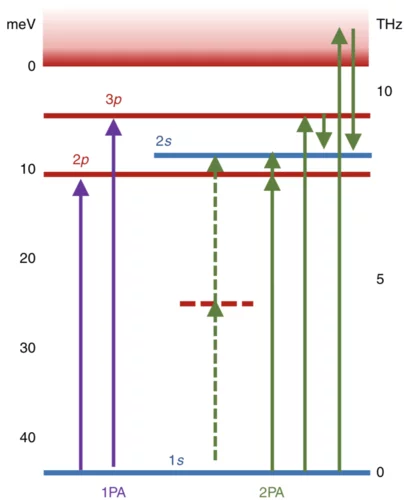
Giant multiphoton absorption points towards new methods for THz quantum control
In findings recently published in Nature Photonics, a team including researchers from the UK, the Netherlands and Photon Sciences division head Gabriel Aeppli have investigated multi-photon THz absorption in Si:P. Their studies, using the THz free-electron laser FELIX, discovered a two photon absorption cross-section ten orders of magnitude higher than that of a natural hydrogen atom and may enable new methods in quantum control. In addition to the original publication their findings are also discussed in a 'News and Views' article.
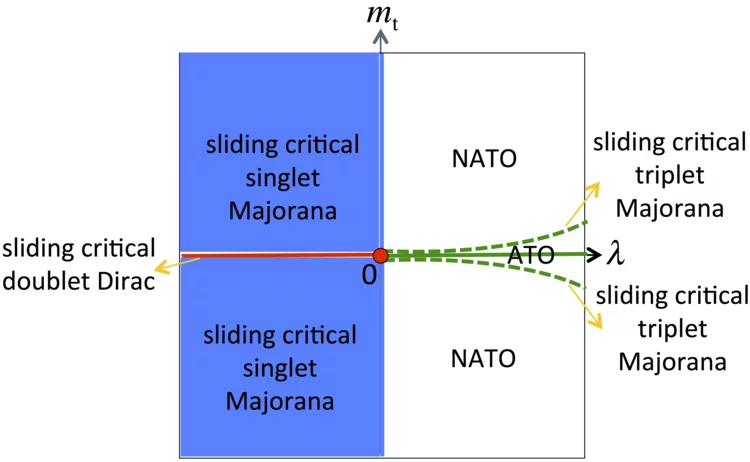
Coupled quantum wires realize Abelian and non-Abelian topological order in two-dimensional space
Christopher Mudry and his collaborators have shown theoretically how to construct strongly interacting phases of matter that realize topological order in two-dimensional space by strongly coupling quantum wire. Remarkably, their model supports both Abelian topological order (ATO) and non-Abelian topological order (NATO) with a continuous phase transition separating them. Read the full paper here
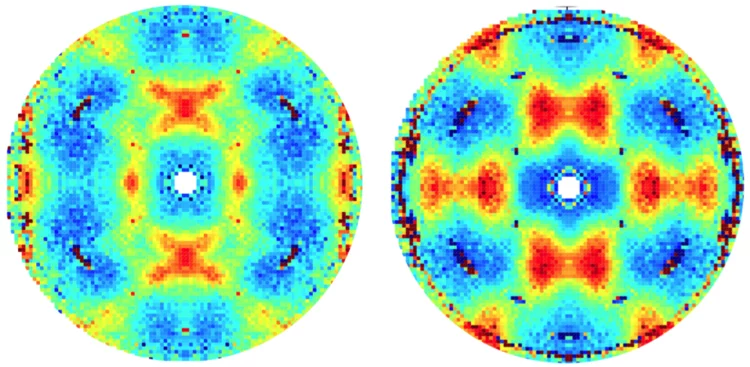
Frustratingly disordered
A study of how disorder affects a ‘frustrated’ magnet reveals a surprising robustness of the underlying quantum many-body state, and provides evidence for emerging quantum phenomena induced by disorder.
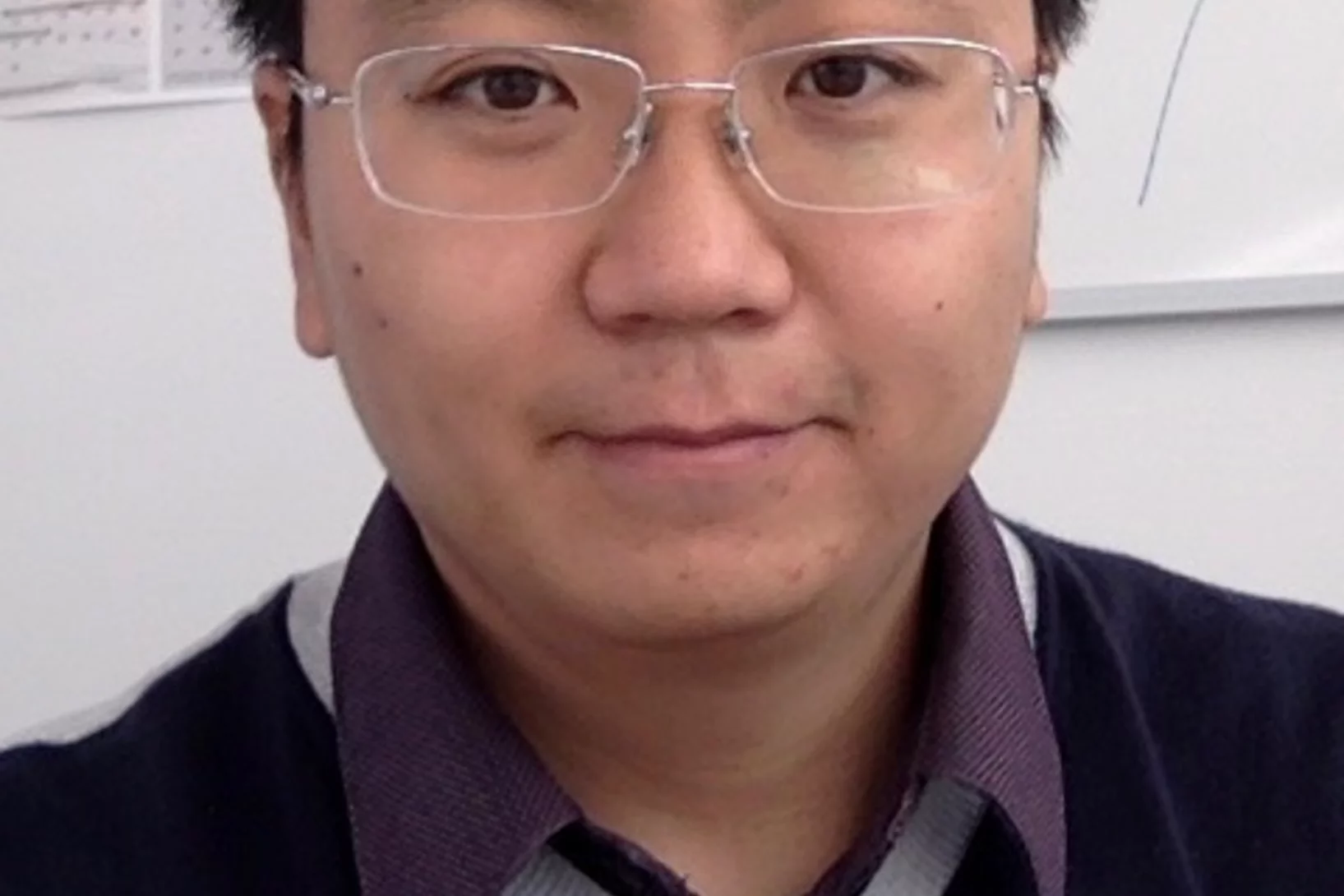
Dr. Nan Xu awarded SPS 2017 Prize in Condensed Matter Physics
The SPS 2017 Prize in Condensed Matter Physics, sponsored by IBM, has been awarded to Dr. Nan Xu for his excellent work on topological quantum states. Dr. Nan Xu is a joint postdoc of Paul Scherrer Institute (PSI) and the École Polytechnique Fédérale de Lausanne (EPFL).
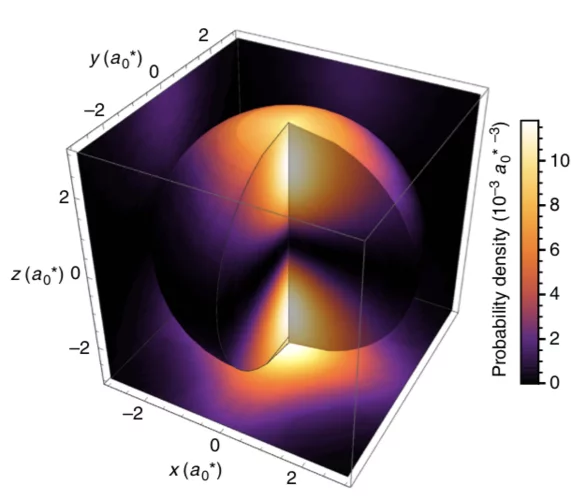
Coherent superpositions of three states for phosphorous donors in silicon prepared using THz radiation
Superposition of orbital eigenstates is crucial to quantum technology utilizing atoms, such as atomic clocks and quantum computers, and control over the interaction between atoms and their neighbours is an essential ingredient for both gating and readout. A team of researchers including Photon Science division head Gabriel Aeppli has demonstrated THz laser pulse control of Si:P orbitals using multiple orbital state admixtures, observing beat patterns produced by Zeeman splitting. The beats are an observable signature of the ability to control the path of the electron, which implies we can now control the strength and duration of the interaction of the atom with different neighbours. This could simplify surface code networks which require spatially controlled interaction between atoms. The full article can be read in Nature Communications
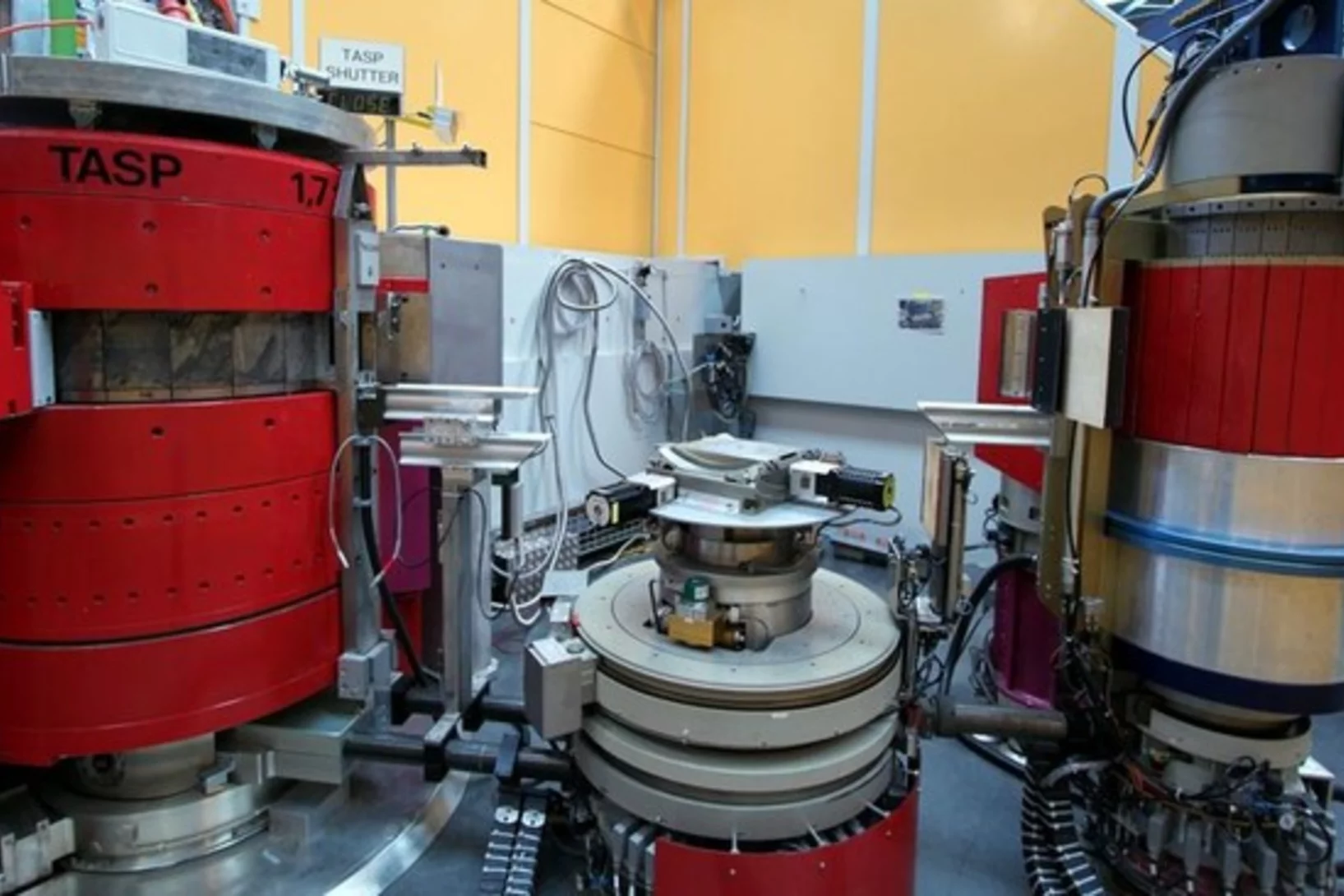
New quantum state observed in a Shastry–Sutherland compound
Scientists from PSI and the École polytechnique fédérale de Lausanne (EPFL) have shown experimentally, for the first time, a quantum phase transition in strontium copper borate, the only material to date that realizes the famous Shastry–Sutherland quantum many-body model.
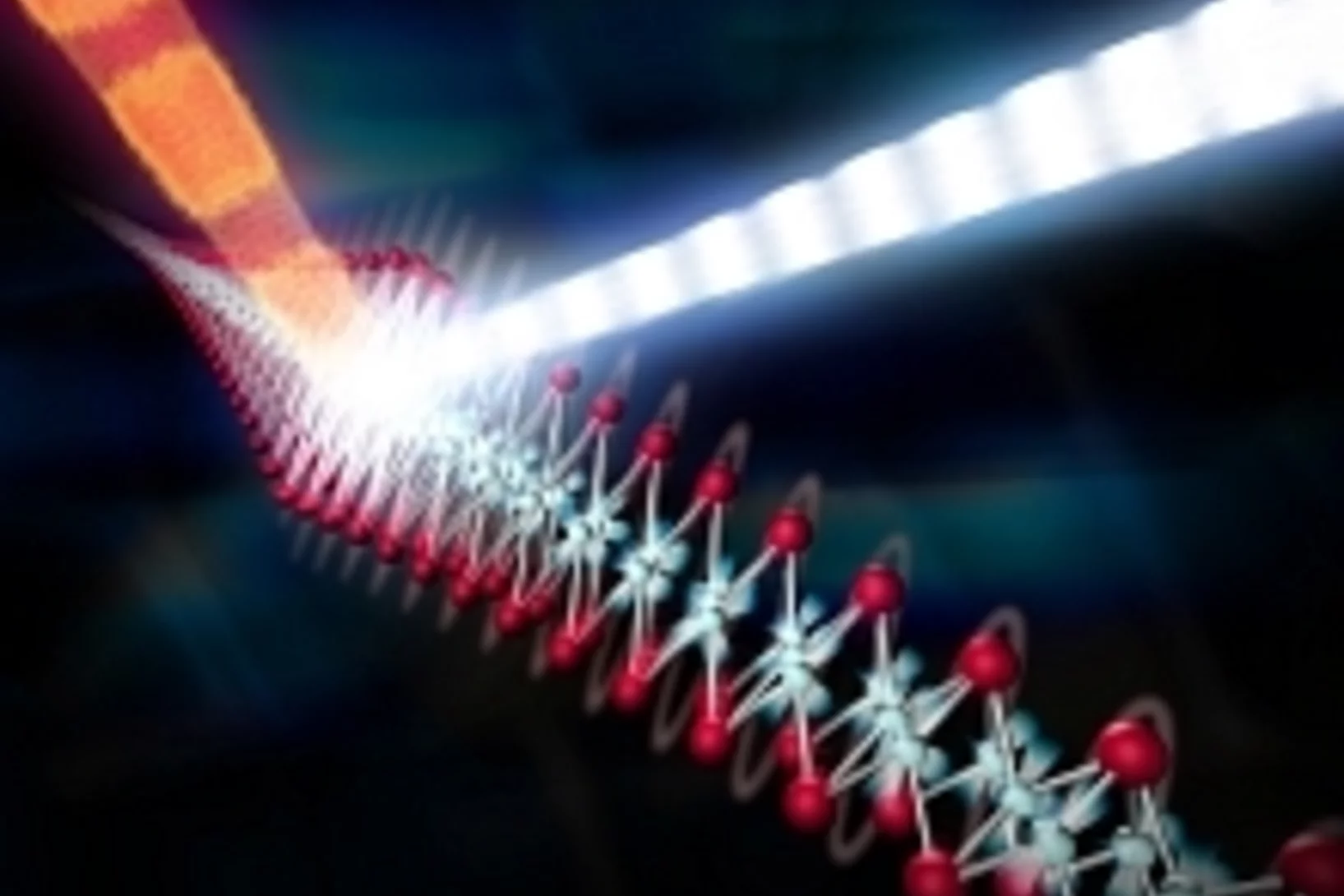
Scientists get first direct look at how electrons ‘dance’ with vibrating atoms
Scientists at the SLAC National Accelerator Laboratory and Stanford University - one of the leading authors, Simon Gerber, has in the meantime relocated to PSI - have made the first direct measurements, and by far the most precise ones, of how electrons move in sync with atomic vibrations rippling through an quantum material, in the present study an unconventional superconductor, as if they were “dancing" to the same beat.
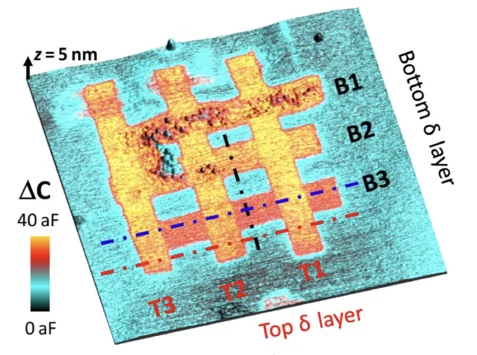
Nondestructive imaging of atomically thin nanostructures buried in silicon
A team of researchers including Photon Sciences division head Gabriel Aeppli have demonstrated the first non-destructive imaging of atomically thin nanostructures in silicon. Such structures are the building blocks of quantum devices for physics research and are likely to serve as key components of devices for next-generation classical and quantum information processing. Until now, the characteristics of buried dopant nanostructures could only be inferred from destructive techniques and/or the performance of the final electronic device; this severely limits engineering and manufacture of real-world devices based on atomic-scale lithography. In work recently published in Science Advances, the team use scanning microwave microscopy (SMM) to image and electronically characterize three-dimensional phosphorus nanostructures fabricated via scanning tunneling microscope based lithography.
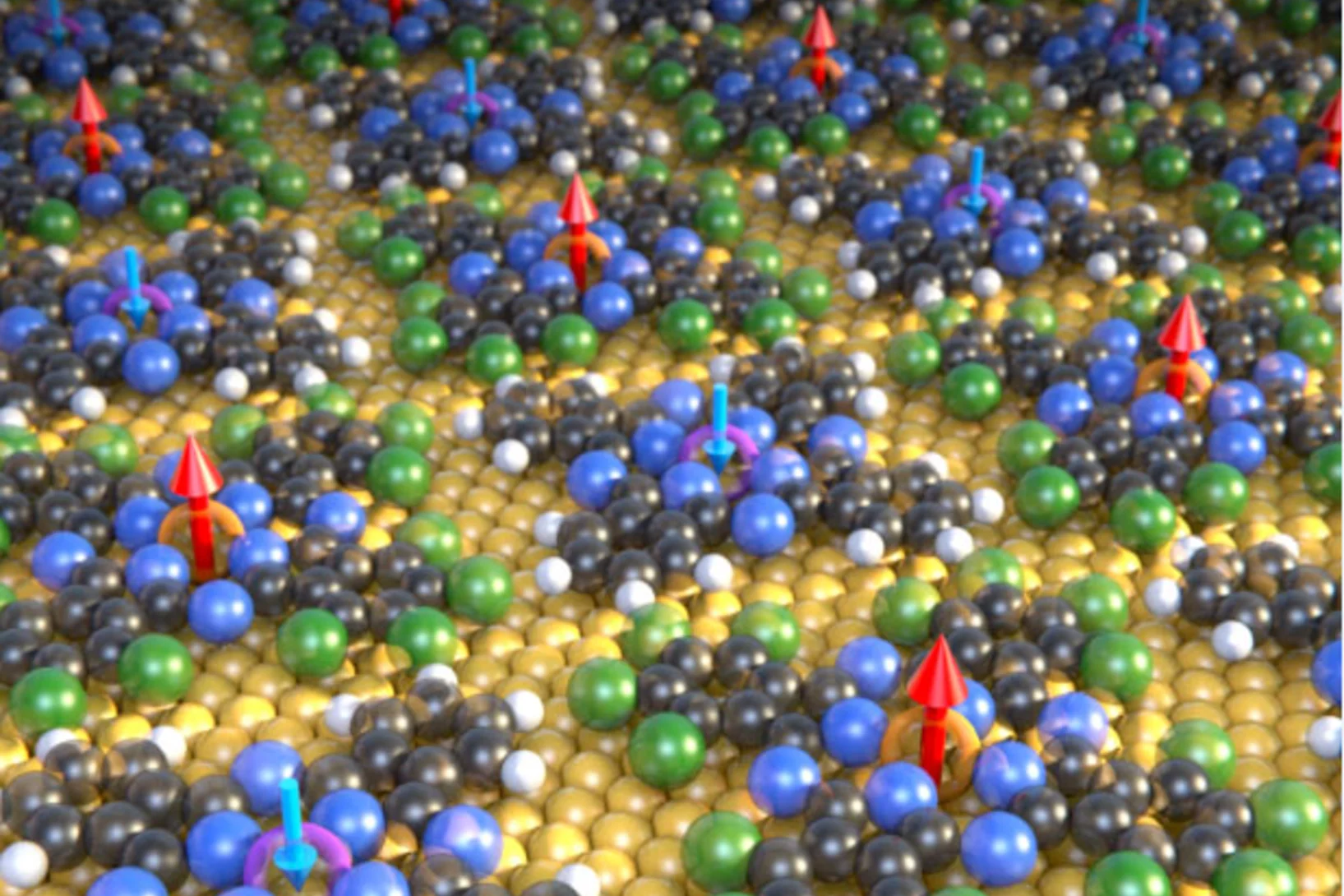
Wafer-thin Magnetic Materials Developed for Future Quantum Technologies
For the first time, researchers have produced a wafer-thin ferrimagnet, in which molecules with different magnetic centers arrange themselves on a gold surface to form a checkerboard pattern. Scientists at the Paul Scherrer Institute, in collaboration with their research partners, published the findings in the journal Nature Communications.
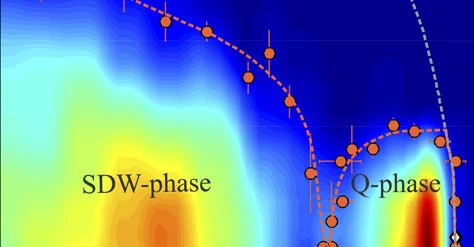
Distinct, but not so different
Among superconducting materials, CeCoIn5 stands out as a rare case where superconductivity gives rise to magnetic order. An international team led by PSI physicist Michel Kenzelmann now reports that when small amounts of impurities are implanted into CeCoIn5, then two distinct magnetic phases appear — and these are surprisingly similar to one another.
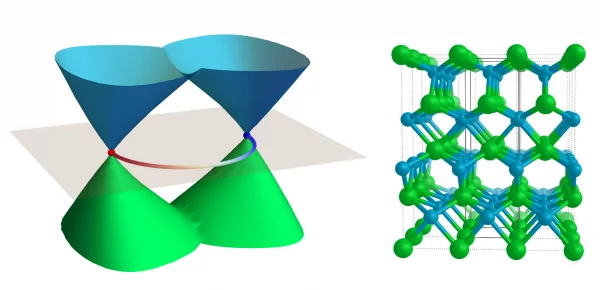
A breakthrough on Weyl semimetals
In their recent paper, Distinct Evolutions of Weyl fermion quasiparticles and Fermi arcs with bulk band topology in Weyl semimetals, two MARVEL groups — led by Prof. Ming Shi and Dr Nan Xu at PSI for the experimental part, and with Prof. Oleg Yazyev and Dr Gabriel Autès at EPFL for the theoretical side — joined forces to shed light (and soft X-rays) on the relationship between the bulk band topology in Weyl semimetals and two measurable signatures of Weyl fermion quasiparticles: magneto-transport effects in the bulk, and Fermi arcs on the surface.
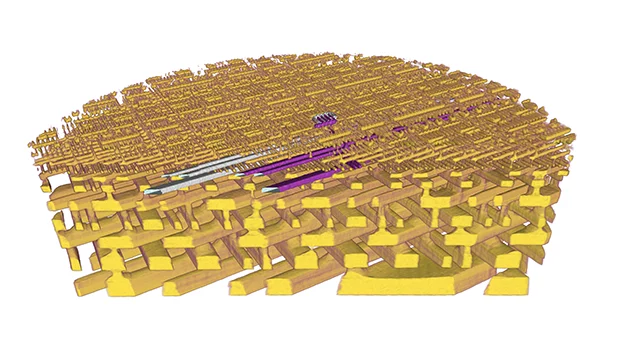
3-D-Röntgenbild macht feinste Details eines Computerchips sichtbar
Forschende des PSI haben detaillierte 3-D-Röntgenbilder eines handelsüblichen Computerchips erstellt. In ihrem Experiment haben sie ein kleines Stück aus dem Chip untersucht, das sie zuvor herausgeschnitten hatten. Diese Probe blieb dabei während der Messung unbeschädigt. Für Hersteller ist es eine grosse Herausforderung, zu bestimmen, ob der Aufbau ihrer Chips am Ende den Vorgaben entspricht. Somit stellen diese Ergebnisse eine wichtige Anwendung eines Röntgen-Tomografieverfahrens dar, das die PSI-Forschenden seit einigen Jahren entwickeln.
Switzerland at the Quantum Crossroads document endorsed by QTC@PSI members
“Switzerland at the Quantum Crossroads” outlines the current quantum science and technology landscape in Switzerland, explains the promises of this technology and outlines the required steps for Switzerland to leverage its leadership in this space.

Der SwissFEL ist eingeweiht
Heute, am 5. Dezember 2016, hat das PSI seine neue Grossforschungsanlage SwissFEL in Anwesenheit von Bundespräsident Johann N. Schneider-Ammann feierlich eingeweiht.
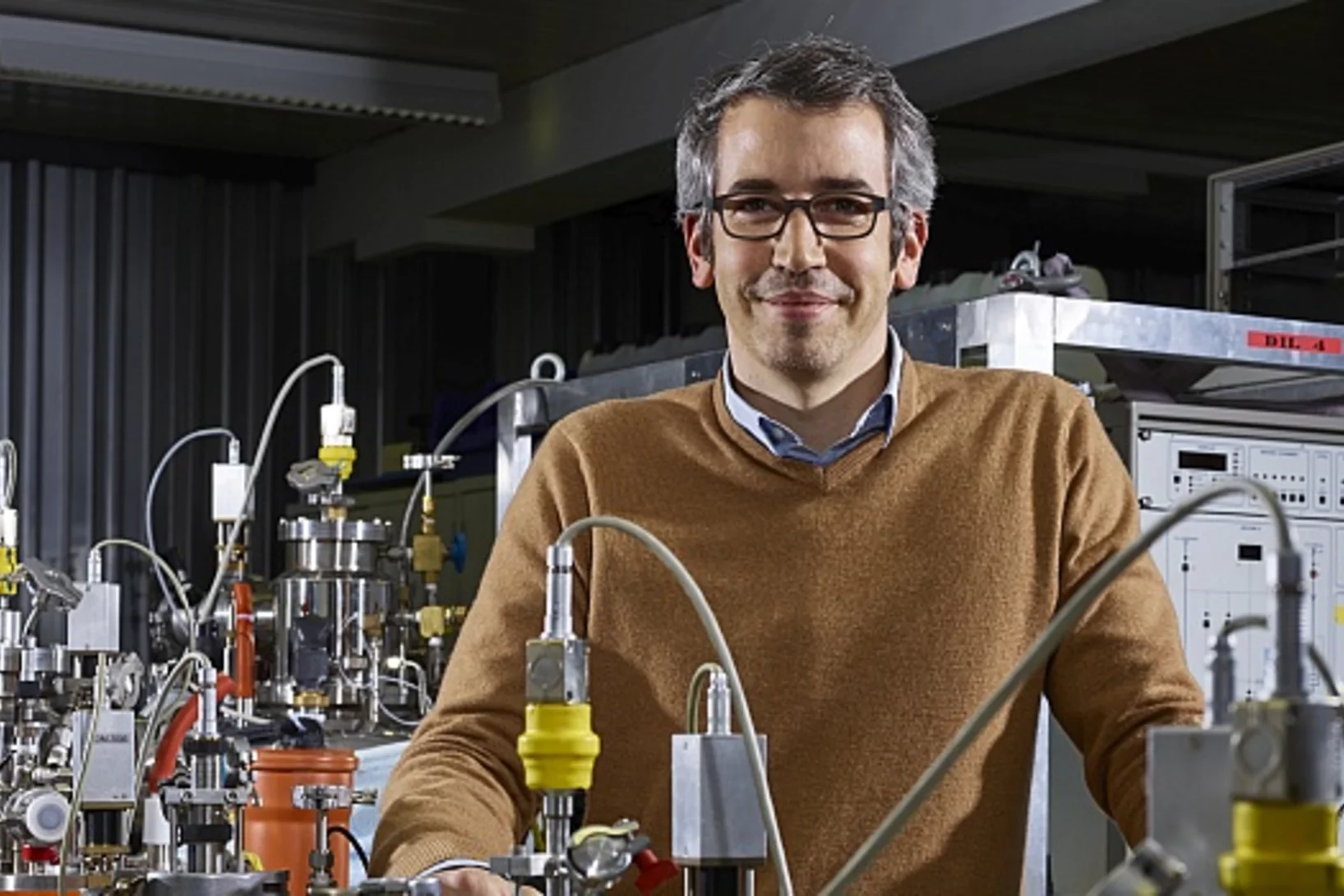
2,6 Millionen EU-Mittel für die Erforschung von grundlegenden Wechselwirkungen in Magneten
Christian Rüegg erhält die angesehene europäische Förderung ERC Consolidator Grant. Mit dem Geld will er weiter erforschen, wie die kleinsten magnetischen Bausteine der Materie wechselwirken.
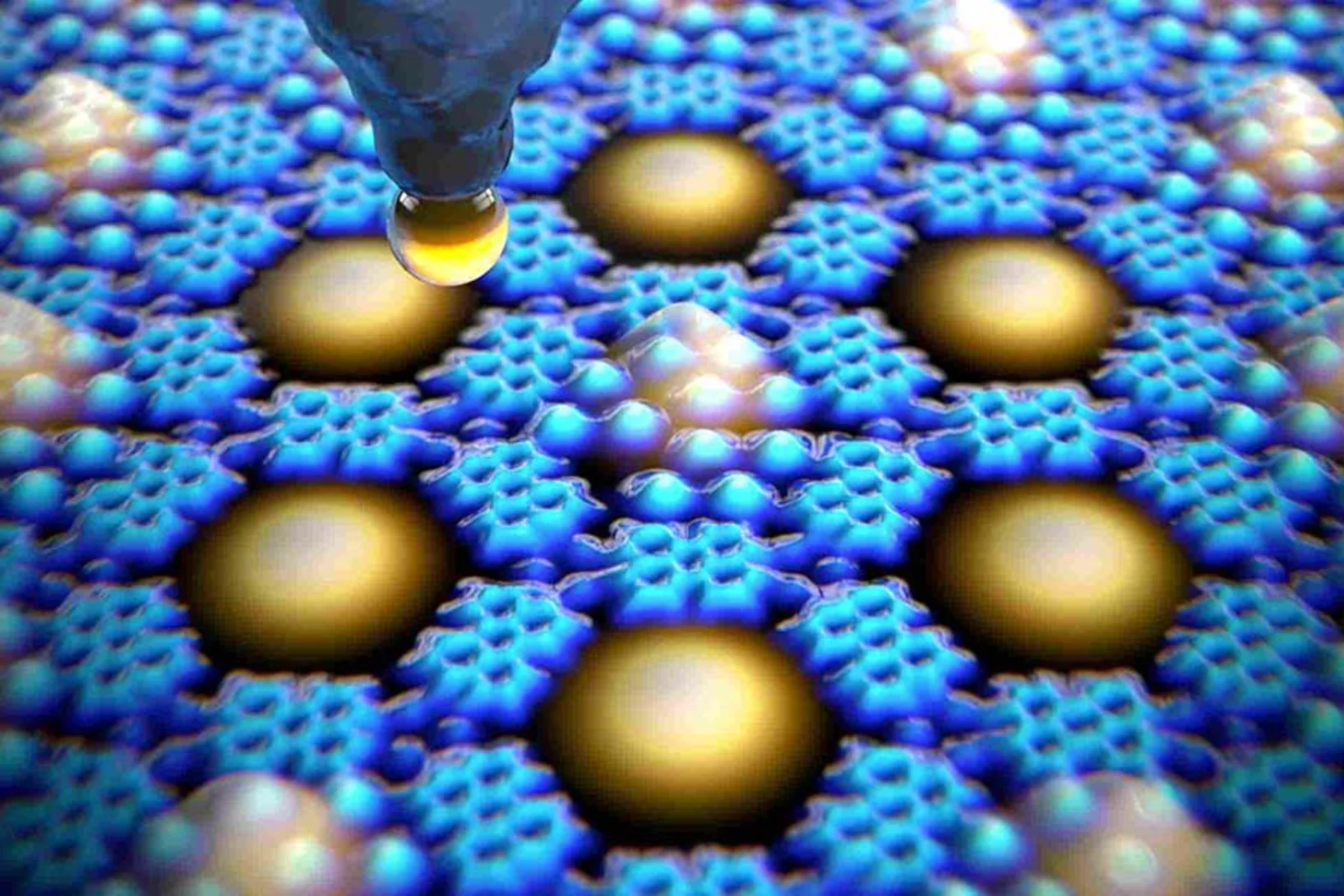
Controlling Quantum States Atom by Atom
A method to precisely alter the quantum mechanical states of electrons within an array of quantum boxes has been developped by an international consortium also including PSI. The method can be used to investigate the interactions between various types of atoms and electrons, which is essential for future quantum technologies.
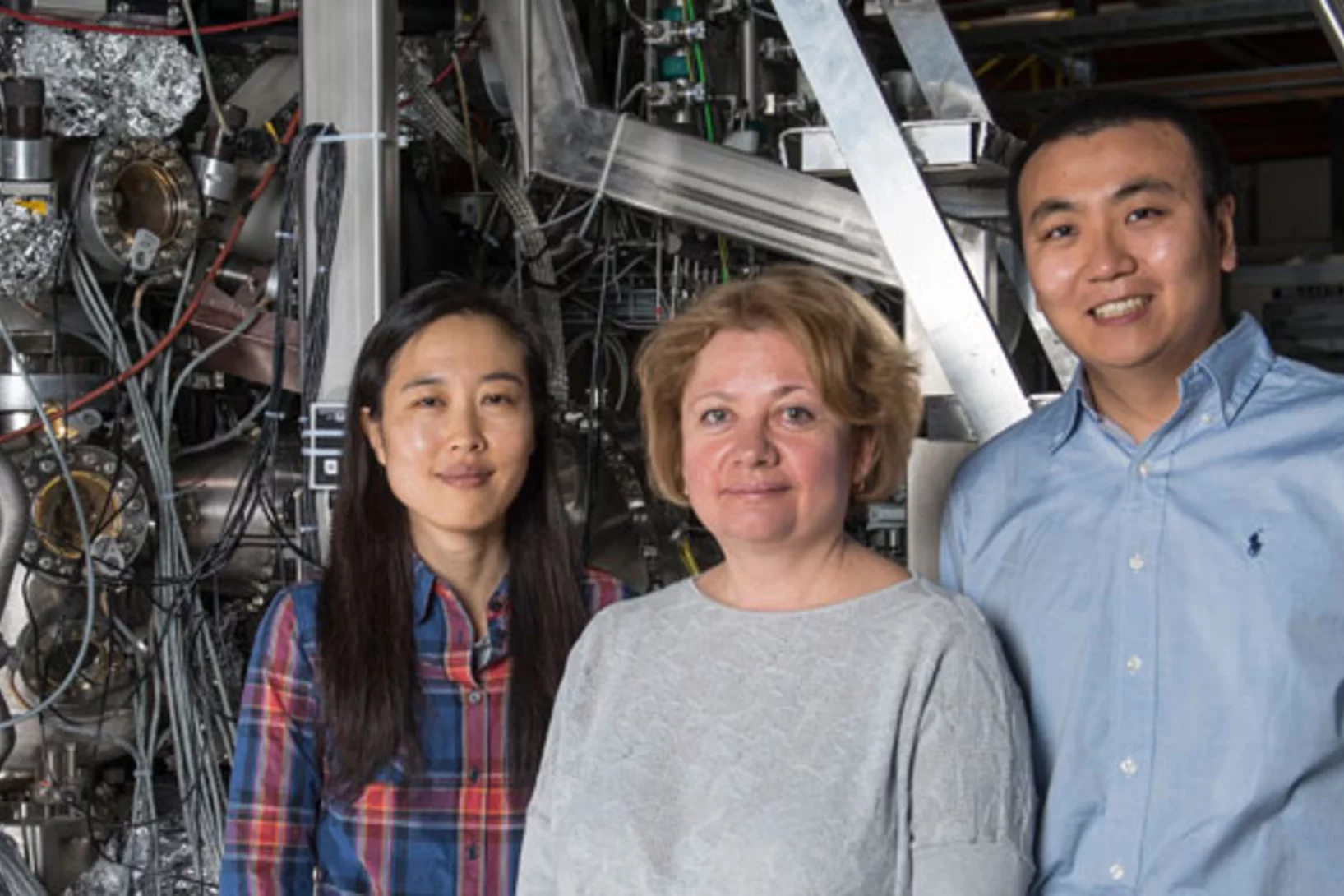
Neues Teilchen könnte Grundlage energiesparender Elektronik bilden
Das erst im vergangenen Jahr entdeckte Weyl-Fermion bewegt sich in Materialien praktisch ohne Widerstand. Nun zeigen Forscher einen Weg, wie man es in elektronischen Bauteilen einsetzen könnte.
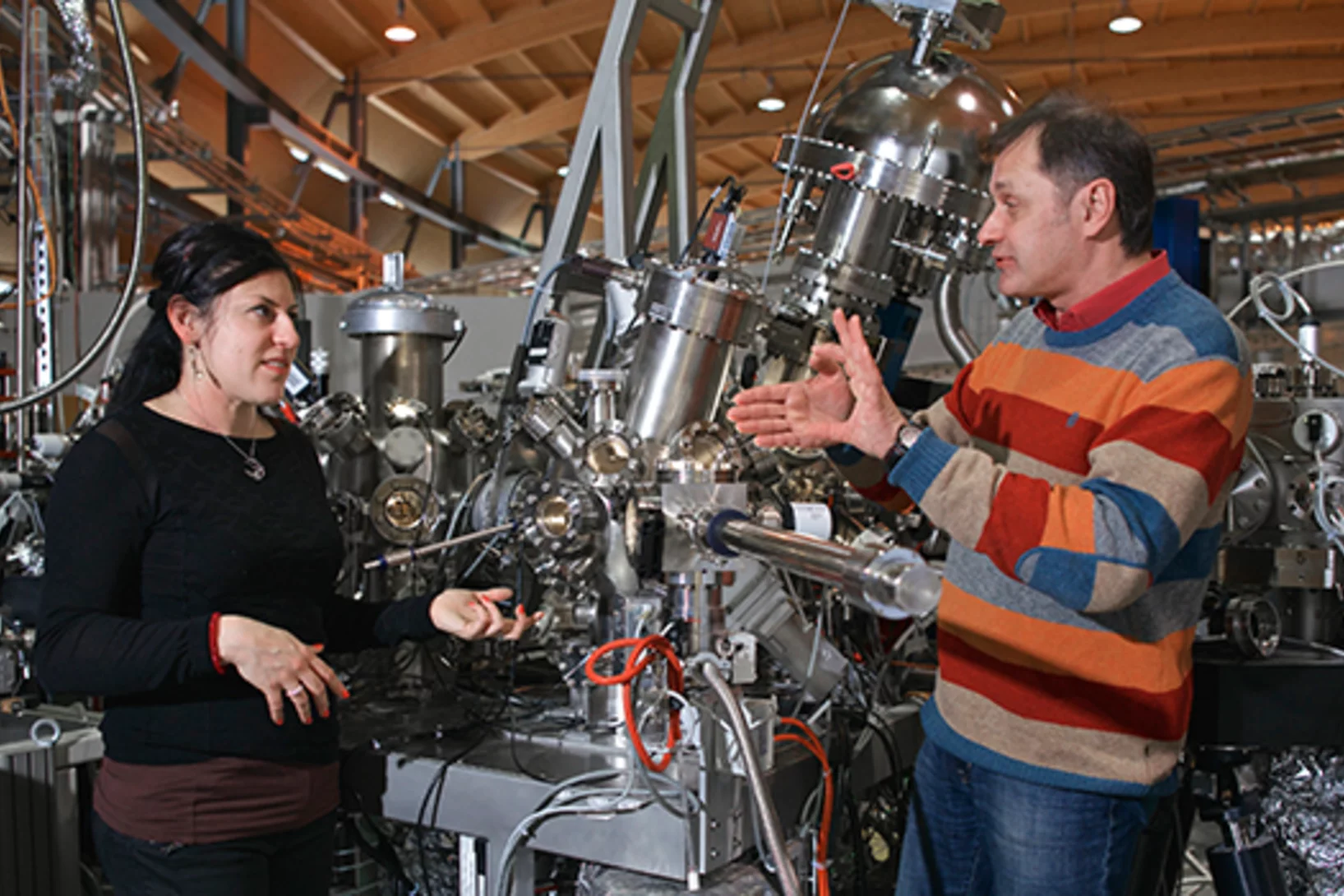
Schwerfälliger Stromfluss könnte Weg zu energiesparenden Computern weisen
Computer und andere elektronische Geräte haben heute einen beträchtlichen Anteil am weltweiten Energieverbrauch. Mit den heute genutzten Technologien lässt sich dieser Verbrauch aber kaum senken, sodass die Chips in den energiesparenden Geräten der Zukunft aus neuartigen Materialien bestehen werden. Neueste Forschungsergebnisse aus dem Paul Scherrer Institut PSI geben Hinweise darauf, wie man zu solchen Materialien kommen könnte.
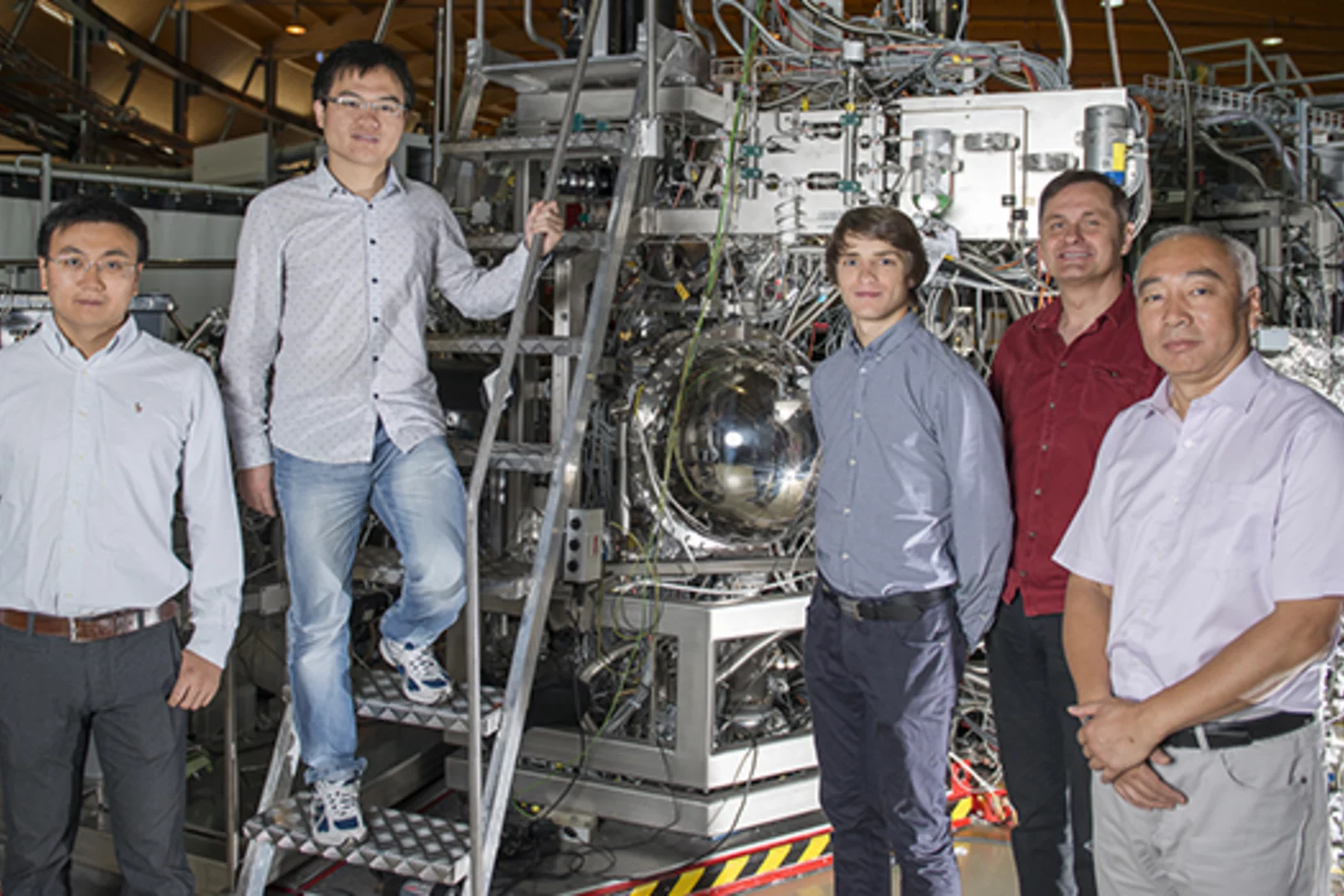
Cousin des Elektrons nach 86 Jahren gefunden
Physiker des Paul Scherrer Instituts PSI gemeinsam mit Kollegen aus China sowie von der ETH Zürich und der ETH Lausanne EPFL haben bei Versuchen an der Synchrotron Lichtquelle Schweiz SLS ein Teilchen nachgewiesen, dessen Existenz bereits vor 86 Jahren vorausgesagt worden war. Es handelt sich um ein Mitglied der Teilchenfamilie, zu denen auch das Elektron, der Träger elektrischer Ströme, gehört. Anders als das Elektron hat das neue Teilchen aber keine Masse und es kommt nur in einer bestimmten Klasse von Materialien vor, die als Weyl-Halbmetalle bezeichnet werden.
Geordneter Elektronenfluss im Isolator
Forschende des PSI, der EPFL und der Chinesischen Akademie der Wissenschaften haben gezeigt, dass das Material SmB6 alle Eigenschaften eines topologischen Isolators zeigt, also eines Materials, an dessen Oberfläche polarisierte Ströme fliessen können. Das Besondere an diesem Material ist, dass die Eigenschaft sehr robust ist à an der Materialoberfläche fliessen nur polarisierte Ströme und die Eigenschaft bleibt auch bei kleinen Unregelmässigkeiten in der Struktur oder Zusammensetzung des Materials erhalten. Polarisierte Ströme sind für die Spintronik à Elektronik, die den Elektronenspin nutzt à wichtig.