
Show filters

New Nat. Rev. Phys. publication: A “gold standard” for computational materials science codes
A large consortium of scientists, coordinated by PSI researchers in the LMS laboratory, led the most comprehensive verification effort so far on computer codes for materials simulations, providing their colleagues with a reference dataset and a set of guidelines for assessing and improving existing and future codes.
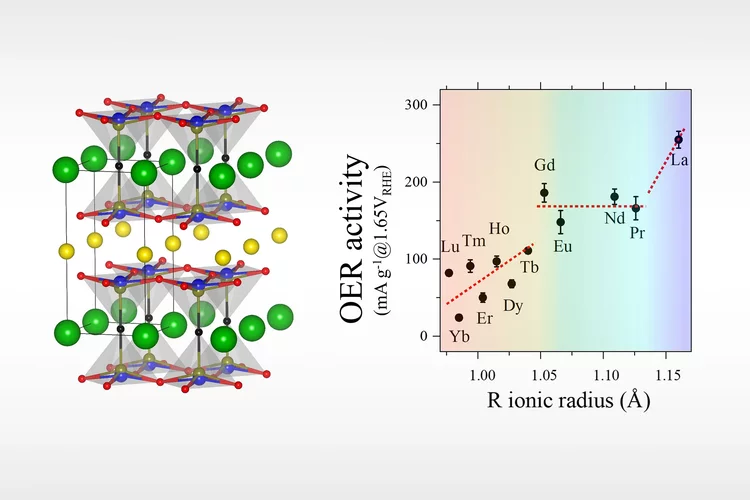
Cobalt-free layered perovskites RBaCuFeO5+d (R = 4f lanthanide) as electrocatalysts for the oxygen evolution reaction
Co oxides with perovskite-related structure are particularly promising, cost-effective OER catalysts. However, the increasing Co demand by the battery industry is pushing the search for Co-free alternatives. Here we investigate the potential of the Co-free layered perovskite family RBaCuFeO5+δ (R = 4f lanthanide), where we identify the critical structural and electronic variables leading to high OER catalytical performance. The employed methodology, based in the use of advanced neutron and X-ray synchrotron techniques combined with ab initio DFT calculations allowed to reveal LaBaCuFeO5+δ as new, promising Co-free electroctalyst. Moreover, we could show that this material can be industrially produced in nanocrystalline form. We believe that the reported results and methodology may contribute to the implementation of new technologies aimed to generate energy with lower carbon emissions, and can also inspire the scientific community in their search of other Co-free materials with good OER electrocatalytical properties.
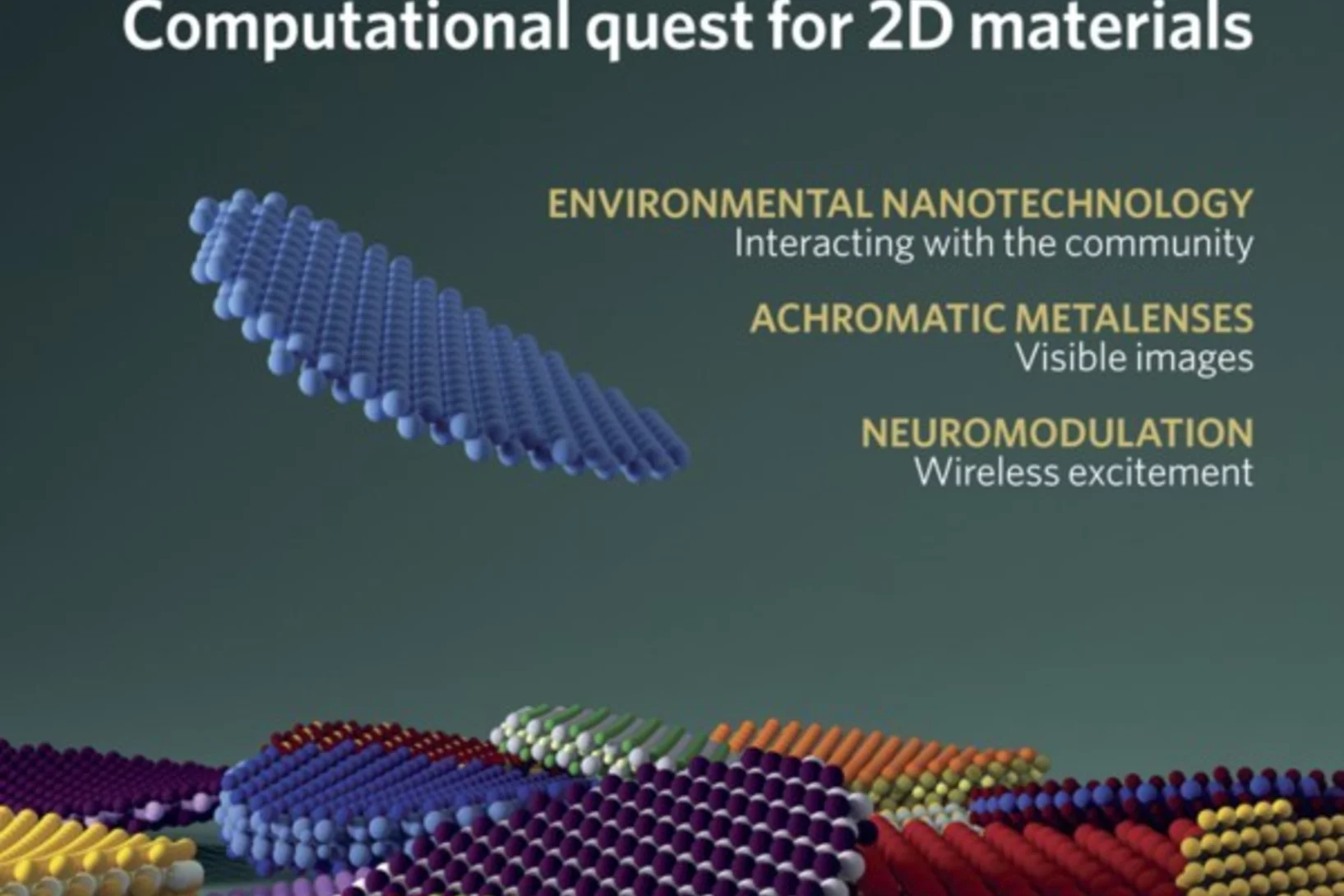
MARVEL team wins inaugural PRACE HPC Excellence award
The first ever PRACE (Partnership for Advanced Computing in Europe) HPC Excellence Award has been awarded to a team led by Professor Nicola Marzari, head of Theory and Simulation of Materials at EPFL's School of Engineering and Materials Simulations at PSI, and director of NCCR MARVEL. The € 20,000 award is given to “an outstanding individual or team for ground-breaking research that leads to significant advances in any research field through the usage of high-performance computing”, and recognizes the team’s effort in the discovery and characterization of novel two-dimensional materials.

Schneller und smarter
Das PSI bündelt seine Expertise bezüglich der Auswertung von Forschungsdaten im neuen Forschungsbereich Computergestützte Wissenschaften, Theorie und Daten.

Deep learning to avoid weather disappointments
Saharan dust storms played havoc with weather predictions. Invertible neural networks to retrieve aerosol properties from light scattering data may help.

Superconducting qubit first success at Quantum Computing Hub
Andreas Wallraff talks about moving in, refrigerators and measuring the first superconducting qubit at the ETHZ-PSI Quantum Computing hub.

Neuer Forschungsbereich am PSI weist in die Daten-Zukunft
Das PSI gründet einen neuen Forschungsbereich «Computergestützte Wissenschaften, Theorie und Daten».
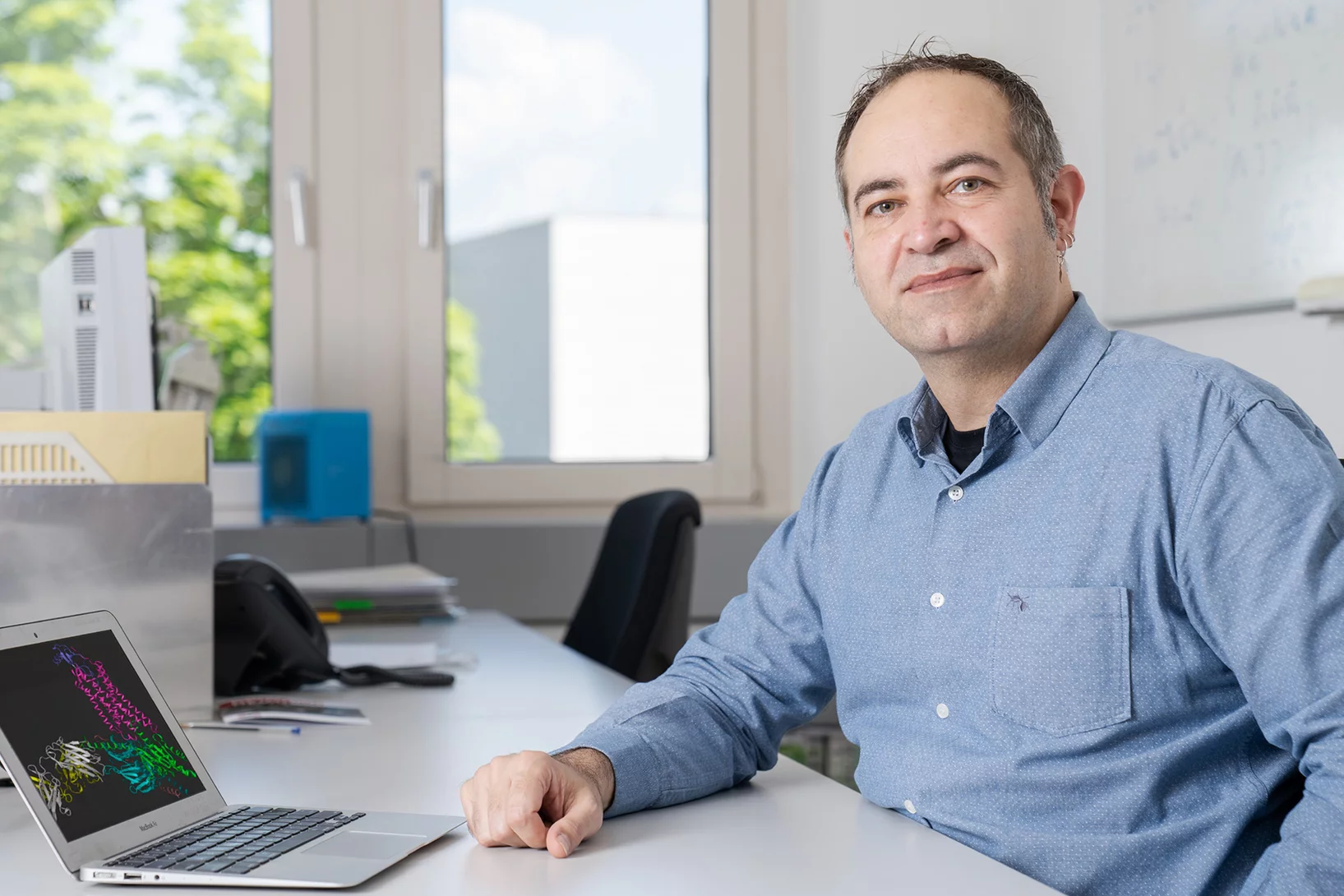
Wie Abwehrzellen aktiviert werden
Forschende haben entschlüsselt, wie der CCR5-Rezeptor von Immunzellen angeschaltet wird. Die Erkenntnisse können dabei helfen, Therapien gegen AIDS und andere Krankheiten zu entwickeln.
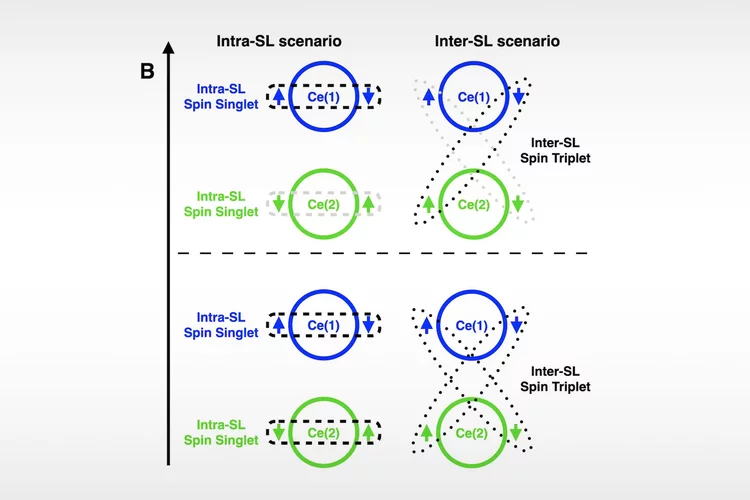
Two scenarios for superconductivity in CeRh2As2
CeRh2As2, a nonsymmorphic heavy fermion material, was recently reported to host a remarkable temperature versus z-axis magnetic-field phase diagram with two superconducting phases. In this material, the two inequivalent Ce sites per unit cell, related by inversion symmetry, introduce a sublattice structure corresponding to an extra internal degree of freedom. In this work, we propose a classification of the possible superconducting states in CeRh2As2 from the two Ce-sites' perspective.
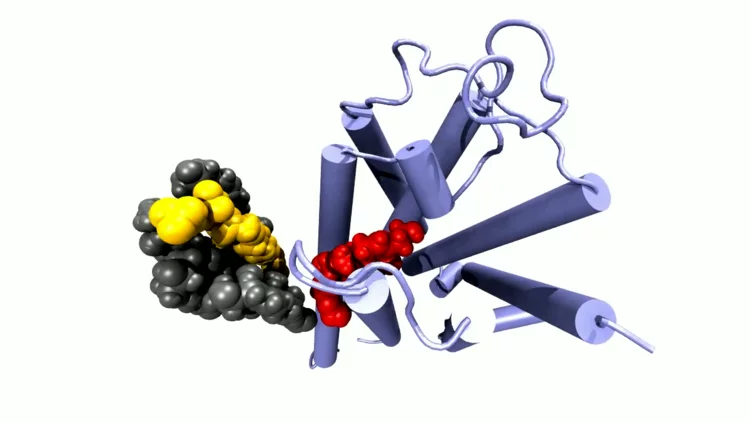
Rezeptorproteinen beim Verbiegen zuschauen
G-Protein-gekoppelte Rezeptoren vermitteln unzählige Prozesse im Körper. Im Interview erzählt PSI-Forscher Ramon Guixà, wie er die Rezeptormoleküle auf dem Bildschirm lebendig werden lässt.
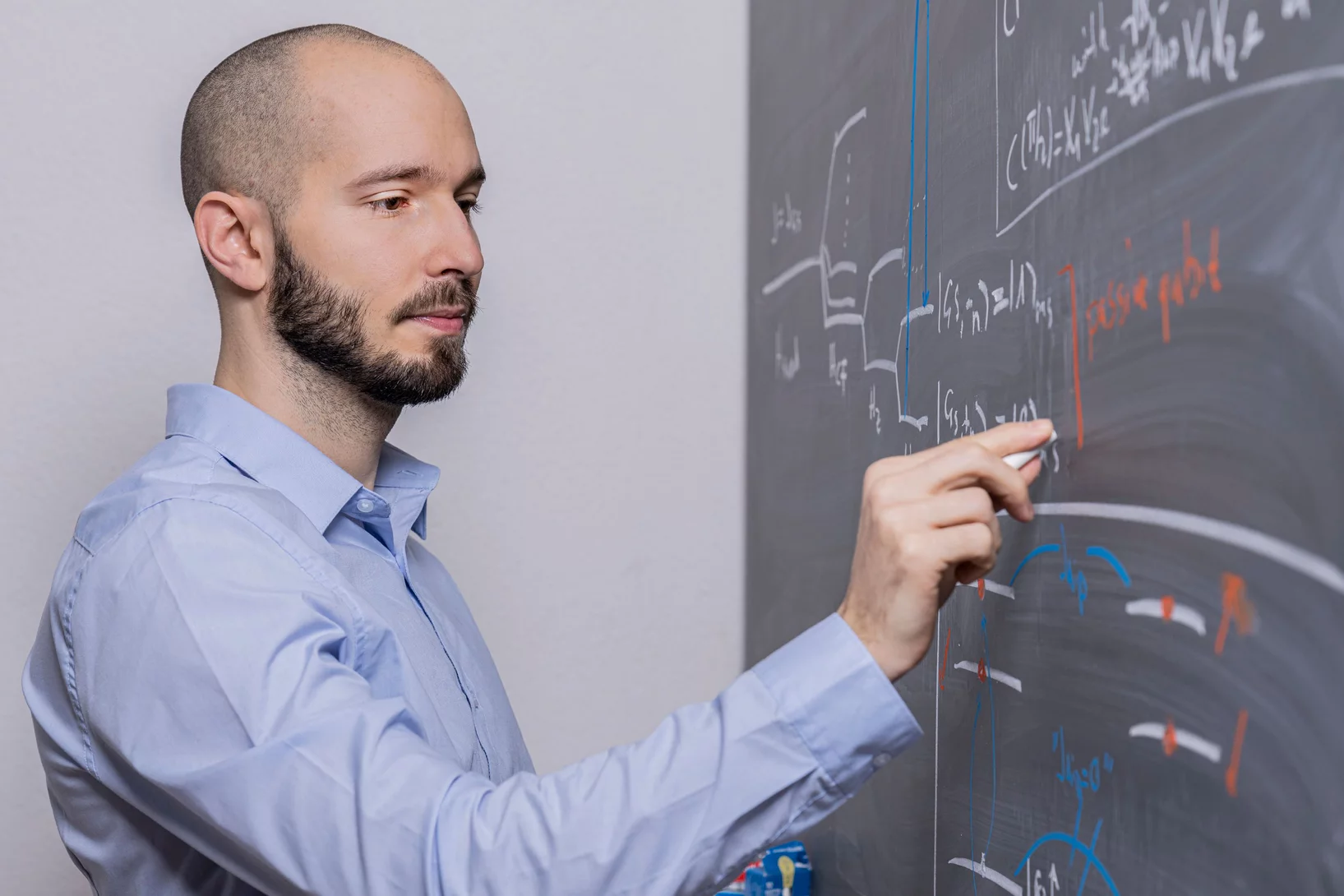
Neuer Bauplan für stabilere Quantencomputer
PSI-Forscher haben gezeigt, wie sich schnellere und genauere Quantenbits erschaffen liessen. Die zentralen Elemente sind dabei magnetische Atome aus der Klasse der sogenannten Seltenen Erden, die gezielt in das Kristallgitter eines Materials eingebracht würden.
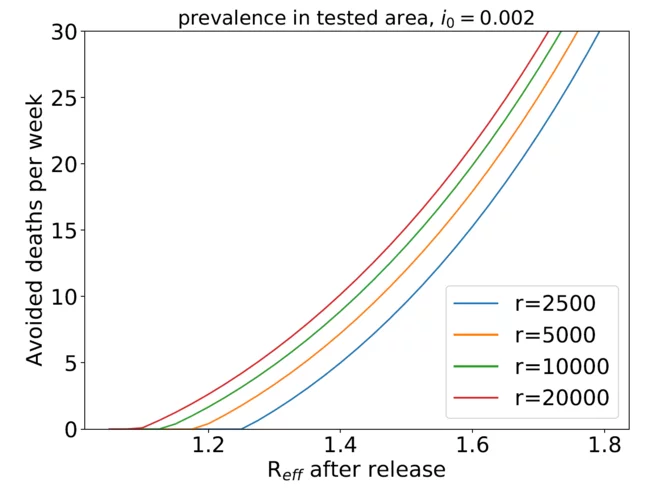
Benefit of random testing
With the imminent relaxation of socio-economic restrictions, it becomes vital to assess its effect on the prevalence of acute infections within the population, as rapidly as possible. Currently available monitoring instruments for the COVID-19 pandemic have an inherent time delay of about 14 days, as they rely on confirmed infections, hospitalizations, and death numbers. These methods give Reff(t) (the number of infections caused by a single infected person), but their delay is a significant disadvantage when restrictions are released. If after relaxation, Reff(t) rises above 1, one will not be able to react adequately before two weeks have passed during which time the prevalence could significantly rise. Here, we propose the use of random testing to shorten this reaction time, by obtaining direct and modeling dependent information on Reff(t). Through random testing of between 2500 and 20000 people per day, we find that over periods significantly shorter than two weeks, it becomes possible to detect a dangerous increase in Reff with reasonable confidence.