

Show filters
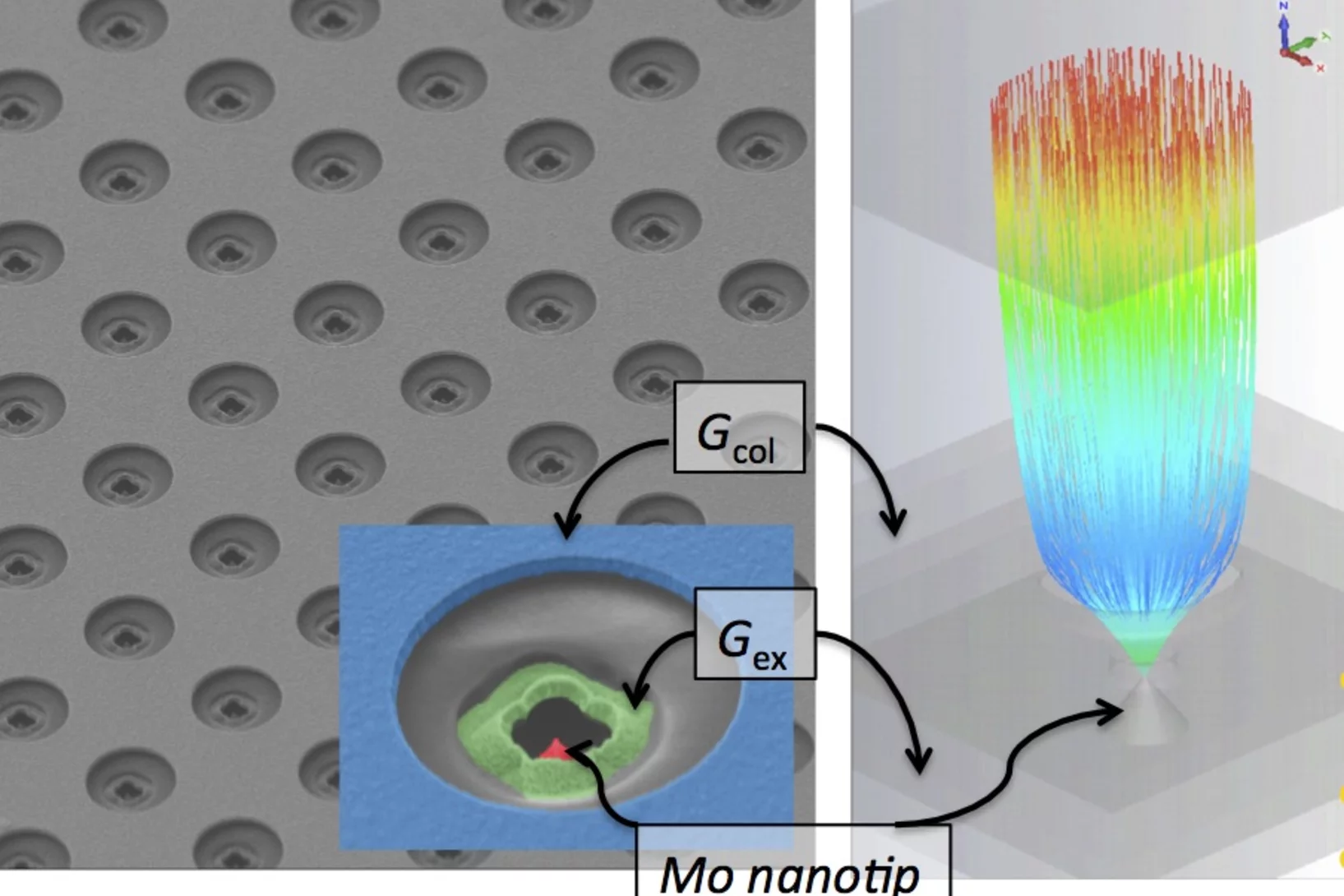
Can a metal nanotip array device be a low-emittance and coherent cathode?
A nanofabricated low emittance field emitter array cathode was demonstrated for the first time, and successfully applied to observe the low-energy electron diffraction from suspended monolayer graphene. The work has an impact on the future development of compact X-ray free electron lasers, THz/RF vacuum electronic sources, and ultrafast electron imaging and diffraction experiments.
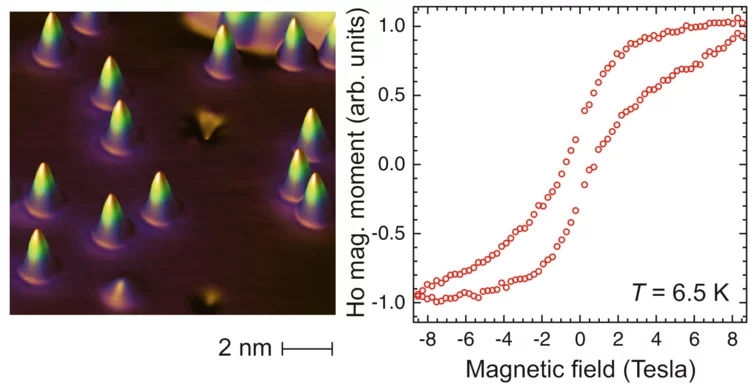
The Smallest Magnet
Single holmium atoms adsorbed on few monolayers of magnesium oxide are extraordinarily stable magnets. They retain a significant fraction of their magnetization when the external magnetic field is switched off. This has been shown recently in a study combining x-ray magnetic circular dichroism performed at the Swiss Light Source (SLS) and at the European Synchrotron Radiation Facility (ESRF) as well as scanning tunneling microscopy. The results open perspectives of storing and processing information at ultrahigh density.
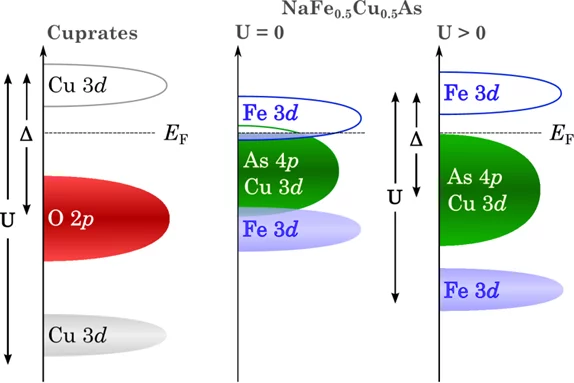
Novel insulating phase in iron-pnictide materials
The first example of an insulating phase which is close to the superconducting phase in an iron-pnictide system has been recently observed in heavy Cu-doped NaFe1-xCuxAs (x > 0.3). A combined study by angle-resolved photoemission spectroscopy (ARPES) and density functional theory (DFT) calculations revealed that on-site Coulomb repulsion and enhanced Hund’s rule coupling are responsible for the insulating behavior. The results show that the insulating phase in NaFe0.5Cu0.5As resembles the situation in the parent compounds of the high-Tc cuprate superconductors.
Wahlweise elektrisch leitend oder isolierend
Das Material Neodym-Nickel-Oxid ist je nach seiner Temperatur entweder ein Metall oder ein Isolator. Die Möglichkeit, diesen Übergang elektrisch zu steuern, macht das Material zu einem möglichen Kandidaten für Transistoren in modernen elektronischen Geräten. Mittels einer ausgeklügelten Weiterentwicklung der Röntgenstreuung konnten Forschende am Paul Scherrer Institut PSI nun die Ursache dieses Übergangs nachvollziehen: Rund um die Sauerstoffatome sortieren sich die Elektronen um.
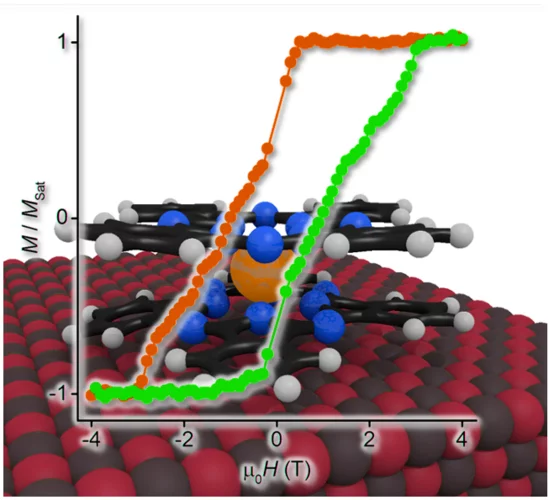
Magnesium Oxide Boosts the Hysteresis of Single-Molecule Magnets
Researchers from PSI and EPFL have demonstrated that the magnetization hysteresis and remanence of TbPc2 single-molecule magnets drastically depends on the substrate on which they are deposited. If a few atomic layers thick magnesium oxide film grown on a silver substrate is used, a record wide hysteresis and record large remanence can be obtained. Single-molecule magnets are attractive for molecular spintronics applications such as information processing or storage.
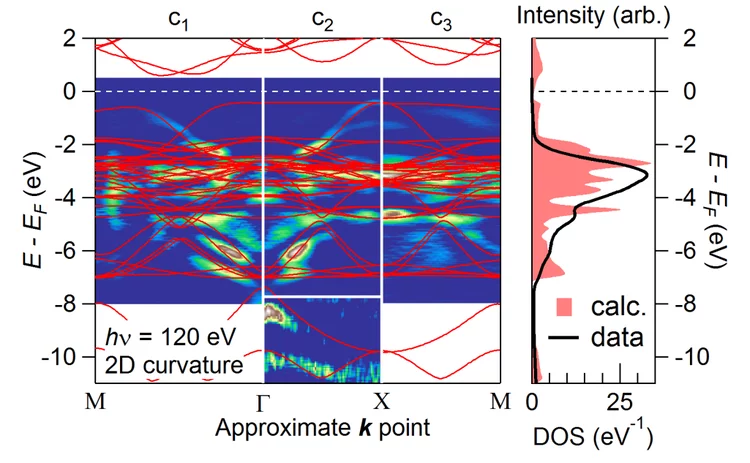
Shedding light on the origins of high-Tc superconductivity in bismuth oxides
Researchers have overcome a number of challenges in order to employ an advanced probe in the study of an unusual material, barium bismuth oxide (BaBiO3) – an insulating parent compound of a family of high-temperature superconductors known since the late 80s. In order to finally realize the experiments, the researchers grew and studied thin films of the material completely in situ under ultrahigh vacuum conditions. The results show that superconductivity in bismuth oxides emerges out of a novel insulating phase, where hole pairs located on combinations of the oxygen orbitals are coupled with distortions of the crystal lattice.

Therapeutic drug monitoring in sub-nanoliter volumes
A promising system for painless and minimally-invasive therapeutic drug monitoring has been demonstrated. The proposed device combines biofunctionalized hollow microneedles with an optofluidic system to measure drug concentrations in volumes as small as 0.6 nL.
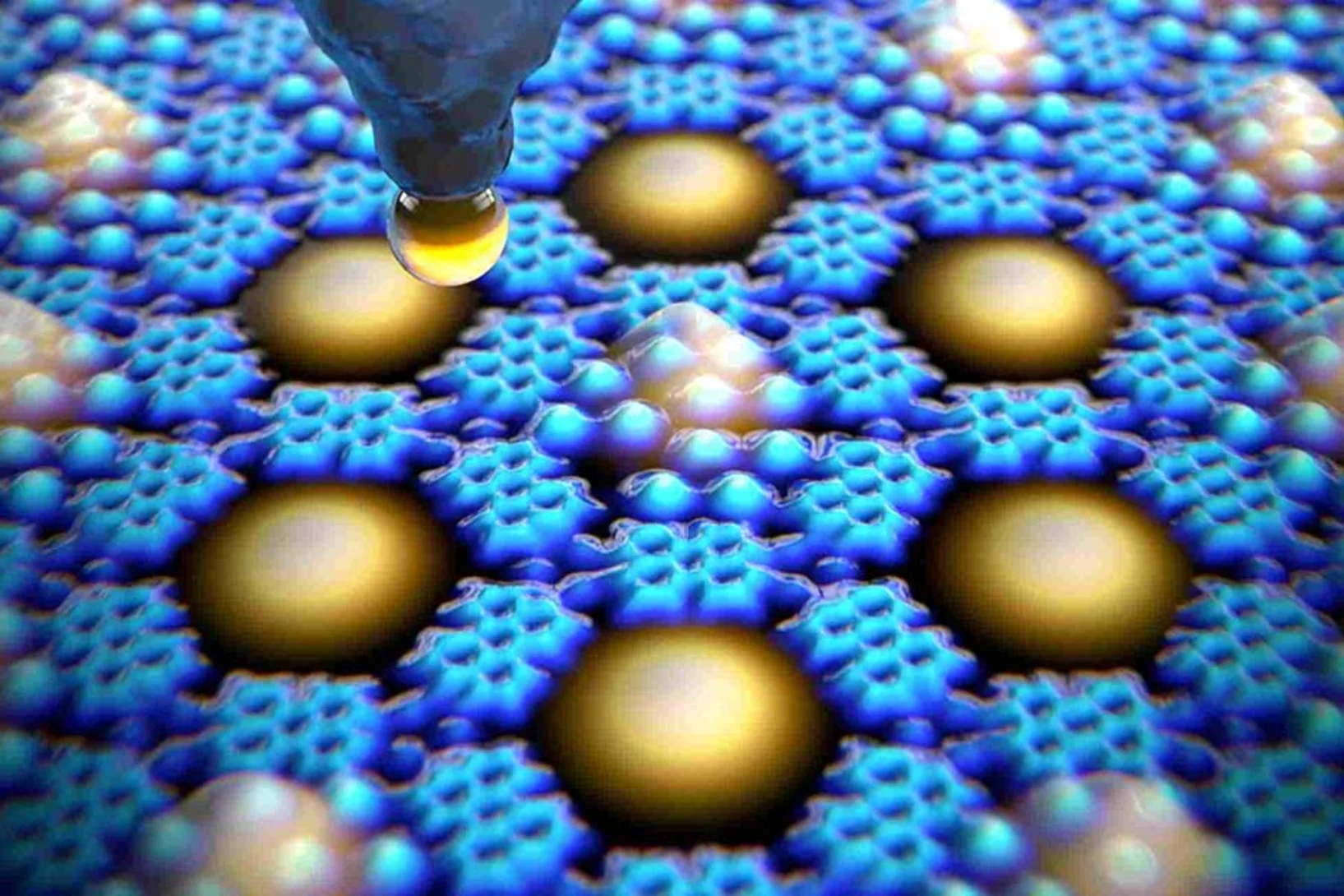
Controlling Quantum States Atom by Atom
A method to precisely alter the quantum mechanical states of electrons within an array of quantum boxes has been developped by an international consortium also including PSI. The method can be used to investigate the interactions between various types of atoms and electrons, which is essential for future quantum technologies.
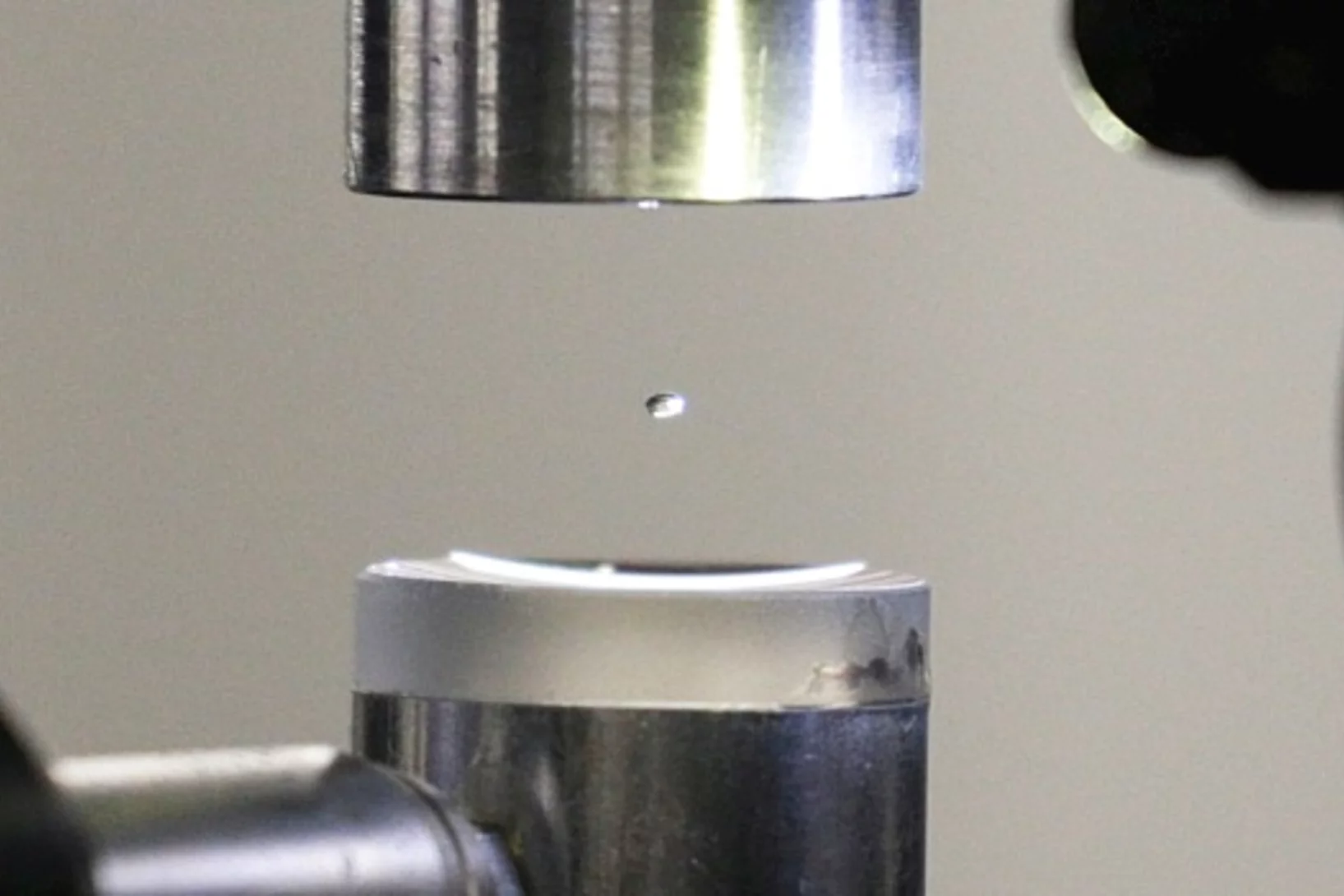
Experiment im schwebenden Tropfen
Der genaue Aufbau von Proteinen wird am PSI standardmässig mittels Röntgenstrahlung entschlüsselt. Nun haben zwei PSI-Wissenschaftler diese Methode trickreich weiterentwickelt: Anstatt die Proteine zu befestigen, untersuchten sie die Proteine in einem frei schwebenden Flüssigkeitstropfen.
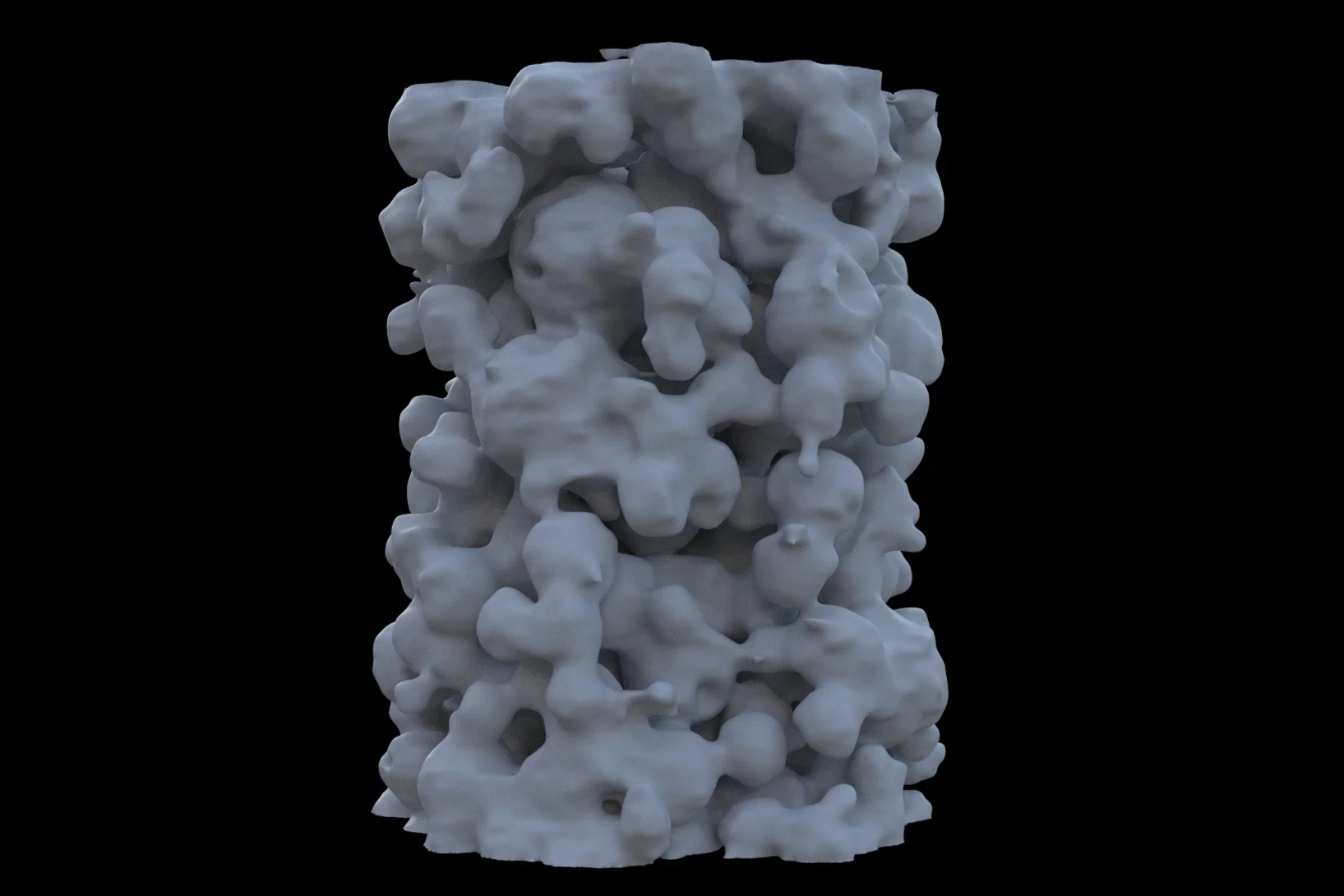
How does food look like on the nanoscale?
The answer to this question could save food industry a lot of money and reduce food waste caused by faulty production. Researchers from the University of Copenhagen and the Paul Scherrer Institut have obtained a 3D image of food on the nanoscale using ptychographic X-ray computed tomography. This work paves the way towards a more detailed knowledge of the structure of complex food systems.
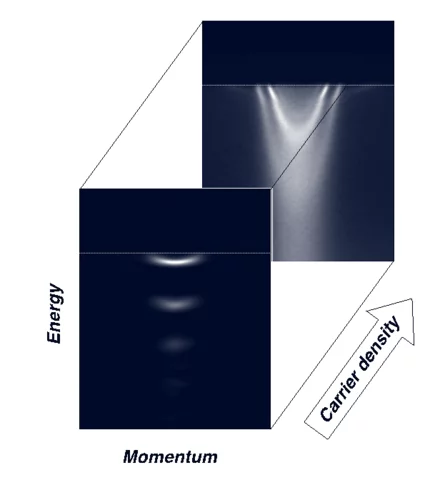
Tailoring Novel Superconductivity
The Angle Resolved Photoemission Spectroscopy (ARPES) measurements performed on 2DEL at STO surface revealed that, at low carrier density, electrons are always accompanied by a quantized dynamic lattice deformation. Together with the electron, these phonon-cloud formed a new composite quasiparticle called Fröhlich polaron.

Researchers find key to zinc rich plants to combat malnutrition
The diet in many developing countries is lacking zinc, but researchers have just solved the riddle of how to get more zinc into crop seeds. The discovery has been published in Nature Plants, and the research was led by University of Copenhagen.By Johanne Uhrenholt Kusnitzoff
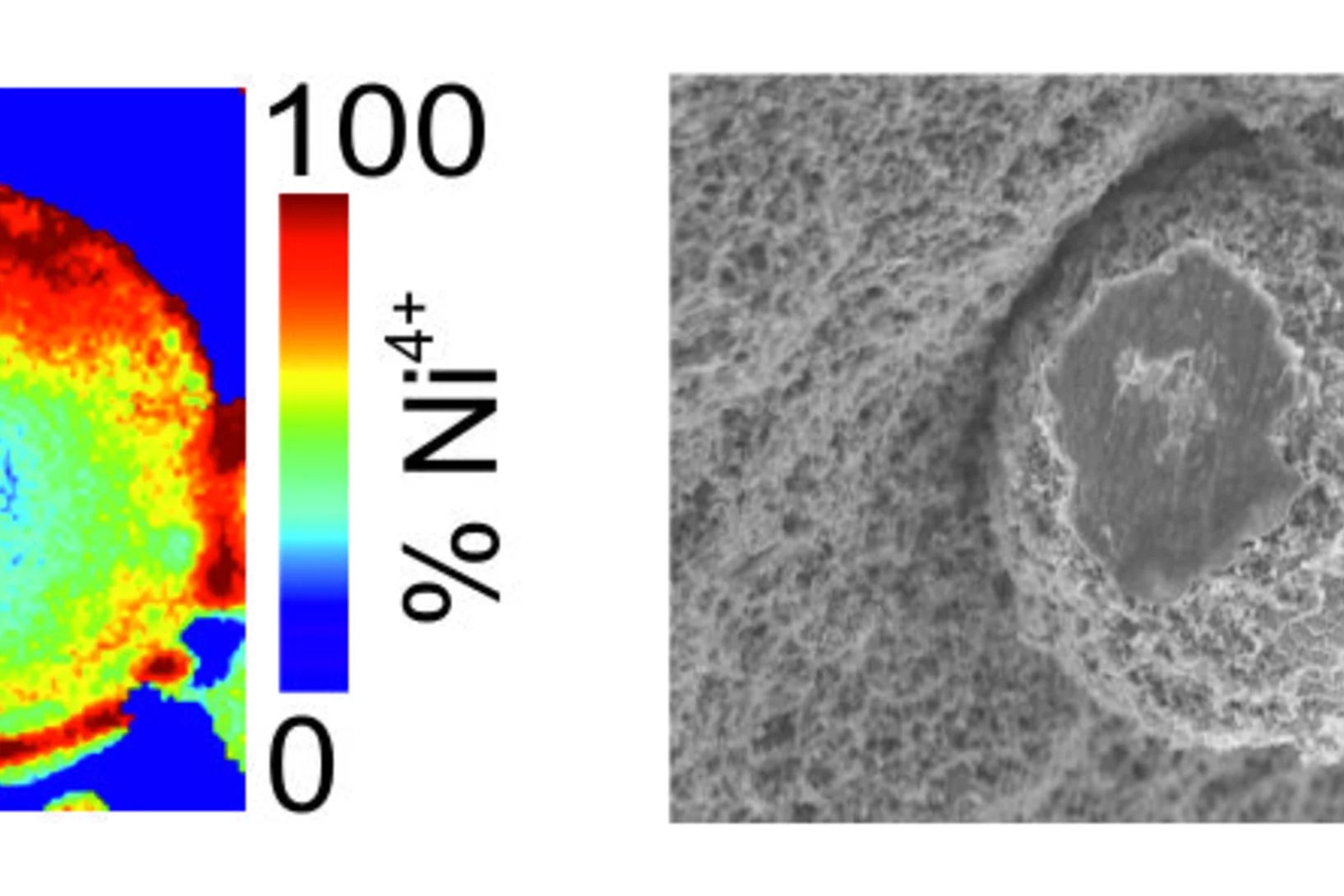
Watching lithium move in battery materials
In order to understand limitations in current battery materials and systematically engineer better ones, it is helpful to be able to directly visualize the lithium dynamics in materials during battery charge and discharge. Researchers at ETH Zurich and Paul Scherrer Institute have demonstrated a way to do this.
Neues Teilchen könnte Grundlage energiesparender Elektronik bilden
Das erst im vergangenen Jahr entdeckte Weyl-Fermion bewegt sich in Materialien praktisch ohne Widerstand. Nun zeigen Forscher einen Weg, wie man es in elektronischen Bauteilen einsetzen könnte.
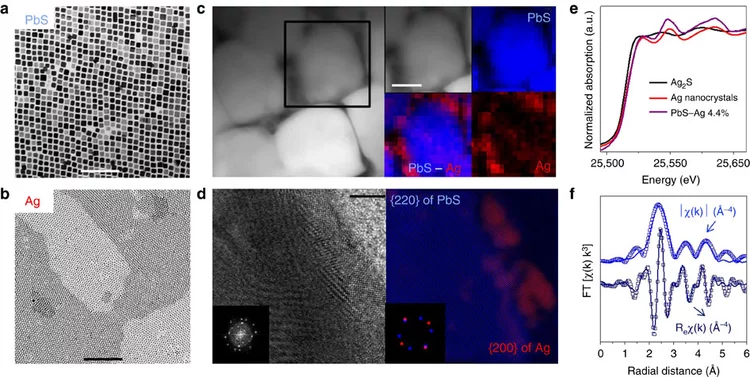
High-performance thermoelectric nanocomposites from nanocrystal building blocks
Using an assembly of colloidal nanocrystals a Ag-PbS nanocomposite was produced with increased thermoelectic figures of merit up to 1.7K at 850 K. EXAFS spectroscopy at the Ag K-edge was essential to show that Ag does not dissolve in PbS nanoparticles but preserved the individual nanodomains. This reduces the PbS intergrain energy barriers for charge transport
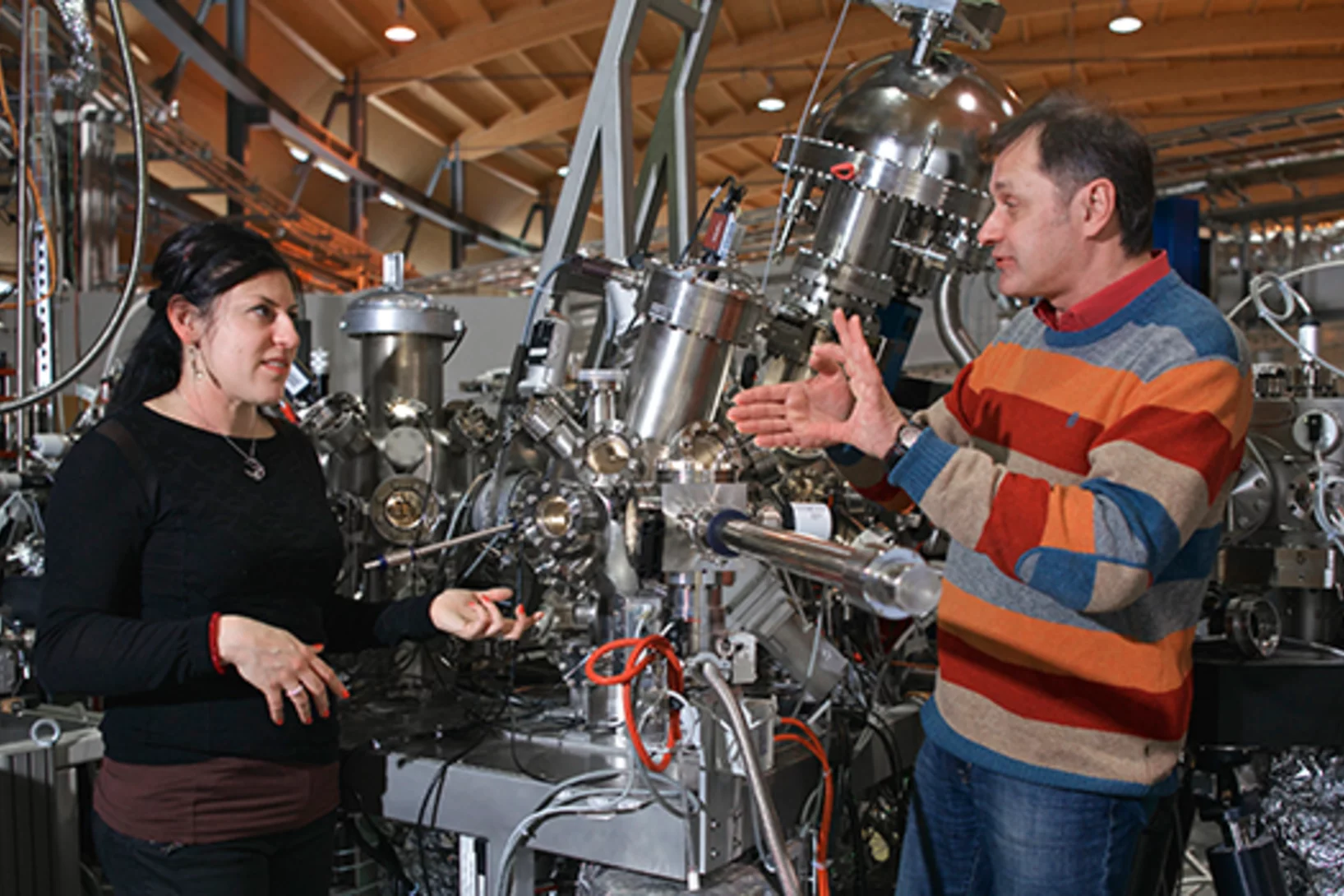
Schwerfälliger Stromfluss könnte Weg zu energiesparenden Computern weisen
Computer und andere elektronische Geräte haben heute einen beträchtlichen Anteil am weltweiten Energieverbrauch. Mit den heute genutzten Technologien lässt sich dieser Verbrauch aber kaum senken, sodass die Chips in den energiesparenden Geräten der Zukunft aus neuartigen Materialien bestehen werden. Neueste Forschungsergebnisse aus dem Paul Scherrer Institut PSI geben Hinweise darauf, wie man zu solchen Materialien kommen könnte.
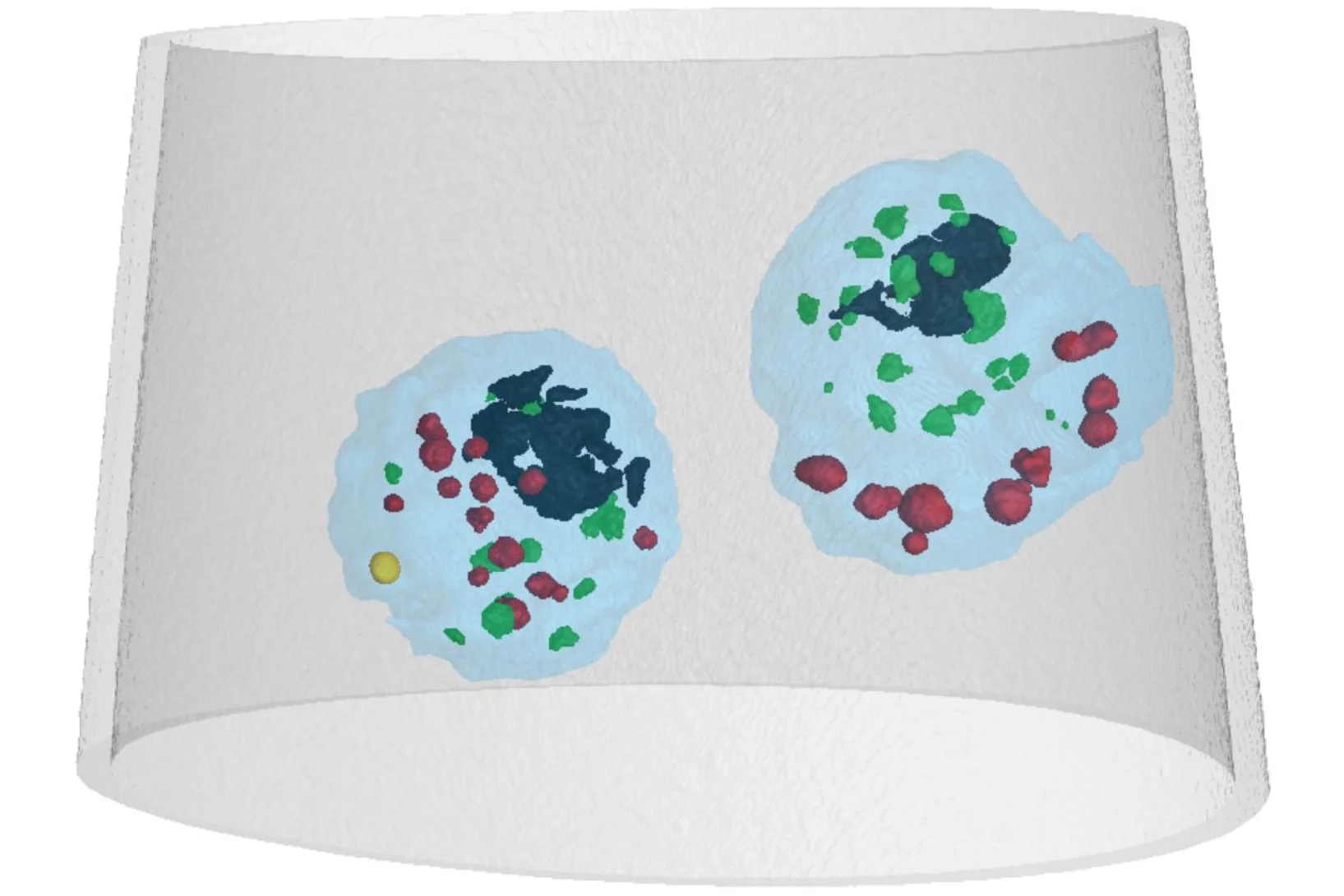
Mass density distribution of intact cell ultrastructure
The determination of the mass density of cellular compartments is one of the many analytical tools that biologists need to unravel the extremely complex structure of biological systems. Cryo X-ray nanotomography reveals absolute mass density maps of frozen hydrated cells in three dimensions.
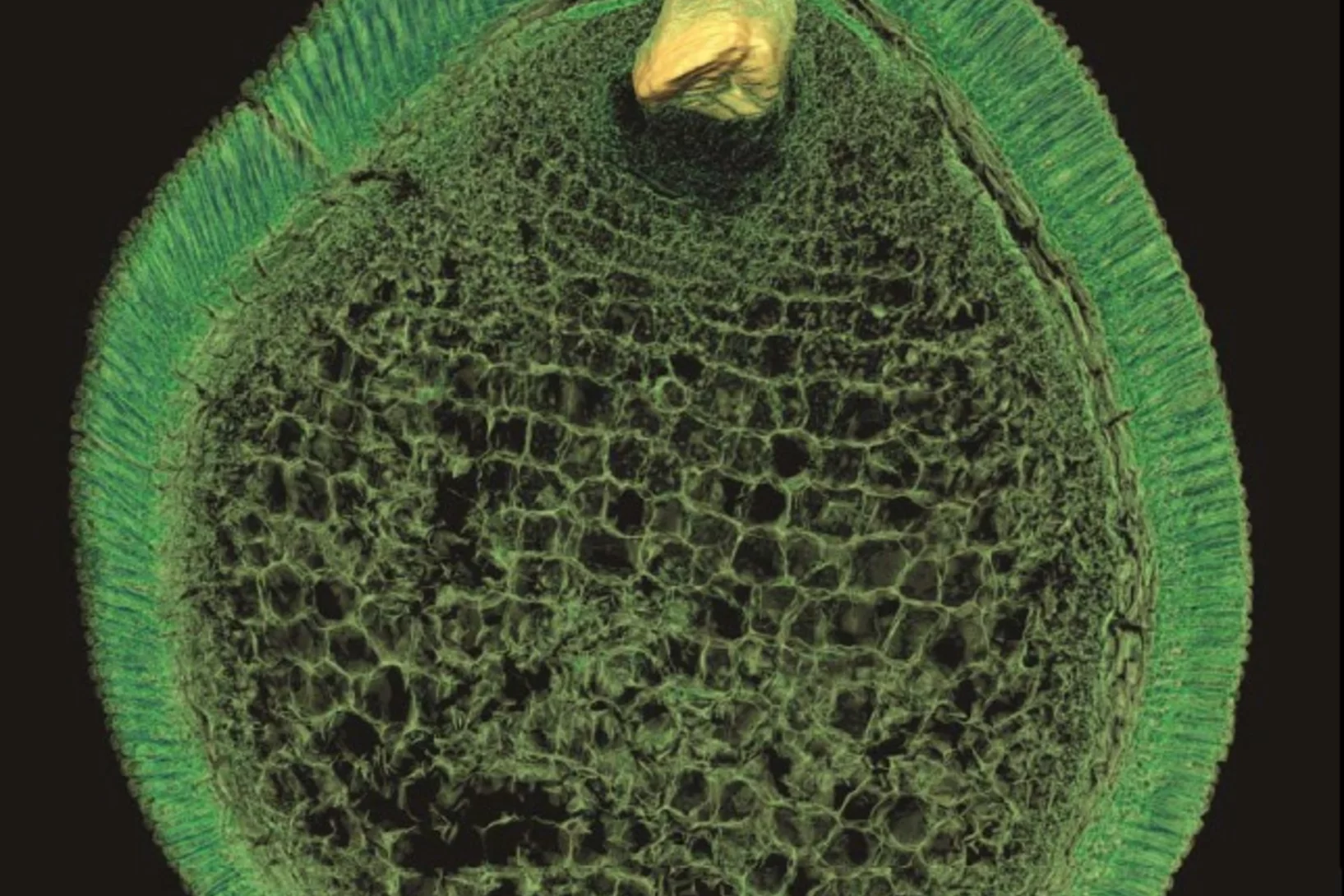
Preserved Embryos Illustrate Seed Dormancy in Early Angiosperms
The discovery of exceptionally well-preserved, tiny fossil seeds dating back to the Early Cretaceous corroborates that flowering plants were small opportunistic colonizers at that time, according to a new Yale-led study.
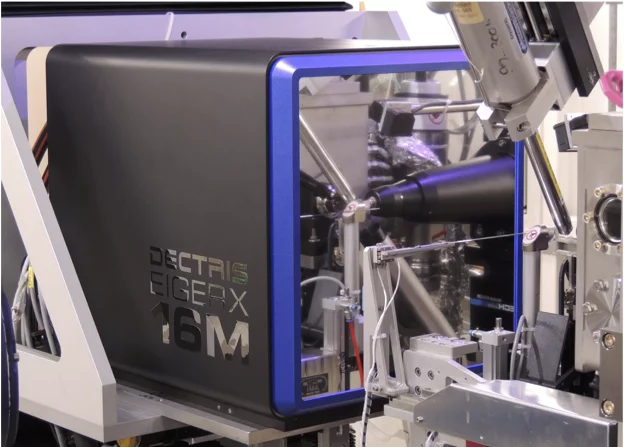
First EIGER X 16M in operation at the Swiss Light Source
The macromolecular crystallography beamline X06SA at the Swiss Light Source, a synchrotron operated by Paul Scherrer Institute, is the first one in the world to upgrade its detector to an EIGER X 16M.
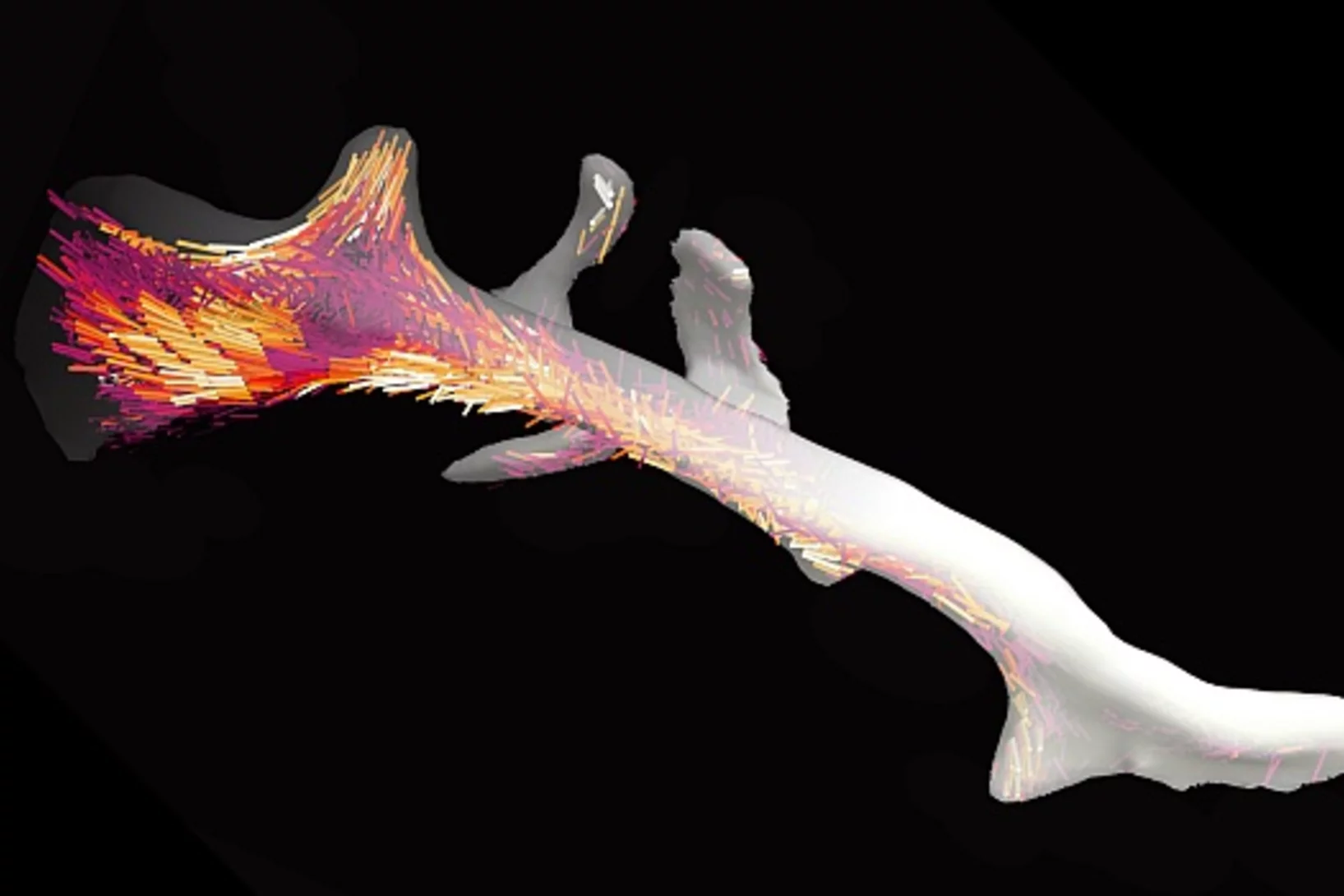
3-D-Nanostruktur eines Knochens sichtbar gemacht
Knochen bestehen aus winzigen Fasern, die etwa tausend Mal feiner sind als ein menschliches Haar. Mit einer neuartigen computerbasierten Auswertungsmethode konnten Forschende des Paul Scherrer Instituts PSI zum ersten Mal die Anordnung dieser Nanostrukturen innerhalb eines gesamten Knochenstücks sichtbar machen.
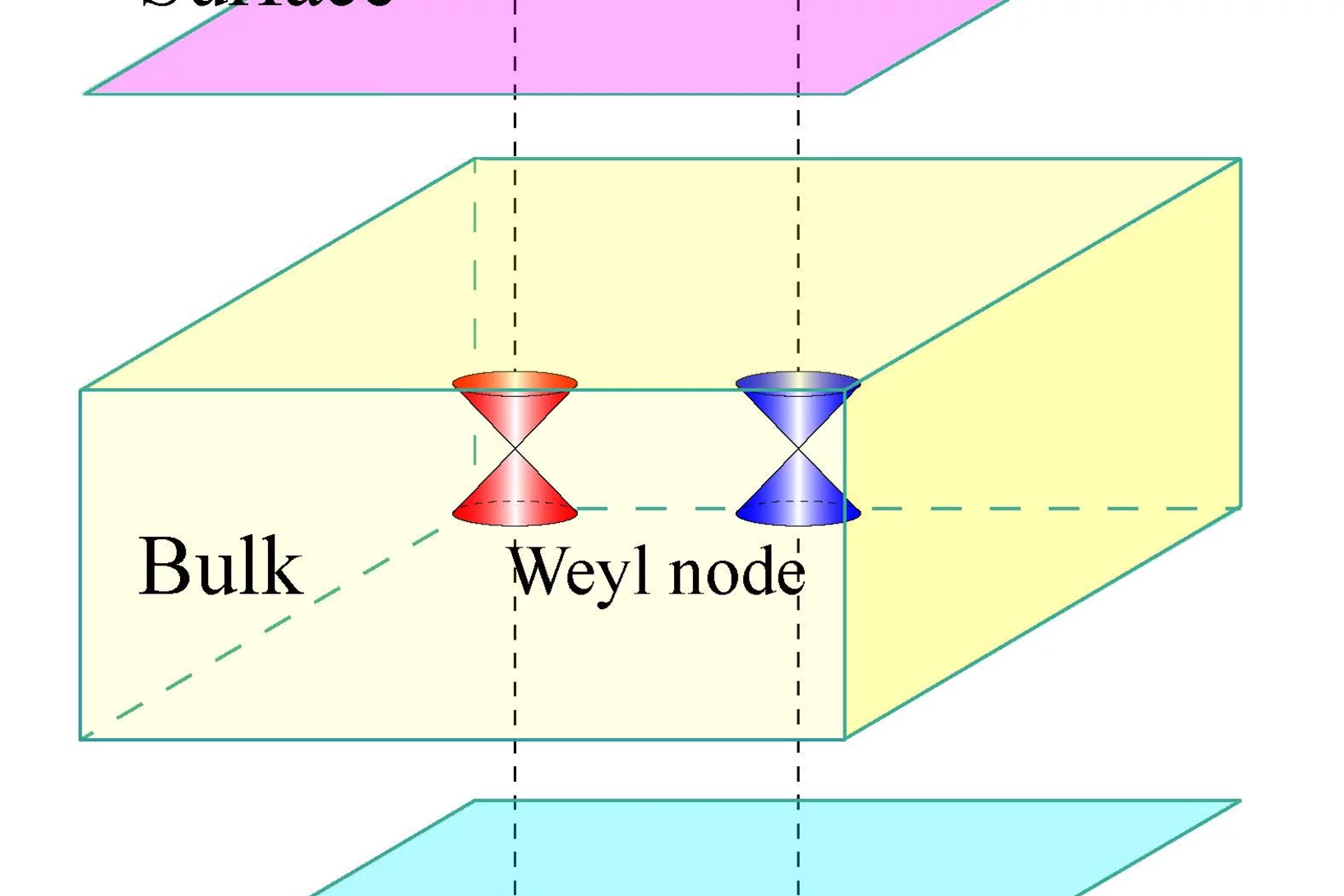
Observation of Fermi-Arc Spin Texture in TaAs
The study of nontrivial topological semimetals (TSM) is an emerging subject, providing a new frontier in topological aspects beyond insulators. Here, we have investigated the spin texture of surface Fermi arcs in the recently discovered Weyl semimetal TaAs using spin- and angle-resolved photoemission spectroscopy. The experimental results demonstrate that the Fermi arcs are spin polarized. The measured spin texture fulfills the requirement of mirror and time-reversal symmetries and is well reproduced by our first-principles calculations, which gives strong evidence for the topologically nontrivial Weyl semimetal state in TaAs. The consistency between the experimental and calculated results further confirms the distribution of chirality of the Weyl nodes determined by first principles calculations.
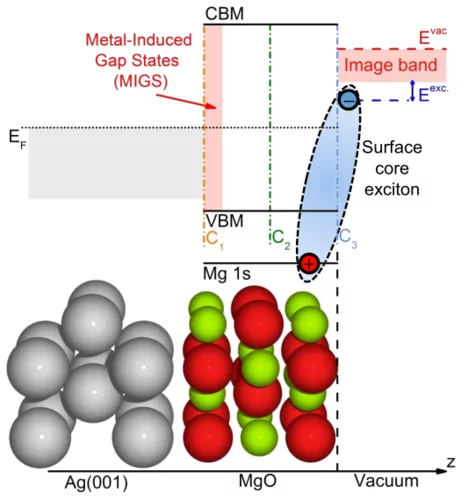
Excited states at interfaces of a metal-supported ultrathin oxide film
At the PEARL beamline, metal-supported ultrathin oxide films have been studied which are a class of materials of technological importance in various research fields such as catalysis, spintronics, or nanoelectronics.
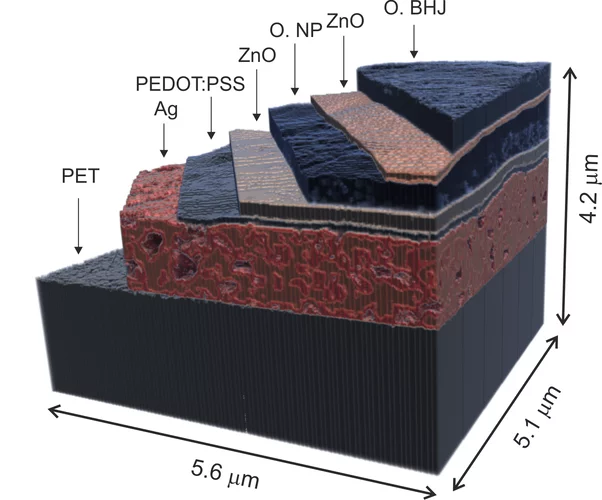
X-ray nanotomography aids the production of eco-friendly solar cells
Polymer solar cells are in the spotlight for sustainable energy production of the future. Characterization of these devices by X-ray nanotomography helps to improve their production using environmentally friendly materials.
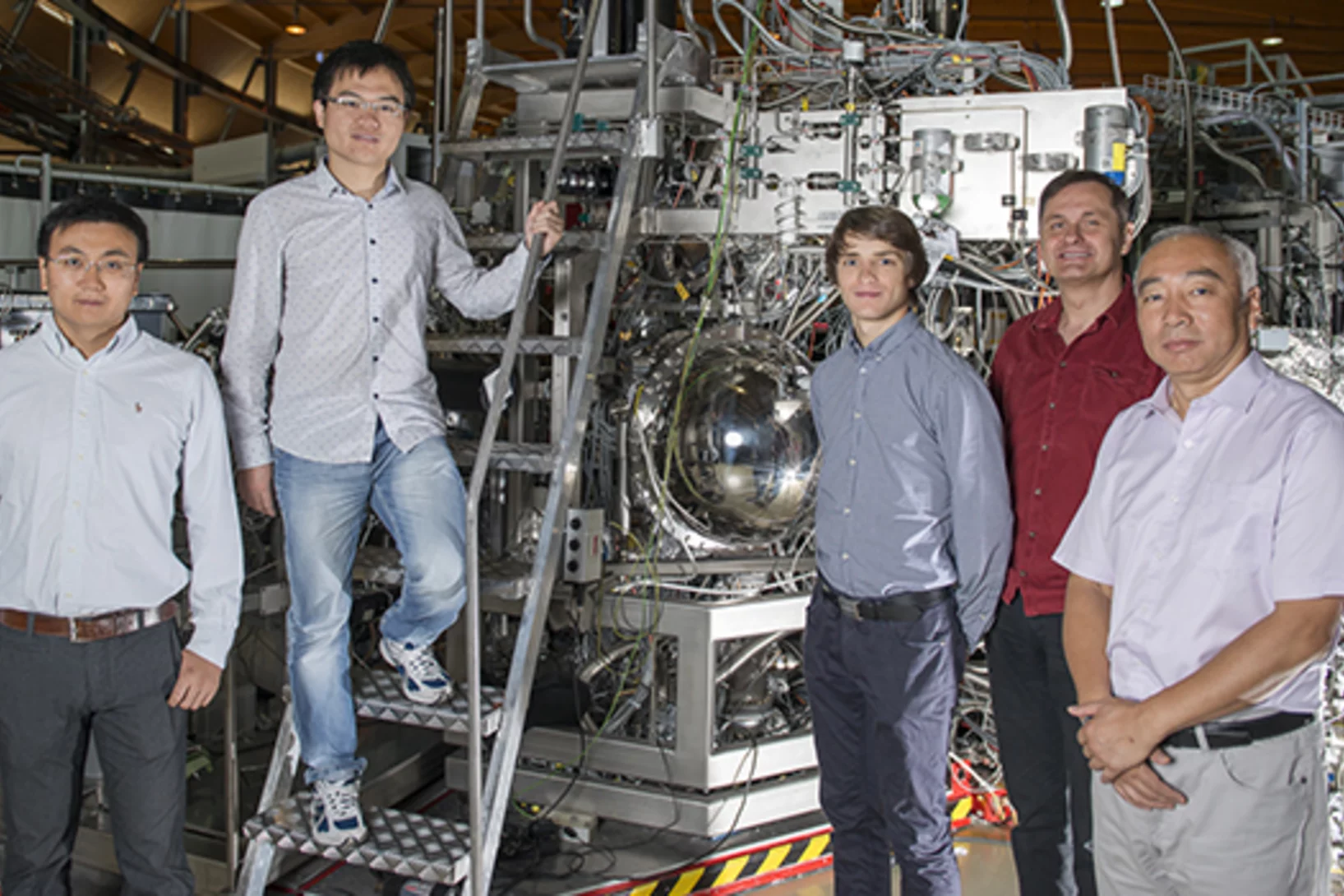
Cousin des Elektrons nach 86 Jahren gefunden
Physiker des Paul Scherrer Instituts PSI gemeinsam mit Kollegen aus China sowie von der ETH Zürich und der ETH Lausanne EPFL haben bei Versuchen an der Synchrotron Lichtquelle Schweiz SLS ein Teilchen nachgewiesen, dessen Existenz bereits vor 86 Jahren vorausgesagt worden war. Es handelt sich um ein Mitglied der Teilchenfamilie, zu denen auch das Elektron, der Träger elektrischer Ströme, gehört. Anders als das Elektron hat das neue Teilchen aber keine Masse und es kommt nur in einer bestimmten Klasse von Materialien vor, die als Weyl-Halbmetalle bezeichnet werden.

Controlling tunnelling in methane loss from acetone ions by deuteration
At the imaging Photoelectron Photoion Coincidence (iPEPICO) endstation of the VUV beamline evidence of H-atom tunneling was shown.
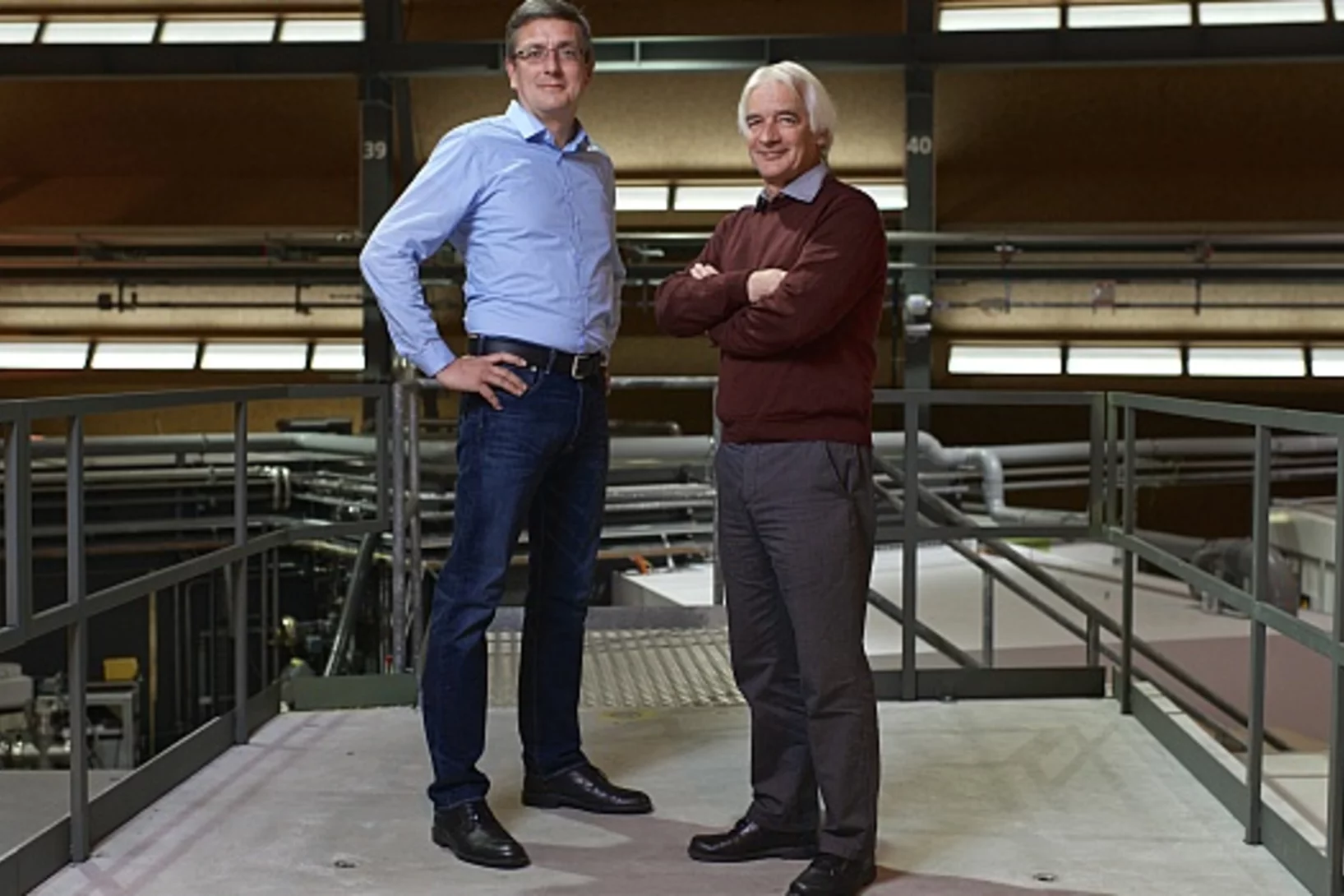
Struktur der Betonkrankheit
entschlüsselt
Wenn Brücken, Staumauern und andere Bauwerke aus Beton nach einigen Jahrzehnten von dunklen Rissen durchzogen sind, dann ist die sogenannte Betonkrankheit die Ursache. Wie das Material, das in diesen Rissen entsteht, auf der Ebene einzelner Atome aufgebaut ist, haben jetzt Forschende des Paul Scherrer Instituts PSI und der Empa entschlüsselt - und dabei eine bislang unbekannte kristalline Anordnung der Atome entdeckt.
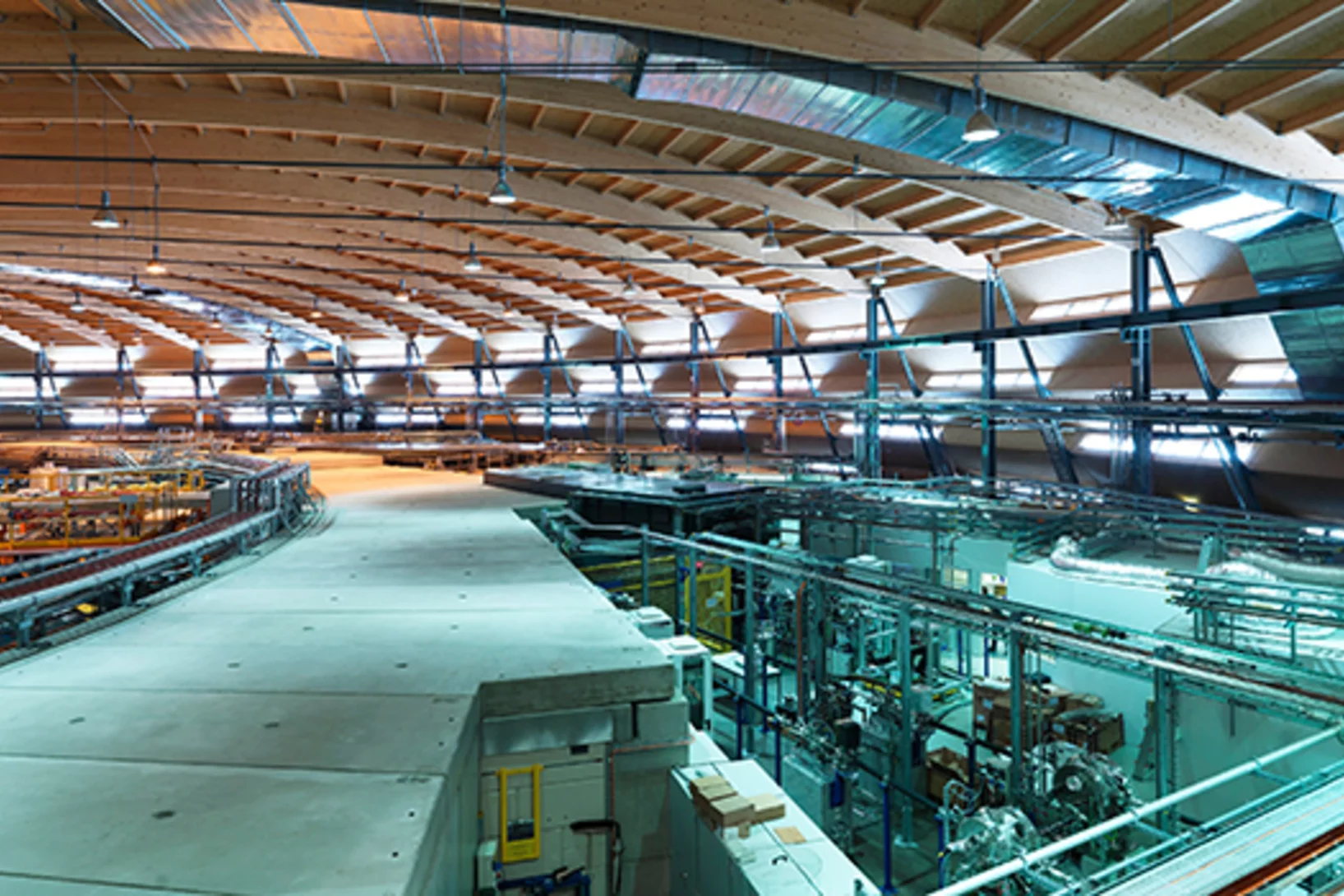
Röntgenforschung im Ufo
Die Synchrotron Lichtquelle Schweiz SLS fällt zuerst durch ihr markantes Gebäude auf. Innen beeindruckt sie mit Spitzenforschung. Ein Streifzug durch die Welt, in der Elektronen Slalomkurse einlegen und Röntgenstrahlen Proteine entschlüsseln.
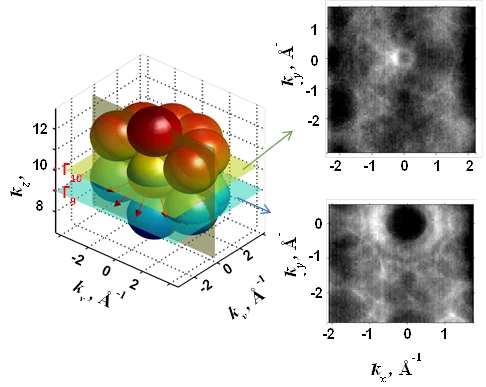
Fermi states and anisotropy of Brillouin zone scattering in the decagonal Al–Ni–Co quasicrystal
Quasicrystals (QCs) are intermetallic alloys where excellent long-range order coexists with lack of translational symmetry in one or more dimensions. These materials have a high potential in application as a material for a solar cells, hydrogen storage applications, heat insulating layers, and others.
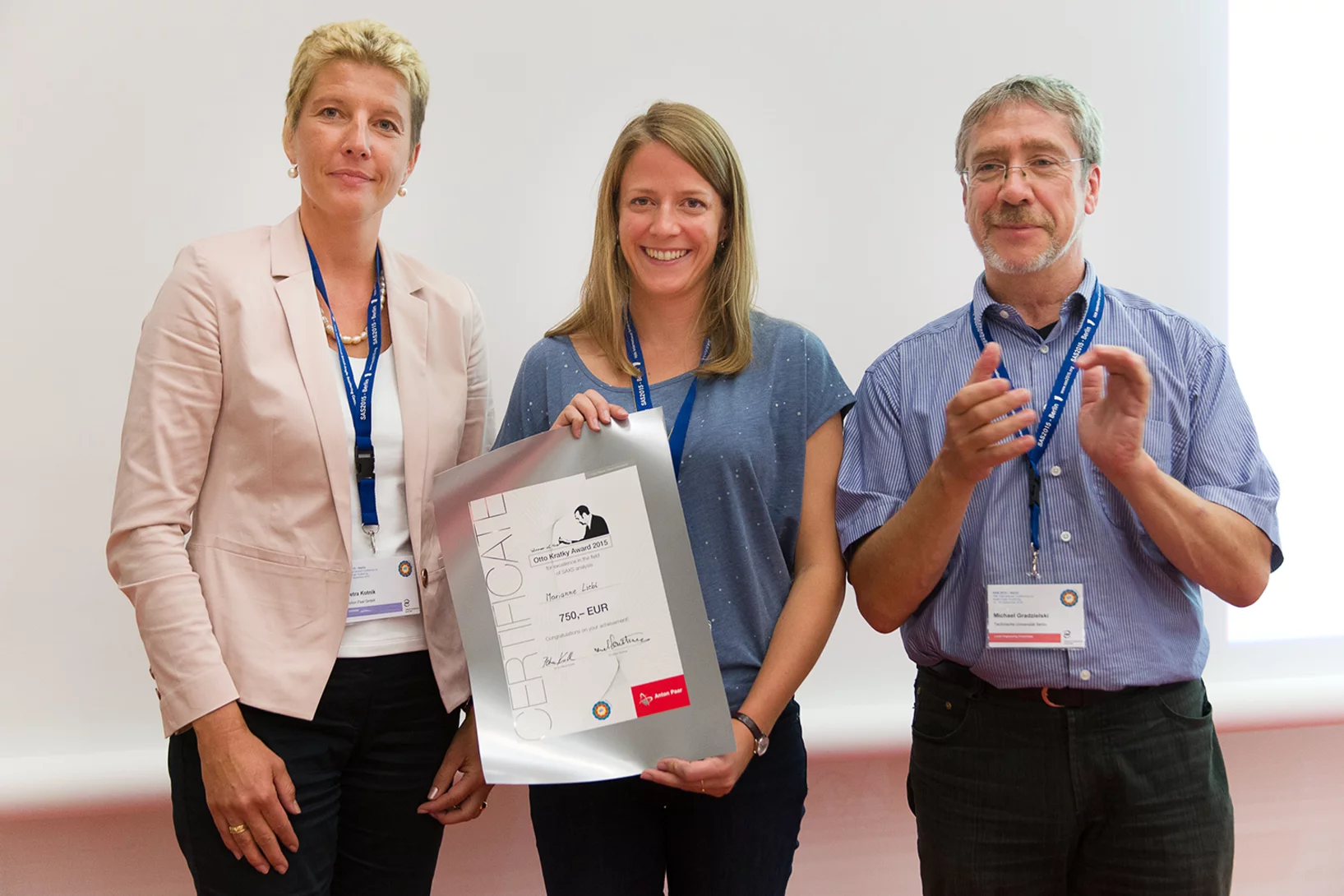
2015 Otto Kratky award
Marianne Liebi was awarded the 2015 Otto Kratky award by the Helmholtz-Centre Berlin for excellence in the field of small-angle X-ray scattering (SAXS) analysis. The award was bestowed in the last SAS2015 conference in Berlin. Marianne is a postdoctoral fellow in the coherent X-ray scattering group (CXS) in PSI, carrying out research in scanning SAXS measurement and analysis in 2D and 3D. Image credit ©HZB/Michael Setzpfandt
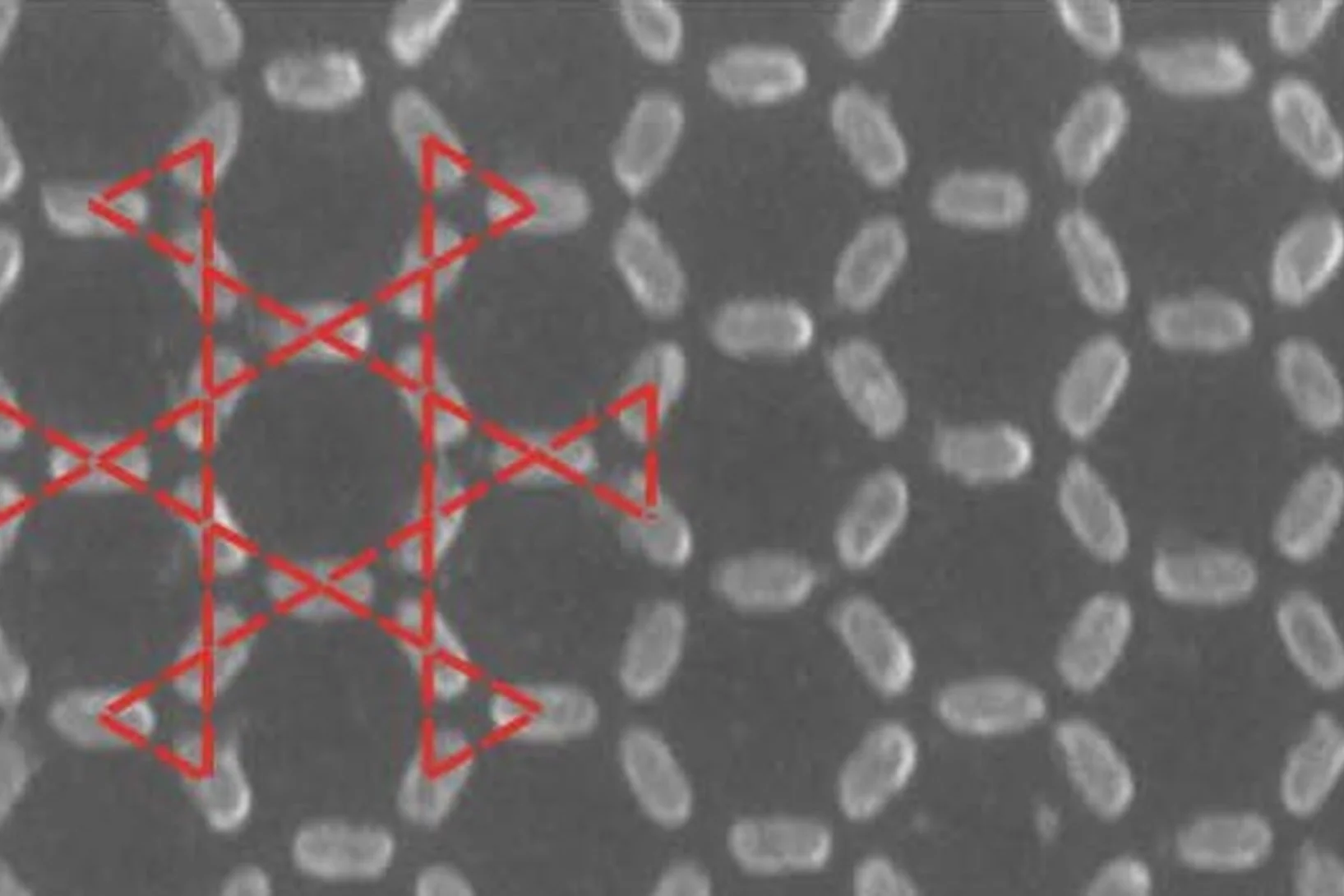
Winzige Magnete imitieren Dampf, Wasser und Eis
Aus einer Milliarde winziger Magnete haben Forschende am Paul Scherrer Institut PSI ein künstliches Material erschaffen, ein sogenanntes Metamaterial. Überraschenderweise zeigt sich nun, dass seine magnetischen Eigenschaften sich je nach Temperatur ändern, so dass es verschiedene Zustände einnehmen kann; ähnlich wie Wasser einen gasförmigen, flüssigen und festen Zustand hat.