Show filters
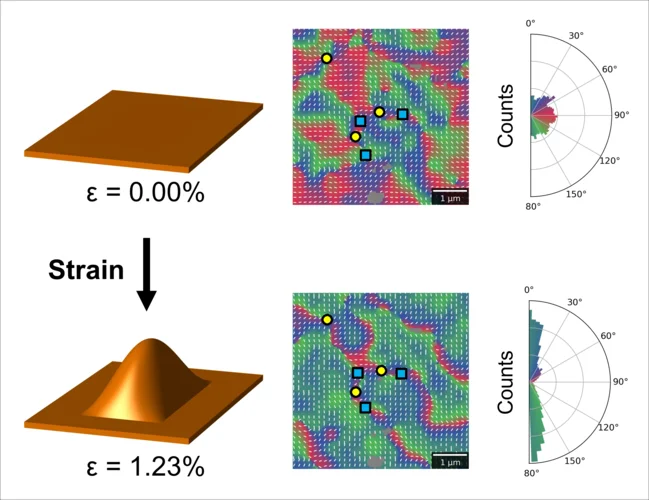
Designing antiferromagnetic domains by stretching membranes in STXM
Researchers from an international collaboration between the United Kingdom and Switzerland have performed imaging of an antiferromagnetic iron oxide membrane using soft X-ray microscopy. By stretching the membranes using a gas cell, the team investigated the modification of domain structures under strain.

Gli ossicini uditivi alla luce dei raggi X: una nuova tecnica rivela le strutture in tempi record
Utilizzando l'esempio di un osso, i ricercatori del PSI stanno dimostrando come sia possibile registrare le strutture dei materiali biologici dalla scala nanometrica a quella millimetrica nel più breve tempo possibile.
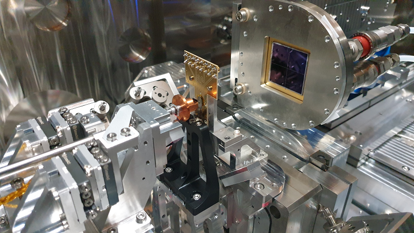
SOPHIE - A new endstation for high-resolution soft X-ray ptychography
A new PSI-designed and built soft X-ray ptychography endstation, SOPHIE, has been successfully commissioned. Routine sub-5nm imaging was demonstrated.
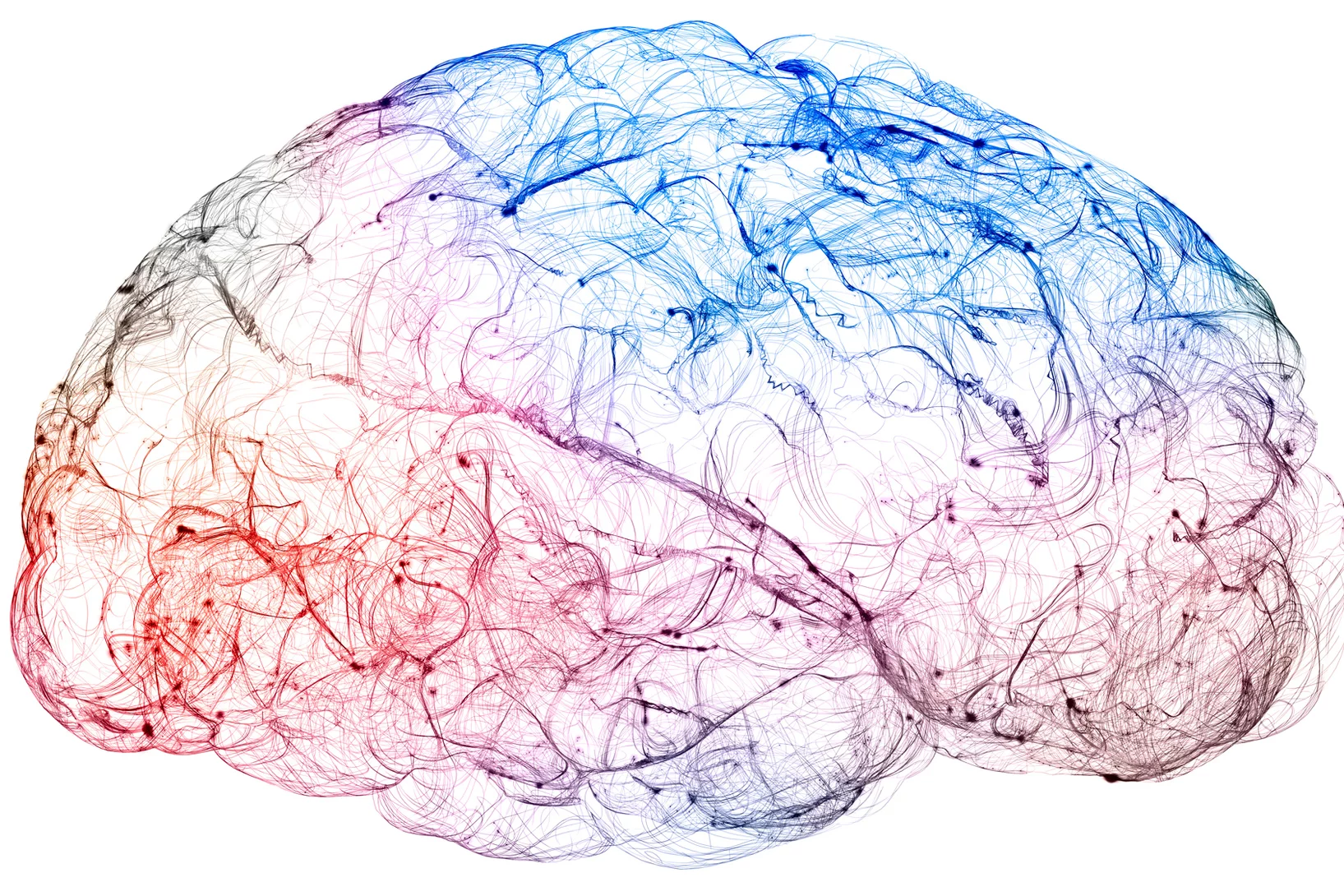
Mappatura cerebrale ad alta risoluzione a portata di mano grazie alla luce a raggi X
Un'innovativa tecnica di imaging potrebbe visualizzare le connessioni all'interno del cervello con una risoluzione 3D senza precedenti.

Coexistence of Insulatorlike Paramagnon and Metallic Spin-Orbit Exciton Modes in SrIrO3
We probe the spectrum of elementary excitations in SrIrO3 by using heterostructured [(SrIrO3)m / (SrTiO3)l] samples to approach the bulk limit. Our resonant inelastic x-ray scattering (RIXS) measurements at the Ir L3 edge reveal ...
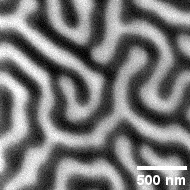
First magnetic image at PolLux with SLS 2.0
First magnetic image acquired at the PolLux beamline of the SLS 2.0 DLSR source

Cuore forte, sensi altamente sviluppati: la chiave della rapida diversità evolutiva dei primi pesci
Le immagini a raggi X di un fossile di 400 milioni di anni fa fanno luce su un momento chiave del nostro primo passato evolutivo
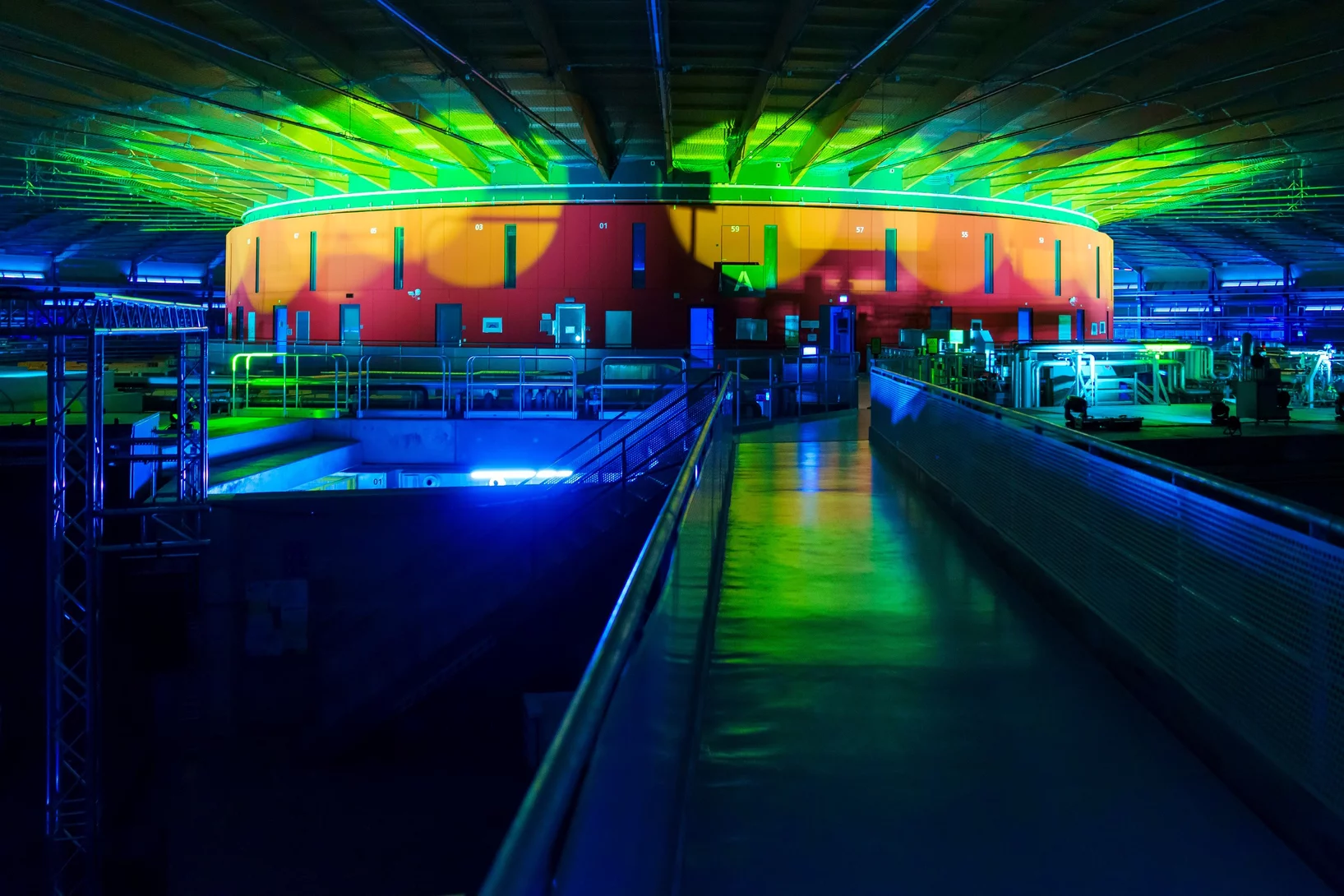
Luminosità per la Svizzera
È stata inaugurata la nuova Sorgente di luce di sincrotrone della Svizzera.
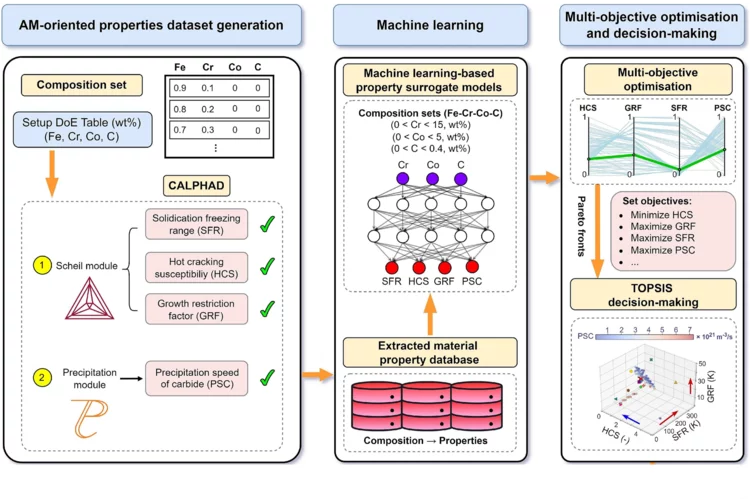
Machine Learning Accelerates Alloy Design for Additive Manufacturing
A new machine learning–designed alloy demonstrates how materials can be tailored for specific performance properties required in additive manufacturing.

Tecnologia di camuffamento fossile alla luce dei raggi X
Le immagini PSI aiutano a decifrare la strategia di caccia di un predatore preistorico.

Zinco rilevato nelle siringhe intasate
Con l'aiuto dei ricercatori del PSI, ANAXAM ha studiato per l'azienda farmaceutica MSD se lo zinco può contribuire all'intasamento delle siringhe pre-riempite.
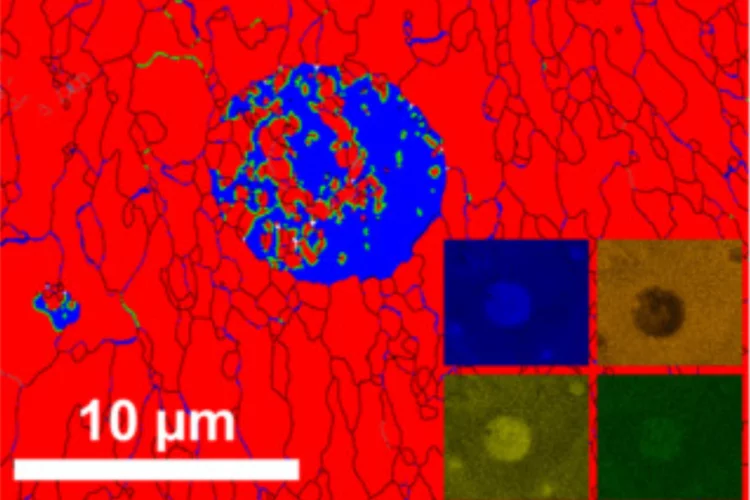
Interfacial Phase Formation in 316L–CuCrZr Hybrids
In-situ X-ray diffraction reveals how phase separation and fluid flow shape microstructure in laser-welded multi-material metal builds.
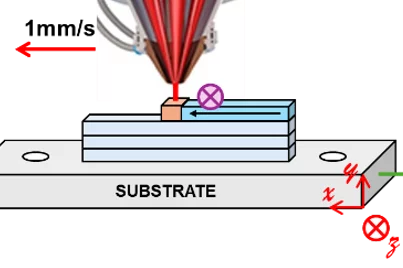
Phase by Phase: How Stainless Steel and IN625 Solidify Together
Where steel meets superalloy: real-time X-ray snapshots reveal how composition and cooling shape metal during 3D printing
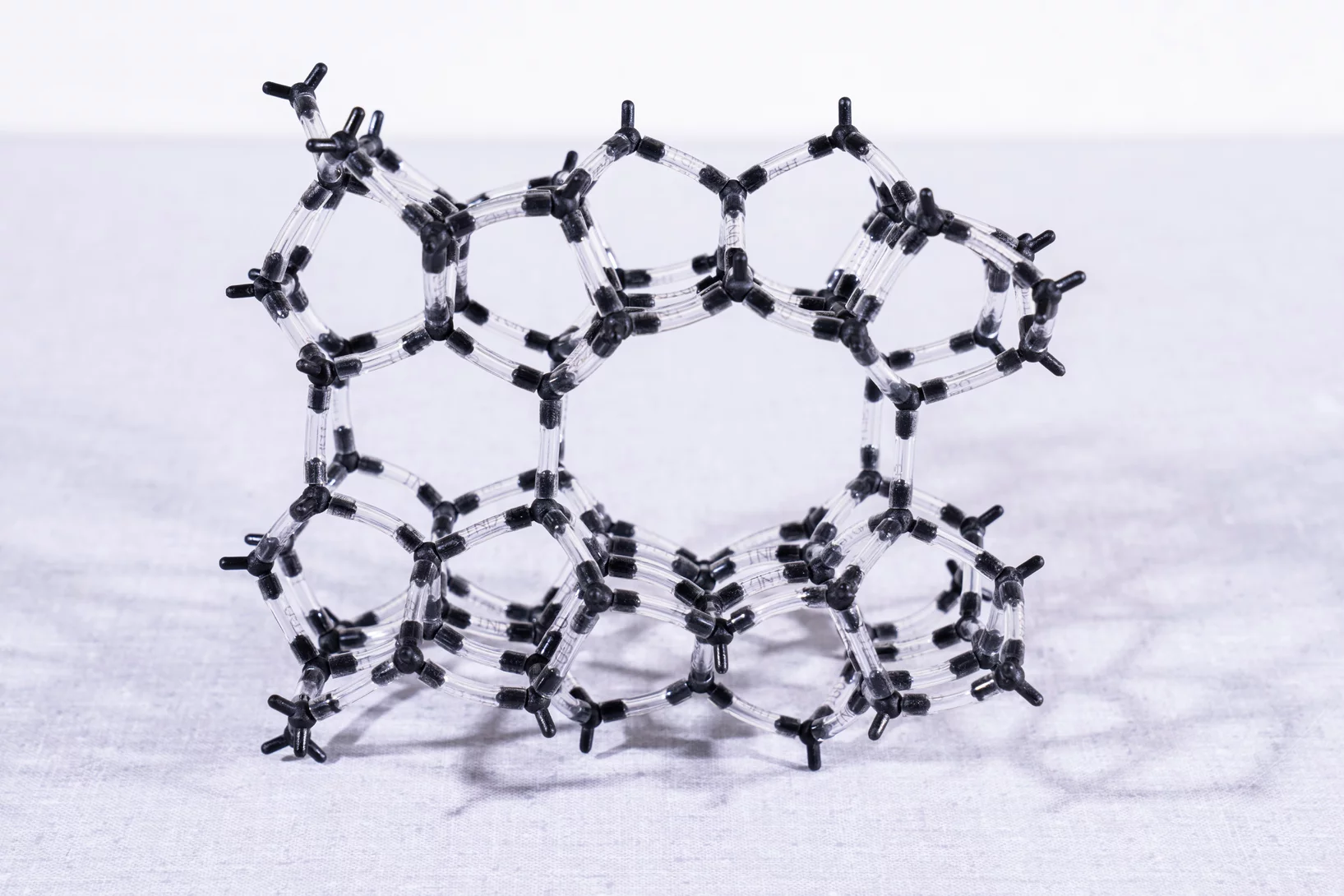
Aluminium sichtbar gemacht
PSI-Forschende haben in Zeolithen erstmals die genaue Lage der Aluminiumatome bestimmt, welche die Materialien zu so guten Katalysatoren machen.
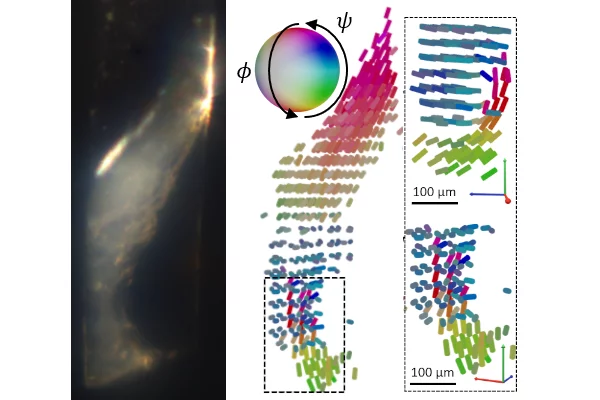
Nanostructure orientation in 3D with visible light by Tomographic Müller-Polarimetric Microscopy
We developed a new method, tomographic Müller-polarimetric microscopy (TMPM), that allows to retrieve at three-dimensional microscopic resolution the nanoscale structural information of the ultrastructure probed with polarized light in a non-destructive manner using a low cost and experimentally simple optical setup.

Antiferrodistortive and ferroeletric phase transitions in freestanding films of SrTiO3
Epitaxially grown thin films are commonly used to strain engineer electronic properties by the choice of a substrate, and therefore do not match bulk properties (leading to properties that deviate from the bulk material). Free standing ultrathin oxide films are expected to preserve the bulk-like properties due to the absence of substrate influence. However, we show that this expectation is not fulfilled with ultrathin free standing SrTiO3, as they get ferroelectric at 80K.
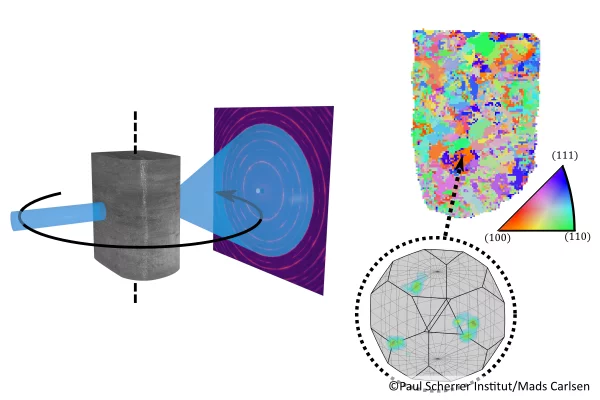
Mapping crystallite orientation in bulk polycrystals
A new experimental technique allows the orientation distribution of small-grained polycrystal materials to me mapped in 3D.
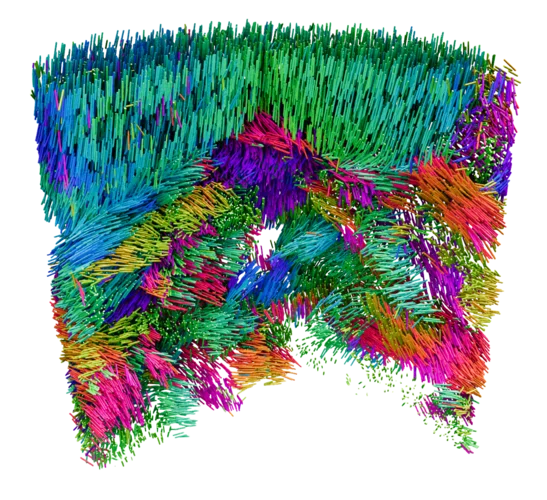
Mapping the Nanoscale Architecture of Functional Materials
A new X-ray technique reveals the 3D orientation of ordered material structures at the nanoscale, allowing new insights into material functionality.
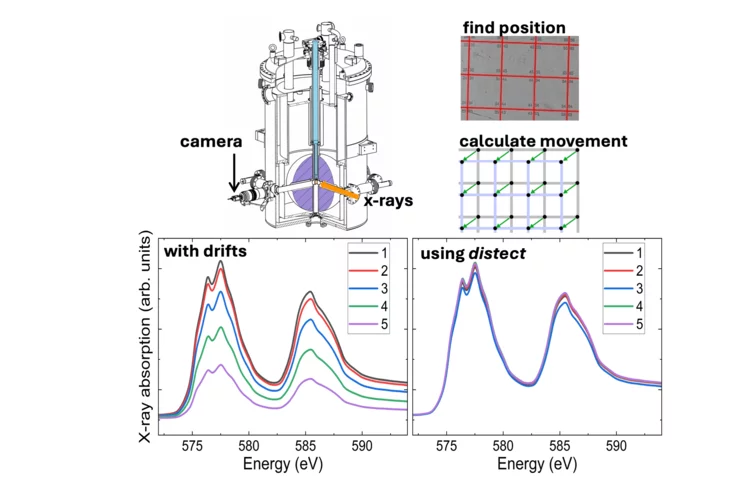
Sample-position tracking using computer vision algorithms
In a collaboration between PSI and the Zurich University of Applied Sciences, a sample position tracking setup based on a computer vision algorithm was developed to automatically track the sample position. A factor of ten improvement on the overlap between consecutive x-ray absorption spectra was obtained when the automatic sample tracking was used.
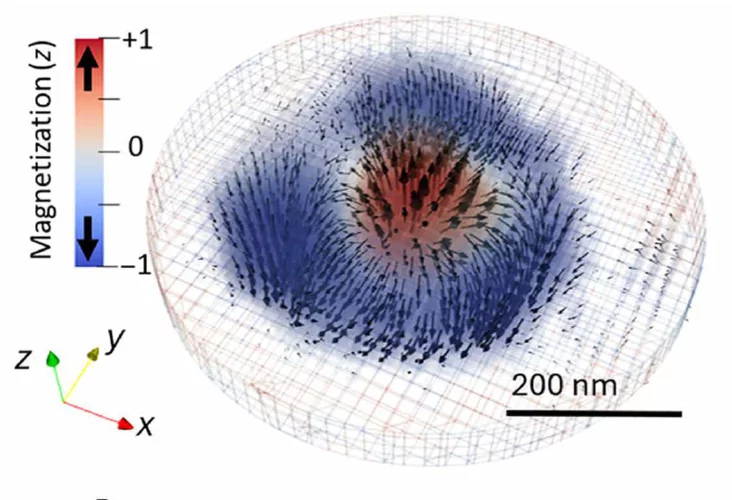
Skyrmion topology quantified in 3D
Researchers from an international collaboration between the United States of America and Switzerland have performed three-dimensional magnetic imaging of a magnetic skyrmion using soft X-ray laminography. This allowed for the investigation, in three dimensions, of the topological profile of the magnetic skyrmions.
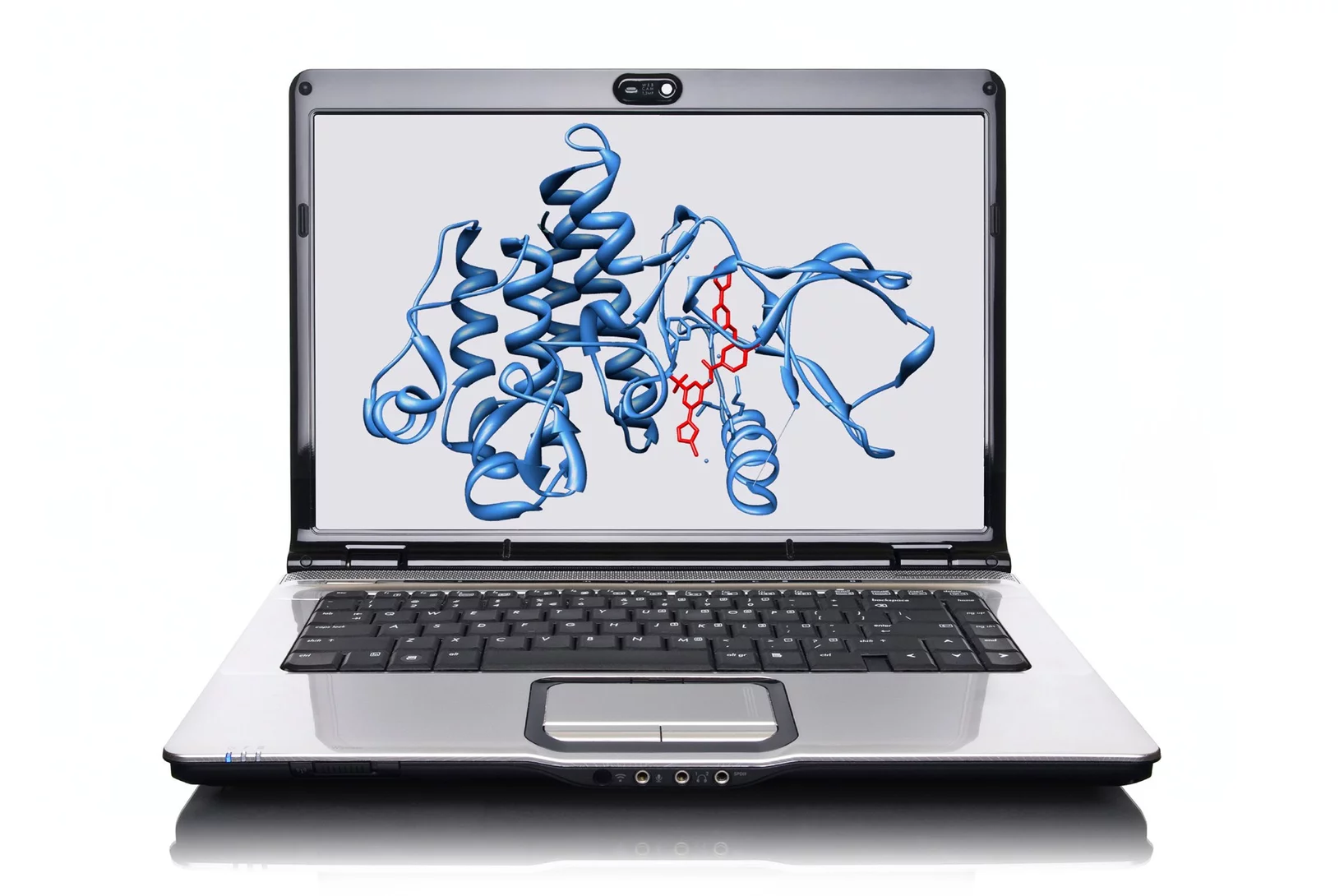
Die Rätsel der Proteine entschlüsseln
Der diesjährige Nobelpreis für Chemie geht an drei Forscher, die entscheidend dazu beigetragen haben, den Code der Proteine – wichtige Bausteine des Lebens – zu knacken. Doch damit aus diesem Wissen auch Anwendungen zum Beispiel in der Medizin entwickelt werden können, braucht es Forschungsinstitute wie das PSI.
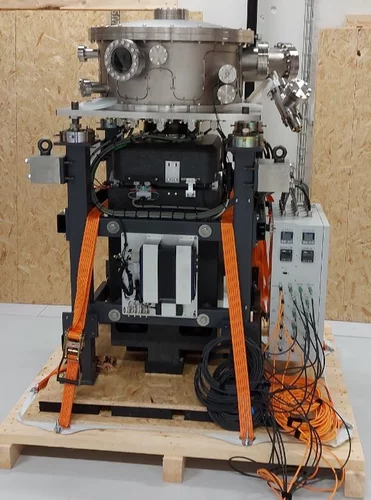
New Monochromators for SLS 2.0
The brand-new monochromators that have been built by XDS Oxford for the hard X-ray beamlines at SLS 2.0 have now arrived. They were unpacked beginning of the week, and are currently being tested in our new lab space at Park Innovaare. These advanced instruments will play a crucial role in enhancing the beamline performance, ensuring superior precision and efficiency in the upcoming experiments.
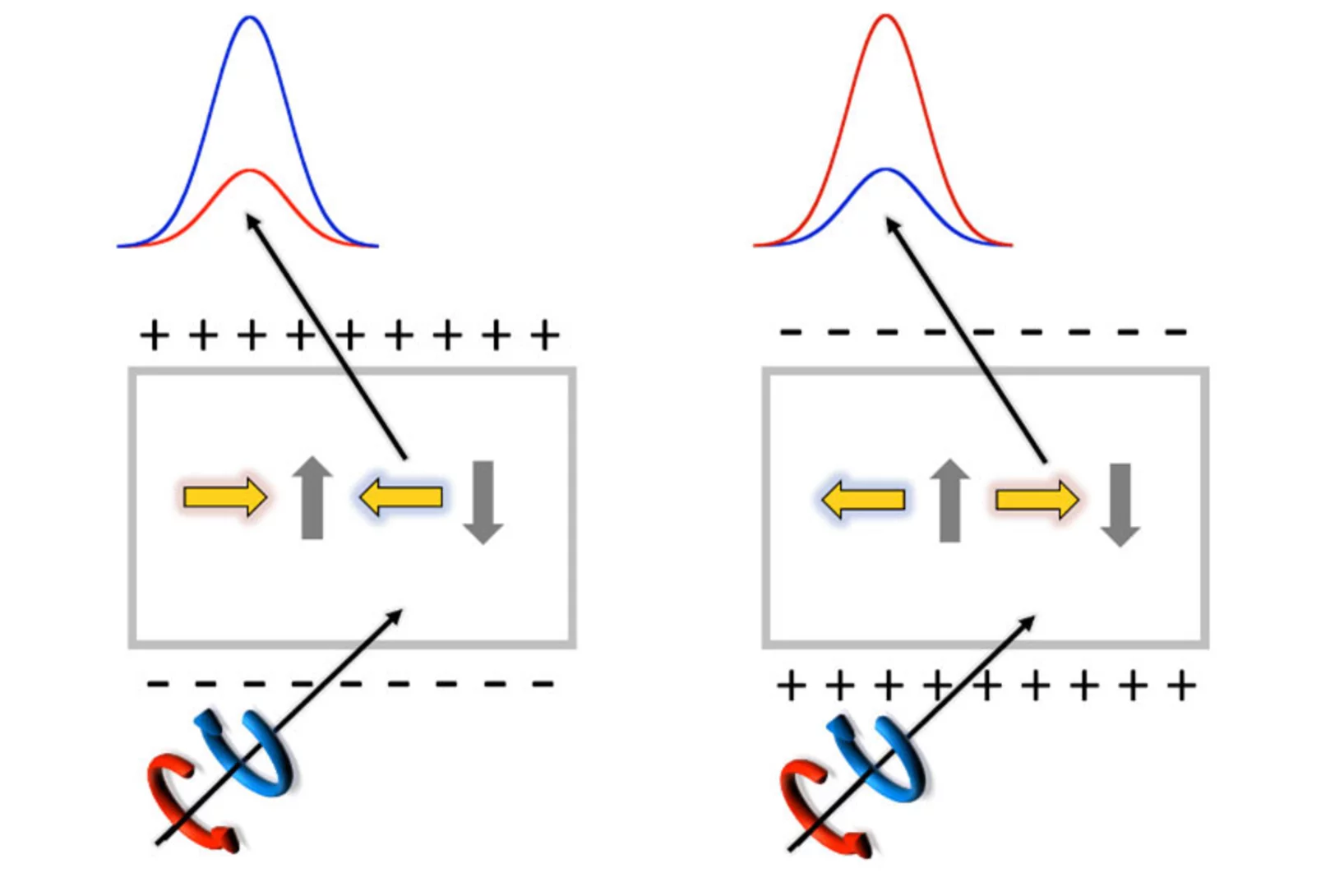
Elusive multiferroicity in RNiO3 perovskites
In our recent paper we examined YNiO3 and proved that the RNiO3 type material known for its metal-insulator transition is in fact a type II multiferroic. We provide direct evidence of an electric-field-driven switch of the noncolliear magnetic state finally confirming the proposed type II multiferroic nature of YNiO3.
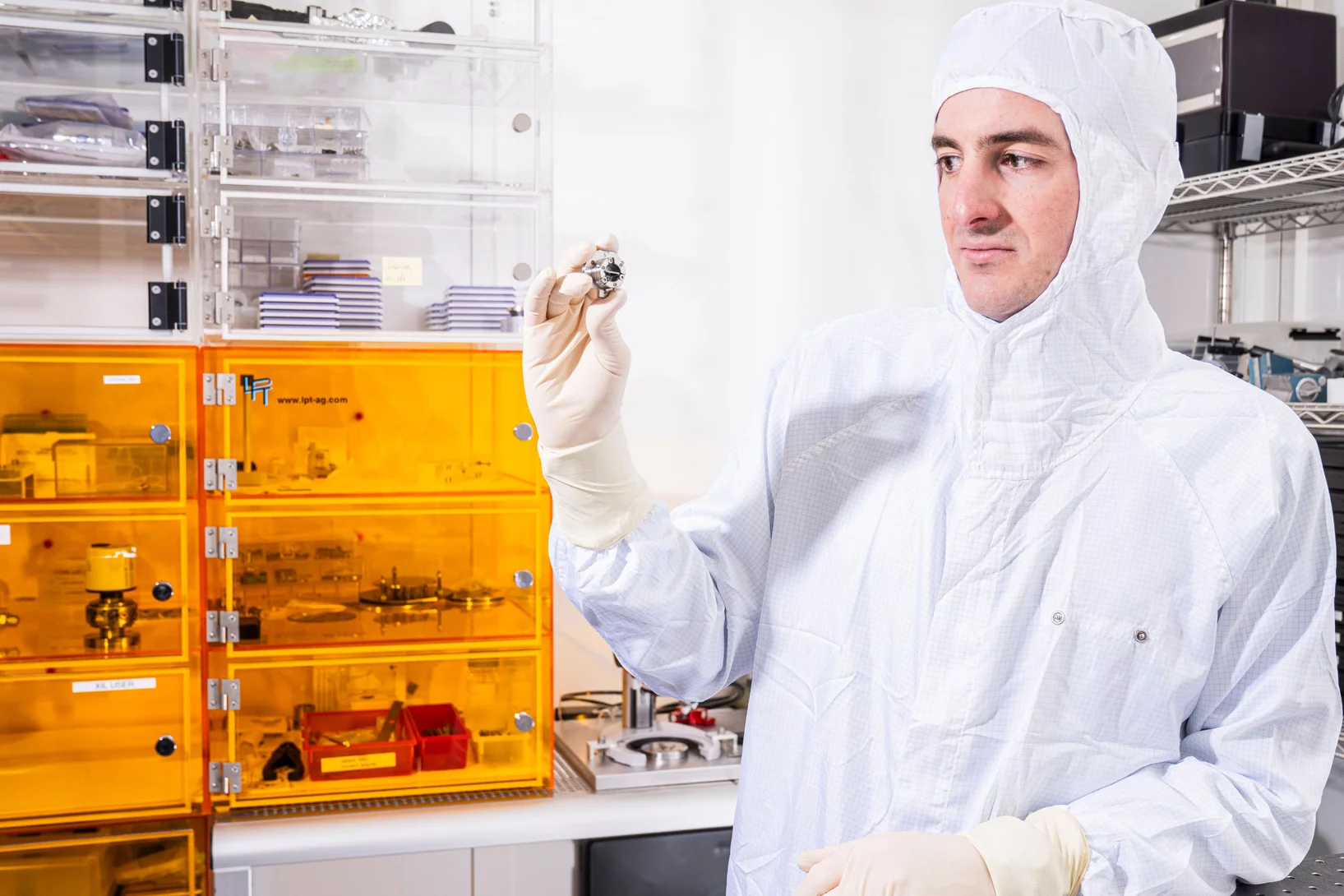
Forschende zeigen, dass Computerchips noch kleiner werden könnten
Forscher am PSI erreichen mit EUV-Lithografie eine noch nie dagewesene Auflösung von 5 Nanometern (half pitch).

Neuer Röntgenweltrekord: Blick in einen Computerchip auf 4 Nanometer genau
Mit einer Rekordauflösung von 4 Nanometern gelang es Forschenden am PSI, die räumliche Struktur eines Computerchips mithilfe von Röntgenlicht abzubilden.
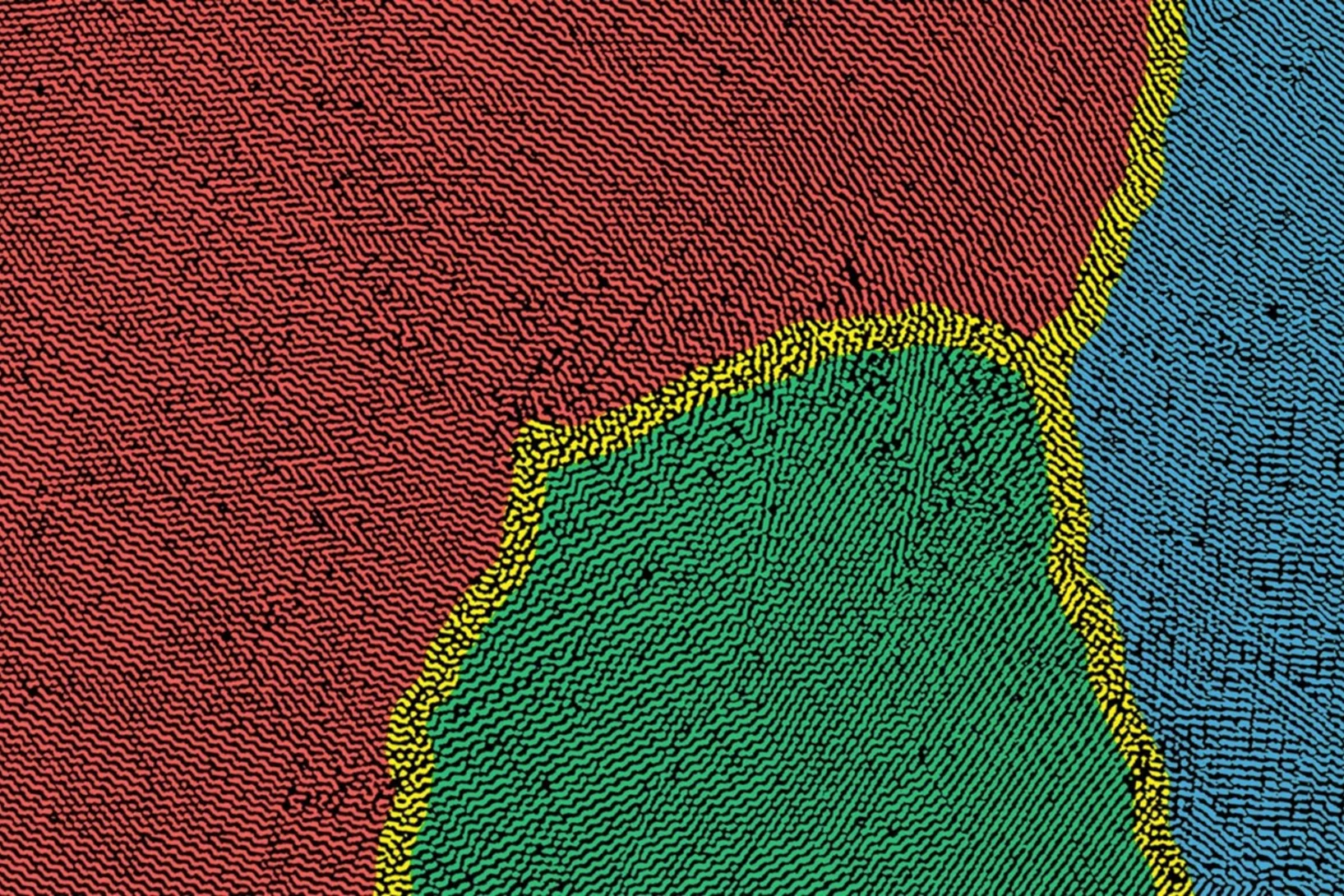
Nanoimaging Reveals Topological Textures in Nanoscale Crystalline Networks
X-ray nano-tomography reveals collective behavior in synthetic self-assembled nanostructures. The new method opens opportunities for the synthesis of photonic and plasmonic materials with improved long-range ordering.

Installation of the first two front ends for the SLS2.0 completed
At the Swiss Light Source SLS of the Paul Scherrer Institute, another important step has been taken towards the completion of the SLS 2.0 upgrade project.
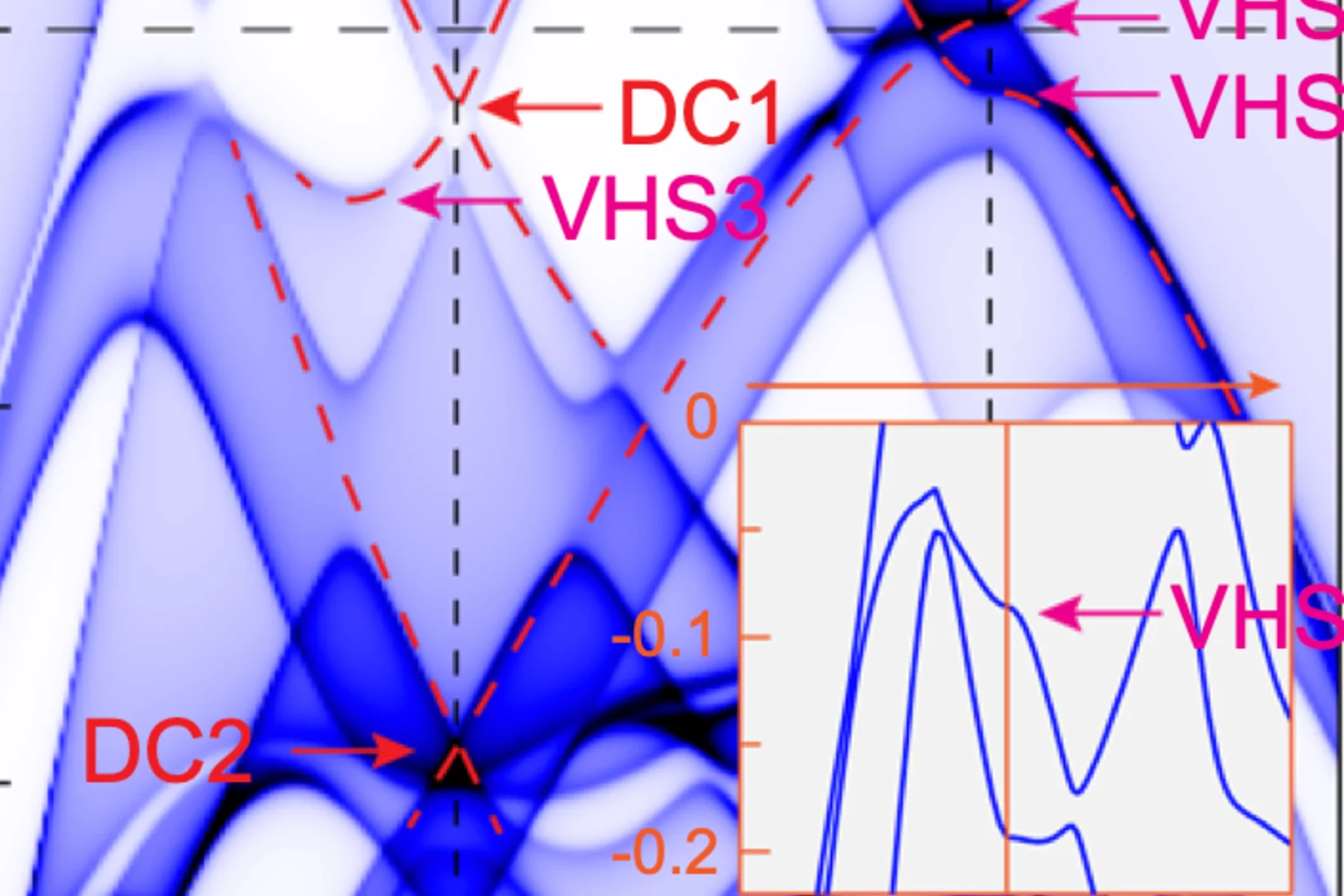
Phonon promoted charge density wave in topological kagome metal ScV6Sn6
Charge density wave (CDW) orders in vanadium-based kagome metals have recently received tremendous attention, yet their origin remains a topic of debate. The discovery of ScV6Sn6, a bilayer kagome metal featuring an intriguing √3 × √3 × √3 CDW order, offers a novel platform to explore the underlying mechanism behind the unconventional CDW. Here we combine ...
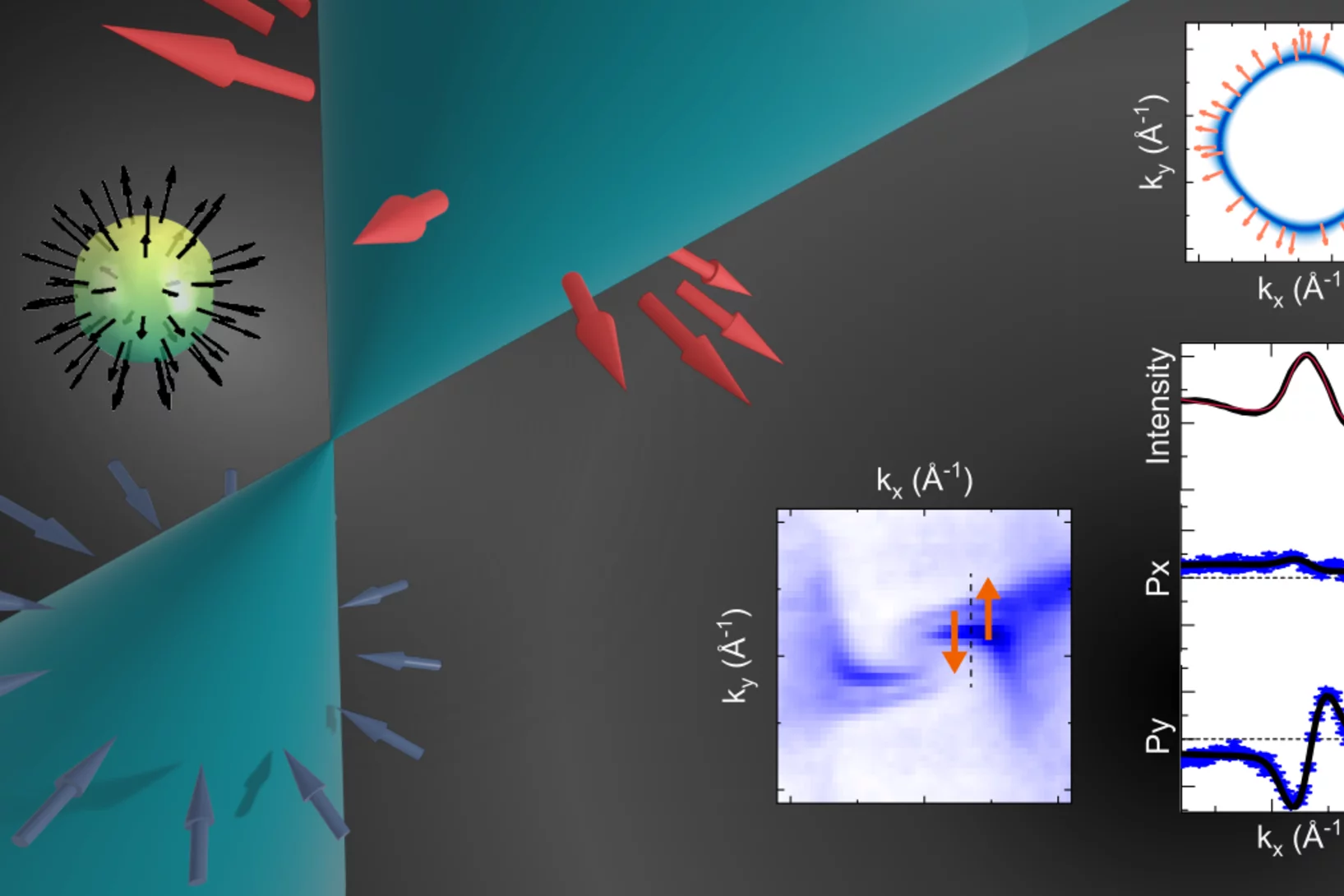
Weyl spin-momentum locking in a chiral topological semimetal
Spin–orbit coupling in noncentrosymmetric crystals leads to spin–momentum locking – a directional relationship between an electron’s spin angular momentum and its linear momentum. Isotropic orthogonal Rashba spin–momentum locking has been studied for decades, while its counterpart, isotropic parallel Weyl spin–momentum locking has remained elusive in experiments. Theory predicts ...

Grundlegend anders
Künstliche Intelligenz hilft dabei, unvorstellbar grosse Datenmengen effizient auszuwerten und das volle Potenzial der Grossforschungsanlagen auszuschöpfen.
PSI Scientific Reports
Archive 2006-2012. The Scientific Reports – containing accounts of research topics from all the different areas – provide an impression of the variety of subjects researched at PSI.