
Show filters
De l’hydrogène bleu peut protéger le climat
La clé: éviter les fuites.

«Price tags» of the Swiss energy transition
NZZ am Sonntag has picked up this highlight in its issue on March 7th, 2021: The highlight refers to the analysis performed in SCCER Joint Activity Scenarios and Modelling, where PSI-LEA performed the analysis of the energy transition pathways.
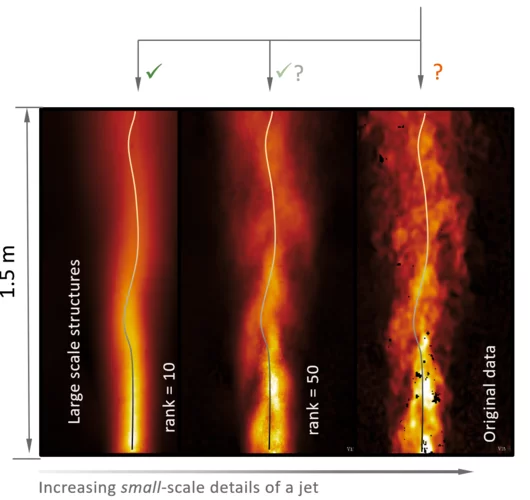
Analysis of a large-scale turbulent round jet
The entire study is an investigation into the self-similarity behavior [1] of first and second order statistical quantities derived from a large-scale jet flow taken from one of the experiments in the PANDA facility using the Proper Orthogonal Decomposition (POD).
What is presented, are the merits, the potential and the characteristics of the corresponding underlying POD analysis. Proper Orthogonal Decomposition (POD) is a mathematical framework to extract large-scale structures which are otherwise eventually masked by the complexity of the fully turbulent flow; example: the meandering of a jet which is not so obvious for the original data.
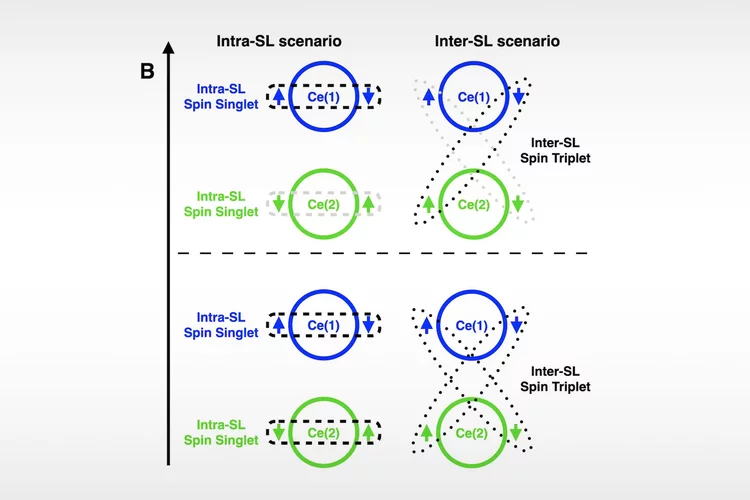
Two scenarios for superconductivity in CeRh2As2
CeRh2As2, a nonsymmorphic heavy fermion material, was recently reported to host a remarkable temperature versus z-axis magnetic-field phase diagram with two superconducting phases. In this material, the two inequivalent Ce sites per unit cell, related by inversion symmetry, introduce a sublattice structure corresponding to an extra internal degree of freedom. In this work, we propose a classification of the possible superconducting states in CeRh2As2 from the two Ce-sites' perspective.
«Sans ces technologies, nous aurons du mal à atteindre nos objectifs climatiques»
Pour la neutralité climatique, l’utilisation de technologies qui retirent du CO2 de l’atmosphère est nécessaire.
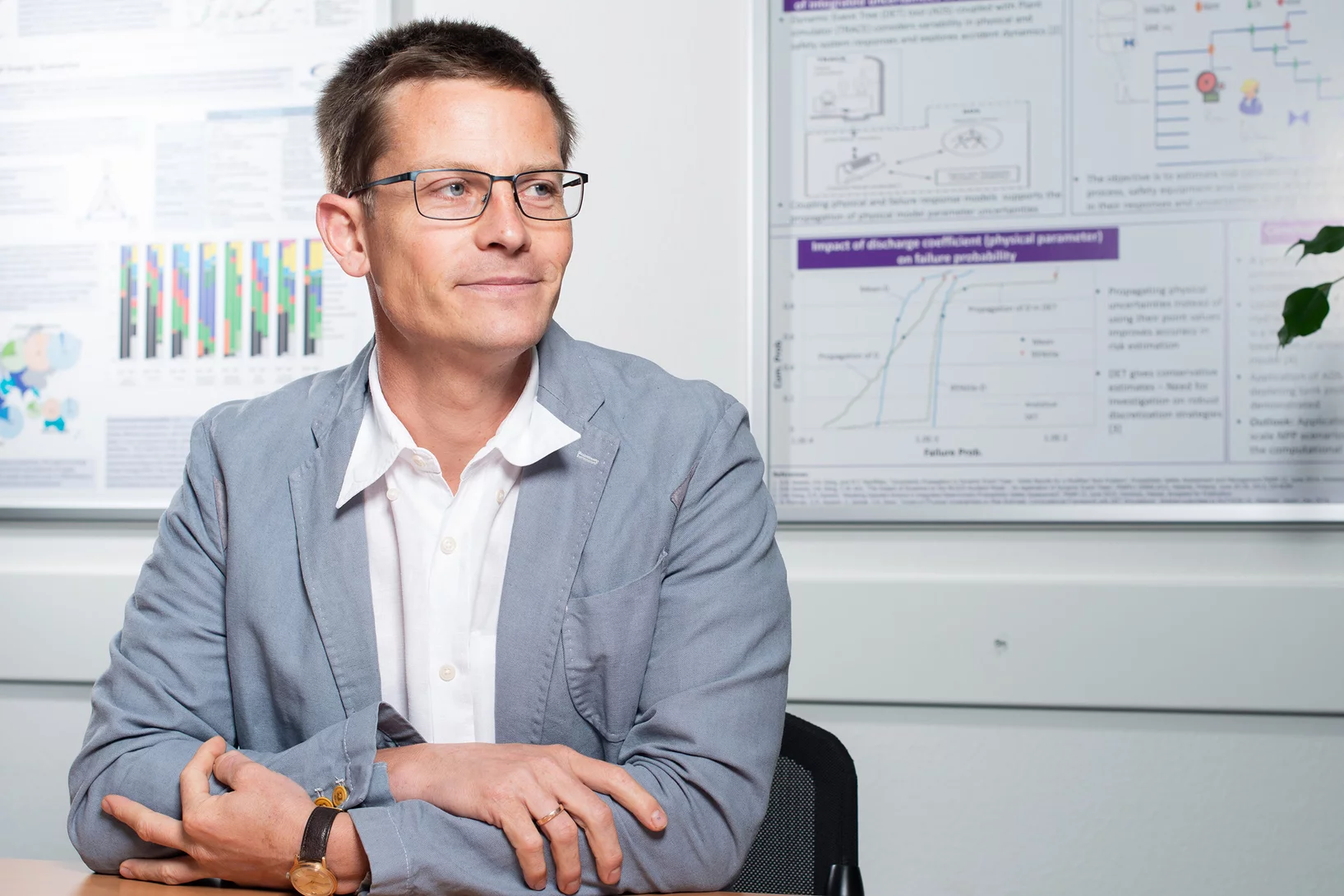
Rendre l’approvisionnement énergétique en Suisse plus résilient
Le projet de recherche SURE démarre.
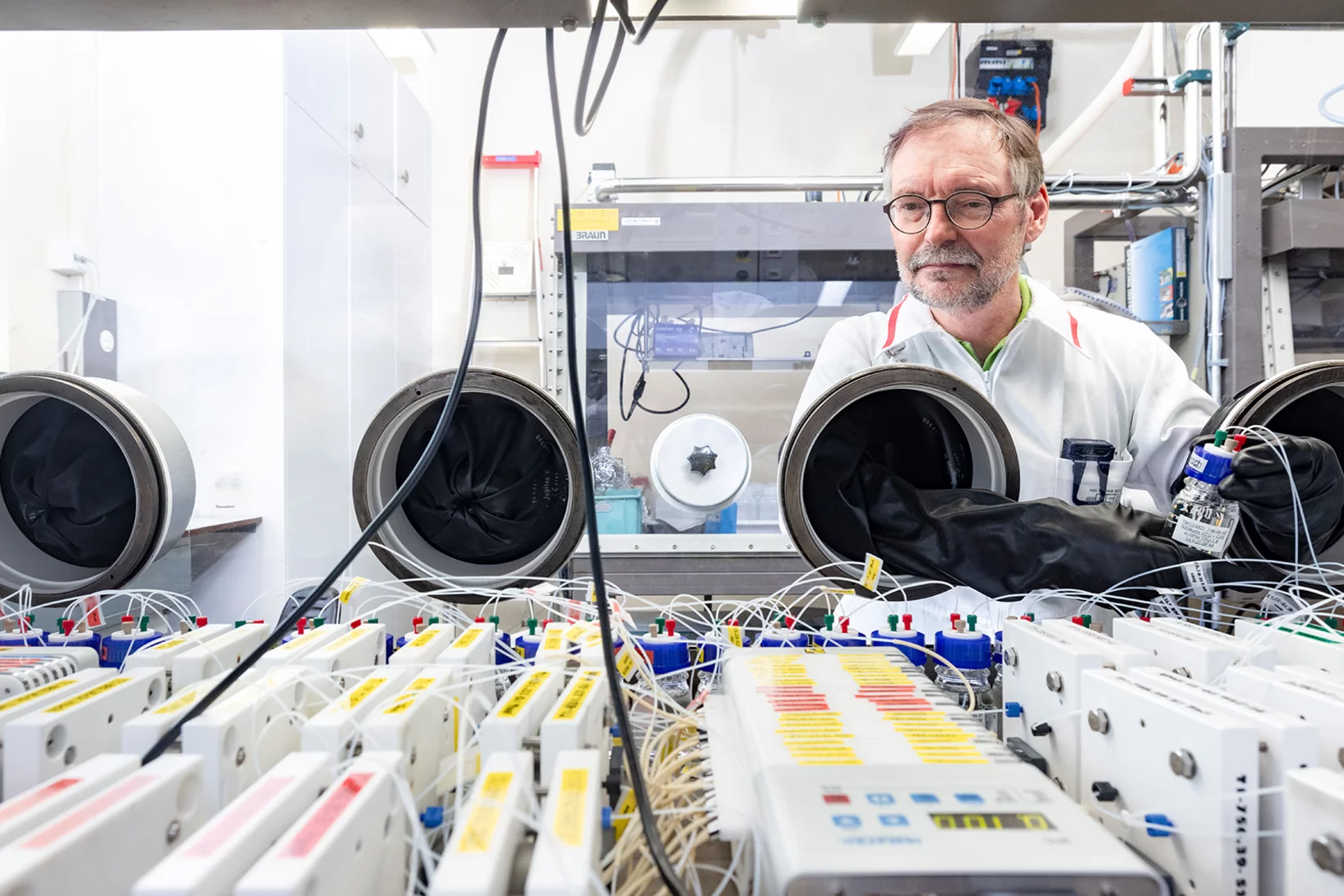
Stockés en toute sécurité pour un million d’années
La Suisse prévoit de construire, d’ici 2050, un dépôt en couches géologiques profondes pour ses déchets radioactifs. Des chercheurs du PSI contribuent à identifier le site le plus adéquat.
Le tournant énergétique en Suisse
La Suisse réussira-t-elle comme prévu à ramener à zéro ses émissions de CO2 d’ici 2050? Quelles seraient les mesures nécessaires pour atteindre cet objectif? Et combien cela pourrait-il coûter?
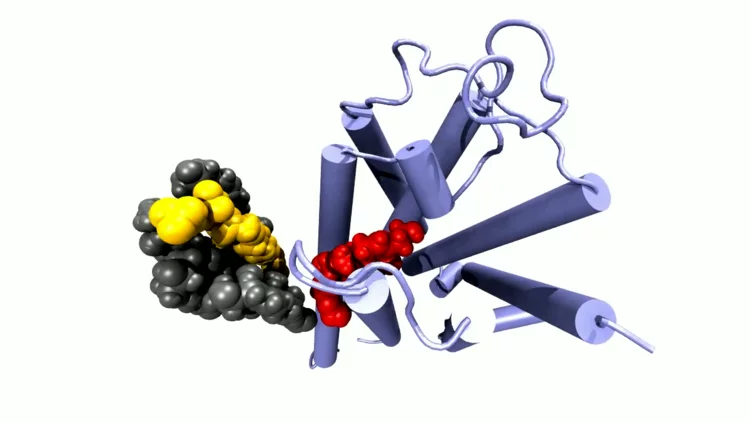
Regarder les protéines des récepteurs se courber
Les récepteurs couplés aux protéines G servent de médiateurs dans l'organisme. Dans une interview Ramon Guixà explique comment il donne vie aux molécules réceptrices à l'écran.
Nouveau plan de construction pour des ordinateurs quantiques plus stables
Des chercheurs du PSI ont montré comment des bits quantiques plus rapides et plus précis peuvent être créés. Leurs idée centrale est d'introduire de manière ciblée des atomes magnétiques de la classe des terres rares dans le réseau cristallin d’un matériau.

Weissbuch Radiochemie Schweiz
In December 2020, the Swiss Academy of Sciences (SCNAT) published its white book on radiochemical education in Switzerland. The report was authored under the lead of Prof. Dr. Roger Alberto (University of Zurich), Dr. Mario Burgener (Spiez Laboratory), and Prof. em. Dr. Heinz W. Gäggeler (University of Bern/Paul Scherrer Institute) and comprises contributions from many experts on the topic from various institutions throughout Switzerland. The white book highlights the imminent loss of experts in the field of radiochemistry and provides solutions to counteract this development.
Radiochemistry at ETH Zurich
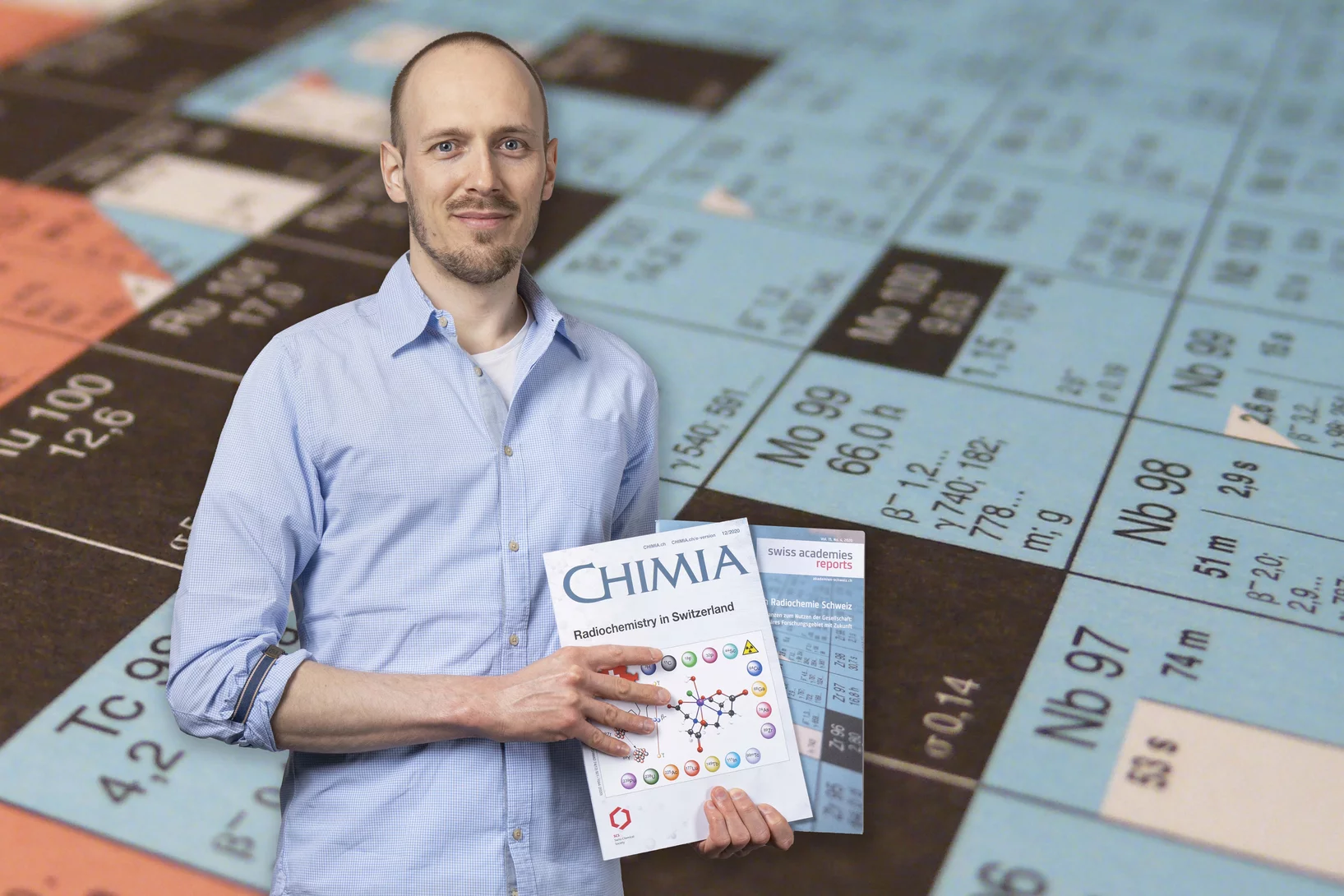
As of December 10, 2020, the ETH Zurich appointed PSI’s Prof. Dr. Patrick Steinegger as assistant professor of radiochemistry (tenure track). Thus, the ETH domain took first counter measures against the imminent loss of radiochemical expertise in Switzerland, emphasized in the “Weissbuch Radiochemie Schweiz” by the Swiss Academy of Sciences (SCNAT). Furthermore, the December issue of CHIMIA (Swiss Chemical Society) invited to present the diverse radiochemical activities throughout the country.
CHIMIA: Radiochemistry in Switzerland
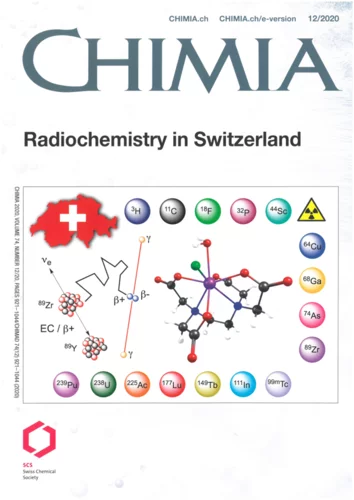
The December issue of CHIMIA of the Swiss Chemical Society (SCS) focused on the radiochemical activities throughout Switzerland. Scientists of the Laboratory of Radiochemistry contributed with a number of articles ranging from topics of fundamental sciences to applied research, thereby reflecting on the diverse projects carried out in our laboratory.
New element and speciation specific analytical options at AHL
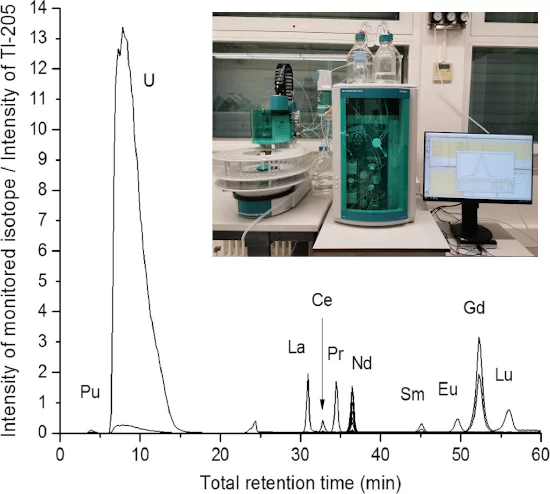
The Hot Laboratory division (AHL) within PSI’s Nuclear Energy and Safety (NES) division continually upgrades and advances its analytical infrastructure to provide cutting-edge scientific service to PSI’s researchers and industrial customers. A new, fully automatable and highly flexible Ion Chromatograph (IC) furthers AHL’s efforts in sample miniaturization and extends the spectrum of destructive analytical capabilities to element and speciation specific analyses. With the new IC and its modern ICP-MS (Inductively Coupled Plasma Mass Spectrometry) facilities, AHL offers innovative scientific options for nuclear and general research. Moreover, speciation analyses by IC-ICP-MS for polyvalent inorganic water pollutants such as Cr or As and the acquisition of a new ICP-OES system (Inductively Coupled Plasma Optical Emission Spectrometry) enable future autonomy in wastewater management.

Deep geological disposal of radioactive waste in clay rocks
Geological waste disposal, cement clay interaction
• A considerable reduction of HTO and 36Cl− was observed after 6 years interaction.
• The chloride flux showed a much stronger reduction compared to HTO.
• For HTO the relation between the De and the porosity in the clay part can be described using Archie's law.
• No complete clogging of the porosity was observed after 6 years interaction.
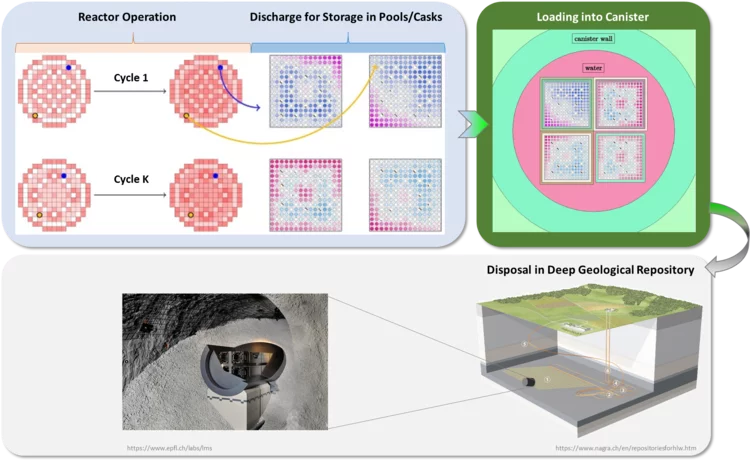
Used Nuclear Fuel: from Better Characterization to Better Optimization
A safe, economical and environmental friendly disposal of used nuclear fuel represents an essential objective of relevance for all. This guides the approach under development at the laboratory for reactor physics and thermal-hydraulics. Establish higher resolution simulation methods to gain more detailed knowledge on the content of each single nuclear fuel rod ever irradiated in a reactor. Thereafter, use this knowledge to explore optimization approaches that could potentially enlarge the range of disposal options allowing to fulfill the highest level of safety standards while reducing economical costs and geological footprints at the same time.

Hydrogen uptake into Zr-based fuel claddings
At the hot surface of a fuel rod cladding in the reactor water, the water is partially dissociated in hydrogen and oxygen, leading to corrosion of the cladding and to the uptake of a part of the created hydrogen. Hydrogen in solid solution and in precipitated form changes the mechanical properties of the cladding tube. The uptake of the hydrogen through the dense oxide layer is unclear. The structure and physical properties of the oxide near the metal-interface is critical The resistivity of the oxide increases with distance from the interface. Nb-containing alloys show lower resistivity in the oxide close to the metal interface, and exhibit a lower hydrogen pick-up. The time in the reactor is an important factor, leading to increasing resistivity in the oxide close to the metal interface, and a higher hydrogen uptake late in life.
Relevance of the findings: considering resistivity, the model of hydrogen uptake is better understood, revealing hints for further cladding development.

Bilan écologique des voitures: un nouvel outil web pour aider les particuliers et les chercheurs
Aide à la décision lors de l’achat d’un véhicule: des chercheurs de l’Institut Paul Scherrer ont développé un outil web baptisé Carculator qui permet de comparer en détail le bilan écologique des voitures.
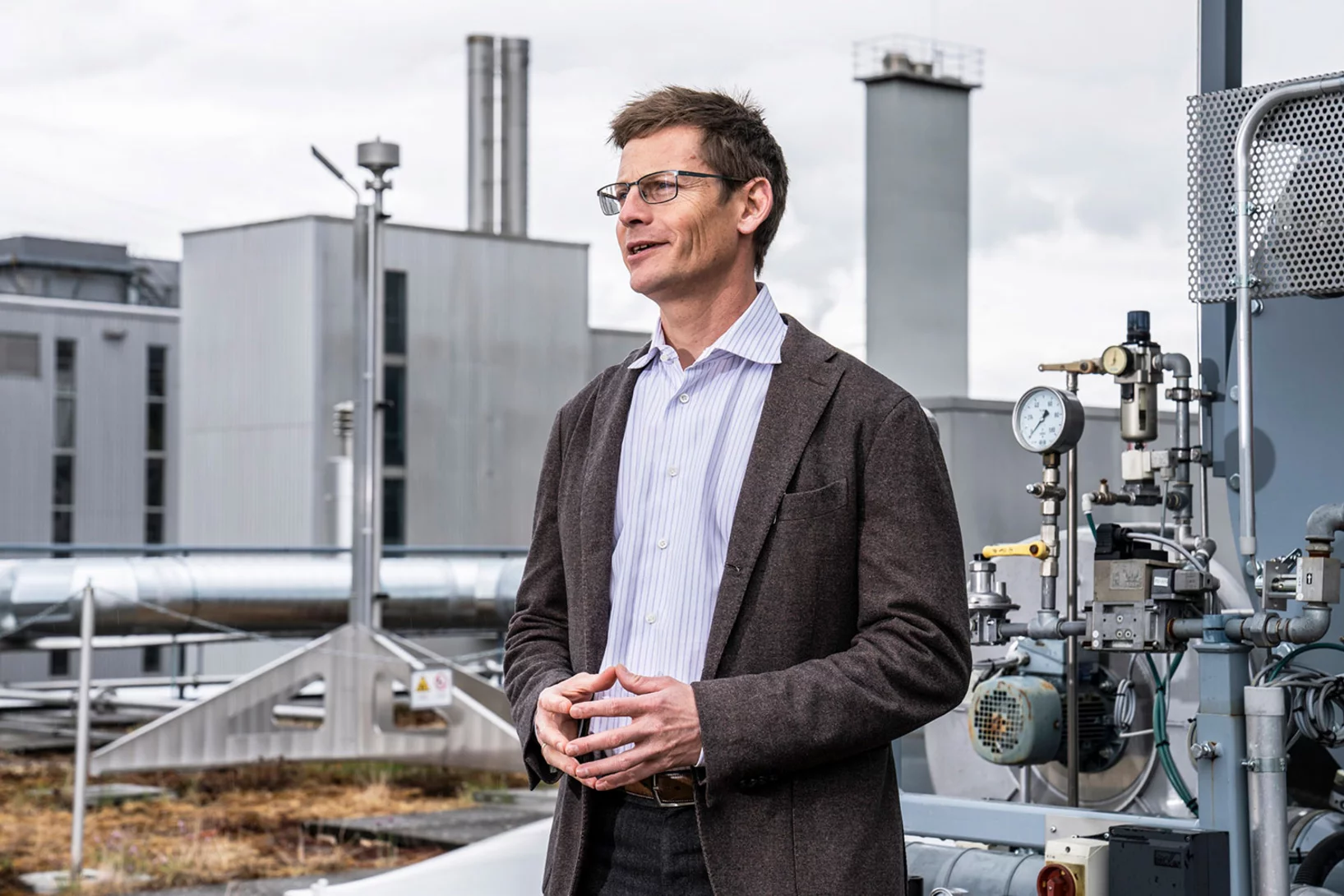
Evolutions à long terme des prix de l’énergie et de la consommation énergétique dans l’industrie
Les chercheurs de l'Institut Paul Scherrer PSI ont étudié, dans le cadre d'un projet de recherche parrainé par l'Office fédéral suisse de l'énergie (OFEN), l’évolution de la consommation énergétique de l’industrie suisse en fonction des prix de l’énergie. Ils concluent, entre autres, que les augmentations de prix dans le domaine de l’énergie ont un impact uniquement à long terme sur la consommation d’énergie.

«Dès aujourd’hui, la voiture électrique est le bon choix»
Une interview sur les propulsions des véhicules avec Christian Bauer est scientifique au Laboratoire d’analyse des systèmes énergétiques du PSI.

Priorité aux voitures électriques
À moteur à essence, à moteur diesel, à pile à combustible ou tout électrique: quelle est la voiture ayant le plus d’avenir? Une étude du PSI a analysé le bilan climatique des différentes propulsions disponibles. Et s’est aussi projetée en 2040.
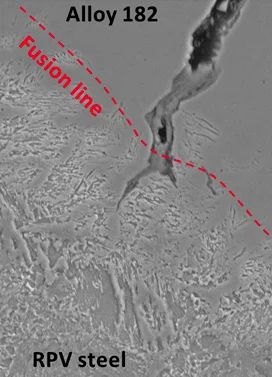
Assessment of stress corrosion cracking incidents in Alloy 182 – reactor pressure vessel dissimilar metal welds
Several stress corrosion cracking (SCC) incidents recently occurred in Alloy 182 - reactor pressure vessel (RPV) dissimilar metal welds in boiling water reactors (BWR). These SCC cracks tend to grow towards the RPV due to weld microstructure and residual stress profiles and might grow into the RPV. They thus represent a serious potential safety concern. PSI has evaluated under which conditions such cracks could grow into the RPV and also developed SCC crack growth disposition curves for the RPV steels that can be used for safety assessments of such cracks. With these curves that were recently accepted as a new Code Case N-896 in the ASME Boiler and Pressure Vessel Code, sufficient safety margins could be demonstrated for such crack configurations with the current inspection intervals of the periodic in-service inspection.
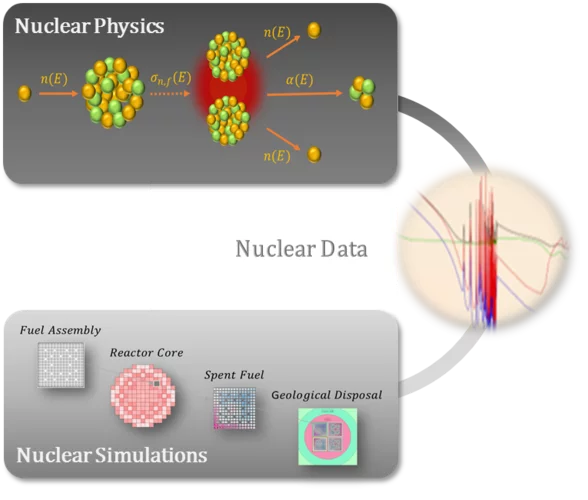
Nuclear Data – Towards a Stronger Link between Nuclear Physics and Nuclear Simulations
All matter in the universe is made of atoms and all atoms are made of particles. Spontaneous changes within atoms as well as collisions between atoms and surrounding particles are nuclear reaction processes guided by nuclear physics laws. To simulate these processes using computer models, probabilities for the various involved nuclear reactions are required. This is precisely the role of nuclear data: supply the computational models with evaluated quantities representing these nuclear reaction probabilities.
Through this, nuclear data can effectively be seen as the fundamental link between nature and any computer simulation involving nuclear reactions. It is thus of primary importance to continuously improve knowledge on nuclear data. In that context, researchers at the laboratory for reactor physics and thermal-hydraulics have recently focused on the development and application of Bayesian frameworks combining both differential and integral experiments for the improvement of nuclear data. By considering the different experiments together, the aim is to achieve enhancements of the nuclear data evaluations while preserving the basic nuclear physics sum rules.
La simulation: le troisième pilier de la science
Des chercheurs de l’Institut Paul Scherrer PSI simulent et modélisent de grandes installations de recherche, mais aussi certaines expériences, par exemple en sciences des matériaux et en sciences de la vie. Andreas Adelmann, chef du Laboratoire de simulation et modélisation, explique comment ils procèdent.
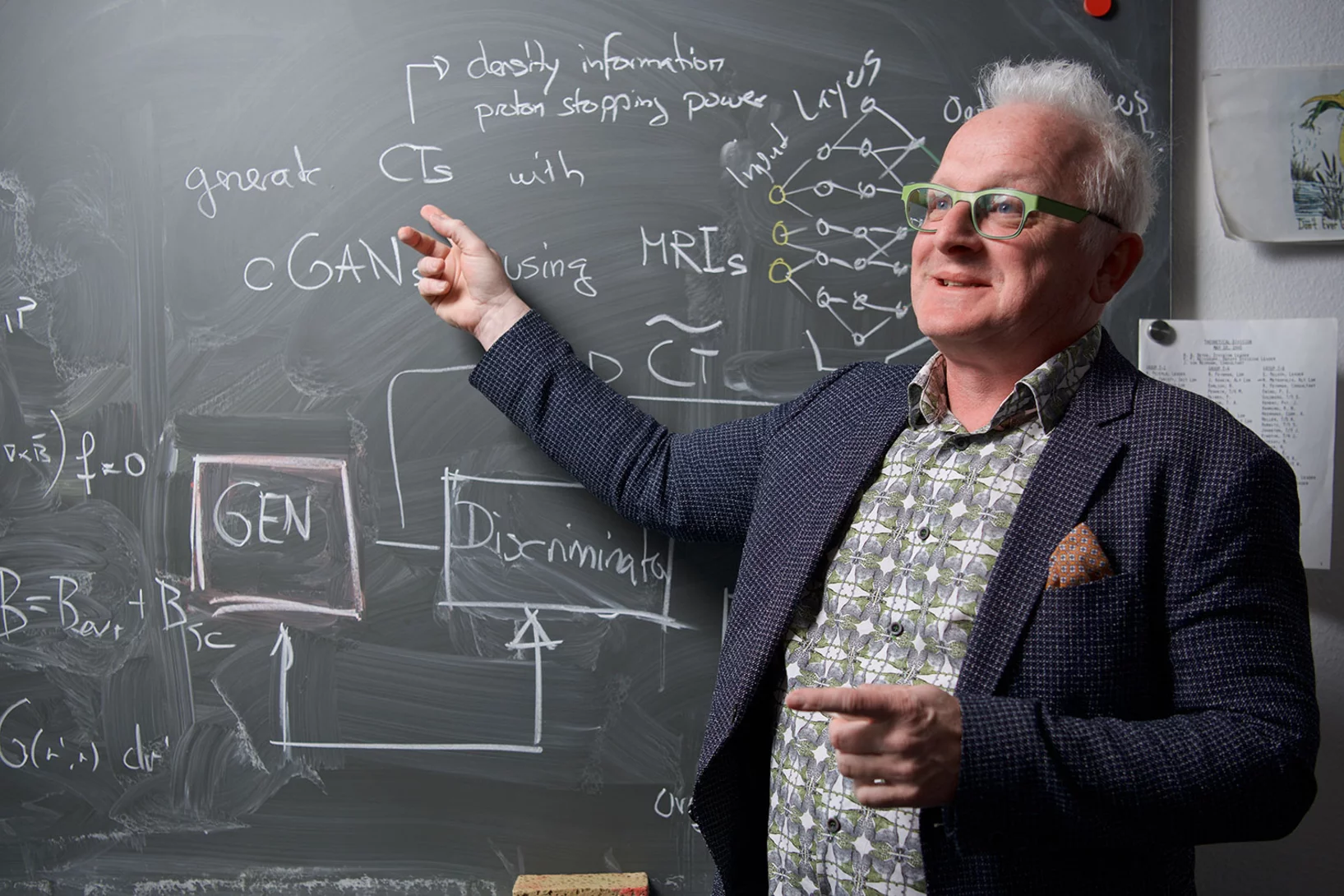
Modéliser et simuler: un bon retour sur investissement
En combinant théorie, modélisation et calculs à haute performance, les chercheurs du Laboratoire de simulation et modélisation de l’Institut Paul Scherrer PSI résolvent les problèmes les plus complexes. De puissants ordinateurs leur permettent de simuler aussi bien les molécules les plus minuscules que les grandes installations de recherche.
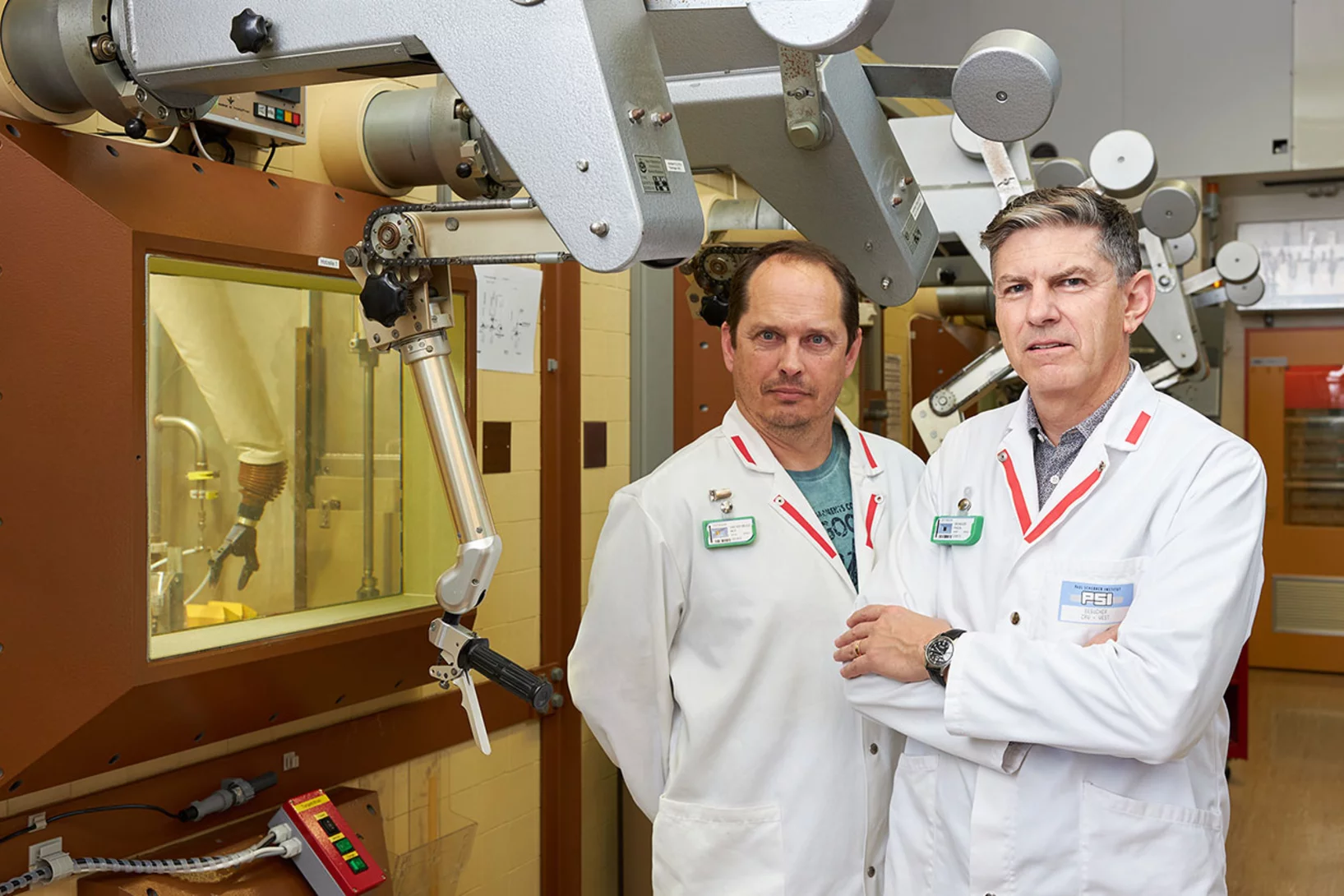
Un médicament anticancéreux issu de la source de neutrons du PSI
A la source de neutrons SINQ, des chercheurs du PSI produisent des radionucléides qui contribuent au développement de nouveaux traitements anticancéreux efficaces et ciblés. Ils collaborent étroitement avec les hôpitaux des environs.
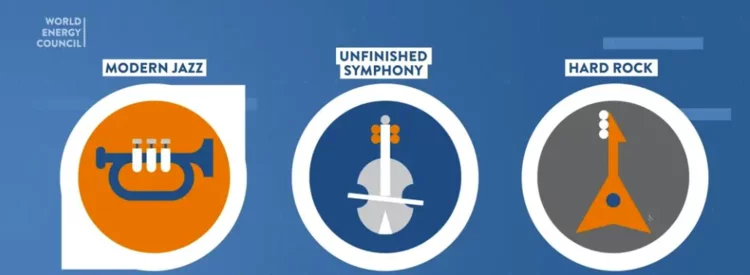
World Energy Scenarios 2019
The Energy Economics Group quantified the new World Energy Scenarios 2019 in collaboration with the World Energy Council and Accenture Strategy. The three scenarios (named "Modern Jazz", "Unfinished Symphony", and "Hard Rock") depict possible future developments of the global energy systems until 2040 and were presented at the World Energy Congress 2019 in Dubai.
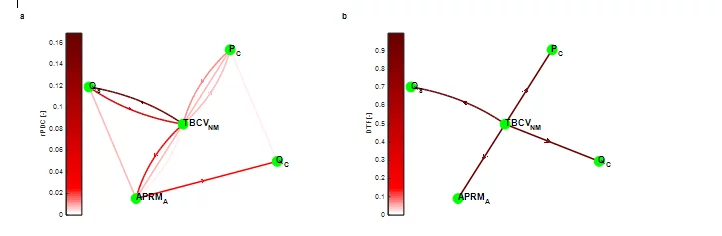
Identifying a disturbance root-cause from ... noise!
Nuclear reactors are complex systems with inherent stochastic behaviour. In simple words, the behaviour of various reactor processes are continuously fluctuating over their mean values, even under normal operation and steady-state conditions. The detailed and systematic analysis of this noisy behaviour can reveal valuable information about the operating status of the studied nuclear reactor. More importantly, designed modifications of the reactor’s operation or even unexpected deviations from the normal performance can be identified using advanced signal analysis techniques. The STARS program, at the Laboratory for Reactor Physics and Thermal-Hydraulics (LRT) in PSI, based on a tight collaboration with the Swiss nuclear industry, has developed a well-established signal analysis methodology, being continuously improved since more than two decades. The latest enhancements of the PSI signal analysis methodology allow a deeper understanding of the underlying mechanisms that drive the reactor’s operation, and can provide better insight on the root-cause of possible disturbances or malfunctions. Recently, the latest STARS activities in advanced signal analysis techniques were culminated by an international recognition through a special distinction from the AIP Chaos Journal.
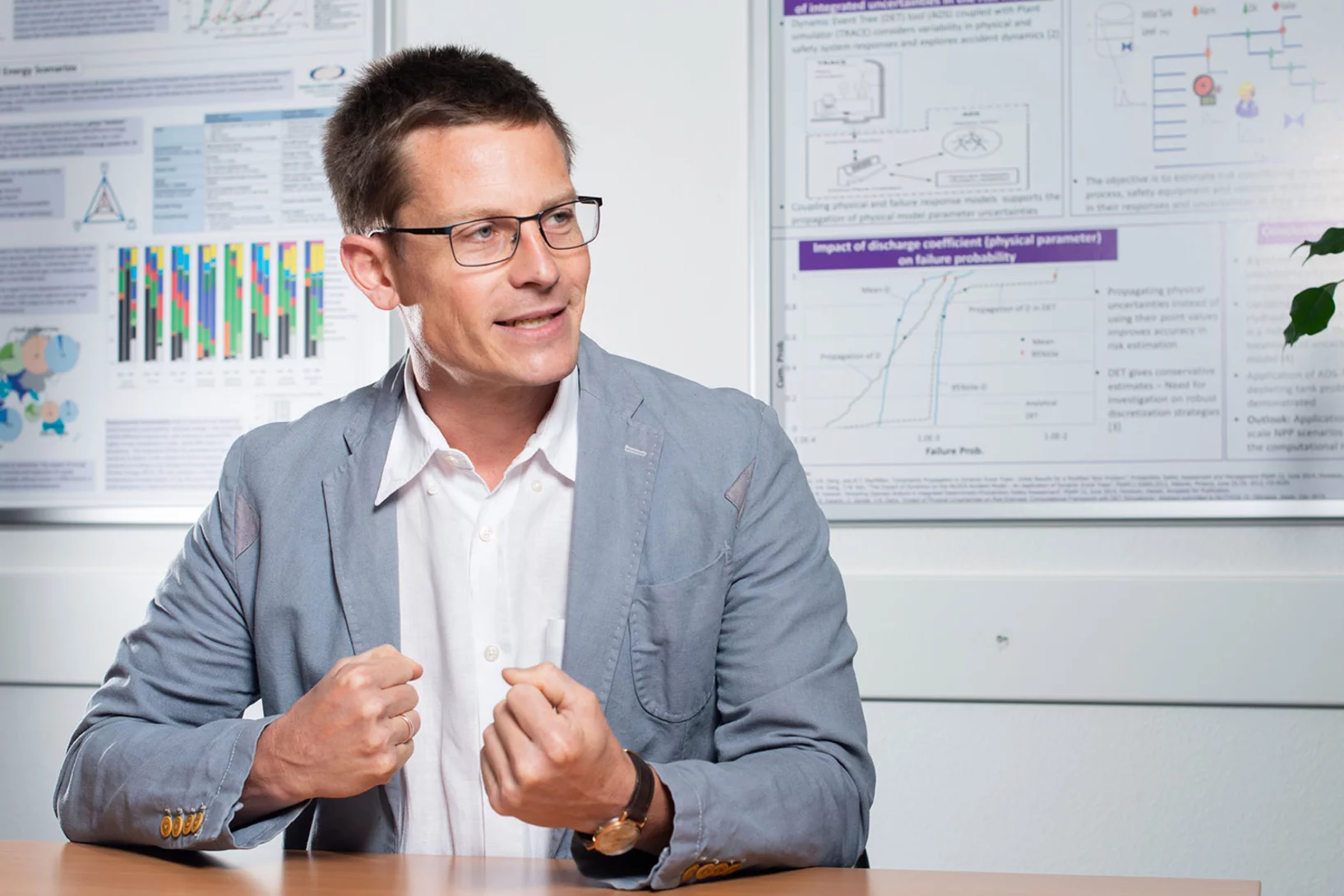
«C’est incroyablement ambitieux»
Tous les trois ans, le Conseil mondial de l’énergie cherche à déterminer les évolutions possibles du système énergétique global dans le cadre de trois scénarios différents. Tom Kober, responsable du groupe de recherche Economie énergétique du PSI et l’un des principaux auteurs de l’étude, détaille ce que signifie chacune des projections et ce qui permettrait de réduire le réchauffement climatique.
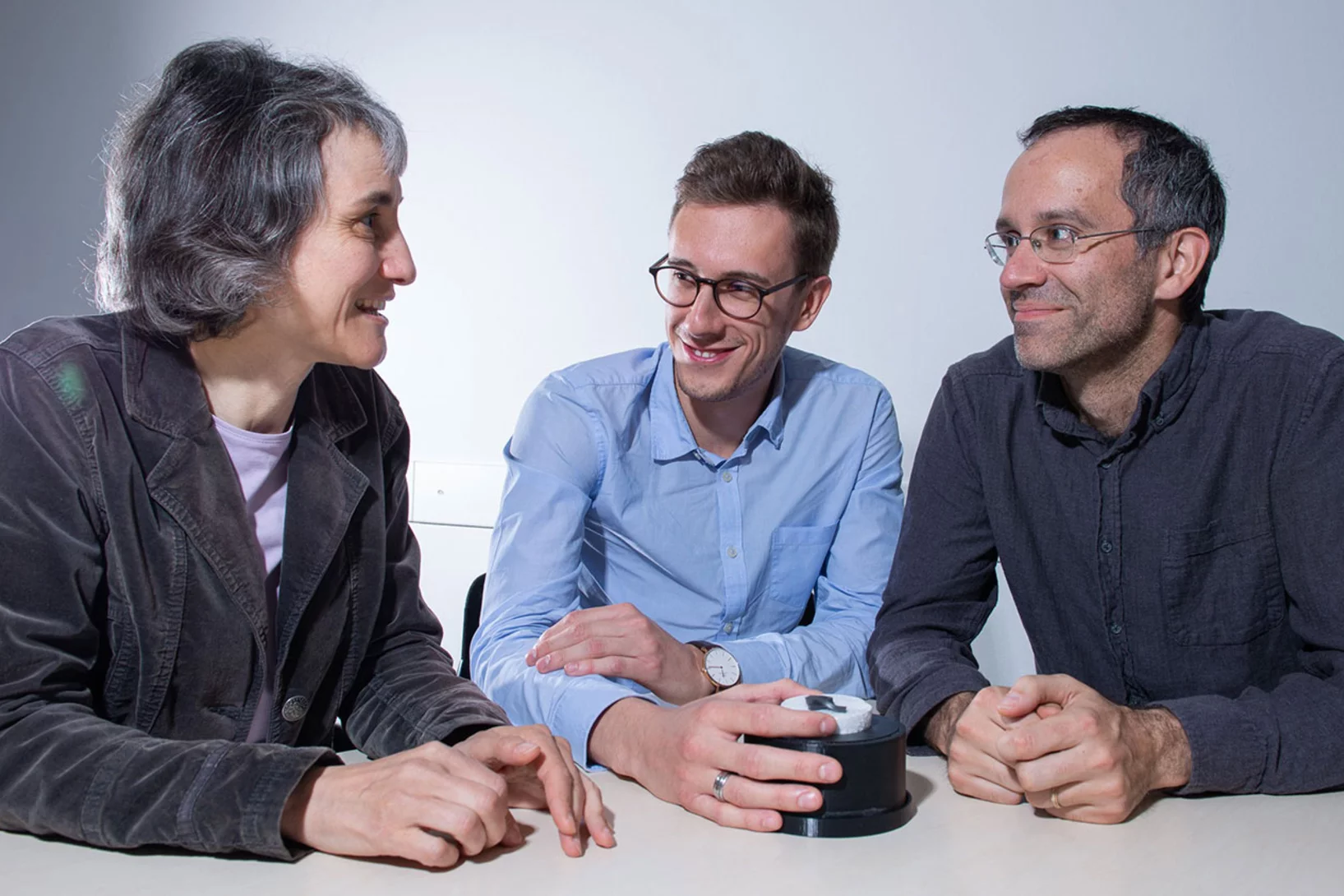
Nouveau matériau avec mémoire de forme magnétique
Des chercheurs du PSI ont développé un matériau dont la mémoire de forme est activée par magnétisme. La médecine, la navigation spatiale, l’électronique ou encore la robotique constituent autant de domaines d’application pour ce nouveau type de matériaux composites.