
Show filters
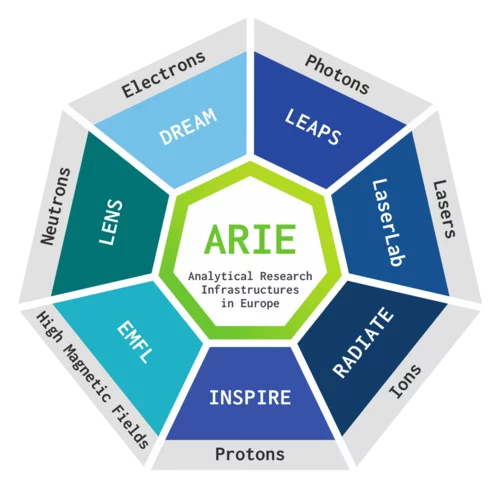
Analytical Research Infrastructures of Europe (ARIE) join forces to face COVID-19 and other viral and microbial threats
After the joint position paper published as a pre-release in July, in which the Analytical Research Infrastructures of Europe (ARIE) presented their plan to tackle HE Missions, the ARIE enhanced its cross-border, multidisciplinary collaboration to offer Europe a strong and valid weapon against the present COVID-19 challenge and other potential viral and microbial threats.
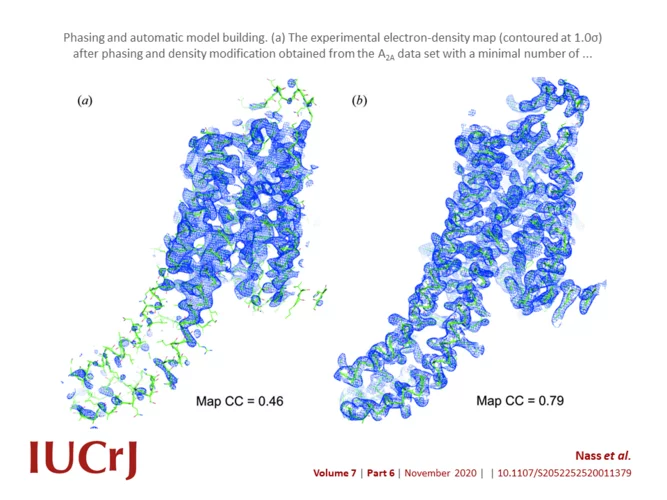
Advances in long-wavelength native phasing at X-ray free-electron lasers
Long-wavelength pulses from the Swiss X-ray free-electron laser (XFEL) have been used for de novo protein structure determination by native single-wavelength anomalous diffraction (native-SAD) phasing of serial femtosecond crystallography (SFX) data.
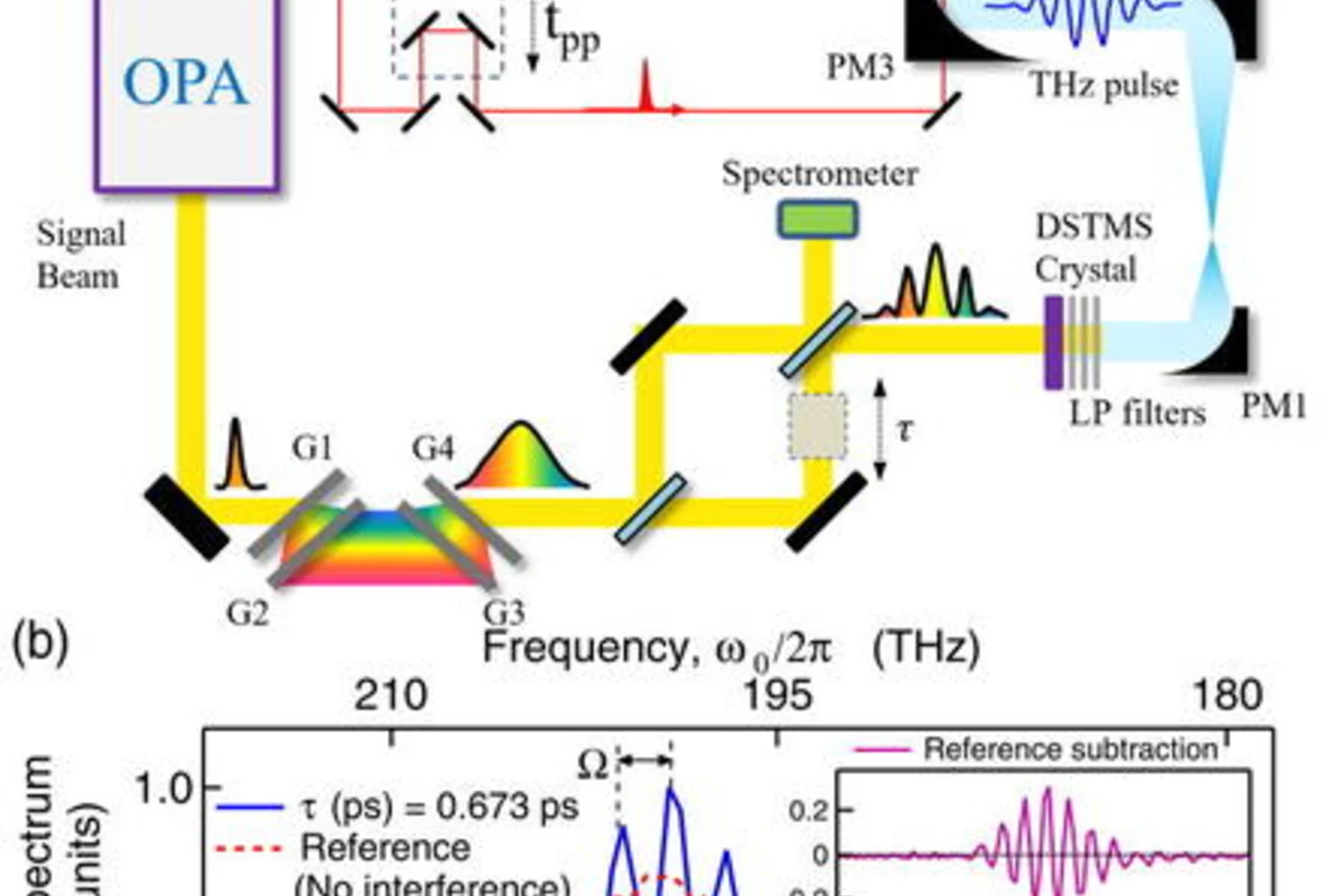
Narrow-band and tunable intense terahertz pulses for mode-selective coherent phonon excitation
We generate frequency-tunable narrow-band intense fields in the terahertz (THz) range by optical rectification of a temporally modulated near-infrared laser pumping a nonlinear organic crystal.
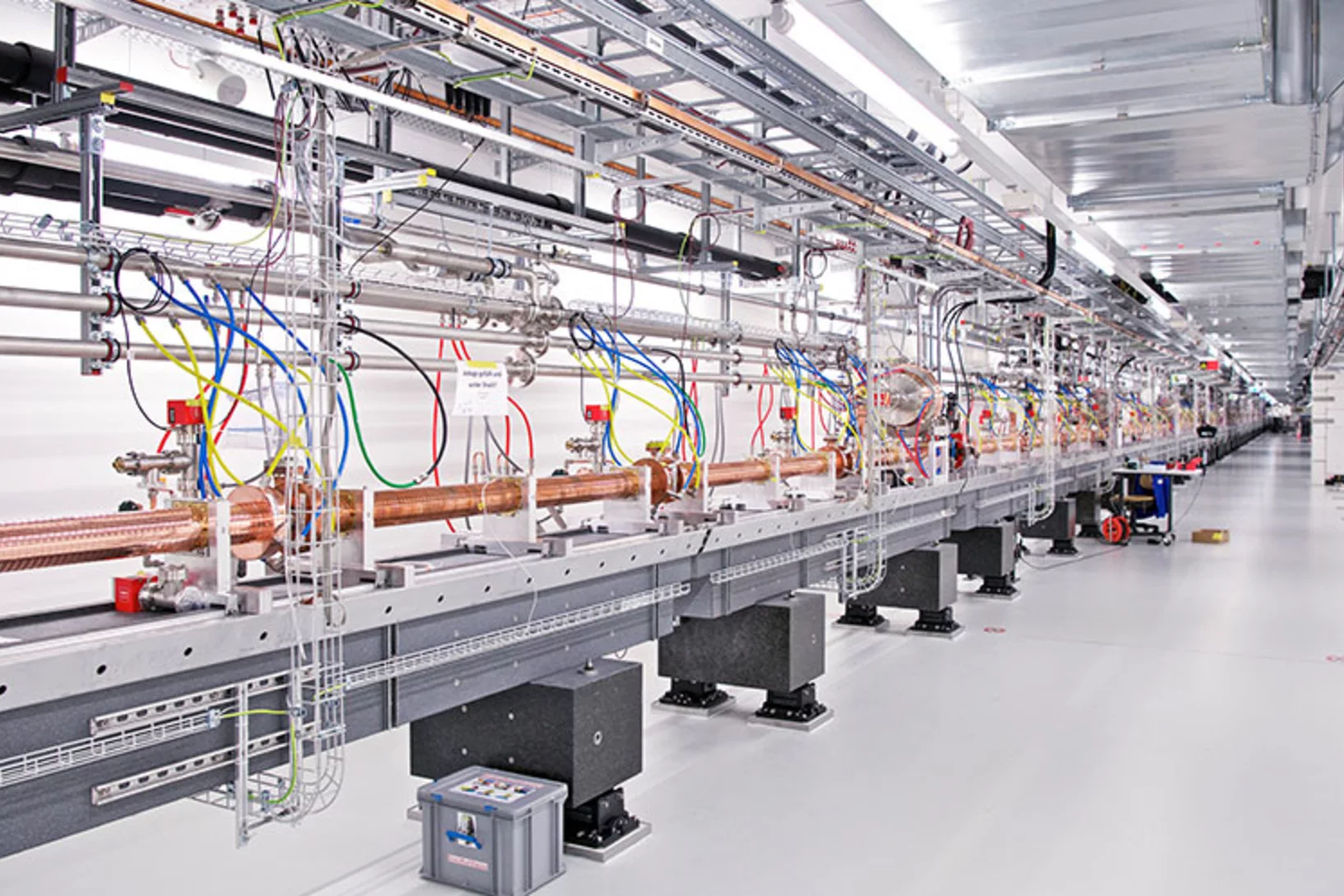
«Forschung online erleben»: Mittendrin statt nur dabei
Erstmals Live-Rundgang durch eine Grossforschungsanlage per Video-Stream. Am 9. September haben Interessierte exklusiv die Möglichkeit, sich von Experten des PSI durch den neuen Freie-Elektronen-Röntgenlaser SwissFEL führen zu lassen und zu erfahren, welche Rätsel der Materie und der Natur sich damit lösen lassen.
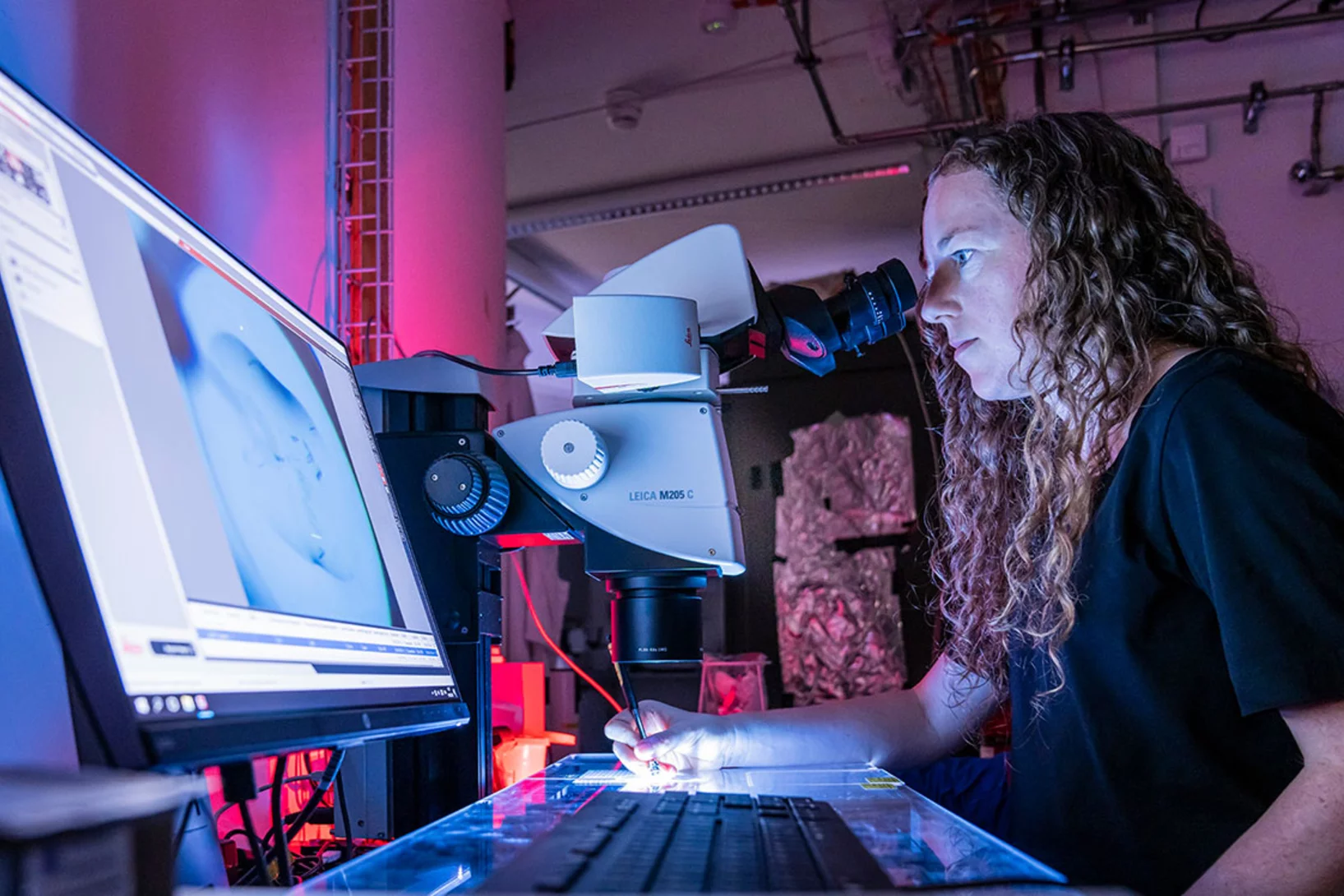
Question de liaison
Au PSI, des chercheurs passent au crible des fragments de molécules pour voir si ces derniers se lient à certaines protéines importantes du coronavirus SARS-CoV-2 afin de les neutraliser. A partir de ces informations, ils espèrent trouver une réponse sur le profil potentiel d’un médicament efficace.
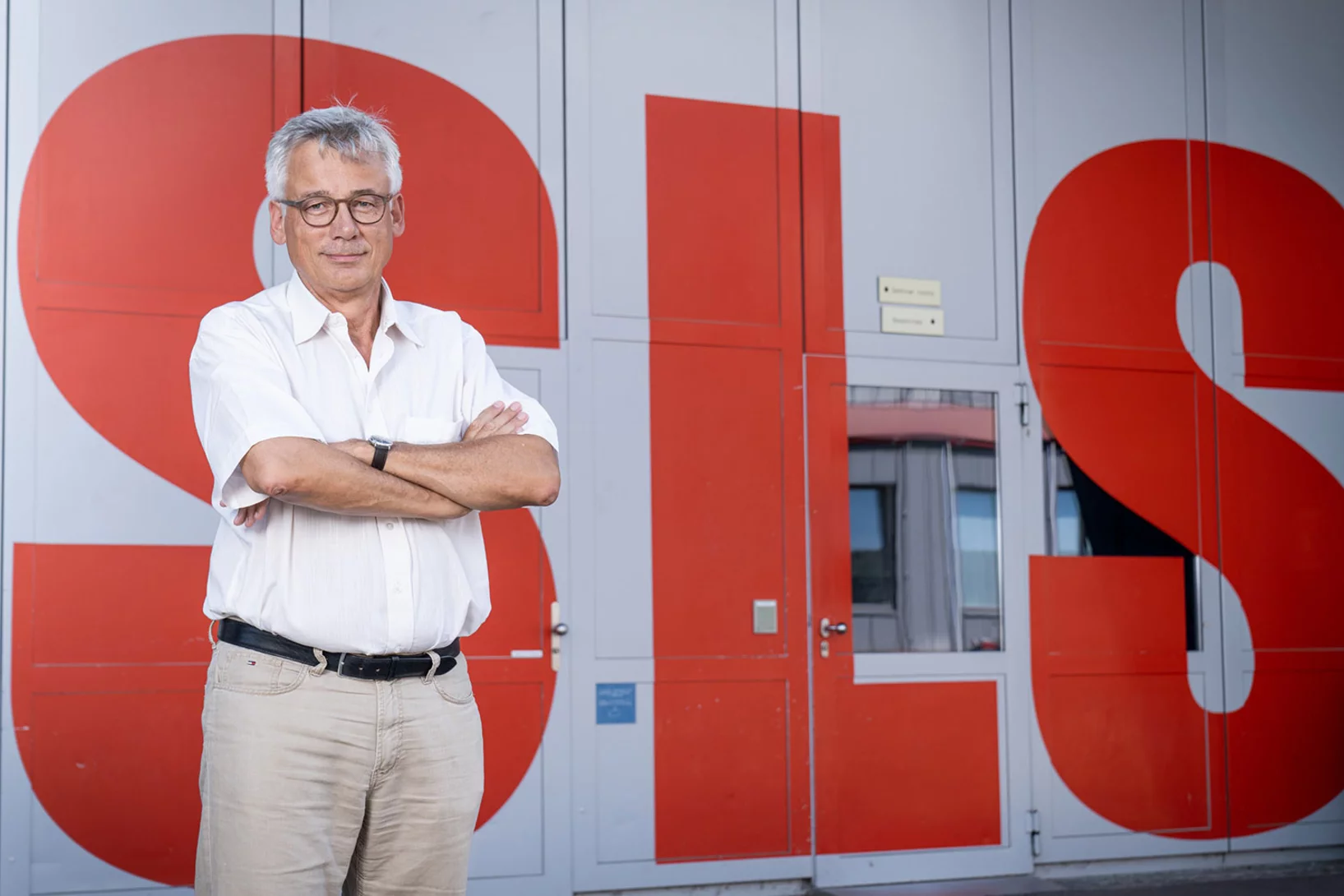
«Nous préparons la SLS à l’avenir»
La Source de Lumière Suisse SLS doit faire l’objet d’une mise à jour afin qu’elle puisse aussi permettre une recherche d’excellence au cours des prochaine décennies. Dans cette interview, Hans Braun, chef du projet SLS 2.0, explique en quoi consiste cet upgrade.
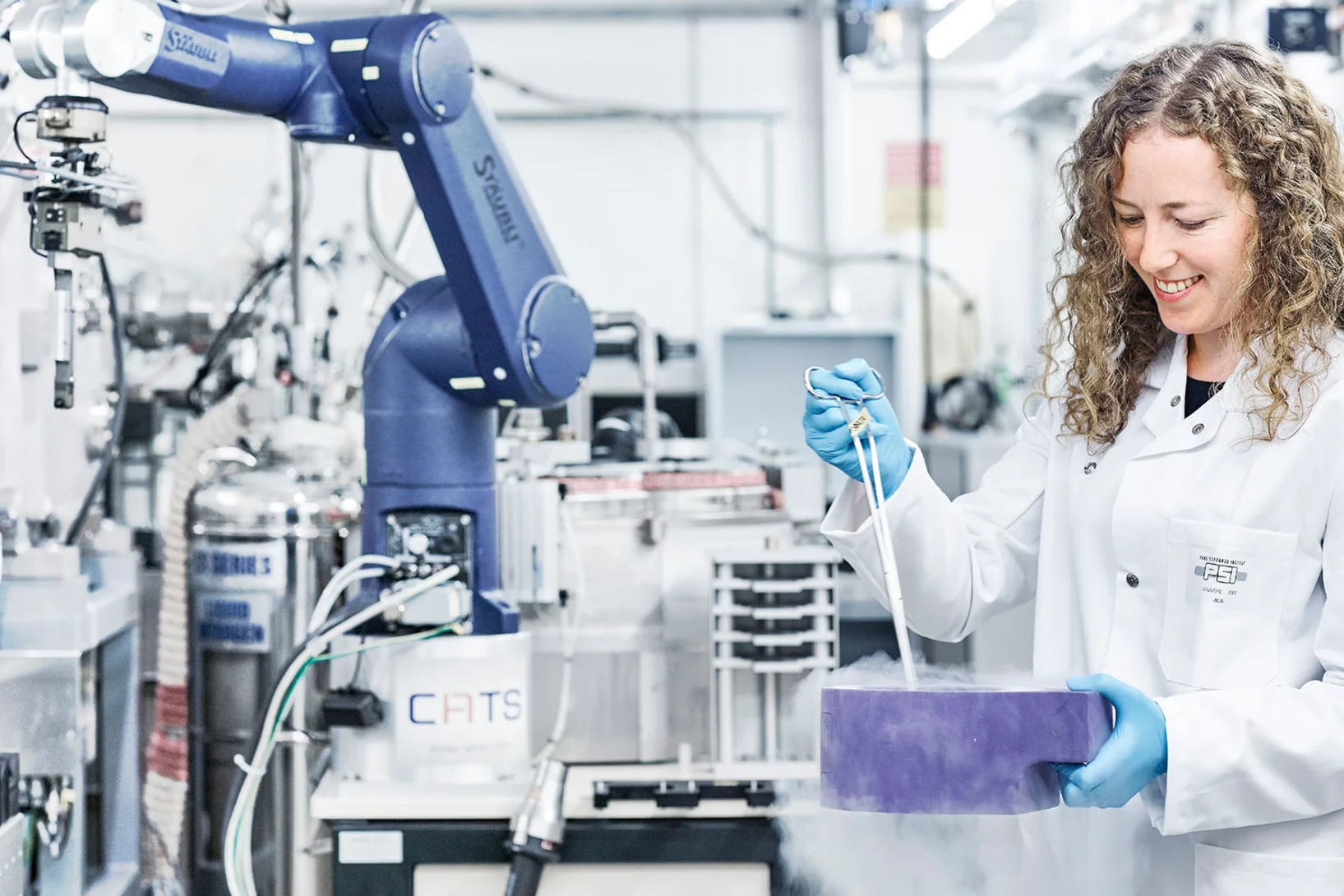
Recherche sur le Covid-19: stratégie antivirale à double effet
Des scientifiques de Francfort ont identifié un éventuel point faible du virus SARS-CoV-2. Ils ont effectué une partie de leurs mesures à la Source de Lumière Suisse SLS du PSI. Leurs résultats de recherche paraissent cette semaine dans la revue spécialisée Nature.
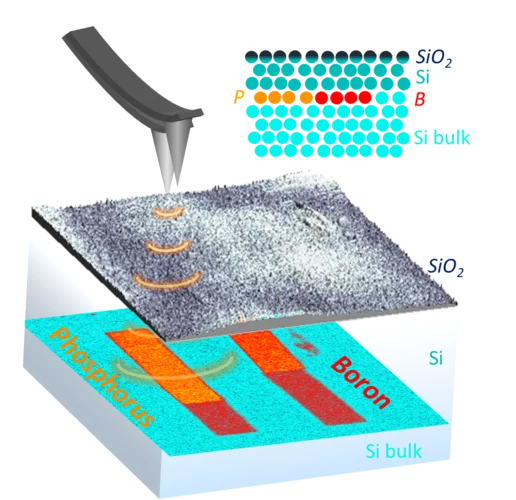
The tiniest secrets of integrated circuits revealed
New research has demonstrated that the secrets of the tiniest active structures in integrated circuits can be revealed using a non-destructive imaging technique. The breakthrough required the efforts of an international team of scientists from JKU and Keysight Technologies (Austria), ETH/EPFL/PSI and IBM Research - Europe (Switzerland) and from UCL (UK).
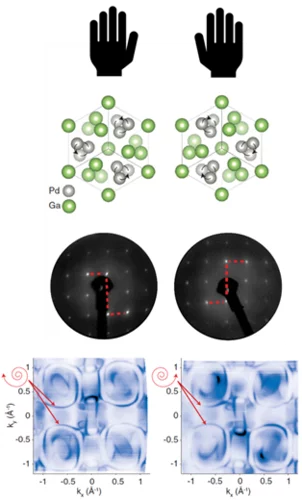
Cherned up to the maximum
In topological materials, electrons can display behaviour that is fundamentally different from that in ‘conventional’ matter, and the magnitude of many such ‘exotic’ phenomena is directly proportional to an entity known as the Chern number. New experiments establish for the first time that the theoretically predicted maximum Chern number can be reached — and controlled — in a real material.
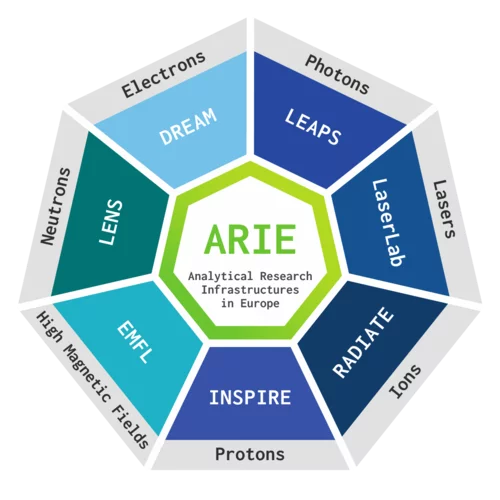
Analytical Research Infrastructures as key resources for the five Horizon Europe Missions
Moon-shot missions, such as those of Horizon Europe, require exceptional solutions, and the world-leading Analytical Research Infrastructures of Europe (ARIEs) are one of the key places those solutions can be sought. The ARIE Joint Position Paper highlighting how the common, complementary approach will help address the societal challenges of the Horizon Europe Missions framework programme was presented today.
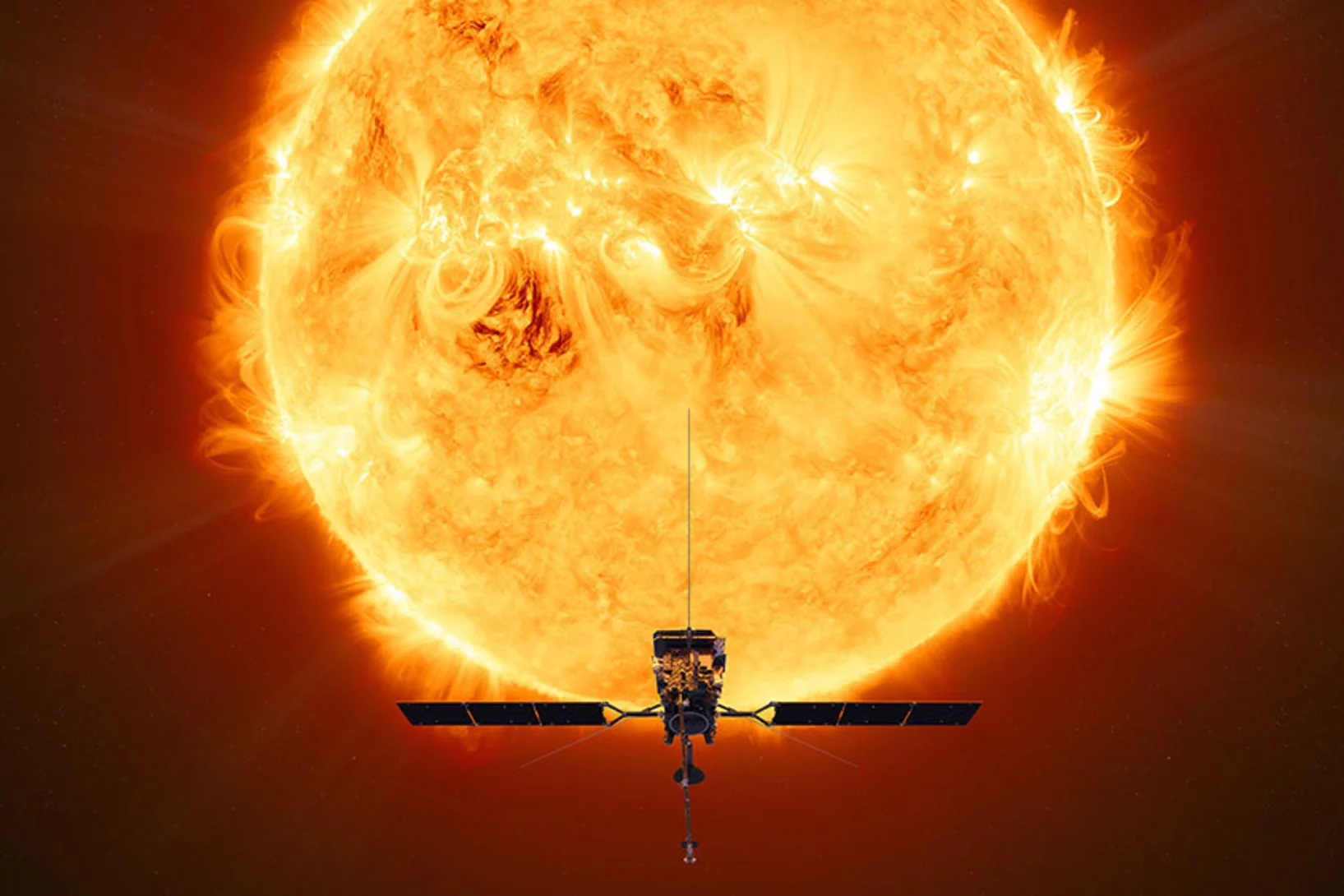
Vers le Soleil et au-delà
Le PSI participe à des projets de recherche spatiale. C’est ainsi que s’enrichit le savoir sur notre système solaire, mais aussi que se renforce la renommée de la Suisse en tant que développeur fiable d’équipement spatial de pointe.

Grosser Rat bewilligt 2,4 Millionen für Technologiezentrum Anaxam
Der Kanton Aargau unterstützt das Technologietransferzentrum Anaxam in Villigen für die Dauer von vier Jahren mit insgesamt 2,4 Millionen Franken. Der Grosse Rat hat am Dienstag in Spreitenbach den entsprechenden Kredit mit 124 zu 3 Stimmen bewilligt.
Elucidation du mécanisme d’une pompe à sodium contrôlée par la lumière
Des chercheurs de l’Institut Paul Scherrer PSI ont réussi une première: réaliser des prises de vue d’une pompe à sodium en action, plus précisément d’une pompe à sodium de cellules bactériennes contrôlée par la lumière. Ces éléments de connaissance sont prometteurs pour le développement de nouvelles méthodes dans le domaine de la neurobiologie. Pour leurs analyses, les chercheurs ont utilisé le nouveau laser à rayons X à électrons libres SwissFEL.
First MX results of the priority COVID-19 call
The Dikic group at the Goethe University in Frankfurt am Main, Germany has published the first results following the opening of the "PRIORITY COVID-19 Call” at SLS.
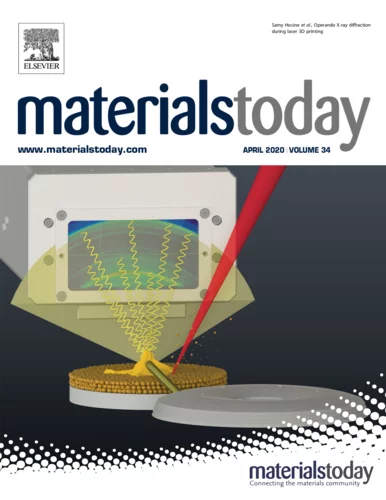
Operando X-ray diffraction during laser 3D printing
Ultra-fast operando X-ray diffraction experiments reveal the temporal evolution of low and high temperature phases and the formation of residual stresses during laser 3D printing of a Ti-6Al-4V alloy. The profound influence of the length of the laser-scanning vector on the evolving microstructure is revealed and elucidated.
De l’hélium pionique avec une longue durée de vie: première preuve expérimentale de l’existence d’une matière exotique
Les atomes exotiques, où des électrons ont été remplacés par d’autres particules, permettent de scruter en profondeur l’univers quantique. Au terme de huit ans de travail, une équipe internationale de chercheurs a réussi une expérience difficile à la source de pions du PSI: créer un atome artificiel appelé «hélium pionique».
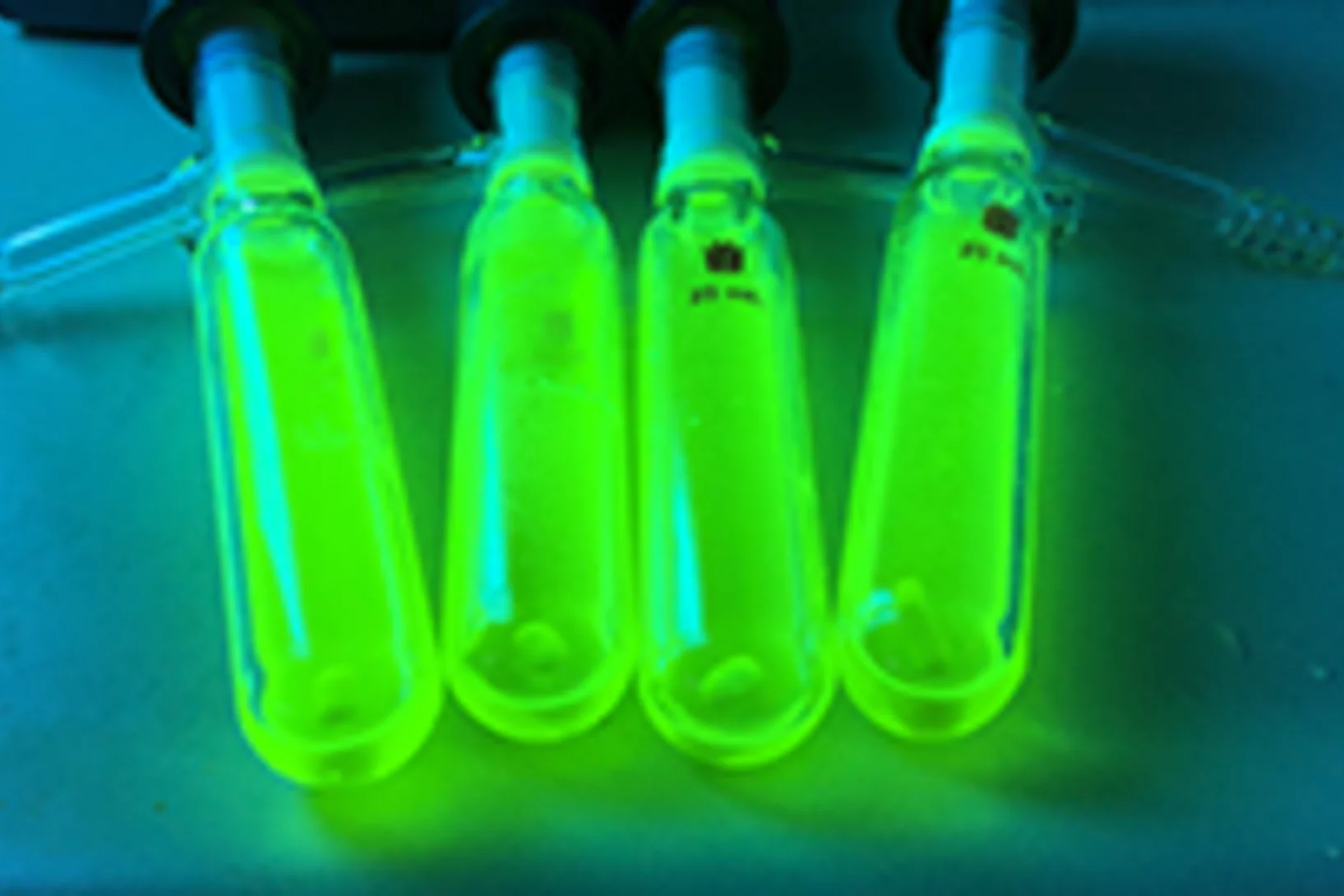
A la recherche du matériau électroluminescent du futur
A l’Institut Paul Scherrer PSI, des chercheurs ont scruté l’intérieur d’un matériau prometteur pour les diodes organiques électroluminescentes (OLED). Leurs conclusions contribueront au développement de matériaux électroluminescents à très bon rendement lumineux et peu coûteux à la fabrication.
SLS MX beamtime update
Update of the SLS MX beamline operation during the COVID-19 period
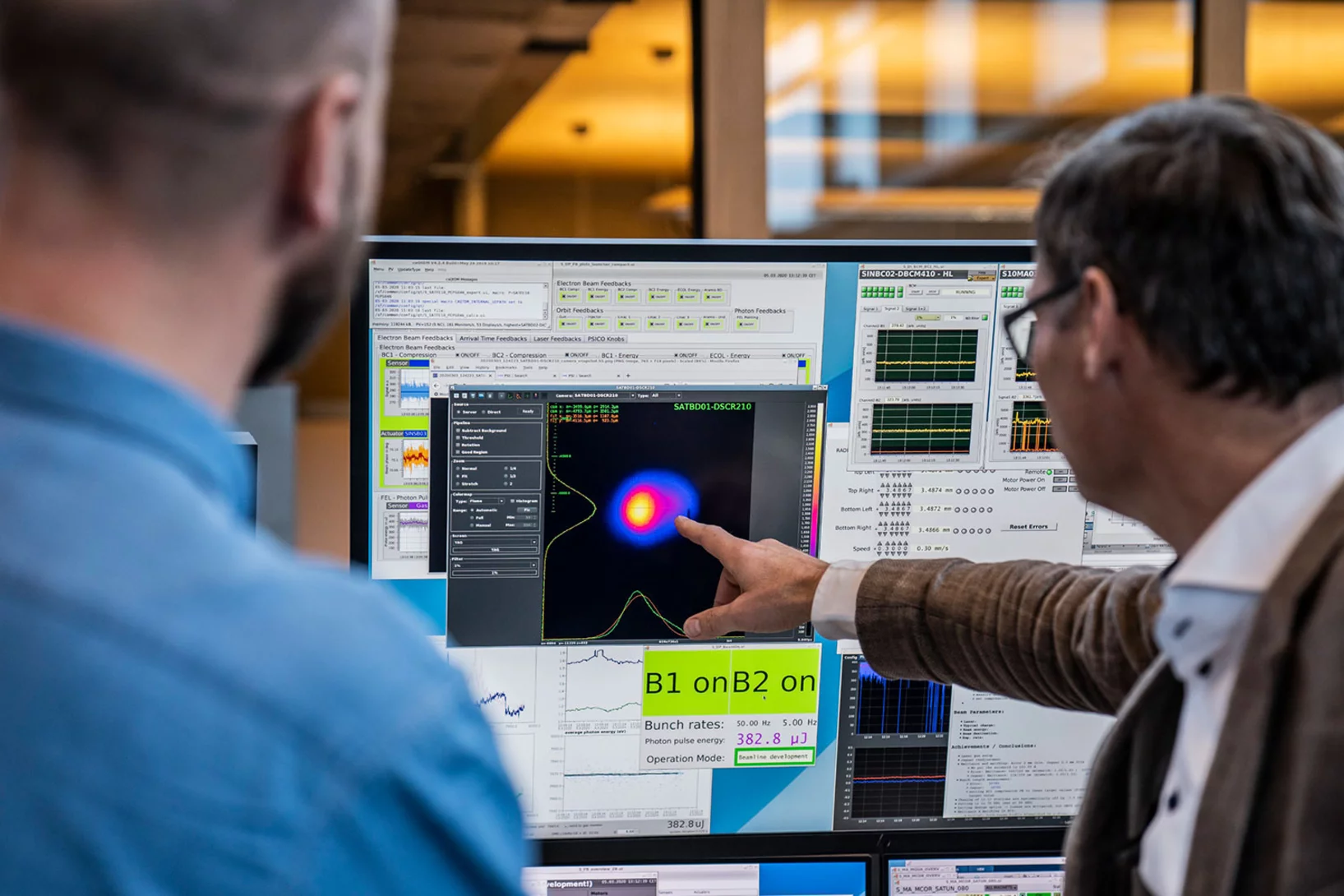
SwissFEL: Athos fait de grands progrès
La nouvelle ligne de faisceaux à rayons X au laser à électrons libres SwissFEL du PSI sera bientôt opérationnelle. En décembre, Athos a fourni pour la première fois de la lumière laser, même plus tôt que prévu, à la grande joie des chercheurs en charge de sa construction.
Des nanomondes en 3D
Des images tomographiques de l’intérieur de fossiles, de cellules cérébrales et de puces informatiques fournissent des éléments de connaissance sur leurs structures les plus fines. Ce sont les rayons X de la Source de Lumière Suisse SLS qui permettent de réussir ces images en 3D grâce à des instruments ultra-modernes, des détecteurs développés au PSI et des algorithmes informatiques sophistiqués.
Court-métrage d’un nano-tourbillon magnétique
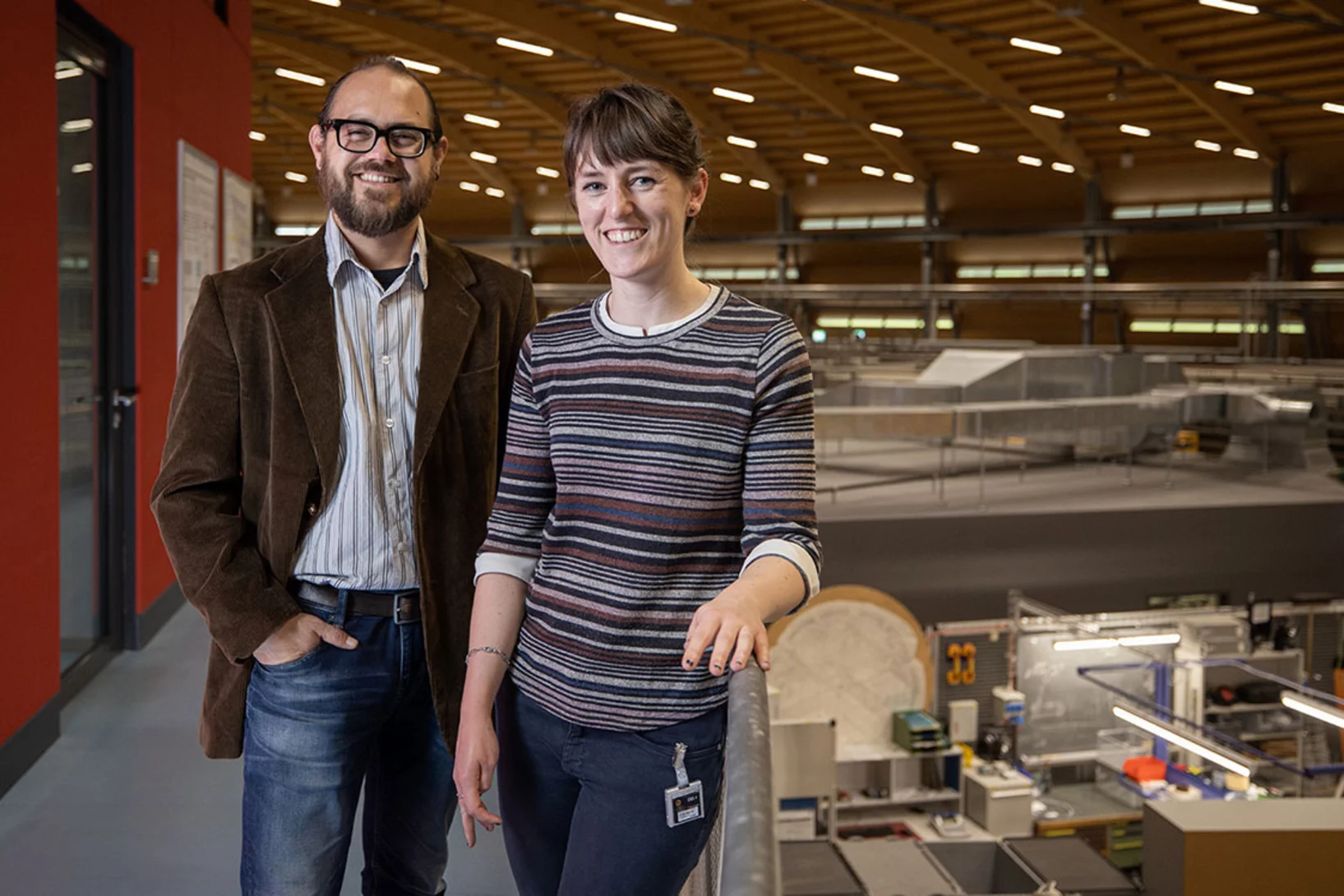
Des chercheurs ont développé une nouvelle méthode d’analyse qui leur a permis de visualiser la structure magnétique à l’intérieur d’un matériau à l’échelle du nanomètre. Ils ont réussi à réaliser un petit «film» de sept images qui montre pour la première fois en 3D les changements que de minuscules tourbillons magnétiques subissent au cœur du matériau.
Innovation Award on Synchrotron Radiation 2019 for the development of XFEL detectors using the adaptive gain principle
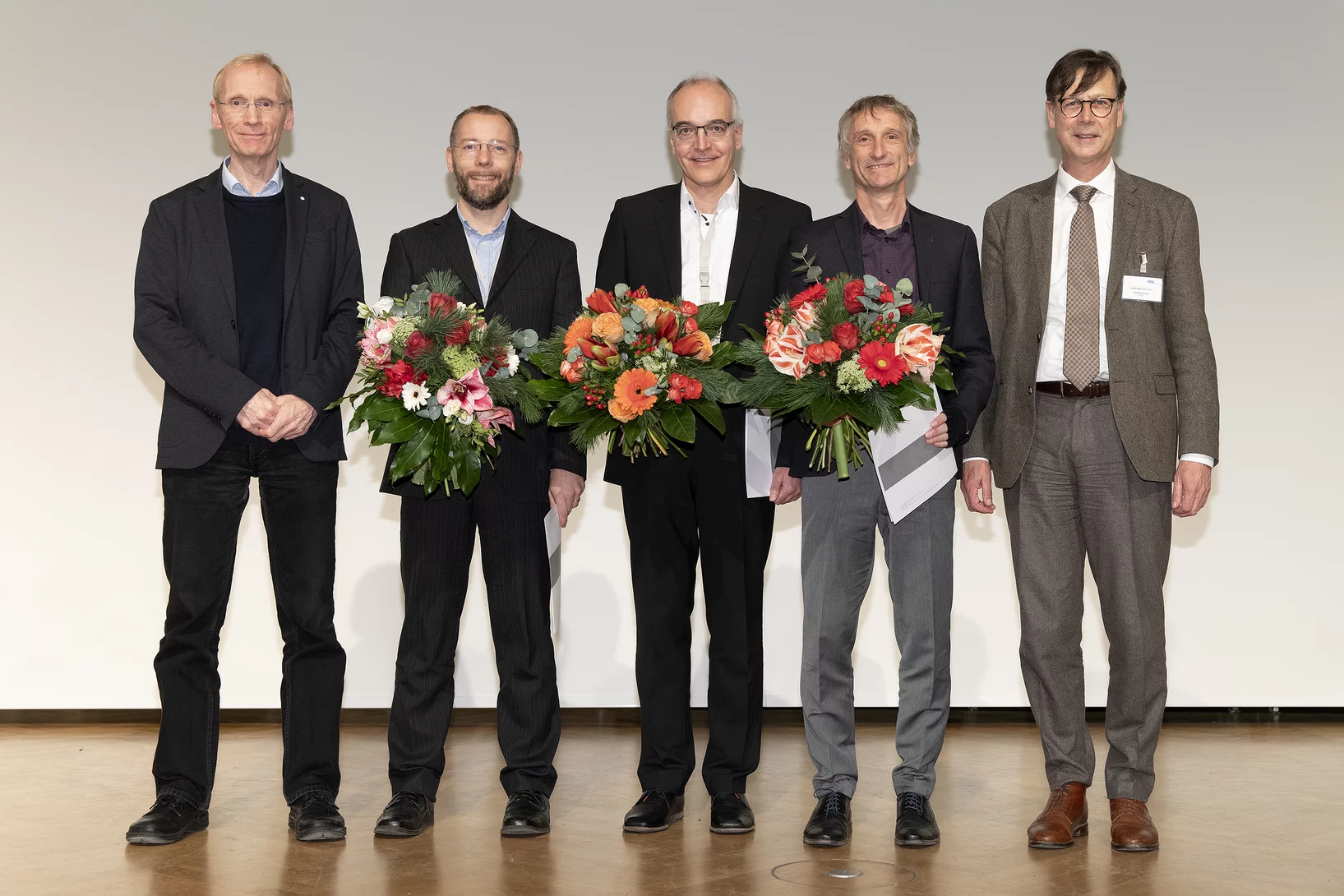
The Innovation Award on Synchrotron Radiation 2019 was given to the researchers Prof. Heinz Graafsma from Desy and Dr. Aldo Mozzanica and Dr. Bernd Schmitt both from the Paul Scherrer Institute. The three physicists were honored for their contributions to the development of detectors for XFEL applications based on the dynamic gain switching principle enabling simultaneously single photon resolution and a large dynamic range. The laudation was held by Prof. Edgar Weckert from Desy. The Synchrotron Radiation Innovation Award is sponsored by SPECS GmbH and BESTEC GmbH.
Ultrafast diffuse x-ray scattering of a hybrid perovskite crystal
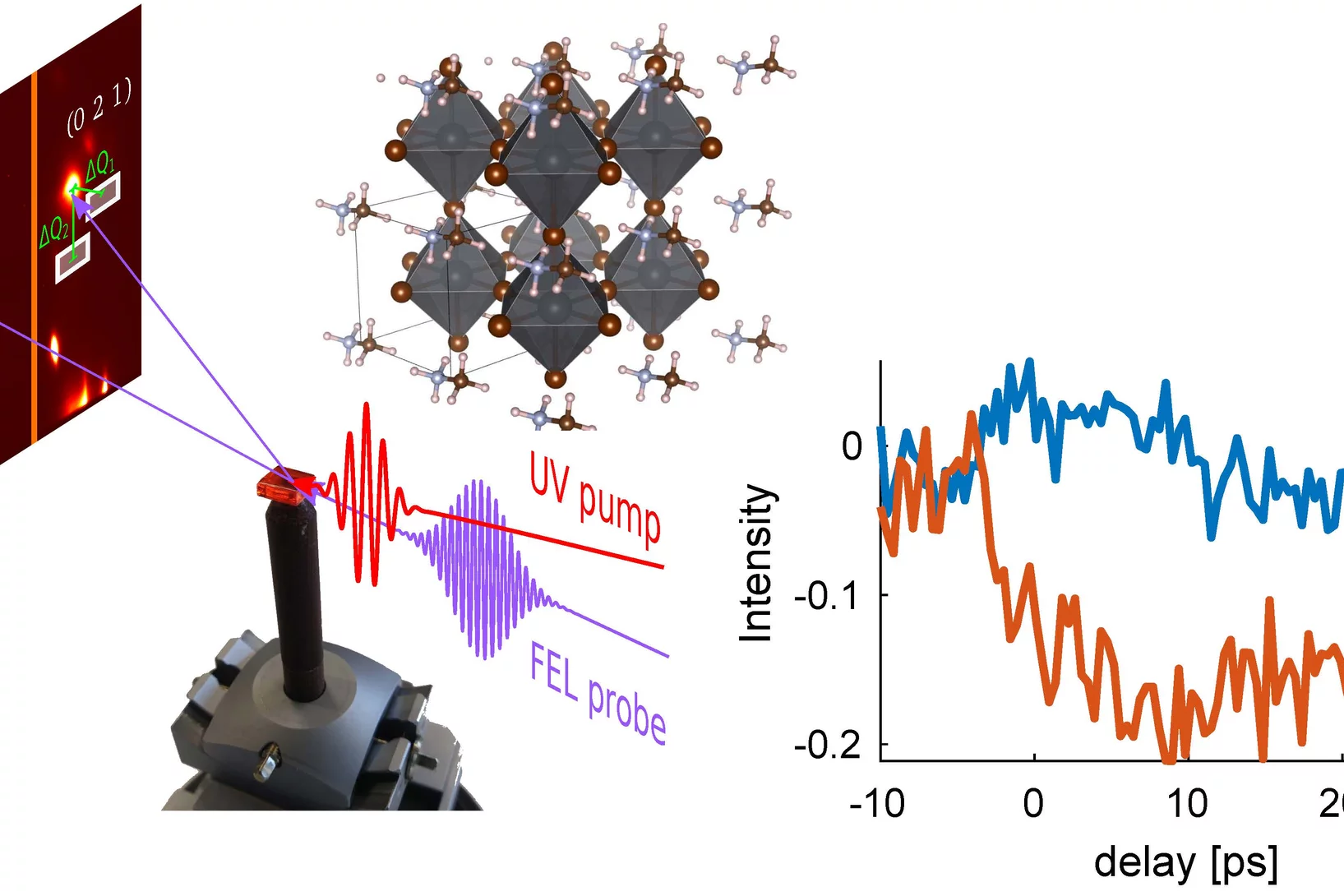
Organic–inorganic ‘hybrid’ perovskites have recently gained attention as a low-cost alternative to silicon solar cells. However, many properties of these materials are still poorly understood. In particular, how imperfections in the crystals, which can be both static or dynamic, affect energy transport remains unclear.
SLS 2.0: l’upgrade de la Source de Lumière Suisse SLS
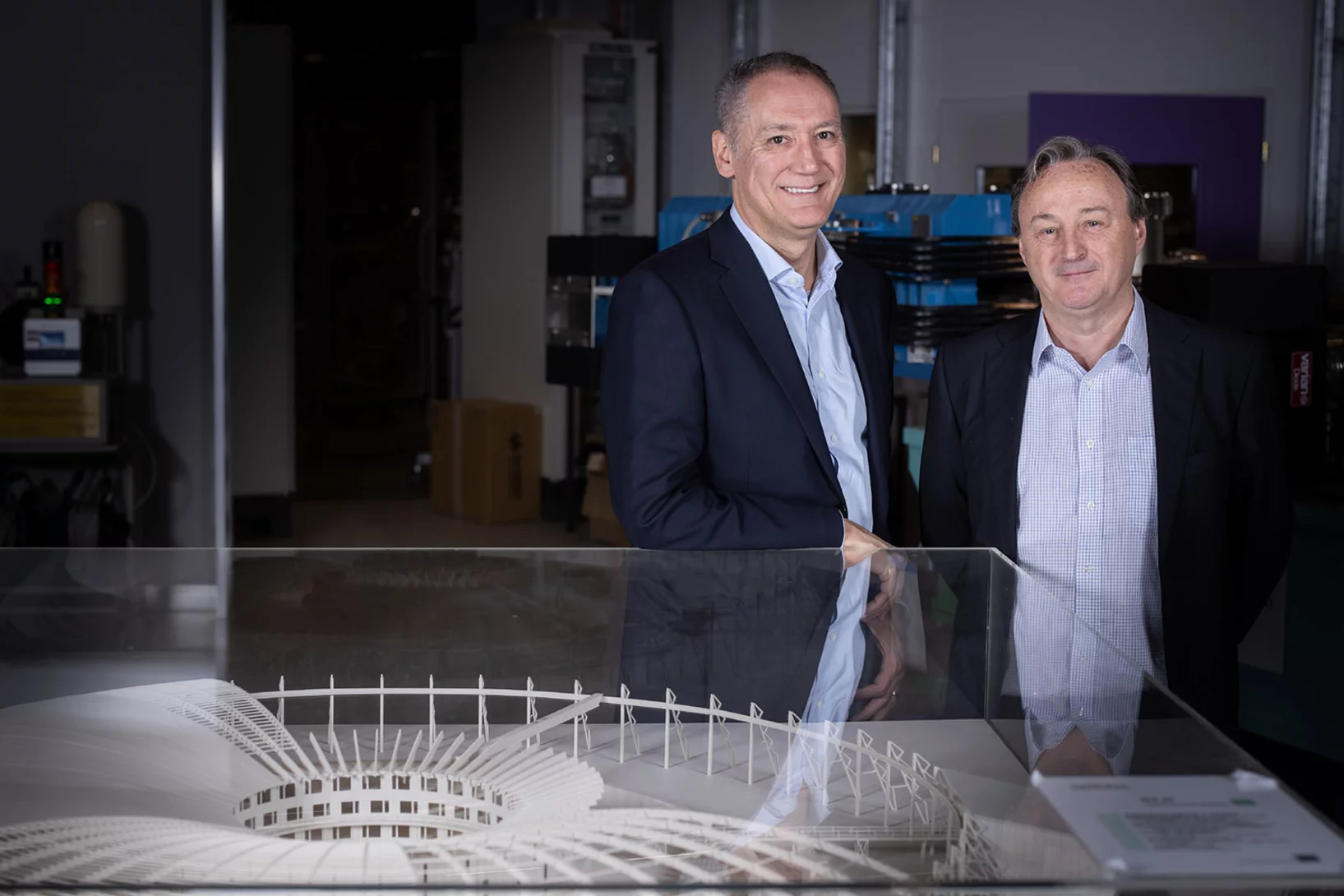
Au cours des prochaines années, la Source de Lumière Suisse SLS fera l’objet d’un upgrade: la SLS 2.0. Cette transformation rendue possible par de la technologie dernier cri donnera une grande installation de recherche à la hauteur des besoins des chercheurs pour les prochaines décennies.
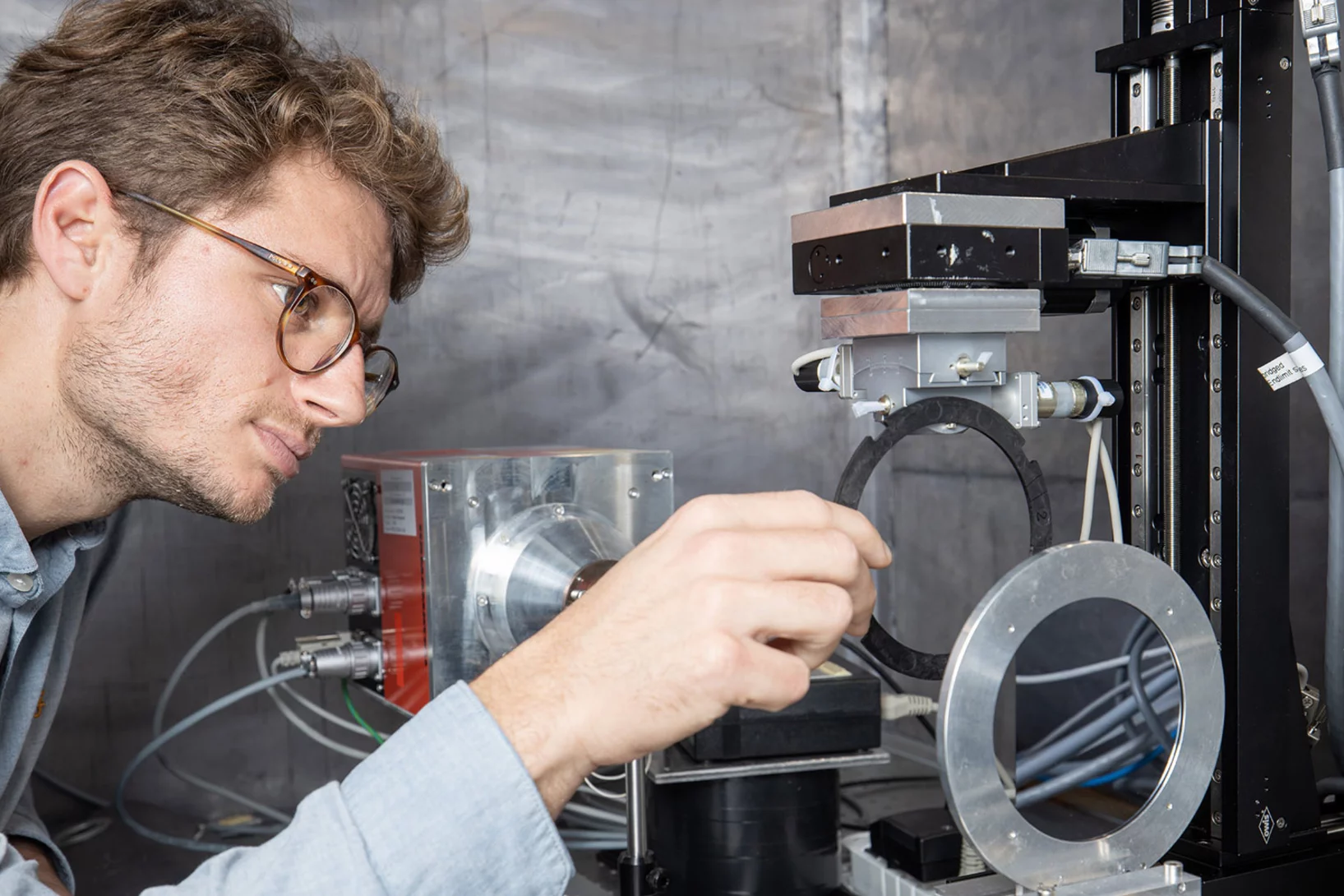
Radiographier rapidement et précisément des matériaux composites renforcés de fibres
Des chercheurs de l’Institut Paul Scherrer PSI ont mis au point une méthode de diffusion des rayons X aux petits angles qui peut être utilisée pour le développement ou le contrôle qualité de matériaux composites novateurs renforcés de fibres. Grâce à elle, les analyses de ces matériaux pourraient se faire à l’avenir non seulement par recours aux rayons X issus de sources puissantes comme la Source de Lumière Suisse SLS, mais aussi avec le rayonnement issu de tubes à rayons X conventionnels.
New 6M€ European grant awarded to ExPaNDS to drive open access data
A new 6M€ grant is being launched for the Photon and Neutron Data Services (ExPaNDS) to come together and work under the European Open Science Cloud (EOSC). This ambitious project will create enormous opportunities for scientific communities, and through their findings for humankind worldwide. It aims to publish and map the data behind the thousands of successful published scientific papers generated by Europe’s Photon and Neutron Research Infrastructures (PaN RIs) – which every year create petabytes of data – and make it available to all.
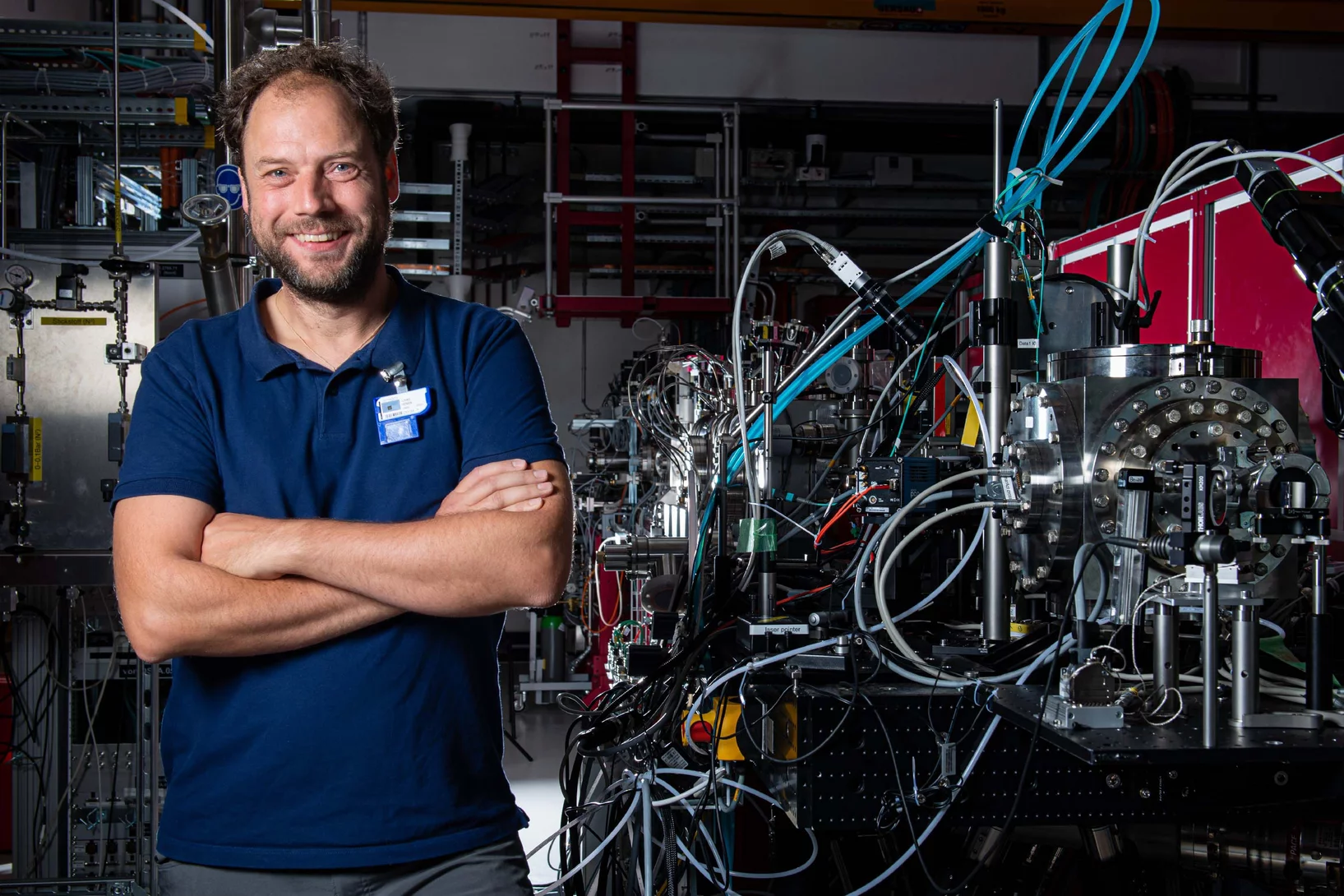
Recherche et optimisation – le SwissFEL en 2019
La plus récente grande installation de recherche du PSI, le SwissFEL, est achevée. Elle a commencé à fonctionner normalement en janvier 2019. Henrik Lemke, responsable du groupe SwissFEL Bernina, tire un premier bilan.
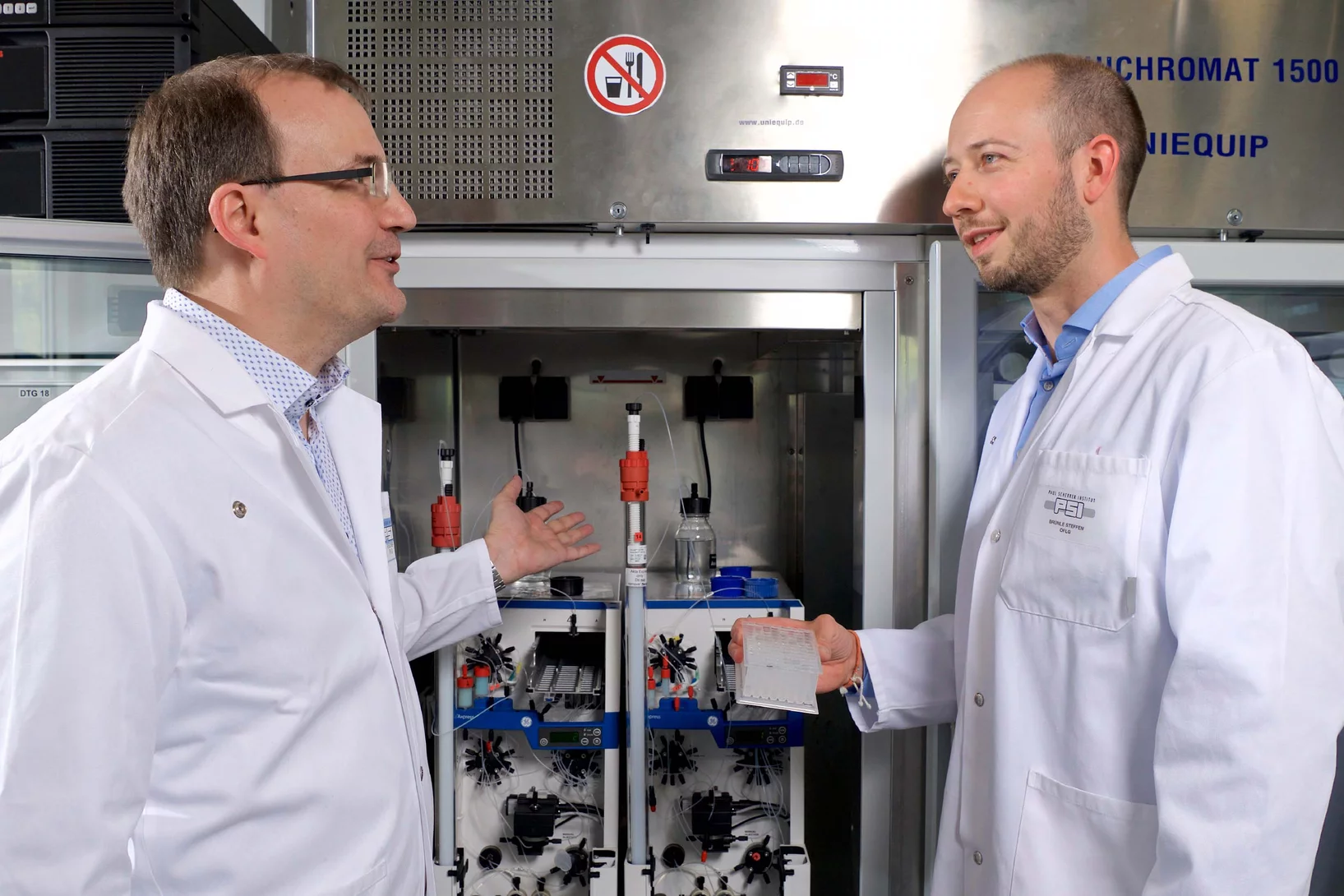
Empêcher la formation des métastases des tumeurs
Des chercheurs de l’Institut Paul Scherrer PSI ont, en collaboration avec des collègues de la firme pharmaceutique F. Hoffmann-La Roche SA, franchi un pas important dans le développement d’une substance active contre la formation des métastases de certaines tumeurs cancéreuses. Grâce à la Source de Lumière Synchrotron Suisse SLS, ils ont déchiffré la structure d’un récepteur qui joue un rôle essentiel dans la migration des cellules cancéreuses.
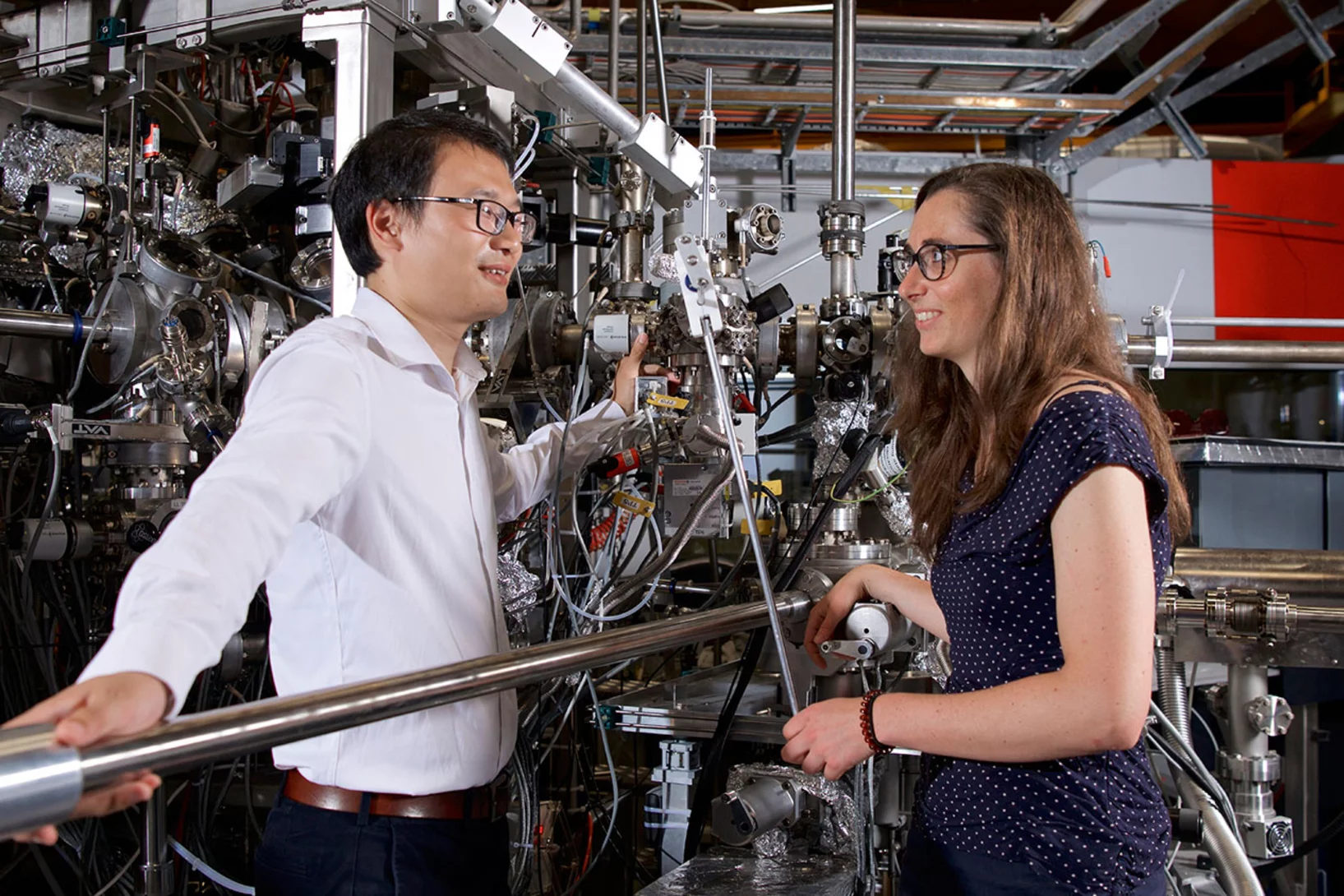
Des fermions de Weyl découverts dans une nouvelle classe de matériau
Jusqu’ici, l’existence de particules d’un genre spécial appelées fermions de Weyl n’avait pu être démontrée que dans certains matériaux non magnétiques. Mais des chercheurs du PSI ont maintenant réussi pour la première fois à prouver expérimentalement leur présence dans un matériau paramagnétique particulier.
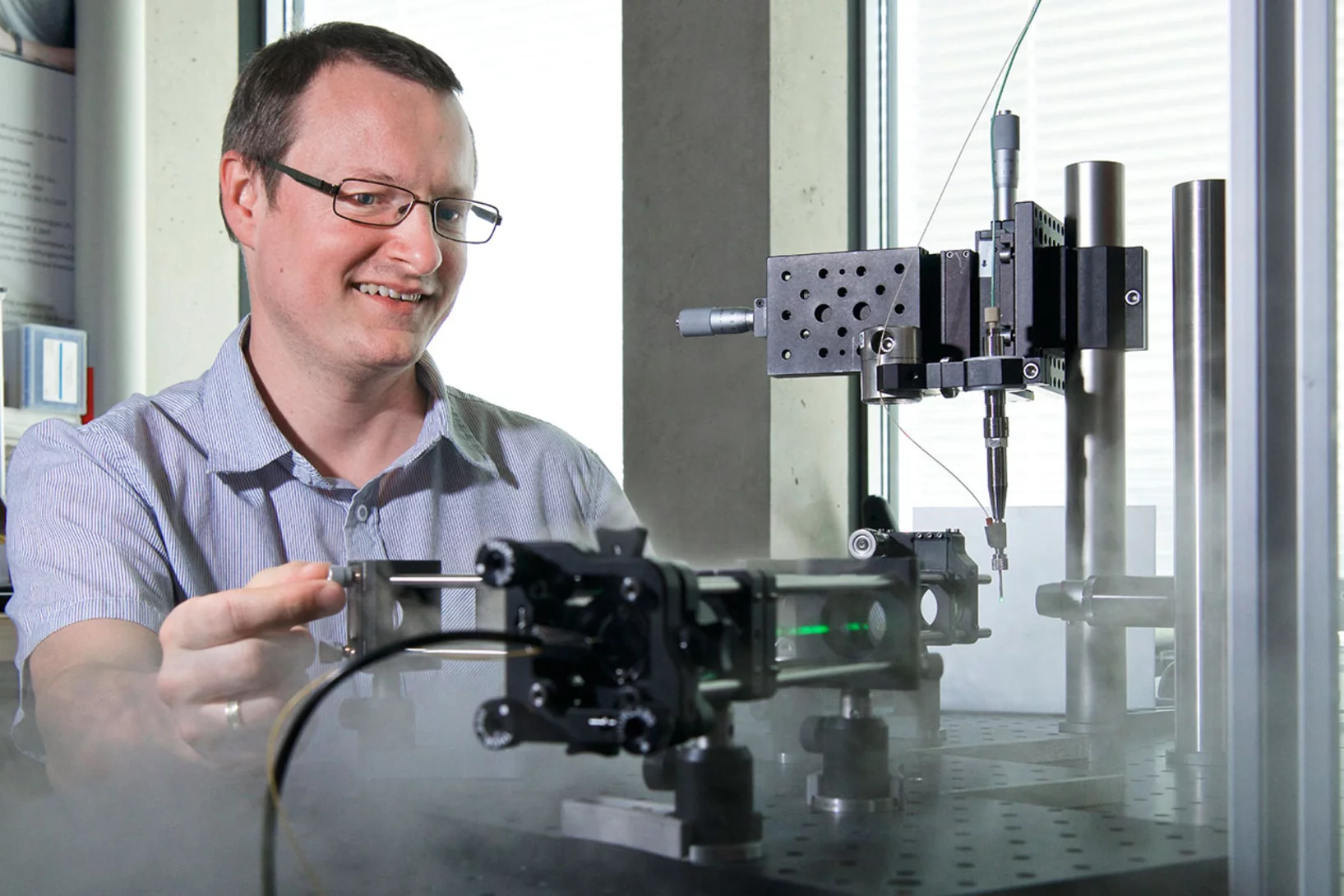
La star à l’écran: une machine moléculaire
Des chercheurs de l’Institut Paul Scherrer PSI ont filmé une machine moléculaire en mouvement grâce à la Source de Lumière Suisse SLS, et ainsi révélé comment fonctionne la production d’énergie au niveau des cellules membranaires. Ils ont développé à cet effet une nouvelle méthode qui pourrait permettre des succès inédits dans l’analyse des processus cellulaires.