Show filters
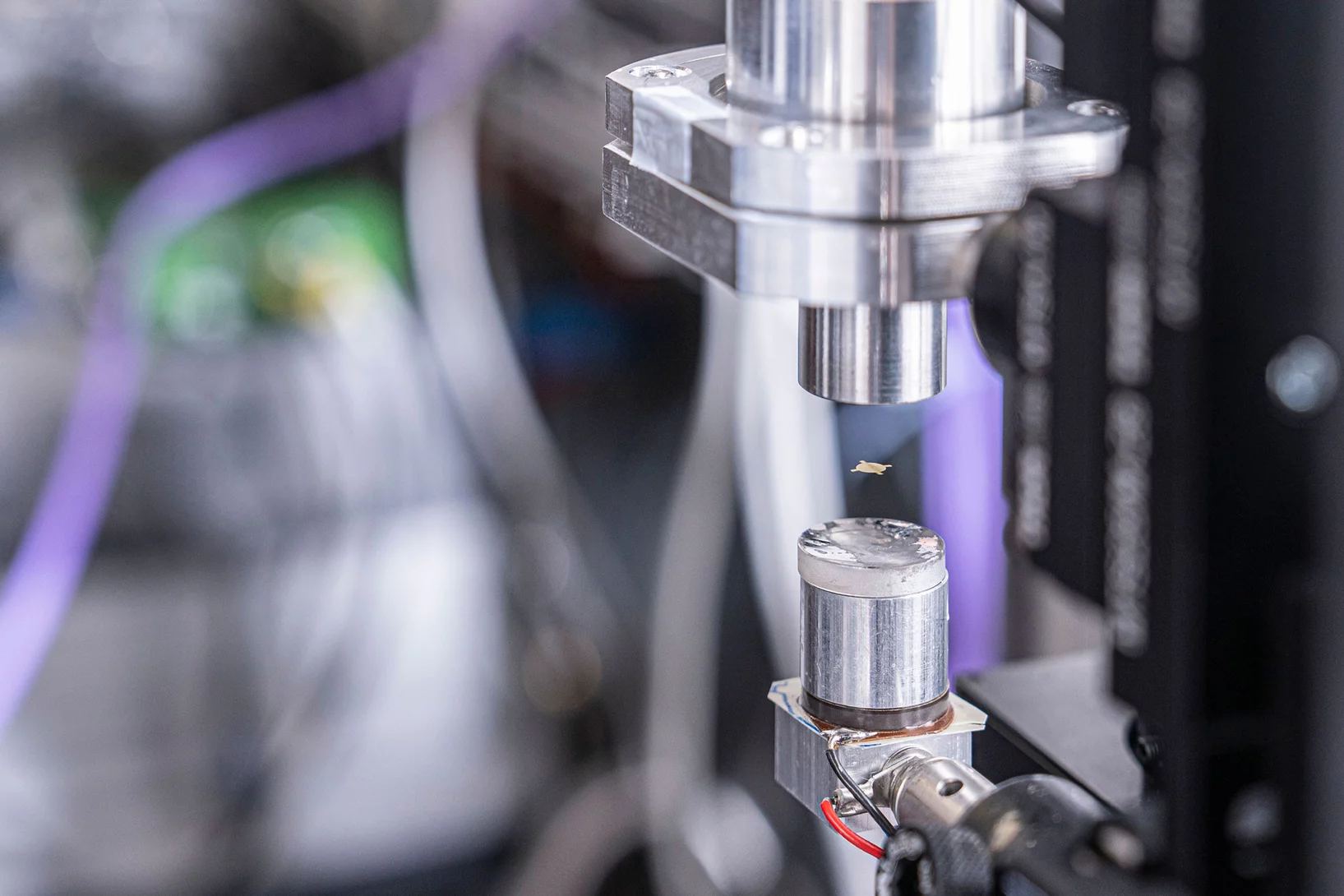
A new spin on sample delivery for membrane proteins
Proteins hover in front of the X-ray beam at a Swiss Light Source beamline. Now, spinning thin films bring on board these trickiest of proteins.
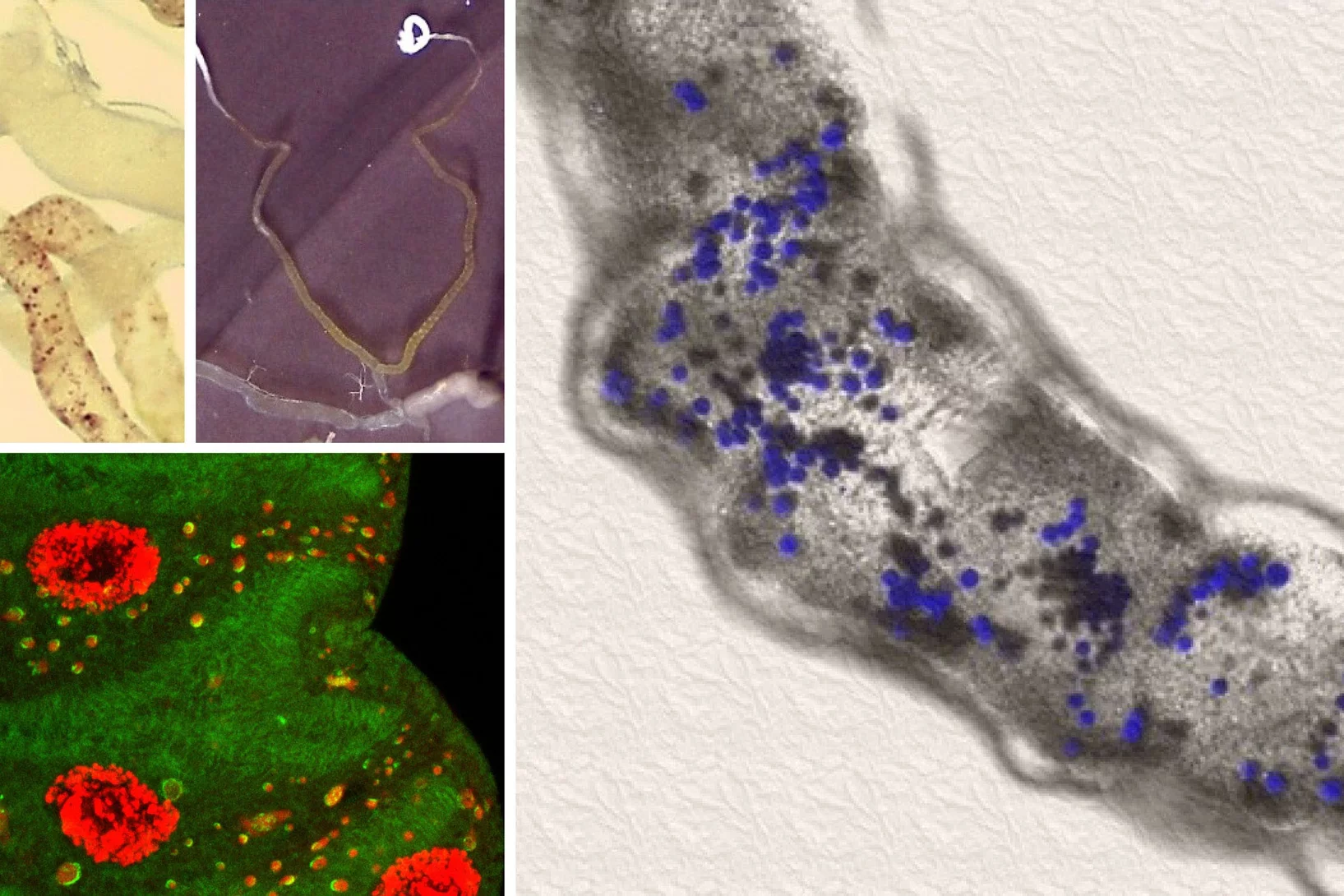
The chemical complex that regulates body zinc storage
Zinc deficiency compromises the immune system and is a global public health problem. Through experiments at the Swiss Light Source SLS and BESSYII, researchers gained new insights into zinc storage, with implications for understanding COVID-19 severity.
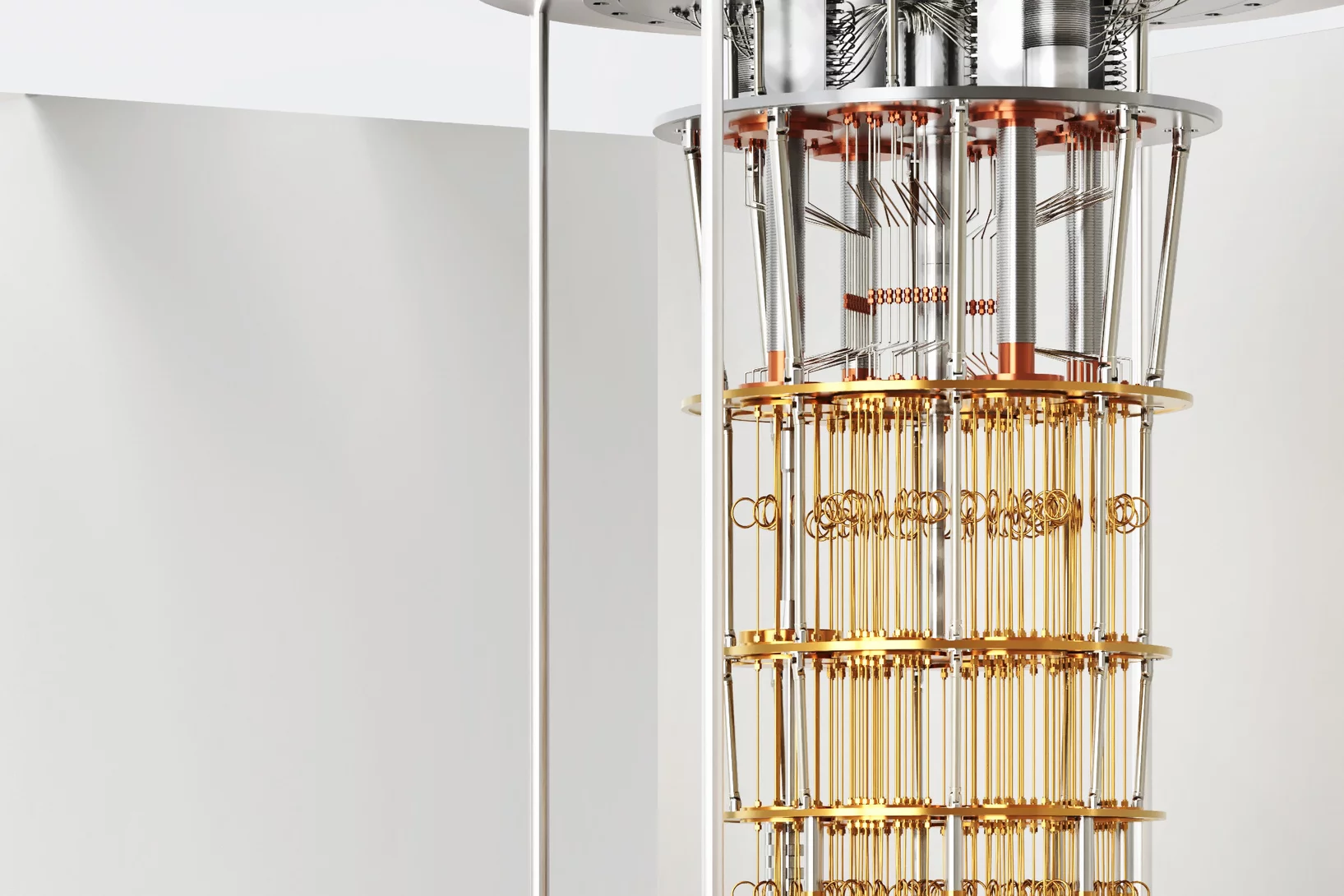
Une solution à l’insoluble
Le PSI et l’ETH Zurich ont créé le Quantum Computing Hub. Des chercheurs de pointe y collaborent au développement d’ordinateurs quantiques.
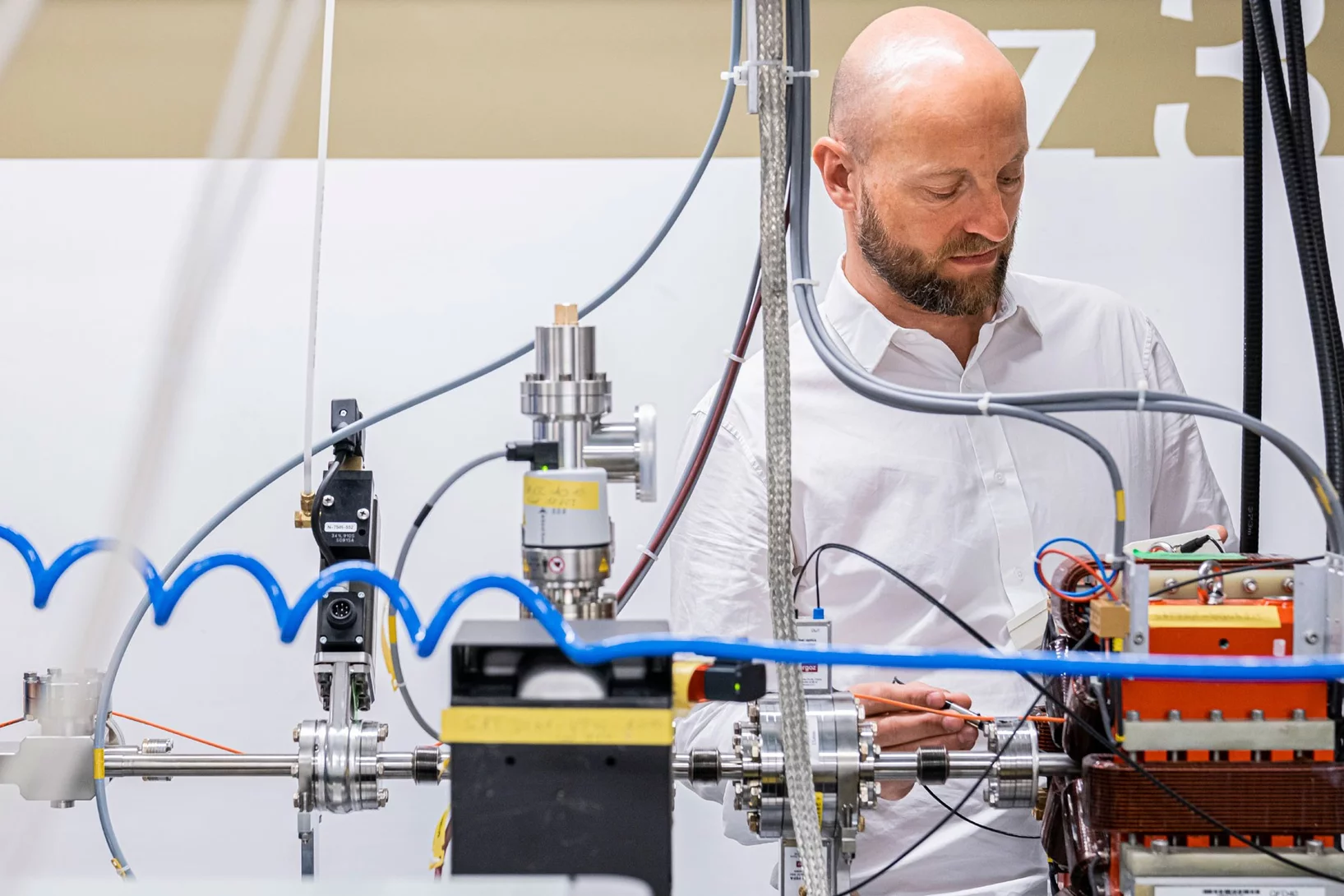
Athos just got even better
An ambitious upgrade at the soft X-ray beamline of the free electron laser SwissFEL opens up new experimental capabilities.
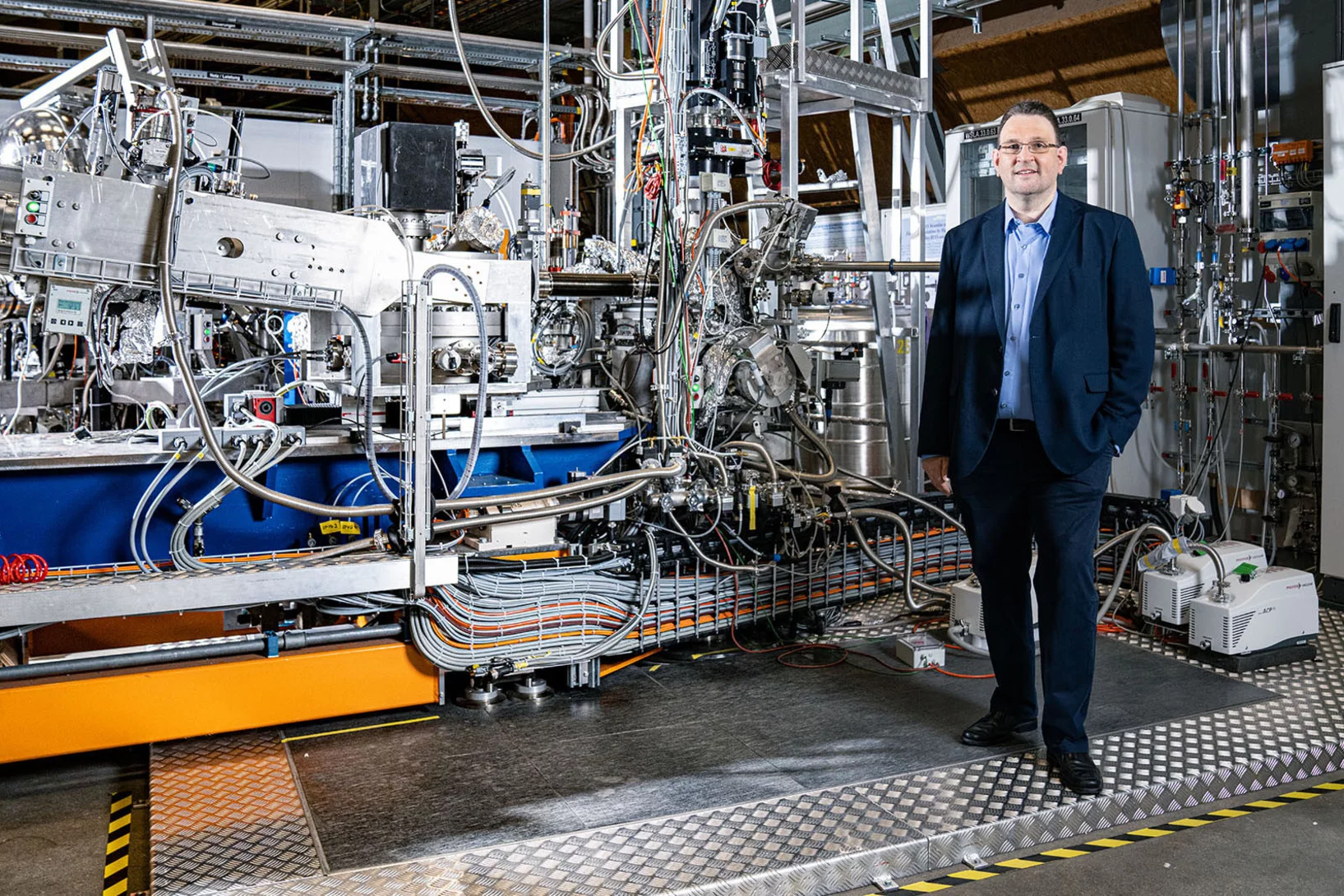
Mieux comprendre l'eau
Réalisation d’une carte de potentiel des molécules d’eau
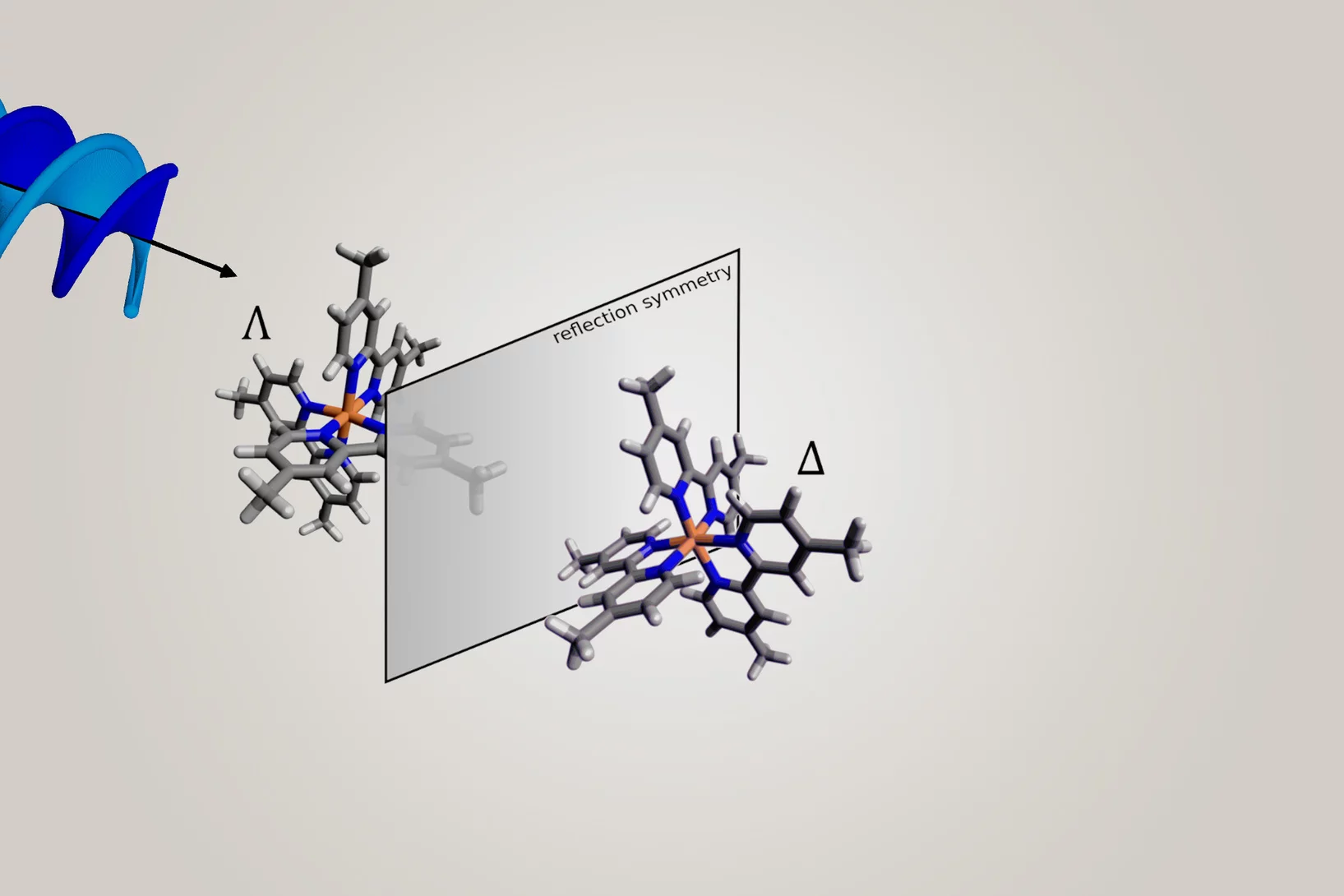
Différencier plus facilement les molécules chirales
Des chercheurs ont démontré que les rayons X dotés d’un front d’onde hélicoïdal permettent de mieux différencier les énantiomères, des molécules qui sont les images-miroir l’une de l’autre.
Reaction insights help make sustainable liquid fuels
Methanol made from CO2 in the air can be transformed into carbon neutral fuels. New mechanistic understanding aids development of this sustainable alternative.
Plus vite et intelligemment
Le PSI regroupe son expertise en matière d'évaluation des données de recherche dans la nouvelle division de recherché Calcul scientifique, théorie et données.
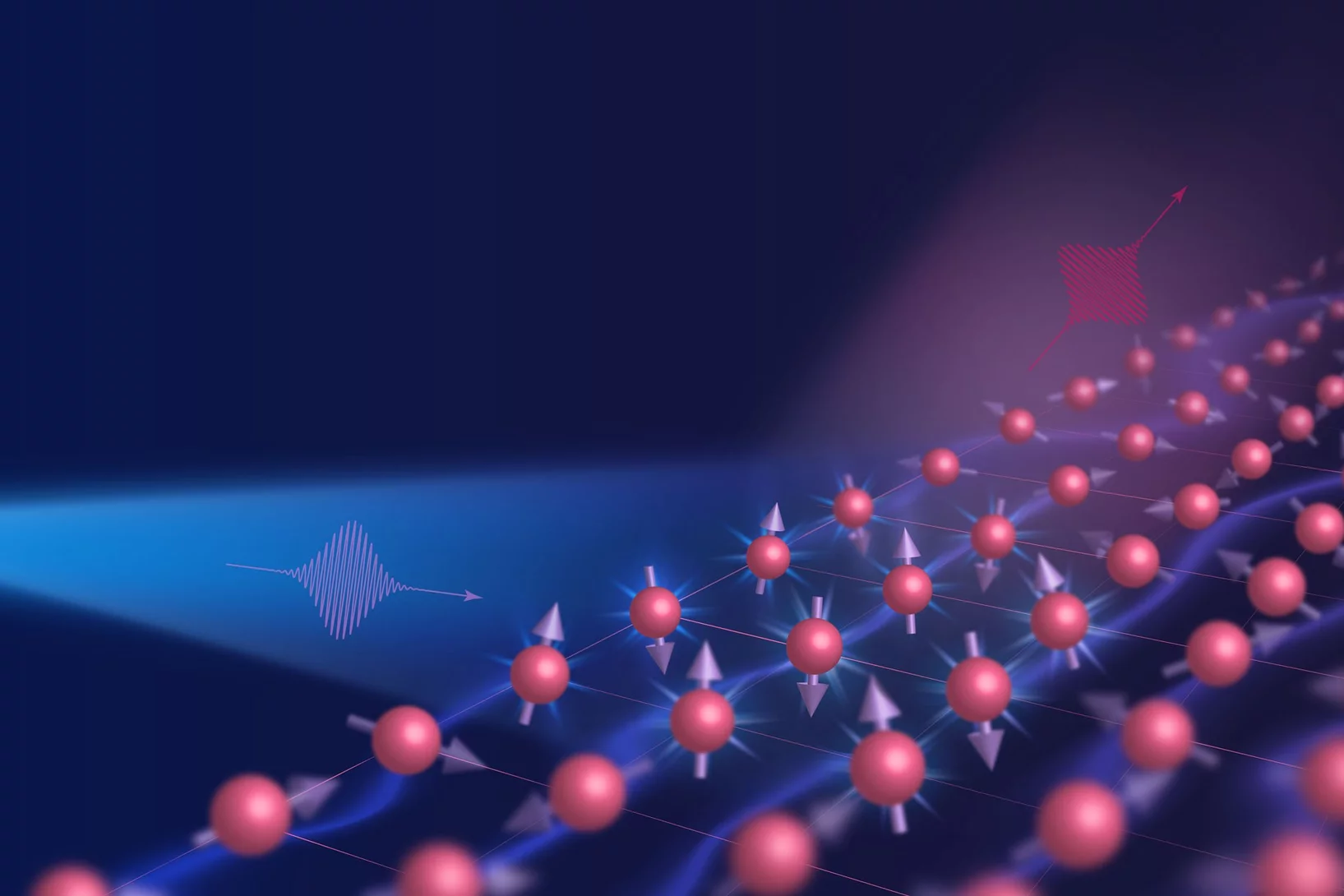
Spin keeps electrons in line in iron-based superconductor
Electronic nematicity, thought to be an ingredient in high temperature superconductivity, is primarily spin driven in FeSe finds a study in Nature Physics.
Nominée: la radiographie précise des tissus mammaires
Traquer le cancer du sein à l’aide de rayons X à haute résolution: des chercheurs du PSI ont été nominés pour le Prix de l’inventeur européen.
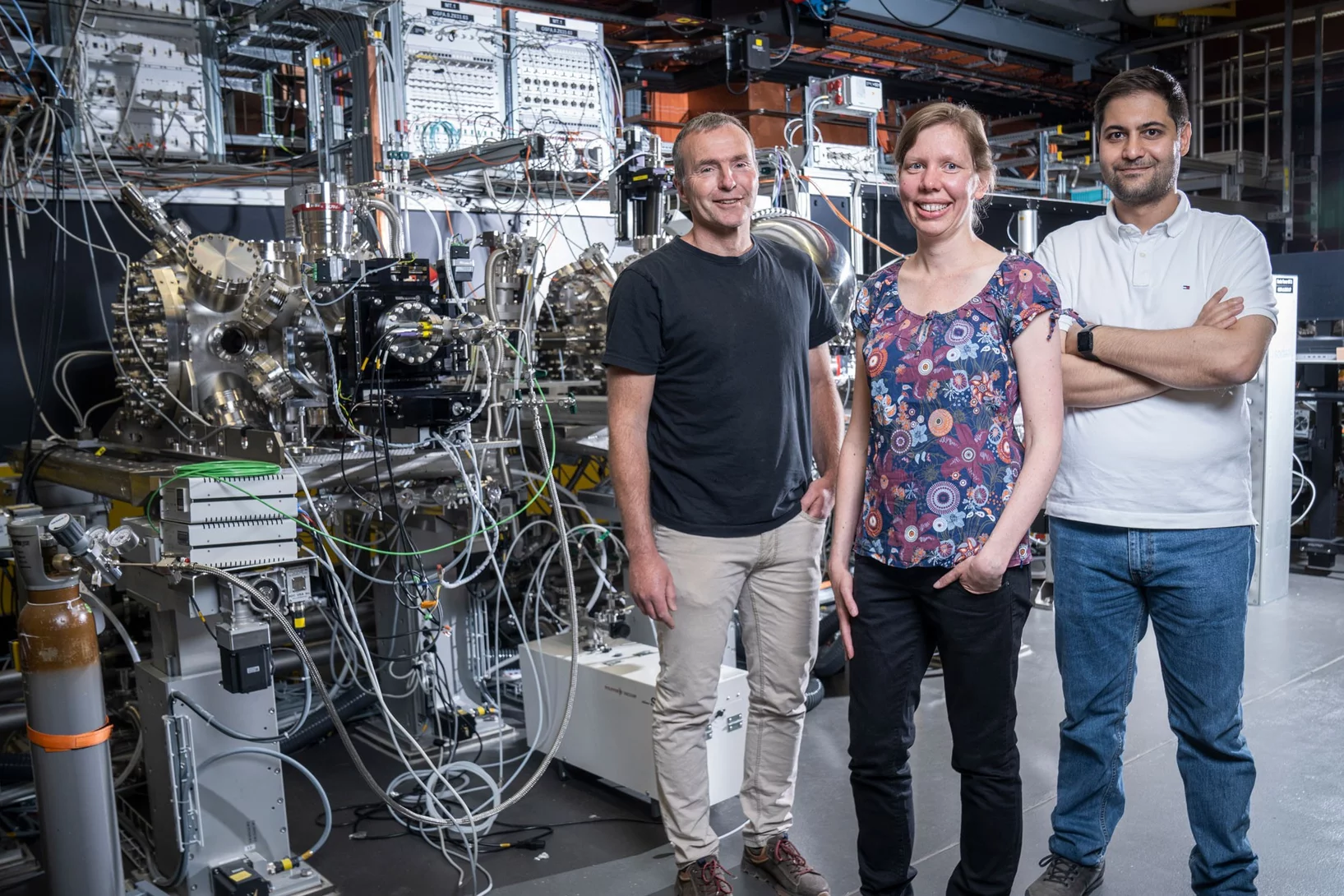
New SwissFEL soft X-ray endstation welcomes first users
Maloja is go. First user experiments mark a double first, not only for the Maloja endstation but also for the second beamline of SwissFEL, Athos.
Trouver des principes actifs contre le cancer
Des chercheurs du PSI ont développé une nouvelle substance qui inhibe une protéine vitale du cytosquelette.
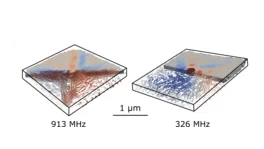
Into the fourth dimension: time-resolved soft X-ray laminography
Combining time-resolved soft X-ray STXM imaging with magnetic laminography, researchers were able to investigate magnetization dynamics in a ferromagnetic microstructure resolved in all three spatial dimensions and in time. Thanks to the possibility of freely selecting the frequency of the excitation applied to the magnetic element, this technique opens the possibility to investigate resonant magneto-dynamical processes, such as e.g. magnetic vortex core gyration and switching, and spinwave emission.
Aperçu de l’avenir magnétique
Des chercheurs du PSI observent pour la première fois un comportement spécifique de la glace magnétique.
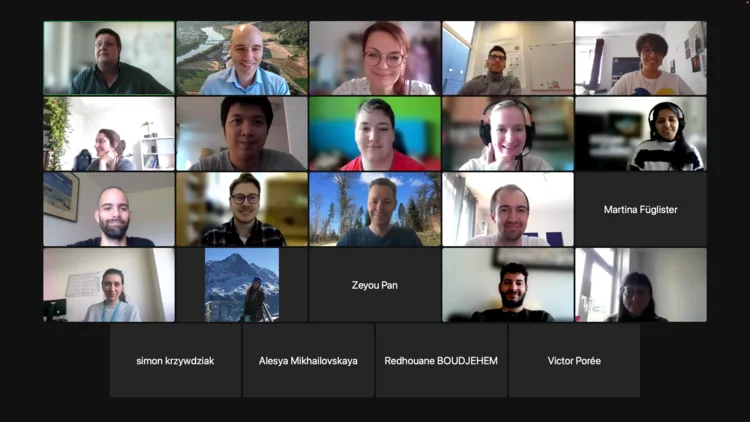
Hercules School 2022
PSI hosted again the Hercules School in March 2022. We had the pleasure to welcome 20 international PhD students, PostDocs and scientists to demonstrate our state-of-the-art techniques and methodologies at our large scale facilities, the Swiss Light Source (SLS), the Swiss Spallation Neutron Source (SINQ) and our free electron laser SwissFEL.
Une nouvelle lentille à rayons X facilite l’exploration du nanomonde
Une lentille achromatique pour la lumière de type rayons X est pour la première fois développée au PSI.
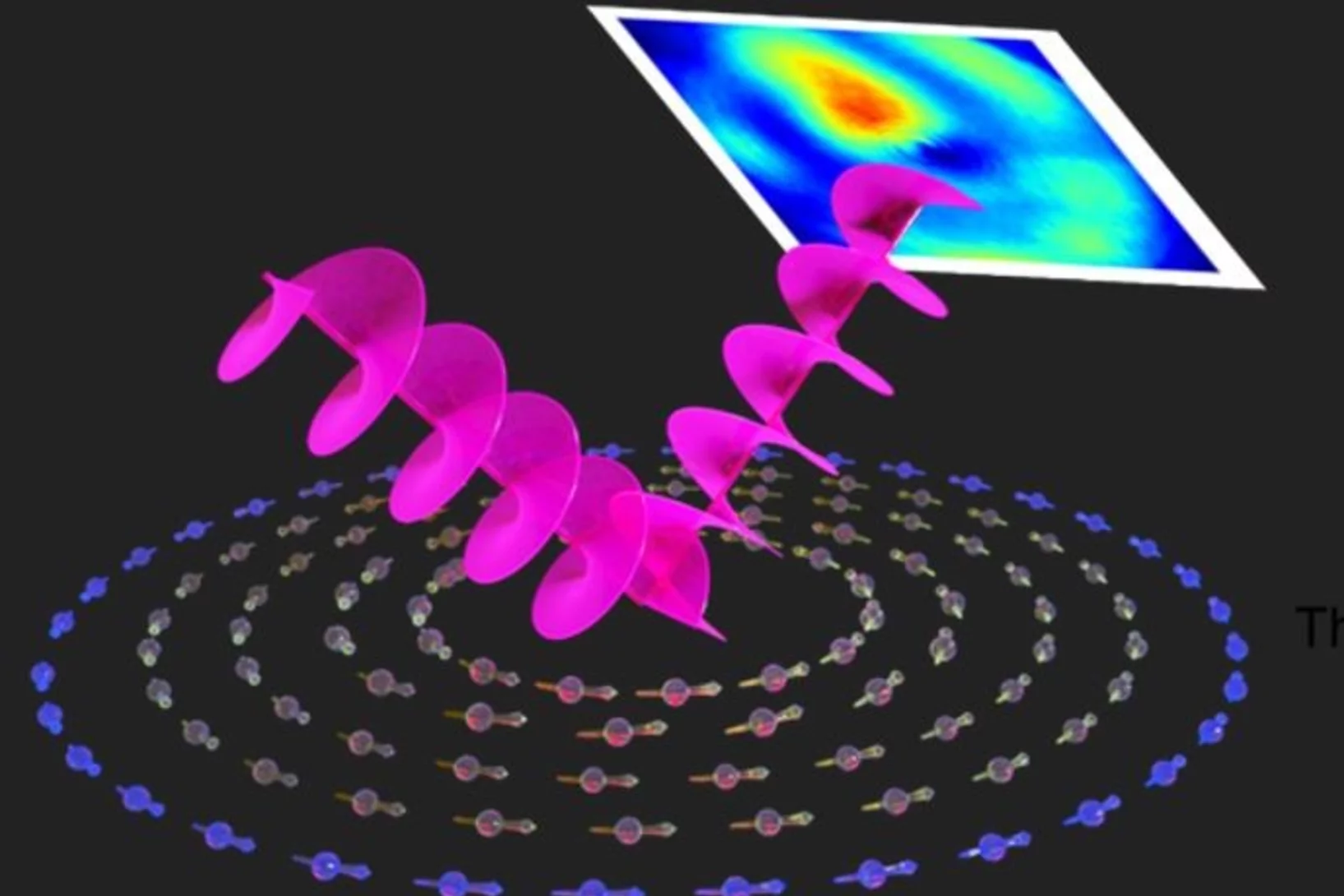
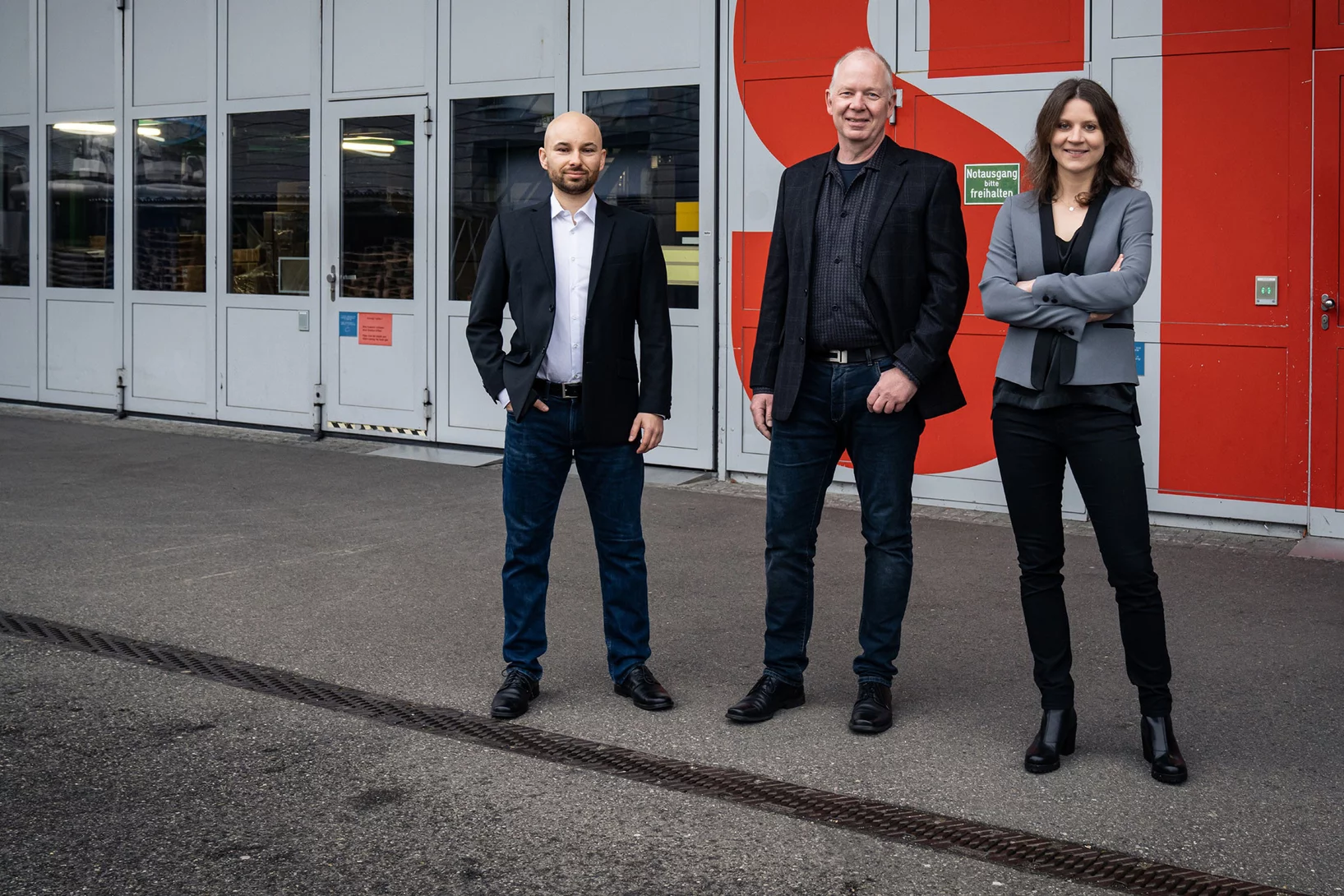
Light springs and magnetic vortices: a new kind of dichroism
In contrast to circular dichroism that is dependent on the polarization, helicoidal dichroism induced by a twisted wave front profile is scarcely known. The first evidence of magnetic helicoidal dichroism has now been observed in an experiment using Spiral Fresnel Zone Plates developed at the Paul Scherrer Institut.
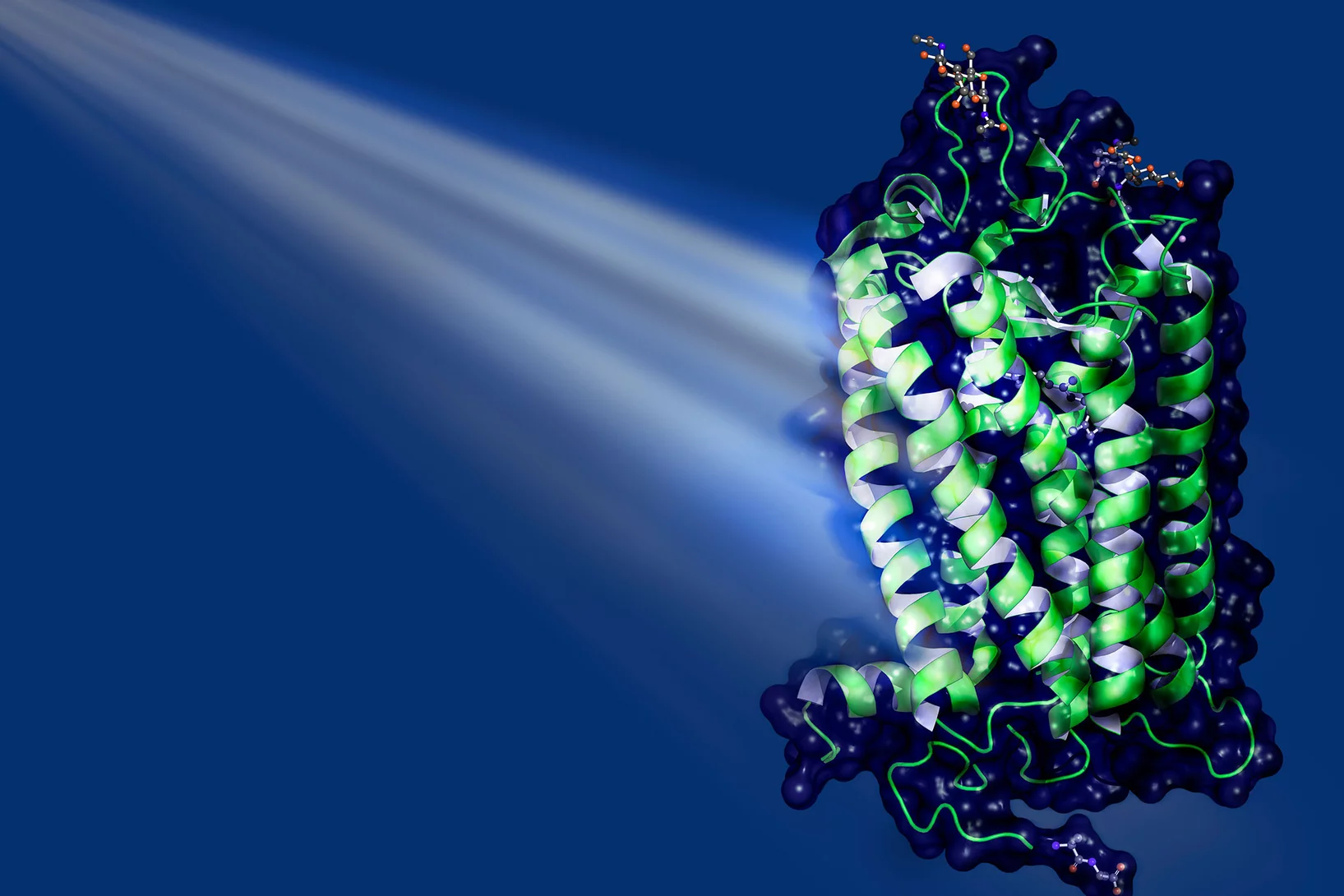
L’univers miraculeux des antennes moléculaires
Comment des processus dans des cellules peuvent être activer et désactiver par des récepteurs de lumière
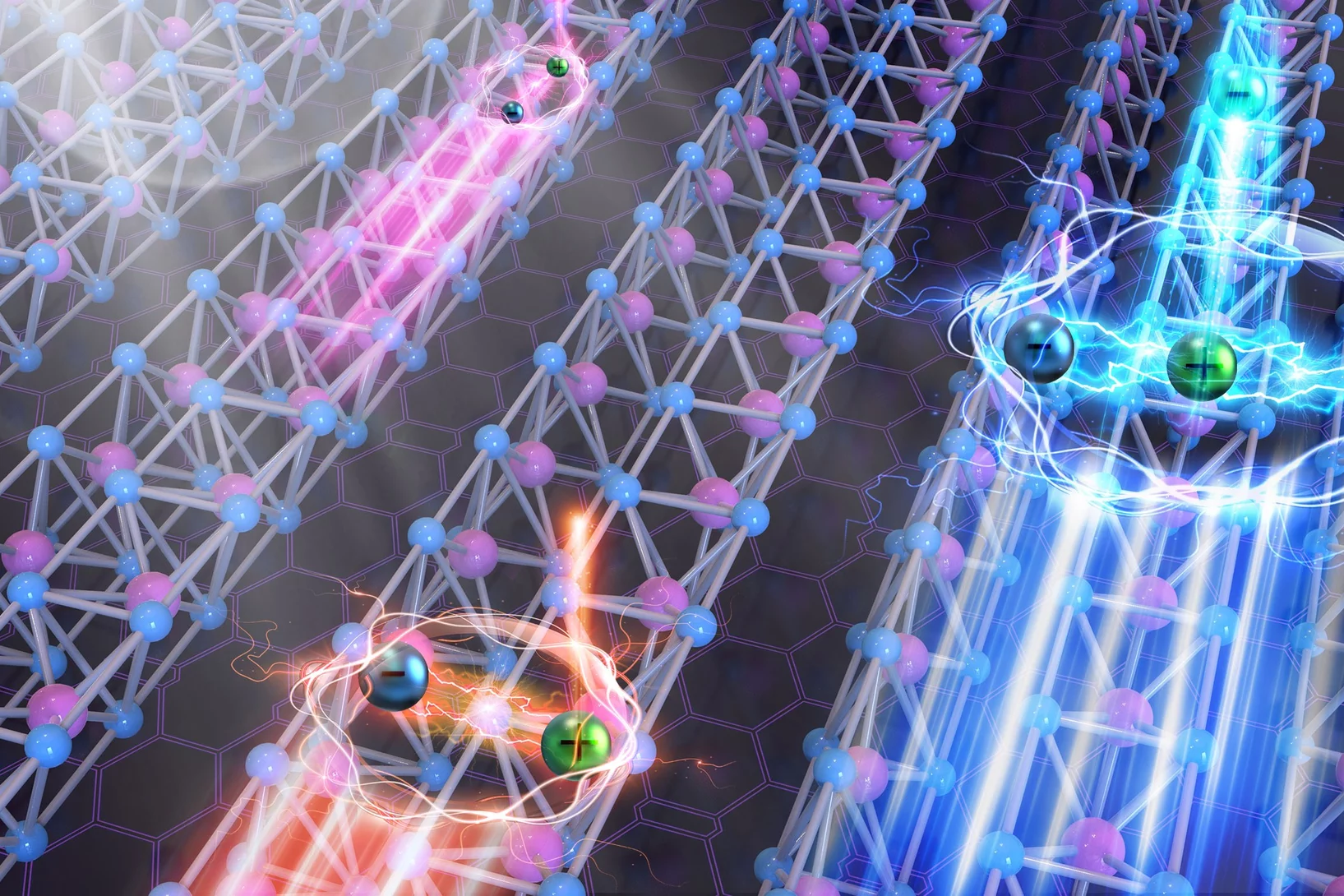
Mobile excitons as neutral information carriers
These quasiparticles have the potential to revolutionise electronics - if they can move. Mobile excitons have now been observed for the first time in a metal.
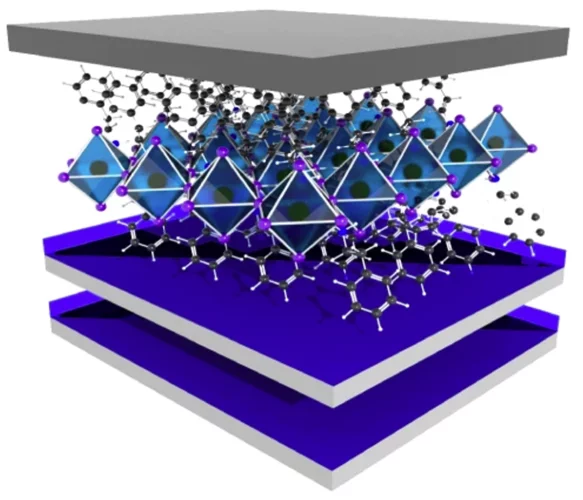
Lighting up the appealing world of hybrid perovskites
Researchers from Italy, in collaboration with the Paul Scherrer Institut, successfully used the macromolecular crystallography beamline X06DA-PXIII at the Swiss Light Source to characterize promising perovkites materials used in solar cells and other photodetector devices.
Opening the door to X-ray quantum optics
The 'perfect' X-ray beam-splitter: Researchers at SwissFEL have an ingenious solution to produce coherent copies of pulses, facilitating a realm of new X-ray techniques.
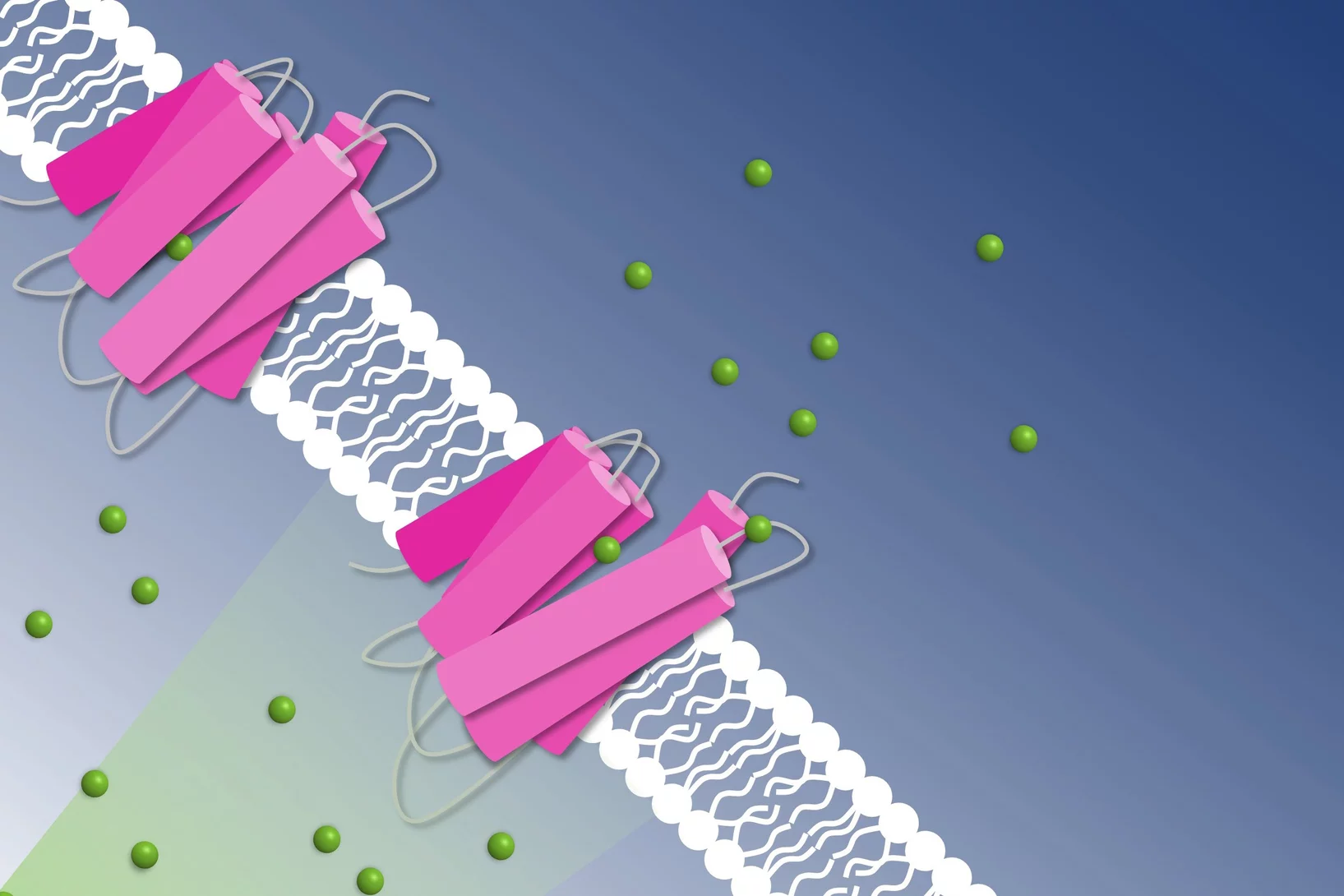
How to get chloride ions into the cell
A molecular movie shot at PSI reveals the mechanism of a light-driven chloride pump
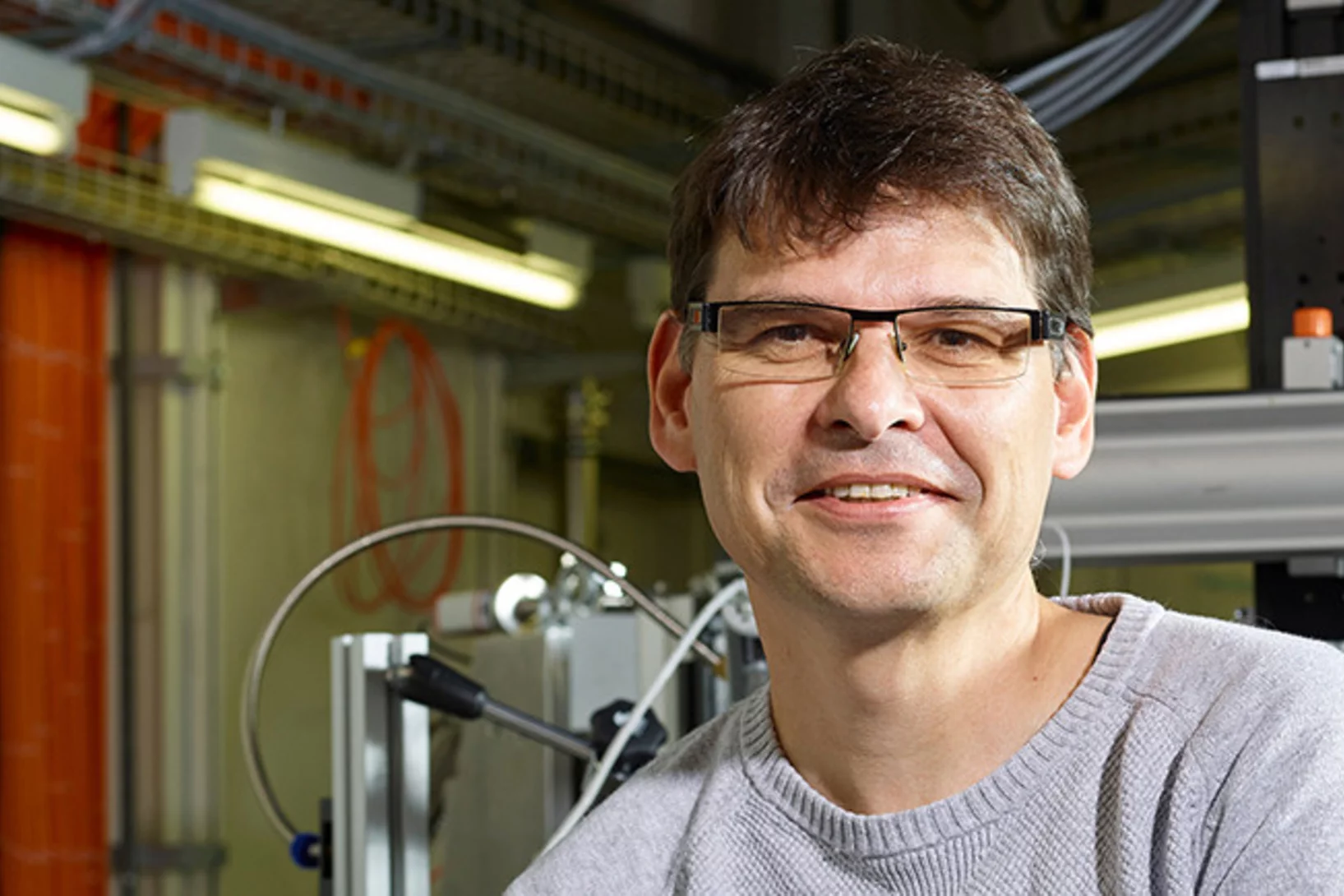
Une simulation pour faire avancer les travaux de déblaiement à Fukushima
Une nouvelle simulation des débris radioactifs les plus dangereux de la centrale nucléaire de Fukushima devrait faire avancer les travaux de déblaiement.
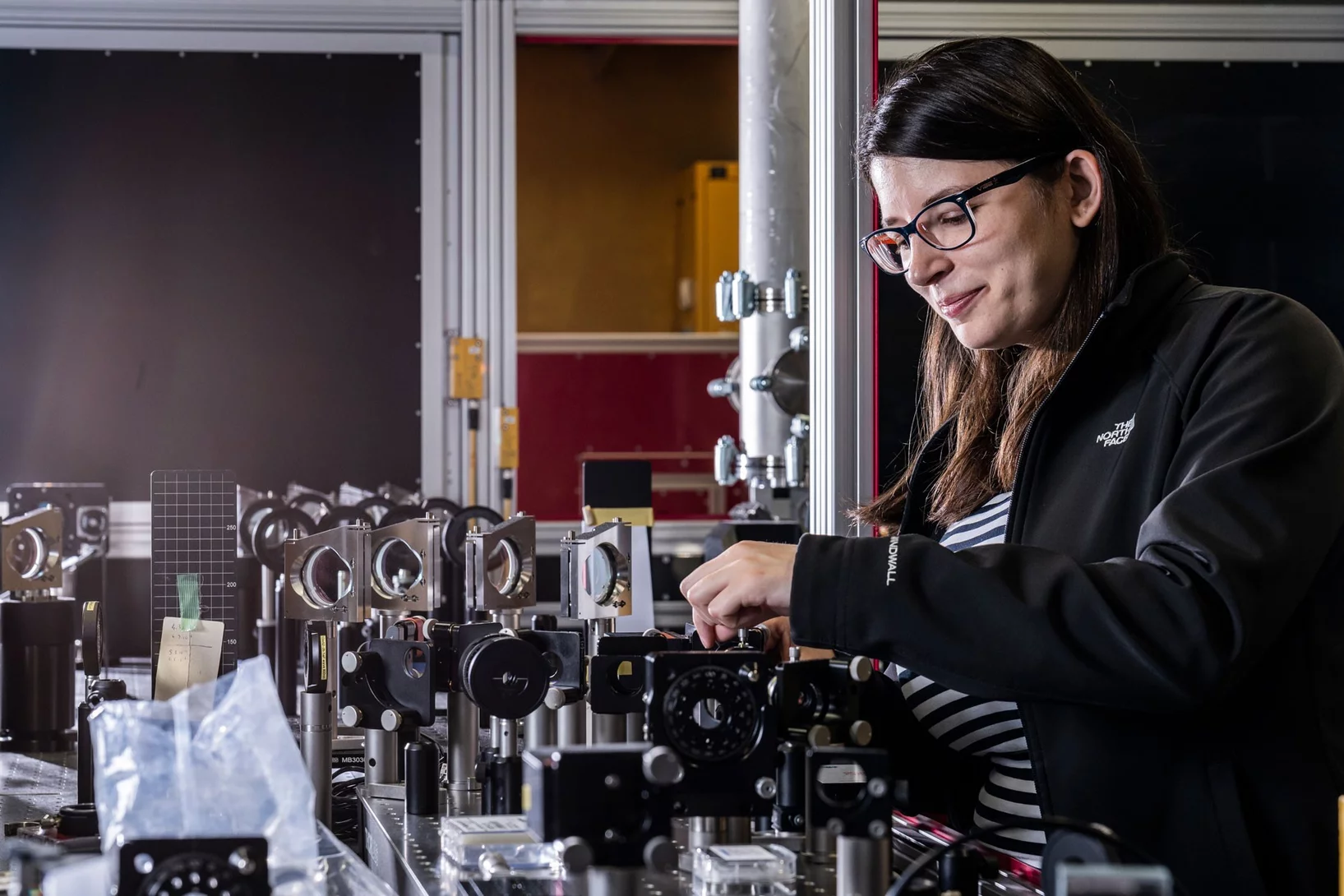
EU XFEL Young Scientist Award for Camila Bacellar
Camila Bacellar, beamline scientist and group leader of the Alvra endstation at SwissFEL, has received the European XFEL Young Scientist Award. The award recognises the contribution of young scientists to research at the European XFEL.
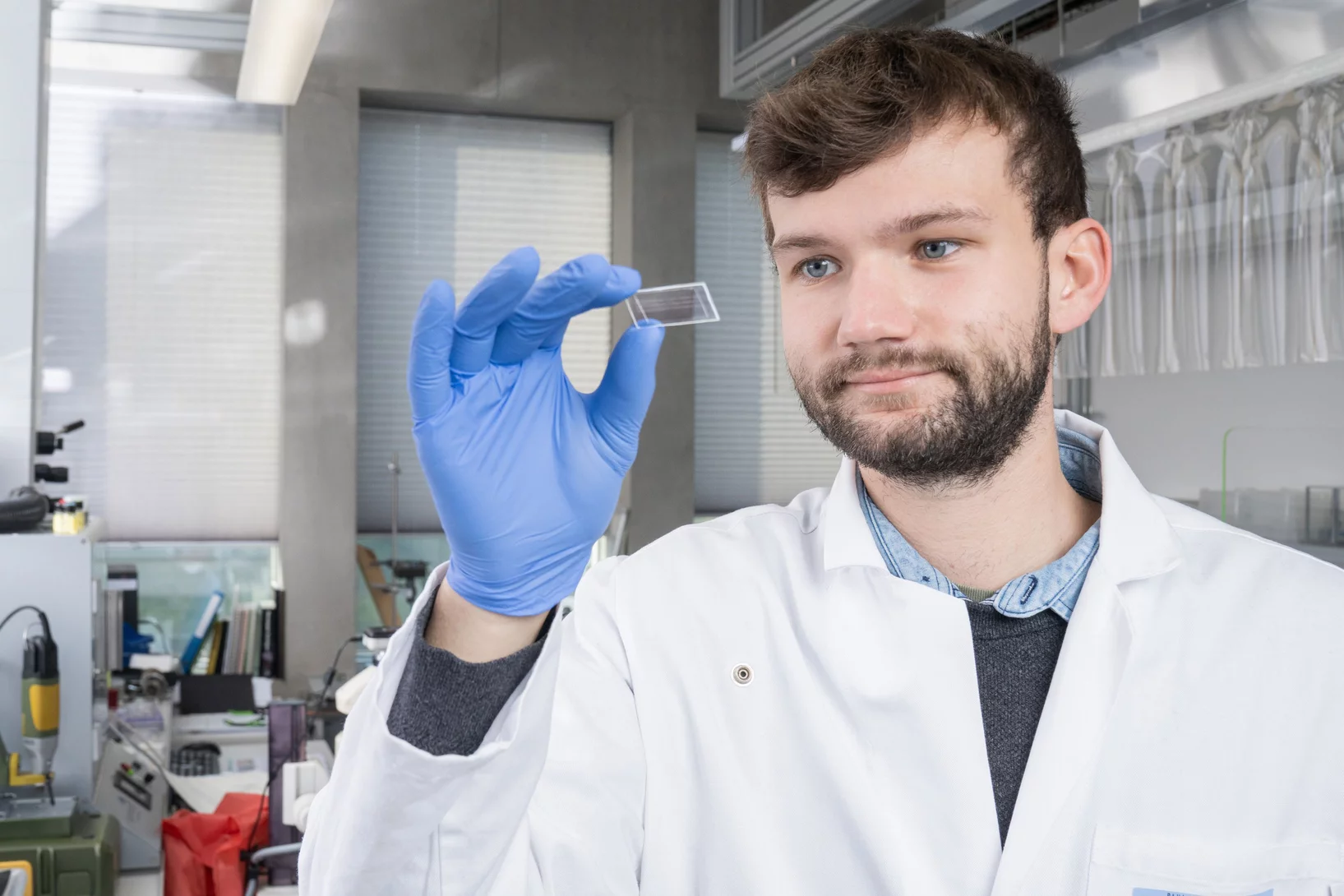
Covid-19: un nouveau test rapide plus performant
Le test identifie les différents variants du virus et améliore le pronostic de la maladie.
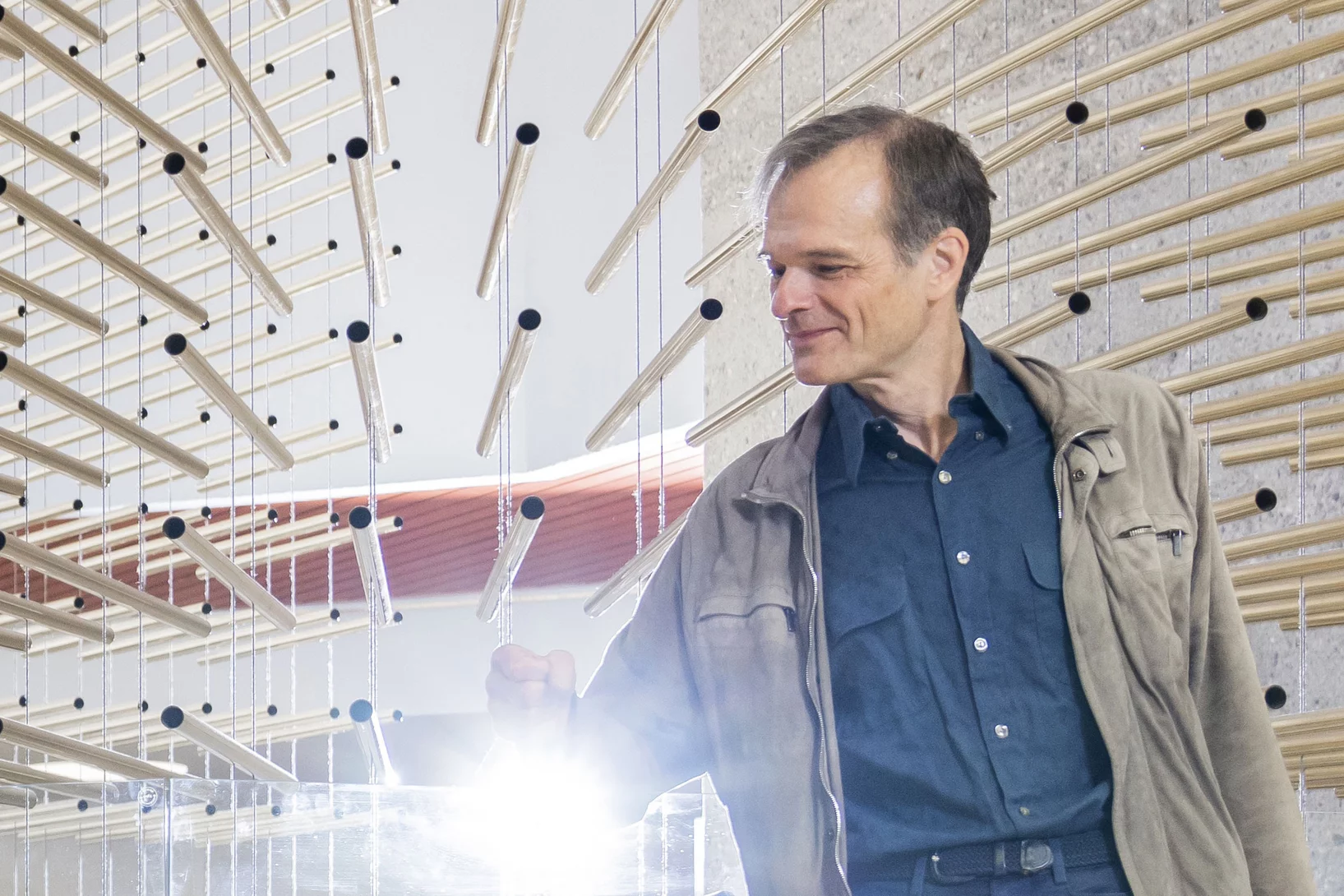
En route vers des ordinateurs quantiques plus compacts grâce à la topologie
Des chercheurs en quête de qubits particulièrement stables ont étudié en détail la distribution des électrons dans deux semi-conducteurs.
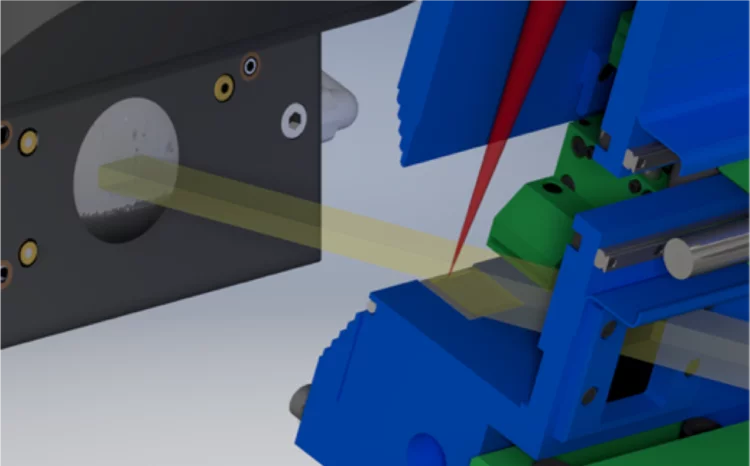
Direct observation of crack formation mechanisms with operando Laser Powder Bed Fusion X-ray radiography
Operando high-speed X-ray radiography experiments reveal the cracking mechanism during 3D laser printing of a Ni superalloy.
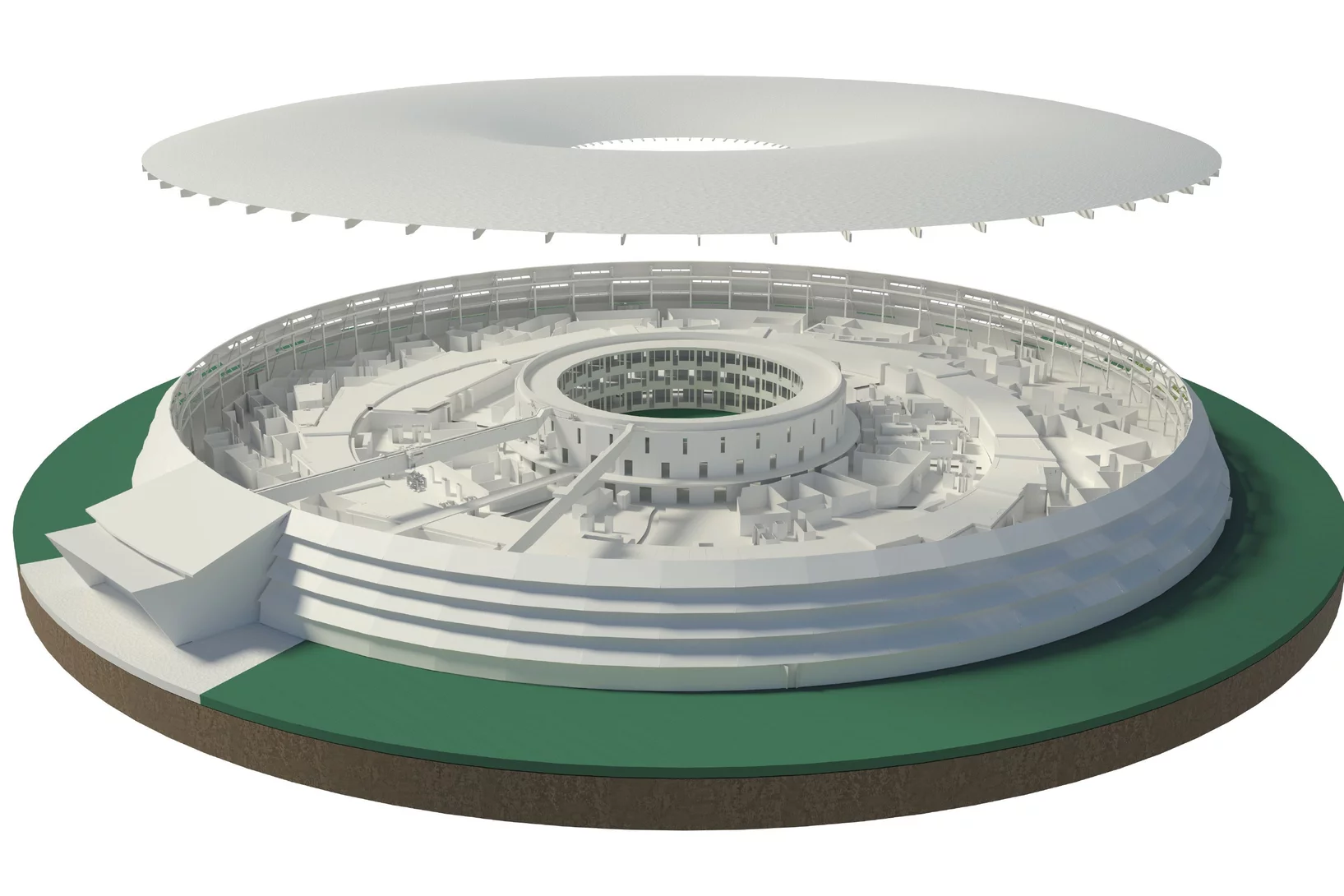
Plusieurs millions d’euros pour la recherche quantique et la recherche sur le cerveau
Le Conseil européen de la recherche approuve des projets du PSI sur le développement d'un calculateur quantique et sur la recherche sur le cerveau pour un montant de 5 millions d'euros.
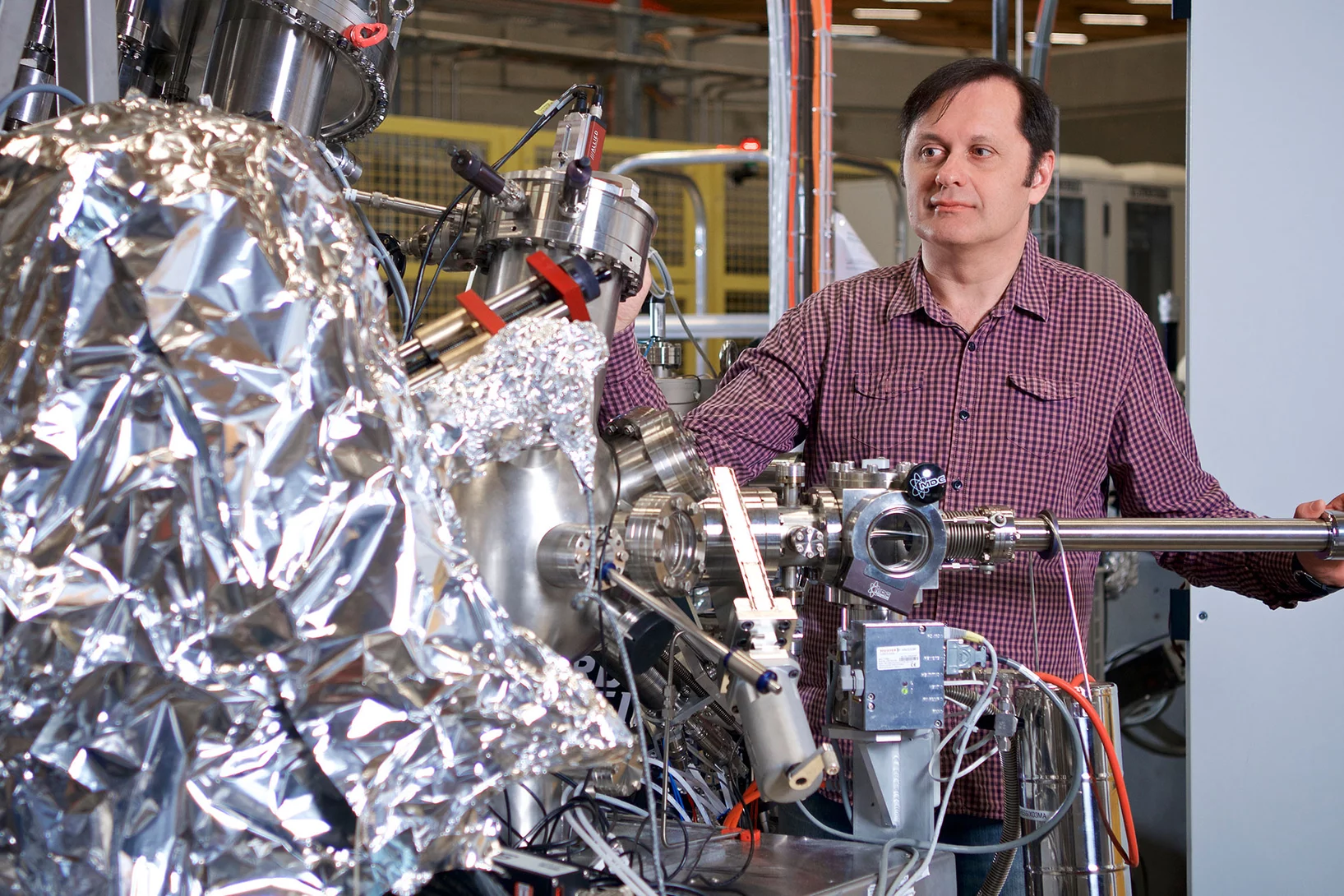
Les semi-conducteurs atteignent le monde quantique
La technologie des semi-conducteurs pourrait être améliorée et prendre un nouveau virage, grâce à l’exploitation des effets quantiques dans des supraconducteurs.
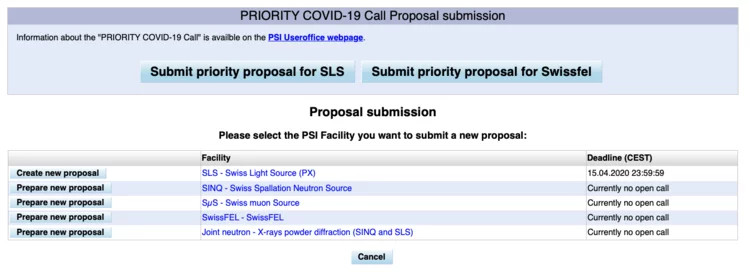
Priority access call for work on combating COVID-19 continues
On January 30th, 2020, the WHO declared the recent outbreak of coronavirus disease 2019 (COVID-19), a public health emergency of international concern. It declared that there is an urgent need to improve our understanding of the newly identified virus and its possible future evolution as well as to contain the spread; to develop precise diagnostics and treatment, and to improve the public health response and patient care.
The COVID priority access call continues and is still open in 2022.