

Show filters
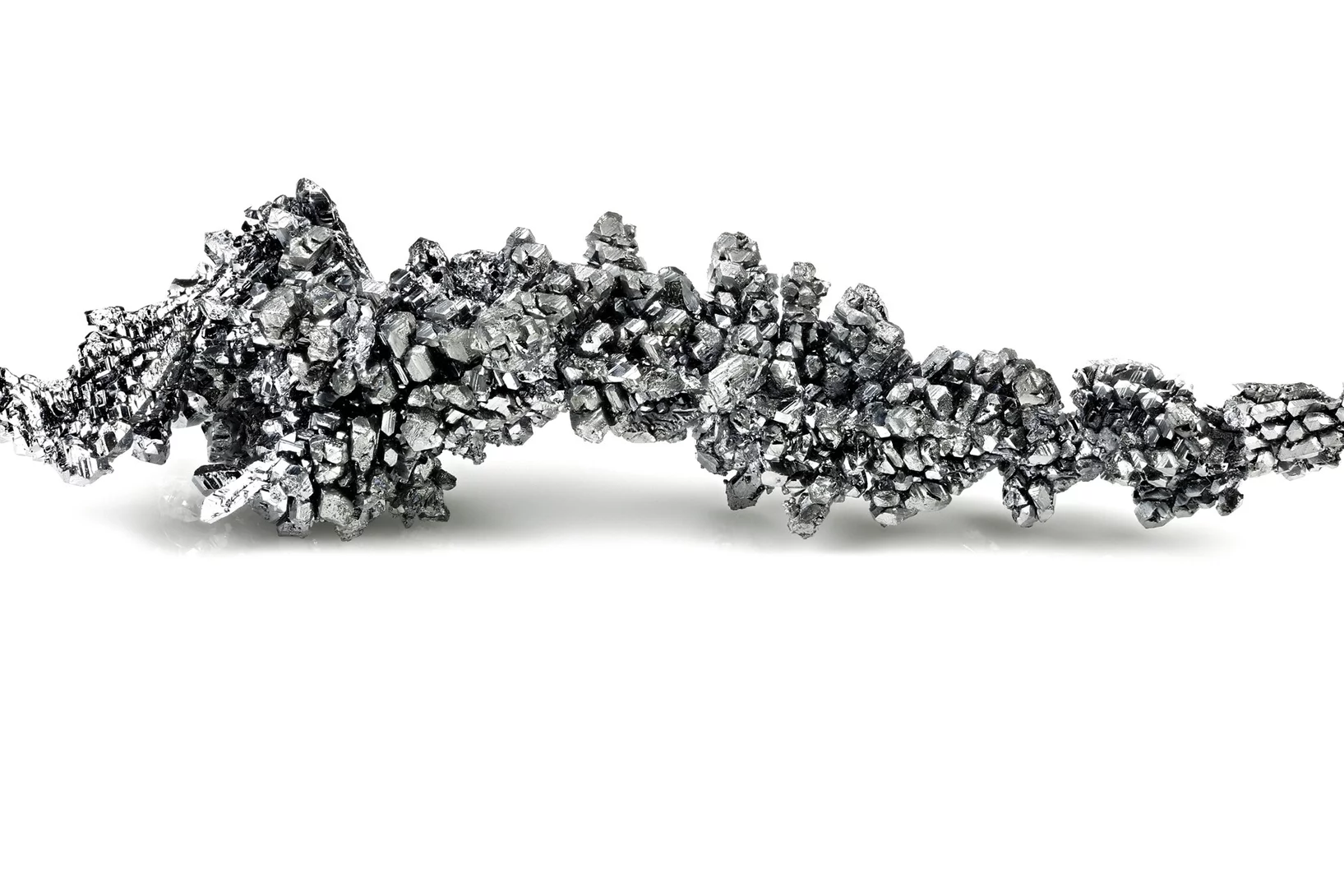
Dati per un migliore flusso di vanadio
I ricercatori del PSI hanno sviluppato un database dinamico sull'economia globale del vanadio. L'obiettivo è quello di promuovere l'uso di speciali sistemi di accumulo di energia e quindi la transizione energetica.
POLIZERO: Il progetto del PSI mostra come raggiungere la neutralità climatica
L'obiettivo dell'azzeramento netto è realizzabile, se la Svizzera decide di seguire la giusta rotta politica.

Study reveals: Smoke from crop residue burning worsens air pollution in Indian cities
Identifying the main source of air pollution in Indian cities is crucial to reducing the many deaths caused by fine particulate matter (PM₂.₅) – deaths that during the harvest season can account for up to half of all air pollution-related fatalities. An international research team lead by the Paul Scherrer Institute (PSI), funded by the Swiss Agency for Development and Cooperation (SDC) has investigated in detail the sources of the organic components of fine particulate matter in the northern Indian cities of Delhi and Kanpur, located in the Indo-Gangetic Plain. Using novel high-resolution molecular measurement techniques and advanced data analysis, the researchers were able to precisely identify and quantify the sources of organic fine particulate matter.

Sarbajit Banerjee wins Royal Society of Chemistry’s Centenary Prize
ETH Zürich and the Paul Scherrer Institut PSI scientist Professor Sarbajit Banerjee has been named winner of the Royal Society of Chemistry’s Centenary Prize in recognition of brilliance in research and innovation.

PSI-Forschung im meistbesuchten Museum der Schweiz
Energieforschung erlebbar machen: Das Verkehrshaus der Schweiz schafft eine Plattform für den politischen und gesellschaftlichen Dialog rund um Energiethemen.
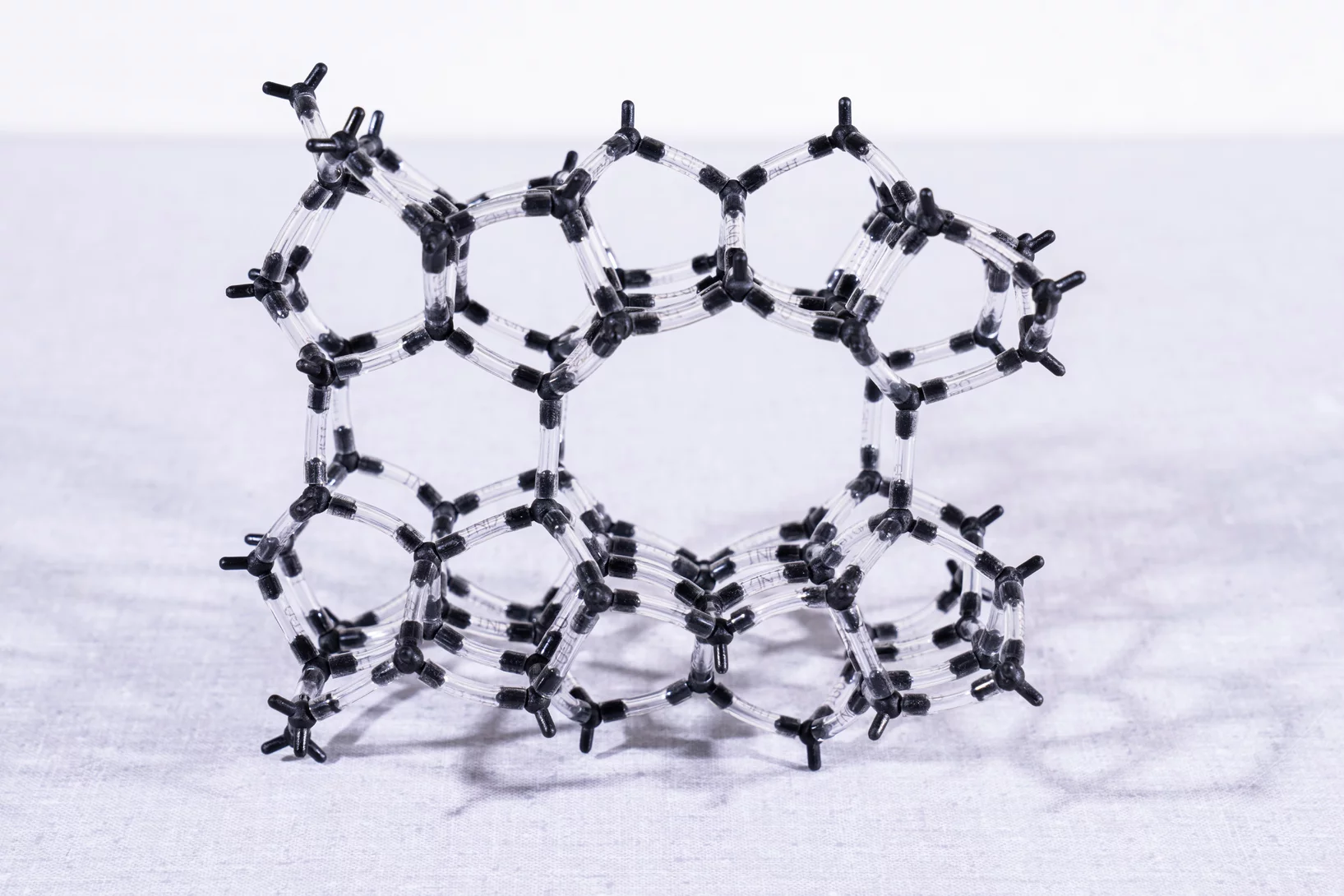
Aluminium sichtbar gemacht
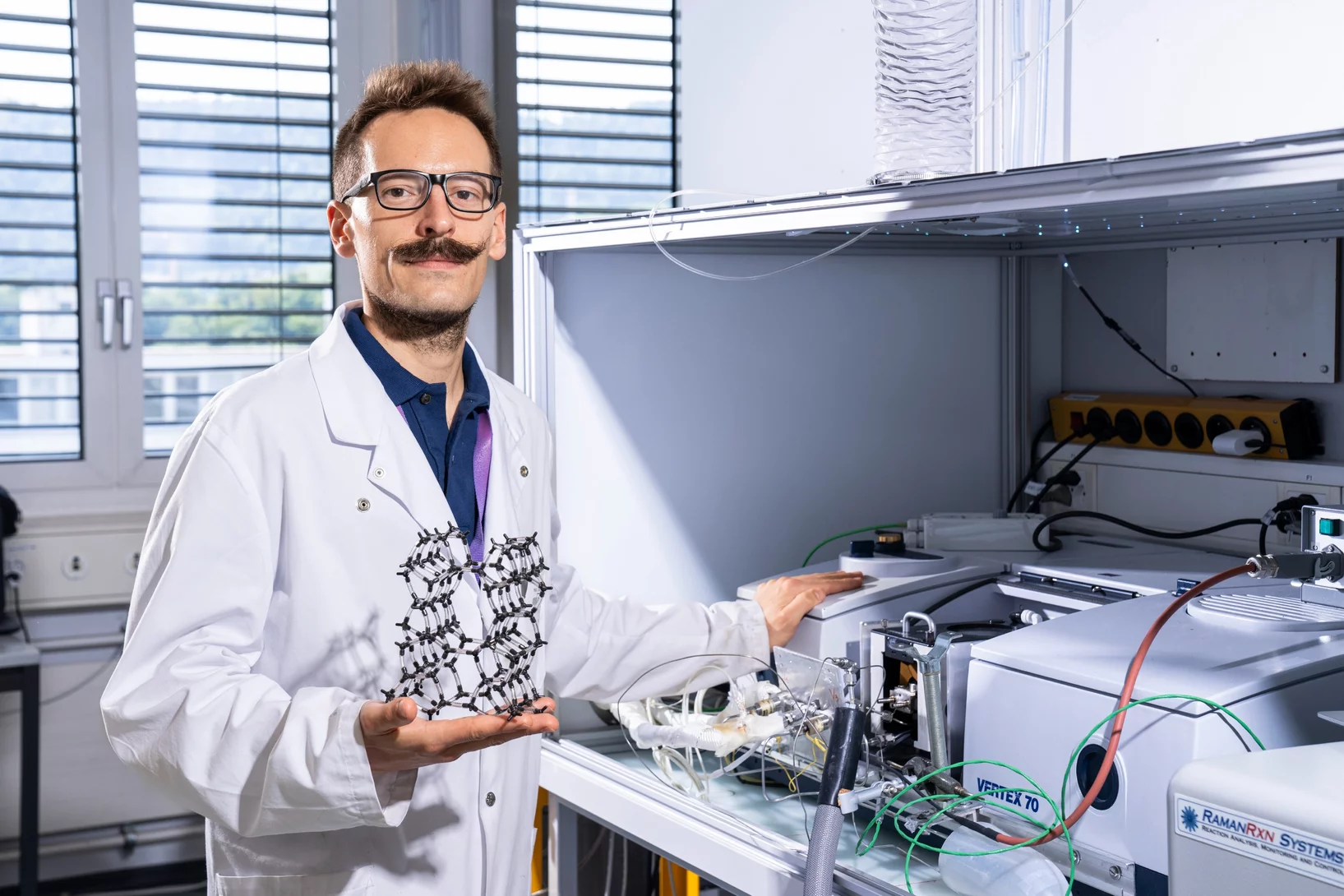
PSI-Forschende haben in Zeolithen erstmals die genaue Lage der Aluminiumatome bestimmt, welche die Materialien zu so guten Katalysatoren machen.
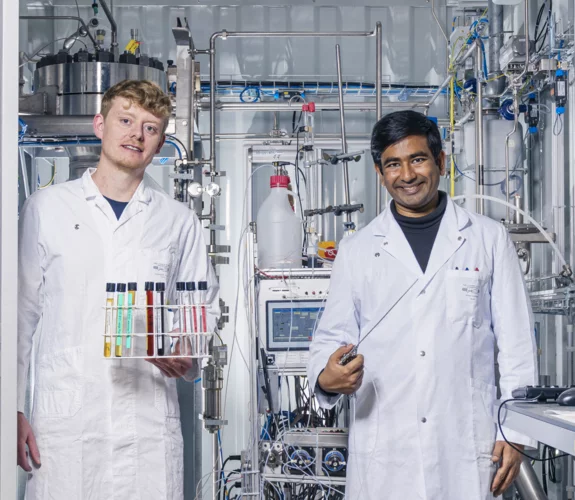
Advancing Biogas Quality: Tackling Siloxane Challenges for Smooth Energy Transition
Siloxanes, present in everyday items, can compromise the efficiency and durability of bioenergy systems, even at trace levels. Monitoring and quantifying these impurities are critical for improving biogas quality and expanding its role in renewable energy. However, sampling biogas and storing samples containing siloxanes for analysis remain a significant challenge.

Finanziamenti mirati all'innovazione per la transizione energetica
Come nascono le innovazioni e come possono essere promosse in modo specifico per la transizione energetica? Il ricercatore del PSI Michael Weinold ha indagato su questa domanda utilizzando l'esempio delle lampade a LED.
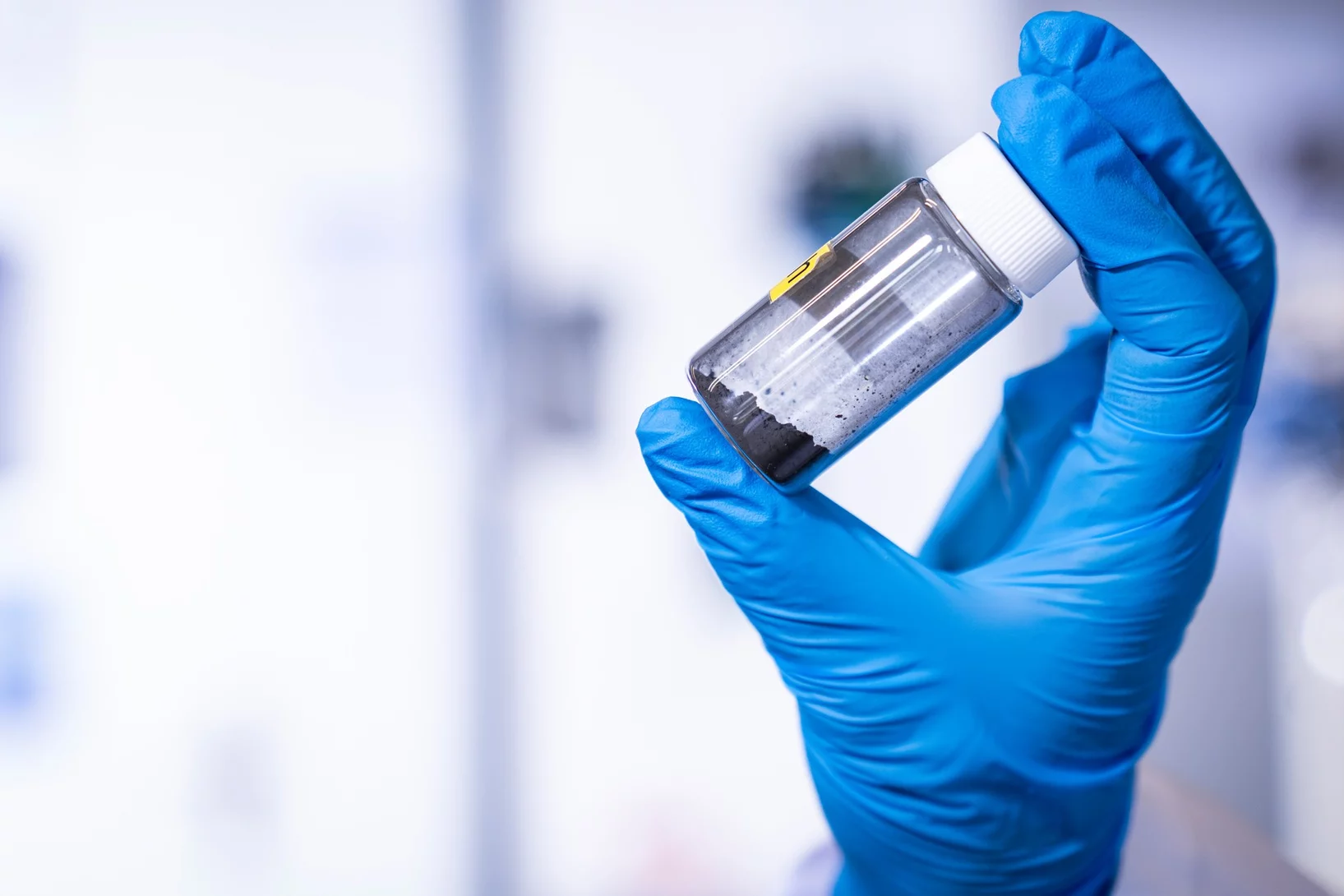
Schneller zu grünem Wasserstoff
Der pH-Wert bestimmt, wie leicht sich Wasserstoff aus Wasser herstellen lässt, wenn man Kobalt als Katalysator nutzt. PSI-Forschende haben jetzt herausgefunden, wieso.
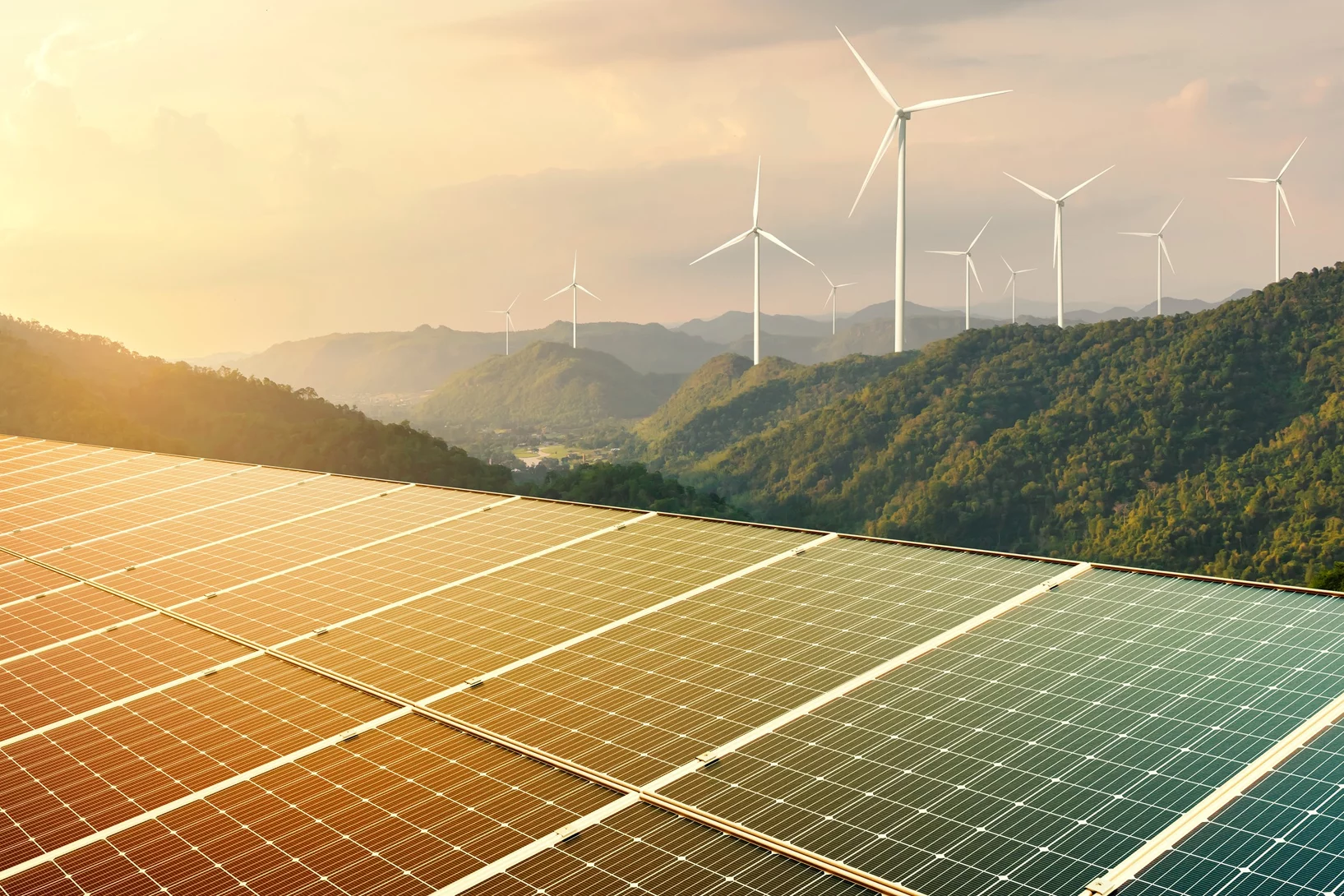
Netto-Null: Die Rohstoffe mitrechnen
Ein neues Rechenmodell des PSI veranschaulicht die komplexen Wechselwirkungen zwischen Technologie, dem Bedarf an kritischen Rohstoffen und der Umweltbelastung auf dem Weg zur Klimaneutralität.

Gli inquinanti spesso si presentano solo nell'aria
Nell'esperimento CLOUD del CERN, i ricercatori del PSI hanno misurato con una precisione senza precedenti la formazione e la distribuzione degli inquinanti organici nell'aria.

Un nuovo rivestimento protettivo rende le batterie più potenti
Aumentare la densità energetica delle batterie agli ioni di litio: un metodo sostenibile per il rivestimento della superficie del catodo sviluppato al PSI lo rende possibile.
Sulla strada del trasporto stradale a basse emissioni di carbonio
I ricercatori dell'Istituto Paul Scherrer PSI mostrano come il trasporto su strada possa essere decarbonizzato attraverso l'integrazione intelligente delle energie rinnovabili.

Decollare con la paraffina sostenibile
I ricercatori di tutto il mondo stanno lavorando per trovare e ottimizzare nuovi metodi di produzione per un'agricoltura climaticamente neutrale.
e ottimizzarli. Al PSI, stanno portando avanti un approccio promettente
promettente insieme all'industria.
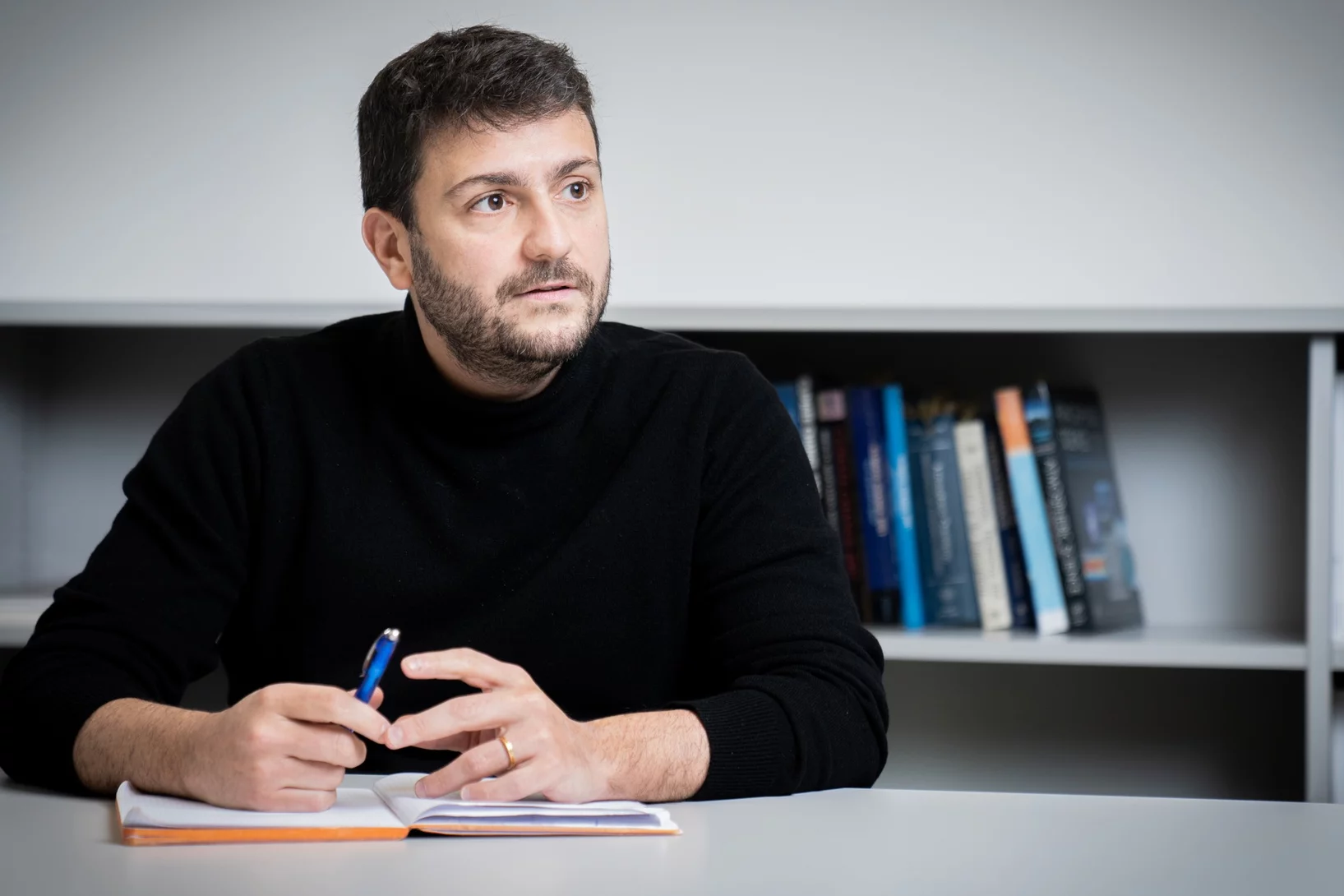
Ein globales Gesundheitsproblem bei der Wurzel packen
Imad El Haddad analysiert am Center for Energy and Environmental Sciences des Paul Scherrer Instituts PSI die chemische Zusammensetzung und die gesundheitlichen Auswirkungen von Feinstaub.

iLab und Synfuels an den Energy Days! im Verkehrshaus
18., 19. und 20. Oktober 2024
Das iLab vom Paul Scherrer Institut ist bei den Energy Days! mit spannenden Workshops dabei. Erfahre, wie wir durch innovative Technologien wie Power-to-Gas erneuerbare Energie speichern und die Energiewende voranbringen können.
Come le marmitte catalitiche eliminano i pericolosi ossidi di azoto
Nella catalisi industriale, il ferro non è solo ferro.
Dove verrà prodotto l'idrogeno in futuro?
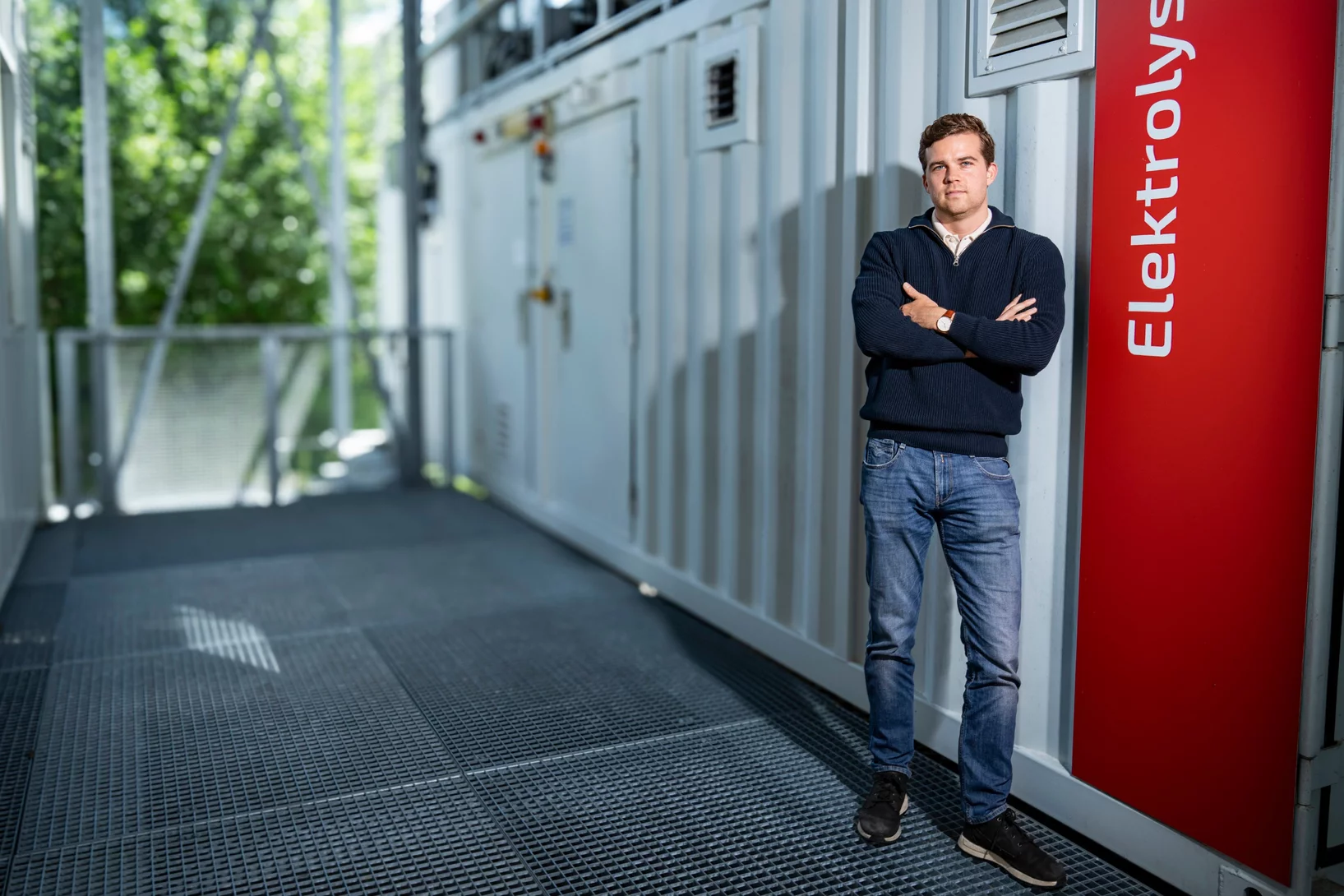
I ricercatori del PSI hanno studiato dove dovrebbe essere prodotto l'idrogeno per una futura economia dell'idrogeno e quali conseguenze avrà questa fonte energetica sull'ambiente.

Quellen für Smog in Peking identifiziert
Forschende am PSI ermitteln: Smog-Ursachen in Peking sind weiträumig.
Nachhaltiger Flugtreibstoff vom PSI-Campus
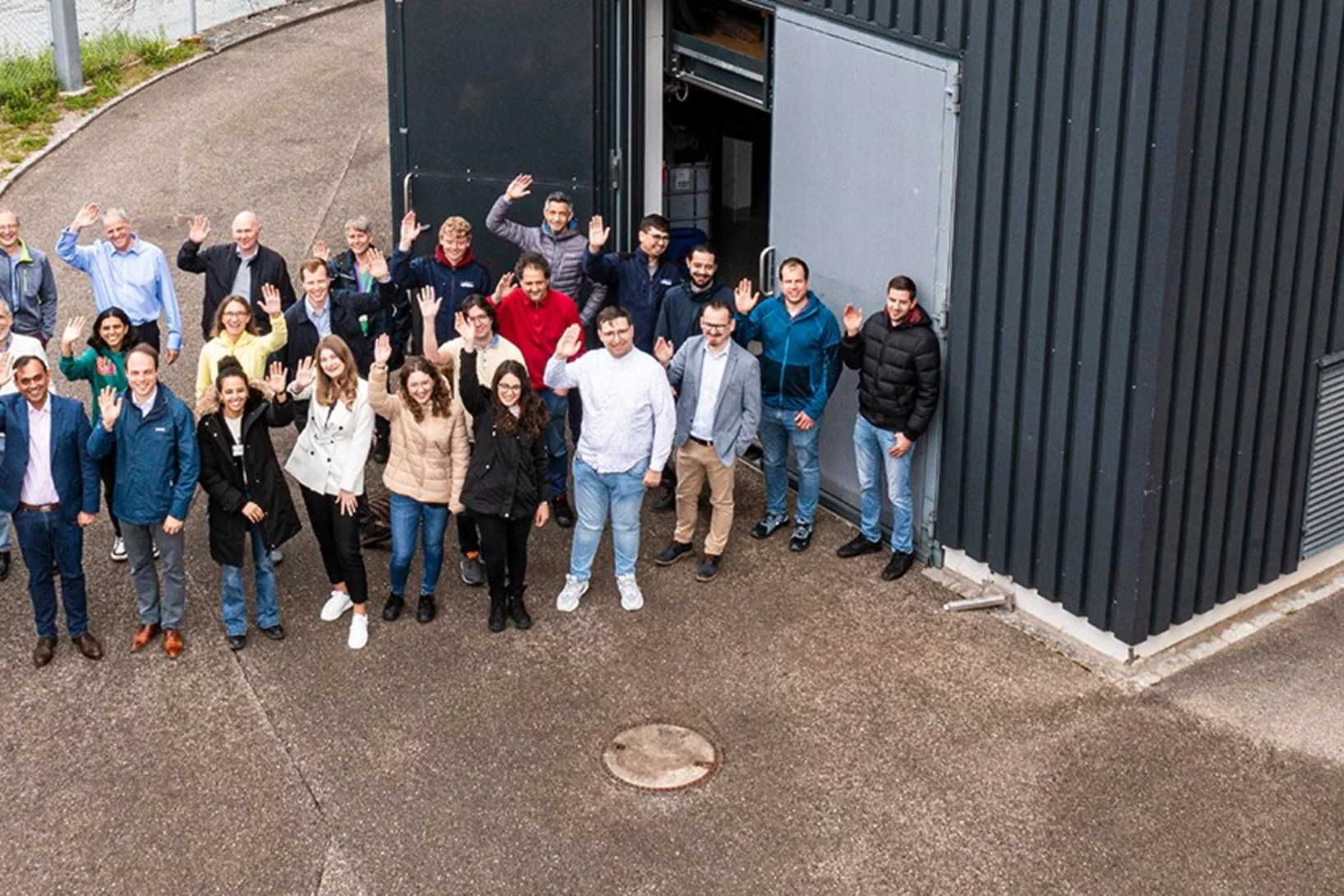
In Zusammenarbeit mit dem Klima-Start-up Metafuels entsteht auf dem PSI-Campus eine Pilotanlage zur Herstellung von nachhaltigem Flugtreibstoff.
Können Aerosole die Erderwärmung stoppen?
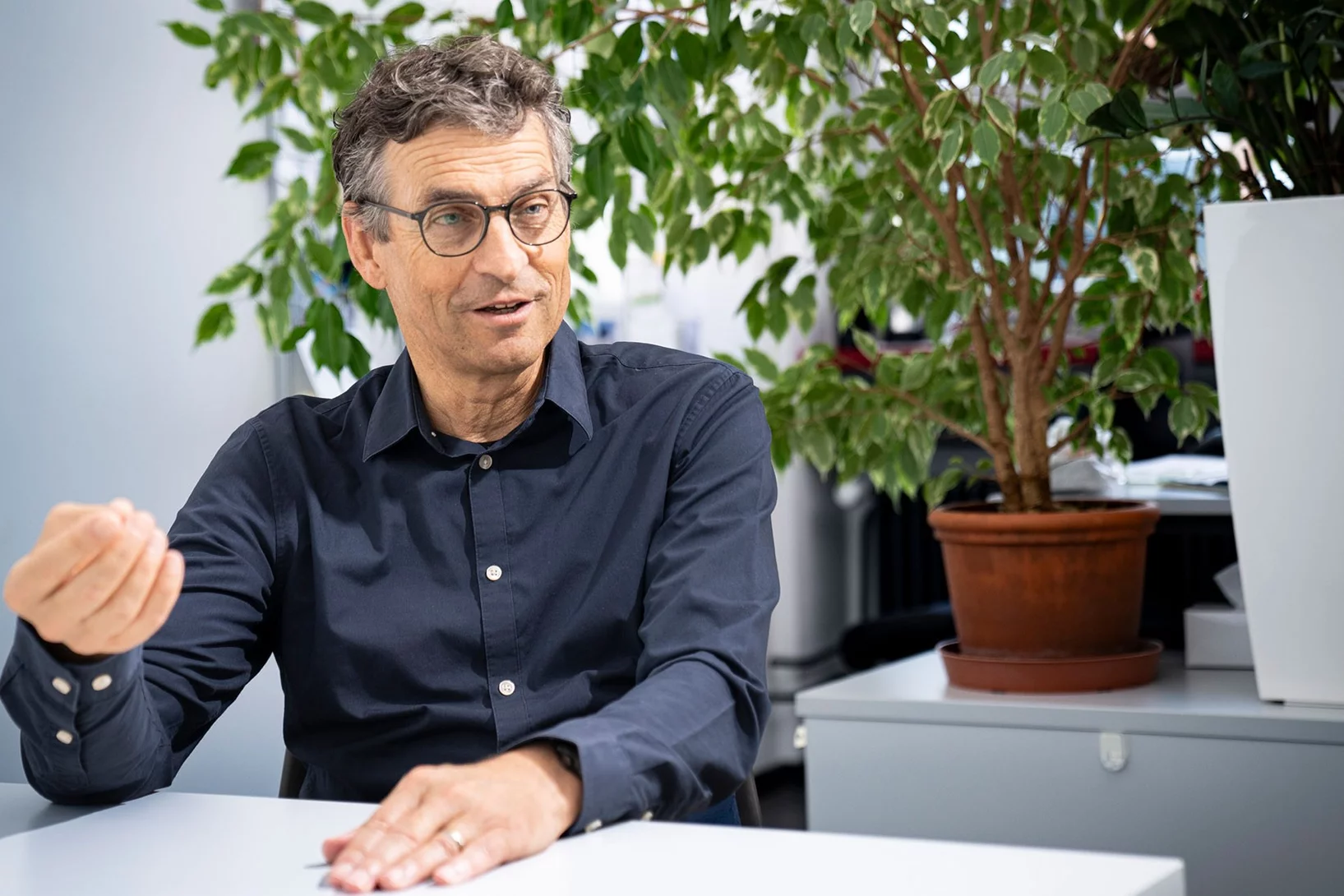
Partikel in die Stratosphäre injizieren und damit die Erde kühlen? PSI-Forscher Markus Ammann äussert sich im Interview kritisch zu umstrittenem solarem Geoengineering.

Seasonal Gas Storage Facilities in Switzerland
Switzerland is the only country in central Europe without large seasonal gas storage facilities. Should it build some?
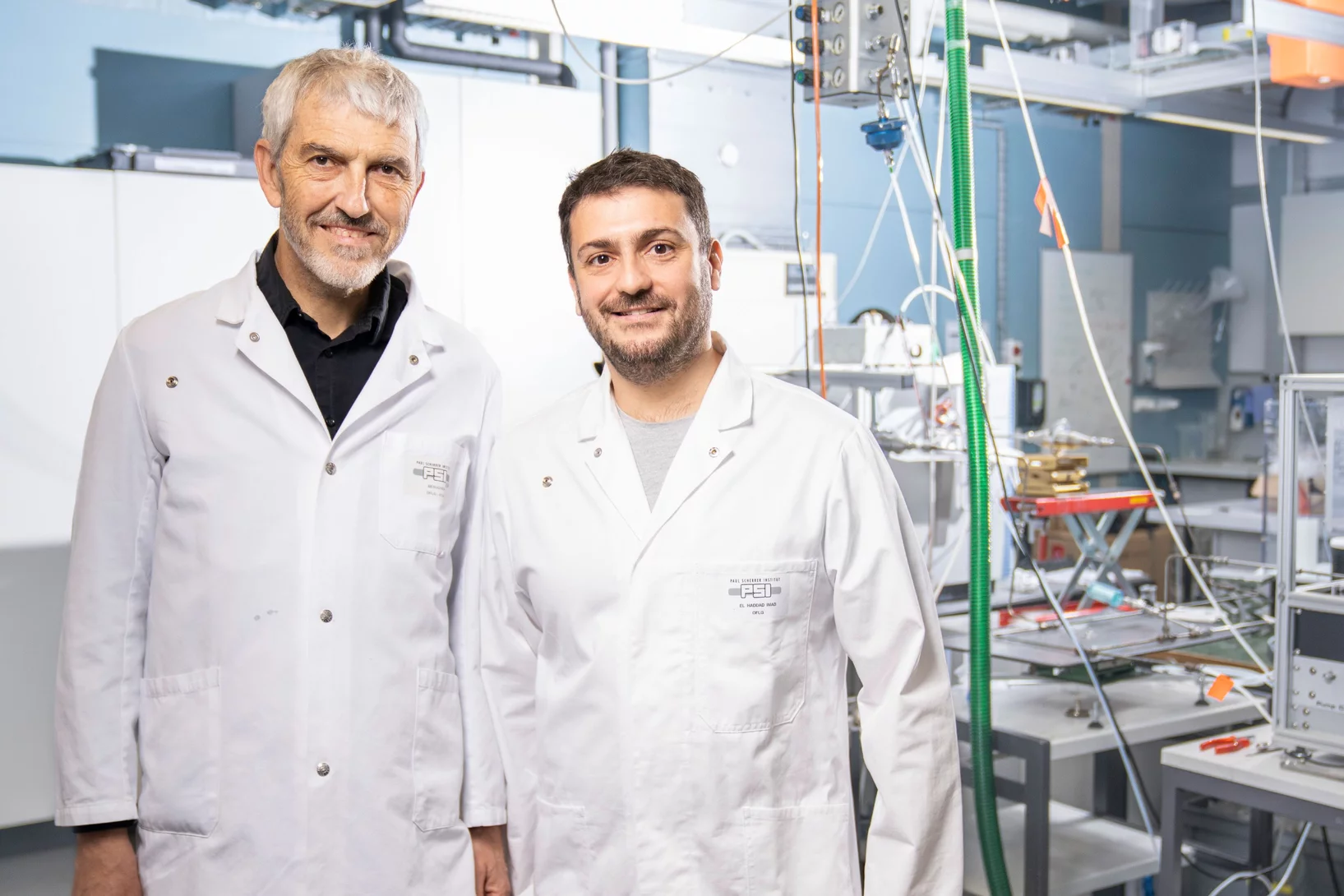
Wie die Luft von Neu-Delhi sauberer wird
PSI-Forschende sind auf den Spuren pathogener Aerosole in Indien.

Wie sauber ist Wasserstoff für die Energiewende?
Wasserstoff kann für den Übergang zu einem Netto-Null-Energiesystem von entscheidender Bedeutung sein – allerdings muss er dafür richtig produziert werden.

New report: “Future demand for flexibility and the significance of baseload energy in Switzerland”
In a new report, “Future demand for flexibility and the significance of baseload energy in Switzerland,” PSI-LEA researchers examine the role of baseload energy in Switzerland's energy system and discuss the challenges of transitioning to a mostly CO2-free system.

Lässt sich’s klimaneutral Fliegen?
Auch der Luftverkehr soll klimaneutral werden – welchen Beitrag können nachhaltige Treibstoffe, wie sie am PSI entwickelt werden, leisten?

Gletscherschmelze zerstört wichtiges Archiv für Klimadaten
Forschende des PSI haben zwei Eisbohrkerne vom Corbassière-Gletscher am Grand Combin analysiert.

Deciphering the Skies: Lubna Dada receives Ambizione grant funding for "BioPSI" Atmospheric Research Project
Lubna Dada, Scientist at the Laboratory of Atmospheric Chemistry (LAC) at the Paul Scherrer Institute (PSI) was granted the Ambizione Grant 2023 with her project “Biological Particle Sources and Impact (BioPSI)”. Lubna’s journey of her visionary research project “BioPSI” is set to commence in January 2024, with the anticipation of welcoming a PhD student into the project.

Wie wichtig ist Wasserstoff für die Energiewende?
Einordnungen von Thomas J. Schmidt, Energieexperte des PSI
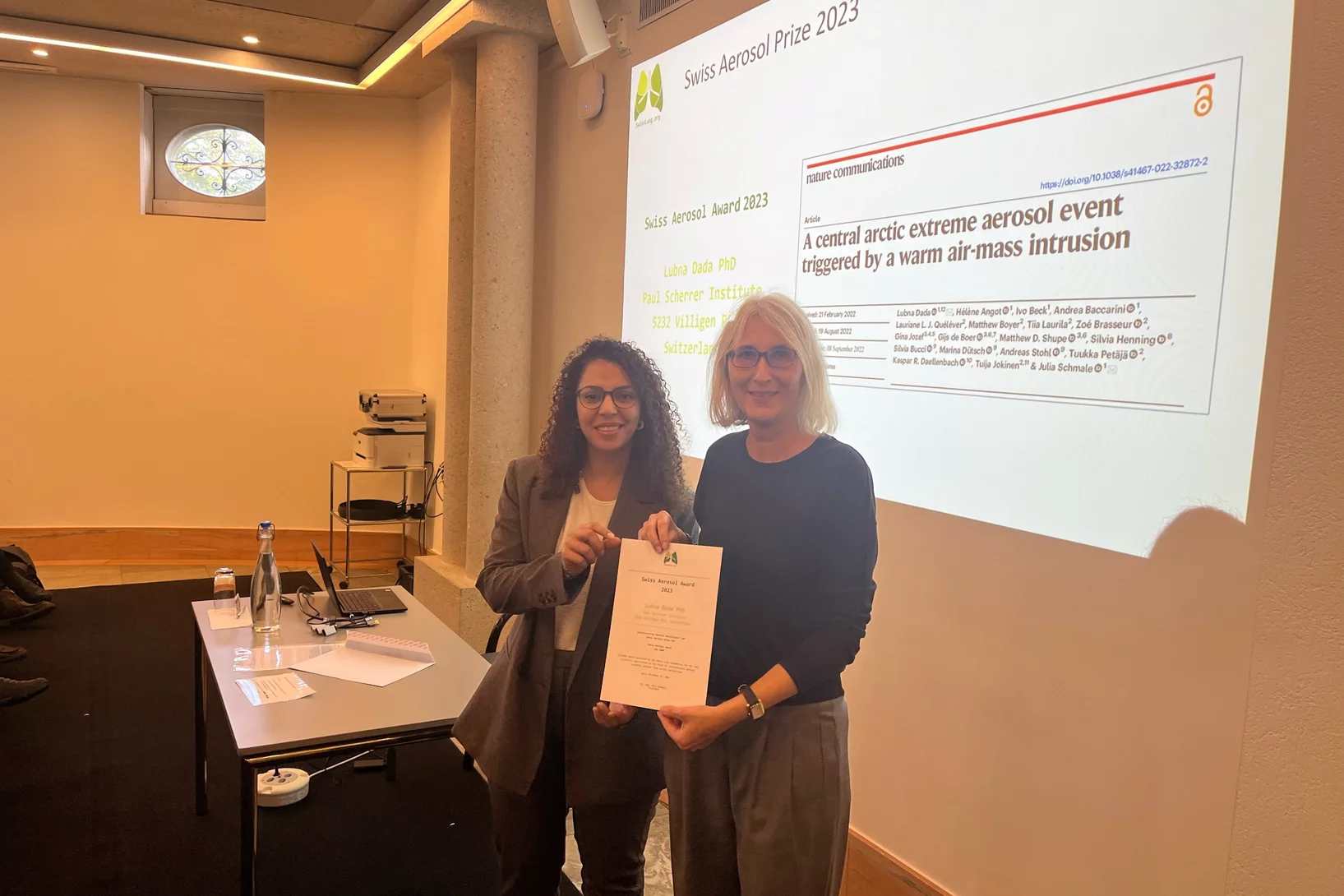
Lubna Dada wins Swiss Aerosol Award 2023!
Dr. Lubna Dada, scientist at the Laboratory of Atmospheric Chemistry, at Paul Scherrer Institute received the Swiss Aerosol Award 2023 from the Swiss Lung Foundation in Bern for her excellent work on warm airmass intrusions from mid-latitudes into the Arctic.