Show filters
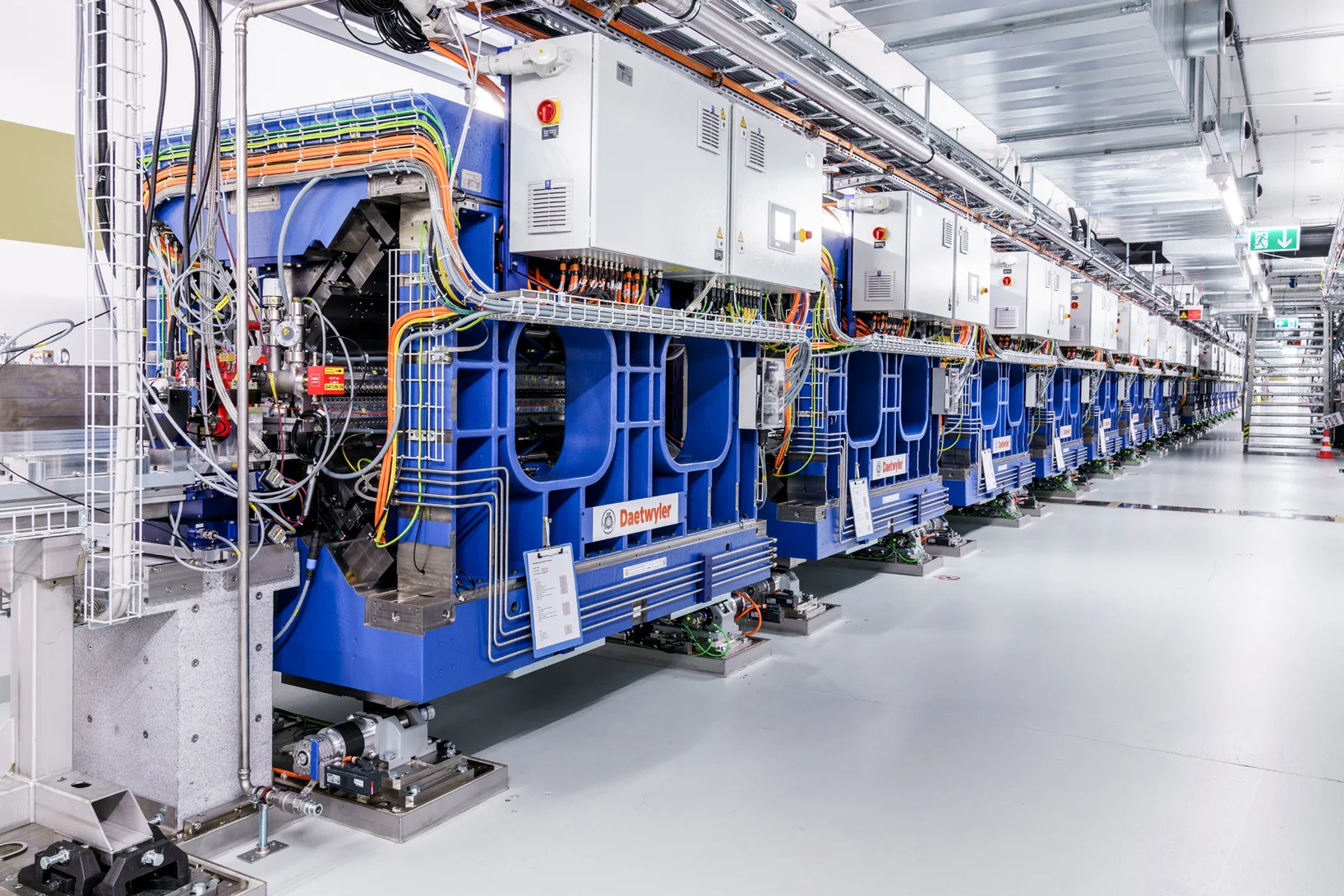
Synchronising ultrashort X-ray pulses
Attosecond coherent pulses at SwissFEL will open new experimental possibilities
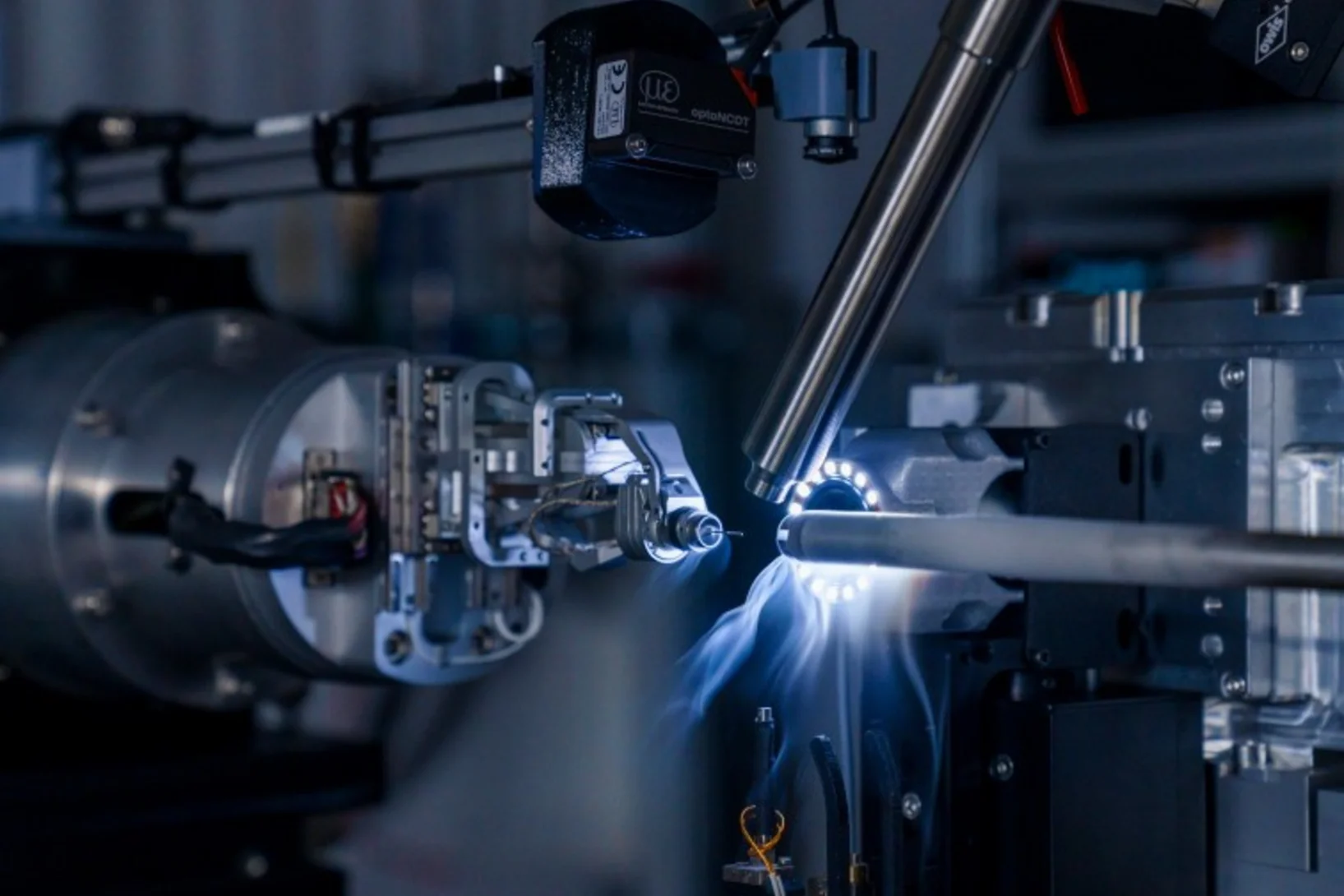
Kelvin: la scala del freddo
Zero Kelvin: è il punto zero assoluto della temperatura. Poiché il calore è energia, il freddo significa meno energia, ma non può mai esserci energia negativa. Espresso nella scala di temperatura a cui siamo abituati, lo zero Kelvin corrisponde a -273,15 gradi Celsius: niente può essere più freddo di così. Alcuni ricercatori del PSI stanno conducendo esperimenti a bassa temperatura vicino a questo punto zero; altri stanno lavorando su metodi tecnici per abbassare la temperatura nel modo più efficiente possibile.
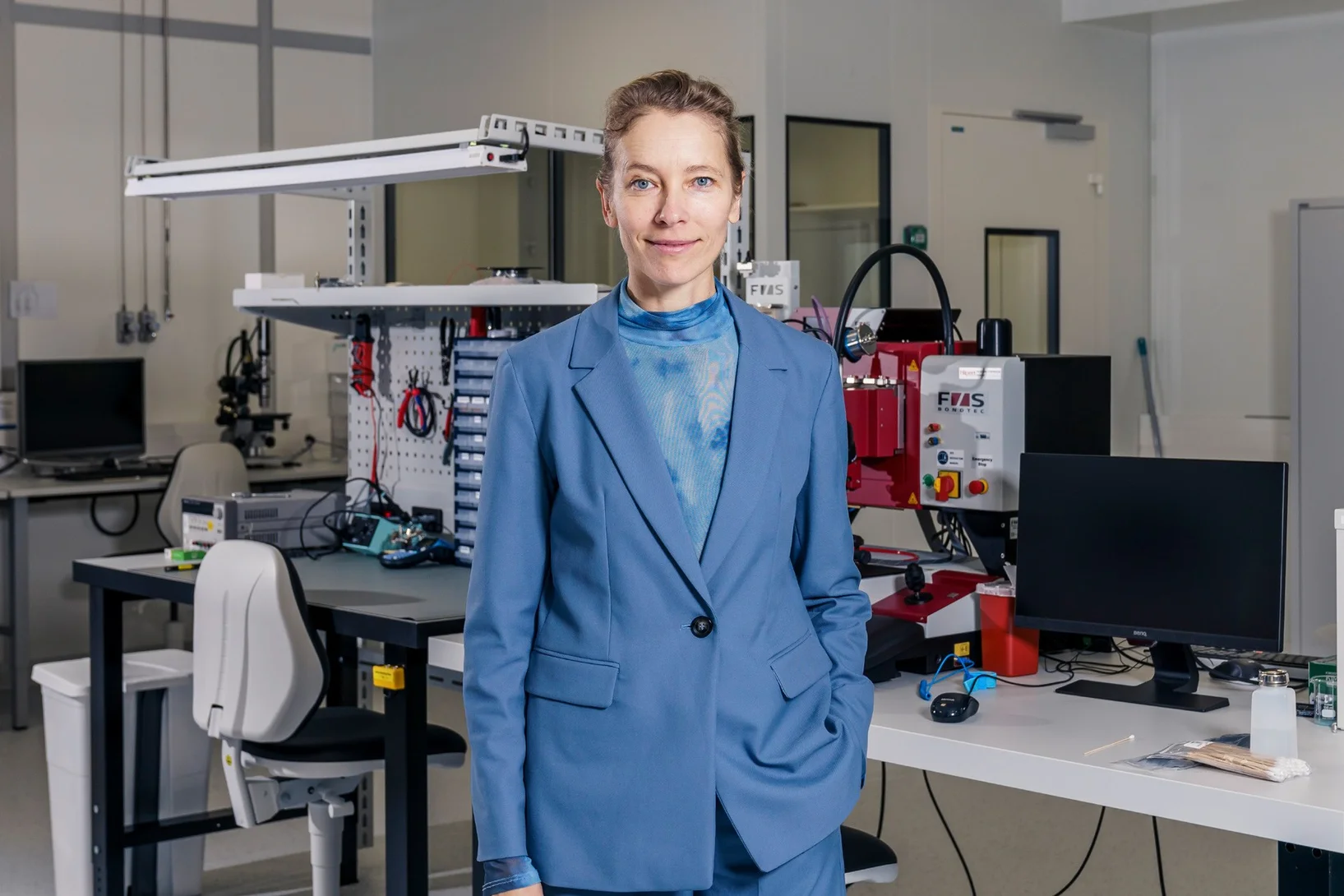
“La collaborazione è particolarmente importante nella ricerca quantistica”
La ricercatrice del PSI Kirsten Moselund parla delle tecnologie quantistiche, della loro importanza e della situazione attuale in Svizzera. E della sua ricerca nel campo della nanofotonica.
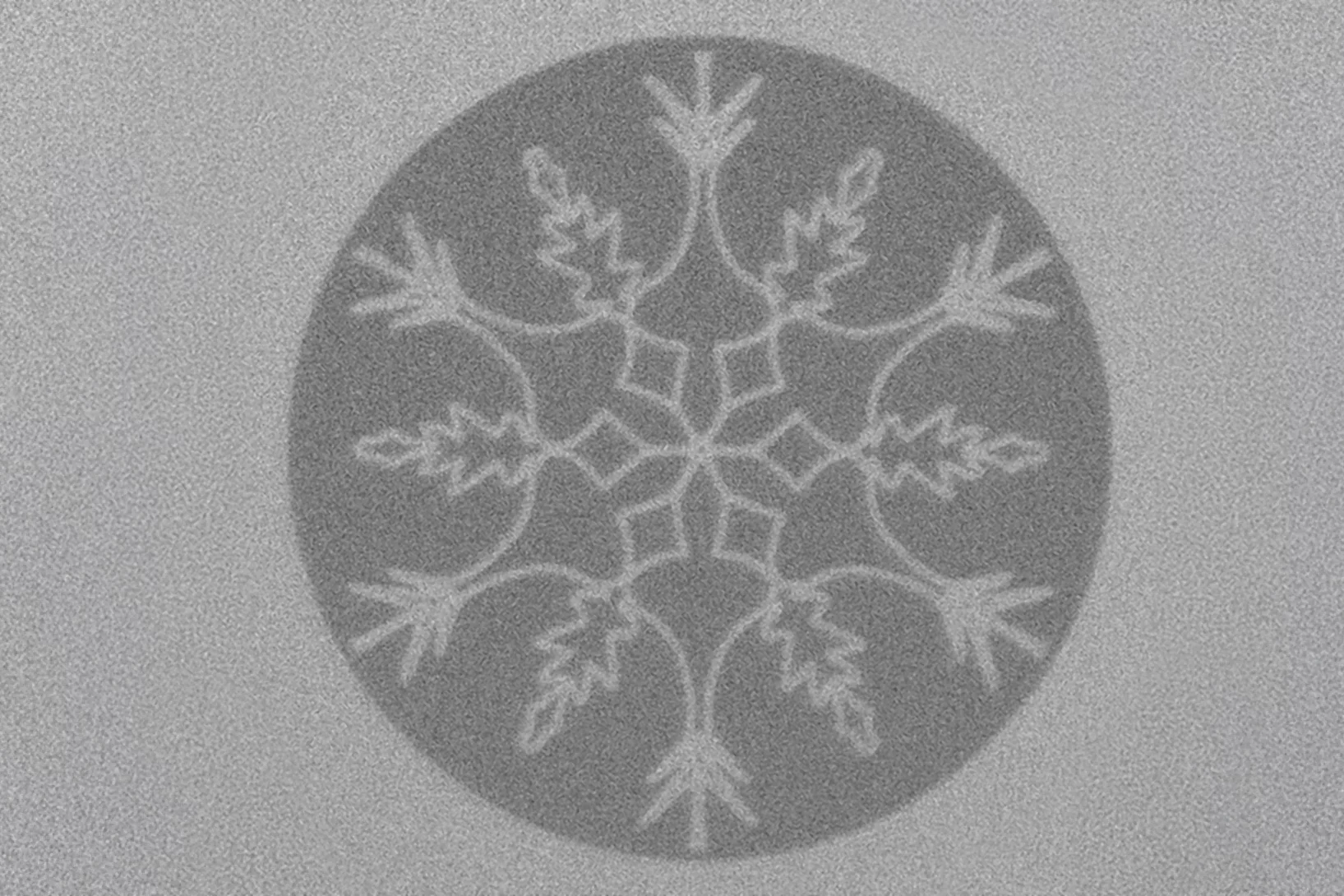
Il laser disegna paesaggi magnetici personalizzati
I ricercatori del PSI hanno trovato un metodo sorprendentemente favorevole e veloce per modificare localmente i materiali magnetici.
Atomi sotto pressione
Zurab Guguchia aggiunge materia - e crea fenomeni quantistici entusiasmanti, tra cui la superconduttività a temperature più facili da raggiungere.
Duetto di terbio e altra arte quantistica
Per creare qubit più stabili, i ricercatori del PSI permettono agli ioni terbio di formarsi in coppie. Altrove, posizionano gli atomi con alta precisione utilizzando pinzette luminose.

Freni temporali e trappole ioniche
Cornelius Hempel calcola i fenomeni quantistici con i quanti. Sembra logico, ma è molto complesso. Il suo ultimo colpo: un simulatore quantistico che rallenta il tempo.

Disorder begins at the surface of quantum materials
Ultrafast X-rays from SwissFEL reveal unexpected light responses in quantum materials.
The Quantum Revolution: What's Next?
A century on from the birth of quantum mechanics, 2025 marks the UNESCO International Year of Quantum Science and Technology. What does the future hold? Our experts share their opinions.
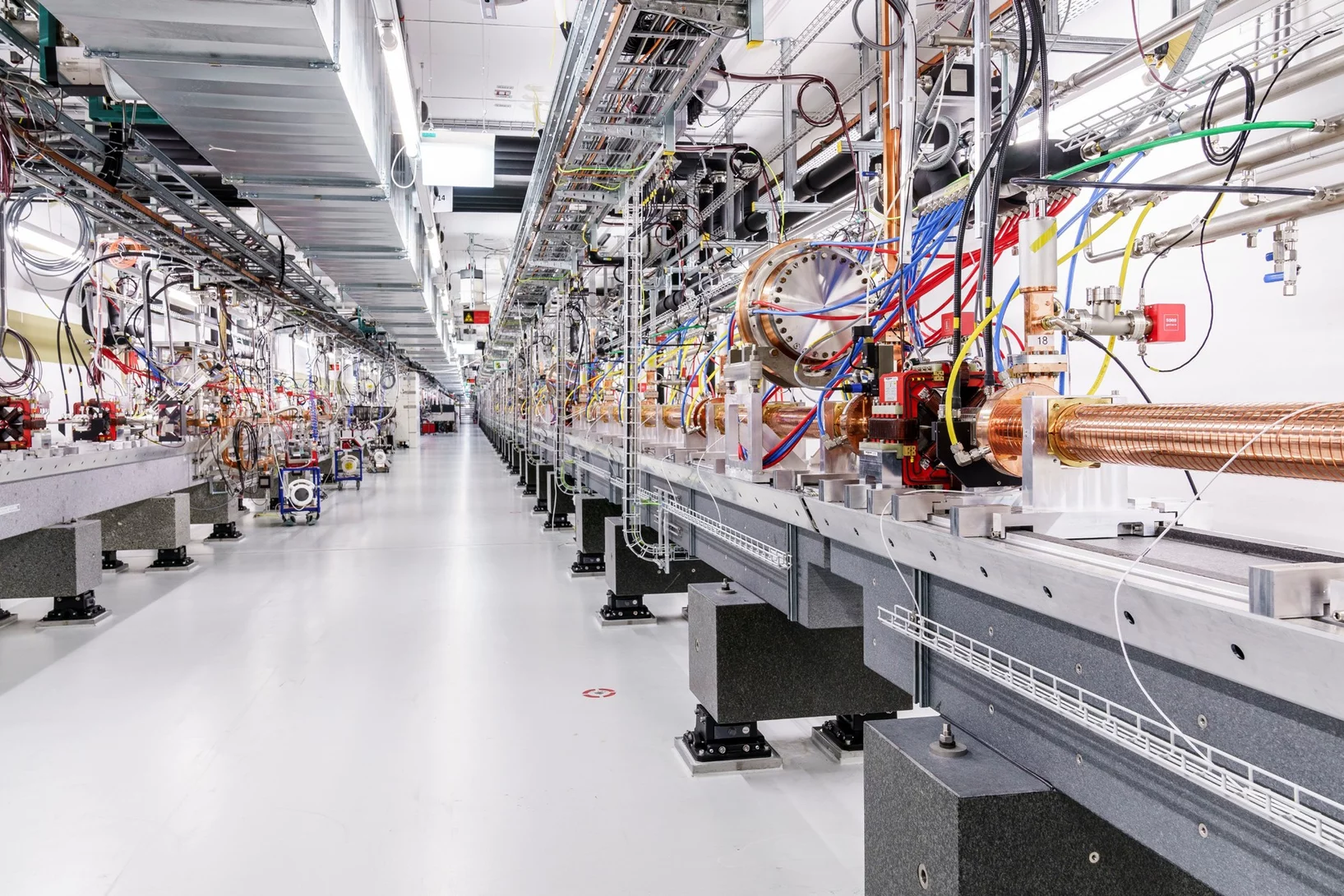
Peering into matter with ultrashort X-ray ripples
An all-X-ray transient grating experiment allows scientists to study the dynamics of quantum particles at the nanoscale.
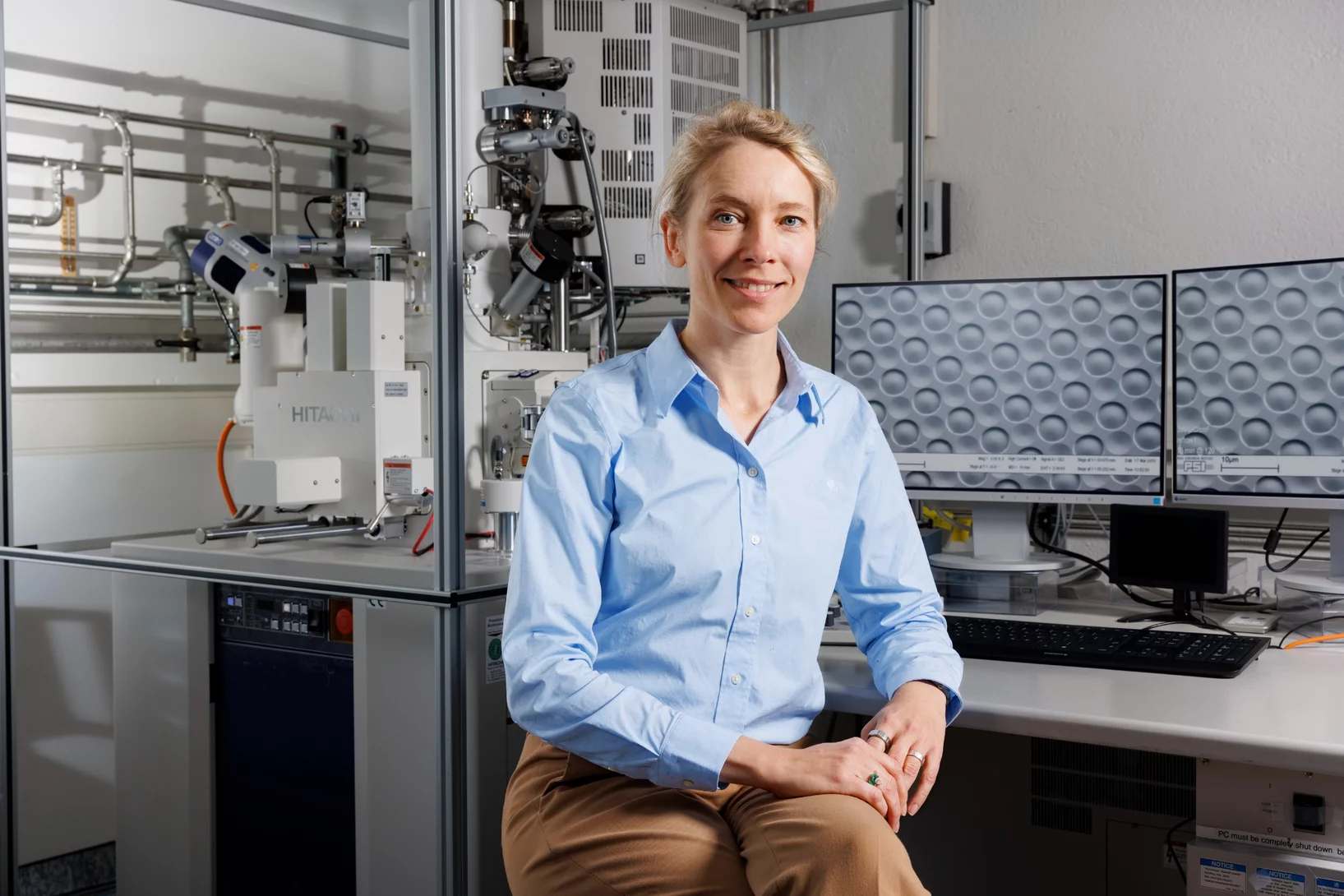
Renommierte Förderung für photonische Netzwerke
PSI-Forscherin Kirsten Moselund hat vom Europäischen Forschungsrat ERC eine bedeutende Forschungsförderung zugesprochen bekommen.
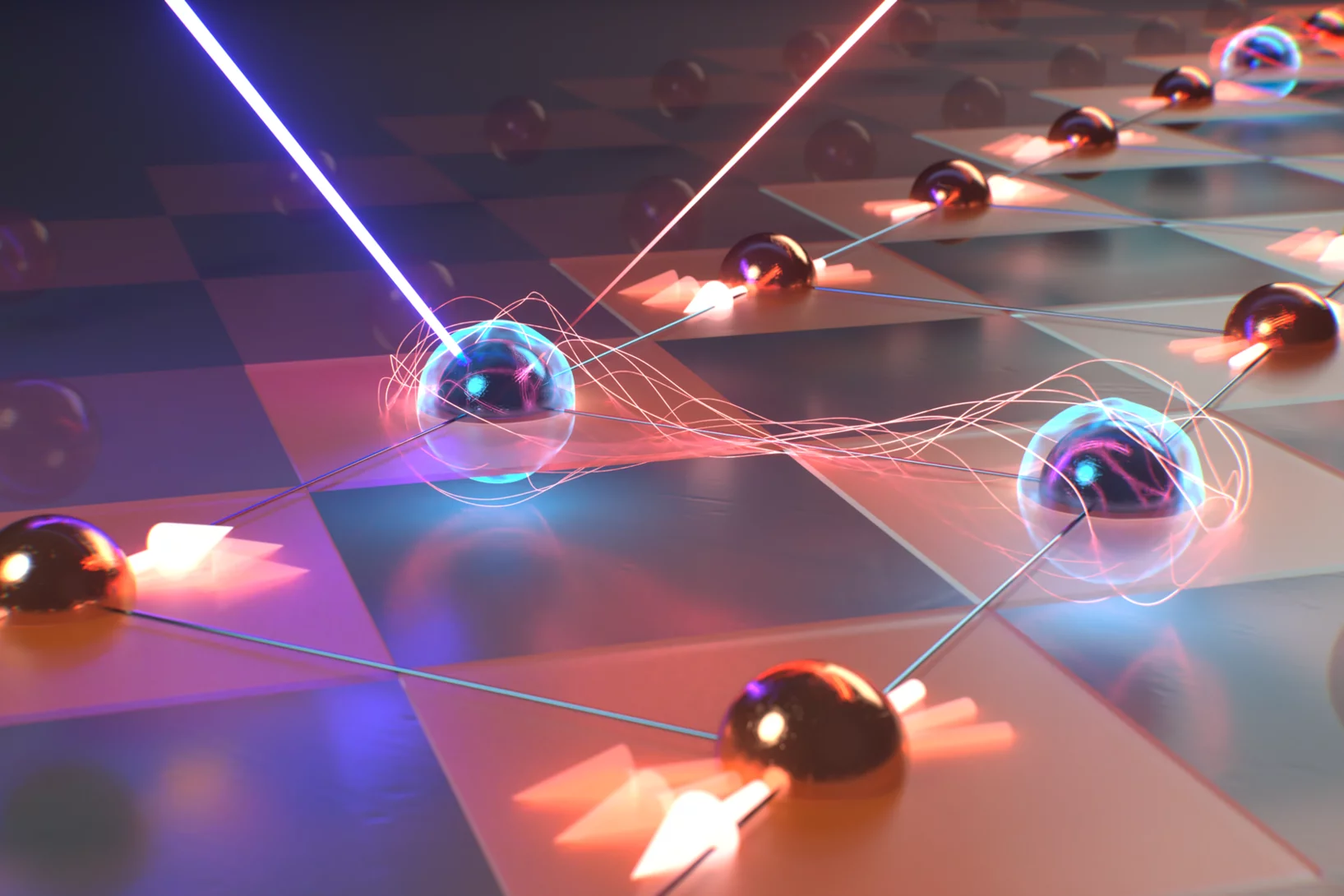
Stabilising fleeting quantum states with light
X-rays from SwissFEL probe emergent properties of quantum materials
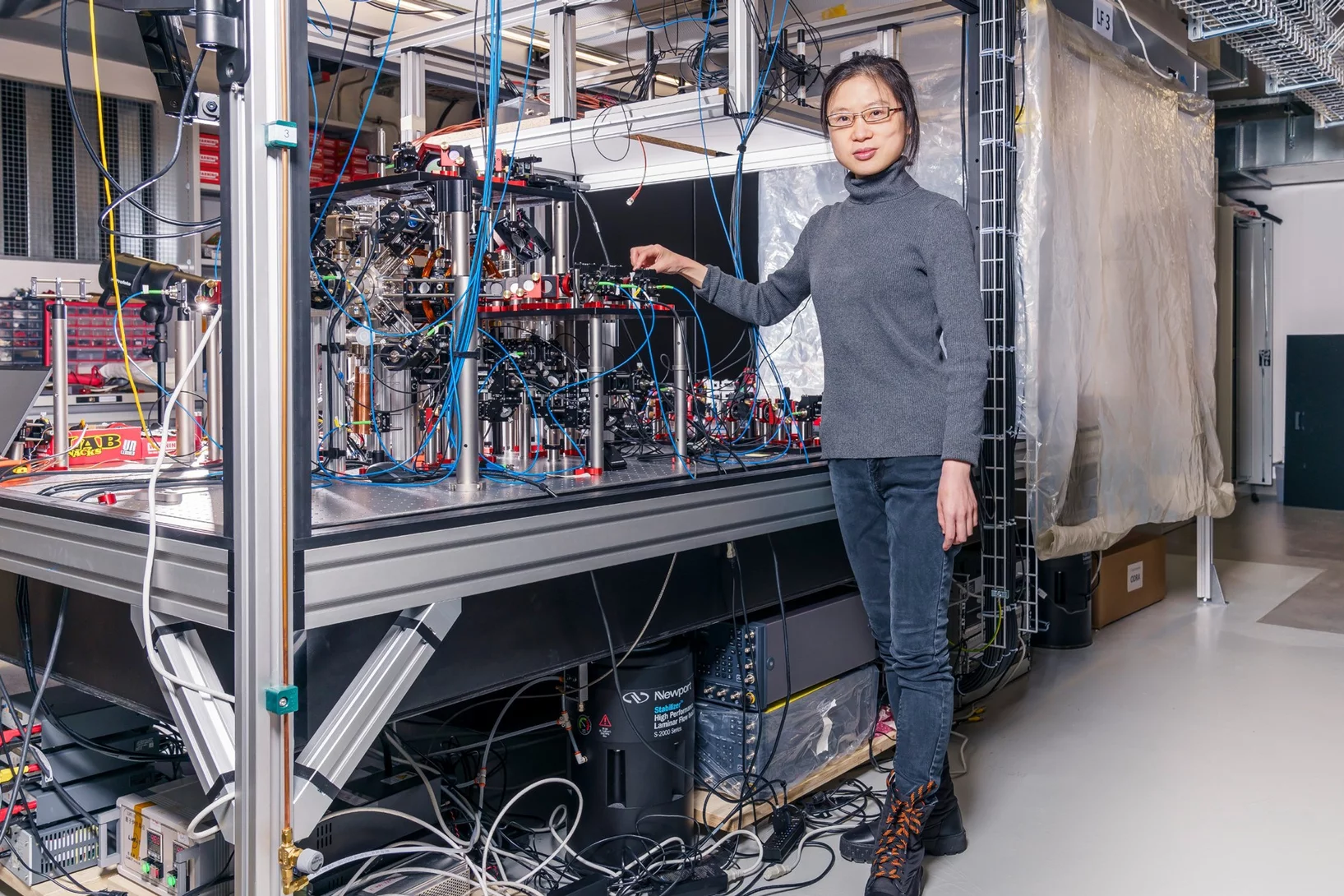
Correcting quantum errors with neutral-atom architectures
Wenchao Xu talks about the benefits and challenges of building quantum computers from neutral atoms.

Gilded with Science
Congratulations to Nicolai Taufertshöfer for receiving a distinction at the SNSF Scientific Image Competition.

Weltrekord in Attosekundenmessung am SwissFEL
Wissenschaftler am SwissFEL können Röntgenpulse mit einer zeitlichen Auflösung von einer Attosekunde messen.
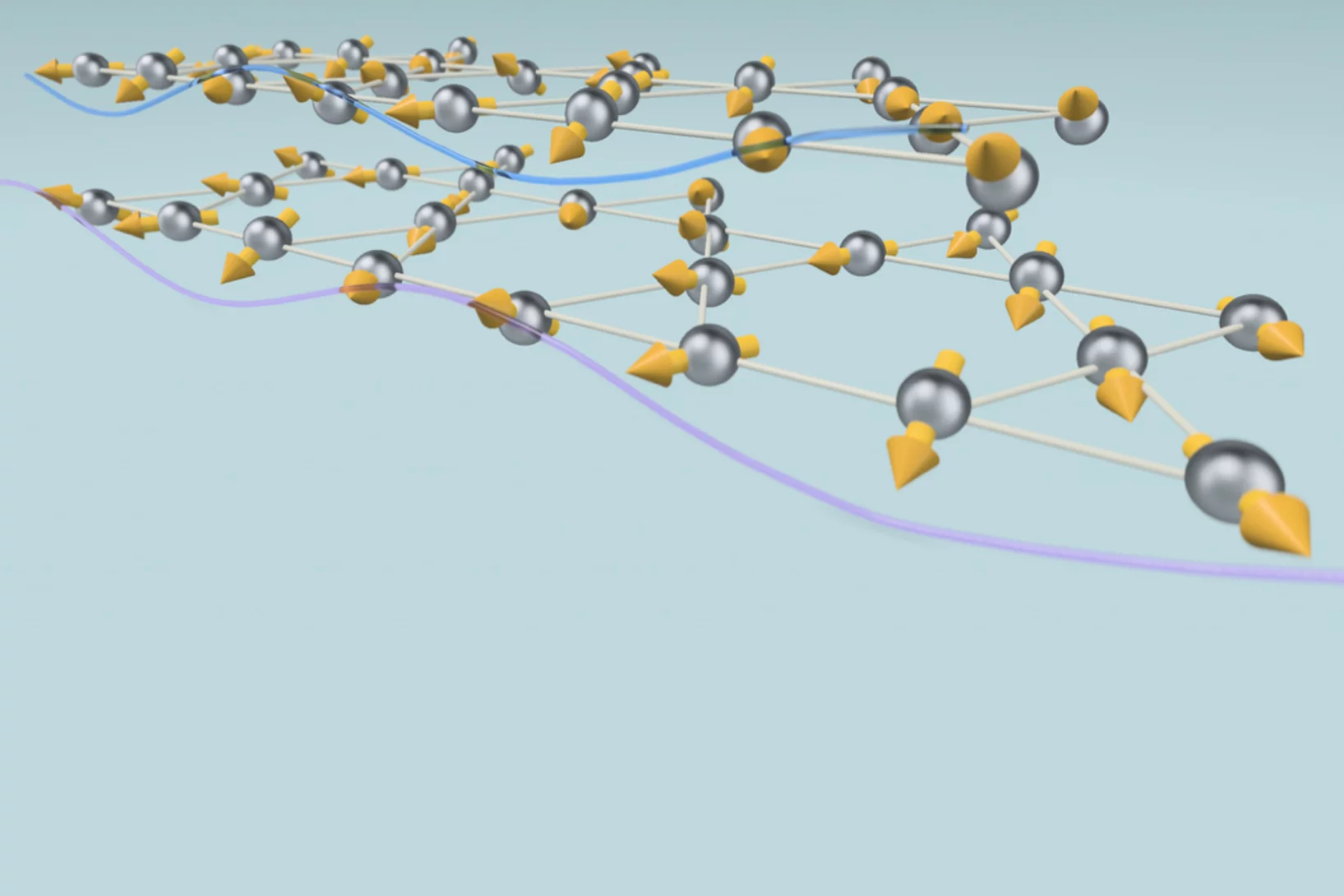
A new dimension of complexity for layered magnetic materials
X-rays reveal magnetic phenomena driven by interactions between the layers of a kagome ferromagnet
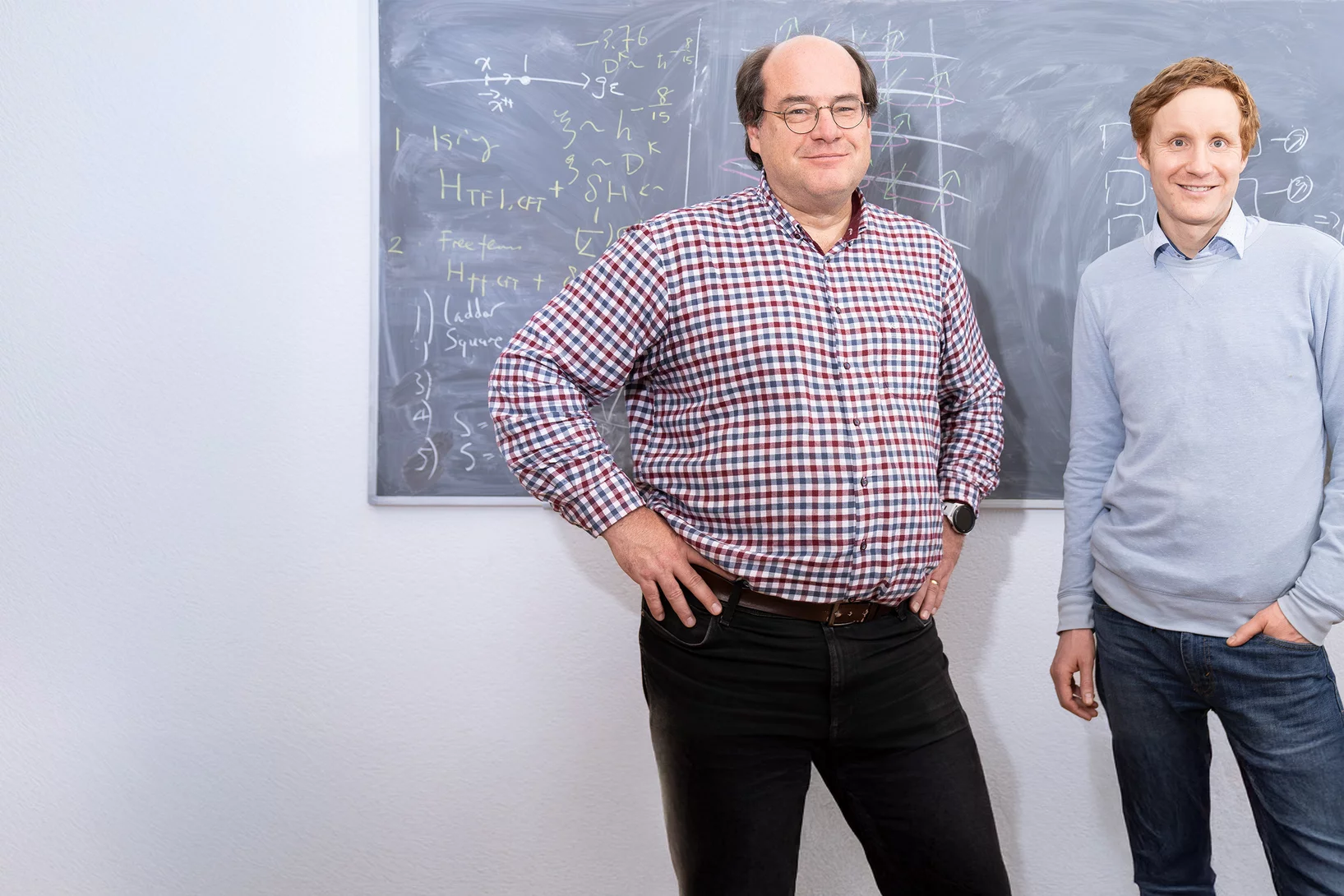
Einzigartiger Quantensimulator öffnet Tür zu neuer Forschung
Physiker des PSI und Google haben einen neuartigen digital-analogen Quantensimulator gebaut.
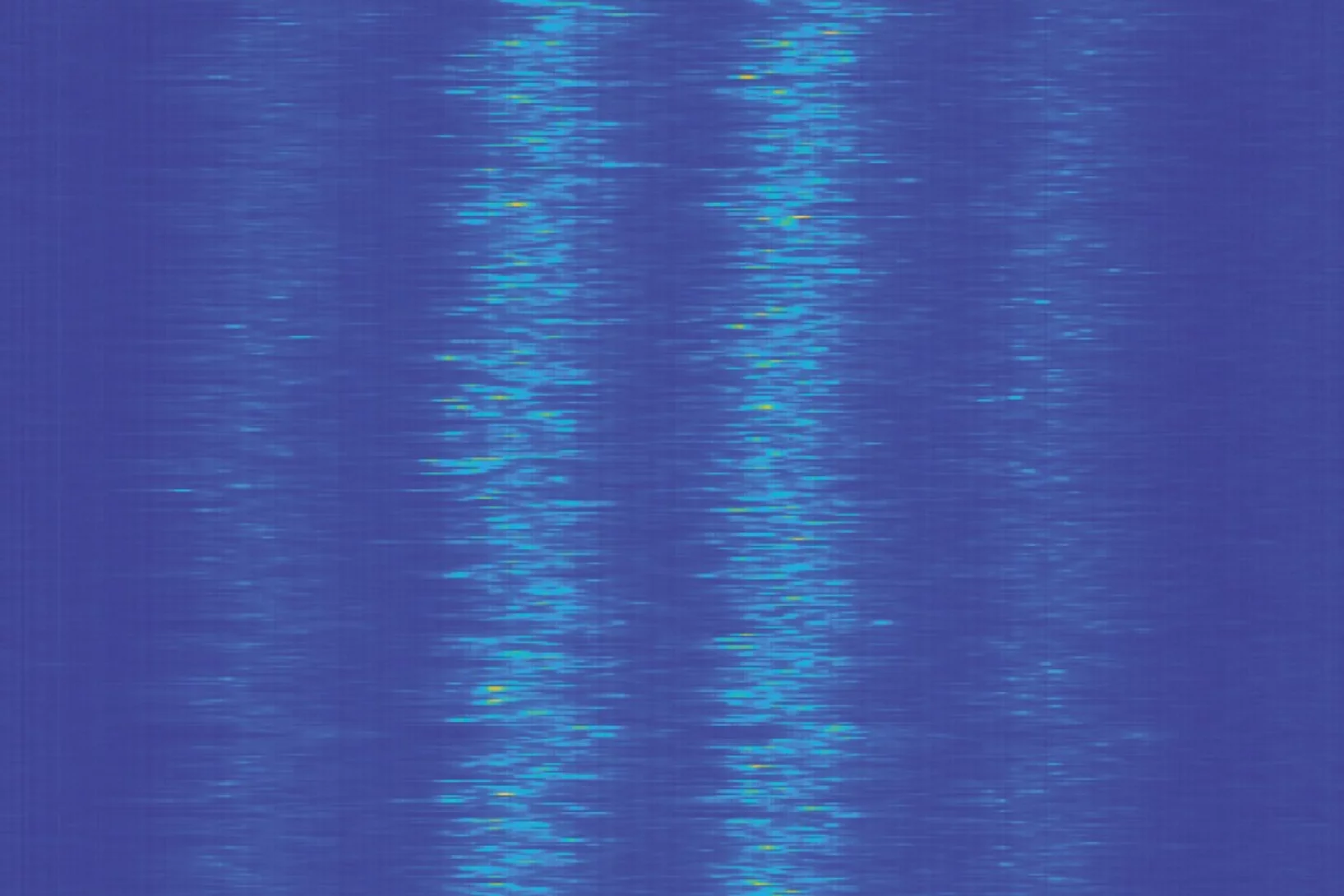
Neat, precise and brighter than ever
Researchers at SwissFEL succeed in improving the temporal coherence of XFEL pulses

New benchmark helps solve the hardest quantum problems
Quantum many-body problems involve the highly complicated process of predicting the behaviour of many interacting quantum particles. A newly developed benchmark helps to solve these problems.
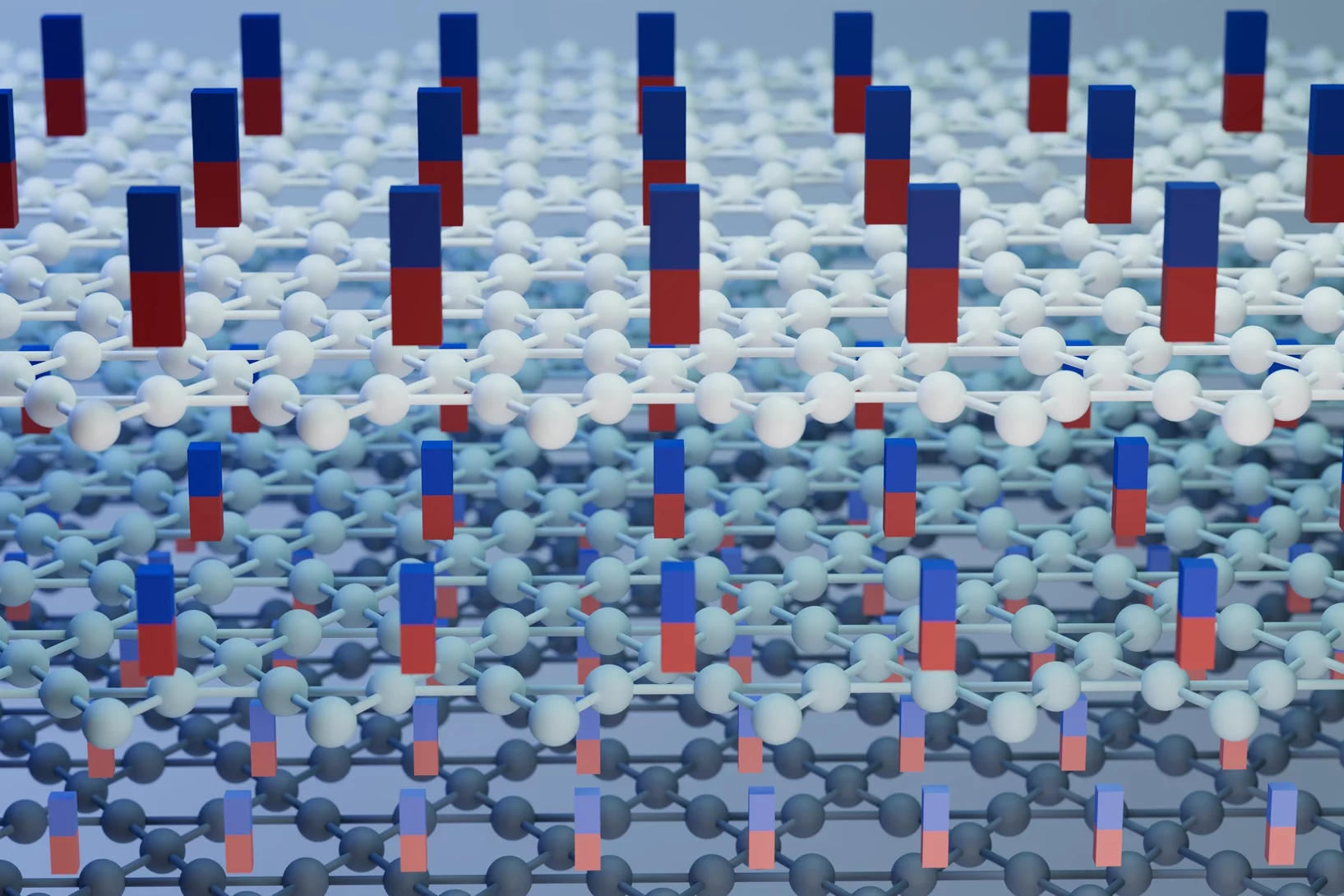
Kagome breaks the rules at record breaking temperatures
Discovery of quantum phenomenon at accessible temperatures could be useful for quantum technologies.
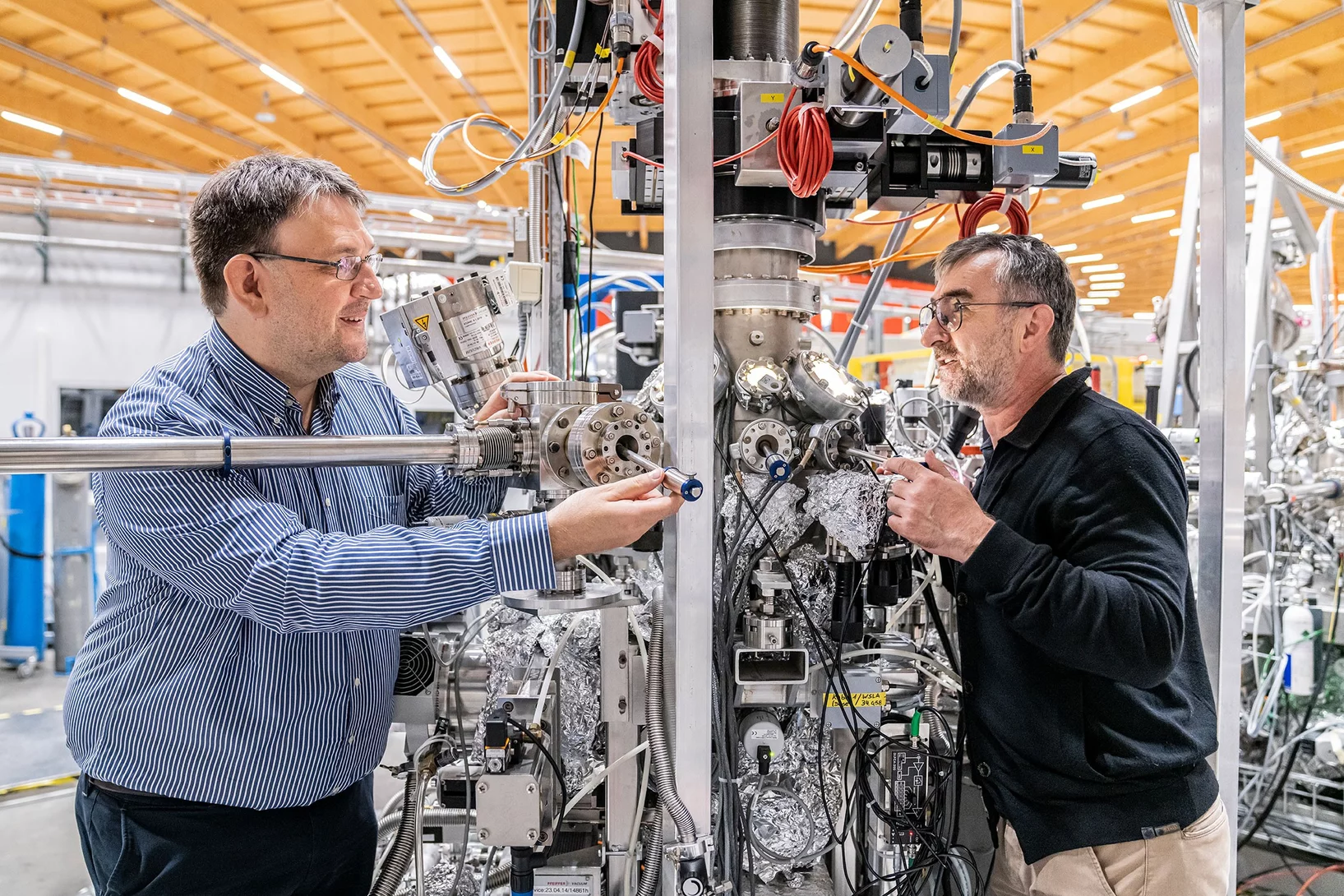
Magnetismo in strati sottili: Un elettrone fa la differenza
Un passo importante verso nuovi tipi di memoria per computer

Orbitronics: new material property advances energy-efficient tech
Discovery of orbital angular momentum monopoles boosts the emerging field of orbitronics, an energy-efficient alternative to electronics.
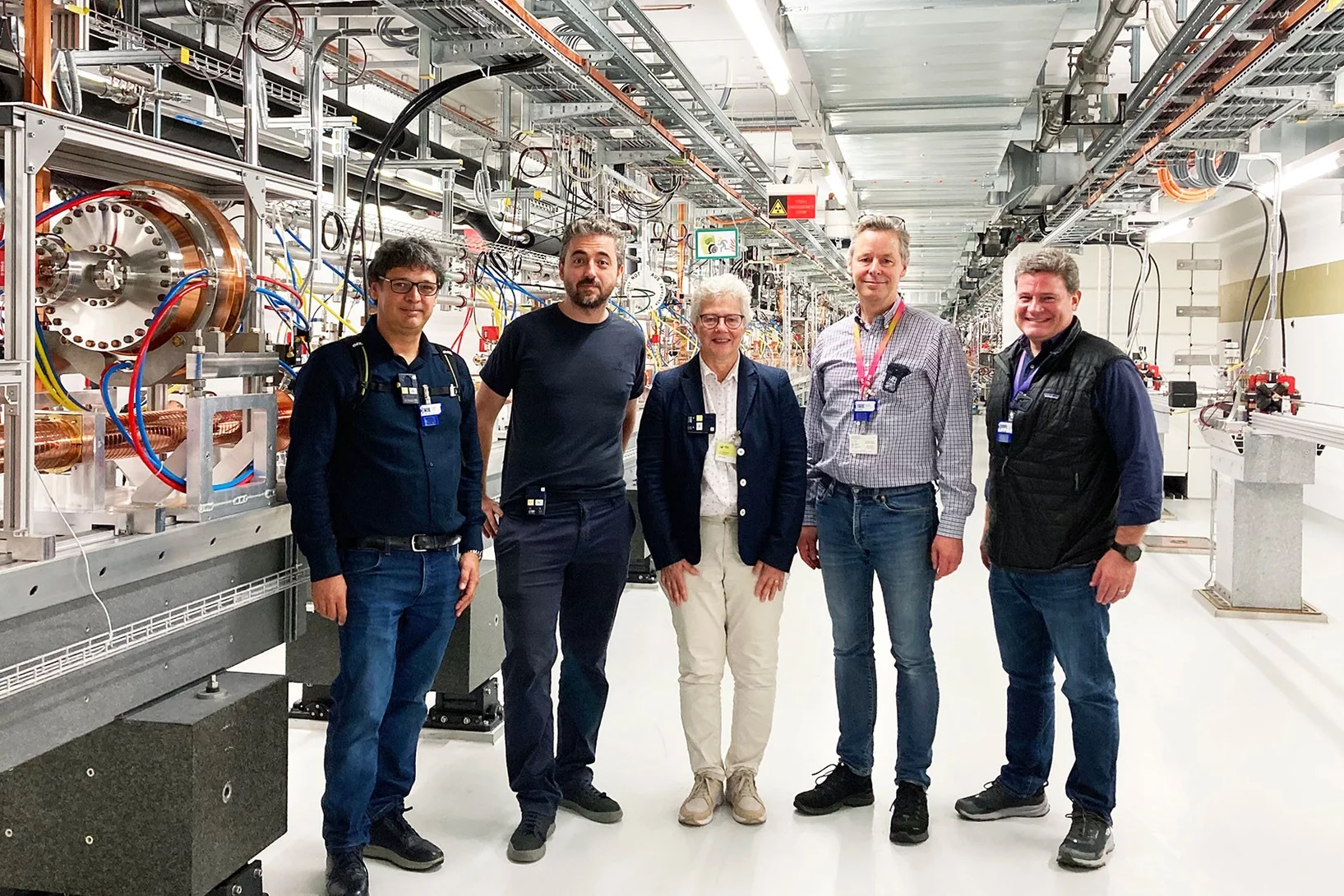
Nobel Prize winner Anne L’Huillier visits SwissFEL
X-ray free-electron lasers could unlock the next frontier in attosecond research
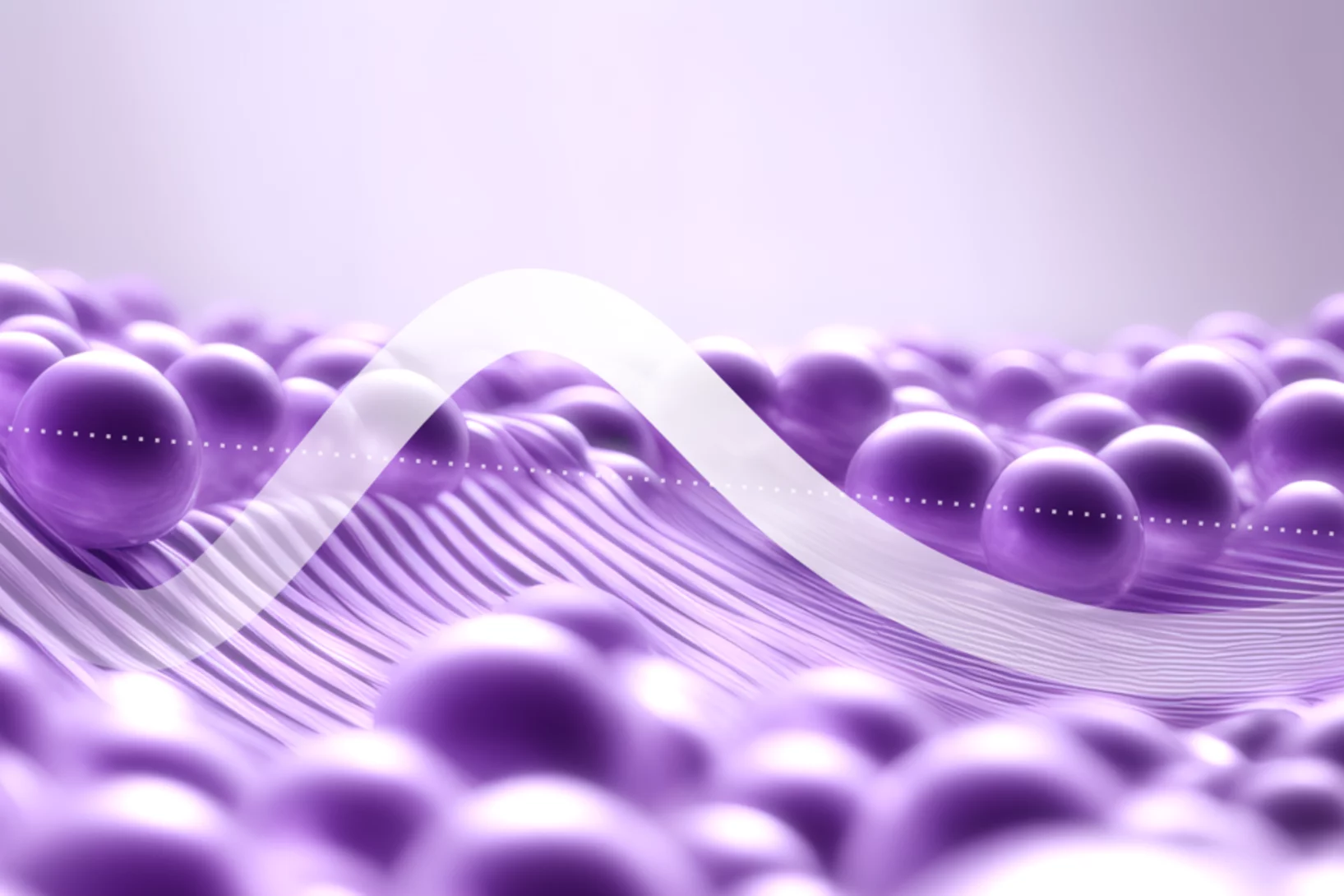
Controlling magnetic waves in a spin liquid
Scientists at the Paul Scherrer Institute PSI have shown that excitation of a spin liquid with intense THz pulses causes spins to appear and align within less than a picosecond. This induced coherent state causes a magnetic field to form inside the material, which is detected using ultrashort X-ray pulses at the X-ray Free Electron Laser SwissFEL.
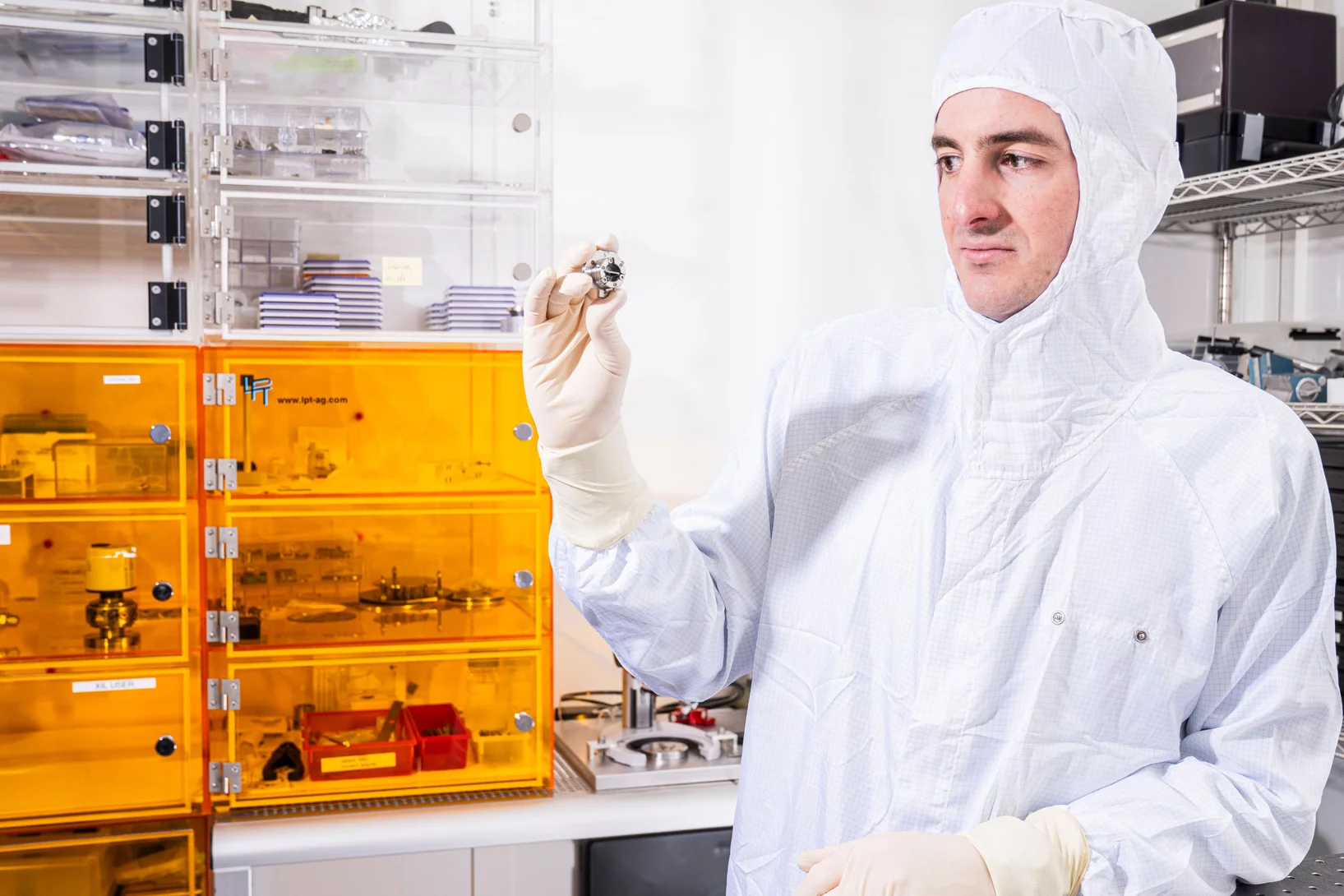
Forschende zeigen, dass Computerchips noch kleiner werden könnten
Forscher am PSI erreichen mit EUV-Lithografie eine noch nie dagewesene Auflösung von 5 Nanometern (half pitch).

Neuer Röntgenweltrekord: Blick in einen Computerchip auf 4 Nanometer genau
Mit einer Rekordauflösung von 4 Nanometern gelang es Forschenden am PSI, die räumliche Struktur eines Computerchips mithilfe von Röntgenlicht abzubilden.
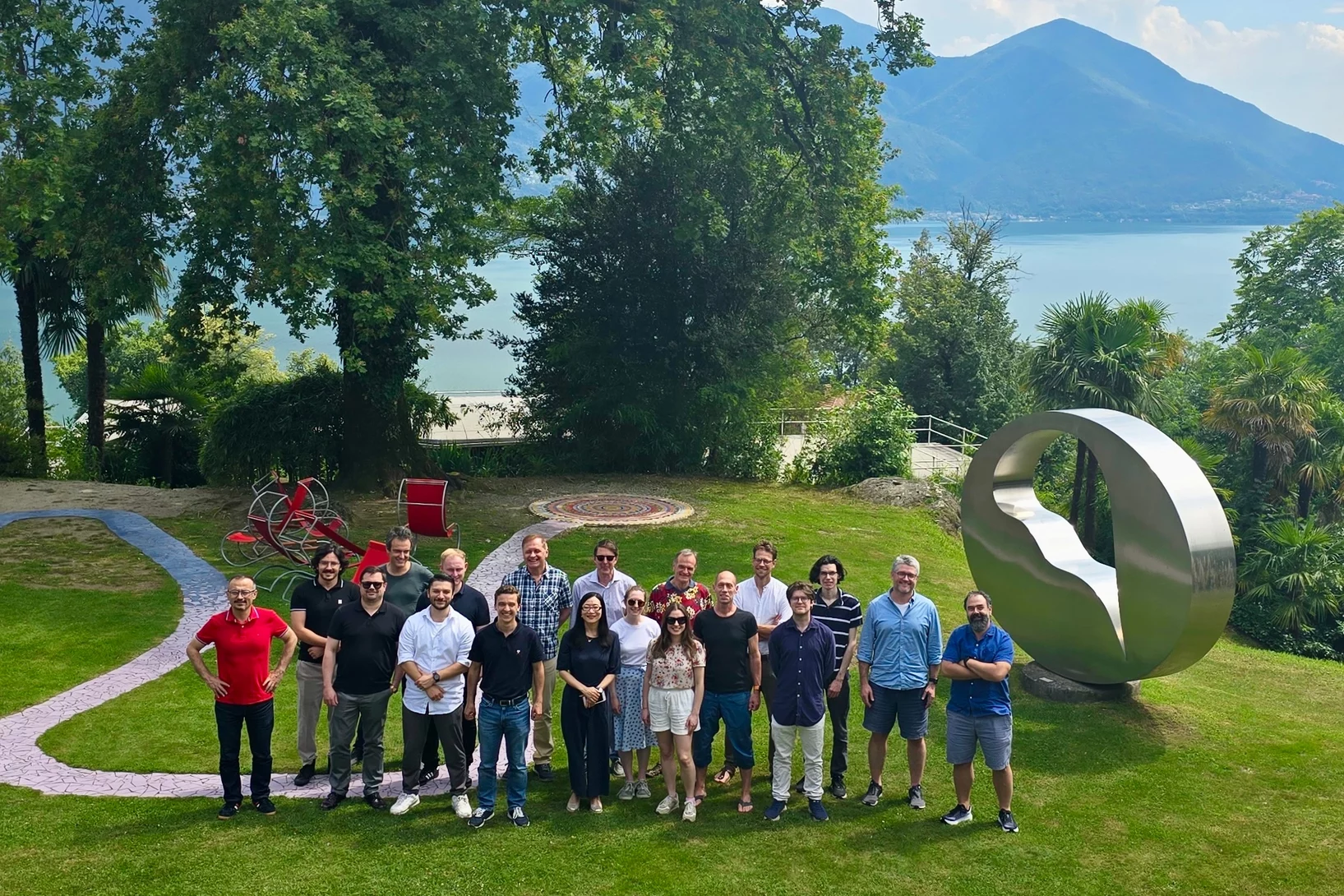
PSI-UCL-Surrey workshop on silicon and germanium based quantum devices
A team of PSI scientists as well as collaborators from UCL and the University of Surrey met at the Fondazione Monte Verità to discuss results and trace the roadmap for future research into quantum devices based on silicon and germanium.

Charge fractionalisation observed spectroscopically
Quantum mechanics tells us that the fundamental unit of charge is unbreakable – but exceptions exist.

Altermagnetism proves its place on the magnetic family tree
Experiments at the Swiss Light Source SLS prove the existence of a new type of magnetism, with broad implications for technology and research.
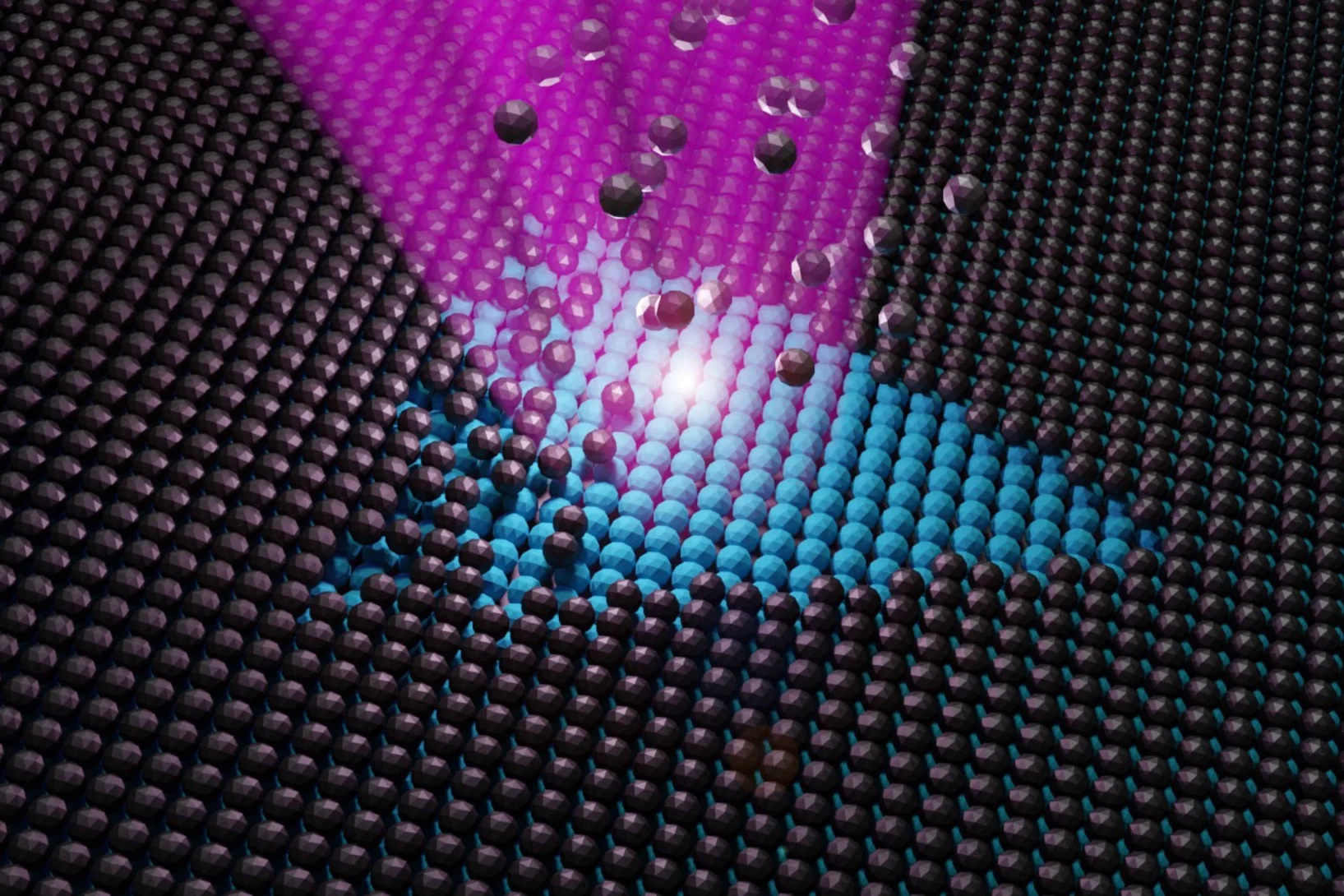
Extreme ultraviolet for scalable silicon quantum devices
Experiments at the Swiss Light Source (SLS) show the potential of extreme ultraviolet light (EUV) to make the building blocks of scalable quantum computers.