

Show filters
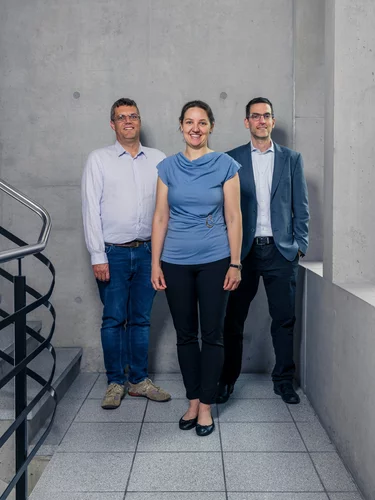
AI paves the way towards green cement
The cement industry produces around eight percent of global CO₂ emissions – more than the entire aviation sector worldwide. Researchers at the Paul Scherrer Institute PSI have developed an AI-based model that helps to accelerate the discovery of new cement formulations that could yield the same material quality with a better carbon footprint.
Machine learning-accelerated discovery of green cement recipes
Boiger et al., 2025
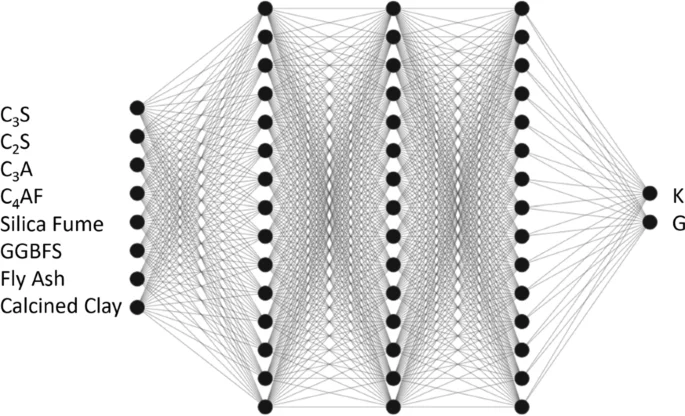
Cement production, a significant contributor to global CO2 emissions (about 8%), requires strategies to reduce environmental impact while maintaining material integrity. This study uses advanced modeling techniques, machine learning, and multi-objective constrained optimization to explore and identify cementitious blend compositions that are optimal with respect to material performance and CO2 footprint. Given a cement recipe (clinker and supplementary cementitious materials), thermodynamic modeling is used to predict the corresponding hydration products that can then be utilized to calculate homogenized mechanical properties at the paste scale, e.g. elastic moduli. This supports a robust training database.....
Diffusion and retention of Co2+ and Zn2+ in homocationic forms of illite..
Zerva et al., 2025
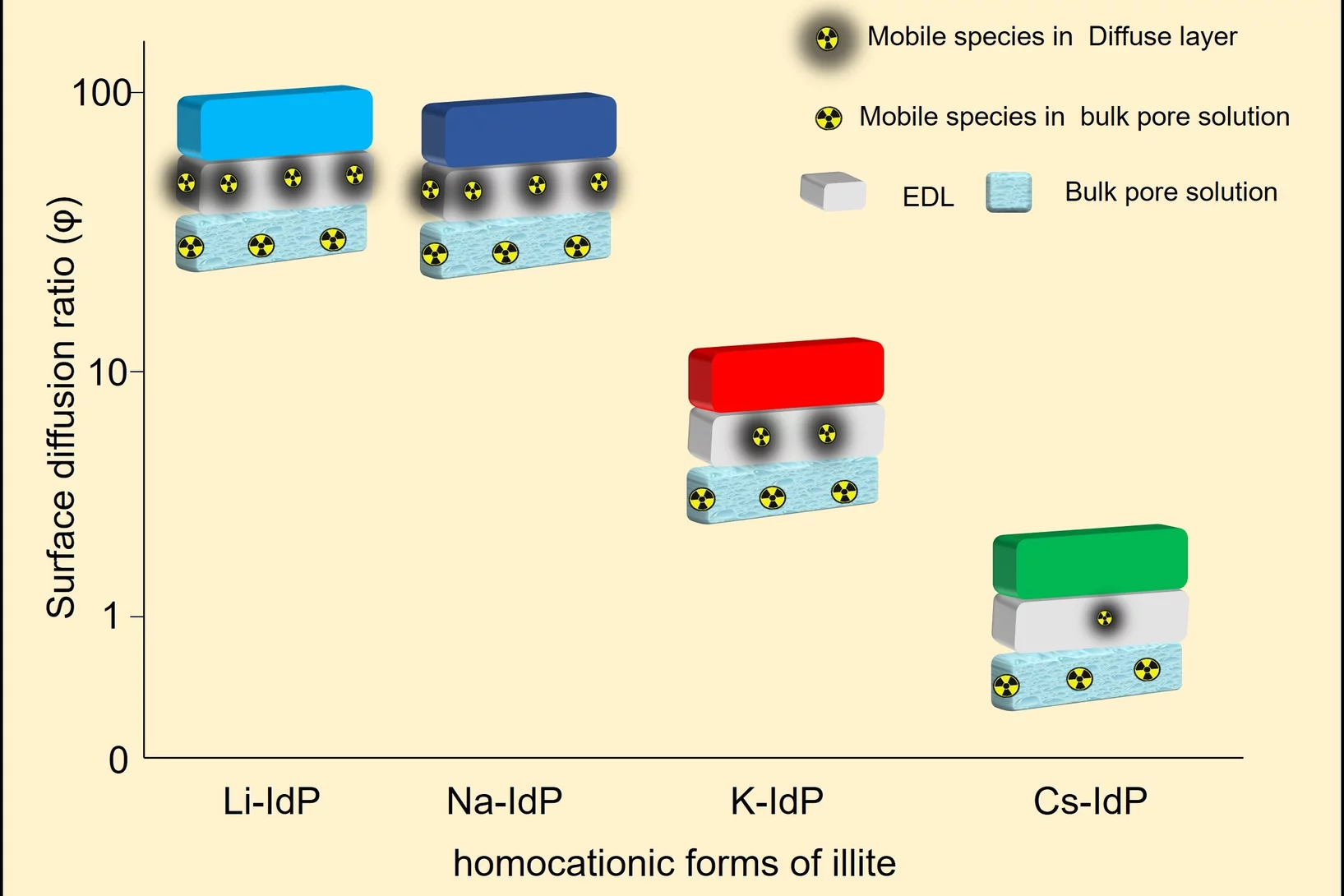
Surface diffusion of cationic species has frequently been postulated to explain the results of diffusion studies in compacted clay minerals and clay rocks. However, the underlying mechanism of this process is not well understood, and the factors controlling the diffusive flux are not yet satisfactorily quantified. In this study, the role of ion-specific molecular interactions in the electric double layer formed at the clay mineral-fluid interface is investigated...
Prestigious funding for three research projects at PSI
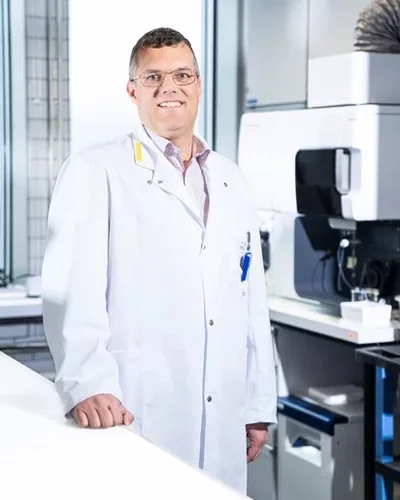
John Provis is studying concrete and the complex interplay between its many components. The aim is to develop a better understanding of this building material and make it more sustainable. © Paul Scherrer Institute PSI/Mahir Dzambegovic
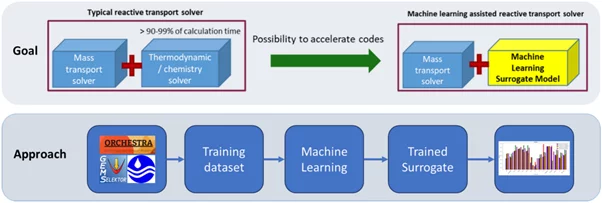
Geochemistry and machine learning: methods and benchmarking
Prasianakis, N. I., et al.
Thanks to the recent progress in numerical methods and computer technology, the application fields of artificial intelligence (AI) and machine learning methods (ML) are growing at a very fast pace. The field of geochemistry for nuclear waste management has recently started using ML for the acceleration of numerical simulations of reactive transport processes, for the improvement of multiscale and multiphysics couplings efficiency, and for uncertainty quantification and sensitivity analysis......
Quantifying anomalous chemical diffusion through disordered porous rock materials
Rajyaguru et al., 2025
Fickian (normal) diffusion models show limitations in quantifying diffusion-controlled migration of solute species through porous rock structures, as observed in experiments. Anomalous diffusion prevails and can be interpreted using a Continuous Time Random Walk (CTRW) framework with a clear mechanistic underpinning. From the associated fractional diffusion equation we derive solutions over a broad range of anomalous diffusion behaviours, from highly anomalous to nearly Fickian, that yield temporal breakthrough curves and spatial concentration profiles of...

Master of the flow
Even as a student, Athanasios Mokos was excited by the dynamics of fluids. Today at the Paul Scherrer Institute PSI, he models complex processes such as the formation of deposits on reactor fuel rods.
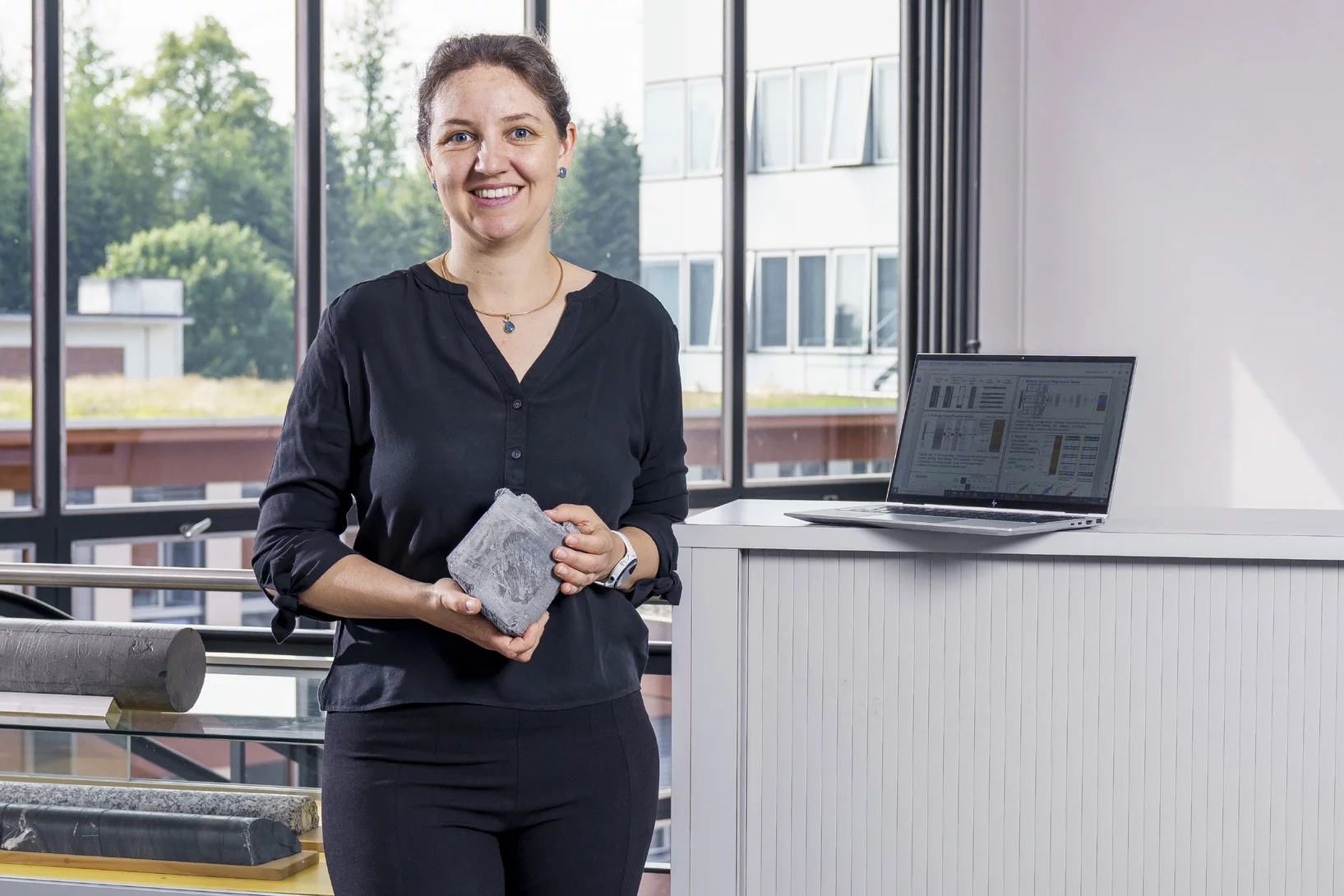
Artificial intelligence explores the underground
Researchers at the Paul Scherrer Institute PSI have shown that artificial neural networks have the potential to determine very precisely the characteristics of rock layers, like their mineralogical composition, solely on the basis of drill core images. This could speed up future geological investigation efforts while simultaneously optimising costs.
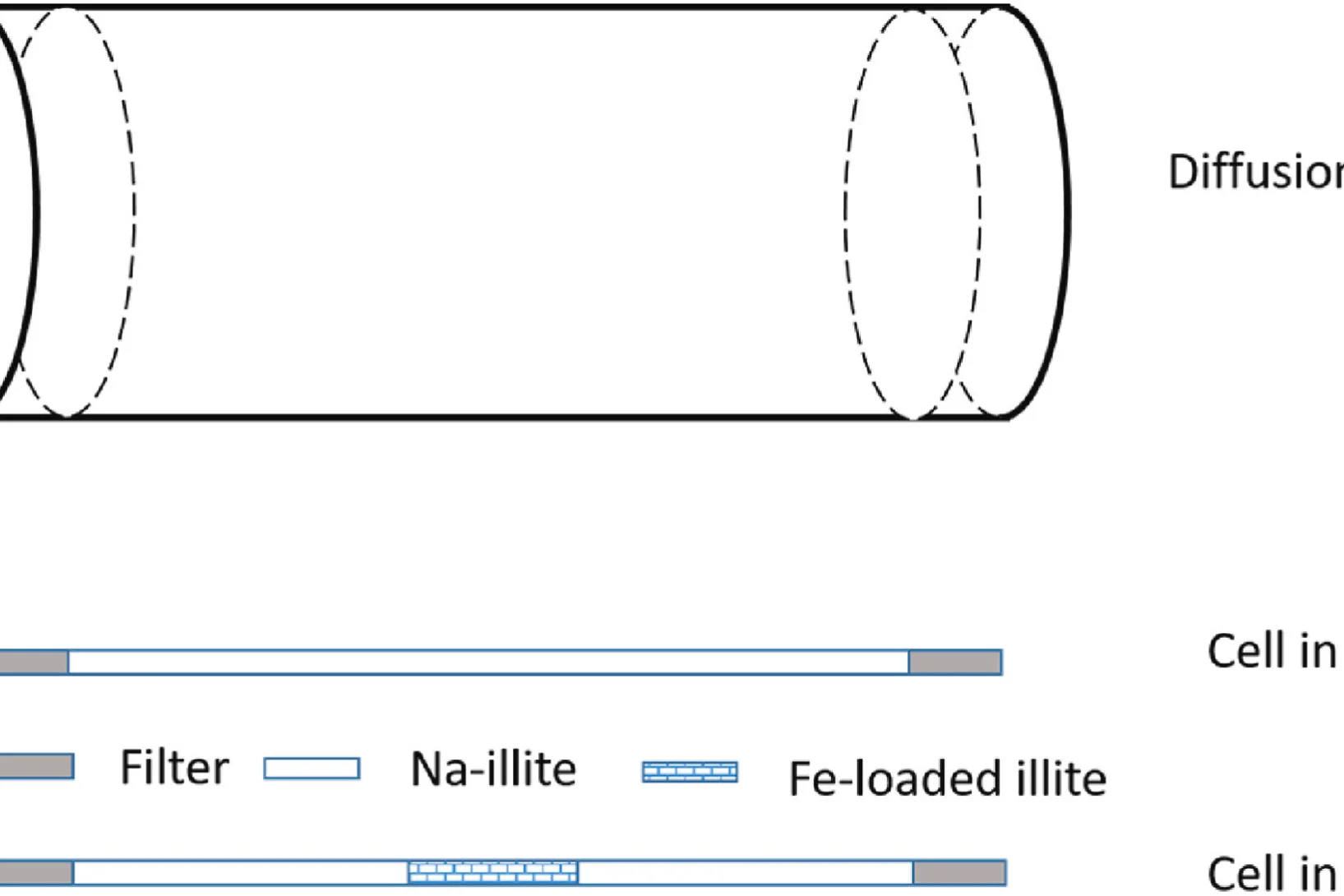
Impact of Fe(II) on 99Tc diffusion behavior in illite.
Chen, P., Churakov, S. V., Glaus, M., & Van Loon, L. R.
A comprehensive understanding of the geochemical behavior of 99Tc is of great importance for safe disposal of radioactive waste and remediation of contaminated environmental sites. Illite is one of the most common constituents of clay rocks, and thus used in this work as a model system for studying the retention and transport of 99Tc in clay-rich systems. In this study, a through-diffusion technique was applied to investigate the diffusion behavior of Tc in compacted illite clay under oxic and anoxic conditions. Particular focus of this investigation was on the role of Fe(II) on the redox state and mobility of Tc in clay.