
Neutron scattering techniques are highly versatile and powerful tools for studying the structure and dynamics of condensed matter. A wide scope of problems, ranging from fundamental to solid state physics and chemistry, and from materials science to biology, medicine and environmental science, can be investigated with neutrons. In addition to scattering, non-diffractive methods like imaging techniques allows for non-destructive inspection of materials and components, providing information on their internal structure, composition, and integrity with growing relevance also for industrial applications.
The spallation neutron source SINQ is a continuous source - the first and only one of its kind in the world - with a flux of about 1014 n/cm2/s. Beside thermal neutrons, a cold moderator of liquid deuterium (cold source) slows neutrons down and shifts their spectrum to lower energies. These neutrons have proved to be particularly valuable in materials research and in the investigation of biological substances.
SINQ operates as a user facility, meaning that scientists and research groups from around the world can apply for beamtime to conduct experiments using its various neutron instruments.
Latest News
The recent proposal deadline passed on 15 May 2025. The results of the evaluation may be expected in late July.
The next call is planned for fall with a submission deadline on 15 November 2025.
Latest Scientific Highlights and News

Steering magnetic textures with electric fields
Neutrons reveal a new way to control magnetism at the nanoscale
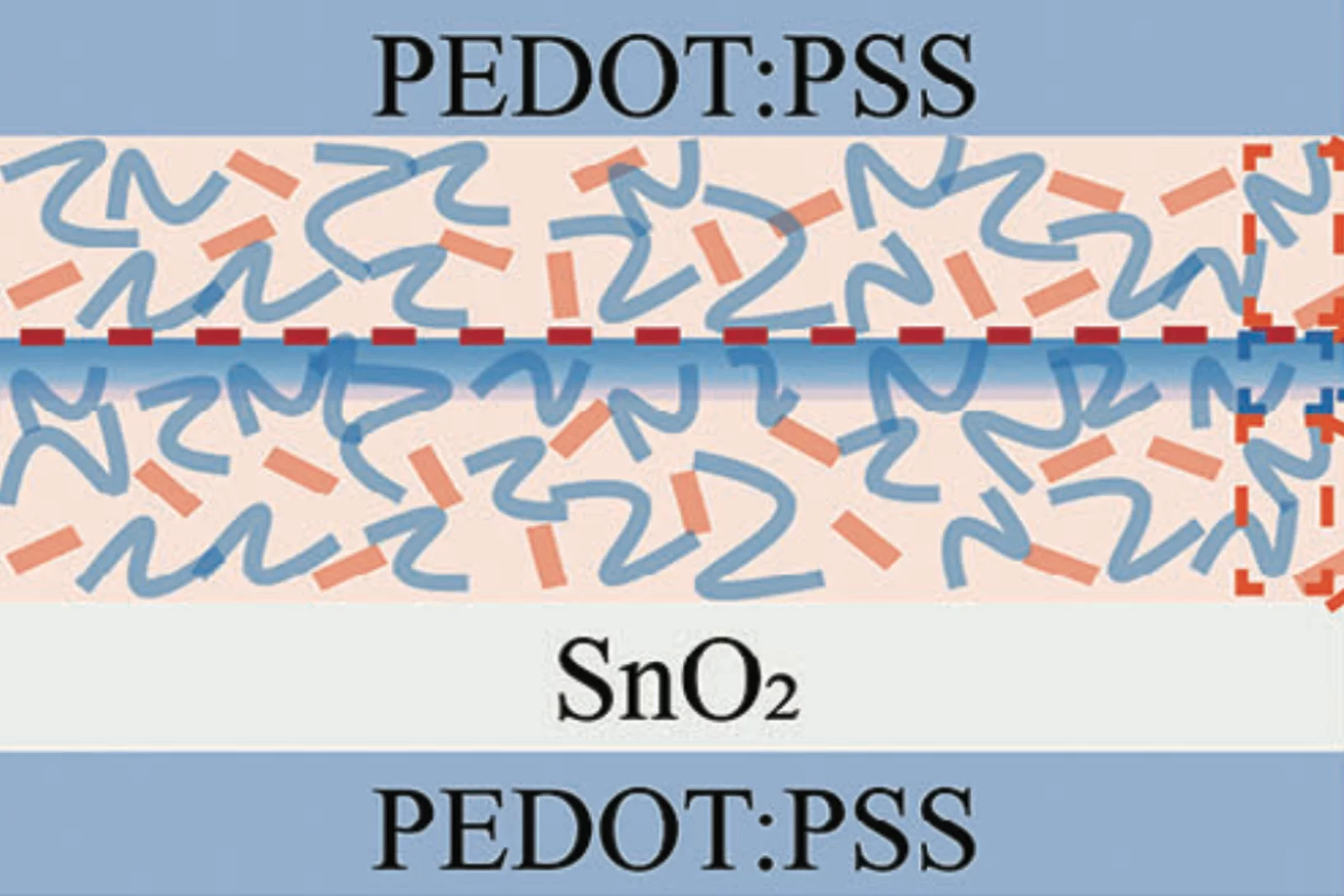
Understanding and Addressing the Performance Asymmetry Issue in Semitransparent Laminated Organic Photovoltaic Devices
Organic photovoltaics (OPVs) offer a promising solution for indoor energy harvesting. However, fundamental investigations to understand and optimize industrial processes such as roll-to-roll lamination for upscaling remain limited. This study investigates a critical failure mode in the upscaling of OPVs.
One major challenge ...
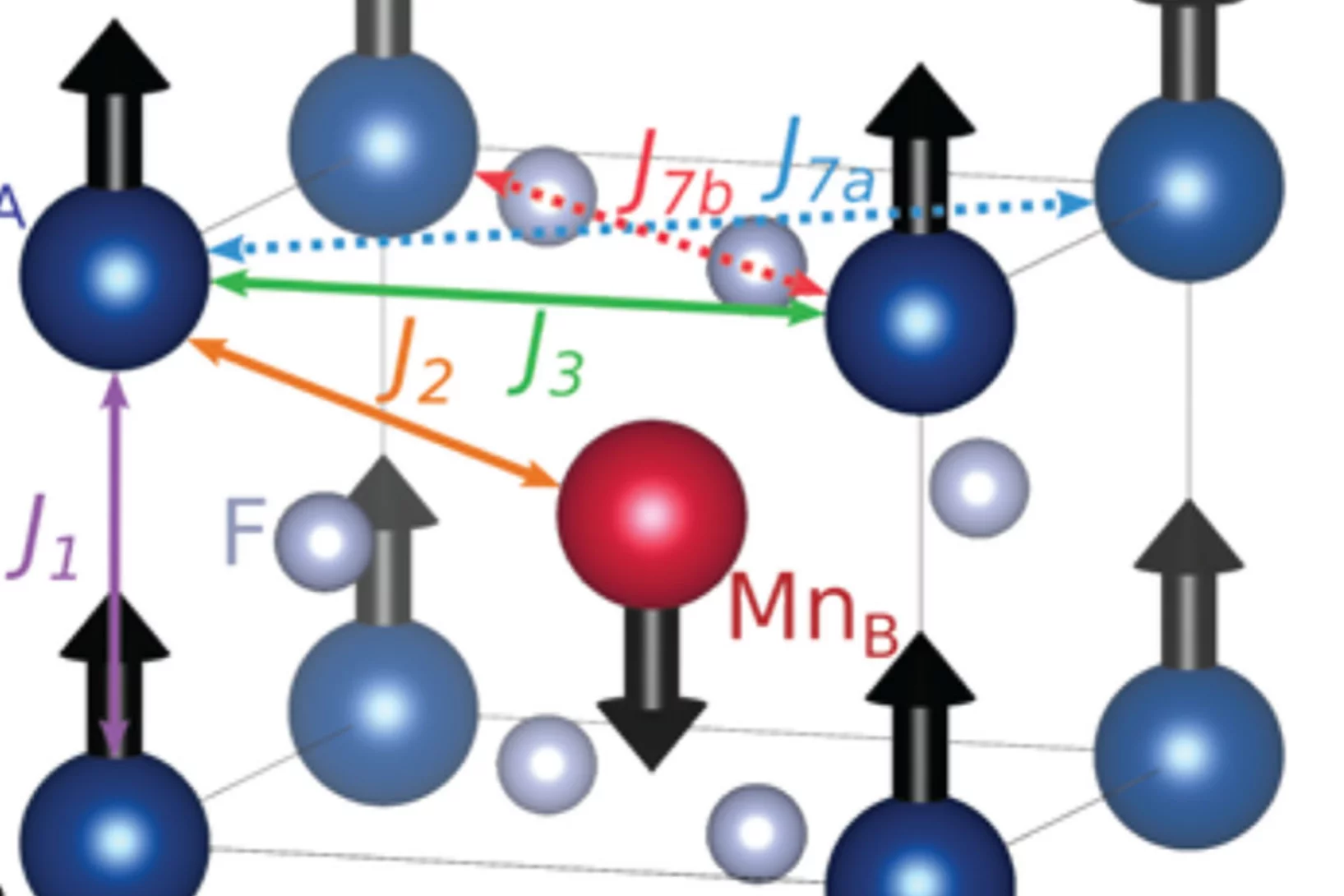
Absence of Altermagnetic Magnon Band Splitting in MnF2
Altermagnets are collinear compensated magnets in which the magnetic sublattices are related by rotation rather than translation or inversion. One of the quintessential properties of altermagnets is the presence of split chiral magnon modes. Recently, such modes have been predicted in MnF2.
Here, we report inelastic neutron scattering results ...

User Contacts
Office hours
Monday through Friday from 8:00-11:30 and 12:30-17:00
otherwise please contact us per email
User Office
Provides all information about user access to the PSI Large Research Facilities
DUO Login
Direct link to the Digital User Office