

«Wir schaffen Wissen – heute für morgen»

Paul Scherrer Institute

The Paul Scherrer Institute, PSI, is the largest research centre for natural and engineering sciences within Switzerland. We perform world-class research in three main subject areas: Matter and Material; Energy and the Environment; and Human Health. By conducting fundamental and applied research, we work on long-term solutions for major challenges facing society, industry and science.


Current news from PSI

27. January 2012

teaserbild.jpg

Kein Blick in die Kristallkugel

Das Paul Scherrer Institut wird in Zusammenarbeit mit dem Weltenergierat nachvollziehbare Modelle für zukünftige globale Energiesysteme entwickeln. In einem auf drei Jahre ausgelegten Projekt wollen PSI-Forscher um Stefan Hirschberg ein Modell entwickeln mit dem man Aussagen über zukünftige Energiesysteme machen kann. Das besondere daran ist, dass es sich um ein sogenanntes Open-Source-Modell handeln wird. D. h. Experten und andere Interessenten können einen Zugang zum Programm erhalten, sowie Informationen darüber, von genau welchen Annahmen die Forscher bei der Ausarbeitung ihres Modells ausgegangen sind. Das ist bei kommerziellen Anbietern von Prognosewerkzeugen nicht üblich.
This news release is only available in German.

23. January 2012

teaserbild.jpg

It works: Ultrafast magnetic processes observed ‘live’ using an X-ray laser

In first-of-their-kind experiments performed at the American X-ray laser LCLS, a collaboration led by researchers from the Paul Scherrer Institute has been able to precisely follow how the magnetic structure of a material changes. The change of structure was initiated by a laser pulse, and investigated with the help of short X-ray pulses. It appears as if the structure begins to change 400 femtoseconds after the laser pulse strikes. Such investigations will be a major focus of research at the planned Swiss X-ray Laser, SwissFEL, at PSI.

23. December 2011

teaserbild.jpg

Fossile Vorläufer der ersten Tiere

Einzellige Organismen, die vor über einer halben Milliarde Jahre gelebt haben und deren Fossilien in China gefunden wurden, sind wohl die unmittelbaren Vorläufer der frühesten Tiere. Die amöbenartigen Einzeller haben sich in einer Weise in zwei, vier, acht usw. Zellen geteilt, wie es heute tierische (und menschliche) Embryonen tun. Die Forscher glauben, dass diese Organismen einem der ersten Schritte vom Einzeller zum Vielzeller in der Entwicklung richtiger Tiere entsprechen.
This news release is only available in German.
Older news can be found in the archive.


Information for

PUBLIC and MEDIA

Discover and investigate. Explore the world of the Paul Scherrer Institute. Gain an insight into Switzerland's largest research institute.

SCIENTISTS and USERS

Direct access for scientists, researchers and the users of our large-scale facilities. In English only.

INDUSTRY and the ECONOMY

With its expertise, PSI can support your business in solving technological problems. Within the SwissFEL project, we provide industrial partners with interesting opportunities for collaboration.
Photo on the left: Aerial view of the PSI premises, May 2009.

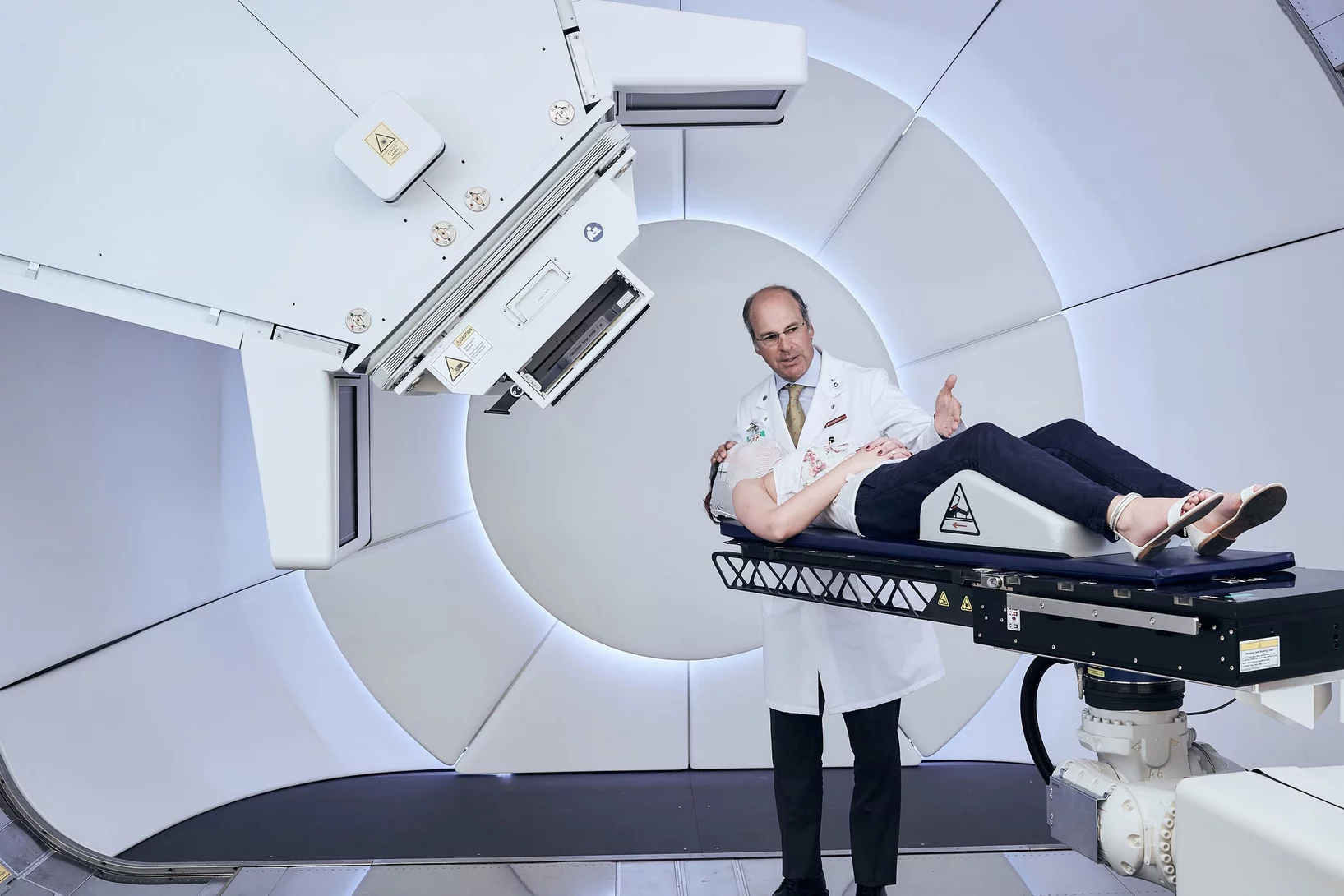
Proton Therapy

Treatment for specific cancers at PSI

User Office

The PSI User Office is a central PSI installation to serve the users from all the four user laboratories.

SwissFEL

The PSI future project

psi forum

The visitors' centre of the Paul Scherrer Institute

School Lab "iLab"

The laboratory for the iPod generation

Energie Spiegel

The newsletter regularly published by PSI on the subject of energy systems and their analysis.

Current news

Press Releases and highlights from the Paul Scherrer Institute