
Laboratory of Atmospheric Chemistry (LAC)

The Laboratory of Atmospheric Chemistry (LAC), established on 1 January 2000, is a laboratory of the Energy and Environment Research Division (ENE) at the Paul Scherrer Institute (PSI).
Mission
The mission of the LAC is to create understanding of the processes determining the chemistry and physics of gases and aerosol particles in the atmosphere in order to determine the impact of the energy system on atmospheric composition and the impact of atmospheric composition on air quality, human health, weather and climate change.
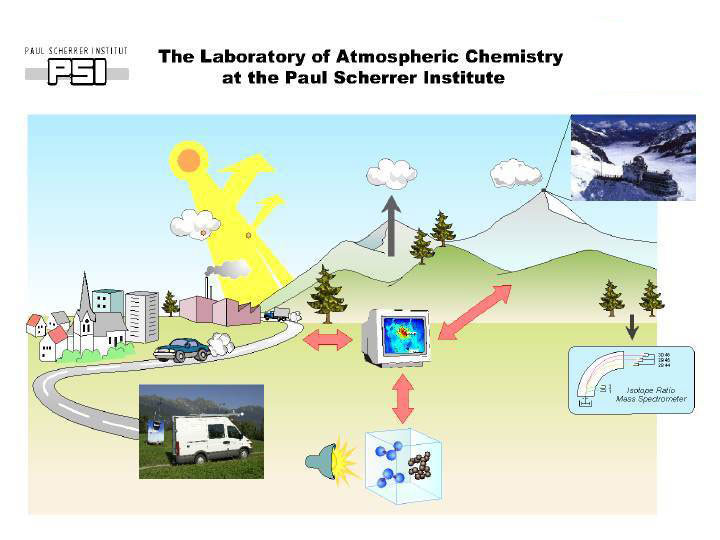
The Laboratory of Atmospheric Chemistry (LAC) investigates the impact anthropogenic activities have on fundamental processes in the atmosphere, and with that on air quality, human health, and the climate. A strong focus lies on the links between energy generation and use and its impact on the environment, which have become ever more important since the adaptation of the net-zero strategy in Switzerland. The LAC consists of six interacting groups that operate cutting-edge facilities and instrumentation in the lab and in the field, and run computer models. We are responsible for the long-term observations of atmospheric aerosol at the research station Jungfraujoch and at the Payerne observatory, and run an atmospheric chamber facility at PSI, all embedded in the Aerosol, Clouds and Trace Gases Research Infrastructure (ACTRIS). We are highly collaborative within PSI, nationally, and internationally.
Lab News & Scientific Highlights
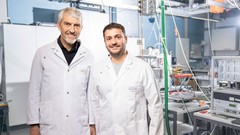
Wie die Luft von Neu-Delhi sauberer wird
PSI-Forschende sind auf den Spuren pathogener Aerosole in Indien.
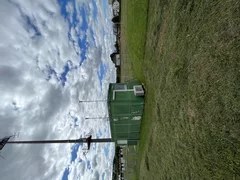
New Study Reveals Surprising Climate Benefits of Agriculture
The big challenges our planet faces—like climate change, food supply, water, and biodiversity—are all interlinked. While agriculture continues to be the primary source of food for human kind, it imposes climate challenges especially through emissions like greenhouse gases and ammonia. To solve this, we need a new approach that reduces the harmful effects of farming on the climate.

Wie Bäume die Wolkenbildung beeinflussen
Forschende des PSI haben einen bislang unbeachteten Faktor der Wolkenbildung näher bestimmt. Das könnte helfen, Klimaprognosen zu verbessern.